


:max_bytes(150000):strip_icc()/01-neuschwanstein-castle-bavaria-NEUSCHWANSTEIN0417-273a040698f24fc1ac22e717bb3f1f0c.jpg)

Question:
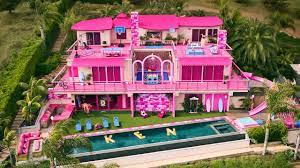
Above are pictures of three structures: a castle, a barbie dream house, and a sukkah. Which type of dwelling place would make you feel the most safe, secure, and/or at peace? Explain.
Above are pictures of three structures: a castle, a barbie dream house, and a sukkah. Which type of dwelling place would make you feel the most safe, secure, and/or at peace? Explain.
(ב) הַשְׁכִּיבֵֽנוּ יְהֹוָה אֱלֹהֵֽינוּ לְשָׁלוֹם וְהַעֲמִידֵֽנוּ מַלְכֵּֽנוּ לְחַיִּים וּפְרוֹשׂ עָלֵֽינוּ סֻכַּת שְׁלוֹמֶֽךָ וְתַקְּ֒נֵֽנוּ בְּעֵצָה טוֹבָה מִלְּ֒פָנֶֽיךָ וְהוֹשִׁיעֵֽנוּ לְמַֽעַן שְׁמֶֽךָ... וּשְׁמוֹר צֵאתֵֽנוּ וּבוֹאֵֽנוּ לְחַיִּים וּלְשָׁלוֹם מֵעַתָּה וְעַד עוֹלָם: בָּרוּךְ אַתָּה יְהֹוָה שׁוֹמֵר עַמּוֹ יִשְׂרָאֵל לָעַד:
Adonai our God; make us lie down in peace, our Sovereign, raise us again to life. Spread over us the sukkah of Your peace, and direct us to better ourselves through Your good counsel; and deliver us for Your Name’s sake... Guard our going out and our coming in for life and peace for now forever. Blessed are You, Adonai, Who guards Your people Israel forever.
BDB Dictionary: סכה Sukkah
† סֻכָּה n.f. thicket, booth (proposes of interwoven boughs cf. Ne 8:15);—abs. ס׳ Is 1:8 +; cstr. סֻכַּת Am 9:11; sf. סֻכָּתוֹ Jb 36:29 ψ 18:12, and so read ‖ 2 S 22:12 (for MT סֻכּוֹת; De Hup-Now HPS); usually pl. סֻכֹּת Gn 33:17 +; סֻכּוֹת 2 S 11:11; +;—
1. thicket, lurking-place of lions Jb 38:40 (cf. [סֹךְ] 1).
2. booth, rude or temporary shelter, for cattle Gn 33:17 (J; distinct from בַּיִת), but also for warriors in the field 2 S 11:11 1 K 20:12, 16; for watchers in vineyards Is 1:8 (sim.) Jb 27:18 (sim. of frailty), for man’s shelter from sun Jon 4:5, cf. (fig.) Is 4:6 ψ 31:21, prob. also 27:5 (v. [סֹךְ]); poet. of fallen house (dynasty) of David Am 9:11; of clouds as (temporary) enclosure (AV ‘pavilion’) of י׳ in storm ψ 18:12 = 2 S 22:12 Jb 36:29.
3. specif. of booths, made of boughs, in which people lived at harvest-feast Lv 23:42(×2), 43 (H), Ne 8:14, 15, 16, 17(×2), hence called חַג הַסֻּכּוֹת Dt 16:13, 16; 31:10; Lv 23:34 (P), Zc 14:16, 18, 19; 2 Ch 8:13; Ezr 3:4.
† סֻכָּה n.f. thicket, booth (proposes of interwoven boughs cf. Ne 8:15);—abs. ס׳ Is 1:8 +; cstr. סֻכַּת Am 9:11; sf. סֻכָּתוֹ Jb 36:29 ψ 18:12, and so read ‖ 2 S 22:12 (for MT סֻכּוֹת; De Hup-Now HPS); usually pl. סֻכֹּת Gn 33:17 +; סֻכּוֹת 2 S 11:11; +;—
1. thicket, lurking-place of lions Jb 38:40 (cf. [סֹךְ] 1).
2. booth, rude or temporary shelter, for cattle Gn 33:17 (J; distinct from בַּיִת), but also for warriors in the field 2 S 11:11 1 K 20:12, 16; for watchers in vineyards Is 1:8 (sim.) Jb 27:18 (sim. of frailty), for man’s shelter from sun Jon 4:5, cf. (fig.) Is 4:6 ψ 31:21, prob. also 27:5 (v. [סֹךְ]); poet. of fallen house (dynasty) of David Am 9:11; of clouds as (temporary) enclosure (AV ‘pavilion’) of י׳ in storm ψ 18:12 = 2 S 22:12 Jb 36:29.
3. specif. of booths, made of boughs, in which people lived at harvest-feast Lv 23:42(×2), 43 (H), Ne 8:14, 15, 16, 17(×2), hence called חַג הַסֻּכּוֹת Dt 16:13, 16; 31:10; Lv 23:34 (P), Zc 14:16, 18, 19; 2 Ch 8:13; Ezr 3:4.
Questions:
1. According to the BDB Dictionary, how would you define and translate "sukkah" סכה in the Hashkiveinu prayer?
2. Hashkiveinu is an evening prayer we say for peace and protection during the night. I wonder, why do we pray for a "sukkat shalom," a sukkah of peace instead of a castle or barbie dream house (or just regular house) of shalom?
3. What does shalom feel like, look like, sound like?
4. What do peace, protection, and safety mean to us, especially in times when we feel vulnerable like a sukkah?
1. According to the BDB Dictionary, how would you define and translate "sukkah" סכה in the Hashkiveinu prayer?
2. Hashkiveinu is an evening prayer we say for peace and protection during the night. I wonder, why do we pray for a "sukkat shalom," a sukkah of peace instead of a castle or barbie dream house (or just regular house) of shalom?
3. What does shalom feel like, look like, sound like?
4. What do peace, protection, and safety mean to us, especially in times when we feel vulnerable like a sukkah?