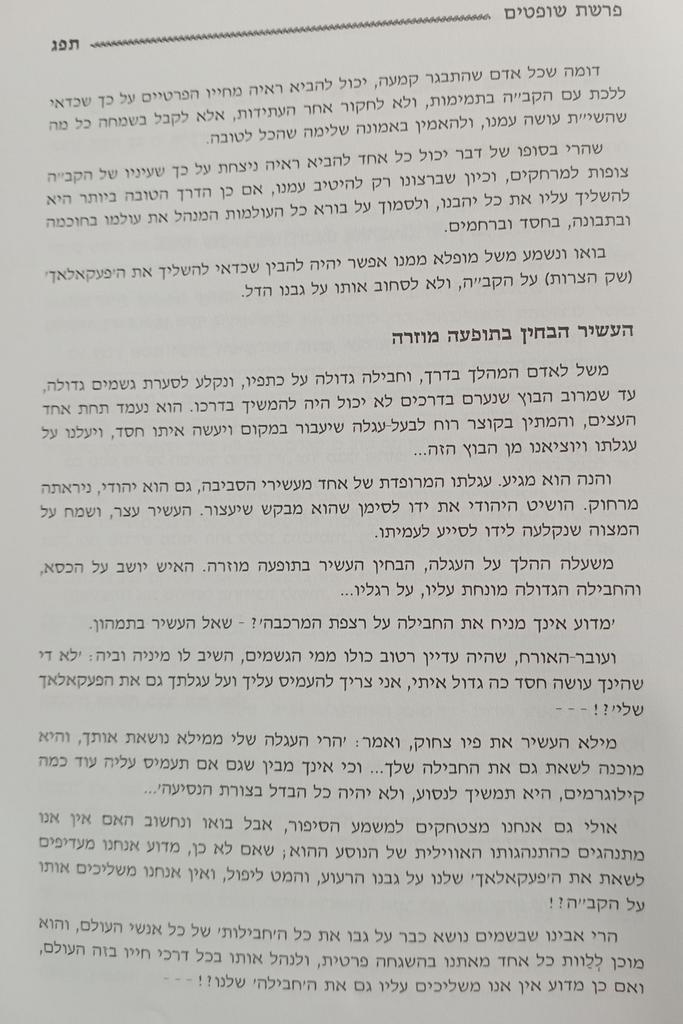
(יג) תָּמִ֣ים תִּֽהְיֶ֔ה עִ֖ם יְהֹוָ֥ה אֱלֹהֶֽיךָ׃
(13) You must be wholehearted with your God יהוה.
אָמַר רַבָּה בַּר בַּר חָנָה אָמַר רַבִּי שְׁמוּאֵל בַּר מָרְתָא אָמַר רַב מִשּׁוּם רַבִּי יוֹסֵי אִישׁ הוּצָל: מִנַּיִין שֶׁאֵין שׁוֹאֲלִין בַּכַּלְדִּיִּים, שֶׁנֶּאֱמַר: ״תָּמִים תִּהְיֶה עִם ה׳ אֱלֹהֶיךָ״.
Rabba bar bar Ḥana said that Rabbi Shmuel bar Marta said that Rav said, citing Rabbi Yosei of Hutzal: From where is it derived that one may not consult astrologers? As it is stated: “You shall be wholehearted with the Lord your God” (Deuteronomy 18:13). The Torah demands absolute faith in God and acceptance of His justice, without attempting to predict the future.
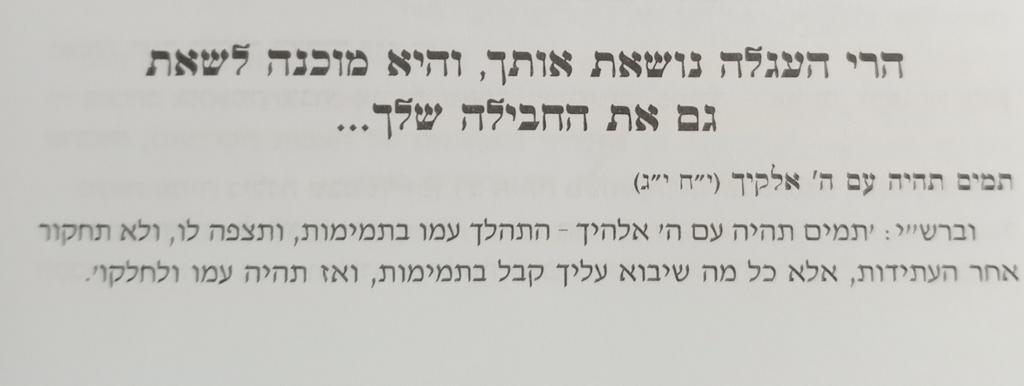
תמים תהיה עם ה' אלהיך. הִתְהַלֵּךְ עִמּוֹ בִתְמִימוּת, וּתְצַפֶּה לוֹ, וְלֹא תַחֲקֹר אַחַר הָעֲתִידוֹת, אֶלָּא כָּל מַה שֶּׁיָּבֹא עָלֶיךָ קַבֵּל בִּתְמִימוּת וְאָז תִּהְיֶה עִמּוֹ וּלְחֶלְקוֹ:
תמים תהיה עם ה' אלהיך THOU SHALT BE PERFECT WITH THE LORD THY GOD — walk before him whole-heartedly, put thy hope in Him and do not attempt to investigate the future, but whatever it may be that comes upon thee accept it whole-heartedly, and then thou shalt be with Him and become His portion (Sifrei Devarim 173:3).
וטעם תמים תהיה עם ה' אלהיך שנייחד לבבנו אליו לבדו ונאמין שהוא לבדו עושה כל והוא היודע אמתת כל עתיד וממנו לבדו נדרוש העתידות.
THOU SHALT BE WHOLE-HEARTED WITH THE ETERNAL THY G-D. The meaning thereof is that we are to direct our hearts to Him only, and believe that He alone does everything. It is He Who knows the truth about all future events, and from His prophets, or from His pious ones, in other words the Urim and Thummim — are we to inquire about future events. We are not to inquire of the astrologers or from anyone else, or by any means to trust that their words will be fulfilled. Instead, if we hear any prediction [of the diviners] we should say, “Everything is in the hands of Heaven, for He is the G-d of gods Who is supreme above all, the Omnipotent One over everything, Who changes the set order of the stars and constellations at His Will, Who frustrateth the tokens of the imposters, and maketh diviners mad,” and we are to believe that future events will occur according to man’s drawing closer to His service. Therefore after the warning against inquiring about future events from diviners, and of seeking on behalf of the living to the dead, he stated that you are to be whole-hearted with G-d in all these matters and not be afraid of those who tell of things to come. Rather, you should inquire of His prophet and to him shall you hearken. And this is the opinion of Onkelos who translated, “You shall be whole-hearted in the fear of the Eternal your G-d,” meaning that you should not be deficient in the fear of Him, for tamim (whole) indicates perfection in a thing, just as ‘seh tamim’ (a lamb that is perfect) means one that is without blemish and any deficiency. This verse [before us] constitutes a positive commandment. I have already mentioned this in connection with the verse, and be thou whole-hearted.
תמים תהיה עם ה'. תמים, אם תהיה עם ה' תמים תהיה לא יחסר לך דבר ואין מה שיגיד המזל עליך תתקיים לרעה, וזה לך האות אברהם שהתהלך לפני ה' הגם שהראה המזל עליו שלא יוליד נתהפך וילד (שבת קנ''ו:).
תמים תהיה עם ה׳ אלוקיך,"You shall be wholehearted with the Lord your G'd." Inasmuch as the previous verses dealt with people who engage in a variety of magic mixed with their religious tenets, the Torah has to emphasise that our relationship with G'd must be predicated on mutual exclusivity. The difference between Judaism and other religious beliefs is that those beliefs are based on a variety of terrifying phenomena in nature. As a result of the Gentiles' fears and traumas they resort to means which would foretell them what to expect and to try and take precautions against any disaster the stars foretell. We, who are convinced that G'd always has our best interests at heart, do not need to be terrified [except of our sinful conduct, Ed.]. You may therefore best translate this verse as meaning: "you will be complete i.e. תמים and at ease with the Lord your G'd provided תהיה עם השם אלוקיך, that you are on the same wavelength as the Lord your G'd. Any evil in store for you which you would find by consulting your horoscope is not bound to happen anyway. Our patriarch Abraham is the best example of this. He thought that because his horoscope told him that he would not have any children that G'd could not give him a meaningful reward; G'd taught him that he could overcome what he thought would happen (Shabbat 156). The word תהיה belongs both with the word תמים as well as with the words עם ה׳ אלוקיך. "You will be whole when you are on the side of your G'd."
תמים תהיה. כאיש תם שאינו מדקדק ומערים עם בוראו, אלא מה שהקב"ה מביא לידו לוקח, ואינו מצפה כי אם לרצונו הן טוב הן חילוף, ויאמר: ה' הוא הטוב בעיניו יעשה:
[סו] תמים תהיה, ושם תמים מציין שאין לבו חלוק ר"ל אם תהיה תמים עם ה' ולא תפנה עמו לבקש לדעת עתידות ע"י מעוננים ואף לא ע"י אופן המותר כי תסמוך על ה' כי הוא יכין העתידות עליך לטוב, אז חלקך עם ההשגחה הפרטית וא"צ לך לחקור על העתיד לבא או לעונן על שעה מוצלחת וכדומה כי כ"ז יכין ה' לטובתך.