


(ו) חֲמִשָּׁה דְבָרִים אֵרְעוּ אֶת אֲבוֹתֵינוּ בְּשִׁבְעָה עָשָׂר בְּתַמּוּז וַחֲמִשָּׁה בְּתִשְׁעָה בְאָב. בְּשִׁבְעָה עָשָׂר בְּתַמּוּז נִשְׁתַּבְּרוּ הַלּוּחוֹת, וּבָטַל הַתָּמִיד, וְהֻבְקְעָה הָעִיר, וְשָׂרַף אַפּוֹסְטֹמוֹס אֶת הַתּוֹרָה, וְהֶעֱמִיד צֶלֶם בַּהֵיכָל. בְּתִשְׁעָה בְאָב נִגְזַר עַל אֲבוֹתֵינוּ שֶׁלֹּא יִכָּנְסוּ לָאָרֶץ, וְחָרַב הַבַּיִת בָּרִאשׁוֹנָה וּבַשְּׁנִיָּה, וְנִלְכְּדָה בֵיתָר, וְנֶחְרְשָׁה הָעִיר. מִשֶּׁנִּכְנַס אָב, מְמַעֲטִין בְּשִׂמְחָה:
(6) The mishna discusses the five major communal fast days. Five calamitous matters occurred to our forefathers on the seventeenth of Tammuz, and five other disasters happened on the Ninth of Av. On the seventeenth of Tammuzthe tablets were broken by Moses when he saw that the Jews had made the golden calf; the daily offering was nullified by the Roman authorities and was never sacrificed again; the city walls of Jerusalem were breached; the general Apostemos publicly burned a Torah scroll; and Manasseh placed an idol in the Sanctuary.On the Ninth of Av it was decreed upon our ancestors that they would all die in the wilderness and not enter Eretz Yisrael; and the Temple was destroyed the first time, in the days of Nebuchadnezzar, and the second time, by the Romans; and Beitar was captured; and the city of Jerusalem was plowed, as a sign that it would never be rebuilt. Not only does one fast on the Ninth of Av, but from when the month of Av begins, one decreases acts of rejoicing.
(א) וַֽיְהִי֙ בִּשְׁנַ֣ת אַרְבַּ֔ע לְדָרְיָ֖וֶשׁ הַמֶּ֑לֶךְ הָיָ֨ה דְבַר־יהוה אֶל־זְכַרְיָ֗ה בְּאַרְבָּעָ֛ה לַחֹ֥דֶשׁ הַתְּשִׁעִ֖י בְּכִסְלֵֽו׃ (ב) וַיִּשְׁלַח֙ בֵּֽית־אֵ֔ל שַׂר־אֶ֕צֶר וְרֶ֥גֶם מֶ֖לֶךְ וַֽאֲנָשָׁ֑יו לְחַלּ֖וֹת אֶת־פְּנֵ֥י יהוה׃ (ג) לֵאמֹ֗ר אֶל־הַכֹּֽהֲנִים֙ אֲשֶׁר֙ לְבֵית־יהוה צְבָא֔וֹת וְאֶל־הַנְּבִיאִ֖ים לֵאמֹ֑ר הַֽאֶבְכֶּה֙ בַּחֹ֣דֶשׁ הַחֲמִשִׁ֔י הִנָּזֵ֕ר כַּאֲשֶׁ֣ר עָשִׂ֔יתִי זֶ֖ה כַּמֶּ֥ה שָׁנִֽים׃ {ס} (ד) וַיְהִ֛י דְּבַר־יהוה צְבָא֖וֹת אֵלַ֥י לֵאמֹֽר׃ (ה) אֱמֹר֙ אֶל־כׇּל־עַ֣ם הָאָ֔רֶץ וְאֶל־הַכֹּהֲנִ֖ים לֵאמֹ֑ר כִּֽי־צַמְתֶּ֨ם וְסָפ֜וֹד בַּחֲמִישִׁ֣י וּבַשְּׁבִיעִ֗י וְזֶה֙ שִׁבְעִ֣ים שָׁנָ֔ה הֲצ֥וֹם צַמְתֻּ֖נִי אָֽנִי׃ (ו) וְכִ֥י תֹאכְל֖וּ וְכִ֣י תִשְׁתּ֑וּ הֲל֤וֹא אַתֶּם֙ הָאֹ֣כְלִ֔ים וְאַתֶּ֖ם הַשֹּׁתִֽים׃
(1) In the fourth year of King Darius, on the fourth day of the ninth month, Kislev, the word of GOD came to Zechariah— (2) when Bethel-sharezer and Regem-melech and his men sentaand Regem-melech and his men sent Emendation yields “sent Regem-melech and his men.” to entreat the favor of GOD, (3) [and] to address this inquiry to the priests of the House of GOD and to the prophets: “Shall I weep and practice abstinence in the fifth month,bweep and practice abstinence in the fifth month Because of the destruction of the temple and Jerusalem; cf. 2 Kings 25.8ff. as I have been doing all these years?” (4) Thereupon the word of GOD of Hosts came to me: (5) Say to all the people of the land and to the priests: When you fasted and lamented in the fifth and seventh months all these seventy years, did you fast for my benefit? (6) And when you eat and drink, who but you does the eating, and who but you does the drinking?
(ג) כֹּ֚ה אָמַ֣ר יהוה שַׁ֚בְתִּי אֶל־צִיּ֔וֹן וְשָׁכַנְתִּ֖י בְּת֣וֹךְ יְרֽוּשָׁלָ֑͏ִם וְנִקְרְאָ֤ה יְרוּשָׁלַ֙͏ִם֙ עִ֣יר הָֽאֱמֶ֔ת וְהַר־יהוה צְבָא֖וֹת הַ֥ר הַקֹּֽדֶשׁ׃ (ד) כֹּ֤ה אָמַר֙ יהוה צְבָא֔וֹת עֹ֤ד יֵֽשְׁבוּ֙ זְקֵנִ֣ים וּזְקֵנ֔וֹת בִּרְחֹב֖וֹת יְרוּשָׁלָ֑͏ִם וְאִ֧ישׁ מִשְׁעַנְתּ֛וֹ בְּיָד֖וֹ מֵרֹ֥ב יָמִֽים׃ (ה) וּרְחֹב֤וֹת הָעִיר֙ יִמָּ֣לְא֔וּ יְלָדִ֖ים וִֽילָד֑וֹת מְשַׂחֲקִ֖ים בִּרְחֹֽבֹתֶֽיהָ׃ {פ}
(3) Thus said GOD: I have returned to Zion, and I will dwell in Jerusalem. Jerusalem will be called the City of Faithfulness, and the mount of GOD of Hosts the Holy Mount. (4) Thus said GOD of Hosts: There shall yet be elderly men and women in the squares of Jerusalem, each with staff in hand because of their great age. (5) And the squares of the city shall be crowded with boys and girls playing in the squares.
(יט) כֹּֽה־אָמַ֞ר יהוה צְבָא֗וֹת צ֣וֹם הָרְבִיעִ֡י וְצ֣וֹם הַחֲמִישִׁי֩ וְצ֨וֹם הַשְּׁבִיעִ֜י וְצ֣וֹם הָעֲשִׂירִ֗י יִהְיֶ֤ה לְבֵית־יְהוּדָה֙ לְשָׂשׂ֣וֹן וּלְשִׂמְחָ֔ה וּֽלְמֹעֲדִ֖ים טוֹבִ֑ים וְהָאֱמֶ֥ת וְהַשָּׁל֖וֹם אֱהָֽבוּ׃ {פ}
(19) Thus said GOD of Hosts: The fast of the fourth month,efast of the fourth month Commemorating the events of 2 Kings 25.3–7 (Jer. 52.6ff.). the fast of the fifth month,ffast of the fifth month Commemorating the events of 2 Kings 25.8–15 (Jer. 52.12ff.). the fast of the seventh month,gfast of the seventh month Commemorating the events of 2 Kings 25.25–26 (Jer. 41). and the fast of the tenth monthhfast of the tenth month Commemorating the events of 2 Kings 25.1–2 (Jer. 52.4). shall become occasions for joy and gladness, happy festivals for the House of Judah; but you must love honesty and integrity.
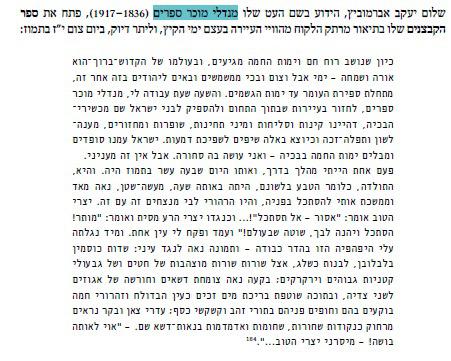
דְּאָמַר רַב חָנָא בַּר בִּיזְנָא אָמַר רַבִּי שִׁמְעוֹן חֲסִידָא, מַאי דִּכְתִיב: ״כֹּה אָמַר יהוה צְבָאוֹת צוֹם הָרְבִיעִי וְצוֹם הַחֲמִישִׁי וְצוֹם הַשְּׁבִיעִי וְצוֹם הָעֲשִׂירִי יִהְיֶה לְבֵית יְהוּדָה לְשָׂשׂוֹן וּלְשִׂמְחָה״. קָרֵי לְהוּ ״צוֹם״, וְקָרֵי לְהוּ ״שָׂשׂוֹן וְשִׂמְחָה״! בִּזְמַן שֶׁיֵּשׁ שָׁלוֹם — יִהְיוּ לְשָׂשׂוֹן וּלְשִׂמְחָה, אֵין שָׁלוֹם — צוֹם. אָמַר רַב פָּפָּא, הָכִי קָאָמַר: בִּזְמַן שֶׁיֵּשׁ שָׁלוֹם — יִהְיוּ לְשָׂשׂוֹן וּלְשִׂמְחָה, יֵשׁ שְׁמָד — צוֹם, אֵין שְׁמָד וְאֵין שָׁלוֹם — רָצוּ מִתְעַנִּין, רָצוּ אֵין מִתְעַנִּין. אִי הָכִי, תִּשְׁעָה בְּאָב נָמֵי? אָמַר רַב פָּפָּא: שָׁאנֵי תִּשְׁעָה בְּאָב, הוֹאִיל וְהוּכְפְּלוּ בּוֹ צָרוֹת. דְּאָמַר מָר: בְּתִשְׁעָה בְּאָב חָרַב הַבַּיִת בָּרִאשׁוֹנָה וּבַשְּׁנִיָּה, וְנִלְכְּדָה בֵּיתָר, וְנֶחֶרְשָׁה הָעִיר. תַּנְיָא אָמַר רַבִּי שִׁמְעוֹן: אַרְבָּעָה דְּבָרִים הָיָה רַבִּי עֲקִיבָא דּוֹרֵשׁ, וַאֲנִי אֵין דּוֹרֵשׁ כְּמוֹתוֹ: ״צוֹם הָרְבִיעִי״ — זֶה תִּשְׁעָה בְּתַמּוּז שֶׁבּוֹ הוּבְקְעָה הָעִיר, שֶׁנֶּאֱמַר: ״בָּרְבִיעִי בְּתִשְׁעָה לַחֹדֶשׁ וַיֶּחֱזַק הָרָעָב בָּעִיר וְלֹא הָיָה לֶחֶם לְעַם הָאָרֶץ וַתִּבָּקַע הָעִיר״. וְאַמַּאי קָרֵי לֵיהּ ״רְבִיעִי״ — רְבִיעִי לֶחֳדָשִׁים. ״צוֹם הַחֲמִישִׁי״ — זֶה תִּשְׁעָה בְּאָב, שֶׁבּוֹ נִשְׂרַף בֵּית אֱלֹהֵינוּ. וְאַמַּאי קָרֵי לֵיהּ ״חֲמִישִׁי״ — חֲמִישִׁי לֶחֳדָשִׁים. צוֹם הַשְּׁבִיעִי — זֶה שְׁלֹשָׁה בְּתִשְׁרִי, שֶׁבּוֹ נֶהֱרַג גְּדַלְיָה בֶּן אֲחִיקָם. וּמִי הֲרָגוֹ — יִשְׁמָעֵאל בֶּן נְתַנְיָה הֲרָגוֹ, לְלַמֶּדְךָ שֶׁשְּׁקוּלָה מִיתָתָן שֶׁל צַדִּיקִים כִּשְׂרֵיפַת בֵּית אֱלֹהֵינוּ. וְאַמַּאי קָרֵי לֵיהּ ״שְׁבִיעִי״ — שְׁבִיעִי לֶחֳדָשִׁים. ״צוֹם הָעֲשִׂירִי״ — זֶה עֲשָׂרָה בְּטֵבֵת, שֶׁבּוֹ סָמַךְ מֶלֶךְ בָּבֶל עַל יְרוּשָׁלַיִם, שֶׁנֶּאֱמַר: ״וַיְהִי דְבַר יהוה אֵלַי בַּשָּׁנָה הַתְּשִׁיעִית בַּחֹדֶשׁ הָעֲשִׂירִי בֶּעָשׂוֹר לַחֹדֶשׁ לֵאמֹר. בֶּן אָדָם כְּתׇב לְךָ אֶת שֵׁם הַיּוֹם אֶת עֶצֶם הַיּוֹם הַזֶּה סָמַךְ מֶלֶךְ בָּבֶל אֶל יְרוּשָׁלִַים״. וְאַמַּאי קָרֵי לֵיהּ ״עֲשִׂירִי״ — עֲשִׂירִי לֶחֳדָשִׁים. וַהֲלֹא הָיָה רָאוּי זֶה לִכְתּוֹב רִאשׁוֹן? וְלָמָּה נִכְתַּב כָּאן — כְּדֵי לְהַסְדִּיר חֳדָשִׁים כְּתִיקְנָן. וַאֲנִי אֵינִי אוֹמֵר כֵּן, אֶלָּא: ״צוֹם הָעֲשִׂירִי״ — זֶה חֲמִשָּׁה בְּטֵבֵת, שֶׁבּוֹ בָּאת שְׁמוּעָה לַגּוֹלָה שֶׁהוּכְּתָה הָעִיר, שֶׁנֶּאֱמַר: ״וַיְהִי בִּשְׁתֵּי עֶשְׂרֵה שָׁנָה בָּעֲשִׂירִי בַּחֲמִשָּׁה לַחֹדֶשׁ לְגָלוּתֵנוּ בָּא אֵלַי הַפָּלִיט מִירוּשָׁלִַם לֵאמֹר הוּכְּתָה הָעִיר״, וְעָשׂוּ יוֹם שְׁמוּעָה כְּיוֹם שְׂרֵיפָה. וְנִרְאִין דְּבָרַי מִדְּבָרָיו, שֶׁאֲנִי אוֹמֵר עַל רִאשׁוֹן רִאשׁוֹן וְעַל אַחֲרוֹן אַחֲרוֹן, וְהוּא אוֹמֵר עַל רִאשׁוֹן אַחֲרוֹן וְעַל אַחֲרוֹן רִאשׁוֹן. אֶלָּא שֶׁהוּא מוֹנֶה לְסֵדֶר חֳדָשִׁים, וַאֲנִי מוֹנֶה לְסֵדֶר פּוּרְעָנִיּוֹת. אִיתְּמַר, רַב וְרַבִּי חֲנִינָא אָמְרִי: בָּטְלָה מְגִילַּת תַּעֲנִית. רַבִּי יוֹחָנָן וְרַבִּי יְהוֹשֻׁעַ בֶּן לֵוִי אָמְרִי: לֹא בָּטְלָה מְגִילַּת תַּעֲנִית. רַב וְרַבִּי חֲנִינָא אָמְרִי בָּטְלָה מְגִילַּת תַּעֲנִית, הָכִי קָאָמַר: בִּזְמַן שֶׁיֵּשׁ שָׁלוֹם — יִהְיוּ לְשָׂשׂוֹן וּלְשִׂמְחָה, אֵין שָׁלוֹם — צוֹם. וְהָנָךְ נָמֵי כִּי הָנֵי. רַבִּי יוֹחָנָן וְרַבִּי יְהוֹשֻׁעַ בֶּן לֵוִי אָמְרִי: לֹא בָּטְלָה מְגִילַּת תַּעֲנִית — הָנֵי הוּא דִּתְלִינְהוּ רַחֲמָנָא בְּבִנְיַן בֵּית הַמִּקְדָּשׁ, אֲבָל הָנָךְ — כִּדְקָיְימִי קָיְימִי. מֵתִיב רַב כָּהֲנָא: מַעֲשֶׂה וְגָזְרוּ תַּעֲנִית בַּחֲנוּכָּה בְּלוֹד, וְיָרַד רַבִּי אֱלִיעֶזֶר וְרָחַץ, וְרַבִּי יְהוֹשֻׁעַ וְסִיפֵּר. וְאָמְרוּ לָהֶם: צְאוּ וְהִתְעַנּוּ עַל מַה שֶּׁהִתְעַנִּיתֶם. אָמַר רַב יוֹסֵף: שָׁאנֵי חֲנוּכָּה דְּאִיכָּא מִצְוָה. אָמַר לֵיהּ אַבָּיֵי: וְתִיבְטַיל אִיהִי וְתִיבְטַל מִצְוָתָהּ! אֶלָּא אָמַר רַב יוֹסֵף, שָׁאנֵי חֲנוּכָּה דְּמִיפַּרְסַם נִיסָּא. מוֹתֵיב רַב אַחָא בַּר הוּנָא: בִּתְלָתָא בְּתִשְׁרִי בְּטֵילַת אַדְכָּרְתָּא מִן שְׁטָרַיָּיא. שֶׁגָּזְרָה מַלְכוּת יָוָן גְּזֵרָה שֶׁלֹּא לְהַזְכִּיר שֵׁם שָׁמַיִם עַל פִּיהֶם, וּכְשֶׁגָּבְרָה מַלְכוּת חַשְׁמוֹנַאי וְנִצְּחוּם הִתְקִינוּ שֶׁיְּהוּ מַזְכִּירִין שֵׁם שָׁמַיִם אֲפִילּוּ בִּשְׁטָרוֹת. וְכָךְ הָיוּ כּוֹתְבִים: בִּשְׁנַת כָּךְ וְכָךְ לְיוֹחָנָן כֹּהֵן גָּדוֹל לְאֵל עֶלְיוֹן. וּכְשֶׁשָּׁמְעוּ חֲכָמִים בַּדָּבָר, אָמְרוּ: לְמָחָר זֶה פּוֹרֵעַ אֶת חוֹבוֹ וְנִמְצָא שְׁטָר מוּטָּל בָּאַשְׁפָּה, וּבִיטְּלוּם, וְאוֹתוֹ הַיּוֹם עֲשָׂאוּהוּ יוֹם טוֹב. וְאִי סָלְקָא דַעְתָּךְ בָּטְלָה מְגִילַּת תַּעֲנִית — קַמָּיָיתָא בְּטוּל, אַחְרָנְיָיתָא מוֹסִיפִין?! הָכָא בְּמַאי עָסְקִינַן, בִּזְמַן שֶׁבֵּית הַמִּקְדָּשׁ קַיָּים.
As Rav Ḥana bar Bizna said that Rabbi Shimon Ḥasida said: What is the meaning of that which is written: “Thus said the Lord of hosts: The fast of the fourth month, and the fast of the fifth, and fast of the seventh, and the fast of the tenth, shall become times of joy and gladness, and cheerful seasons, to the house of Judah” (Zechariah 8:19). It calls them days of “fast” and it calls them “times of joy and gladness.” How so? When there is peace in the world, they will be times of joy and gladness, on which eulogies and fasting are forbidden; but when there is no peace, they are days of fasting. In a time when there is no peace, why are messengers not sent out also for the fourth and tenth months, so that people can know when to observe the fasts? Rav Pappa said that this is what it is saying: When there is peace in the world and the Temple is standing, these days will be times of joy and gladness; when there is persecution and troubles for the Jewish people, they are days of fasting; and when there is no persecution but still no peace, neither particular troubles nor consolation for Israel, the halakha is as follows: If people wish, they fast, and if they wish, they do not fast. Since there is no absolute obligation to fast, messengers are not sent out for these months. The Gemara asks: If so, the Ninth of Av should also be like the other fast days, that sometimes it is observed and sometimes not, depending upon the wishes of the community at the time. Why does the mishna state that messengers go out for the month of Av? Rav Pappa said: The Ninth of Av is different, since the calamities that occurred on that day were multiplied. As the Master said: On the Ninth of Av the Temple was destroyed, both the first one and the second one; on this day the city of Beitar was captured; and on this day the city of Jerusalem was plowed over by the enemies of the Jewish people, as a sign that it would never be rebuilt. Consequently, the fast of the Ninth of Av is obligatory, and not optional like the other fasts. Messengers are consequently sent out so that people will know when to fast. § The Sages disagreed about the fasts alluded to in the words of the prophet, as it is taught in a baraita. Rabbi Shimon said: Rabbi Akiva would expound four verses, but I would not expound the texts as he did. One of the disputes relates to the fasts mentioned by Zechariah. Rabbi Akiva would expound the verse as follows: “The fast of the fourth,” this is the ninth of Tammuz, on which the city of Jerusalem was breached, as it is stated: “And in the fourth month, on the ninth day of the month, the famine was severe in the city, so that there was no bread for the people of the land. Then the city was breached” (Jeremiah 52:6–7). And why does the prophet call it the fast of the fourth? Because it is in Tammuz, the fourth of the months when counting from Nisan. “The fast of the fifth,” this is the Ninth of Av, on which the Temple of our Lord was burnt. And why does he call it the fast of the fifth? Because it falls in the fifth of the months. “The fast of the seventh,” this is the third of Tishrei, on which Gedaliah, son of Ahikam, was killed. And who killed him? Ishmael, son of Nethaniah, killed him (see II Kings 25:25; Jeremiah, chapter 41). The Sages established a fast to commemorate Gedaliah’s death to teach you that the death of the righteous is equivalent to the burning of the Temple of our Lord. And why did the prophet call it the fast of the seventh? Because Tishrei is the seventh of the months.“The fast of the tenth,” This is the tenth of Tevet, on which the king of Babylonia laid siege to Jerusalem, as it is stated: “And in the ninth year, in the tenth month, on the tenth day of the month, the word of the Lord came to me, saying: Son of man, write the name of the day, of this same day: The king of Babylonia has laid siege to Jerusalem on this very day” (Ezekiel 24:1–2). And why did he call it the fast of the tenth? Because it is in Tevet, which is the tenth of the months. Wouldn’t it have been fitting to write this fast first, as the series of events began with the laying of the siege. Why was it written here at the end of the list? This was done in order to list the months in their proper order, as the prophet began with the fourth month and ended with the tenth month. This is the statement of Rabbi Akiva. Rabbi Shimon disagreed and said: I do not say this, but rather I expound the verse as follows: “The fast of the tenth,” this is the fifth of Tevet, on which the report reached the Diaspora that the city had been smitten, as it is stated: “And it came to pass in the twelfth year of our exile, in the tenth month, on the fifth day of the month, that one that had escaped out of Jerusalem came to me, saying: The city is smitten” (Ezekiel 33:21); and they made the day of the report of the destruction like the day of the actual burning and decreed a fast on that day. And Rabbi Shimon added: And my statement seems more convincing than his statement, as I say about the first fast mentioned by the prophet that it marks the event that took place first, and about the last fast that it marks the event that took place last. According to Rabbi Shimon, the fasts are listed in accordance with the chronological order of the events. But he, Rabbi Akiva, says about the first fast mentioned by the prophet that it marks the event that took place last, and about the last fast mentioned that it marks the event that took place first, only that he lists the fasts in the order of the months, whereas I list them also in the order of the calamities that they mark. § It was stated that the Sages disagreed about the following matter: Rav and Rabbi Ḥanina both say: Megillat Ta’anit, a listing of days on which fasting and eulogizing are forbidden, has been nullified, as in the present period of exile there is no reason to celebrate the joyous events that these days commemorate. Rabbi Yoḥanan and Rabbi Yehoshua ben Levi say: Megillat Ta’anit has not been nullified. The Gemara explains: Rav and Rabbi Ḥanina say that Megillat Ta’anit has been nullified. This is what the prophet is saying: At a time when there is peace in the world, the dates listed will be times of joy and gladness, on which eulogies and fasting are forbidden; but when there is no peace, they are days of fasting. And those days mentioned in Megillat Ta’anitare also like these days of fasting, that is to say, the days of joy listed in Megillat Ta’anit are also nullified when there is no peace. Rabbi Yoḥanan and Rabbi Yehoshua ben Levi say that Megillat Ta’anit has not been nullified, and they reason as follows: It was those fast days mentioned in the Bible that the Merciful One makes contingent on the building of the Temple, but these festive days listed in Megillat Ta’anitremain as they were and have not been nullified. Rav Kahana raised an objection against Rav and Rabbi Ḥanina from a baraita: There was an incident and the Sages decreed a fast on Hanukkah in Lod, and Rabbi Eliezer went down on that day and bathed in the bathhouse and Rabbi Yehoshua went down and cut his hair to show that they did not accept the fast. Furthermore, these two Sages said to the others: Go out and fast another fast as an act of penitence for what you have already fasted, as the days of Hanukkah are days of joy, on which fasting is forbidden. Hanukkah is one of the Festivals listed in Megillat Ta’anit. Even after the destruction of the Temple Hanukkah is celebrated, demonstrating that Megillat Ta’anit has not been nullified. Rav Yosef said: Hanukkah is different, as there is the mitzva of lighting candles, and so, unlike the other days listed in Megillat Ta’anit, the festival of Hanukkah was not nullified. Abaye said to him: What is this argument? Let Hanukkah itself be nullified, and let its mitzva of lighting candles be nullified with it. Rather, Rav Yosef retracted his previous explanation and said: Hanukkah is different, as its miracle is well known, and it has become so widely accepted by all the Jewish people that it would be inappropriate to nullify it. Rav Aḥa bar Huna raised an objection: It is stated in Megillat Ta’anit: On the third of Tishrei the ordinance requiring the mention of God’s name in legal documents was abolished, and on that day fasting is forbidden. For the kingdom of Greece had issued a decree against the Jews forbidding them to mention the name of Heaven on their lips. When the Hasmonean kingdom became strong and defeated the Greeks, they instituted that people should mention the name of Heaven even in their legal documents. And therefore they would write: In year such and such of Yoḥanan the High Priest of the God Most High.And when the Sages heard about this they said: Tomorrow this one, the borrower, will repay his debt, the lender will no longer need to save the loan document, the document will be cast on a dunghill, and the name of Heaven written there will come to disgrace. And so they annulled the ordinance to mention God’s name in documents, and they made that day into a Festival. And if it enters your mind to say that Megillat Ta’anit has been nullified, can you say that the first prohibitions against fasting they annulled, and then later ones were added? The Gemara answers: With what are we dealing here? This is referring to a time when the Temple was standing and all the days listed in Megillat Ta’anit were in force. From time to time new days of commemoration were added. When the amora’im stated that Megillat Ta’anit was nullified they were referring to the time after the destruction of the Temple.
מִקְדָּשׁ רִאשׁוֹן מִפְּנֵי מָה חָרַב — מִפְּנֵי שְׁלֹשָׁה דְּבָרִים שֶׁהָיוּ בּוֹ: עֲבוֹדָה זָרָה, וְגִלּוּי עֲרָיוֹת, וּשְׁפִיכוּת דָּמִים. [...]
אֲבָל מִקְדָּשׁ שֵׁנִי שֶׁהָיוּ עוֹסְקִין בְּתוֹרָה וּבְמִצְוֹת וּגְמִילוּת חֲסָדִים, מִפְּנֵי מָה חָרַב? מִפְּנֵי שֶׁהָיְתָה בּוֹ שִׂנְאַת חִנָּם. לְלַמֶּדְךָ שֶׁשְּׁקוּלָה שִׂנְאַת חִנָּם כְּנֶגֶד שָׁלֹשׁ עֲבֵירוֹת: עֲבוֹדָה זָרָה, גִּלּוּי עֲרָיוֹת, וּשְׁפִיכוּת דָּמִים [...].
מִשֶּׁמֵּתוּ נְבִיאִים הָאַחֲרוֹנִים חַגַּי זְכַרְיָה וּמַלְאָכִי נִסְתַּלְּקָה רוּחַ הַקֹּדֶשׁ מִיִּשְׂרָאֵל, וַעֲדַיִין הָיוּ מִשְׁתַּמְּשִׁין בְּבַת קוֹל.
that they deferred the sacrifice of their bird-offerings by women after childbirth; nevertheless, the verse ascribes to them as if they lay with them. These women came to the Tabernacle to sacrifice doves or pigeons as bird-offerings as part of their purification process, which would permit them to engage in sexual relations with their husbands. Eli’s sons delayed the sacrifice of these offerings and thereby delayed the return of these women to their husbands and their fulfillment of the mitzva of procreation. Even though, according to this opinion, Eli’s sons did not actually engage in sexual relations with these women, the verse attributes that degree of severity to their conduct. Eli’s sons also sinned in the degradation of consecrated items, as it is written: “Before the fat was made burned, the priest’s servant came and said to the man who sacrificed: Hand over some flesh to roast for the priest, for he will not take cooked flesh from you, but raw. And if the man said to him: Let the fat be burnt first and then take as much as you want, then he would say: No, hand it over right now, or I will take it by force. The sin of the young men against the Lord was very great, for the men treated the Lord’s offerings with contempt” (I Samuel 2:15–17). § The Tosefta continues with a discussion of the sins of the Jewish people over the generations: Due to what reason was the First Temple destroyed? It was destroyed due to the fact that there were three matters that existed in the First Temple: Idol worship, forbidden sexual relations, and bloodshed. Idol worship, as it is written: “The bed is too short for stretching [mehistare’a], and the cover is too narrow for gathering” (Isaiah 28:20). What is the meaning of: “The bed is too short for stretching?” Rabbi Yonatan said: This bed is too short for two counterparts [re’im] to dominate [mehistarer].Mehistare’a is a contraction of mehistarer re’im. It is inconceivable that there would be in one Temple both service of God and worship of the idol placed there by King Manasseh. What is the meaning of: And the cover [vehamasseikha] is too narrow [tzara] for gathering [kehitkannes]? Rabbi Shmuel bar Naḥmani said that when Rabbi Yonatan reached this verse, he wept and said: For He about Whom it is written: “He gathers [kones] waters of the sea together as a heap” (Psalms 33:7), the idol [masseikha] became a rival [tzara]? In the homiletic interpretation, masseikha is interpreted as idol and tzara is interpreted as rival, as in the term used to describe the relationship between two women married to the same husband, isha tzara. With regard to forbidden sexual relations, it is written: “The Lord says because the daughters of Zion are haughty and walk with outstretched necks and wanton eyes, walking and mincing as they go and making a tinkling with their feet” (Isaiah 3:16). Because the daughters of Zion are haughty, indicates a tall woman walking alongside a short one so that the tall woman would stand out. And walk with outstretched necks, indicates that they would walk with upright stature and carry themselves in an immodest way. And wanton eyes, indicates that they would fill their eyes with blue eye shadow in order to draw attention to their eyes. Walking and mincing as they go, indicates that they would walk in small steps, heel to toe, so onlookers would notice them. Making a tinkling [te’akasna] with their feet, Rabbi Yitzḥak said: This teaches that they would bring myrrh and balsam and place them in their shoes and would walk in the marketplaces of Jerusalem. And once they approached a place where young Jewish men were congregated, they would stamp their feet on the ground and splash the perfume toward them and instill the evil inclination into them like venom of a viper [ke’eres bikhos]. With regard to bloodshed it is written: “Moreover, Manasseh shed innocent blood very much, until he had filled Jerusalem from one end to another” (II Kings 21:16). However, considering that the people during the Second Temple period were engaged in Torah study, observance of mitzvot, and acts of kindness, and that they did not perform the sinful acts that were performed in the First Temple, why was the Second Temple destroyed? It was destroyed due to the fact that there was wanton hatred during that period. This comes to teach you that the sin of wanton hatred is equivalent to the three severe transgressions: Idol worship, forbidden sexual relations and bloodshed. The Gemara continues: They were wicked; however, they put their faith in the Holy One, Blessed be He. With that statement we have come to the First Temple era, about which it is written: “Her chiefs judge for bribes, her priests give rulings for a fee, and her prophets divine for pay; yet they rely on the Lord, saying: The Lord is in our midst, no tragedy will overtake us” (Micah 3:11). At least the final portion of the verse was to their credit. Therefore, the Holy One, Blessed be He, brought upon them three decrees corresponding to their three wicked sins, as it is stated: “Therefore, due to you Zion will be plowed as a field, Jerusalem will become heaps of ruins, and the Temple Mount will be a like a shrine in the woods” (Micah 3:12). The Gemara asks: And in the First Temple era was there really no baseless hatred? Isn’t it written: “Cry and wail, son of man, for this will befall my people, this will befall all the princes of Israel: They will be cast before the sword together with my people, therefore strike the thigh” (Ezekiel 21:17)? Rabbi Eliezer interpreted this verse and said: These are people who eat and drink with each other, and stab each other with verbal barbs. Apparently, even those who were close were filled with hatred toward one another. The Gemara answers: That behavior was found only among the princes of Israel, as it is written: “Cry and wail, son of man, for this will befall my people”; and it was taught in a baraita: “Cry and wail, son of man, for this will befall my people”; one might have thought that this unsavory trait was common to all. Therefore, the verse states: “This will befall all the princes of Israel.” It was only the leaders of the nation who harbored baseless hatred for each other; the people of the nation as a whole did not hate one another. § It was Rabbi Yoḥanan and Rabbi Elazar who both said: In the case of the former, the people in the First Temple era, whose sin was exposed and no attempt was made to disguise their conduct, the end of their punishment was exposed, and the prophet informed them that they would return to their land in seventy years. In the case of the latter, the people in the Second Temple era, whose sin was not exposed; rather, they attempted to disguise their conduct, the end of their punishment was not exposed.Rabbi Yoḥanan said: The fingernails of the former are preferable to the belly of the latter. Reish Lakish said to him: On the contrary, the latter were superior; even though there is subjugation by the kingdoms, they are engaged in Torah study. Rabbi Yoḥanan said to Reish Lakish: The Temple will prove that the former were superior, as it was restored to the former. The Second Temple was constructed after the destruction of the first. However, after the destruction of the Second Temple, it was not restored to the latter. Apparently, the former were superior to the latter. Similarly, the Sages asked Rabbi Elazar: Are the former greater or are the latter greater? He said to them: Look to the Temple and see if it has been restored, as it was to our predecessors. Some say the exchange was slightly different: He said to them: The Temple is your witness. The restoration of the Temple after the destruction of the First Temple, attests to the fact that the former generation was greater. Reish Lakish was swimming in the Jordan River when Rabba bar bar Ḥana came and gave him a hand to help him out. Reish Lakish said to him: My God! I hate you Babylonians, as it is written: “If she be a wall we will build a silver turret upon her, if she be a door we will cover her with boards of cedar” (Song of Songs 8:9). This is the meaning of the verse as it applies to the Jewish people: Had you rendered yourselves a solid bloc like a wall and all ascended to Eretz Yisrael in the days of Ezra, you would have been likened to silver, which rot does not infest, in the sense that you would have merited experiencing the Divine Presence in all its glory. Now that you ascended like doors, and only some of you came to Eretz Yisrael, you are likened to cedar, which rot infests, and you merit experiencing only partial revelation of the Divine Presence. The Gemara asks: What rot infests cedar? Ulla said: It is sasmagor, a type of worm. The Gemara asks: What does sasmagor have to do with the Divine Presence during the Second Temple era? Rabbi Abba said: Just as little remains from a cedar tree infested by this worm, similarly, all that remained from the Divine Presence during the Second Temple period was a Divine Voice, as it was taught in a baraita: After the last prophets Haggai, Zechariah, and Malachi died, the Divine Spirit of prophetic revelation departed from the Jewish people, and they were still utilizing a Divine Voice, which they heard as an echo of prophecy. The Gemara asks: And would Reish Lakish speak with Rabba bar bar Ḥana in public? Just as Rabbi Elazar, who was the master of Eretz Yisrael in wisdom and character, and nevertheless, Reish Lakish would not speak with him in public, as Reish Lakish was sparing in his speech and extended friendship to only a select few prominent, righteous people, to the extent that a person to whom Reish Lakish was seen speaking in the marketplace, one would give him a loan and do business with him without witnesses; would he have spoken with Rabba bar bar Ḥana?Rav Pappa said: Cast a man between them, and say that the incident did not involve Reish Lakish and Rabba bar bar Ḥana. It was either Reish Lakish bathing in the river and Ze’iri, the prominent Babylonian Sage, who extended him a hand, or it was Rabba bar bar Ḥana who was in the river and Rabbi Elazar extended a hand to him. In any event, when the Sage who heard what Reish Lakish said came before Rabbi Yoḥanan and related it, Rabbi Yoḥanan said to him: That is not the reason; even had they all ascended in the days of Ezra, the Divine Presence would not have rested in the Second Temple, as it is written: “God will enlarge Japheth, and dwell in the tents of Shem” (Genesis 9:27).
ביקש רבי לעקור תשעה באב ולא הניחו לו. אמר לו רבי לעזר: עמך הייתי ולא איתאמרת הכי, אלא ביקש רבי לעקור תשעה באב שחל להיות בשבת ולא הניחו לו.
Yerushalmi Ta'anit 4:6 (69:3)
Rabbi (Yehudah Hanasi) wanted to uproot the 9th of Av and they did not let him. Rabbi Lazar said to him: I was with you, and it was not said so, rather: Rabbi wanted to uproot the 9th of Av that took place on Shabbat and they did not let him.
One must fast on the 9th of Av and on the 17th of Tamuz and on the 3rd of Tishrei and on the 10th of Tevet, because of the bad things hat happened in them.
זכינו כעת, ל"ראשית צמיחת גאולתנו" המתבטאת בעצמאות מדינית. הצרה, אשר חייבה את צום גדליה, חלפה ועברה. לכן, דומני, הגיע זמנו של צום גדליה להתבטל (תשכ"ה). עמ' 168
מאז איחוד ירושלים איני צם בשבעה עשר בתמוז, וגם רובו המכריע של ציבורנו אינו צם באותו יום ... כנגד בקיעת העיר קיים כעת איחוד העיר, ונדמה לי שמן הנכון לציין צד זה של הגאולה על ידי ביטול הצום. מצד שני, שבעה עשר בתמוז הוא חלק מתרבותנו הרוחנית ומההוויה היהודי ואין לזלזל בהם. על כן נראה לי ... לקרוא בתפילת שחרית את הסליחות של שבעה עשר בתמוז, וכדי לשמור על ההווי יש להגיש ארוחת צהרים צנועה מהרגיל (תשנ"ו). עמ' 189
הפעם הראשונה מאז חורבן הבית שמקום השכינה בידינו. עיר הקודש שוב איננה אבלה ובזויה, אלא היא מצפה לבניינה בידי בניה….עם ישראל כולו, אולי ה'חילוניים' עוד יותר מה'דתיים' ציפו בשבועות אלה לבשורה ולקריאה מצד גדולי הרוח…והנה אין קול ואין עונה…במקום זה הודיעה הרבנות הראשית לישראל, כי אסור לשנות מכל מטבע שטבעו דורות קודמים בקינותיהם…על זאת נקונן הפעם:…על שאין לנו מפקד ההולך לפנינו למערכות הרוח, על קטנות המוחין וצמצום הנפש מול גודל השעה ועל היעדר אמונה בישועתנו.
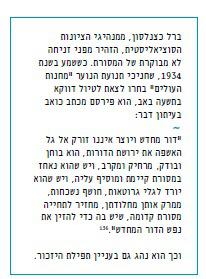
דור מחדש ויוצר איננו זורק אל גל האשפה את ירושת הדורות. הוא בוחן ובודק, מרחיק ומקרב ויש שהוא נאחז במסורת הקיימת ומוסיף עליה, ויש שהוא יורד לגלי גרוטאות, חושף נשכחות, ממרק אותן מחלודתן, מחזיר לתחייה מסורת קדומה, שיש בה להזין את נפש הדור המחדש. אם יש בחיי העם משהו קדום מאוד ועמוק מאוד, שיש בו כדי לחנך את האדם ולחסן אותו לקראת הבאות, האם יהא בזה ממידת המהפכה להתנכר לו? השנה היהודית זרועה ימים, אשר אין כמותם לעומק בחיי כל עם. האם מעניינה או מתפקידה של תנועת הפועלים העברית לבזבז את הכוחות האצורים בהם?
(א) צִיּוֹן תְּקוֹנְנִי עֲלֵי בֵיתֵךְ אֲשֶׁר נִשְׂרַף צָרְחִי בְּמֶרֶר עֲלֵי שׁוֹמֲמוֹת גְּפָנָיִךְ: