


(א) וַיֵּ֥שֶׁב יִשְׂרָאֵ֖ל בַּשִּׁטִּ֑ים וַיָּ֣חֶל הָעָ֔ם לִזְנ֖וֹת אֶל־בְּנ֥וֹת מוֹאָֽב׃ (ב) וַתִּקְרֶ֣אןָ לָעָ֔ם לְזִבְחֵ֖י אֱלֹהֵיהֶ֑ן וַיֹּ֣אכַל הָעָ֔ם וַיִּֽשְׁתַּחֲו֖וּ לֵאלֹֽהֵיהֶֽן׃ (ג) וַיִּצָּ֥מֶד יִשְׂרָאֵ֖ל לְבַ֣עַל פְּע֑וֹר וַיִּֽחַר־אַ֥ף יְיָ בְּיִשְׂרָאֵֽל׃ (ד) וַיֹּ֨אמֶר יְיָ אֶל־מֹשֶׁ֗ה קַ֚ח אֶת־כׇּל־רָאשֵׁ֣י הָעָ֔ם וְהוֹקַ֥ע אוֹתָ֛ם לַיְיָ נֶ֣גֶד הַשָּׁ֑מֶשׁ וְיָשֹׁ֛ב חֲר֥וֹן אַף־יְיָ מִיִּשְׂרָאֵֽל׃ (ה) וַיֹּ֣אמֶר מֹשֶׁ֔ה אֶל־שֹׁפְטֵ֖י יִשְׂרָאֵ֑ל הִרְגוּ֙ אִ֣ישׁ אֲנָשָׁ֔יו הַנִּצְמָדִ֖ים לְבַ֥עַל פְּעֽוֹר׃ (ו) וְהִנֵּ֡ה אִישׁ֩ מִבְּנֵ֨י יִשְׂרָאֵ֜ל בָּ֗א וַיַּקְרֵ֤ב אֶל־אֶחָיו֙ אֶת־הַמִּדְיָנִ֔ית לְעֵינֵ֣י מֹשֶׁ֔ה וּלְעֵינֵ֖י כׇּל־עֲדַ֣ת בְּנֵי־יִשְׂרָאֵ֑ל וְהֵ֣מָּה בֹכִ֔ים פֶּ֖תַח אֹ֥הֶל מוֹעֵֽד׃ (ז) וַיַּ֗רְא פִּֽינְחָס֙ בֶּן־אֶלְעָזָ֔ר בֶּֽן־אַהֲרֹ֖ן הַכֹּהֵ֑ן וַיָּ֙קׇם֙ מִתּ֣וֹךְ הָֽעֵדָ֔ה וַיִּקַּ֥ח רֹ֖מַח בְּיָדֽוֹ׃ (ח) וַ֠יָּבֹ֠א אַחַ֨ר אִֽישׁ־יִשְׂרָאֵ֜ל אֶל־הַקֻּבָּ֗ה וַיִּדְקֹר֙ אֶת־שְׁנֵיהֶ֔ם אֵ֚ת אִ֣ישׁ יִשְׂרָאֵ֔ל וְאֶת־הָאִשָּׁ֖ה אֶל־קֳבָתָ֑הּ וַתֵּֽעָצַר֙ הַמַּגֵּפָ֔ה מֵעַ֖ל בְּנֵ֥י יִשְׂרָאֵֽל׃ (ט) וַיִּהְי֕וּ הַמֵּתִ֖ים בַּמַּגֵּפָ֑ה אַרְבָּעָ֥ה וְעֶשְׂרִ֖ים אָֽלֶף׃ {פ}
(י) וַיְדַבֵּ֥ר יְיָ אֶל־מֹשֶׁ֥ה לֵּאמֹֽר׃ (יא) פִּֽינְחָ֨ס בֶּן־אֶלְעָזָ֜ר בֶּן־אַהֲרֹ֣ן הַכֹּהֵ֗ן הֵשִׁ֤יב אֶת־חֲמָתִי֙ מֵעַ֣ל בְּנֵֽי־יִשְׂרָאֵ֔ל בְּקַנְא֥וֹ אֶת־קִנְאָתִ֖י בְּתוֹכָ֑ם וְלֹא־כִלִּ֥יתִי אֶת־בְּנֵֽי־יִשְׂרָאֵ֖ל בְּקִנְאָתִֽי׃ (יב) לָכֵ֖ן אֱמֹ֑ר הִנְנִ֨י נֹתֵ֥ן ל֛וֹ אֶת־בְּרִיתִ֖י שָׁלֽוֹם׃ (יג) וְהָ֤יְתָה לּוֹ֙ וּלְזַרְע֣וֹ אַחֲרָ֔יו בְּרִ֖ית כְּהֻנַּ֣ת עוֹלָ֑ם תַּ֗חַת אֲשֶׁ֤ר קִנֵּא֙ לֵֽאלֹהָ֔יו וַיְכַפֵּ֖ר עַל־בְּנֵ֥י יִשְׂרָאֵֽל׃ (יד) וְשֵׁם֩ אִ֨ישׁ יִשְׂרָאֵ֜ל הַמֻּכֶּ֗ה אֲשֶׁ֤ר הֻכָּה֙ אֶת־הַמִּדְיָנִ֔ית זִמְרִ֖י בֶּן־סָל֑וּא נְשִׂ֥יא בֵֽית־אָ֖ב לַשִּׁמְעֹנִֽי׃ (טו) וְשֵׁ֨ם הָֽאִשָּׁ֧ה הַמֻּכָּ֛ה הַמִּדְיָנִ֖ית כׇּזְבִּ֣י בַת־צ֑וּר רֹ֣אשׁ אֻמּ֥וֹת בֵּֽית־אָ֛ב בְּמִדְיָ֖ן הֽוּא׃ {פ}
(1) While Israel was staying at Shittim, the menfolk profaned themselves by whoring with the Moabite women, (2) who invited the menfolk to the sacrifices for their god. The menfolk partook of them and worshiped that god. (3) Thus Israel attached itself to Baal-peor, and Adonai was incensed with Israel. (4) Adonai said to Moses, “Take all the ringleaders and have them publicly impaled before Adonai, so that Adonai's wrath may turn away from Israel.” (5) So Moses said to Israel’s officials, “Each of you slay those of his men who attached themselves to Baal-peor.” (6) Just then a certain Israelite man came and brought a Midianite woman over to his companions, in the sight of Moses and of the whole Israelite community who were weeping at the entrance of the Tent of Meeting. (7) When Phinehas, son of Eleazar son of Aaron the priest, saw this, he left the assembly and, taking a spear in his hand, (8) he followed the Israelite man into the chamber and stabbed both of them, the Israelite man and the woman, through the belly. Then the plague against the Israelites was checked. (9) Those who died of the plague numbered twenty-four thousand. (10) Adonai spoke to Moses, saying, (11) “Phinehas, son of Eleazar son of Aaron the priest, has turned back My wrath from the Israelites by displaying among them his passion for Me, so that I did not wipe out the Israelite people in My passion. (12) Say, therefore, ‘I grant him My pact of friendship. (13) It shall be for him and his descendants after him a pact of priesthood for all time, because he took impassioned action for his God, thus making expiation for the Israelites.’” (14) The name of the Israelite man who was killed, the one who was killed with the Midianite woman, was Zimri son of Salu, chieftain of a Simeonite ancestral house. (15) The name of the Midianite woman who was killed was Cozbi daughter of Zur; he was the tribal head of an ancestral house in Midian.
This week's Torah portion, Pinchas, begins with verse 10.
The previous verses were read as part of last week's Torah portion, Balak.
אָמַר רַב נַחְמָן: וָיו דְּשָׁלוֹם קְטִיעָה הִיא.
Rav Naḥman says: The letter vav in the word shalom is severed. According to tradition, this letter is written with a break in it, and therefore the word can be read as though the vav were missing.
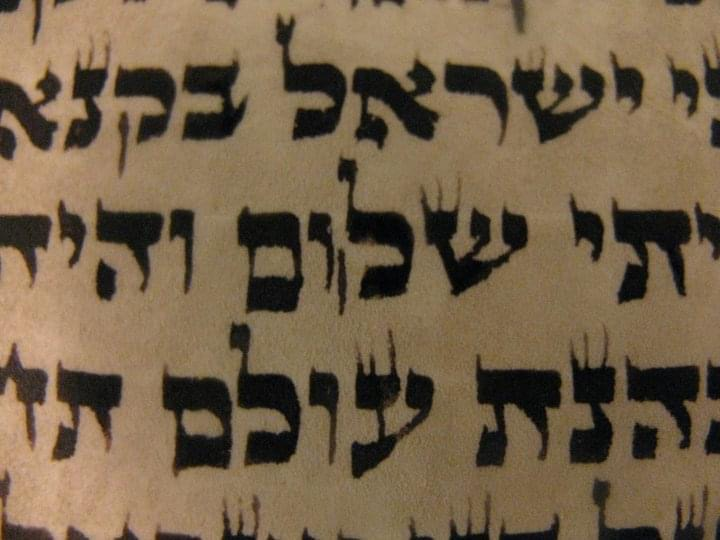
vav k'tia, photo by Mordechai Pinchas Sofer STaM, https://www.sofer.co.uk/
However there is one exception were the scribe is mandated to make the letter incomplete. The letter in question in the vav in the word shalom in Numbers 25:12. This must be written with a break in the vertical line according to the Ritva (R. Yom Tov ben Avraham Ishbili Spain c. 1250-1330).
- Marc Michaels or Mordechai Pinchas, Sofer STaM
רַב וְרַבִּי חֲנִינָא וְרַבִּי יוֹחָנָן וְרַב חֲבִיבָא מַתְנוּ: ... כׇּל מִי שֶׁאֶפְשָׁר לִמְחוֹת לְאַנְשֵׁי בֵיתוֹ וְלֹא מִיחָה — נִתְפָּס עַל אַנְשֵׁי בֵיתוֹ. בְּאַנְשֵׁי עִירוֹ — נִתְפָּס עַל אַנְשֵׁי עִירוֹ. בְּכָל הָעוֹלָם כּוּלּוֹ — נִתְפָּס עַל כָּל הָעוֹלָם כּוּלּוֹ. אָמַר רַב פָּפָּא: וְהָנֵי דְּבֵי רֵישׁ גָּלוּתָא מִיתַּפְסוּ אַכּוּלֵּי עָלְמָא.
It was related that Rav, and Rabbi Ḥanina, and Rabbi Yoḥanan, and Rav Ḥaviva taught the statement cited below. [T]hey said: Anyone who had the capability to effectively protest the sinful conduct of the members of his household and did not protest, he himself is apprehended for the sins of the members of his household and punished. If he is in a position to protest the sinful conduct of the people of his town, and he fails to do so, he is apprehended for the sins of the people of his town. If he is in a position to protest the sinful conduct of the whole world, and he fails to do so, he is apprehended for the sins of the whole world. Rav Pappa said: And the members of the household of the Exilarch were apprehended and punished for the sins of the whole world. Because their authority extends across the entire Jewish world, it is in their hands to ensure that nobody commit a transgression.
אָמַר רֵישׁ לָקִישׁ הַתּוֹרָה שֶׁנִּתְּנָה לְמשֶׁה, עוֹרָהּ שֶׁל אֵשׁ לְבָנָה, וּכְתוּבָה בְּאֵשׁ שְׁחוֹרָה, וַחֲתוּמָה בְּאֵשׁ, וּמְלֻפֶּפֶת בְּאֵשׁ
Resh Lakish said,"The Torah was given to Moshe, its skin of white fire and written with black fire, and sealed in fire, and wrapped with fire.
"According to Jewish mysticism, not only every word but every letter of the Torah tells a story. What does a broken vau reveal? A vav looks like a hook-and it acts like one, too: one letter that in many contexts means "and," vav connects things together. So, this alleged "covenant of peace" that connects generation to generation is in fact a broken covenant. Peace achieved through zealotry, even seen as justified in a surface read, isn't really peace at all.
"Not only is Pinchas a zealot and a murderer, he's also a hypocrite. Oddly enough, Pinchas is an Egyptian name, and he is a descendant of non-Jewish priests. And yet, his hypocrisy proves an important point: Judaism is an acculturating religious civilization. Pinchas is a man with an Egyptian name who is the product of an interfaith relationship. Moses, our greatest prophet, also has an Egyptian name. Esther's and Mordechai's names may be said to be based directly on those of Babylonian deities. The names of our Jewish months are also Babylonian. Pinchas, whose name is a living reminder of Mitzrayim (Egypt) itself, thought it necessary to murder two people of different tribes for engaging in consensual sex out of a fear of losing Jewish purity. It would be laughable if it weren't devastating."
- Chris Harrison, "A Covenant of Peace for All Who Enter Jewish Spaces," in The Social Justice Torah Commentary (ed. Rabbi Barry Block, CCAR Press 2021)
Was Pinchas a large man
with powerful arms
and excellent aim
were Cozbi and Zimri conscious
of imitating the keruvim
who embraced inside the mishkan
did the cherubs turn their backs
when Pinchas speared the lovers
through the belly
The Ishbitzer tells us
their souls were connected
and death brought them freedom
but I wonder
how many interfaith couples
will experience this parsha
like a blow to the gut
like proof they’re not wanted
like exile all over again
- Rabbi Rachel Barenblat, 2008
The Ishbitzer refers to Mordechai Yosef Leiner of Izbica (Poland), who lived from 1801-1854.