


בָּרוּךְ אַתָּה יהוה
אֱלהֵינוּ מֶלֶך–הָעולָם
אֲשֶׁר קִדְּשָנוּ בְּמִצְותָיו
וְצִוָּנוּ לַעֲסק בְּדִבְרֵי-תורָה.
Barukh atah Adonai Eloheinu melekh ha’olam asher kid’shanu b’mitzvotav v’tzivanu la’asok b’divrei torah.
Blessed are You, Lord our God, Ruler of the Universe, who has sanctified us with commandments, and commanded us to study words of Torah.

This double portion covers a lot of territory. Here is a rough outline:
- The mystery of the red heifer
- Uncleanliness caused by contamination by a corpse, and its remedies (including the "water of lustration")
- The death of Miriam
- The source of water upon which the wanderers have depended, and a round of complaining by the Israelites when it disappeared
- A singular instance of Moses disobeying God's order, and his punishment
- The death of Aaron
- Various wars with the peoples they encounter
- Balaam and his talking donkey
- The infidelity (secular and religious) of the Hebrews
Because there's too much to cover in the time we have together, we'll work on Chukat and save the talking ass for another time.
We'll start with the red heifer, which is more relevant to our era than you might think. Then we'll talk about yet another rebellion, and how Moses's really feels.
We'll finish with as much of the haftarah as we have time for.
The Hebrews have been wandering around for a long time, but things are starting to wrap up.

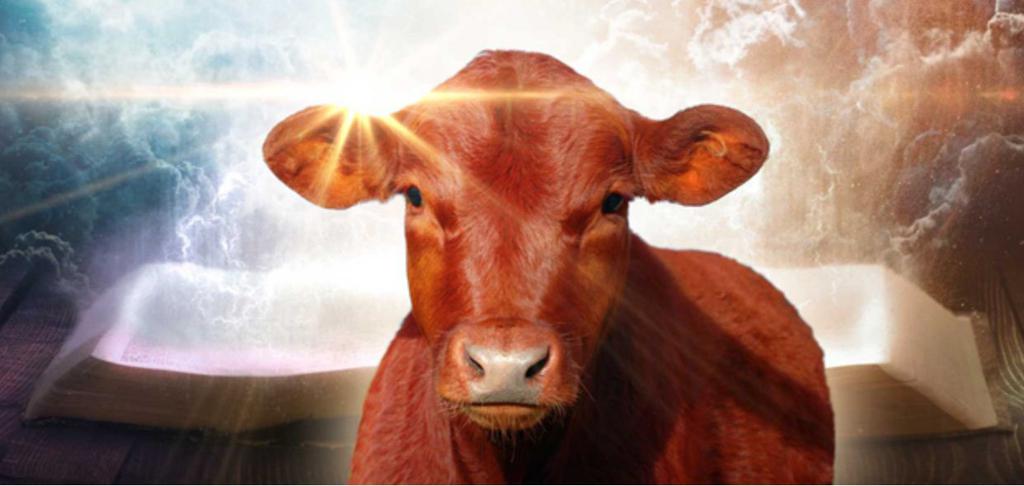
This double portion opens with a puzzling and seemingly self-contradictory commandment.
Adonoy spoke to Moshe and Aharon, saying. This is the statute of the Torah which Adonoy commanded, saying; speak to Bnei Yisroel that they shall take to you a red, perfect cow without a blemish, upon which no yoke was laid. Give it to Elozor the kohein; he shall take it outside the camp, and someone shall slaughter it in his presence. Elozor the kohein shall take some of its blood with his finger and sprinkle it directly facing the Tent of Meeting, some of its blood seven times. Someone shall burn the cow in his presence; its skin, flesh, blood, with its waste (that are in its intestines) shall be burned. The kohein shall take a piece of cedar wood, hyssop, and crimson wool, and throw them into the burning of the cow. Then the kohein shall wash his garments and bathe his body in water, and afterwards he may enter the camp; [however,] the kohein shall be impure until the evening. Also, the one who burns it must wash his garments and bathe his body in water; he shall remain unclean until the evening. A ritually clean person shall gather the cow’s ashes and place [it] outside the camp in a clean place; it shall remain a keepsake for the community of Bnei Yisroel for sprinkling water for purification. The one who gathers the cow’s ashes shall wash his garments, and remain unclean until the evening; it shall be for Bnei Yisroel and for the proselyte who lives among them an eternal statute.
The law of the red heifer is considered one of the most baffling in the Torah. The rabbis spent much time and effort talking about the details, such as how much ash it took, and whether or not a bird landing on the back of a red heifer counted as a disqualifying burden, but …

זֹאת חֻקַּת הַתּוֹרָה וגו', רַבִּי יִצְחָק פָּתַח (קהלת ז, כג): כָּל זֹה נִסִּיתִי בַחָכְמָה אָמַרְתִּי אֶחְכָּמָה וְהִיא רְחוֹקָה מִמֶּנִּי, כְּתִיב (מלכים א ה, ט): וַיִתֵּן אֱלֹהִים חָכְמָה לִשְׁלֹמֹה, מַהוּ (מלכים א ה, ט): כַּחוֹל, רַבָּנָן אָמְרֵי נָתַן לוֹ חָכְמָה כְּנֶגֶד כָּל יִשְׂרָאֵל, שֶׁנֶּאֱמַר (הושע ב, א): וְהָיָה מִסְפַּר בְּנֵי יִשְׂרָאֵל כְּחוֹל הַיָּם וגו', אָמַר רַבִּי לֵוִי מַה חוֹל גָּדֵר לַיָּם כָּךְ הָיְתָה חָכְמָה גְדוּרָה לִשְׁלֹמֹה, מַתְלָא אָמְרִין דֵּעָה חָסַרְתָּ מַה קָּנִיתָ, דֵּעָה קָנִית מָה חָסַרְתָּ. (משלי כה, כח): עִיר פְּרוּצָה אֵין חוֹמָה אִישׁ אֲשֶׁר אֵין מַעֲצָר לְרוּחוֹ. (מלכים א ה, י): וַתֵּרֶב חָכְמַת שְׁלֹמֹה מֵחָכְמַת כָּל בְּנֵי קֶדֶם, מֶה הָיְתָה חָכְמָתָן שֶׁל בְּנֵי קֶדֶם, שֶׁהָיוּ יוֹדְעִים וַעֲרוּמִין בְּטַיָּר. אָמַר רַבִּי שִׁמְעוֹן בֶּן גַּמְלִיאֵל, בִּשְׁלשָׁה דְבָרִים וכו' (מלכים א ה, י): וּמִכֹּל חָכְמַת מִצְרָיִם, מֶה הָיְתָה חָכְמַת מִצְרַיִם, אַתְּ מוֹצֵא כְּשֶׁבִּקֵּשׁ שְׁלֹמֹה לִבְנוֹת בֵּית הַמִּקְדָּשׁ שָׁלַח אֵצֶל פַּרְעֹה נְכֹה אָמַר לוֹ שְׁלַח לִי אֻמָּנִין בִּשְׂכָרָן שֶׁאֲנִי מְבַקֵּשׁ לִבְנוֹת בֵּית הַמִּקְדָּשׁ. מֶה עָשָׂה כִּנֵּס כָּל אַצְטְרוֹלוֹגִין שֶׁלּוֹ, צָפוּ וְרָאוּ בְּנֵי אָדָם שֶׁעֲתִידִין לָמוּת בְּאוֹתָהּ שָׁנָה, וּשְׁלָחָן לוֹ, כְּשֶׁבָּאוּ אֵצֶל שְׁלֹמֹה צָפָה בְּרוּחַ הַקֹּדֶשׁ שֶׁהֵם מֵתִים בְאוֹתָהּ שָׁנָה, נָתַן לָהֶם תַּכְרִיכֵיהֶן וּשְׁלָחָן אֶצְלוֹ, שָׁלַח לוֹ לֹא הָיָה לְךָ תַּכְרִיכִין לִקְבֹּר אֶת מֵתֶיךָ, הֲרֵי לְךָ הֵן וְתַכְרִיכֵיהֶן. (מלכים א ה, יא): וַיֶּחְכַּם מִכָּל הָאָדָם, אָדָם הָרִאשׁוֹן מֶה הָיְתָה חָכְמָתוֹ, אַתְּ מוֹצֵא כְּשֶׁבִּקֵּשׁ הַקָּדוֹשׁ בָּרוּךְ הוּא לִבְרֹאת אֶת הָאָדָם נִמְלַךְ בְּמַלְאֲכֵי הַשָּׁרֵת, אָמַר לָהֶם (בראשית א, כו): נַעֲשֶׂה אָדָם בְּצַלְמֵנוּ, אָמְרוּ לְפָנָיו (תהלים ח, ה): מָה אֱנוֹשׁ כִּי תִזְכְּרֶנּוּ. אָמַר לָהֶם אָדָם שֶׁאֲנִי רוֹצֶה לִבְרֹאת חָכְמָתוֹ מְרֻבָּה מִשֶּׁלָּכֶם, מֶה עָשָׂה כִּנֵּס כָּל בְּהֵמָה חַיָּה וְעוֹף וְהֶעֱבִירָן לִפְנֵיהֶם, אָמַר לָהֶם מַה שְּׁמוֹתָן שֶׁל אֵלּוּ, לֹא יָדְעוּ, כֵּיוָן שֶׁבָּרָא אָדָם הֶעֱבִירָן לְפָנָיו אָמַר לוֹ מַה שְּׁמוֹתָן שֶׁל אֵלּוּ, אָמַר, לָזֶה נָאֶה לִקְרוֹת שׁוֹר, וְלָזֶה אֲרִי, וְלָזֶה סוּס, וְלָזֶה חֲמוֹר, וְלָזֶה גָּמָל, וְלָזֶה נֶשֶׁר, שֶׁנֶּאֱמַר (בראשית ב, כ): וַיִּקְרָא הָאָדָם שֵׁמוֹת. אָמַר לוֹ וְאַתָּה מַה שְּׁמֶךָ, אָמַר לוֹ אָדָם, לָמָּה, שֶׁנִּבְרֵאתִי מִן הָאֲדָמָה. אָמַר לוֹ הַקָּדוֹשׁ בָּרוּךְ הוּא אֲנִי מַה שְּׁמִי, אָמַר לוֹ ה', לָמָּה, שֶׁאַתָּה אָדוֹן עַל כָּל הַבְּרִיוֹת, הַיְינוּ דִּכְתִיב (ישעיה מב, ח): אֲנִי ה' הוּא שְׁמִי, הוּא שְׁמִי שֶׁקָּרָא לִי אָדָם הָרִאשׁוֹן, הוּא שְׁמִי שֶׁהִתְנֵיתִי בֵּינִי לְבֵין עַצְמִי, הוּא שְׁמִי שֶׁהִתְנֵיתִי בֵּינִי לְבֵין בְּרִיּוֹתַי. (מלכים א ה, יא): מֵאֵיתָן הָאֶזְרָחִי, זֶה אַבְרָהָם, שֶׁנֶּאֱמַר (תהלים פט, א): מַשְׂכִּיל לְאֵיתָן הָאֶזְרָחִי. (מלכים א ה, יא): הֵימָן, זֶה משֶׁה, שֶׁנֶּאֱמַר (במדבר יב, ז): לֹא כֵן עַבְדִּי משֶׁה וגו'. (מלכים א ה, יא): וְכַלְכֹּל, זֶה יוֹסֵף, שֶׁנֶּאֱמַר (בראשית מז, יב): וַיְכַלְכֵּל יוֹסֵף וגו', אָמְרוּ הַמִּצְרִיִּים כְּלוּם מָלַךְ עָלֵינוּ עֶבֶד זֶה אֶלָּא בְּחָכְמָתוֹ, מֶה עָשׂוּ לוֹ הֵבִיאוּ שִׁבְעִים פְּתָקִין וְכָתְבוּ עֲלֵיהֶם שִׁבְעִים לָשׁוֹן וְהָיוּ מַשְׁלִיכִין אוֹתָן לְפָנָיו וְקוֹרֵא כָּל אֶחָד וְאֶחָד בִּלְשׁוֹנוֹ, וְלֹא עוֹד אֶלָּא שֶׁהָיָה מְדַבֵּר בְּלָשׁוֹן הַקֹּדֶשׁ שֶׁלֹא הָיָה בָּהֶן כֹּחַ לִשְׁמֹעַ, שֶׁנֶּאֱמַר (תהלים פא, ו): עֵדוּת בִּיהוֹסֵף שָׂמוֹ שְׂפַת לֹא יָדַעְתִּי אֶשְׁמָע. (מלכים א ה, יא): דַרְדַּע, זֶה דּוֹר הַמִּדְבָּר שֶׁהָיָה בָּהֶן דֵּעָה. (מלכים א ה, יא): בְּנֵי מָחוֹל, שֶׁמָּחַל לָהֶם הַקָּדוֹשׁ בָּרוּךְ הוּא בְּמַעֲשֵׂה הָעֵגֶל. וַיְדַבֵּר שְׁלשֶׁת אֲלָפִים מָשָׁל (מלכים א ה, יב), אָמַר רַבִּי שְׁמוּאֵל בַּר נַחְמָנִי חָזַרְנוּ עַל כָּל הַמִּקְרָאוֹת וְלֹא מָצִינוּ שֶׁנִּתְנַבֵּא שְׁלֹמֹה אֶלָּא קָרוֹב לִשְׁמוֹנֶה מֵאוֹת פְּסוּקִים, אֶלָּא מְלַמֵּד שֶׁכָּל פָּסוּק וּפָסוּק שֶׁאָמַר יֵשׁ בּוֹ שְׁנַיִם וּשְׁלשָׁה טְעָמִים, כְּמָה דְאַתְּ אָמַר (משלי כה, יב): נֶזֶם זָהָב וַחֲלִי כָתֶם. וְרַבָּנָן אָמְרֵי שְׁלשֶׁת אֲלָפִים מָשָׁל עַל כָּל פָּסוּק וּפָסוּק, אֶלֶף וַחֲמִשָּׁה טְעָמִים עַל כָּל מָשָׁל וּמָשָׁל. שִׁירָיו אֵין כְּתִיב כָּאן אֶלָּא (מלכים א ה, יב): שִׁירוֹ, שִׁירוֹ שֶׁל מָשָׁל. (מלכים א ה, יג): וַיְדַבֵּר עַל הָעֵצִים, וְכִי אֶפְשָׁר לְאָדָם לְדַבֵּר עַל הָעֵצִים, אֶלָּא אָמַר שְׁלֹמֹה מִפְּנֵי מָה מְצוֹרָע נִטְהַר בַּגָּבוֹהַּ שֶׁבַּגְּבוֹהִים וּבַנָּמוּךְ שֶׁבַּנְּמוּכִים, בְּעֵץ אֶרֶז וּבְאֵזוֹב, עַל יְדֵי שֶׁהִגְבִּיהַּ עַצְמוֹ כְּאֶרֶז לָקָה בְּצָרַעַת, כֵּיוָן שֶׁהִשְׁפִּיל עַצְמוֹ כָּאֵזוֹב, נִתְרַפֵּא עַל יְדֵי אֵזוֹב. (מלכים א ה, יג): וַיְדַבֵּר עַל הַבְּהֵמָה וְעַל הָעוֹף, וְכִי אֶפְשָׁר לְאָדָם לְדַבֵּר עַל בְּהֵמָה וְעוֹף, אֶלָּא אָמַר מִפְּנֵי מָה בְּהֵמָה נִתֶּרֶת בִּשְׁנֵי סִימָנִין וְהָעוֹף בְּסִימָן אֶחָד, עַל שֶׁהַבְּהֵמָה נִבְרֵאת מִן הַיַּבָּשָׁה, וְעוֹף כָּתוּב אֶחָד אוֹמֵר מִן הָאֲדָמָה, דִּכְתִיב (בראשית ב, יט): וַיִּצֶר ה' אֱלֹהִים מִן הָאֲדָמָה כָּל חַיַּת הַשָֹּׂדֶה וְאֵת כָּל עוֹף הַשָּׁמַיִם. וְכָתוּב אֶחָד אוֹמֵר (בראשית א, כ): יִשְׁרְצוּ הַמַּיִם שֶׁרֶץ נֶפֶשׁ חַיָּה וְעוֹף יְעוֹפֵף. בַּר קַפָּרָא אוֹמֵר מֵרְקָק שֶׁבַּיָּם נִבְרְאוּ. רַבִּי אָבִין בְּשֵׁם רַבִּי שְׁמוּאֵל אָמַר אַף עַל פִּי כֵן רַגְלוֹהִי דְּתַרְנְגוֹלָא דַּמְיָין לְחַסְפְּנִיתָא דְנוּנָא. (מלכים א ה, יג): וְעַל הָרֶמֶשׂ, וְכִי אֶפְשָׁר לוֹ לְאָדָם לְדַבֵּר עַל הָרֶמֶשׂ, אֶלָּא אָמַר שְׁלֹמֹה מִפְּנֵי מָה שְׁמֹנֶה שְׁרָצִים שֶׁכָּתוּב בַּתּוֹרָה הַצָּדָן וְהַחוֹבֵל בָּהֶן חַיָּב וּשְׁאָר שְׁרָצִים פָּטוּר, מִפְּנֵי שֶׁיֵּשׁ לָהֶן עוֹרוֹת. (מלכים א ה, יג): וְעַל הַדָּגִים, וְכִי אֶפְשָׁר לוֹמַר כֵּן, אֶלָּא מִפְּנֵי מָה בְּהֵמָה חַיָּה וְעוֹף טְעוּנִין שְׁחִיטָה וְדָגִים אֵין טְעוּנִין שְׁחִיטָה, אֶלָּא מֵהָדֵין קְרָא (במדבר יא, כב): הֲצֹאן וּבָקָר יִשָּׁחֵט לָהֶם וגו'. הוֹרָה יַעֲקֹב אִישׁ כְּפַר נִבּוֹרַיָא בְּצוֹר עַל הַדָּגִים שֶׁטְּעוּנִין שְׁחִיטָה, וּשְׁמַע רַבִּי חַגַּי שְׁלַח וְאַיְיתֵיהּ, אֲמַר לֵיהּ מְנָן הוֹרֵית, אָמַר לוֹ מֵהָכָא: יִשְׁרְצוּ הַמַּיִם שֶׁרֶץ נֶפֶשׁ חַיָּה וְעוֹף יְעוֹפֵף, מַה עוֹף טָעוּן שְׁחִיטָה אַף דָּגִים טְעוּנִין שְׁחִיטָה. אֲמַר לְהוֹ אַרְבְּעוּנֵיהּ דְּיִלְקֵי, אֲמַר בַּר נַשׁ דַּאֲמַר מִלֵּי דְאוֹרַיְיתָא לָקֵי, אֲמַר לֵיהּ לָא הוֹרֵית טַב. אֲמַר לֵיהּ מִנָּן, אֲמַר לֵיהּ מֵהָכָא (במדבר יא, כב): הֲצֹאן וּבָקָר יִשָּׁחֵט לָהֶם וְאִם אֶת כָּל דְּגֵי הַיָּם יֵאָסֵף לָהֶם, אֵלוּ טְעוּנִין שְׁחִיטָה וְאֵלּוּ טְעוּנִין אֲסִיפָה. אֲמַר חֲבוֹט חֲבִיטָךְ דְּהוּא טָבָא בְּקִילְטָא. הוֹרָה יַעֲקֹב אִישׁ כְּפַר נִבּוֹרַיָא בְּצוֹר עַל בַּר יִשְׂרָאֵל הַבָּא עַל הַנָּכְרִית וְהוֹלִיד בֵּן, שֶׁנִּמּוֹל בְּשַׁבָּת, שְׁמַע רַבִּי חַגַּי שְׁלַח וְאַיְיתֵיהּ, אֲמַר לֵיהּ מְנָא הָא לָךְ, אֲמַר לֵיהּ דִּכְתִיב (במדבר א, יח): וַיִּתְיַלְּדוּ עַל מִשְׁפְּחֹתָם לְבֵית אֲבֹתָם. אֲמַר לְהוֹ אַרְבְּעוּנֵיהּ דְּיִלְקֵי, אֲמַר לֵיהּ בַּר נָשׁ דַּאֲמַר מִלֵּי דְאוֹרַיְיתָא לָקֵי, אֲמַר לֵיהּ לָא הוֹרֵית טַב. אֲמַר לֵיהּ מְנָן אַתְּ מוֹדַע לִי, אֲמַר לֵיהּ אִי אָתֵי לְגַבָּךְ בַּר עַמְמַיָא וַאֲמַר בָּעֵינָא לְמֶהֱוֵי יְהוּדָאי עַל מְנָת דְּמִגְזַרְנֵיהּ בְּיוֹמָא דְשַׁבַּתָּא אוֹ בְּיוֹמָא דְּכִפּוּרַיָא, מְחַלְּלִין עָלָיו אֶת הַשַּׁבָּת אוֹ לֹא, וַהֲלוֹא אֵין מְחַלְּלִין עָלָיו אֶת הַשַּׁבָּת אֶלָּא עַל בְּנָהּ שֶׁל בַּת יִשְׂרָאֵל בִּלְבָד. אָמַר לוֹ וּמְנָא לָךְ הָא, אֲמַר לֵיהּ כְּתִיב (עזרא י, ג): וְעַתָּה נִכְרָת בְּרִית לֵאלֹהֵינוּ לְהוֹצִיא כָל נָשִׁים וְהַנּוֹלָד מֵהֶם בַּעֲצַת ה', אֲמַר לֵיהּ מִן הַקַּבָּלָה אַתְּ מַלְקֵנִי, אֲמַר לֵיהּ כְּתִיב (עזרא י, ג): וְכַתּוֹרָה יֵעָשֶׂה. אָמַר לוֹ וּמֵאֵיזוֹ תּוֹרָה, אֲמַר לֵיהּ מִדְּאָמַר רַבִּי יוֹחָנָן בְּשֵׁם רַבִּי שִׁמְעוֹן בֶּן יוֹחָאי, כְּתִיב (דברים ז, ג): וְלֹא תִתְחַתֵּן בָּם, לָמָּה, (דברים ז, ד): כִּי יָסִיר אֶת בִּנְךָ מֵאַחֲרַי, בִּנְךָ הַבָּא מִיִּשְׂרְאֵלִית קָרוּי בִּנְךָ, וְאֵין בִּנְךָ הַבָּא מִן הַכּוּשִׁית קָרוּי בִּנְךָ אֶלָּא בְּנָהּ. אֲמַר לֵיהּ חֲבוֹט חֲבִיטָךְ דְּהוּא טָבָא בְּקִלְטָא. אָמַר שְׁלֹמֹה עַל כָּל אֵלֶּה עָמַדְתִּי וּפָרָשָׁה שֶׁל פָּרָה אֲדֻמָּה חָקַרְתִּי וְשָׁאַלְתִּי וּפִשְׁפַּשְׁתִּי (קהלת ז, כג): אָמַרְתִּי אֶחְכָּמָה וְהִיא רְחוֹקָה מִמֶּנִּי.
3 (Numb. 19:2) Solomon said, “About all these things I have knowledge; but in the case of the parashah on the red heifer, I have investigated it, inquired into it, and examined it. [Still] (at the end of the verse in Eccl. 7:23), ‘I thought I could fathom it, but it eludes me.’”
The ashes of the red heifer are used to purify anyone who comes in contact with a corpse.
Is there a lesson to be derived from the seeming contradiction in verses 19:17–21?
Does the red heifer purify or defile?
Is this a moral, ethical, or religious matter?
Biblical laws can be classified into three categories:
Mishpatim (lit. "judgments"): rational commandments such as the prohibition against murder, which are necessary for the regulation of society;
Edot: "Testimonials." These are the mitzvot that commemorate or represent something, such as to eat matzah on Passover or to put on tefillin. Without the Torah we would not have thought of these; nevertheless, they are rational acts.
Chukim ("decrees"): are commandments with no known rationale and are perceived as pure manifestations of the Divine will. (The laws of kashrut fall in this category).
So, where do the commandments regarding the red heifer fall?
Would we classify our contemporary rules (for want of a better word) the same way? Are there modern analogs of these three categories?
What are the present-day consequences of this red heifer business? Why are Christians interested?
The heifers are all under one year old and if they remain 100% red and avoid any blemishes which would disqualify them, they will each be eligible to be used to create the ashes required by Jewish law to purify those who have been in contact with a dead body, explained the Temple Institute on Monday. This level of purification would be needed in order to allow the kohanim (priests) to carry out their work in a future Temple.
The prized cattle were immediately transported to Haifa where they will sit in quarantine for no less than seven days, in accordance with the regulations of the Israel Veterinary Authority. After the quarantine, they will be released to two separate locations in Israel, one of which will eventually be opened to the public. The heifers will be fed and cared for at these locations until they can be slaughtered and rendered into ashes from their third year onwards.
The heifers were located and brought to Israel with the help of the Boneh Israel organization, which involves both Jews and Christians. Byron Stinson, a Texas rancher and a fundraiser and adviser for the organization, raised the cattle.
The heifers were greeted by a ceremony at Ben-Gurion Airport. Temple Institute officials Rabbi Chanan Kupietzky, Rabbi Tzachi Mamo, Rabbi Yisrael Ariel and Rabbi Azaria Ariel participated in the ceremony, alongside Stinson and Jerusalem and Heritage Ministry director-general Netanel Isaac.
—By TZVI JOFFRE, Jerusalem Post, Published: SEPTEMBER 20, 2022 19:36
There are some factions in Israel that can't wait for a red heifer, so that they can re-establish the Temple and priestly rituals. They view this as a precursor to the Messianic age. At the other end of the spectrum, there are those who regard any potential red heifer as a geopolitical landmine and want it destroyed. Even among those who are waiting for the Messiah, the majority are leery of getting involved with Christian groups that are fundamentally anti-Jewish. And should gentiles be providing something as sacred as the red heifer?
There's a saying that there is no time in the Torah, and that conversations and disputes in the Talmud often involve people who are not contemporaries. The rabbis seemingly anticipated a situation like this, and argued about it.
§ Earlier, Sheila provided a rationale for Rabbi Eliezer’s ruling that a red heifer may not be purchased from gentiles. The Gemara examines the matter itself. Sheila teaches in a baraita: What is the reasoning of Rabbi Eliezer? It is as it is written: “Speak unto the children of Israel that they take to you a red heifer” (Numbers 19:2). This indicates that the children of Israel take the red heifer, but gentiles do not take the red heifer. The Gemara asks: If that is so, then when the verse states with regard to the donations for the Tabernacle: “Speak unto the children of Israel, that they take for Me an offering” (Exodus 25:2), so too one can claim that only the children of Israel take an offering for God, but gentiles do not take an offering, and that no items for the Temple service may be purchased from gentiles.
The following is part of a discussion about honoring one's father, but it was cited later as a counter-argument to Avodah Zarah 23b.
Go and see what one gentile did for his father in Ashkelon, and the name of the son was Dama ben Netina. Once the Sages wished to purchase precious stones from him for the ephod of the High Priest for six hundred thousand gold dinars’ profit, and Rav Kahana taught that it was eight hundred thousand gold dinars’ profit. And the key to the chest holding the jewels was placed under his father’s head, and he would not disturb him. The next year the Holy One, Blessed be He, gave Dama ben Netina his reward, as a red heifer was born in his herd, and the Jews needed it. When the Sages of Israel came to him he said to them: I know, concerning you, that if I were to ask for all the money in the world you would give it to me. But I ask only that money that I lost due to the honor of Father.
Point, counterpoint …

From these two verses, the rabbis concluded that Miriam was the source of the people's water.
Guess what happened next.

The people got thirsty, and they took in out on Moses (again).
The people quarreled with Moshe and said, “Would that we had died by our brothers’ death before Adonoy. Why did you bring the congregation of Adonoy into this wilderness for us and our livestock to die there? Why did you take us out of Egypt and bring us to this terrible place? It is not a place for seed, figs, grapes, or pomegranates; and there is no water to drink!”
Who, me?
Ovadia ben Jacob Sforno (Obadja Sforno, Hebrew: עובדיה ספורנו) was an Italian rabbi, Biblical commentator, philosopher and physician. He was born in Cesena about 1475 and died in Bologna in 1550
וירב העם עם משה, the subject of the quarrel was why Moses had brought the people to such a desert as the one they found themselves in at the time. However, there was also a complaint against G’d Himself, as the Torah testifies in verse 13 where the Torah writes: אשר רבו בני ישראל את ה', “in that the Children of Israel quarreled with G’d.” This referred to the words (verse 5) “why did you take us out of Egypt?”

By the way, here's a retelling of the incident with the rock. Talk about displaced aggression …
Did Moses have a temper? As we go through the following citations, let's think about the targets of his anger and whether or not it was justified.

Then next time the Israelites were thirsty, even though Moses was still around they took it upon themselves to get their own water.
The Metsuda translation doesn't contain the prophets, so we'll switch to the Tanach: The Holy Scripture, published by JPS.

In the case of the prophets and other writings, they are more likely to be used as proof texts than subjects of rabbinical discussion—except from Rashi, who had something to say about everything.
Micah is one of the so-called minor prophets. Unlike many of the other prophets, Micah was a smalltown commoner. As such, he often excoriated the urban elites in Jerusalem. He was active before and after the fall of Israel in 722 BCE and lived through Sennacherib's invasion of Judah a few years later.
He was roughly contemporary with Hosea, Isaiah, and Amos.
Fun fact: Micah is the only prophet quoted by another prophet (Jeremiah).
In addition to prophesying the destruction of Israel and Judah, Micah foretold the return of the people during the runup to the coming of the Messiah.
As today's reading begins, the Israelites have been scattered.
In the midst of the many peoples,
Like dew from the LORD,
Like droplets on grass—
Which do not look to any man
Nor place their hope in mortals.
That verse has been interpreted to mean that the scattered Jews will look to God, not men, for deliverance.
Shall be among the nations,
In the midst of the many peoples,
Like a lion among beasts of the wild,
Like a fierce lion among flocks of sheep,
Which tramples wherever it goes
And rends, with none to deliver. Your hand shall prevail over your foes,
And all your enemies shall be cut down!
—declares the LORD—
I will destroy the horses in your midst
And wreck your chariots. I will destroy the cities of your land
And demolish all your fortresses.
What are verses 5:9–10 saying?
Based on their context, Rashi believes these verses mean the resurgent remnant of Jacob will not need the support of Egypt (horses and chariots) nor will it need fortifications to protect itself.
Here comes the link to today's Torah portion (which includes the story of Balaam):
And you shall have no more soothsayers.
And the sacred pillars in your midst;
And no more shall you bow down
To the work of your hands. I will tear down the sacred posts in your midst
And destroy your cities. In anger and wrath
Will I wreak retribution
On the nations that have not obeyed.
What comes next should be particularly interesting to the lawyers among us:
Come, present [My] case before the mountains,
And let the hills hear you pleading.
Hear, you mountains, the case of the LORD—
You firm-a foundations of the earth!
For the LORD has a case against His people,
He has a suit against Israel.
“My people!
What wrong have I done you?
What hardship have I caused you?
Testify against Me. In fact,
I brought you up from the land of Egypt,
I redeemed you from the house of bondage,
And I sent before you
Moses, Aaron, and Miriam.
“My people,
Remember what Balak king of Moab
Plotted against you,
And how Balaam son of Beor
Responded to him.
[Recall your passage]
From Shittim to Gilgal—
And you will recognize
The gracious acts of the LORD.”
Do homage to God on high?
Shall I approach Him with burnt offerings,
With calves a year old? Would the LORD be pleased with thousands of rams,
With myriads of streams of oil?
Shall I give my first-born for my transgression,
The fruit of my body for my sins?
Micah says the same thing that all of the later prophets do: ritual means nothing, deeds mean everything.
And what the LORD requires of you:
Only to do justice
And to love goodness,
And to walk modestly with your God;-c