


[MS: Alter's lifelong work on the Bible breaks new ground. A masterpiece of translation acclaimed globally, Alter's books are not easy to learn nor use.
How to make it easier? Listen to Alter explain his ideas and methods in his own words. Robert Alter - In His Own Words: Understanding Alter from His Lectures.
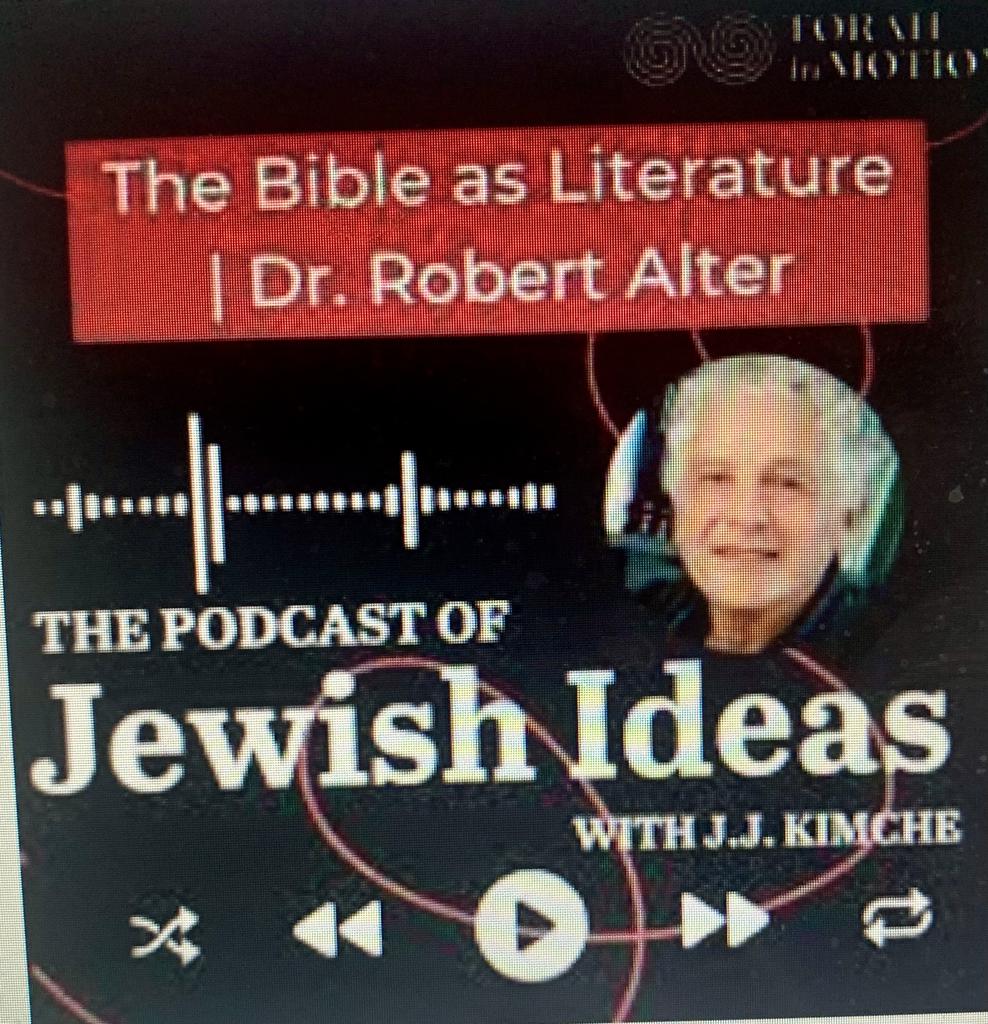
In a recent podcast, Alter explains how he follows Ibn Ezra and other traditional commentators like Rashi, when he finds meaning in the Bible, that he would have missed - but for knowing the Bible's literary tools.
Using those tools, we can discover, like Ibn Ezra, the Bible's supreme scope, nuances and depth.
There is an unfair and common misconception that Alter reduces the Bible to secular literature. To the contrary, Alter presents the Tanach, its text, in its own terms. But its messages are subtle.
Alter does not replace the Bible's presentation of God or the Divine with anything, including of course, his own personal beliefs (whatever they may be, something never stated in his translations). See the discussion in many sheets in: Robert Alter - MS Sefaria Sheet Collection.
Alter is not didactic. In a recent lecture, at 16:41, listen how Alter says "My approach is not "didactic." [Didactic can be a mildly pejorative term: meaning intended to teach, particularly in having moral instruction as an ulterior motive. ... "a didactic novel that set out to expose social injustice"] Alter explained his non-didactic approach in his 1981 landmark book, The Art of Biblical Narrative, at pp10-12. It’s fundamental to his thinking. See MS Sheet on the book.
At 16:45, the astute interviewer J.J. Kimche summarizes this: You are not seeking to impart religious lessons, but rather teaching the Bible's own literary style and how to see the subtle meanings inherent in the text.
This post explains how Alter follows Ibn Ezra in finding meaning from literary themes of the Bible. Alter notes that Ibn Ezra had the gifts of an excellent poet, in addition to a polymath mathematician, philosopher, grammarian and translator.]
/-/-/-/-/-/-/-/-/-/-/
(א) וּמֹשֶׁ֗ה הָיָ֥ה רֹעֶ֛ה אֶת־צֹ֛אן יִתְר֥וֹ חֹתְנ֖וֹ כֹּהֵ֣ן מִדְיָ֑ן וַיִּנְהַ֤ג אֶת־הַצֹּאן֙ אַחַ֣ר הַמִּדְבָּ֔ר וַיָּבֹ֛א אֶל־הַ֥ר הָאֱלֹהִ֖ים חֹרֵֽבָה׃
(1) Now Moses, tending the flock of his father-in-law Jethro, the priest of Midian, drove the flock into the wilderness, and came to Horeb, the mountain of God.
[MS: See below. Ibn Ezra links "Horeb" ( ie Mt. Sinai, the Parched Mountain) to the Nile, but that seems like an odd insertion not related to the words in this verse. What is Ibn Ezra suggesting?
Is he drawing out the text by finding an insight on the Exodus using literary tools? Or is his comment a distracting addition, out of context? Or is it a rewriting for some didactic dogma? See below for Alter’s Note. ]
Ibn Ezra on Exodus 3:1: "THE MOUNTAIN OF GOD, UNTO HOREB. This is the manner in which Moses recorded it. The place is called Horeb because of its great heat and lack of rainfall. As Moses noted, it is located three days’ journey from Egypt. There is no moisture there and the dryness is overpowering because the Nile is far away."
[MS: Exodus 3:1. Alter’s Note. Alter wants to know why the great Ibn Ezra brings up the Nile. It’s not mentioned in the verse. The verse refers only to Horeb, the mountain of God.]
Alter Note 3:1 “Horeb. This appears to be a synonym for Sinai—it is the name used in the E document, whereas Sinai is J’s term. The name is transparently derived from a root signifying dryness and so means something like “Parched Mountain.” Abraham ibn Ezra acutely notes that this parched desert location is a full three days’ journey (verse 18) from the Nile, the great source of water. That contrast points to a spatial-thematic antithesis: Moses, the man associated with water from infancy on, now encounters the God of all creation in the dry desert, and in flame.”
[MS: These themes - Creation, the Fate of the Jewish people, Moses, freedom, babies and births, struggles and the living waters - are central to the Bible. Alter points out how these themes pull together the epic Biblical tales, even as the storytelling grips the heart and fires our hopes. Below is an example of Alter discovering the essential themes across even books of the Bible from Genesis to Exodus.]
Alter’s Note Genesis 59:26 - and he was put in a coffin in Egypt. The book that began with an image of God’s breath moving across the vast expanses of the primordial deep to bring the world and all life into being ends with this image of a body in a box, a mummy in a coffin. (The Hebrews in Canaan appear not to have used coffins, and the term occurs only here.) Out of the contraction of this moment of mortuary enclosure, a new expansion, and new births, will follow. Exodus begins with a proliferation of births, a pointed repetition of the primeval blessing to be fruitful and multiply, and just as the survival of the Flood was represented as a second creation, the leader who is to forge the creation of the nation will be borne on the water in a little box—not the ʾaron, “the coffin,” of the end of Genesis but the tevah, “the ark,” that keeps Noah and his seed alive.”
[MS: Reading the Bible this way is thrilling.
It’s all really there - if you know where and how to look.]
/-/-/-/-/-/-
June 2023