


-Rabbi Sandra Lawson
- How would you define "leadership?"
- Describe the key actions and behaviors of the person that you’ve experienced as your best leader?
- What are some of the key behaviors and actions you took whenever you’ve been at your own best as a leader?
- Are leaders born or made?
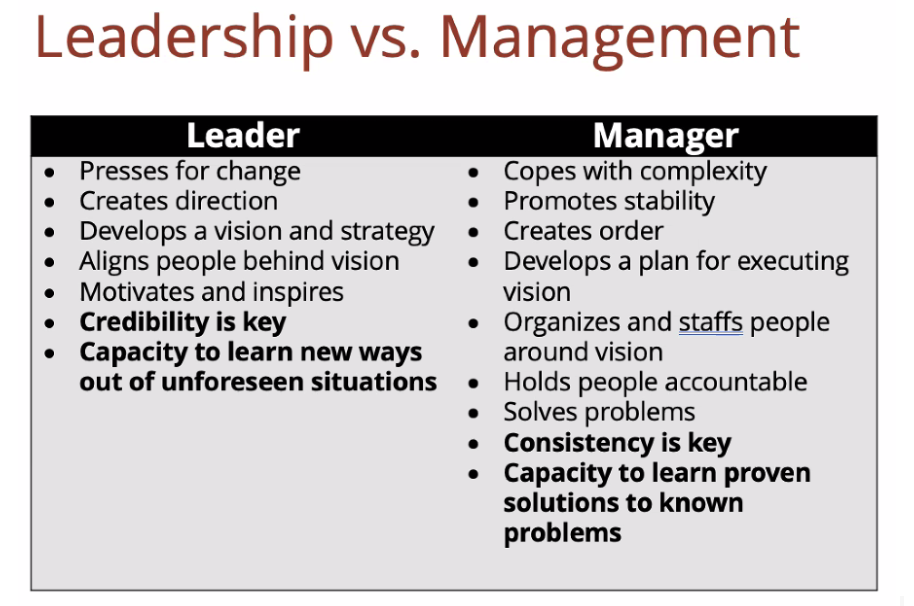
- What are the main differences between being a leader and being a manager?
- In what situations is it important to be a leader and when is it important to be a manager?
BY Rabbi Lord Jonathan Sacks
Seven times in Genesis 1, we hear the word “tov” (good). Only twice in the whole Torah does the phrase “lo tov” (not good) appear. The first is when God says, “It is not good for man to be alone.” The second is when Jethro sees his son-in-law, Moses, leading alone and says, “What you are doing is not good.” We cannot live alone. We cannot lead alone. Leadership is teamsmanship.
The Torah says that a king must write his own Sefer Torah which “must always be with him, and he shall read from it all the days of his life” (Deut. 17: 19). Joshua, Moses’s successor, is commanded: “Keep this Book of the Law always on your lips; meditate on it day and night” (Josh. 1: 8).
The rabbis gave a remarkable interpretation of the passage in which Moses says about the Israelites, “They will not believe in me.” God said to Moses: “They are believers the children of believers, but in the end you will not believe.” They also said that the sign God gave Moses when his hand became leprous (Ex. 4:6) was a punishment for casting doubt on the Israelites. A leader must have faith in the people he or she leads.
When Moses asks God to choose his successor, he says: “May the Lord, the God who gives breath to all living things, appoint someone over this community to go out before them and come in before them, who will lead them out and bring them in” (Num. 27: 16-17). Why the apparent repetition? Moses is saying two things about leadership. A leader must lead from the front: he or she must “go out before them.” But a leader must not be so far out in front that, when he turns around, he finds no one following. He must “lead them out,” meaning, he must carry people with him. He must go at a pace that people can bear.
Listen to Moses, the greatest leader the Jewish people ever had: “Did I conceive all these people? Did I give birth to them? Why do you tell me to carry them in my arms, as a nurse carries an infant, to the land you promised on oath to their ancestors?... I cannot carry all these people by myself; the burden is too heavy for me. If this is how you are going to treat me, please go ahead and kill me —if I have found favor in your eyes – and do not let me face my own ruin” (Num. 11: 11-15).
- Which of these 7 leadership principles do you think is most important? Which do you think is the least?
- What is the difference between being a "leader" and being a "Jewish leader?"
- What is the importance of being a JOC leader?
משנה אבות ג׳:א׳(א) עקביא בן מהללאל אומר, הסתכל בשלשה דברים ואין אתה בא לידי עברה. דע מאין באת, ולאן אתה הולך, ולפני מי אתה עתיד לתן דין וחשבון... ולפני מי אתה עתיד לתן דין וחשבון, לפני מלך מלכי המלכים הקדוש ברוך הוא.
Pirkei Avot 3:1(1) Akavia ben Mahalalel said: Keep in mind three things, And you will not come into the hands of sin: Know: From where you came, And to where you are going, And before Whom you will have to give an account and a reckoning... And before Whom will you have to give an account and a reckoning? Before the King of kings, the Holy One, Blessed be He.
(א) בֶּן זוֹמָא אוֹמֵר, אֵיזֶהוּ חָכָם, הַלּוֹמֵד מִכָּל אָדָם, שֶׁנֶּאֱמַר (תהלים קיט) מִכָּל מְלַמְּדַי הִשְׂכַּלְתִּי כִּי עֵדְוֹתֶיךָ שִׂיחָה לִּי.
(1) Ben Zoma said:Who is wise? He who learns from every man, as it is said: “From all who taught me have I gained understanding” (Psalms 119:99).
- What would be different about your life/choices if you looked at everyone as someone you could learn from?
- Think about a time you've learned from someone unexpected - what did they have to teach you?
(תהלים כד, ו) זה דור דורשיו מבקשי פניך יעקב סלה פליגי בה רבי יהודה נשיאה ורבנן חד אמר דור לפי פרנס וחד אמר פרנס לפי דורו למאי הלכתא אילימא למעליותא דמר סבר אי מעלי דרא מעלי פרנס ומר סבר אי מעלי פרנס מעלי דרא הא איכא צדקיה דהוה מעלי ודריה לא הוה מעלי והא יהויקים דלא הוה מעלי ודריה הוה מעלי
§ The verse states: “This is the generation of them that seek after Him, that seek Your face, Jacob. Selah” (Psalms 24:6). This verse teaches that the level of the generation and those who lead them, i.e., those who seek after Him, are the same. Rabbi Yehuda Nesia and the Rabbis disagree about this. One says: The level of the generation follows the level of the leader, and one says: The level of the leader follows the level of his generation. The Gemara asks: With regard to what halakha, i.e., matter, is this stated? If we say for good, that one Sage holds that if the generation is good then their leader will be good, and one Sage holds that if the leader is good then his generation will be good, this cannot be correct, as there is the case of King Zedekiah, who was good, but his generation was not good. And conversely, there is the case of Jehoiakim who was not good, but his generation was good.
- Do you think the quality of a leader is dependent on the community they serve, or is the community dependent on the person who leads them?
- What is the responsibility of both the leader and the community they serve?
(יח) וַיֹּ֙אמֶר֙ יהוה אֱלֹהִ֔ים לֹא־ט֛וֹב הֱי֥וֹת הָֽאָדָ֖ם לְבַדּ֑וֹ אֶֽעֱשֶׂה־לּ֥וֹ עֵ֖זֶר כְּנֶגְדּֽוֹ׃
(18) God יהוה said, “It is not good for the Human to be alone; I will make a fitting counterpart for him.”
(יג) וַיְהִי֙ מִֽמָּחֳרָ֔ת וַיֵּ֥שֶׁב מֹשֶׁ֖ה לִשְׁפֹּ֣ט אֶת־הָעָ֑ם וַיַּעֲמֹ֤ד הָעָם֙ עַל־מֹשֶׁ֔ה מִן־הַבֹּ֖קֶר עַד־הָעָֽרֶב׃ (יד) וַיַּרְא֙ חֹתֵ֣ן מֹשֶׁ֔ה אֵ֛ת כָּל־אֲשֶׁר־ה֥וּא עֹשֶׂ֖ה לָעָ֑ם וַיֹּ֗אמֶר מָֽה־הַדָּבָ֤ר הַזֶּה֙ אֲשֶׁ֨ר אַתָּ֤ה עֹשֶׂה֙ לָעָ֔ם מַדּ֗וּעַ אַתָּ֤ה יוֹשֵׁב֙ לְבַדֶּ֔ךָ וְכָל־הָעָ֛ם נִצָּ֥ב עָלֶ֖יךָ מִן־בֹּ֥קֶר עַד־עָֽרֶב׃ (טו) וַיֹּ֥אמֶר מֹשֶׁ֖ה לְחֹתְנ֑וֹ כִּֽי־יָבֹ֥א אֵלַ֛י הָעָ֖ם לִדְרֹ֥שׁ אֱלֹהִֽים׃ (טז) כִּֽי־יִהְיֶ֨ה לָהֶ֤ם דָּבָר֙ בָּ֣א אֵלַ֔י וְשָׁ֣פַטְתִּ֔י בֵּ֥ין אִ֖ישׁ וּבֵ֣ין רֵעֵ֑הוּ וְהוֹדַעְתִּ֛י אֶת־חֻקֵּ֥י הָאֱלֹהִ֖ים וְאֶת־תּוֹרֹתָֽיו׃ (יז) וַיֹּ֛אמֶר חֹתֵ֥ן מֹשֶׁ֖ה אֵלָ֑יו לֹא־טוֹב֙ הַדָּבָ֔ר אֲשֶׁ֥ר אַתָּ֖ה עֹשֶֽׂה׃ (יח) נָבֹ֣ל תִּבֹּ֔ל גַּם־אַתָּ֕ה גַּם־הָעָ֥ם הַזֶּ֖ה אֲשֶׁ֣ר עִמָּ֑ךְ כִּֽי־כָבֵ֤ד מִמְּךָ֙ הַדָּבָ֔ר לֹא־תוּכַ֥ל עֲשֹׂ֖הוּ לְבַדֶּֽךָ׃ (יט) עַתָּ֞ה שְׁמַ֤ע בְּקֹלִי֙ אִיעָ֣צְךָ֔ וִיהִ֥י אֱלֹהִ֖ים עִמָּ֑ךְ הֱיֵ֧ה אַתָּ֣ה לָעָ֗ם מ֚וּל הָֽאֱלֹהִ֔ים וְהֵבֵאתָ֥ אַתָּ֛ה אֶת־הַדְּבָרִ֖ים אֶל־הָאֱלֹהִֽים׃ (כ) וְהִזְהַרְתָּ֣ה אֶתְהֶ֔ם אֶת־הַחֻקִּ֖ים וְאֶת־הַתּוֹרֹ֑ת וְהוֹדַעְתָּ֣ לָהֶ֗ם אֶת־הַדֶּ֙רֶךְ֙ יֵ֣לְכוּ בָ֔הּ וְאֶת־הַֽמַּעֲשֶׂ֖ה אֲשֶׁ֥ר יַעֲשֽׂוּן׃ (כא) וְאַתָּ֣ה תֶחֱזֶ֣ה מִכָּל־הָ֠עָם אַנְשֵׁי־חַ֜יִל יִרְאֵ֧י אֱלֹהִ֛ים אַנְשֵׁ֥י אֱמֶ֖ת שֹׂ֣נְאֵי בָ֑צַע וְשַׂמְתָּ֣ עֲלֵהֶ֗ם שָׂרֵ֤י אֲלָפִים֙ שָׂרֵ֣י מֵא֔וֹת שָׂרֵ֥י חֲמִשִּׁ֖ים וְשָׂרֵ֥י עֲשָׂרֹֽת׃ (כב) וְשָׁפְט֣וּ אֶת־הָעָם֮ בְּכָל־עֵת֒ וְהָיָ֞ה כָּל־הַדָּבָ֤ר הַגָּדֹל֙ יָבִ֣יאוּ אֵלֶ֔יךָ וְכָל־הַדָּבָ֥ר הַקָּטֹ֖ן יִשְׁפְּטוּ־הֵ֑ם וְהָקֵל֙ מֵֽעָלֶ֔יךָ וְנָשְׂא֖וּ אִתָּֽךְ׃ (כג) אִ֣ם אֶת־הַדָּבָ֤ר הַזֶּה֙ תַּעֲשֶׂ֔ה וְצִוְּךָ֣ אֱלֹהִ֔ים וְיָֽכָלְתָּ֖ עֲמֹ֑ד וְגַם֙ כָּל־הָעָ֣ם הַזֶּ֔ה עַל־מְקֹמ֖וֹ יָבֹ֥א בְשָׁלֽוֹם׃
(13) Next day, Moses sat as magistrate among the people, while the people stood about Moses from morning until evening. (14) But when Moses’ father-in-law saw how much he had to do for the people, he said, “What is this thing that you are doing to the people? Why do you act alone, while all the people stand about you from morning until evening?” (15) Moses replied to his father-in-law, “It is because the people come to me to inquire of God. (16) When they have a dispute, it comes before me, and I decide between one person and another, and I make known the laws and teachings of God.” (17) But Moses’ father-in-law said to him, “The thing you are doing is not right;(18) you will surely wear yourself out, and these people as well. For the task is too heavy for you; you cannot do it alone.(19) Now listen to me. I will give you counsel, and God be with you! You represent the people before God: you bring the disputes before God, (20) and enjoin upon them the laws and the teachings, and make known to them the way they are to go and the practices they are to follow. (21) You shall also seek out from among all the people capable men who fear God, trustworthy men who spurn ill-gotten gain. Set these over them as chiefs of thousands, hundreds, fifties, and tens, (22) and let them judge the people at all times. Have them bring every major dispute to you, but let them decide every minor dispute themselves. Make it easier for yourself by letting them share the burden with you.(23) If you do this—and God so commands you—you will be able to bear up; and all these people too will go home unwearied.” (24) Moses heeded his father-in-law and did just as he had said.
- What does it mean to share the burden of leadership?
- In what ways could you better lean on others in your communities?