


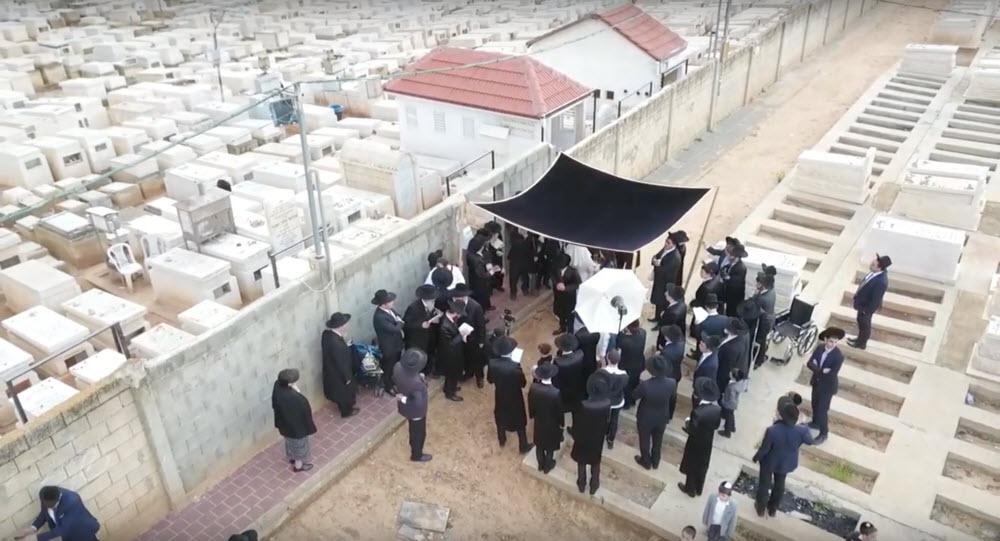
Where is it taking place?
יוֹסֵי בֶן יוֹחָנָן אִישׁ יְרוּשָׁלַיִם אוֹמֵר, יְהִי בֵיתְךָ פָתוּחַ לִרְוָחָה, וְיִהְיוּ עֲנִיִּים בְּנֵי בֵיתֶךָ
Yose ben Yochanan (a man) of Jerusalem used to say: Let thy house be wide open, and let the poor be members of thy household.
(20) You shall not wrong or oppress a stranger, for you were strangers in the land of Egypt. (21) You [communal leaders] shall not ill-treat any widow or orphan. (22) If you do mistreat them, I will heed their outcry as soon as they cry out to Me, (23) and My anger shall blaze forth and I will put you to the sword, and your own wives shall become widows and your children orphans.
This helps us analyse Tanach in a new way, by looking at intertextual connections and seeing a word's prevalence within certain texts and contexts.
I searched for the word יתום, orphan, to see how it appeared in the Torah. This is the graph below:

- It is always mentioned in conjunction with the widow and the convert.
- It is mentioned within other laws.
- It is always mentioned in relation to being close to HaShem.
The merit of rejoicing in a good deed stood us in good stead. God saw our affliction and regretted the evil He’d brought on His people, and the plague came to an end.
(Shmuel Glick, Light Shone upon Them: Connections between Wedding and Mourning Customs in Jewish Tradition [Efrat: Keren Ori, 1997] p. 175 [Hebrew])
The dread disease [cholera] was first seen in our town a few weeks ago and has claimed many victims […]. One day a group of people decided to stop the plague and end the sickness, so they took a young man and woman from among the poorest and most despised classes and led them with drums and dances to the House of the Living [a euphemism for a cemetery], where they married them off, eating and drinking until they were utterly drunk and claiming this was a surefire cure for cholera.
My heart sank at the sight, and shame enveloped me. I’d never imagined that in this day and age, our Jewish brethren still believed in such bizarre things. When I asked what was going on, what their strange behavior meant, and how they’d come to such an ignorant custom, they laughed heartily and shook their heads at me, saying it was a tradition from their fathers, who must have known what they were doing. It never occurred to these people that not every time-honored tradition is a good one and that some customs are just folly and superstition. (Ha-Carmel, 3 Elul, 1866)
In the early 20th century, a new category of marginal persons appeared: those who carried the physical and mental scars of World War and pogroms. Two of the last recorded cholera weddings happened in Odessa in 1922 and involved people who carried the wounds of those events: a woman with an eye gouged out by pogromists, a war veteran who had been wounded and lost the ability to speak. (https://www.tabletmag.com/sections/news/articles/plague-weddings)
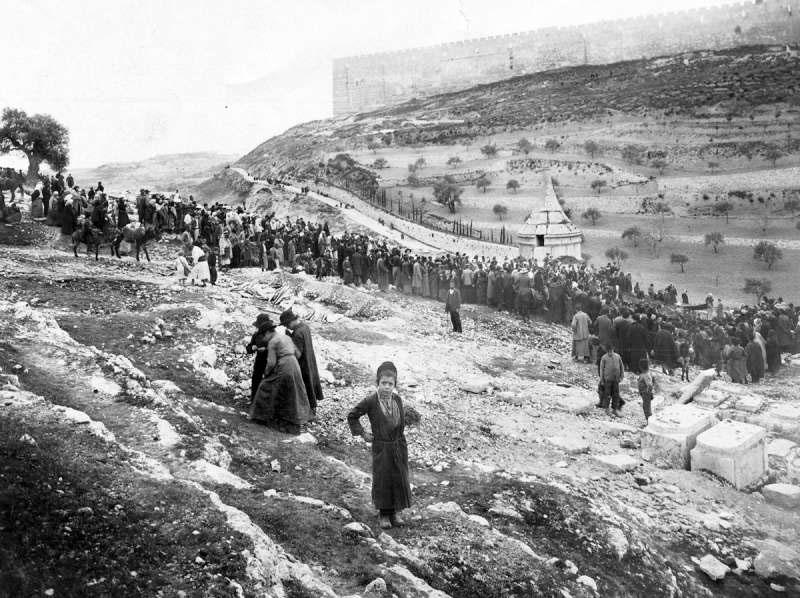
A Black Wedding in Jerusalem in 1909, on Har HaZeitim, the Mount of Olives. It is thought to be the last one performed in Israel until 2020. (https://segulamag.com/en/articles/black-canopy/)
- Why a wedding?
- Why between orphans?
- Is it morally okay to force two people into marriage if 1) it will help the town, and 2) they wouldn't be able to afford it otherwise?
- Historically, how did the definition of 'Orphan' change when it came to Black Weddings?