
Save "א-בינאריות ביהדות
"
א-בינאריות ביהדות
ביהדות מצאנו התייחסות למינים נוספים של בני אדם, שאינם זכרים או נקבות. א-בינאריות קיימת מאז ומעולם בטבע, וכבר בימי קדם הכירו בכך. גם מבחינה הלכתית וגם בדרשות ותפילות. (התפילה המובאת בדף זה מעניינת במיוחד).
בהלכה:
אלה הם המינים כפי שאוזכרו אצל חז"ל:
  1. זכר
  2. נקבה
  3. אנדרוגינוס
  4. טומטום
  5. סריס חמה
  6. איילונית
3. אנדרוגינוס

אַנְדְּרוֹגִינוֹס יֵשׁ בּוֹ דְּרָכִים שָׁוֶה לַאֲנָשִׁים, וְיֵשׁ בּוֹ דְּרָכִים שָׁוֶה לַנָּשִׁים, וְיֵשׁ בּוֹ דְּרָכִים שָׁוֶה לַאֲנָשִׁים וְנָשִׁים, וְיֵשׁ בּוֹ דְּרָכִים אֵינוֹ שָׁוֶה לֹא לַאֲנָשִׁים וְלֹא לַנָּשִׁים:

The hermaphrodite is in some ways like men, and in other ways like women. In other ways he is like men and women, and in others he is like neither men nor women.

והאנדרגינס – "אנדרוגינוס" היא מילה יוונית המורכבת משתיים: אנדרי, שפירושו גבר, וגינה, שמשמעה נקבה. הכוונה למי שיש לו סימני זכר וסימני נקבה כאחד, בניגוד ל"טומטום" שאין לו סימני מין כלל.

רַבִּי מֵאִיר אוֹמֵר: אַנְדְּרוֹגִינוֹס בְּרִיָּה בִּפְנֵי עַצְמָהּ הוּא וְלֹא יָכְלוּ חֲכָמִים לְהַכְרִיעַ עָלָיו אִם הוּא אִישׁ אוֹ אִשָּׁה.

And in what is he different from both men and women? One does not burn terumah if it came into contact with his discharge, Neither is he liable for entering the temple while impure, unlike men or women. He must not be sold as a Hebrew slave, unlike men or women. He cannot be evaluated, unlike men or women. If one says: “I will be a nazirite, if he is neither a man nor a woman,” then he becomes a nazirite. Rabbi Yose says: the hermaphrodite is a unique creature, and the sages could not decide about him. But this is not so with a tumtum (one of doubtful), for sometimes he is a man and sometimes he is a woman.

אָמַר רָבָא: בַּר הַמְדּוּרֵי אַסְבְּרַהּ לִי: ״וְאֶת זָכָר לֹא תִשְׁכַּב מִשְׁכְּבֵי אִשָּׁה״, אֵי זֶהוּ זָכָר שֶׁיֵּשׁ בּוֹ שְׁנֵי מִשְׁכָּבוֹת — הֱוֵי אוֹמֵר זֶה אַנְדְּרוֹגִינוֹס.

The Gemara answers that Rav stated his opinion in accordance with the opinion of this tanna, as it is taught in the following baraita: Rabbi Simai says: With regard to a hermaphrodite, one is liable to be punished with stoning on his account for intercourse at two places. The Gemara asks: What is the reasoning of Rabbi Simai? Rava said: The Sage bar Hamedurei explained the matter to me, based on an allusion to this halakha found in the Bible. The verse states: “And you shall not lie with a male as with a woman [mishkevei isha]” (Leviticus 18:22). The phrase mishkevei isha, referring to lying with a woman, appears in the plural. Now, what male has two manners of lying? You must say that this is referring to a hermaphrodite, and the plural form mishkevei, meaning: Lyings, indicates that there is liability for both manners of intercourse with him.
3. טומטום
אֲבָל טֻמְטוּם אֵינוֹ כֵּן, פְּעָמִים שֶׁהוּא אִישׁ פְּעָמִים שֶׁהוּא אִשָּׁה:
And in what is he different from both men and women? One does not burn terumah if it came into contact with his discharge, Neither is he liable for entering the temple while impure, unlike men or women. He must not be sold as a Hebrew slave, unlike men or women. He cannot be evaluated, unlike men or women. If one says: “I will be a nazirite, if he is neither a man nor a woman,” then he becomes a nazirite. Rabbi Yose says: the hermaphrodite is a unique creature, and the sages could not decide about him. But this is not so with a tumtum (one of doubtful), for sometimes he is a man and sometimes he is a woman.

והטומטום – האדם שלא ניכרים בו לא סימני זכר ולא סימני נקבה

5. סריס חמה

תָנוּ רַבָּנַן: אֵיזֶהוּ סְרִיס חַמָּה? כׇּל שֶׁהוּא בֶּן עֶשְׂרִים, וְלֹא הֵבִיא שְׁתֵּי שְׂעָרוֹת. וַאֲפִילּוּ הֵבִיא לְאַחַר מִכָּאן הֲרֵי הוּא כְּסָרִיס לְכׇל דְּבָרָיו.

וְאֵלּוּ הֵן סִימָנָיו: כֹּל שֶׁאֵין לוֹ זָקָן, וּשְׂעָרוֹ לָקוּי, וּבְשָׂרוֹ מַחְלִיק.

רַבָּן שִׁמְעוֹן בֶּן גַּמְלִיאֵל אוֹמֵר מִשּׁוּם רַבִּי יְהוּדָה בֶּן יָאִיר: כֹּל שֶׁאֵין מֵימָיו מַעֲלִין רְתִיחוֹת.

וְיֵשׁ אוֹמְרִים: כׇּל הַמֵּטִיל מַיִם וְאֵין עוֹשֶׂה כִּיפָּה.

וְיֵשׁ אוֹמְרִים: כֹּל שֶׁשִּׁכְבַת זַרְעוֹ דּוֹחָה.

וְיֵשׁ אוֹמְרִים: כֹּל שֶׁאֵין מֵימֵי רַגְלָיו מַחְמִיצִין.

אֲחֵרִים אוֹמְרִים: כֹּל שֶׁרוֹחֵץ בִּימוֹת הַגְּשָׁמִים וְאֵין בְּשָׂרוֹ מַעֲלֶה הֶבֶל.

רַבִּי שִׁמְעוֹן בֶּן אֶלְעָזָר אוֹמֵר: כֹּל שֶׁקּוֹלוֹ לָקוּי, וְאֵין נִיכָּר בֵּין אִישׁ לְאִשָּׁה.

§ The Sages taught: Who is considered a eunuch by natural causes? It is anyone who is twenty years old and has not yet grown two pubic hairs. And even if he grows pubic hairs afterward, he is still considered a eunuch by natural causes with regard to all his matters. And his signs are as follows: Whoever does not have a beard, and his hair is defective, unlike that of ordinary individuals, and his skin is smooth, i.e., hairless. Rabban Shimon ben Gamliel says in the name of Rabbi Yehuda ben Ya’ir: It is anyone whose urine does not raise foam. And some say: It is anyone who urinates without forming an arch. And some say: It is anyone whose semen dissipates and fails to congeal in the proper manner. And some say: Anyone whose urine does not ferment. Others say: It is anyone who bathes in the rainy season and his flesh does not give off steam. Rabbi Shimon ben Elazar says: It is anyone whose voice is defective, so that it is not evident from it whether he is a man or a woman.
6. איילונית

אֵיזוֹ הִיא אַיְלוֹנִית? כֹּל שֶׁהִיא בַּת עֶשְׂרִים וְלֹא הֵבִיאָה שְׁתֵּי שְׂעָרוֹת, וַאֲפִילּוּ הֵבִיאָה לְאַחַר מִכָּאן — הֲרֵי הִיא כְּאַיְלוֹנִית לְכׇל דְּבָרֶיהָ.

וְאֵלּוּ הֵן סִימָנֶיהָ: כֹּל שֶׁאֵין לָהּ דַּדִּים, וּמִתְקַשָּׁה בִּשְׁעַת תַּשְׁמִישׁ.

רַבָּן שִׁמְעוֹן בֶּן גַּמְלִיאֵל אוֹמֵר: כֹּל שֶׁאֵין לָהּ שִׁיפּוּלֵי מֵעַיִם כְּנָשִׁים.

רַבִּי שִׁמְעוֹן בֶּן אֶלְעָזָר אוֹמֵר: כֹּל שֶׁקּוֹלָה עָבֶה, וְאֵינָהּ נִיכֶּרֶת בֵּין אִשָּׁה לְאִישׁ.

And who is a sexually underdeveloped woman [aylonit]? It is anyone who is twenty years old and has not yet grown two pubic hairs. And even if she grows pubic hairs afterward, she is still considered a sexually underdeveloped woman with regard to all her matters. And her signs are as follows: A sexually underdeveloped woman is anyone who does not have breasts and experiences pain during intercourse. Rabban Shimon ben Gamliel says: It is anyone whose lower abdomen is not formed like that of other women, as she lacks the cushion of flesh that is usually situated above a woman’s genitals. Rabbi Shimon ben Elazar says: It is anyone whose voice is deep, so that it is not evident from it whether she is a woman or a man.

״אַיְילוֹנִית״ — דּוּכְרָנִית, דְּלָא יָלְדָה.

We too will say: Ailonit, a sexually underdeveloped woman, is a term meaning: Like a ram [dukhranit], because like a male sheep [ayyil] she does not bear children.
דוכרנית - לשון איל תמים דמתרגמינן דכר שלים (ויקרא ה׳:ט״ו) הרי היא כאיל שאינו יולד:

ואילונית - דוכרניתא. המיוחסת לאיל, והוא זכר הצאן.

והיא לא תלד מצד המזג שלה וסימניה. שאין לה שדים כמו שדי הנשים, ולא יצמח השער בשטח גופה כנשים, וקולה עבה עד שאין הפרש בין קולה וקול האנשים, ואותו מקום אינו בולט מגופה על שטח הגוף כמו שאר הנשים.


באגדה:
מלבד ספרות ההלכה, גם בספרות האגדה והפרשנות מצאנו התייחסויות רבות למינים של בני אדם "על הרצף", שלא היו לגמרי זכר או לגמרי נקבה.
1. אדם הראשון היה אנדרוגינוס.

אָמַר רַבִּי יִרְמְיָה בֶּן אֶלְעָזָר בְּשָׁעָה שֶׁבָּרָא הַקָּדוֹשׁ בָּרוּךְ הוּא אֶת אָדָם הָרִאשׁוֹן, אַנְדְּרוֹגִינוֹס בְּרָאוֹ, הֲדָא הוּא דִכְתִיב (בראשית ה, ב): זָכָר וּנְקֵבָה בְּרָאָם.

... Said R’ Yirmiyah ben Elazar: In the hour when the Holy One created the first human, He created him [as] an androgyne/androginos, as it is said, “male and female He created them”. Said R’ Shmuel bar Nachmani: In the hour when the Holy One created the first human, He created [for] him a double-face/di-prosopon/ du-par’tsufin, and sawed him and made him backs, a back here and a back [t]here, as it is said, “Back/achor and before/qedem You formed me” [Ps 139:5]. They objected to him: But it says, “He took one of his ribs/ts’la`ot . . . ” [Gn 2:21]! He said to them: [It means] “[one] of his sides/sit’rohi”, just as you would say, “And for the side/tsela` of the Tabernacle/ mishkan” [Ex 26:20], which they translate [in Aramaic] “for the side/seter”. R’ Tanchuma in the name of R’ Banayah and R’ B’rakhyah in the name of R’ Elazar said: In the time that the Holy One created Adam Harishon, [as] a golem He created him and he was set up from [one] end of the world and unto its [other] end – that’s what is written: “Your eyes saw my golem” [Ps 139:16]. R’ Yehoshua bar Nechemyah and R’ Yehudah bar Simon in R’ Elazar’s name said: He created him filling the whole world. From where [do we know he extended] from the East to West? That it’s said: “Back/achor (i.e., after, the place of sunset) and before/East/qedem You formed/enclosed me /tsartani” [Ps 139:5]. From where [that he went] from North to South? That it’s said: “and from the edge of the heavens and until the edge of the heavens” [Dt 4:32]. And from where [that he filled] even the world’s hollow-space? That it’s said: “. . . and You laid Your palm upon me” [Ps 139:5]...
2. אברהם ושרה היו טומטומים. שרה הייתה איילונית.

אָמַר רַבִּי אַמֵּי: אַבְרָהָם וְשָׂרָה טוּמְטְמִין הָיוּ, שֶׁנֶּאֱמַר: ״הַבִּיטוּ אֶל צוּר חֻצַּבְתֶּם וְאֶל מַקֶּבֶת בּוֹר נֻקַּרְתֶּם״, וּכְתִיב, ״הַבִּיטוּ אֶל אַבְרָהָם אֲבִיכֶם וְאֶל שָׂרָה תְּחוֹלֶלְכֶם״.

אָמַר רַב נַחְמָן אָמַר רַבָּה בַּר אֲבוּהּ: שָׂרָה אִמֵּנוּ אַיְלוֹנִית הָיְתָה, שֶׁנֶּאֱמַר: ״וַתְּהִי שָׂרַי עֲקָרָה אֵין לָהּ וָלָד״, אֲפִילּוּ בֵּית וָלָד אֵין לָהּ.

Rabbi Yitzḥak said: For what reason were our forefathers initially infertile? Because the Holy One, Blessed be He, desires the prayers of the righteous, and He therefore wanted them to pray for children. Similarly, Rabbi Yitzḥak said: Why are the prayers of the righteous compared to a pitchfork [eter], as in the verse: “And He let Himself be entreated [vaye’ater]”? This indicates that just as this pitchfork turns over produce from one place to another, so the prayer of the righteous turns over the attributes of the Holy One, Blessed be He, from the attribute of rage to the attribute of mercy. Rabbi Ami said: Abraham and Sarah were originally tumtumin, people whose sexual organs are concealed and not functional, as it is stated: “Look to the rock from where you were hewn, and to the hole of the pit from where you were dug” (Isaiah 51:1), and it is written in the next verse: “Look to Abraham your father and to Sarah who bore you” (Isaiah 51:2), which indicates that sexual organs were fashioned for them, signified by the words hewn and dug, over the course of time. Rav Naḥman said that Rabba bar Avuh said: Our mother Sarah was initially a sexually underdeveloped woman [aylonit], as it is stated: “And Sarah was barren; she had no child” (Genesis 11:30). The superfluous words: “She had no child,” indicate that she did not have even a place, i.e., a womb, for a child.
3. רבקה נקראת 'נער' בתורה.

(טז) וְהַֽנַּעֲרָ֗ טֹבַ֤ת מַרְאֶה֙ מְאֹ֔ד בְּתוּלָ֕ה וְאִ֖ישׁ לֹ֣א יְדָעָ֑הּ וַתֵּ֣רֶד הָעַ֔יְנָה וַתְּמַלֵּ֥א כַדָּ֖הּ וַתָּֽעַל׃

(16) The maiden was very beautiful—[and] a virgin, no man having known her. She went down to the spring, filled her jar, and came up.
מלבד הכינוי 'נער', הכתוב מתייחס אליה גם בלשון 'הוא'. אולי בשל היותה טומטום, כפי שכתב ברטנורא על יצחק:

וַיֶּעְתַּ֨ר יִצְחָ֤ק לַֽיהֹוָה֙ לְנֹ֣כַח אִשְׁתּ֔וֹ כִּ֥י עֲקָרָ֖ה הוא וַיֵּעָ֤תֶר לוֹ֙ יְהֹוָ֔ה וַתַּ֖הַר רִבְקָ֥ה אִשְׁתּֽוֹ׃

Isaac pleaded with יהוה on behalf of his wife, because she was barren; and יהוה responded to his plea, and his wife Rebekah conceived.

כי עקרה היא. נראה לישב אמאי כתיב הוא בוי"ו שבא להורות שגם יצחק היה עקר כמו שאמרו רז"ל שהאבות טומטומין היו.

4. דינה בעיבורה הייתה זכר, ויוסף בעיבורו היה נקבה.
וְאַחַ֖ר יָ֣לְדָה בַּ֑ת וַתִּקְרָ֥א אֶת־שְׁמָ֖הּ דִּינָֽה׃
Last, she bore him a daughter, and named her Dinah.

וּשְׁמִיעַ מִן קֳדָם יְיָ צְלוּתָא דְלֵאָה, וְאִיתְחַלְפוּ עוּבָּרַיָא בִּמְעֵיהוֹן. וַהֲוָה יָהִיב יוֹסֵף בִּמְעָהָא דְרָחֵל, וְדִינָא בִּמְעָהָא דְלֵאָה.

And afterward she bare a daughter, and called her name Dinah; for she said, Judgement is from before the Lord, that there shall be from me a half of the tribes; but from Rahel my sister shall go forth two tribes, even as they shall proceed (in like manner) from each of the handmaids. And the prayer of Leah was heard before the Lord; and the infants were changed In their wombs; and Joseph was given to the womb of Rahel, and Dinah to the womb of Leah.
בתרגום חזרה לעברית: "ונשמעה לפני ה' תפילת לאה, והתחלפו העוברים במעיהן (של רחל ולאה) והיה ניתן יוסף במעיה של רחל, ודינה במעיה של לאה".

מַאי ״וְאַחַר״? אָמַר רַב: לְאַחַר שֶׁדָּנָה לֵאָה דִּין בְּעַצְמָהּ וְאָמְרָה: שְׁנֵים עָשָׂר שְׁבָטִים עֲתִידִין לָצֵאת מִיַּעֲקֹב, שִׁשָּׁה יָצְאוּ מִמֶּנִּי וְאַרְבָּעָה מִן הַשְּׁפָחוֹת, הֲרֵי עֲשָׂרָה. אִם זֶה זָכָר, לֹא תְּהֵא אֲחוֹתִי רָחֵל כְּאַחַת הַשְּׁפָחוֹת, מִיָּד נֶהֶפְכָה לְבַת, שֶׁנֶּאֱמַר: ״וַתִּקְרָא אֶת שְׁמָהּ דִּינָה״.

Is a prayer in that case ineffective? Rav Yosef raises an objection based on a baraita: It is stated: “And afterwards she bore a daughter, and called her name Dina” (Genesis 30:21). The Gemara asks: What is meant by the addition of the word: Afterwards? What does the verse seek to convey by emphasizing that after the birth of Zebulun she gave birth to Dina? Rav said: After Leah passed judgment on herself and said: Twelve tribes are destined to descend from Jacob, six came from me and four from the maidservants, that is ten, and if this fetus is male, my sister Rachel will not even be the equivalent of one the maidservants; immediately the fetus was transformed into a daughter, as it is stated: And she called her name Dina; meaning she named her after her judgment [din]. The Gemara rejects this: One does not mention miraculous acts to teach general halakha.
דינה גם נקראת 'נער':

וַתֵּצֵא דִינָה בַּת־לֵאָה אֲשֶׁר יָלְדָה לְיַעֲקֹב לִרְאוֹת בִּבְנוֹת הָאָרֶץ׃ וַיַּרְא אֹתָהּ שְׁכֶם בֶּן־חֲמוֹר הַחִוִּי נְשִׂיא הָאָרֶץ וַיִּקַּח אֹתָהּ וַיִּשְׁכַּב אֹתָהּ וַיְעַנֶּהָ׃ וַתִּדְבַּק נַפְשׁוֹ בְּדִינָה בַּת־יַעֲקֹב וַיֶּאֱהַב אֶת־הַנַּעֲרָ וַיְדַבֵּר עַל־לֵב הַנַּעֲרָ׃
Now Dinah, the daughter whom Leah had borne to Jacob, went out to visit the daughters of the land. Shechem son of Hamor the Hivite, chief of the country, saw her, and took her and lay with her and disgraced her. Being strongly drawn to Dinah daughter of Jacob, and in love with the maiden, he spoke to the maiden tenderly.
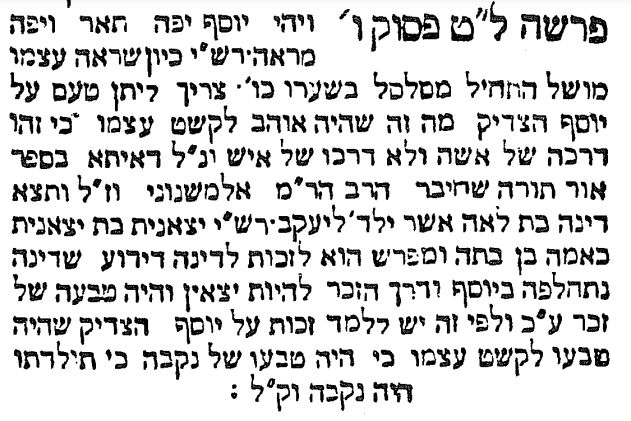
הנה כי דינה בהורתה היתה זכר אלא שנתהפכה אח"כ. ולכן מי ששרשה זכר אינו מן התמה תהיה יצאנית כי כן יעשו הזכרים וכל דבר הולך אחר שורשו.
ומכל מקום אין להרהר אחר יעקב ולאה איך יצא זה המכשול של דינה. דע כי טבע דינה היה טבע זכר שהוא יוצא השדה, על כן היתה יצאנית, והענין כמו שאמרו רז"ל (ב"ר עב, ו) שדינה היתה זכר בבטן אמה ויוסף היה נקבה בבטן אמו, והתפללה לאה על זה ונתהפכו שניהם, מכל מקום היה בה טבע הזכר. וזהו שאמר בת לאה, כי מה שנעשית בת ולא בן זה היה מכח תפלת לאה:
We must not spend time wondering how such a misfortune could have happened and what errors if any her parents had committed. We must remember that Dinah's nature was like that of a male who is in the habit of going out into the field; this is how she conducted herself. Our sages have explained that as a fetus Dinah grew in her mother's womb as a male child, and that it was Leah's prayer which led to her being born as a female (Berachot 60).
ספר "תורי זהב", על התכונות הנשיות אצל יוסף, וגבריות אצל דינה:
6. מיכל בת שאול הייתה מ'עלמא דדכורא' (עולם הזכר)

אפש"ל דמיכל בת שאול היתה אשה חכמה, וידעה בעצמה שהיתה לה נשמה מעלמא דדכורא. ולכך "ולמיכל בת שאול לא היה לה ולד" עכ"ל.

ועיין שער הגלגולים הקדמה ט', שכתב שאשה שמגולגל בה נשמת זכר, א"א לה להתעבר אם לא ע"י זכות גדול שתתעבר בה איזה נשמת אשה נקבה אחרת בסוד עיבור...

7. לרבי יוחנן היה יופי נשי, ולא היה לו זקן.
(ומסופר על קשר קרוב במיוחד שהיה לו עם ריש לקיש)

אמר ר' יוחנן: אנא אשתיירי משפירי [אני נשארתי מהיפים] של ירושלים, שהיה יפה תואר מאד.

ומספרים: האי מאן דבעי מחזי שופריה [מי שרוצה לראות מה היה יופיו] של ר' יוחנן, נייתי כסא דכספא מבי סלקי [שיביא כוס כסף מבית הצורף] כשהיא חדשה והכסף לבן ביותר, ונמלייה פרצידיא דרומנא סומקא [וימלא אותה גרעיני רימון אדום], ונהדר ליה כלילא דוורדא סומקא לפומיה [וישים זר ורדים אדומים על פיו] של הכוס, ונותביה בין שמשא לטולא [ויעמיד אותה בין החמה והצל], ההוא זהרורי [אותו הזוהר] שיש לציור זה הוא מעין שופריה [יופיו] של ר' יוחנן.

ושואלים: איני [האם כן הוא] שהיה ר' יוחנן יפה כל כך? והאמר מר [והרי אמר החכם]: שופריה [יופיו] של רב כהנא היה מעין שופריה [יופיו] של ר' אבהו, שופריה [יופיו] של ר' אבהו מעין שופריה [יופיו] של יעקב אבינו, שופריה [יופיו] של יעקב אבינו מעין שופריה [יופיו] של אדם הראשון, ואדם הראשון הלא נברא בצלם אלקים, בתכלית השלמות. ואילו את ר' יוחנן לא קא חשיב ליה [מנה] ברשימה זו, משמע שלא היה יפה כמותם!

ומשיבים: שאני [שונה] ר' יוחנן שהדרת פנים לא הויא ליה [היתה לו], שלא היה זקנו מגודל, ולכן לא היה נחשב מושלם בכל היופי.

...

ועוד מספרים מעשה אחר הקשור ביופיו של ר' יוחנן. יומא חד הוה קא סחי [יום אחד היה שוחה] ר' יוחנן בירדנא [בירדן]. חזייה [ראהו] ריש לקיש ושוור לירדנא אבתריה [וקפץ לירדן אחריו], ובאותו זמן לא עסק ריש לקיש בתורה אלא היה קשור ללודרים בקרקס. אמר ליה [לו] ר' יוחנן לריש לקיש חילך לאורייתא [גבורתך לתורה], כלומר, אדם גבור כמוך צריך להשקיע כוחו בעיסוק התורה! אמר ליה [לו] ריש לקיש: שופרך לנשי [יופיך לנשים], כלומר, יופי כמו שלך ראוי לאשה.

אמר ליה [לו]: אי הדרת [אם תחזור] בך ותשוב ללמוד את התורה שעזבת — יהיבנא [אתן] לך את אחותי, דשפירא מינאי [שהיא יפה ממני]. קביל עליה [קבל על עצמו] ריש לקיש לעשות כן. בעי למיהדר לאתויי מאניה [רצה לחזור בקפיצה להביא את בגדיו] ולא מצי הדר [היה יכול לחזור], שכיון שקבל עליו עול תורה מיד נחלש. אקרייה ואתנייה ושוייה גברא רבא [לימד אותו ר' יוחנן מקרא ומשנה ועשה אותו אדם גדול], שנעשה ריש לקיש מגדולי חכמי ישראל בדורו.

יומא חד הוו מפלגי בי מדרשא [יום אחד היו חלוקים בבית המדרש] ... ובתוך כדי הויכוח אמר לו ר' יוחנן בקצת כעס: לסטאה בלסטיותיה ידע [שודד, בענייני שוד הוא יודע], כלומר, כיון שהיית גזלן בצעירותך הרי אתה בקיא בדברים אלה גם עכשיו!

נעלב ריש לקיש ואמר ליה [לו] לר' יוחנן: ומאי אהנת [ומה הועלת] לי אם כן כשקרבתני ללמוד התורה? הלא התם [שם] בין הליסטים "רבי" קרו לי, הכא [וכאן] "רבי" קרו [קוראים] לי! אמר ליה [לו]: אהנאי לך דאקרבינך [שקרבתי אותך] תחת כנפי השכינה, ומדוע אין אתה מכיר לי תודה?

בתוך כדי ויכוח זה חלש דעתיה [חלשה דעתו, נפגע ונעלב] ר' יוחנן, וכיון שהקפיד השפיעה הקפדתו ומיד חלש [חלה] ריש לקיש. ...

ובסופו של דבר נח נפשיה [נחה נפשו, מת] ר' שמעון בן לקיש (ריש לקיש), והוה קא [והיה] מצטער ר' יוחנן בתריה טובא [אחריו, עליו, ביותר], על חסרונו ועל מה שגרם לו.

... הוה קא אזיל וקרע מאניה וקא בכי ואמר [היה הולך וקורע את בגדיו ובוכה ואומר]: "היכא את בר לקישא, היכא את בר לקישא"! ["היכן אתה בן לקיש, היכן אתה בן לקיש"]. והוה קא צוח [והיה צועק] כך עד דשף דעתיה מיניה [שניטלה דעתו ממנו]. בעו רבנן רחמי עליה ונח נפשיה [בקשו חכמים רחמים עליו ונחה נפשו, נפטר], שלא ישאר במצב קשה זה.

8. ספק שעלה לגבי רב נחמן אם הוא 'זכר' רגיל או סריס חמה.
ושואלים: אלא הא [זה] שאמר להו [להם] רבה בר אבוה לרבנן [לחכמים]: עיינו ביה [הסתכלו בו] ברב נחמן כשהולך לרחוץ, אי [אם] בשרו מעלה הבל איתיב ליה ברת [אתן לו את הבת שלי] לאשה. כמאן שיטת מי] אמר זאת, האם לא כרב הונא שצריכים להיות בו כל הסימנים, שהרי מן הסתם ראה שאין לו זקן! ומשיבים: לא, רב נחמן סיכי דיקנא הויא ליה [היו לו זיפי זקן] ורצה לדעת אם יש בו סימני סריס אחרים.
9. אישה שהתלבשה כזכר והיחס אליה הוא בלשון זכר

וְהָלַךְ וְהִלְבִּישׁ אוֹתָהּ בְּבִגְדֵי מלח, וְנִדְמֵית לְזָכָר וְעָבַר עִמּוֹ בַּיָּם.

[מִכָּאן וּלְהָלְאָה נְדַבֵּר עַל הַבַּת קֵיסָר בִּלְשׁוֹן זָכָר, כִּי בְּלָשׁוֹן זֶה סִפֵּר רַבֵּנוּ, זִכְרוֹנוֹ לִבְרָכָה, מֵחֲמַת שֶׁהָרוֹצֵחַ הִלְבִּישׁ אוֹתָהּ כְּמוֹ זָכָר].

Then he departed from there with her and he brought her to a city and they traveled on and traveled on, and they came to a place and the murderer understood that there too they are searching. He hid himself together with her in a mikveh. And then he went out from there too and came to another place, and there also he hid himself with her in another water, and thus he hid himself with her each time in another water, until he had hidden himself with her in all the seven kinds of waters that the burgher had hidden himself in with her mother, as mentioned, which constitute the seven witnesses, as mentioned, until he came with her to the sea. The murderer searched there for even a small boat from which they catch fish, in order to cross with her. He found a ship; he took the emperor's daughter, and he did not need her, for he was a eunuch as mentioned, but just wanted to sell her to some king. And he had fear lest she be snatched away from him, so he went ahead and dressed her in sailor's clothes; she looked like a male. And the murderer traveled with her on the sea (that is, with the emperor's daughter, whom we refer to in male terms, as the murderer disguised her thus, as mentioned).

וּכְבָר נִתְגַּדְּלָה בִּשְׂעָרוֹת וְגַם הָיְתָה לְבוּשָׁה כְּמוֹ זָכָר בְּבִגְדֵי מלח כַּנַּ"ל. וְלא הִכִּירוּ זֶה אֶת זֶה. וְתֵכֶף בְּבוֹאָהּ בָּא לוֹ שִׂמְחָה שֶׁבָּא עוֹד אָדָם. וְשָׁאַל אוֹתוֹ: מֵאַיִן בָּאתָ לְכָאן? הֵשִׁיבָה: הָיִיתִי עִם אֵיזֶה סוֹחֵר בַּיָּם וְכוּ' שָׁאֲלָה אוֹתוֹ: מֵאַיִן בָּאתָ אַתָּה לְכָאן ? הֵשִׁיב לָהּ: גַּם כֵּן עַל יְדֵי אֵיזֶה סוֹחֵר וְכוּ' וְיָשְׁבוּ שָׁם שְׁנֵיהֶם.

[אֵין הַלָּשׁוֹן מְדֻקְדָּק, כִּי פַּעַם הִיא נִקְרֵאת בִּלְשׁוֹן זָכָר, וּפַעַם בִּלְשׁוֹן נְקֵבָה].

And she went further and further and was able to find some food, and walked on thus until she came to the place where the young man was living (that is, the aforementioned burgher's son). And by this time she was now overgrown with hair, and in additional she was dressed as a male in sailor's clothes as mentioned. They did not recognize one another. And immediately when she came he turned very happy that another person had come here. He asked her, "Where have you come here from?" [S]he answered, "I was with a merchant on the sea" etc. She asked him, "Where did you come here from?" He also answered her, "Through a merchant." The two of them remained there.

וְהַבָּחוּר רָאָה, שֶׁהוּא אִישׁ חָכָם [הַיְנוּ הַבַּת קֵיסָר, שֶׁאָנוּ מְדַבְּרִים עָלֶיהָ בִּלְשׁוֹן זָכָר כַּנַּ"ל], וּבְוַדַּאי יַשִּׂיג וְיִקַּח אוֹתָהּ, וְנִתְרַצָּה לֵילֵךְ עִמּוֹ.

Later the young man said, "What use is the writing for me? How will I ever be able to find her? For surely she is now with some king (for he thought that she had been sold by the murderer, just as the emperor had told him). What use is it for me? I will live out my years here." And he went and gave her back the writing and said to her, "Here! Take the note for yourself and you go and marry her" (for she was disguised as a male). She allowed herself to go but asked him to go with her as well. "For I will certainly take her; things will be good for me; I'll give you a share of my good." (In other words, the emperor's daughter who was disguised as a male said thus to the young man.) And the young man saw that "he" is a wise man and will certainly take her; he was willing to go with him (that is, with the emperor's daughter who he thought is a male). But the emperor was left alone, for he was afraid to go back to his country. She asked him to go too: for he will surely take the beauty. "You no longer have anything to fear. (In other words she said to him, 'I will certainly seek out the beauty, so you no longer have anything to fear, for the mazal will turn back when she is found.') And you will also be ordered to return."

בתפילה:
לבסוף, מלבד הדיונים ההלכתיים וההתייחסויות באגדה, רבי קלונימוס בן קלונימוס חיבר תפילה נוגעת ללב על הרצון להפוך מזכר לנקבה.
הועתק מפרויקט בן יהודה, מתוך ספר 'אבן בוחן'.
אָבִינוּ שֶׁבַּשָּׁמַיִם, / שֶׁעָשִׂיתָ נִסִּים לַאֲבוֹתֵינוּ בָּאֵשׁ וּבַמַּיִם,
הָפַכְתָּ אוּר כַּשְׂדִּים לְבַל תִּשְׂרֹף בְּחֻמָּהּ / וְהָפַכְתָּ דִינָה בִּמְעֵי אִמָּהּ
וְהָפַכְתָּ הַמַּטֶּה נָחָשׁ לְעֵינֵי אַלְפֵי רִבְבָן / וְהָפַכְתָּ הַיָּד הַטְּהוֹרָה לָבָן
וְהָפַכְתָּ יַם-סוּף לְיַבָּשָׁה / וְקַרְקַע הַיַּרְדֵּן אֶרֶץ נְגוּבָה וְקָשָׁה
הַהוֹפְכִי הַצּוּר אֲגַם מַיִם / חַלָּמִישׁ לְמַעְיְנוֹ מַיִם –
מִי יִתֵּן וְתַהַפְכֵנִי מִזָּכָר לִנְקֵבָה!
אִלּוּ זָכִיתִי לְכָךְ, כַּמָּה חֲנַנְתַּנִי טוֹבָה / גְּבֶרֶת הַבַּיִת הָיִיתִי וְחָנִיתִי לְבֵיתִי מִצָּבָא!
אֲבָל מָה אֲדַבֵּר וּמָה אֹמָר? לָמָה אֶבְכֶּה וְלָמָה אֶתְמַרְמַר?
אִם אָבִי שֶׁבַּשָּׁמַיִם גָּזַר עָלַי / וְנָתַן בִּי מוּם קָבוּעַ, אִי אֶפְשָׁר לַהֲסִירוֹ מֵעָלַי,
וְהַדְּאָגָה בְמַה שֶּׁאִי אֶפְשָׁר – כְּאֵב אָנוּשׁ וָחֵבֶל / וְלֹא יוֹעִילוּ בָהּ תַּנְחוּמִין שֶׁל הֶבֶל.
אָמַרְתִּי: אֶשָּׂא וְאֶסְבֹּל / עַד אֶגְוַע וְאֶבֹּל.
וְאַחַר שֶׁכָּךְ לָמַדְתִּי מִפִּי הַשְּׁמוּעָה / שֶׁמְּבָרְכִין עַל הַטּוֹבָה וְעַל הָרָעָה,
אֲבָרֵךְ בְּקוֹל נָמוֹךְ, בְּשָׂפָה חֲלוּשָׁה / ״בָּרוּךְ אַתָּה יְיָ שֶׁלֹּא עָשַׂנִי אִשָּׁה!״
נוּקְבָא אִית לֵיהּ דְּאִתְקְרִיאַת לַהַט הַחֶרֶב הַמִּתְהַפֶּכֶת, דְּכָל גִּלְגּוּלִין דְּנִשְׁמָתִין בֵּיהּ מִתְהַפְּכִין, לְזִמְנִין מַטֶּה לְנָחָשׁ, לְזִמְנִין נָחָשׁ לַמַּטֶּה, וְהָכִי מִתְהַפְּכָא דְּכוּרָא לְנוּקְבָא, נוּקְבָא לִדְכוּרָא, וְאִלֵּין דְּהָפְכִין לְשֻׁלְחָנָם גָּרְמִין הֲפוּכִין אִלֵּין. הֲפַכְפַּךְ דְּכֻלְּהוּ לַהַט הַחֶרֶב הַמִּתְהַפֶּכֶת מֵרָע לְטוֹב וּמִטָּב לְבִישׁ, וְהָכָא רָזָא דְצַדִּיק וְרַע לוֹ רָשָׁע וְטוֹב לוֹ, וְדָא אִיהוּ גוֹלֵל אוֹר מִפְּנֵי חֹשֶׁךְ וְחֹשֶׁךְ מִפְּנֵי אוֹר, מָאן דְּאַלִּים גָּבַר, כַּד אַלִּים נוּקְבָא עַל דְּכוּרָא בְגִלְגּוּלָא דִילֵיהּ לֵית לֵיהּ דִּיקְנָא, עָקָר הוּא, עוֹבָדוֹי כִּבְעִירָא, תּוֹעִבָה אִיהוּ.
הַיְינוּ (ישעיהו נ״ד:א׳) רָנִּי עֲקָרָה לֹא יָלָדָה. בְּגִין דְּכַד אִתְיְלִיד יְהוּדָה, נַפְקַת נוּקְבָּא מִתְדַּבְּקָא בִּדְכוּרָא, וְלָא הֲוַת עַל תִּקּוּנָהָא אַנְפִּין בְּאַנְפִּין, וְלָא אִתְכְּשָׁרַת לְאוֹלָדָא כֵּיוָן דְּנָסַר לָהּ קוּדְשָׁא בְּרִיךְ הוּא, וְאַתְקִין לָהּ, (ס"א אנפין באנפין) כְּדֵין אִתְכְּשָׁרַת לְאִתְעַבְּרָא וּלְאוֹלָדָא.