



מצאוהו לרבי חנינא בן תרדיון שהיה יושב ועוסק בתורה ומקהיל קהלות ברבים וס"ת מונח לו בחיקו הביאוהו וכרכוהו בס"ת והקיפוהו בחבילי זמורות והציתו בהן את האור והביאו ספוגין של צמר ושראום במים והניחום על לבו כדי שלא תצא נשמתו מהרה אמרה לו בתו אבא אראך בכך אמר לה אילמלי אני נשרפתי לבדי היה הדבר קשה לי עכשיו שאני נשרף וס"ת עמי מי שמבקש עלבונה של ס"ת הוא יבקש עלבוני אמרו לו תלמידיו רבי מה אתה רואה אמר להן גליון נשרפין ואותיות פורחות אף אתה פתח פיך ותכנס בך האש אמר להן מוטב שיטלנה מי שנתנה ואל יחבל הוא בעצמו
They found Rabbi Ḥanina ben Teradyon, who was sitting and engaging in Torah study and convening assemblies in public, with a Torah scroll placed in his lap. They brought him to be sentenced, and wrapped him in the Torah scroll, and encircled him with bundles of branches, and they set fire to it. And they brought tufts of wool and soaked them in water, and placed them on his heart, so that his soul should not leave his body quickly, but he would die slowly and painfully. His daughter said to him: Father, must I see you like this? Rabbi Ḥanina ben Teradyon said to her: If I alone were being burned, it would be difficult for me, but now that I am burning along with a Torah scroll, He who will seek retribution for the insult accorded to the Torah scroll will also seek retribution for the insult accorded to me. His students said to him: Our teacher, what do you see? Rabbi Ḥanina ben Teradyon said to them: I see the parchment burning, but its letters are flying to the heavens. They said to him: You too should open your mouth and the fire will enter you, and you will die quickly. Rabbi Ḥanina ben Teradyon said to them: It is preferable that He who gave me my soul should take it away, and one should not harm oneself to speed his death.
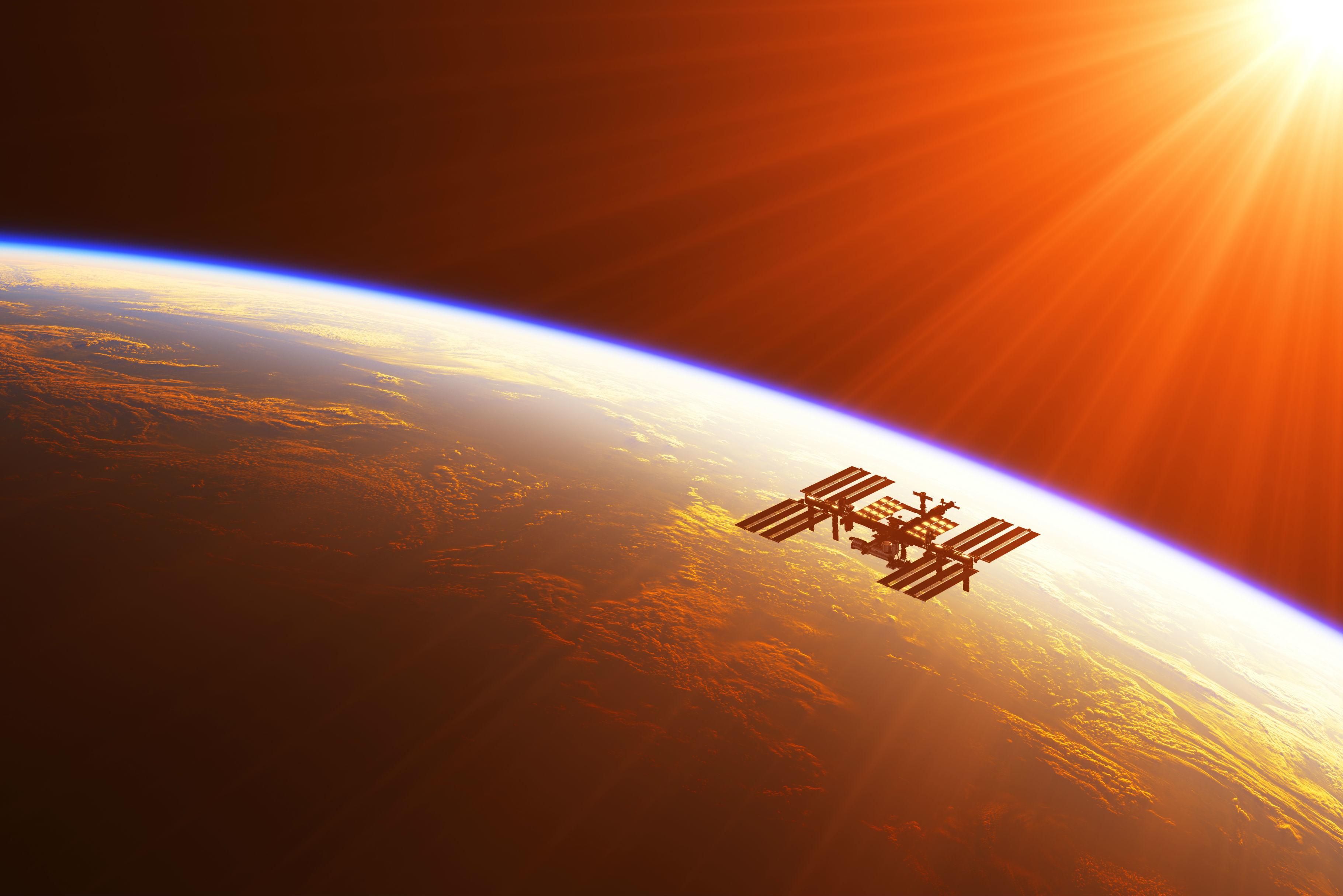
What are some of the halachic challenges you can think of that might apply to a Jew living on the International Space Station?
Do mitzvot even apply in outer space?
הַשָּׁמַ֣יִם שָׁ֭מַיִם לַה' וְ֝הָאָ֗רֶץ נָתַ֥ן לִבְנֵי־אָדָֽם׃
The heavens belong to the LORD, but the earth He gave over to man.
וַיְבָ֣רֶךְ אֹתָם֮ אֱלֹקִים֒ וַיֹּ֨אמֶר לָהֶ֜ם אֱלֹקִ֗ים פְּר֥וּ וּרְב֛וּ וּמִלְא֥וּ אֶת־הָאָ֖רֶץ וְכִבְשֻׁ֑הָ וּרְד֞וּ בִּדְגַ֤ת הַיָּם֙ וּבְע֣וֹף הַשָּׁמַ֔יִם וּבְכׇל־חַיָּ֖ה הָֽרֹמֶ֥שֶׂת עַל־הָאָֽרֶץ׃
God blessed them and God said to them, “Be fertile and increase, fill the earth and master it; and rule the fish of the sea, the birds of the sky, and all the living things that creep on earth.”
Rav Moshe Shternbuch (Teshuvos v'Hanhagos 5:84)
In such a place, each new day begins when the sun is as low [in the sky] as it gets. There is no night. One may not go to live there, for he uproots from himself night Mitzvos. If one goes into space and circles the earth [e.g.] 16 times a day, he loses the concept of time in this world. He uproots himself from all Mitzvos dependent on time, e.g. Shabbos, Keri'as Shema and Tefilah. One may not do so.
אֵ֠לֶּה הַֽחֻקִּ֣ים וְהַמִּשְׁפָּטִים֮ אֲשֶׁ֣ר תִּשְׁמְר֣וּן לַעֲשׂוֹת֒ בָּאָ֕רֶץ אֲשֶׁר֩ נָתַ֨ן ה' אֱלֹקֵ֧י אֲבֹתֶ֛יךָ לְךָ֖ לְרִשְׁתָּ֑הּ כׇּ֨ל־הַיָּמִ֔ים אֲשֶׁר־אַתֶּ֥ם חַיִּ֖ים עַל־הָאֲדָמָֽה׃
These are the laws and rules that you must carefully observe in the land that ה', God of your ancestors, is giving you to possess, as long as you live on earth.
לֹ֥א בַשָּׁמַ֖יִם הִ֑וא לֵאמֹ֗ר מִ֣י יַעֲלֶה־לָּ֤נוּ הַשָּׁמַ֙יְמָה֙ וְיִקָּחֶ֣הָ לָּ֔נוּ וְיַשְׁמִעֵ֥נוּ אֹתָ֖הּ וְנַעֲשֶֽׂנָּה׃
It is not in the heavens, that you should say, “Who among us can go up to the heavens and get it for us and impart it to us, that we may observe it?”
Mizvot on the Moon - Rabbi J. David Bleich, Contemporary Halakhic Problems, Vol. I
(51) ...One of the more intriguing topics in the current literature is the question of the extent to which mizvot are binding upon Jews who may happen to find themselves in the vast regions of outer space. There has now appeared, for the first time, a serious discussion of man's religious obligations on the moon. Undoubtedly, the subject will become a recurrent one and rabbinic literature dealing with this topic will be considerably enriched in the months and years to come.
(52) Among the opinions published thus far, the most extreme position is advanced by Rabbi Ben-Zion Firrer in the 5730 issue of No'am. Rabbi Firrer maintains that mizvot are incumbent upon man only in his terrestrial habitat. The sole supporting evidence for this radical point of view, which is described by its proponent as being "only in the nature of first thoughts; a modest beginning in investigation of this question," is an argument based upon a statement in Kiddushin 37a. Asserting that commandments which are personal in character are binding not only in Erez Yisra'el but in the Diaspora as well, the Gemara quotes the verse "… all the days which you are alive on the earth" (Deut. 12:1). Rabbi Firrer argues that since a pleonasm, "on the earth," is required to establish this obligation, such obligation must be limited to what is specified in this verse. Therefore, man is exempt from performance of mizvot in places other than those which are "on the earth."
(53) In a report of an interview granted by Rabbi Shlomoh Goren, published in Ha-Ẓofeh, 10 Av, 5729 (and cited by Rabbi Firrer in No'am), Rabbi Goren is quoted as asserting that theoretically mizvot contingent upon "time" cannot be performed on the moon, since "time" as measured by twenty-four hour day-night sequences does not exist on this celestial body. Keri'at shema, for example, is obligatory only during certain time periods. Since these periods are defined in terms of terrestrial cycles of light and darkness, it is not clear when keri'at shema should be recited on the moon where the lunar "day" is equal to a month (which, on the average, is 29 days, 12 hours, 44 minutes and 2.78 seconds in length). The same question arises with regard to determining the occurrence of the seventh day which is to be hallowed as the Sabbath. However, argues Rabbi Goren, in practice man is obligated to perform such mizvot. Since natural atmospheric conditions on the moon cannot support human life, man will be able to exist only by creating an artificial atmosphere composed of elements transported from earth. In light of his continual dependence upon Mother Earth, man living on the moon will continue to be governed by the laws operative on earth.
(54) Rabbi Firrer contests the assumption that dependence upon terrestrial materials renders such dependents subject to "Earth-Halakhah," arguing that once such materials come into contact with the moon they are accorded the same status as lunar material. The Gemara, Gittin 7b, declares that bodies of water in Erez Yisra'el are not part of the Land of Israel and that a ship plying the lakes and rivers of Erez Yisra'el, as long as it does not scrape bottom, is considered to be outside the borders of the Land of Israel. When the vessel does touch bottom, its passengers and cargo, even while submerged, are considered to be within the confines of Erez Yisra'el. Rabbi Firrer observes that the ship acquires the halakhic status of the underlying river-bed simply by coming into physical contact with it. Similarly, argues Rabbi Firrer, Earth material coming into contact with lunar substance acquires the halakhic status of the moon itself.
(55) Another article in the same issue of No'am takes sharp issue with Rabbi Firrer's thesis. In direct contradiction to the opinion of Rabbi Firrer, Rabbi Menachem Kasher declares that halakhic obligations are personal ones and are incumbent upon Jews in any and all places where they may find themselves. Hence, the contention that the observance of mizvot is abrogated in the celestial spheres cannot be entertained. Rabbi Kasher adds that since Rabbi Firrer has described his words as "first thoughts," he is certain that the latter's "second thoughts" will reflect a change of heart. Insofar as the reckoning of time is concerned, Rabbi Kasher opines that this situation is no different from the situation which prevails in the earth's polar regions, which have days and nights of many months' duration. Rabbi Kasher has long been of the opinion that under such circumstances the day must be reckoned on a twenty-four-hour basis with alternating twelve-hour periods of "day" and "night" regardless of the presence or absence of solar illumination. The same practice, contends Rabbi Kasher, should be followed by man on the moon.
What direction should one face when praying in space?
תָּנוּ רַבָּנַן: סוּמָא וּמִי שֶׁאֵינוֹ יָכוֹל לְכַוֵּין אֶת הָרוּחוֹת — יְכַוֵּין לִבּוֹ כְּנֶגֶד אָבִיו שֶׁבַּשָּׁמַיִם, שֶׁנֶּאֱמַר: ״וְהִתְפַּלְלוּ אֶל ה׳״. הָיָה עוֹמֵד בְּחוּץ לָאָרֶץ — יְכַוֵּין אֶת לִבּוֹ כְּנֶגֶד אֶרֶץ יִשְׂרָאֵל, שֶׁנֶּאֱמַר: ״וְהִתְפַּלְלוּ אֵלֶיךָ דֶּרֶךְ אַרְצָם״. הָיָה עוֹמֵד בְּאֶרֶץ יִשְׂרָאֵל — יְכַוֵּין אֶת לִבּוֹ כְּנֶגֶד יְרוּשָׁלַיִם, שֶׁנֶּאֱמַר: ״וְהִתְפַּלְלוּ אֶל ה׳ דֶּרֶךְ הָעִיר אֲשֶׁר בָּחַרְתָּ״. הָיָה עוֹמֵד בִּירוּשָׁלַיִם — יְכַוֵּין אֶת לִבּוֹ כְּנֶגֶד בֵּית הַמִּקְדָּשׁ, שֶׁנֶּאֱמַר: ״וְהִתְפַּלְלוּ אֶל הַבַּיִת הַזֶּה״. הָיָה עוֹמֵד בְּבֵית הַמִּקְדָּשׁ — יְכַוֵּין אֶת לִבּוֹ כְּנֶגֶד בֵּית קׇדְשֵׁי הַקֳּדָשִׁים, שֶׁנֶּאֱמַר: ״וְהִתְפַּלְלוּ אֶל הַמָּקוֹם הַזֶּה״. הָיָה עוֹמֵד בְּבֵית קׇדְשֵׁי הַקֳּדָשִׁים — יְכַוֵּין אֶת לִבּוֹ כְּנֶגֶד בֵּית הַכַּפּוֹרֶת. הָיָה עוֹמֵד אֲחוֹרֵי בֵּית הַכַּפּוֹרֶת — יִרְאֶה עַצְמוֹ כְּאִילּוּ לִפְנֵי הַכַּפּוֹרֶת. נִמְצָא עוֹמֵד בַּמִּזְרָח מַחֲזִיר פָּנָיו לַמַּעֲרָב. בַּמַּעֲרָב מַחֲזִיר פָּנָיו לַמִּזְרָח. בַּדָּרוֹם — מַחֲזִיר פָּנָיו לַצָּפוֹן. בַּצָּפוֹן — מַחֲזִיר פָּנָיו לַדָּרוֹם. נִמְצְאוּ כׇּל יִשְׂרָאֵל מְכַוְּונִין אֶת לִבָּם לְמָקוֹם אֶחָד.
The Sages taught in a Tosefta: A blind person and one who is unable to approximate the directions and, therefore, is unable to face Jerusalem in order to pray, may focus his heart towards his Father in Heaven, as it is stated: “And they shall pray to the Lord” (I Kings 8:44).
One who was standing in prayer in the Diaspora should focus his heart toward Eretz Yisrael... One who was standing in Eretz Yisrael should focus his heart toward Jerusalem... One who was standing in Jerusalem should focus his heart toward the Temple... One who was standing in the Temple should focus his heart toward the Holy of Holies... One who was standing in the Holy of Holies should focus his heart toward the seat of the ark-cover [kapporet]... One who was standing behind the seat of the ark-cover should visualize himself as if standing before the ark-cover...
Consequently, one standing in prayer in the East turns to face west, and one standing in the West turns to face east. One standing in the South turns to face north, and one standing in the North turns to face south; Consequently, all of the people of Israel focus themselves focusing their hearts toward one place, the Holy of Holies in the Temple.
צריך שיכוף ראשו מעט שיהיו עיניו למטה לארץ ויחשוב כאלו עומד בבית המקדש ובלבו יכוין למעלה לשמים:
One should bend one's head a little so that one's eyes will be downwards to the ground and one should consider oneself as if one is standing in the Beit Hamikdash, and in one's heart, one should direct [oneself] upward towards the heavens.
We're about to learn 7 different approaches to the question of Zmanim (halachic times) in space. Before we do, here's a question to think about: What would happen if each day in space was marked by sunrise and sunset, as on earth? How might that impact things like Shabbat observance or prayer?
(12) On that occasion, when the LORD routed the Amorites before the Israelites, Joshua addressed the LORD; he said in the presence of the Israelites: “Stand still, O sun, at Gibeon, O moon, in the Valley of Aijalon!” (13) And the sun stood still. And the moon halted, While a nation wreaked judgment on its foes - as is written in the Book of Jashar. Thus the sun halted in midheaven, and did not press on to set, for a whole day
Maybe we should measure a day by simply counting 24 hours?
Rav Yehuda said that Rav said: Ten things were created on the first day of Creation, and they are as follows: Heaven and earth; tohu and vohu, i.e., unformed and void; light and darkness; wind and water; the length of day and the length of night.
Maybe this source can help us. What do you do if you lose track of the days and are not sure which day is Shabbat?
What if, instead of being in the desert, you were in the North Pole, where the sun does not set at the height of the summer and does not rise in the depth of the winter? Without these signposts, what separates one day from the other?
Rav Yaakov Emden
(quoted in Sha’arei Teshuva Orach Chayim 344:1)
וע' במור וקציעה באותם שנוסעים תחת קוטב שהיום מתארך חודש וב' חדשים ויש ששה חדשים יש למנות וא"ו ימים של ך"ד שעות שלנו:
Rabbi Yisroel Lifshitz (Tiferet Yisrael Brachot 1:3, 1782–1860)
...מסתפיקנא במדינות הצפוניות כמו בעירנו דאנציג או קאפענהאגען
ושטאקהאלם וכדומה ששם בכל חודש יוני ויולי לילה כיום יאיר...
אין ישראל שומרין שבת כולן יחד בשעה אחת ובזמן אחד. אפ"ה כך קדשנו הקב"ה במצותיו וצונו לשמור כל אחד שבת בשבתו לפי מקומו ושעתו. ולכן מצאו חן בעיני דברי המדפיסים אשר חדשים מקרוב באו לציין בהלוחות זמן יציאת הכוכבים בתעניות. כל עיר ועיר לפי מקומה...
ולכאורה יש להסתפק ג"כ במי שקרה לו שיבא בקיץ סמוך להנארדפאל. ששם יש איזה חדשים רצופים בקיץ יום ממש. ורואים החמה מקפת כל האופק סביב מזרח דרום מערב צפון. והאיך יתנהג הישראלי הבא לשם עם הספנים שהולכים לשם לצוד התנינים הגדולים (וואללפישע). מתי זמן תפלתו וק"ש שחרית וערבית ומתי ישבות שבתו. י"ל שם סימן אחר יש לו. דשם השמש מקיף מכל הד' רוחות כל כ"ד שעות. א"כ יודע שכל הקפה א' שתעשה השמש. ידע שהוא יום אחד. וא"כ אם יבוא לשם לפי חשבונו ביום א' ידע שהקפה השביעית שתעשה השמש הוא יום שבת. ואע"ג שזמן שחרית וערבית שלו לא ידע. ועי"ז לא ידע ג"כ מתי זמן כניסת ויציאת שבת. והאיך יתנהג אם כפי תושבי אייראפא או כפי תושבי אמעריקא. והרי ידוע שב' מדינות הללו אחת מונחת על פני כדור הארץ מצד א' והאחרת ממולה ממש מתחתיה. וא"כ כשמקדשין השבת באייראפא הוא תחלת עש"ק באמעריקא. וכשמבדילין במו"ש באייראפא הוא שחרית יום שבת באמעריקא. ואם זה האדם שבא סמוך לנארדפאל שרואה שמש בגבורתה עם תושבי אייראפא וגם עם תושבי אמעריקא (אב"י שנקודות מקומו הוא בין ב' המדינות האלו) מתי יתחיל ומתי יסיים שבת שלו שם. ואם גם נאמר שנותנין עליו חומרות וקולות המקום שיצא משם. עדיין יש להסתפק הכי יכול לידע מתי יתחיל ערבית ושחרית של מקום שיצא משם. י"ל דגם חשש זה אפשר לצדד בשיחשוב למפרע ע"פ אוהר נכונה באיזה שעה הוא. למשל שיבא שם בשעה ו' שעל אוהר שלו. והוא לפי חשבונו שעה ו' לאחר חצות יום א'. יחשוב עוד ה' פעמים כ"ד שעות או ה' הקפות השמש עד נקודה ההיא. ואז יתחיל למנות ולשבות שבתו כ"ד שעות. ועכ"פ נ"ל שאם עשה אז מלאכה אינו חייב מיתה ולא חטאת דלא עדיף ממי שהלך במדבר ואינו יודע מתי שבת (כשבת דף ס"ט ב'): ולפ"ז אם יהיו שם ב' אנשים א' מאמעריקא וא' מאייראפא כ"א ישמור שבתו לפי המקום שיצא משם ואין חיוב סקילה וחטאת לשום א' מהן מדאין חייבים כן רק מדרבנן...
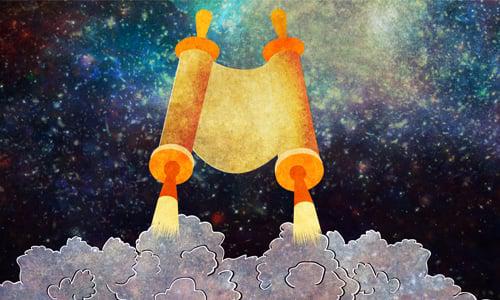
How do we answer halachic questions, such as space travel, if these things didn't exit when the Torah was given?