


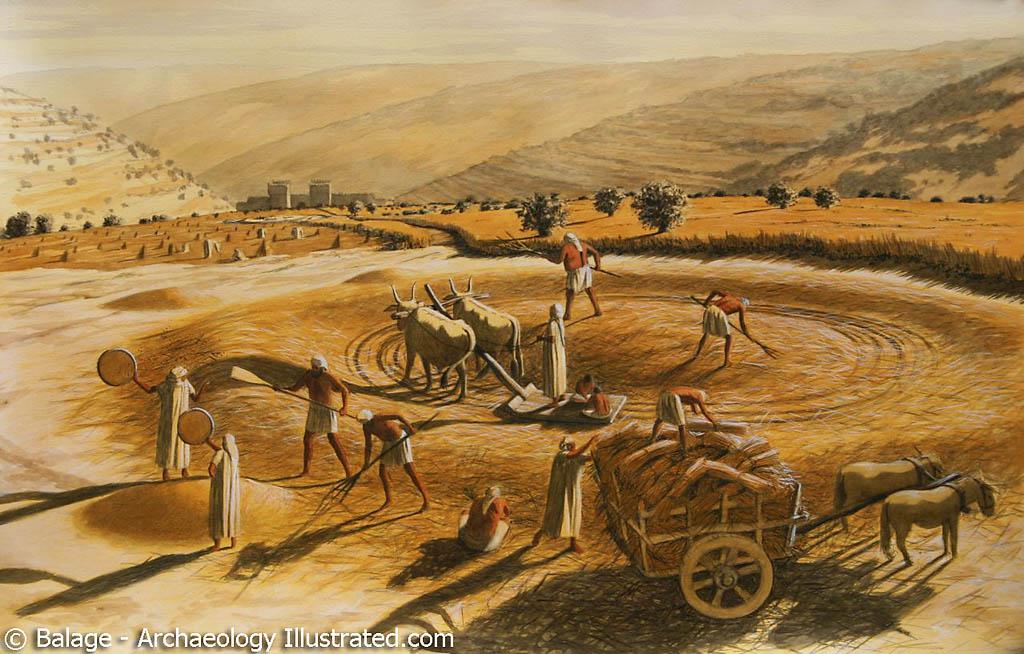
(א) וַתֹּ֥אמֶר לָ֖הּ נׇעֳמִ֣י חֲמוֹתָ֑הּ בִּתִּ֕י הֲלֹ֧א אֲבַקֶּשׁ־לָ֛ךְ מָנ֖וֹחַ אֲשֶׁ֥ר יִֽיטַב־לָֽךְ׃ (ב) וְעַתָּ֗ה הֲלֹ֥א בֹ֙עַז֙ מֹֽדַעְתָּ֔נוּ אֲשֶׁ֥ר הָיִ֖ית אֶת־נַעֲרוֹתָ֑יו הִנֵּה־ה֗וּא זֹרֶ֛ה אֶת־גֹּ֥רֶן הַשְּׂעֹרִ֖ים הַלָּֽיְלָה׃ (ג) וְרָחַ֣צְתְּ ׀ וָסַ֗כְתְּ וְשַׂ֧מְתְּ (שמלתך) [שִׂמְלֹתַ֛יִךְ] עָלַ֖יִךְ (וירדתי) [וְיָרַ֣דְתְּ] הַגֹּ֑רֶן אַל־תִּוָּדְעִ֣י לָאִ֔ישׁ עַ֥ד כַּלֹּת֖וֹ לֶאֱכֹ֥ל וְלִשְׁתּֽוֹת׃ (ד) וִיהִ֣י בְשׇׁכְב֗וֹ וְיָדַ֙עַתְּ֙ אֶת־הַמָּקוֹם֙ אֲשֶׁ֣ר יִשְׁכַּב־שָׁ֔ם וּבָ֛את וְגִלִּ֥ית מַרְגְּלֹתָ֖יו (ושכבתי) [וְשָׁכָ֑בְתְּ] וְהוּא֙ יַגִּ֣יד לָ֔ךְ אֵ֖ת אֲשֶׁ֥ר תַּעֲשִֽׂין׃ (ה) וַתֹּ֖אמֶר אֵלֶ֑יהָ כֹּ֛ל אֲשֶׁר־תֹּאמְרִ֥י [אֵלַ֖י] אֶֽעֱשֶֽׂה׃
ויאמר ברוכה את לה', כי ראה שכונתה לש"ש היטבת חסדך האחרון מן הראשון ר"ל החסד הראשון שעשית עם בעלך בעת שנשא אותך שבחרת לקחת איש מזרע ישראל אז בחרת עכ"פ בבחור ויוכל להיות שעשית זאת מצד שחשקת ביפיו, אבל החסד האחרון שתרצה לעשות עם נפש בעלך ע"י היבום ועי"כ בחרת לקחת איש זקן מלכת אחרי הבחורים שאפי' בחור דל היה טוב יותר מלקחת זקן וכ"ש שהיית מוצא בחור עשיר שהיה לוקח אותך מפני יפיך ואת בחרת בזקן כדי להקים שם לבעלך המת זה חסד גדול שאת עושה לבעלך:
Malbim on Rut 3:10
Be Blessed of Hashem my daughter: the sages stress Boaz's righteousness and superhuman self control. He recognised her mission as a difficult one and wholly devoted to God, L'Sheim Shamayim, For the sake of heaven. No evil thoughts came to his mind, he was moved, and he blessed her.
You have made your latest act of kindness greater than the first. For a woman in the prime of life, to give up the opportunity to marry a young man, in favor of marrying a very old one, is a great sacrifice. Yet you are prepared to do this solely to perpetuate the name of your late husband. This, your latest act of kindness is even greater than your earlier kindness to your mother-in-law, which was when you embraced Judaism.
When she got back to the town,
Shesh, does not mean six in the verse, but that Shesh was a standard of measure, 1/6 of a Se'ah; half a Shesh is considered enough for one meal for one person that Boaz gave her enough to provide a meal for herself and Naomi. The implication of this gesture was that by the time the meal was finished, she would be "redeemed "and won't have to worry about the next meal.
(א) אֵשֶׁת חַיִל מִי יִמְצָא וְרָחֹק מִפְּנִינִים מִכְרָהּ:
(ז) זָמְמָה שָׂדֶה וַתִּקָּחֵהוּ מִפְּרִי כַפֶּיהָ נָטְעָה כָּרֶם:
(ח) חָגְרָה בְעוֹז מָתְנֶיהָ וַתְּאַמֵּץ זְרֹעוֹתֶיהָ:
(ט) טָעֲמָה כִּי טוֹב סַחְרָהּ לֹא יִכְבֶּה בַלַּיְלָה נֵרָהּ:
(יג) מַרְבַדִּים עָשְׂתָה לָּהּ שֵׁשׁ וְאַרְגָּמָן לְבוּשָׁהּ:
(יד) נוֹדָע בַּשְּׁעָרִים בַּעְלָהּ בְּשִׁבְתּוֹ עִם זִקְנֵי אָרֶץ:
(כב) תְּנוּ לָהּ מִפְּרִי יָדֶיהָ וִיהַלְלוּהָ בַשְּׁעָרִים מַעֲשֶׂיהָ:
(1) Whoever finds a valorous wife— far greater than that of pearls is her value.
(7) She considers a field and buys it; from the fruit of her hand, she plants a vineyard.
(8) She girds herself with might and strengthens her arms.
(9) She senses that her business is good, [so] her lamp is not extinguished at night.
(13) Bedspreads, she makes herself fine linen and purple [wool] are her clothing.
(14) Well-known at the gates is her husband as he sits among the elders of the land.
(22) Give her the fruit of her hand, and let her deeds praise her in the gates.