
The minhag of falling asleep during lessons and how coffee changed religious practice
Composed by Rabbi Meir Ben Yitzchak, Akdamus may well be Judaism's best-known and most beloved piyut...
When are we supposed to stay up all night long to learn Torah?
חייב אדם לעסוק בהלכות הפסח וביציאת מצרי' ולספר בניסים ובנפלאו' שעשה הקב"ה לאבותינו עד שתחטפנו שינה: הגה וכל דין ליל ראשון יש ג"כ בליל שני (אגור) ונוהגים שלא לקרות על מטתו רק פרשת שמע ולא שאר דברים שקורין בשאר הלילות כדי להגן כי ליל שמורים הוא מן המזיקים:
אין מפטירין אחר הפסח [אפיקומן] כגון [אגוזים] תמרים [וקליות] חייב אדם [לעסוק בהלכות הפסח] כל הלילה אפילו בינו לבין בנו אפילו בינו לבין עצמו אפילו בינו לבין תלמידו מעשה ברבן גמליאל וזקנים שהיו מסובין בבית ביתוס בן זונין בלוד והיו [עסוקין בהלכות הפסח] כל הלילה עד קרות הגבר הגביהו מלפניהם ונועדו והלכו [להן] לבית המדרש איזו היא ברכת הפסח ברוך אשר קדשנו במצותיו וצונו לאכול הפסח איזו ברכת הזבח ברוך אשר קדשנו במצותיו וצונו לאכול הזבח.
We may not eat an afikoman [a dessert or other foods eaten after the meal] after [we are finished eating] the Pesach sacrifice; for example nuts, dates and roasted wheat. A man is obligated to be involved with the laws of Pesach the whole night, even if it [is only a discussion] between him and his son, even if it is between him and himself, even if it is between him and his student. It happened that Rabban Gamliel and the Elders were [once] reclining in the house of Beitos ben Zunin in Lud, and they were involved with the laws of Pesach the whole night until the call of the rooster. [Their students] raised the covering of the window from in front of them, and they [then] convened and went to the house of study. What is the blessing on the Pesach sacrifice? Blessed [...] who has sanctified us with His commandments and has commanded us on the eating of the Pesach sacrifice. What is the blessing on the [other] offerings? Blessed [...] who has sanctified us with His commandments and has commanded us on the eating of the offering.
What about Shavuot?
וְאָמַר רַבִּי יוֹחָנָן: וּשְׁנֵיהֶם מִקְרָא אֶחָד דָּרְשׁוּ, כָּתוּב אֶחָד אוֹמֵר: ״עֲצֶרֶת לַה׳ אֱלֹהֶיךָ״, וְכָתוּב אֶחָד אוֹמֵר: ״עֲצֶרֶת תִּהְיֶה לָכֶם״. רַבִּי אֱלִיעֶזֶר סָבַר: אוֹ כּוּלּוֹ לַה׳, אוֹ כּוּלּוֹ לָכֶם. וְרַבִּי יְהוֹשֻׁעַ סָבַר: חַלְּקֵהוּ, חֶצְיוֹ לַה׳ וְחֶצְיוֹ לָכֶם.
And Rabbi Yoḥanan said: And both of them derived their opinions from one verse, i.e., the two of them addressed the same textual difficulty, resolving it in different ways. For one verse says: “It shall be an assembly for the Lord your God; you shall do no labor” (Deuteronomy 16:8), which indicates that the day is set aside for Divine service, and another verse says: “It shall be an assembly for you; you shall do no servile labor” (Numbers 29:35), which indicates a celebratory assembly for the Jewish people. Rabbi Eliezer holds that the two verses should be understood as offering a choice: The day is to be either entirely for God or entirely for you. And Rabbi Yehoshua holds that it is possible to fulfill both verses: Split the day into two, half of it for God and half of it for you.
(עב״ם סִימָן) אָמַר רַבִּי אֶלְעָזָר: הַכֹּל מוֹדִים בַּעֲצֶרֶת דְּבָעֵינַן נָמֵי לָכֶם. מַאי טַעְמָא? יוֹם שֶׁנִּיתְּנָה בּוֹ תּוֹרָה הוּא. אָמַר רַבָּה: הַכֹּל מוֹדִים בְּשַׁבָּת דְּבָעֵינַן נָמֵי לָכֶם. מַאי טַעְמָא? ״וְקָרָאתָ לַשַּׁבָּת עוֹנֶג״. אָמַר רַב יוֹסֵף: הַכֹּל מוֹדִים בְּפוּרִים דְּבָעֵינַן נָמֵי לָכֶם. מַאי טַעְמָא? ״יְמֵי מִשְׁתֶּה וְשִׂמְחָה״ כְּתִיב בֵּיהּ.
Ayin, beit, mem is a mnemonic consisting of the first letter of Atzeret, the middle letter of Shabbat and the final letter of Purim. Rabbi Elazar said: All agree with regard to Atzeret, the holiday of Shavuot, that we require that it be also “for you,” meaning that it is a mitzva to eat, drink, and rejoice on that day. What is the reason? It is the day on which the Torah was given, and one must celebrate the fact that the Torah was given to the Jewish people. Rabba said: All agree with regard to Shabbat that we require that it be also “for you.” What is the reason? Because the verse states: “If you proclaim Shabbat a delight, the sacred day of God honored” (Isaiah 58:13). Rav Yosef said: All agree with regard to Purim that we require that it be also “for you.” What is the reason? Because it is written: “To observe them as days of feasting and gladness” (Esther 9:22).
So where did the Minhag come from?
Rabbi Shlomo HaLevi Alkabetz (16th century Safed, Israel), as quoted by Rabbi Isaiah Halevi Horowitz
ז. דעו לכם, כי הסכמנו החסיד נר"ו ואני עבדו, ועבדיכם מהחברים, לעמוד על נפשינו ליל שבועות ולנדד שינה מעינינו ותהלה לאל כן עלה בידינו כי לא הפסקנו רגע, רק אשר תשמעו ותחי נפשכם. וזהו הסדר שתקנתי וסדרתי בלילה ההוא.... ובעת שהתחלנו ללמוד המשנה, ולמדנו שתי מסכתות, זיכנו בוראנו ונשמע את קול המדבר בפי החסיד נר"ו, קול גדול בחיתוך אותיות, וכל השכנים היו שומעים ולא מבינים. והיה הנעימות רב והק ול הולך וחזק, ונפלנו על פנינו, ולא היה רוח באיש לישא עיניו ופניו לראות מרוב המורא. והדיבור ההוא מדבר עמנו, והתחיל ואמר, שמעו ידידי המהדרים מן המהדרים, ידידי אהובי. שלום לכם, אשריכם ואשרי יולדתכם, אשריכם בעולם הזה, אשריכם בעולם הבא, אשר שמתם על נפשכם לעטרני בלילה הזה, אשר זה כמה שנים נפלה עטרת ראשי ואין מנחם ל... והנני המשנה האחת המייסרת את האדם, באתי לדבר אליכם,
Know, that we agreed, the pious one (R’ Yosef Caro), and I his servant, to stand on our souls on the night of Shavuot and to rid sleep from our eyes. Thank G-d we were successful. We didn’t stop for a moment. This is the order we learned that night. When we began learning the Mishna, and we learned two tractates, our Creator gave us the merit and we heard the voice of the speaker from the mouth of the pious one, a great voice with the pronunciation of letters, all of the neighbours heard and didn’t understand. It was very enjoyable and the voice got increasingly stronger, and we fell on our faces. No man had the spirit to lift his eyes and face because of the great awe. That voice began speaking to us and said: “Listen my beloved, the great beautifiers, my beloved. Peace unto you, you are praiseworthy and your bearers are praiseworthy in this world, and the next world- that you exerted your souls to crown me on this day, that for so many years, the crown of my head had fallen and none could comfort me…And I the Mishna that rebukes man have come to speak to you…
R Isaiah Halevi Horowitz (Shelah HaKadosh) (16th century Prague), Shavuot: “Ner Mitzvah
בלילה ההוא של חג שבועות, ידוד השינה מכל מי שרוצה לדבק בקדושה, ויעסוק בתורה כל הלילה ...וסדר הלימוד של זה הלילה, כבר נתפרסם ונודע לרבים על ידי הקונטרסין שנתפשטו. והמנהג הזה נתפשט בכל ארץ ישראל ובכל המלכות, אין נ קי, כולם כאחד מגדולים ועד קטנים, וכן קיימו וקבלו עליהם ועל זרעיהם
On that night of Shavuot, sleep should be blotted out from all who want to cleave to holiness, and he should engage in Torah study all night. The order of learning for the night has already been publicized and is know to the public through the pamphlets…This custom has spread throughout Israel and the [Ottoman] Empire without exception. Everyone, young to old and so they have accepted on themselves and on their offspring
After R. Yosef Caro moved to Sefat (1537), the custom of learning all night on Shavuot became widespread in the town. R. Avraham Galanti (d. 1589) recorded that all the congregations in Sefat would gather on the night of Shavuot to stay awake and learn Torah until the morning when everybody would go to the mikveh and pray.61 From Sefat, the custom spread to the Mediterranean basin, and from there northwards throughout Europe. Towards the end of the 17th century, the Magen Avraham (R. Avraham Gombiner, 1637-1683, Poland, Orah Chayyim 494) wrote that most scholars stayed up all night to study Torah. And, a little bit afterwards, R. Yaakov Reischer (1661, Prague -1733, Metz) in his commentary on the Shulchan Arukh (Chok Yaakov, Orah Chayyim 494) noted that the custom had also spread to the general population. There are several reasons why the custom spread. First, R. Caro was a great rabbi, and coupled with Alkabetz's testimony concerning his learning with R. Caro, knowledge of the custom became well-known. Secondly, in Sefat in the 16th century, it became popular to regularly arise at midnight to recite tikkun hazot, prayers to mourn the destruction of the Bet ha-Mikdash and to pray for its redemption. This custom was independent of staying awake on Shavuot night, but still, if one regularly practiced the tikkun hazot, then one would naturally be more inclined to stay awake on Shavuot night as well. Thirdly, there developed the claim, which was attributed to the Ari (for example, see Mishnah Bruruah 494:1), that if a person stays awake the entire night and learns Torah throughout the night, then no harm will come upon the person in the following year. (The Ari was born in Jerusalem in 1534, came to Sefat to live in 1569 or early 1570, and died on July 15, 1572.)
A Brief History of Tikkun Leil Shavuot, Rabbi Dr. Andrew Schein
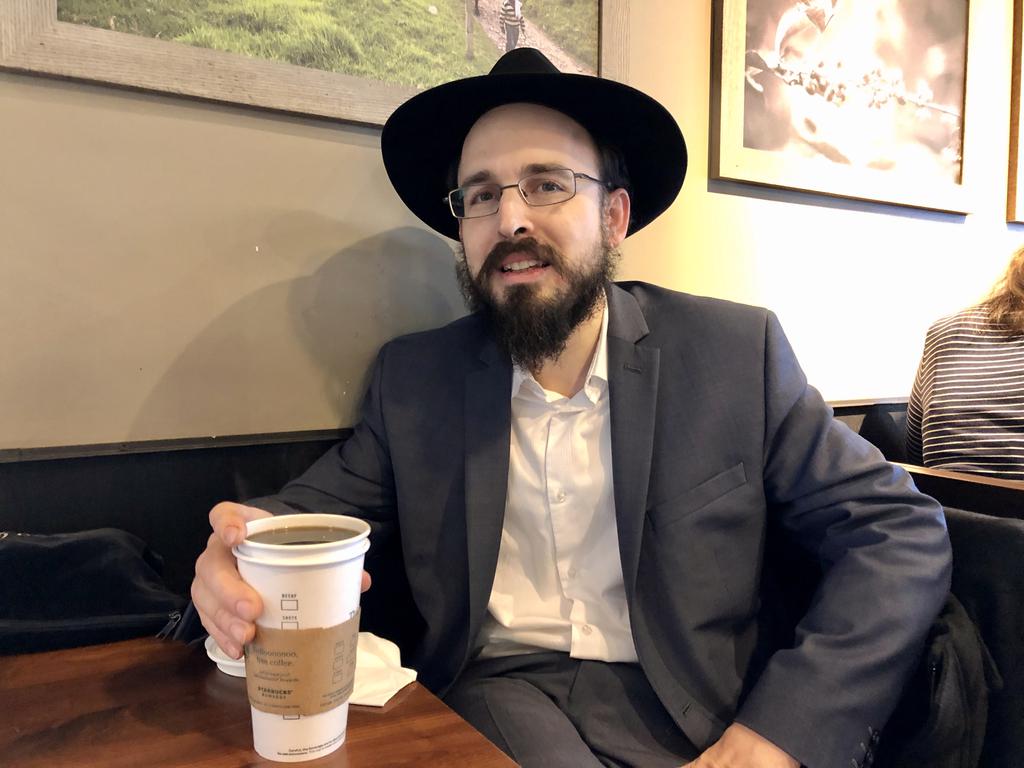
Any other reason why the minhag developed?
Quotes from Elliot Horowitz. (1989). Coffee, Coffeehouses, and the Nocturnal Rituals of Early Modern Jewry. AJS Review, 14(1)
The vigils of Shavuot and Hoshana Rabbah, previously limited in their appeal and relatively brief in duration, came to be widely observed as all-night affairs. This was due more to the availability of coffee than to the habit of frequenting coffehouses, but the vogue achieved by the midnight rite of Tikkun Hazot would seem to have been equally linked to the later. ((P44)
The widening popularity of coffee in eighteenth-century Italy seems to have breathed new life into the observance not only of Tikkun Hazot, but also of the Shavuot and Hoshana Rabbah vigils...Yet it may be noted that only in the latter century, as coffee entered the fabric of everyday life in Italy, did the mass-marked editions of the readings for these two nights roll regularly off the presses... (P43)
And at midnight all the lights in the cave were extinguished, and they sat in the darkness... after they completed the Tikkun they studied some Zohar, and then the drink called coffee was brought, quite hot and given to each person... at first light the morning prayers are recited...
Zacuto's testimony concerning the role of coffee in midnight vigils as practiced in the land of Israel (Rabbi Moses Zacuto on his travels in 1673)
Was this good news for the Jews?
Nonetheless, I do not consent to its being drunk at a meeting place of non-Jews, for this has some undesirable consequences and the Jews are holy...
Radbaz (David ben Solomon ibn (Abi) Zimra 15th Century)
The first coffee house in western europe opened not in a centre of trade or commerce but in the university of Oxford, where a Lebanese man named Jacob set up shop in 1650. Although the connection between coffee and academia is now taken for granted, it was initially controversial... the university authorities tried to clamp down, worrying that coffeehouses promoted idleness and distracted members of the university from their studies. Anthony Wood, a chronicler of the time, was amongst those who denounced the enthusiasm for the new drink. "Why doth solid and serious learning decline? Because of coffee-houses, where they spend all their time."
A History of the World in 6 Glasses, Tom Standage
But why Tikkun Leil?

{א} ביום נ' לספירת העומר וכו' - ומאחרין להתפלל ערבית בכניסת שבועות בצאת הכוכבים כדי שיהיו ימי הספירה מ"ט יום תמימות. איתא בזוהר שחסידים הראשונים היו נעורים כל הלילה ועוסקים בתורה וכבר נהגו רוב הלומדים לעשות כן ואיתא בשו"ע האר"י ז"ל דע שכל מי שבלילה לא ישן כלל ועיקר והיה עוסק בתורה מובטח לו שישלים שנתו ולא יארע לו שום נזק. והטעם כתב מ"א ע"פ פשוטו שישראל היו ישנים כל הלילה והוצרך הקב"ה להעיר אותם לקבל התורה [כדאיתא במדרש] לכך אנו צריכין לתקן זה.

.....On the 50th day of Sefira.... Delay praying maariv because shavous starts at the emerging of the stars, and this is done in order to make sure the 49th day of the omer was yesterday. It comes to us from the Zohar that the Pious ones used to stay awake all night and concern themselves with Torah. It is already the custom of many (students) to do this (Stay up all night and learn). The Ari ZL brings down that One should know that anyone who doesn't sleep at all, and is engrossed in learning Torah, can be assured that his sleep will be made up and nothing wrong will occur to him. The reason (for this minhug) the Magen Avraham writes that because Israel Slept all night (the night of kabbalat haTorah) and Hashem need to awaken thenm in order to receive the torah (Brought through a Midrash) Therefore, we need to now stay up all night on shavout as a Tikkun.

יָשְׁנוּ לָהֶם יִשְׂרָאֵל כָּל אוֹתוֹ הַלַּיְלָה, לְפִי שֶׁשֵּׁנָה שֶׁל עֲצֶרֶת עֲרֵבָה, וְהַלַּיְלָה קְצָרָה... בָּא הַקָּדוֹשׁ בָּרוּךְ הוּא וּמְצָאָן יְשֵׁנִים, הִתְחִיל מַעֲמִיד עֲלֵיהֶם בַּקְלָאנִין, הֲדָא הוּא דִכְתִיב: וַיְהִי בַיּוֹם הַשְּׁלִישִׁי בִּהְיֹת הַבֹּקֶר וַיְהִי קֹלֹת וּבְרָקִים...

Israel slept all that night because sleep on Shavuot is sweet and the night is short…God came and found them asleep. He began to approach them with noises. That is what is written “And it was on the third day when it was morning and there were sounds and lightning” (Shemot 19:16)

Are the Magen Avraham (17th Century) and the Mishna Berura (19th/20th Century) reclaiming nightlife?
From nothing...to isolated event... to kabbalists in Tzfat... to Europe with a Cappucino... to mainstream
Final idea... It all started with a good shluff
וַיִּתֵּ֣ן אֶל־מֹשֶׁ֗ה כְּכַלֹּתוֹ֙ לְדַבֵּ֤ר אִתּוֹ֙ בְּהַ֣ר סִינַ֔י שְׁנֵ֖י לֻחֹ֣ת הָעֵדֻ֑ת לֻחֹ֣ת אֶ֔בֶן כְּתֻבִ֖ים בְּאֶצְבַּ֥ע אֱלֹקִֽים׃
Upon finishing speaking with him on Mount Sinai, [God] gave Moses the two tablets of the Pact, stone tablets inscribed with the finger of God.

דָּבָר אַחֵר, וַיִּתֵּן אֶל משֶׁה, אָמַר רַבִּי אַבָּהוּ כָּל אַרְבָּעִים יוֹם שֶׁעָשָׂה משֶׁה לְמַעְלָה, הָיָה לוֹמֵד תּוֹרָה וְשׁוֹכֵחַ, אָמַר לוֹ רִבּוֹן הָעוֹלָם יֵשׁ לִי אַרְבָּעִים יוֹם, וְאֵינִי יוֹדֵעַ דָּבָר, מֶה עָשָׂה הַקָּדוֹשׁ בָּרוּךְ הוּא מִשֶּׁהִשְׁלִים אַרְבָּעִים יוֹם נָתַן לוֹ הַקָּדוֹשׁ בָּרוּךְ הוּא אֶת הַתּוֹרָה מַתָּנָה, שֶׁנֶּאֱמַר: וַיִּתֵּן אֶל משֶׁה...

רַבִּי עֲקִיבָא הָיָה יוֹשֵׁב וְדוֹרֵשׁ וְנִתְנַמְנְמוּ הַתַּלְמִידִים, בְּעָא לְעַרְעֲרָה יָתְהוֹן, אֲמַר, מַה זָּכְתָה אֶסְתֵּר לִמְלֹךְ עַל שֶׁבַע וְעֶשְׂרִים וּמֵאָה מְדִינָה, אֶלָּא כָּךְ אָמַר הַקָּדוֹשׁ בָּרוּךְ הוּא, תָּבוֹא אֶסְתֵּר בִּתָּהּ שֶׁל שָׂרָה שֶׁחָיְתָה שֶׁבַע וְעֶשְׂרִים וּמֵאָה שָׁנָה, וְתִמְלֹךְ עַל שֶׁבַע וְעֶשְׂרִים וּמֵאָה מְדִינָה. אָמַר רַבִּי לֵוִי כָּל מָקוֹם שֶׁנֶּאֱמַר שָׂדֶה הוּא עִיר, עִיר מְדִינָה, מְדִינָה אִפַּרְכִיָה. שָׂדֶה הוּא עִיר, מִנַּיִן, שֶׁנֶּאֱמַר (מלכים א ב, כו): עֲנָתֹת לֵךְ עַל שָׂדֶיךָ. עִיר מְדִינָה, מִנַּיִן, שֶׁנֶּאֱמַר (יחזקאל ט, ד): עֲבֹר בְּתוֹךְ הָעִיר בְּתוֹךְ יְרוּשָׁלָיִם, מְדִינָה אִפַּרְכִיָה, מִנַּיִן, שֶׁנֶּאֱמַר: שֶׁבַע וְעֶשְׂרִים וּמֵאָה מְדִינָה.
Rabbi Akiva was sitting and lecturing and his students [began] dozing. He sought to rouse them; he said: Why did Esther merit to rule over one hundred and twenty-seven provinces? Rather, so said the Holy One blessed be He: Let Esther, the daughter of Sarah, who lived one hundred and twenty-seven years, come and rule over one hundred and twenty-seven provinces. Rabbi Levi said: Everywhere that it says field, it is a town [ir]; a town, a city [medina]; a city, a province. From where is a field a town? As it is stated: “Go to Anatot, to your fields” (I Kings 2:26); from where is a town [ir], a city? As it is stated: “Pass through the midst of the town [ir], through the midst of Jerusalem” (Ezekiel 9:4). A city [medina], a province, as it is stated: “One hundred and twenty-seven provinces [medina].”

רַבִּי הָיָה יוֹשֵׁב וְדוֹרֵשׁ וְנִתְנַמְנֵם הַצִּבּוּר, בִּקֵּשׁ לְעוֹרְרָן, אָמַר יָלְדָה אִשָּׁה אַחַת בְּמִצְרַיִם שִׁשִּׁים רִבּוֹא בְּכֶרֶס אֶחָת, וְהָיָה שָׁם תַּלְמִיד אֶחָד וְרַבִּי יִשְׁמָעֵאל בְּרַבִּי יוֹסֵי שְׁמוֹ, אָמַר לֵיהּ מָאן הַוָּת כֵּן, אָמַר לֵיהּ זוֹ יוֹכֶבֶד שֶׁיָּלְדָה אֶת משֶׁה שֶׁשָּׁקוּל כְּנֶגֶד שִׁשִּׁים רִבּוֹא שֶׁל יִשְׂרָאֵל, הֲדָא הוּא דִכְתִיב (שמות טו, א): אָז יָשִׁיר משֶׁה וּבְנֵי יִשְׂרָאֵל, (במדבר א, נד): וַיַּעֲשׂוּ בְנֵי יִשְׂרָאֵל כְּכֹל אֲשֶׁר צִוָּה ה' אֶת משֶׁה, (דברים לד, י): וְלֹא קָם נָבִיא עוֹד בְּיִשְׂרָאֵל כְּמשֶׁה.

Rabbi was sitting and expounding and the audience was dozing. He sought to rouse them. He said: A certain woman in Egypt bore six hundred thousand in a single womb. There was one student there, Rabbi Yishmael ben Rabbi Yosei was his name. He said to him: ‘For whom was it so?’ [Rabbi] said to him: ‘This is Yokheved, who bore Moses, who is the equivalent of six hundred thousand of Israel.’ That is what is written: “Then sang Moses and the children of Israel” (Exodus 15:1). “The children of Israel did according to everything that the Lord commanded Moses, so they did” (Numbers 1:54). “There has not arisen another prophet in Israel like Moses” (Deuteronomy 34:10).
Q. What is preferable, to learn all night, even if you will fall asleep during Shacharit, or not to stay up all night?
A. It is better not to stay up all night, because ravening Shacharit and not falling asleep is a law, and learning all night is merely a “good practice.”… One of Rabbi Yosef Shalom Eliyashiv’s (a great rabbi who lived in Jerusalem from 1910-2012) grandchildren once asked him: Why don’t you stay up all night on Shavuot like everyone else? He answered that he did a calculation and concluded that if he changed his bedtime, and woke up later than he normally did, he would end up learning less Torah by 15 minutes. For these 15 minutes, he decided to go to sleep at his normal time and not stay up all night.
Rabbi Yitzchak Zev Soloveitchik (known as the “Brisker Rav” who lived from 1853-1918) was surprised that so many people were careful to stay up all night on Shavuot, which is just a minhag (tradition), while on the night of the Pesach seder, when it is a mitzvah to stay up as long as you can talking about the story of leaving Egypt, people aren’t careful to do this! In Brisk, they treated the night of Shavuot like other nights.
-Rabbi Shlomo Aviner (a famous rabbi who lives in Israel)