
Save "Parashat Emor-Melave Malka
"
Parashat Emor-Melave Malka

(ג) שֵׁ֣שֶׁת יָמִים֮ תֵּעָשֶׂ֣ה מְלָאכָה֒ וּבַיּ֣וֹם הַשְּׁבִיעִ֗י שַׁבַּ֤ת שַׁבָּתוֹן֙ מִקְרָא־קֹ֔דֶשׁ כׇּל־מְלָאכָ֖ה לֹ֣א תַעֲשׂ֑וּ שַׁבָּ֥ת הִוא֙ לַֽיהֹוָ֔ה בְּכֹ֖ל מוֹשְׁבֹֽתֵיכֶֽם׃ {פ}

(3) On six days work may be done, but on the seventh day there shall be a sabbath of complete rest, a sacred occasion. You shall do no work; it shall be a sabbath of יהוה throughout your settlements.

וְאָמַר רַבִּי חֲנִינָא: לְעוֹלָם יְסַדֵּר אָדָם שֻׁלְחָנוֹ בְּמוֹצָאֵי שַׁבָּת, אַף עַל פִּי שֶׁאֵינוֹ צָרִיךְ אֶלָּא לִכְזַיִת.

Rabbi Elazar said: A person should always set his table on Shabbat eve with all the preparations for an important feast, even if he only needs the table set for an olive-bulk of food. And Rabbi Ḥanina said: A person should always set his table at the conclusion of Shabbat, Saturday night, for a feast in deference to the Shabbat that passed, even if he only needs the table set for an olive-bulk of food. And with regard to the meal at the conclusion of Shabbat, they said: Hot water after Shabbat is a remedy [melugma], warm bread at the conclusion of Shabbat is a remedy. The Gemara relates: They would prepare for Rabbi Abbahu at the conclusion of Shabbat a third-born calf, and he would eat one kidney from it. When his son Avimi grew up, he said to his father: Why do you waste so much? Let us leave a kidney over from Shabbat eve, and you will not need to slaughter an entire calf for that purpose. Indeed, they left the calf and did not slaughter it, and a lion came and ate it. This teaches that one should not be miserly when it comes to honoring Shabbat.
במוצ"ש - נמי כבוד שבת ללוות ביציאתו דרך כבוד כאדם המלוה את המלך בצאתו מן העיר:

סעודתא דדוד, הוא מפני שהקב"ה גילה לו שיפטר בשבת, לכך כל שבת בהאי פחדא הוה יתיב, ואחד יציאת השבת והוא עודנו חי היה עושה סעודה רבה, ולכן קורין סעודה זו על שמו.

לעולם יסדר אדם שלחנו במוצאי שבת אפי' אינו צריך אלא לכזית כדי ללוות השבת:

מְסַדֵּר אָדָם שֻׁלְחָנוֹ בְּעֶרֶב שַׁבָּת וְאַף עַל פִּי שֶׁאֵינוֹ צָרִיךְ אֶלָּא לִכְזַיִת. וְכֵן מְסַדֵּר שֻׁלְחָנוֹ בְּמוֹצָאֵי שַׁבָּת וְאַף עַל פִּי שֶׁאֵינוֹ צָרִיךְ אֶלָּא לִכְזַיִת. כְּדֵי לְכַבְּדוֹ בִּכְנִיסָתוֹ וּבִיצִיאָתוֹ.

A person should prepare his table on Friday, even if he is [to partake] only [of an amount of food] equivalent to the size of an olive. Similarly, a person should prepare his table on Saturday night, even if he is [to partake] only [of an amount of food] equivalent to the size of an olive. [In this manner,] he shows his respect for the Sabbath when it enters and when it departs.
One should prepare one's house while it is still day as an expression of respect for the Sabbath. There should be a lamp burning, a table prepared [with food] to eat, and a couch bedecked with spreads. All of these are expressions of honor for the Sabbath.

אמרו חכמים, שמצווה לסדר שולחן במוצאי שבת לסעודת 'מלווה מלכה', כדי לכבד את השבת בצאתה (שבת קיט, ב). כמו אדם שנפרד מאורח יקר ואהוב, שקשה עליו פרידתו, והוא הולך עמו דרך ארוכה כדי לשהות עוד במחיצתו, כך צריך לנהוג עם השבת, שלמרות שהיא כבר נסתיימה, אנו ממשיכים ולהתענג מקדושתה.

The Sages state that it is a mitzva to set the table on Saturday night for the melaveh malka (lit. “accompanying the queen”) meal, with which we honor Shabbat at its departure (Shabbat 119b). When one must say goodbye to a dear and beloved guest whom he does not want to leave, he escorts him a distance in order to spend just a bit more time with him. So too, we must escort Shabbat at its departure. Despite the fact that it is over, we continue to savor and delight in its holiness.
(א) יסדר אדם שלחנו וכו' - היינו לפרוס מפה על שלחנו דרך כבוד וכן שאר דברים הנהוגים אצלו בעריכת השלחן אבל אינו מחוייב לבשל תבשילין ולהכין יותר ממה שצריך לאכול. ומשמע בגמרא דיקבע סעודה זו על הפת לכתחלה כמו בשאר סעודות של שבת וגם משמע דטוב לכתחלה להדר אותה בבשר או בשאר תבשילין אם יש לו ואם אין לו או שחושש לאכילה גסה כגון בקיץ שמאחרין בזמננו לאכול הסעודה ג' סמוך לערב יקיימה במזונות או עכ"פ בפירות:

(ב) כדי ללוות וכו' - דכשם שצריך לכבד השבת בכניסתה כן צריך לכבדה ביציאתה כשם שאדם מלוה את המלך בצאתו מן העיר ומטעם זה נראה שטוב להקדימה כדי שתהיה סמוכה ליציאת השבת ואם אינו תאב עדיין לאכול מהנכון עכ"פ שלא יעסוק במלאכה בקבע עד שיקיים סעודה זו ועיין בשע"ת דמשמע דאינו כדאי בכל גוונא לאחרה יותר מחצות. ואמרו הקדמונים דאבר אחד יש באדם ונסכוי שמו וזה האבר נשאר קיים בקבר עד עת התחיה ואפילו אחר שנרקבו בו כל העצמות וזה האבר אינו נהנה משום אכילה כ"א מסעודת מלוה מלכה. ודע דמ"מ סעודה זו אינה חובה עליו כמו הג' סעודות של שבת דשם אסמכוהו אקרא וזה רק מצוה בעלמא ונ"מ היכי דא"א לו לקיים כולם:
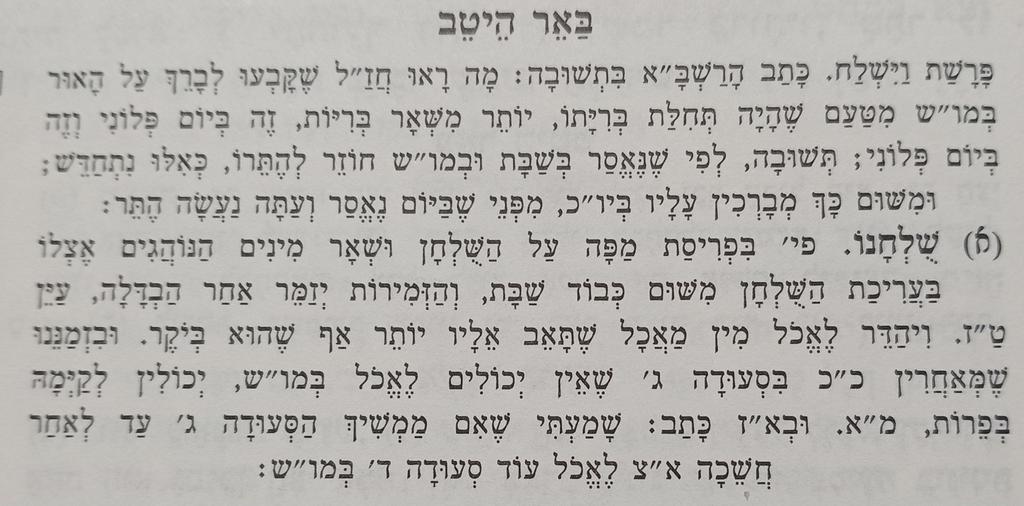
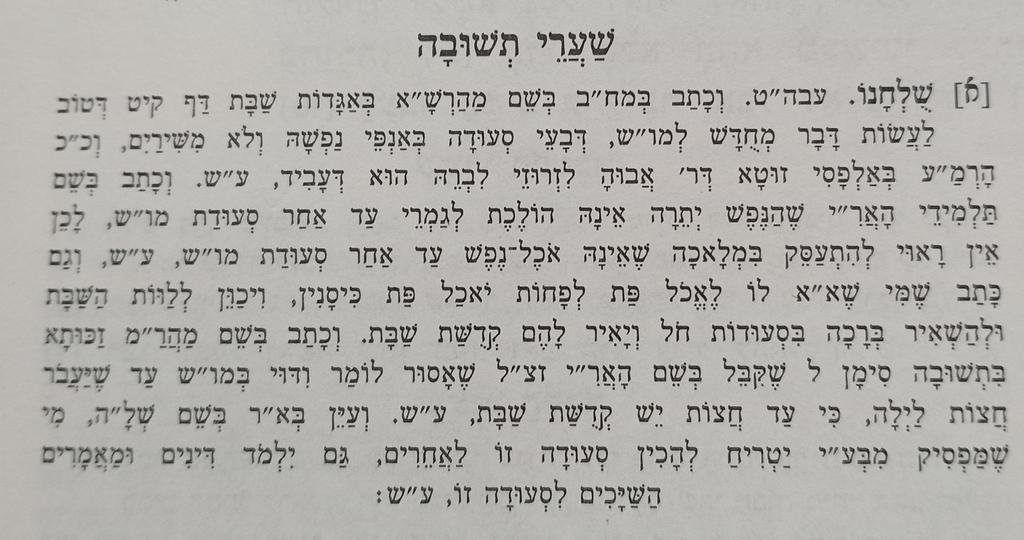
(ג) את השבת - ומטעם זה יש נוהגים להרבות נרות במו"ש יותר מימי החול ונוהגים ג"כ לומר פיוטים וזמירות אחר הבדלה [אחרונים]: