



(5) And from the Israelite community he (Aaron) shall take two he-goats for a sin offering and a ram for a burnt offering. (6) Aaron is to offer his own bull of sin offering, to make expiation for himself and for his household. (7) Aaron shall take the two he-goats and let them stand before יהוה at the entrance of the Tent of Meeting; (8) and he shall place lots upon the two goats, one marked for יהוה and the other marked for Azazel. (9) Aaron shall bring forward the goat designated by lot for יהוה, which he is to offer as a sin offering; (10) while the goat designated by lot for Azazel shall be left standing alive before יהוה, to make expiation with it and to send it off to the wilderness for Azazel.
6. To make expatiation for himself and for his household. The premise here is that the chief priest can externalise the misdeeds and transfer them to a sacrificial animal. As he sacirifices the animal, he removes the transgressions from an individual or from the community. (After the destruction of the Temple and the end of the sacrificial system, individuals became responsible for articulating their mistakes and separating from them through the language of repentance and prayer).
8. Azazel. This is the name of the wilderness beyond the boundaries of settled life; most likely it originated as the name of a demon. Azazel in this case is best imagined as the antithesis of the Tabernacle/sanctuary, a place of disorder devoid of the relevant priestly distincitons. By carrying Israel's impurities to such a wilderness, the scapegoat effectively conveys the chaotic aspects of human life back to a place of origin.
- What is the purpose of the scapegoat here?
- How do you imagine the Israelites might have felt before, during and after this ritual? How do you imagine Aaron might have felt?
(כ) וְכִלָּה֙ מִכַּפֵּ֣ר אֶת־הַקֹּ֔דֶשׁ וְאֶת־אֹ֥הֶל מוֹעֵ֖ד וְאֶת־הַמִּזְבֵּ֑חַ וְהִקְרִ֖יב אֶת־הַשָּׂעִ֥יר הֶחָֽי׃ (כא) וְסָמַ֨ךְ אַהֲרֹ֜ן אֶת־שְׁתֵּ֣י יָדָ֗ו עַ֣ל רֹ֣אשׁ הַשָּׂעִיר֮ הַחַי֒ וְהִתְוַדָּ֣ה עָלָ֗יו אֶת־כׇּל־עֲוֺנֹת֙ בְּנֵ֣י יִשְׂרָאֵ֔ל וְאֶת־כׇּל־פִּשְׁעֵיהֶ֖ם לְכׇל־חַטֹּאתָ֑ם וְנָתַ֤ן אֹתָם֙ עַל־רֹ֣אשׁ הַשָּׂעִ֔יר וְשִׁלַּ֛ח בְּיַד־אִ֥ישׁ עִתִּ֖י הַמִּדְבָּֽרָה׃ (כב) וְנָשָׂ֨א הַשָּׂעִ֥יר עָלָ֛יו אֶת־כׇּל־עֲוֺנֹתָ֖ם אֶל־אֶ֣רֶץ גְּזֵרָ֑ה וְשִׁלַּ֥ח אֶת־הַשָּׂעִ֖יר בַּמִּדְבָּֽר׃
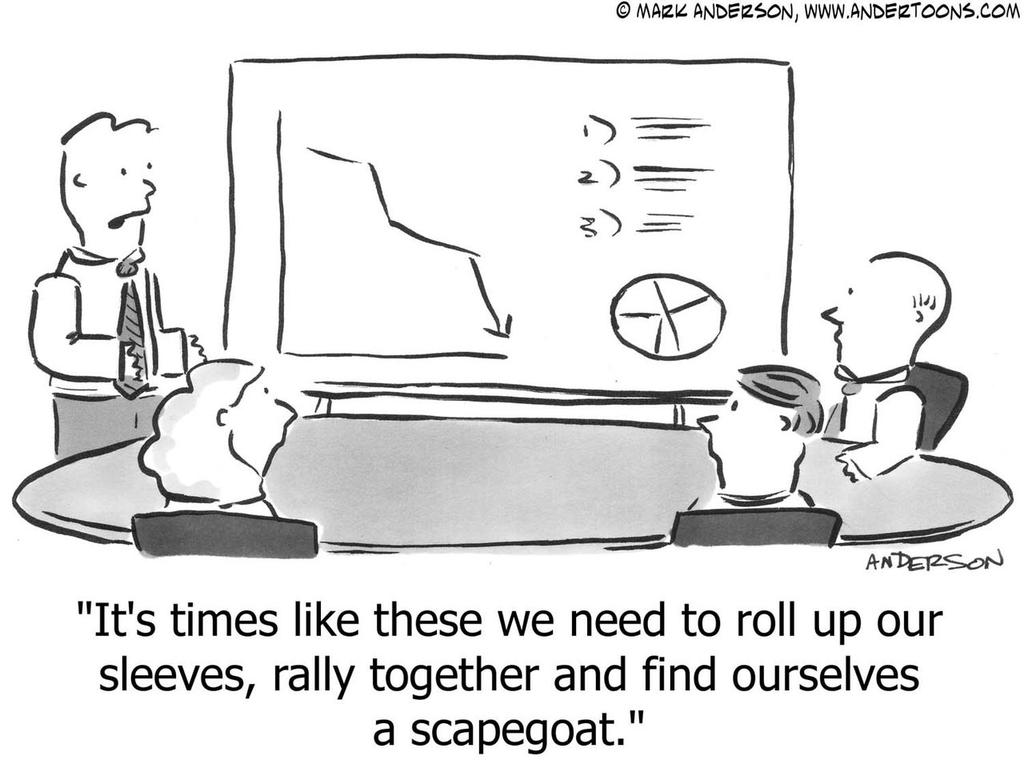
- How do we use scapegoats in our own lives?
- In what ways has the symbol and act of "scapegoating" changed over time?
- How has the purpose of the scapegoat changed?

- This poem questions how much of our future is within our control or out of our control. How does this compare with the texts above?
- How does it compare to your own beliefs?
- What lesson can we learn from this?