


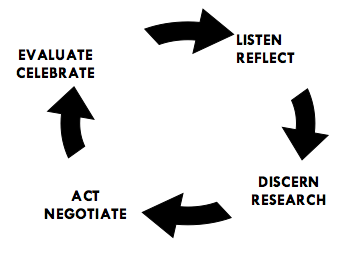
- "Cutting the Issue"
- Narrowing in on a timely research informed issue within the larger problem you were exploring
- A problem is broad, overwhelming, lacking in accountability, and unsolvable. An issue is specific, impactful, immediate, and polarizing.
- Identifying targeted relationships
- Who holds power to affect this issue?
-
Oftentimes, the “target” represents a system which is acting in ways detrimental to the community
- Designing and implementing a campaign
- A campaign can include legislation, media coverage, storytelling, fundraising, rallies, etc.
- Organizing people power around campaign
- Holding the Action!
- Using people power to ask targets to join or support the campaign
(א) וַתִּקְרַ֜בְנָה בְּנ֣וֹת צְלׇפְחָ֗ד בֶּן־חֵ֤פֶר בֶּן־גִּלְעָד֙ בֶּן־מָכִ֣יר בֶּן־מְנַשֶּׁ֔ה לְמִשְׁפְּחֹ֖ת מְנַשֶּׁ֣ה בֶן־יוֹסֵ֑ף וְאֵ֙לֶּה֙ שְׁמ֣וֹת בְּנֹתָ֔יו מַחְלָ֣ה נֹעָ֔ה וְחׇגְלָ֥ה וּמִלְכָּ֖ה וְתִרְצָֽה׃ (ב) וַֽתַּעֲמֹ֜דְנָה לִפְנֵ֣י מֹשֶׁ֗ה וְלִפְנֵי֙ אֶלְעָזָ֣ר הַכֹּהֵ֔ן וְלִפְנֵ֥י הַנְּשִׂיאִ֖ם וְכׇל־הָעֵדָ֑ה פֶּ֥תַח אֹֽהֶל־מוֹעֵ֖ד לֵאמֹֽר׃ (ג) אָבִ֘ינוּ֮ מֵ֣ת בַּמִּדְבָּר֒ וְה֨וּא לֹא־הָיָ֜ה בְּת֣וֹךְ הָעֵדָ֗ה הַנּוֹעָדִ֛ים עַל־יְהֹוָ֖ה בַּעֲדַת־קֹ֑רַח כִּֽי־בְחֶטְא֣וֹ מֵ֔ת וּבָנִ֖ים לֹא־הָ֥יוּ לֽוֹ׃ (ד) לָ֣מָּה יִגָּרַ֤ע שֵׁם־אָבִ֙ינוּ֙ מִתּ֣וֹךְ מִשְׁפַּחְתּ֔וֹ כִּ֛י אֵ֥ין ל֖וֹ בֵּ֑ן תְּנָה־לָּ֣נוּ אֲחֻזָּ֔ה בְּת֖וֹךְ אֲחֵ֥י אָבִֽינוּ׃ (ה) וַיַּקְרֵ֥ב מֹשֶׁ֛ה אֶת־מִשְׁפָּטָ֖ן לִפְנֵ֥י יְהֹוָֽה׃ {פ}
(ו) וַיֹּ֥אמֶר יְהֹוָ֖ה אֶל־מֹשֶׁ֥ה לֵּאמֹֽר׃ (ז) כֵּ֗ן בְּנ֣וֹת צְלׇפְחָד֮ דֹּבְרֹת֒ נָתֹ֨ן תִּתֵּ֤ן לָהֶם֙ אֲחֻזַּ֣ת נַחֲלָ֔ה בְּת֖וֹךְ אֲחֵ֣י אֲבִיהֶ֑ם וְהַֽעֲבַרְתָּ֛ אֶת־נַחֲלַ֥ת אֲבִיהֶ֖ן לָהֶֽן׃ (ח) וְאֶל־בְּנֵ֥י יִשְׂרָאֵ֖ל תְּדַבֵּ֣ר לֵאמֹ֑ר אִ֣ישׁ כִּֽי־יָמ֗וּת וּבֵן֙ אֵ֣ין ל֔וֹ וְהַֽעֲבַרְתֶּ֥ם אֶת־נַחֲלָת֖וֹ לְבִתּֽוֹ׃ (ט) וְאִם־אֵ֥ין ל֖וֹ בַּ֑ת וּנְתַתֶּ֥ם אֶת־נַחֲלָת֖וֹ לְאֶחָֽיו׃ (י) וְאִם־אֵ֥ין ל֖וֹ אַחִ֑ים וּנְתַתֶּ֥ם אֶת־נַחֲלָת֖וֹ לַאֲחֵ֥י אָבִֽיו׃ (יא) וְאִם־אֵ֣ין אַחִים֮ לְאָבִיו֒ וּנְתַתֶּ֣ם אֶת־נַחֲלָת֗וֹ לִשְׁאֵר֞וֹ הַקָּרֹ֥ב אֵלָ֛יו מִמִּשְׁפַּחְתּ֖וֹ וְיָרַ֣שׁ אֹתָ֑הּ וְֽהָ֨יְתָ֜ה לִבְנֵ֤י יִשְׂרָאֵל֙ לְחֻקַּ֣ת מִשְׁפָּ֔ט כַּאֲשֶׁ֛ר צִוָּ֥ה יְהֹוָ֖ה אֶת־מֹשֶֽׁה׃ {פ}
(1) The daughters of Zelophehad, of Manassite family—son of Hepher son of Gilead son of Machir son of Manasseh son of Joseph—came forward. The names of the daughters were Mahlah, Noah, Hoglah, Milcah, and Tirzah. (2) They stood before Moses, Eleazar the priest, the chieftains, and the whole assembly, at the entrance of the Tent of Meeting, and they said, (3) “Our father died in the wilderness. He was not one of the faction, Korah’s faction, which banded together against יהוה, but died for his own sin; and he has left no sons. (4) Let not our father’s name be lost to his clan just because he had no son! Give us a holding among our father’s kinsmen!” (5) Moses brought their case before יהוה. (6) And יהוה said to Moses, (7) “The plea of Zelophehad’s daughters is just: you should give them a hereditary holding among their father’s kinsmen; transfer their father’s share to them. (8) “Further, speak to the Israelite people as follows: ‘If a householder dies without leaving a son, you shall transfer his property to his daughter. (9) If he has no daughter, you shall assign his property to his brothers. (10) If he has no brothers, you shall assign his property to his father’s brothers. (11) If his father had no brothers, you shall assign his property to his nearest relative in his own clan, who shall inherit it.’ This shall be the law of procedure for the Israelites, in accordance with יהוה’s command to Moses.”
- What is the broad problem the Daughters are considering? And what is the specific issue they are working to solve?
- Do you think the daughters did any research before they carried out their action? What in the text points to this research?
- Who in this story has the power to help the Daughters with their campaign?
- Who is part of the Daughters' broad base of power?
- What do you identify as the moment of action?
והוא לא היה לפי שבאו לומר בחטאו מת נזקקו לומר לא בחטא מתאוננים ולא בעדת קרח שהצו על הקב"ה היה אלא בחטאו לבדו ולא החטיא אחרים עמו לשון רש"י (רש"י על במדבר כ״ז:ג׳)
ולא פירש למה היו באות לומר בחטאו מת אלא שתאמרנה אבינו מת במדבר ובנים לא היו לו כי כן הראוי להאמר אבל על דעת רבותינו (ב"ב קיח) הוצרכו לומר שלא היה בעדת קרח לפי שעדת קרח לא היה להם חלק בארץ וכן למתלוננים שבעדת קרח כי נשמע זה בעם מבית דינו של משה
וכך פירש ר"א ואמר חשבו הבנות כי לא יירשו הנועדים על ה'
ודעתי בדרך הפשט שאמרו ככה בעבור שחשבו שמשה רבינו היה שונא עדת קרח יותר מכל החוטאים שמתו במדבר שהם היו הקמים כנגדו והכופרים בכל מעשיו וחשבו אולי בשנאתו אותם יאמר אל יהי לו מושך חסד ואל יהי חונן ליתומיו יזכר עון אבותם אל ה' (תהלים קט יב יד)
על כן הודיעוהו כי לא היה מהם ורמזו עוד שאינו במתי המגפות אבל במדבר מת על מטתו. וטעם כי בחטאו מת אמרו מת במדבר בעונו שלא זכה ליכנס בארץ
או כדברי רבי יהודה הלוי המשורר ז"ל שפירש שהוא דבק עם ובנים לא היו לו כאשר יאמר היום בעונות אירע כך וכך:
And he was not.
On Numbers 27:3 Rashi said, "Since they said, "he died of his own sin" they needed to say he was not of the faction of complainers or of the faction of Korach that incited people against God. Rather he died of his own sin alone and did not cause others to sin along with him."
But Rashi didn't explain why they said, "he died of his own sin", since they could have said, "our father died in the desert and had no sons". This is the obvious thing to say. But according to the opinion of our Rabbis (in Bava Batra 118b) they had to say that he was not of the faction of Korach because the faction of Korach did not receive a portion of the Land, and even the grumblers of Korach's faction did not. (They heard this rumor from Moses' court).
This is also how Rabbi Abraham ibn Ezra explains it, saying the daughters thought that those who assembled against God would not inherit.
In my opinion, according to the p'shat, they spoke this way because they thought that Moses hated Korach's faction more than all of the sinners that died in the wilderness, because they rose against him (personally) and denied all of his actions. They thought that maybe in Moses' hatred he would say, "May no one show him mercy; may none pity his orphans...May God be ever mindful of his father’s iniquity" (Psalms 109:12, 14).
Therefore they informed Moses that their father was not one of them (faction), and hinted that he didn't die from the plagues (that God caused against the rebels), but rather he died in the wilderness in his bed.
And the reason for saying, "died from his sin" means that he died in the wilderness of his own iniquity, and did not merit to enter the land.
Or it may be according to an explanation of Rabbi Yehudah HaLevi who explained that it is connected to "and he had no sons", as people say today, "such and such befell him because of sin."
- According to this commentary, what did the Daughters learn from their research phase? How did they use this information to inform their action?
לפני משה ולפני אלעזר הכהן ולפני וגו׳. לפי הפשט ישבו כולם פתח א״מ. וא״כ היה ראוי לכתוב לפני משה ואלעזר הכהן והנשיאים. אבל באשר היו חמשה ולא שלחו א׳ מהן לטעון בשביל כולן. אלא כולן חכמניות היו. ויכלו להטעים טענתן. וא״כ זאת היתה מדברת עם משה וזאת עם אלעזר וזאת עם הנשיאים. עד שנראו שבאו לפני כולן בפ״ע:
Before Moses and before Eliezer the Priest and before etc. According to the pshat, everyone sat at the entrance to the Tent of Meeting, and it would have been obvious to record their (the daughters') complaint before Moses and Eliezer the priest and the officers. But there were 5 of them, and they did not send one of them individually to make their claim on behalf of all of them. But all of them were smart and they could each substantiate their claim. And if so, it was as if each woman had individually spoken with a leader, this one with Moses and this one with Eliezer and this one with the chiefs, until it was as if they had all come before all of them.
- What new light does the Netziv shed on how the Daughters may have built relationships with those in positions of power? How might their strategy have changed based on their targeted relationships?
v4 "Let our father's name not be lost"
Preserving a man's name-that is, his property and legacy-stands out as a venerable obligation in the Bible. The women thus cleverly frame their request in the shared language of communal, especially male, concern.
"Give us a holding"
The language is bold. Note the absence of any polite petitionary language equivalent to "please." Instead, the women use the commanding imperative "give."
1. We need to use shared language in order to better build power and move targets towards our issue
2. We believe strongly enough in our campaigns that we do not ask shyly. However, we also do not start at 100, but rather escalate campaigns as necessary.