


Blessing for the Flowering Fruit Trees
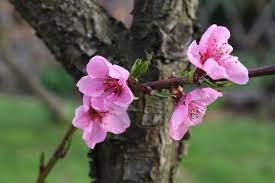
(א) הַיּוֹצֵא בִּימֵי נִיסָן וְרָאָה אִילָנוֹת שֶׁמּוֹצִיאִין פֶּרַח, אוֹמֵר:
בָּרוּךְ אַתָּה ה' אֱלֹקֵינוּ מֶלֶךְ הָעוֹלָם שֶׁלֹּא חִסֵר בְּעוֹלָמוֹ כְּלוּם,
וּבָרָא בוֹ בְּרִיּוֹת טוֹבוֹת וְאִילָנוֹת טוֹבוֹת לֵיהָנוֹת בָּהֶם בְּנֵי אָדָם
וְאֵינוֹ מְבָרֵךְ אֶלָּא פַּעַם אַחַת בְּכָל שָׁנָה וְשָׁנָה, וְאִם אִחֵר לְבָרֵךְ עַד אַחַר שֶׁגָּדְלוּ הַפֵּרוֹת, לֹא יְבָרֵךְ עוֹד.
One who goes out during the days of Nissan and sees trees blossiming fruit, blesses:
"Blessed are you Hashem, master, king of the universe, Who created a world that is lacking nothing, and created in it good creations,
and good trees for humans to enjoy them."
And the person should only make this blessing once a year. If s/he was late to make the blessing until after the fruit already grew, s/he should not make the blessing anymore.
THE OMER BARLEY OFFERING

WHAT IS MATZAH?
(ה) אֵלּוּ דְבָרִים שֶׁאָדָם יוֹצֵא בָהֶן יְדֵי חוֹבָתוֹ בְּפֶסַח, בְּחִטִּים, בִּשְׂעוֹרִים, בְּכֻסְּמִין וּבְשִׁיפוֹן וּבְשִׁבֹּלֶת שׁוּעָל.
(5) These are the types of grain with which a person fulfills his obligation to eat matza on the first night of Passover: With wheat, with barley, with spelt [kusmin], with rye [shifon], and with oats [shibbolet shu’al].

Matzah oven, Bukhara, Uzbekistan ©Zion Ozeri
For Discussion:
-
What do you notice about the way the woman is holding the matzah? What does her facial expression or body language reveal about her experience of making matzah?
-
Does the matzah in this picture look like the matzah on your table? How is it similar or different?
-
The Haggadah refers to matzah as the "bread of poverty." What do you think this means? Does anything in this image suggest that matzah represents poverty or oppression? What words or ideas do you associate with the matzah in this image?
מַגִּיד
מגלה את המצות, מגביה את הקערה ואומר בקול רם:
הָא לַחְמָא עַנְיָא דִּי אֲכָלוּ אַבְהָתָנָא בְאַרְעָא דְמִצְרָיִם...
The Recitation [of the exodus story]
The leader uncovers the matsot, raises the Seder plate, and says out loud:
This is the bread of poverty that our ancestors ate in the land of Egypt...
MAKING BREAD: A HOLY PARTNERSHIP IN CREATING THE WORLD
(יד) מַצְמִ֤יחַ חָצִ֨יר ׀ לַבְּהֵמָ֗ה וְ֭עֵשֶׂב לַעֲבֹדַ֣ת הָאָדָ֑ם
לְה֥וֹצִיא לֶ֝֗חֶם מִן־הָאָֽרֶץ׃
(14) You make the grass grow for the cattle,
and herbage for human's to work with,
that he may get bread out of the earth.
QUESTION: WHO IS THE SUBJECT OF THE "HE" IN THIS VERSE? G-D OR HUMANS?
“How do matzah, manna and bread differ?
While matzah is associated with slavery and manna with freedom, these two types of bread both represent dependence; in the former, the slave relied on a human master for food, and in the latter, the Israelites had to depend on God for their daily portion of manna.
Bread, on the other hand, is a symbol of the partnership between God and people. Although the blessing for bread (hamotzi lechem min ha-aretz) praises God for “bringing forth bread from the earth” the original phrase taken from Psalms stresses humans’ contribution. The first part of the verse acknowledges God’s role, “You make the grass grow for the cattle, and herbage for human’s labour” but the second part recognizes “that humans may bring forth bread [food] from the earth” (Psalm 104:14).
In the midrashic imagination, fresh rolls and bagels may have indeed sprouted directly from the earth in the Garden of Eden, but in the world since then, a lot of human labor goes into the making of bread.
The Sage Ben Zoma recognizes how much work is required:
"What labors the first person had to carry out before obtaining bread to eat! One must plough, sow, reap, bind [the sheaves], thresh and winnow and select the ears, grind [them], and sift [the flour], knead and bake, and then at last eat." (B’rachot 58a)
When we take our first bite of bread at a meal, we should appreciate that partnership: remember all the labor that went into it, as well as acknowledge the blessing of having the wheat that can be turned into bread.
That partnership began when the Israelites entered the promised land ending their wandering in the wilderness. The fulfillment of the process of liberation that began so long ago with the exodus from Egypt ends 40 years later on Passover, the anniversary of the original redemption.”
This is an excerpt From
"The Natural Bible" by Baruch Sienna
P'RI HAGAFEN: FRUIT OF THE VINE
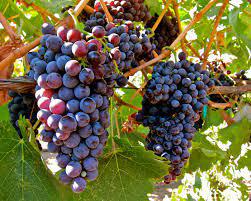
Why do we make kiddush on wine? What's so special about wine?
וְיַ֤יִן ׀ יְשַׂמַּ֬ח לְֽבַב־אֱנ֗וֹשׁ...
Wine makes the hearts of people happy...
What about folks who don't drink wine, or kids who can't drink wine? Can they make kiddush?
Unfermented wine directly from the wine press may be used for Kiddush. [In other words, grape juice.]
Indeed, a person may squeeze a cluster of grapes and recite Kiddush over its juice.
The picture below is an ancient wine press uncovered in Israel. The grapes were crushed on the top, flat part. The juice would run down through the central, square hole and into the large cistern (holding pit).

NO LESS THAN FOUR CUPS OF WINE
(א) ערבי פסחים סמוך למנחה לא יאכל אדם עד שתחשך. ואפלו עני שבישראל לא יאכל עד שיסב. ולא יפחתו לו מארבעה כוסות של יין, ואפלו מן התמחוי.
(1) On the eve of Passover [from] close to [the time of] the afternoon offering, no one must eat until nightfall. Even the poorest person in Israel must not eat [on the night of Passover] unless he reclines. And they must give him no fewer than four cups of wine, even [if he receives relief] from the charity plate.
(ו) לָכֵ֞ן אֱמֹ֥ר לִבְנֵֽי־יִשְׂרָאֵל֮ אֲנִ֣י יְהֹוָה֒ וְהוֹצֵאתִ֣י אֶתְכֶ֗ם מִתַּ֙חַת֙ סִבְלֹ֣ת מִצְרַ֔יִם וְהִצַּלְתִּ֥י אֶתְכֶ֖ם מֵעֲבֹדָתָ֑ם וְגָאַלְתִּ֤י אֶתְכֶם֙ בִּזְר֣וֹעַ נְטוּיָ֔ה וּבִשְׁפָטִ֖ים גְּדֹלִֽים׃
(ז) וְלָקַחְתִּ֨י אֶתְכֶ֥ם לִי֙ לְעָ֔ם וְהָיִ֥יתִי לָכֶ֖ם לֵֽאלֹהִ֑ים וִֽידַעְתֶּ֗ם כִּ֣י אֲנִ֤י יְהֹוָה֙ אֱלֹ֣הֵיכֶ֔ם הַמּוֹצִ֣יא אֶתְכֶ֔ם מִתַּ֖חַת סִבְל֥וֹת מִצְרָֽיִם׃ (ח) וְהֵבֵאתִ֤י אֶתְכֶם֙ אֶל־הָאָ֔רֶץ אֲשֶׁ֤ר נָשָׂ֙אתִי֙ אֶת־יָדִ֔י לָתֵ֣ת אֹתָ֔הּ לְאַבְרָהָ֥ם לְיִצְחָ֖ק וּֽלְיַעֲקֹ֑ב וְנָתַתִּ֨י אֹתָ֥הּ לָכֶ֛ם מוֹרָשָׁ֖ה אֲנִ֥י יְהֹוָֽה׃
(6) Say, therefore, to the Israelite people: I am יהוה. I will free you from the labors of the Egyptians and deliver you from their bondage. I will redeem you with an outstretched arm and through extraordinary chastisements. (7) And I will take you to be My people, and I will be your God. And you shall know that I, יהוה, am your God who freed you from the labors of the Egyptians. (8) I will bring you into the land which I swore to give to Abraham, Isaac, and Jacob, and I will give it to you for a possession, I יהוה.”
KIDDUSH: OUR HOLY PARTNERSHIP IN CREATING THE WORLD