
Vayikra ~ וַיִּקְרָ֖א Leviticus,1:1 - 5:26 Making Torah Personal through Mussar
Discussion of the parsha through the middah of kedusha קדושה
Defining קָדוֹשׁ
קָדֹשׁ: to be cut off, separated, to be/become pure, sacred, holy (Jastrow Dictionary)
This "separated" quality is probably the basic meaning of the Hebrew word kadosh. Much like the English word "distinguished," which can mean both "separate" and "special," kadosh begins by meaning "separate" and ends by meaning "special" or "sacred," "holy," "elevated" (Neil Gilman, Sacred Fragments, p.229)
HIGHLIGHTS
God calls to Moses from the Tent of Meeting and tells him the laws of the animal and meal offerings (korbanot) brought in the Sanctuary.
There are various offerings:
Olah (ascending) that is wholly burned by the fire on top of the altar. Represents giving everything, having entire commitment. (voluntary)
Minchah (meal offering), of which there are 5 kinds prepared with fine flour, olive oil and frankincense
Shelamim (complete, means wholeness) known as the offering of well-being, whose meat was eaten by the one bringing the offering {after parts are burned on the altar}, parts of which are also given to the kohanim (priests). (voluntary)
Chatat (sin offering) brought to atone for transgressions committed unintentionally by the Kohein Gadol (High Priest) or the entire community, or an ordinary person. Some is offered up, some eaten by Kohanim, none by people. (mandatory)
Asham (guilt offering) brought a person guilty of a wrongdoing (does not report a wrong, or knowingly commits a sin, or by swearing falsely to defraud another person, or deals dishonestly. Sacrifice occurs after restoration is made. (mandatory)

§ The Gemara cites similar interpretations of verses: Reish Lakish said: What is the meaning of that which is written: “This is the law [torah] of the burnt offering, of the meal offering, and of the sin offering, and of the guilt offering, and of the consecration offering, and of the sacrifice of peace offerings” (Leviticus 7:37)? This teaches that anyone who engages in Torah study is considered as though he sacrificed a burnt offering, a meal offering, a sin offering, and a guilt offering. Rava said an objection to this interpretation: This verse states: “Of the burnt offering, of the meal offering.” If the interpretation of Reish Lakish is correct, the verse should have written: “Burnt offering and meal offering.” Rather, Rava says that the correct interpretation of this verse is: Anyone who engages in Torah study need not bring a burnt offering, nor a sin offering, nor a meal offering, nor a guilt offering.

The last verse of Pekudei, ending the book of Shemot, brings us an optimistic vision
כִּי֩ עֲנַ֨ן יְהֹוָ֤ה עַֽל־הַמִּשְׁכָּן֙ יוֹמָ֔ם וְאֵ֕שׁ תִּהְיֶ֥ה לַ֖יְלָה בּ֑וֹ לְעֵינֵ֥י כׇל־בֵּֽית־יִשְׂרָאֵ֖ל בְּכׇל־מַסְעֵיהֶֽם׃

For over the Tabernacle a cloud of יהוה rested by day, and fire would appear in it by night, in the view of all the house of Israel throughout their journeys.

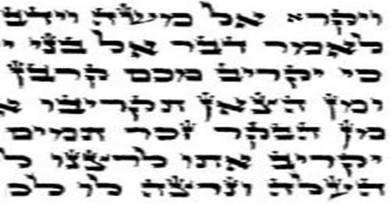
וַיִּקְרָ֖א אֶל־מֹשֶׁ֑ה וַיְדַבֵּ֤ר יְהוָה֙ אֵלָ֔יו מֵאֹ֥הֶל מוֹעֵ֖ד לֵאמֹֽר׃ דַּבֵּ֞ר אֶל־בְּנֵ֤י יִשְׂרָאֵל֙ וְאָמַרְתָּ֣ אֲלֵהֶ֔ם אָדָ֗ם כִּֽי־יַקְרִ֥יב מִכֶּ֛ם קָרְבָּ֖ן לַֽיהוָ֑ה מִן־הַבְּהֵמָ֗ה מִן־הַבָּקָר֙ וּמִן־הַצֹּ֔אן תַּקְרִ֖יבוּ אֶת־קָרְבַּנְכֶֽם׃

The LORD called to Moses and spoke to him from the Tent of Meeting, saying: Speak to the Israelite people, and say to them: When any of you presents an offering of cattle to the LORD, he shall choose his offering from the herd or from the flock.

קָרַב (v) heb
    • to come near, approach, enter into, draw near
      • (Qal) to approach, draw near
      • (Niphal) to be brought near
      • (Piel) to cause to approach, bring near, cause to draw near
      • (Hiphil) to bring near, bring, present
וַיִּקְרָ֖א
In today's society, the bonds of family have come apart and people have drifted from G-d. A sense of alienation has crept into society and there is a lack of connection--to G-d, to community, to family and to ourselves; we are not connected to an overarching value system.
Rabbi Shlomo Wolbe, (1914 - 2005), Alei Shur
אדם כי יקריב מכם. כְּשֶׁיַּקְרִיב; בְּקָרְבְּנוֹת נְדָבָה דִּבֵּר הָעִנְיָן:

אדם כי יקריב מכם IF A MAN OF YOU OFFER [AN OFFERING] — This means, when he offers: Scripture is speaking here of free — will offerings (cf. Sifra, Vayikra Dibbura d'Nedavah, Section 2 4).

ויקרא אל משה (ויקרא א, א). ויקרא אל"ף זעירא. יבואר על דרך שבארנו (שמות כד, א) ואל משה אמר עלה אל ה', כי כשאדם עושה מצוה זה המצוה עושה רושם למעלה וזה מעורר אותו לעשות תמיד רצון הבורא בזה המצוה. והנה משה רבינו עליו השלום רצון שלו היה לעשות ולעלות תמיד אל ה' כמבואר בזוהר הקדוש ומשה עלה אל האלהים (שם יט, ג) . ונמצא זה שהיה רצונו תמיד לעלות אל ה' זה היה מעורר אותו תמיד לעלות אל ה'. וזהו ואל משה אמר עלה אל ה', זה שהיה רצונו לעלות אל ה' זה אמר לו עלה אל ה'. וזהו הרמז באלף זעירא, כי משה רבינו עליו השלום מדתו היה שהיה עניו מכל אדם ולכך האל"ף זעירא לרמוז על מדתו. הכלל, כי קרבן בדמות השפע שהקדוש ברוך הוא משפיע מחמת חסדו הגדול בלא מעשה התחתונים לזה הקרבן הוא חי, כי חי הוא מהקדוש ברוך הוא והנסכים הם מצומצמים והוא על ידי מעשה התחתונים שאדם צריך לעשות בו איזה פעולה לנטוע או לזרוע. והנסכים מורים על השפע הנשפע מהבורא ברוך הוא מחמת מעשה התחתונים שישראל ראוים מחמת מעשיהם הטובים שהבורא ברוך הוא ישפיע עליהם טובות. והנה ישראל במדבר היו בבחינה שהקדוש ברוך הוא השפיע להם מחמת חסדו הגדול ולכך היה השפע הנשפע להם בדוגמא זו, דהיינו המן והבאר שאין בהם כלל מעשה מאדם אבל בארץ ישראל היה השפע הנשפע עליהם מחמת מעשה התחתונים כנ"ל ולזה היה השפע הנשפע עליהם מה שזרעו ונטעו מזה אכלו דוגמת השפע הנשפע עליהם מחמת מעשה התחתונים כנ"ל. וזהו הרמז בפסוק (במדבר טו, ב-ג) כי תבואו אל ארץ מושבותיכם כו' ועשיתם עולה לה' וכו', ותלוים הנסכים בארץ לרמוז על הנ"ל שהנסכים מורים על השפע שנשפע אל הארץ כנ"ל. וזו שפירש רש"י שאין אומרים שירה אלא על היין, כי זה השפע הנשפע לאדם מחמת מעשה התחתונים הוא שמחה לאדם:

Leviticus 1,1. “He called out to Moses;” the fact that ‎the letter ‎א‎ in this verse is written in smaller script is explained ‎by something we had discussed in Exodus 24,1 on the line: ‎ואל ‏משה אמר עלה אל ה'‏‎, “and to Moses He had said: ‘ascend towards ‎‎Hashem.’” When a person performs one of G’d’s ‎commandments this makes an impression in the celestial spheres ‎and helps to awaken in him the desire to perform additional ‎commandments so that he will constantly be occupied with doing ‎G’d’s will. It had been Moses’ will to continuously perform G’d’s ‎will and to thereby continue to ascend ever higher and come ‎closer to Hashem as stated by the Zohar when ‎explaining the line: ‎ומשה עלה אל האלוקים‎, “and Moses had ‎ascended towards G’d,” (Exodus 19,3)....This is reflected here by the letter ‎א‎ being written in small script. ‎It acknowledges the humility of Moses which exceeded anyone ‎else’s humility, i.e. the “small” ‎א‎. We have a rule when offering a sacrifice to G’d that this ‎offering is to reflect the largesse that G’d has seen fit to bestow ‎upon us, without us in the lower regions of the universe having ‎performed any good deeds to deserve this. This is the reason that ‎the animal sacrifice must be dedicated and consecrated while still ‎alive, as the ultimate gift G’d can bestow us is life itself. Life can ‎only be bestowed by G’d Himself.‎ While the Israelites were in the desert they were in the ‎position of receiving G’d’s largesse without having made an input ‎of their own as they could not seed or plant orchards or grow ‎grain in the desert.

דע כי אלו לא חטא אדם הראשון, אז לא היה שייך לומר להיות נבדל מקום קדוש, כי הכל היה ענין גן עדן והכל היה קודש, וכמו שנאמר בירמיה (ג, טז) לעתיד לא יאמרו עוד ארון ברית ה' וגו', ופירש רש"י כי כל כנסתכם תהא קדושה ואשכון בה כאלו הוא ארון. וכן לא היה נבדל איש מאנשים לעבודה ולכהונה, כי היו כולם ממלכת כהנים וגוי קדוש. וכן לא היה נבדל זמן מן הזמנים לקדושה, כי כל העתות היו שוים לקדושה כמו שיהיה לעתיד עולם שכולו שבת. וסימנך לג' אלה הוא עולם, שנה, נפש, המוזכר בספר יצירה, דהיינו קדושת המקום מהעולם, וקדושת זמן מן הזמנים הנכלל בענין שנה, וקדושת הבדל אדם משאר נפשות האדם וזהו ענין נפש. ולא היה האדם צריך לקרב את עצמו ע"י הקרבן, רק הוא בעצמו היה קרבן לה', כענין (ב"ר יב, יב) נפשותיהן של צדיקים לאחר מותם שהם קרבן על גבי מזבח של מעלה. על כן התחיל ספר זה באדם שנאמר (ויקרא א, א) אדם כי יקריב, רומז לאדם הראשון ואז תורת כהנים תיקון לאדם וכל דיני הקרבן:

Remember that if Adam had not sinned the whole concept of areas that are sanctified and areas that are not would not have existed. The whole earth would have been like גן עדן, and every place on earth would have enjoyed the status of sanctity.....There similarly would not have been people specially selected to perform the service in the Sanctuary since the whole of mankind would have been a kingdom of priests and a holy nation. Neither would certain times have been singled out as especially suitable for festivals or as times for atonement, etc.. Every single day would have enjoyed the same high status of holiness. Every day would have exuded the atmosphere of the Sabbath as promised for the future after the arrival of the messianic age....Man would not have been required to bring himself close to G–d by means of an animal sacrifice....this is why the Torah writes: אדם כי יקריב, an allusion to אדם הראשון, first man.

However, the word order of the {second] sentence in Hebrew is strange and unexpected. We would expect to read: adam mikem ki yakriv, “when one of you offers a sacrifice.” Instead, what it says is adam ki yakriv mikem, “when one offers a sacrifice of you.”
The essence of sacrifice, said Rabbi Shneur Zalman, is that we offer ourselves. We bring to God our faculties, our energies, our thoughts and emotions. The physical form of sacrifice – an animal offered on the altar – is only an external manifestation of an inner act. The real sacrifice is mikem, “of you.” We give God something of ourselves.
Rabbi Lord Jonathan Sacks on Rabbi Zalman of Liadi, Likutei Torah.
וַאֲפִלּוּ כְּשֶׁנּוֹפְלִים מְאֹד ח"ו, וְכָל אֶחָד נָפַל לְמָקוֹם שֶׁנָּפַל רַחֲמָנָא לִצְלָן, אַף־עַל־פִּי־כֵן אָסוּר לְיָאֵשׁ עַצְמוֹ. כִּי תְּשׁוּבָה גָּבוֹהַּ לְמַעְלָה מִן הַתּוֹרָה, עַל־כֵּן אֵין שׁוּם יֵאוּשׁ בָּעוֹלָם!

You may fall to the lowest depths, Heaven forbid. But no matter how far you have fallen, it is still forbidden to give up hope. Repentance is higher even than the Torah – therefore there is absolutely no place for despair.

(א) וַיְדַבֵּ֥ר יְהֹוָ֖ה אֶל־מֹשֶׁ֥ה לֵּאמֹֽר׃ (ב) דַּבֵּ֞ר אֶל־בְּנֵ֣י יִשְׂרָאֵל֮ לֵאמֹר֒ נֶ֗פֶשׁ כִּֽי־תֶחֱטָ֤א בִשְׁגָגָה֙ מִכֹּל֙ מִצְוֺ֣ת יְהֹוָ֔ה אֲשֶׁ֖ר לֹ֣א תֵעָשֶׂ֑ינָה וְעָשָׂ֕ה מֵאַחַ֖ת מֵהֵֽנָּה׃ (ג) אִ֣ם הַכֹּהֵ֧ן הַמָּשִׁ֛יחַ יֶחֱטָ֖א לְאַשְׁמַ֣ת הָעָ֑ם וְהִקְרִ֡יב עַ֣ל חַטָּאתוֹ֩ אֲשֶׁ֨ר חָטָ֜א פַּ֣ר בֶּן־בָּקָ֥ר תָּמִ֛ים לַיהֹוָ֖ה לְחַטָּֽאת׃
(1) יהוה spoke to Moses, saying: (2) Speak to the Israelite people thus: When a person unwittingly incurs guilt in regard to any of יהוה’s commandments about things not to be done, and does one of them— (3) If it is the anointed priest who has incurred guilt, so that blame falls upon the people, he shall offer for the sin of which he is guilty a bull of the herd without blemish as a sin offering to יהוה.
לאשמת העם. שהורה שלא כהוגן ואשם העם וכלם שוגגים או פירוש לאשמת העם באשמת כל בני אדם ונזכר כן בעבור שהכהן הוא נושא התורה והוא עצמו נשמר וקדוש לשם:

TO BRING GUILT ON THE PEOPLE. The kohen gadol taught incorrectly and the people were guilty, all of them having acted inadvertently. On the other hand, the meaning of leashmat ha-am (to bring guilt on the people) might be, because of the guilt of all of the people. It is mentioned here because the kohen is the bearer of the Torah and he is very careful and holy unto God.

Holiness is a gift. What one can do is to persevere in the pursuit of true understanding and constantly give thought to the sanctification of deeds. Rabbi Chaim Luzzatto, (1707 - 1746), Mesillat Yesharim
וְאִ֨ם כָּל־עֲדַ֤ת יִשְׂרָאֵל֙ יִשְׁגּ֔וּ וְנֶעְלַ֣ם דָּבָ֔ר מֵעֵינֵ֖י הַקָּהָ֑ל וְ֠עָשׂוּ אַחַ֨ת מִכָּל־מִצְוֺ֧ת יְהוָ֛ה אֲשֶׁ֥ר לֹא־תֵעָשֶׂ֖ינָה וְאָשֵֽׁמוּ׃
If it is the whole community of Israel that has erred and the matter escapes the notice of the congregation, so that they do any of the things which by the LORD’s commandments ought not to be done, and they realize their guilt—
“Humans can drive God out of the sanctuary by polluting it with their moral and ritual sins” p.9 Jacob Milgrom, Leviticus: A Book of Ritual and Ethics
וְנֶ֣פֶשׁ כִּֽי־תֶחֱטָ֗א וְשָֽׁמְעָה֙ ק֣וֹל אָלָ֔ה וְה֣וּא עֵ֔ד א֥וֹ רָאָ֖ה א֣וֹ יָדָ֑ע אִם־ל֥וֹא יַגִּ֖יד וְנָשָׂ֥א עֲוֺנֽוֹ׃ א֣וֹ נֶ֗פֶשׁ אֲשֶׁ֣ר תִּגַּע֮ בְּכָל־דָּבָ֣ר טָמֵא֒ אוֹ֩ בְנִבְלַ֨ת חַיָּ֜ה טְמֵאָ֗ה א֤וֹ בְּנִבְלַת֙ בְּהֵמָ֣ה טְמֵאָ֔ה א֕וֹ בְּנִבְלַ֖ת שֶׁ֣רֶץ טָמֵ֑א וְנֶעְלַ֣ם מִמֶּ֔נּוּ וְה֥וּא טָמֵ֖א וְאָשֵֽׁם׃ א֣וֹ כִ֤י יִגַּע֙ בְּטֻמְאַ֣ת אָדָ֔ם לְכֹל֙ טֻמְאָת֔וֹ אֲשֶׁ֥ר יִטְמָ֖א בָּ֑הּ וְנֶעְלַ֣ם מִמֶּ֔נּוּ וְה֥וּא יָדַ֖ע וְאָשֵֽׁם׃ א֣וֹ נֶ֡פֶשׁ כִּ֣י תִשָּׁבַע֩ לְבַטֵּ֨א בִשְׂפָתַ֜יִם לְהָרַ֣ע ׀ א֣וֹ לְהֵיטִ֗יב לְ֠כֹל אֲשֶׁ֨ר יְבַטֵּ֧א הָאָדָ֛ם בִּשְׁבֻעָ֖ה וְנֶעְלַ֣ם מִמֶּ֑נּוּ וְהוּא־יָדַ֥ע וְאָשֵׁ֖ם לְאַחַ֥ת מֵאֵֽלֶּה׃ וְהָיָ֥ה כִֽי־יֶאְשַׁ֖ם לְאַחַ֣ת מֵאֵ֑לֶּה וְהִ֨תְוַדָּ֔ה אֲשֶׁ֥ר חָטָ֖א עָלֶֽיהָ׃
If a person incurs guilt— When he has heard a public imprecation and—although able to testify as one who has either seen or learned of the matter—he does not give information, so that he is subject to punishment; Or when a person touches any unclean thing—be it the carcass of an unclean beast or the carcass of unclean cattle or the carcass of an unclean creeping thing—and the fact has escaped him, and then, being unclean, he realizes his guilt; Or when he touches human uncleanness—any such uncleanness whereby one becomes unclean—and, though he has known it, the fact has escaped him, but later he realizes his guilt; Or when a person utters an oath to bad or good purpose—whatever a man may utter in an oath—and, though he has known it, the fact has escaped him, but later he realizes his guilt in any of these matters— when he realizes his guilt in any of these matters, he shall confess that wherein he has sinned.
Let no person say "I will go and do ugly and immoral things. Then I will bring a bull with much meat and offer it as a sacrifice on the altar, and God will forgive me." God will not have mercy on such a person. ~Leviticus Rabbah 2:12
וְאִם־לֹ֨א תַגִּ֣יע יָדוֹ֮ דֵּ֣י שֶׂה֒ וְהֵבִ֨יא אֶת־אֲשָׁמ֜וֹ אֲשֶׁ֣ר חָטָ֗א שְׁתֵּ֥י תֹרִ֛ים אֽוֹ־שְׁנֵ֥י בְנֵֽי־יוֹנָ֖ה לַֽיהוָ֑ה אֶחָ֥ד לְחַטָּ֖את וְאֶחָ֥ד לְעֹלָֽה׃
But if his means do not suffice for a sheep, he shall bring to the LORD, as his penalty for that of which he is guilty, two turtledoves or two pigeons, one for a sin offering and the other for a burnt offering.

Furthermore, it is said of a large ox, ‘An offering made by fire of a sweet savour’; of a small bird, ‘An offering made by fire of a sweet savour’; and of a meal-offering, ‘An offering made by fire of a sweet savour’: to teach you that it is the same whether one offers much or little, so long as he directs his heart to heaven. And lest you say, God needs it for food, the text therefore states (Psalms 50:12), If I were hungry, I would not tell you; for the world is Mine and the fullness thereof. And it also says (Psalms 50:10), For every beast of the forest is Mine, and the cattle upon a thousand hills. I know all the fowls of the mountains; and the wild beasts of the field are mine. Do I eat the flesh of bulls, or drink the blood of goats? I did not tell you to sacrifice so that you should say, I will do God's will that God will do my will. You do not sacrifice for My sake, but for your own sakes, as it is written (Lev. 19:5), At your will shall you sacrifice it.

Another interpretation is: ‘At your will shall you sacrifice it.’: sacrifice it of your own free will, sacrifice it with the proper intention.

The need to strive for absolute human perfection, Kedusha, is addressed to each and every member of the nation... no station in life, no gender, no age, no state of personal fortune is excluded. ~ Rabbi Samson Raphael Hirsch, (1808 – 1888).
וְאִם־לֹא֩ תַשִּׂ֨יג יָד֜וֹ לִשְׁתֵּ֣י תֹרִ֗ים אוֹ֮ לִשְׁנֵ֣י בְנֵי־יוֹנָה֒ וְהֵבִ֨יא אֶת־קָרְבָּנ֜וֹ אֲשֶׁ֣ר חָטָ֗א עֲשִׂירִ֧ת הָאֵפָ֛ה סֹ֖לֶת לְחַטָּ֑את לֹא־יָשִׂ֨ים עָלֶ֜יהָ שֶׁ֗מֶן וְלֹא־יִתֵּ֤ן עָלֶ֙יהָ֙ לְבֹנָ֔ה כִּ֥י חַטָּ֖את הִֽיא׃

And if his means do not suffice for two turtledoves or two pigeons, he shall bring as his offering for that of which he is guilty a tenth of an ephah of choice flour for a sin offering; he shall not add oil to it or lay frankincense on it, for it is a sin offering.

וְכִפֶּ֨ר עָלָ֧יו הַכֹּהֵ֛ן לִפְנֵ֥י יְהוָ֖ה וְנִסְלַ֣ח ל֑וֹ עַל־אַחַ֛ת מִכֹּ֥ל אֲשֶֽׁר־יַעֲשֶׂ֖ה לְאַשְׁמָ֥ה בָֽהּ׃ (פ)
The priest shall make expiation on his behalf before the LORD, and he shall be forgiven for whatever he may have done to draw blame thereby.
גמ׳ אמר ר' זירא מאי קראה (קהלת ה, יא) מתוקה שנת העובד אם מעט ואם הרבה יאכל
The repetitive language employed concerning all of these different offerings is to say to you that one who brings a substantial offering and one who brings a meager offering have equal merit, provided that he directs his heart toward Heaven.
רב אדא בר אהבה אמר מהכא (קהלת ה, י) ברבות הטובה רבו אוכליה ומה כשרון לבעליו:
One who brings a substantial offering, who thereby increases the number of priests who partake of it, does not have more merit than one who brings a meager offering. Rather, the offering that God desires is one where He recognizes, i.e., “seeing them with His eyes,” that its owner has the proper intent.
ושמא תאמר לאכילה הוא צריך תלמוד לאמר (תהלים נ, יב) אם ארעב לא אומר לך כי לי תבל ומלואה ונאמר (תהלים נ, י) כי לי כל חיתו יער בהמות בהררי אלף ידעתי כל עוף הרים וזיז שדי עמדי האוכל בשר אבירים ודם עתודים אשתה לא אמרתי אליכם זבחו כדי שתאמר אעשה רצונו ויעשה רצוני לא לרצוני אתם זובחים אלא לרצונכם אתם זובחים שנאמר (ויקרא יט, ה) לרצונכם תזבחהו דבר אחר לרצונכם תזבחהו לרצונכם זבחו לדעתכם זבחו כדבעא מיניה שמואל מרב הונא מנין למתעסק בקדשים שהוא פסול שנאמר ושחט את בן הבקר שתהא שחיטה לשם בן בקר
And lest you say that God needs these offerings for consumption, in which case a larger offering would be preferable to a smaller one, the verse states: “If I were hungry, I would not tell you; for the world is Mine, and everything within it” (Psalms 50:12). And it is stated: “For every beast of the forest is Mine, and the cattle upon a thousand hills. I know all the fowls of the mountains; and the wild beasts of the field are Mine” (Psalms 50:10–11). Similarly, it is stated in the following verse: “Do I eat the flesh of bulls, or drink the blood of goats?” (Psalms 50:13). I did not say to you: Sacrifice offerings to me, so that you will say: I will do His will, i.e., fulfill His needs, and He will do my will. You are not sacrificing to fulfill My will, i.e., My needs, but you are sacrificing to fulfill your will, i.e., your needs, in order to achieve atonement for your sins by observing My mitzvot, as it is stated: “And when you sacrifice an offering of peace offerings to the Lord, you shall sacrifice it so that you may be accepted” (Leviticus 19:5). Alternatively, the verse: “And when you sacrifice an offering of peace offerings to the Lord, you shall sacrifice it so that you may be accepted [lirtzonkhem]” (Leviticus 19:5), can be interpreted differently: Sacrifice willingly [lirtzonkhem]; sacrifice intentionally.
אדם כי יקריב מכם. כי יקריב מעצמכם בוידוי דברים והכנעה על דרך ונשלמה פרים שפתינו וכאמרו זבחי אלהים רוח נשברה, כי אין חפץ בכסילים המקריבים בלתי הכנעה קודמת, וכבר אמרו ז"ל מכם ולא כלכם, להוציא את המומר:
אדם כי יקריב מכם, when he brings himself close to G’d by means of a confession of his sins and by humbling himself. The concept parallels the verse in Hoseah 14,3 ונשלמה פרים שפתינו, “we will pay with bulls after having done so first with our lips.” Psalms 51,19 warns זבחי אלוקים רוח נשברה, “an offering of sacrificial meat is such only if accompanied by a crushed spirit.” The psalmist means that G’d is not interested in the fools who offer sacrificial animals if they have not first humbled themselves. Our sages paraphrase this when pointing out that the Torah does not write here כולכם, your entire selves, but מכם, something emanating from you, i.e. “by excreting the spiritually unworthy parts of you.” (compare Rashi)
[א] "דבר אל כל עדת בני ישראל ואמרת אלהם קדושים תהיו" – מלמד שהפרשה נאמרה בהקהל. ומפני מה נאמרה בהקהל? מפני שרוב גופי תורה תלוים בה. "קדושים תהיו" – פרושים תהיו. "כי קדוש אני ה' אלקיכם" – לומר אם מקדישים (ס"א מקדשים) אתם עצמכם מעלה אני עליכם כאילו קדשתם אותי. ואם אין אתם מקדישים (ס"א מקדשים) עצמכם מעלה אני עליכם כאילו לא קדשתם אותי. או אינו אומר אלא אם מקדישים אתם אותי הריני מקודש ואם לאו איני מקודש... תלמוד לומר "כי קדוש אני" – בקדושתי אני, בין מקדשים אותי ובין אין מקדשים אותי. אבא שאול אומר פמליא למלך, ומה עליה להיות מחקה למלך.

1) (Vayikra 19:1) "And the L–rd spoke to Moses, saying (Vayikra 19:2) Speak to the entire congregation of the children of Israel, and say to them: Holy shall you be." We are hereby taught that this section was stated in the presence of all. Why so? Because most of the major tenets of Torah are inherent in it. "Holy shall you be": Separate yourselves (from arayoth.) "Holy shall you be, for holy am I, the L–rd your G d." If you sanctify yourselves, I will consider it as if you had sanctified Me, and if you do not sanctify yourselves, I will consider it as if you had not sanctified Me. — But perhaps the meaning is: If you sanctify Me, I am holy, and if not I am not holy. It is, therefore, written "for holy am I" — I remain in My holiness whether or not I am sanctified (by men). Abba Shaul says: What is the duty of the King's retinue? To follow in the footsteps of the King (and to be holy).

דבר אל כל עדת בנ"י קדושים תהיו, לכאורה יפלא איך שייך לומר לכל עדת בני ישראל שיהיו קדושים, מה שהוא מעלה אפי' לגדולי ישראל כי לאו כל אדם זוכה לכך שיקרא קדוש, ובאשר שזה הוא מצות עשה לכל אחד ואחד נראה שכל איש ואיש יהי' מי שיהי' יכול להיות קדוש וזה פלא, ונראה דהפי' הוא דכל אחד ואחד לפי מה שהוא מצוה עליו שיפריש ויבדל ממה שהוא עומד בו, ובאמת כי הקדושה שלפשוטי העם, לא נחשב לאנשי המעלה מאומה כמובן, ומ"מ לאיש כזה שהוא מבדיל עצמו מהחומריות שנחשב אצלו לחומריות הוא אצלו קדושה, ולאנשי המעלה עדיין אין זה קדושה כלל, והוא צריך להבדיל עצמו גם ממה שהוא בתמידות, אף שלגבי הפשוטים התמידות שלהם הוא להם לקדושה גדולה, הכלל שהוא מצוה כוללת, אך לכל אחד ואחד יש קדושה אחרת מה שאין לזולתו, כי כל איש צריך להתקדש ממה שטבעו נוטה לזה:

And on the face of it, it is an impossible thing! How could the text say that all of the congregation of Israel should be holy! Holiness is beyond even the greatest among Israel, since not every person can merit to be called holy. And it is a positive commandment for every human. And this is extraordinary: even though every person is what they are, they can still be holy. And it seems that the explanation is that each, according to what The Holy One commands each person, that person needs to separate and comprehend their standing. The holiness of simple people is not appropriate for those who are in a higher standing, and a person who understands what for them is materialism and coarseness and separates themselves from it, that is holiness. But for those in a higher level that is not holiness at all, and a person in that standing needs to separate from other things, constantly - even if for the simple people their separating constantly from their materialism is real and great kedushah. And the general rule is that this is a general mitzvah but for each person it will look like a different mitzvah, as there is a different holiness, as each person needs to make holy their tendencies that their nature gives them.