


(א) וַיְדַבֵּ֥ר יְהֹוָ֖ה אֶל־מֹשֶׁ֥ה לֵּאמֹֽר׃ (ב) קַ֤ח אֶֽת־אַהֲרֹן֙ וְאֶת־בָּנָ֣יו אִתּ֔וֹ וְאֵת֙ הַבְּגָדִ֔ים וְאֵ֖ת שֶׁ֣מֶן הַמִּשְׁחָ֑ה וְאֵ֣ת ׀ פַּ֣ר הַֽחַטָּ֗את וְאֵת֙ שְׁנֵ֣י הָֽאֵילִ֔ים וְאֵ֖ת סַ֥ל הַמַּצּֽוֹת׃ (ג) וְאֵ֥ת כׇּל־הָעֵדָ֖ה הַקְהֵ֑ל אֶל־פֶּ֖תַח אֹ֥הֶל מוֹעֵֽד׃ ..... (ו) וַיַּקְרֵ֣ב מֹשֶׁ֔ה אֶֽת־אַהֲרֹ֖ן וְאֶת־בָּנָ֑יו וַיִּרְחַ֥ץ אֹתָ֖ם בַּמָּֽיִם׃ (ז) וַיִּתֵּ֨ן עָלָ֜יו אֶת־הַכֻּתֹּ֗נֶת וַיַּחְגֹּ֤ר אֹתוֹ֙ בָּֽאַבְנֵ֔ט וַיַּלְבֵּ֤שׁ אֹתוֹ֙ אֶֽת־הַמְּעִ֔יל וַיִּתֵּ֥ן עָלָ֖יו אֶת־הָאֵפֹ֑ד וַיַּחְגֹּ֣ר אֹת֗וֹ בְּחֵ֙שֶׁב֙ הָֽאֵפֹ֔ד וַיֶּאְפֹּ֥ד ל֖וֹ בּֽוֹ׃ (ח) וַיָּ֥שֶׂם עָלָ֖יו אֶת־הַחֹ֑שֶׁן וַיִּתֵּן֙ אֶל־הַחֹ֔שֶׁן אֶת־הָאוּרִ֖ים וְאֶת־הַתֻּמִּֽים׃ (ט) וַיָּ֥שֶׂם אֶת־הַמִּצְנֶ֖פֶת עַל־רֹאשׁ֑וֹ וַיָּ֨שֶׂם עַֽל־הַמִּצְנֶ֜פֶת אֶל־מ֣וּל פָּנָ֗יו אֵ֣ת צִ֤יץ הַזָּהָב֙ נֵ֣זֶר הַקֹּ֔דֶשׁ כַּאֲשֶׁ֛ר צִוָּ֥ה יְהֹוָ֖ה אֶת־מֹשֶֽׁה׃
(1) יהוה spoke to Moses, saying: (2) Take Aaron along with his sons, and the vestments, the anointing oil, the bull of sin offering, the two rams, and the basket of unleavened bread; (3) and assemble the community leadership at the entrance of the Tent of Meeting...... (6) Then Moses brought Aaron and his sons forward and washed them with water. (7) He put the tunic on him, girded him with the sash, clothed him with the robe, and put the ephod on him, girding him with the decorated band with which he tied it to him. (8) He put the breastpiece on him, and put into the breastpiece the Urim and Thummim. (9) And he set the headdress on his head; and on the headdress, in front, he put the gold frontlet, the holy diadem—as יהוה had commanded Moses.
(כב) וַיַּקְרֵב֙ אֶת־הָאַ֣יִל הַשֵּׁנִ֔י אֵ֖יל הַמִּלֻּאִ֑ים וַֽיִּסְמְכ֞וּ אַהֲרֹ֧ן וּבָנָ֛יו אֶת־יְדֵיהֶ֖ם עַל־רֹ֥אשׁ הָאָֽיִל׃ (כג) וַיִּשְׁחָ֓ט ׀ וַיִּקַּ֤ח מֹשֶׁה֙ מִדָּמ֔וֹ וַיִּתֵּ֛ן עַל־תְּנ֥וּךְ אֹֽזֶן־אַהֲרֹ֖ן הַיְמָנִ֑ית וְעַל־בֹּ֤הֶן יָדוֹ֙ הַיְמָנִ֔ית וְעַל־בֹּ֥הֶן רַגְל֖וֹ הַיְמָנִֽית׃
(22) He brought forward the second ram, the ram of ordination. Aaron and his sons laid their hands upon the ram’s head, (23) and it was slaughtered. Moses took some of its blood and put it on the ridge of Aaron’s right ear, and on the thumb of his right hand, and on the big toe of his right foot.
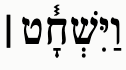
(טו) וּכְמוֹ֙ הַשַּׁ֣חַר עָלָ֔ה וַיָּאִ֥יצוּ הַמַּלְאָכִ֖ים בְּל֣וֹט לֵאמֹ֑ר קוּם֩ קַ֨ח אֶֽת־אִשְׁתְּךָ֜ וְאֶת־שְׁתֵּ֤י בְנֹתֶ֙יךָ֙ הַנִּמְצָאֹ֔ת פֶּן־תִּסָּפֶ֖ה בַּעֲוֺ֥ן הָעִֽיר׃ (טז) וַֽיִּתְמַהְמָ֓הּ ׀ וַיַּחֲזִ֨יקוּ הָאֲנָשִׁ֜ים בְּיָד֣וֹ וּבְיַד־אִשְׁתּ֗וֹ וּבְיַד֙ שְׁתֵּ֣י בְנֹתָ֔יו בְּחֶמְלַ֥ת יְהֹוָ֖ה עָלָ֑יו וַיֹּצִאֻ֥הוּ וַיַּנִּחֻ֖הוּ מִח֥וּץ לָעִֽיר׃
(15) As dawn broke, the messengers urged Lot on, saying, “Up, take your wife and your two remaining daughters, lest you be swept away because of the iniquity of the city.” (16) Still he delayed. So the agents seized his hand, and the hands of his wife and his two daughters—in יהוה’s mercy on him—and brought him out and left him outside the city.
(2) And Abraham said to the senior servant of his household, who had charge of all that he owned, “Put your hand under my thigh (3) and I will make you swear by יהוה, the God of heaven and the God of the earth, that you will not take a wife for my son from the daughters of the Canaanites among whom I dwell, (4) but will go to the land of my birth and get a wife for my son Isaac.” (5) And the servant said to him, “What if the woman does not consent to follow me to this land, shall I then take your son back to the land from which you came?” (6) Abraham answered him, “On no account must you take my son back there! ..... (8) And if the woman does not consent to follow you, you shall then be clear of this oath to me; but do not take my son back there.”..... (10) Then the servant took ten of his master’s camels and set out, taking with him all the bounty of his master; and he made his way to Aram-naharaim, to the city of Nahor. (11) He made the camels kneel down by the well outside the city, at evening time, the time when women come out to draw water. (12) And he said, “O יהוה, God of my master Abraham’s [house], grant me good fortune this day, and deal graciously with my master Abraham: (13) Here I stand by the spring as the daughters of the townspeople come out to draw water; (14) let the maiden to whom I say, ‘Please, lower your jar that I may drink,’ and who replies, ‘Drink, and I will also water your camels’—let her be the one whom You have decreed for Your servant Isaac. Thereby shall I know that You have dealt graciously with my master.” (15) He had scarcely finished speaking, when Rebekah, who was born to Bethuel, the son of Milcah the wife of Abraham’s brother Nahor, came out with her jar on her shoulder.
(לט) וָאֹמַ֖ר אֶל־אֲדֹנִ֑י אֻלַ֛י לֹא־תֵלֵ֥ךְ הָאִשָּׁ֖ה אַחֲרָֽי׃
(ה) וַיֹּ֤אמֶר אֵלָיו֙ הָעֶ֔בֶד אוּלַי֙ לֹא־תֹאבֶ֣ה הָֽאִשָּׁ֔ה לָלֶ֥כֶת אַחֲרַ֖י אֶל־הָאָ֣רֶץ הַזֹּ֑את הֶֽהָשֵׁ֤ב אָשִׁיב֙ אֶת־בִּנְךָ֔ אֶל־הָאָ֖רֶץ אֲשֶׁר־יָצָ֥אתָ מִשָּֽׁם׃
(5) And the servant said to him, “What if the woman does not consent to follow me to this land, shall I then take your son back to the land from which you came?”
As noted by Cantor David Reinwold, look at the use of the munachs and the pazer in the following passage and how they create a musical backdrop for the word creep:
(21) God created the great sea monsters, and all the living creatures of every kind that creep, which the waters brought forth in swarms, and all the winged birds of every kind. And God saw that this was good.
(7) After a time, his master’s wife cast her eyes upon Joseph and said, “Lie with me.” (8) But he refused. He said to his master’s wife, “Look, with me here, my master gives no thought to anything in this house, and all that he owns he has placed in my hands. (9) He wields no more authority in this house than I, and he has withheld nothing from me except yourself, since you are his wife. How then could I do this most wicked thing, and sin before God?” (10) And much as she coaxed Joseph day after day, he did not yield to her request to lie beside her, to be with her. (11) One such day, he came into the house to do his work. None of the household being there inside, (12) she caught hold of him by his garment and said, “Lie with me!” But he left his garment in her hand and got away and fled outside.
And another opinion: 'He did not listen to her' he did not even touch her bed. A certain Roman Matron asked Rabbi Yosi: Is it really possible that Yosef, a young man of 17 resisted all his heat and did this? Rabbi Yosi took out the book of Bereshit and began reading for her the stories of Reuven and Bilhah, Yehudah and Tamar, and said: 'if with those, adults and under their father's authority the Scripture did not hide their misdeed, with this one, not an adult and by himself, all the more so it would have revealed the misdeed!
(1) וימאן, ויאמר אל אשת אדוניו הן אדוני, “he refused, and he said to the wife of his master: ‘here my master, etc.”
[T]he tone-sign shalshelet over the word וימאן suggests that Joseph’s refusal contained an element of something forbidden. It is not unusual for the tone-signs on the words to reveal matters not spelled out but which nevertheless we are to read between the lines. (Ed. .... The Midrash felt that the tone-sign revealed that Joseph’s refusal was hesitant.)
(2) Midrash Tanchuma also claims that the words הן אדוני, are a reference to his father Yaakov’s features which sudddenly appeared before Joseph’s mind’s eye, reminding him what moral obligations he owed to the wishes of G’d, his “Master.”
G-d shows Moshe two signs - the rod turning to the snake and his hand turning scaly white - that he can use to demonstrate that he's been sent by G-d. And G-d continues: (8) “And if they do not believe you or pay heed to the first sign, they will believe the second. (9) And if they are not convinced by both these signs and still do not heed you, take some water from the Nile and pour it on the dry ground, and it—the water that you take from the Nile—will turn to blood on the dry ground.” (10) But Moses said to יהוה, “Please, O my lord, I have never been a man of words, either in times past or now that You have spoken to Your servant; I am slow of speech and slow of tongue.” (11) And יהוה said to him, “Who gives humans speech? Who makes them dumb or deaf, seeing or blind? Is it not I, יהוה ? (12) Now go, and I will be with you as you speak and will instruct you what to say.” (13) But he said, “Please, O my lord, make someone else Your agent.” (14) יהוה became angry with Moses and said, “There is your brother Aaron the Levite. He, I know, speaks readily. Even now he is setting out to meet you, and he will be happy to see you.
(1) ויחר אף AND [THE LORD’S] WRATH GLOWED — Rabbi Joshua the son of Korcha said: [How is it that] we do not find that any punishment came upon Moses in consequence of that anger of God. Rabbi José said to him: As a matter of fact here, too, some definite result is mentioned, viz., הלא אהרן אחיך הלוי “Is not Aaron the Levite thy brother?” — which implies, that he was destined to be a Levite (an attendant on the priests) and not a priest, — and I intended that the priesthood should proceed from you. Now, however, this shall not be so, but he will be the Priest and you the Levite. (3) וראך ושמח בלבו AND WHEN HE SEETH THEE, HE WILL BE GLAD IN HIS HEART — not as you believe, that he will be angry with you because you have attained a high position. In consequence of this, Aaron was privileged to wear the ornament of the breastplate which was placed over his heart (cf. Exodus 28:29).
(3) וראך ושמח בלבו AND WHEN HE SEETH THEE, HE WILL BE GLAD IN HIS HEART — not as you believe, that he will be angry with you because you have attained a high position. In consequence of this, Aaron was privileged to wear the ornament of the breastplate which was placed over his heart (cf. Exodus 28:29) (Shabbat 139a; Exodus Rabbah 3:17).
(19) As soon as Moses came near the camp and saw the calf and the dancing, he became enraged; and he hurled the tablets from his hands and shattered them at the foot of the mountain. (20) He took the calf that they had made and burned it; he ground it to powder and strewed it upon the water and so made the Israelites drink it. (21) Moses said to Aaron, “What did this people do to you that you have brought such great sin upon them?” (22) Aaron said, “Let not my lord be enraged. You know that this people is bent on evil. (23) They said to me, ‘Make us a god to lead us; for that fellow Moses—the man who brought us from the land of Egypt—we do not know what has happened to him.’ (24) So I said to them, ‘Whoever has gold, take it off!’ They gave it to me and I hurled it into the fire and out came this calf!” (25) Moses saw that the people were out of control—since Aaron had let them get out of control—so that they were a menace to any who might oppose them.
(ח) וַיְדַבֵּ֣ר יְהֹוָ֔ה אֶֽל־אַהֲרֹ֖ן לֵאמֹֽר׃ (ט) יַ֣יִן וְשֵׁכָ֞ר אַל־תֵּ֣שְׁתְּ ׀ אַתָּ֣ה ׀ וּבָנֶ֣יךָ אִתָּ֗ךְ בְּבֹאֲכֶ֛ם אֶל־אֹ֥הֶל מוֹעֵ֖ד וְלֹ֣א תָמֻ֑תוּ חֻקַּ֥ת עוֹלָ֖ם לְדֹרֹתֵיכֶֽם׃ (י) וּֽלְהַבְדִּ֔יל בֵּ֥ין הַקֹּ֖דֶשׁ וּבֵ֣ין הַחֹ֑ל וּבֵ֥ין הַטָּמֵ֖א וּבֵ֥ין הַטָּהֽוֹר׃ (יא) וּלְהוֹרֹ֖ת אֶת־בְּנֵ֣י יִשְׂרָאֵ֑ל אֵ֚ת כׇּל־הַ֣חֻקִּ֔ים אֲשֶׁ֨ר דִּבֶּ֧ר יְהֹוָ֛ה אֲלֵיהֶ֖ם בְּיַד־מֹשֶֽׁה׃ {פ}
(1) Now Aaron’s sons Nadab and Abihu each took his fire pan, put fire in it, and laid incense on it; and they offered before יהוה alien fire, which had not been enjoined upon them. (2) And fire came forth from יהוה and consumed them; thus they died at the instance of יהוה. (3) Then Moses said to Aaron, “This is what יהוה meant by saying:
Through those near to Me I show Myself holy,
And gain glory before all the people.”
And Aaron was silent. (4) Moses called Mishael and Elzaphan, sons of Uzziel the uncle of Aaron, and said to them, “Come forward and carry your kinsmen away from the front of the sanctuary to a place outside the camp.” (5) They came forward and carried them out of the camp by their tunics, as Moses had ordered. (6) And Moses said to Aaron and to his sons Eleazar and Ithamar, “Do not bare your heads and do not rend your clothes, lest you die and anger strike the whole community. But your kin, all the house of Israel, shall bewail the burning that יהוה has wrought. (7) And so do not go outside the entrance of the Tent of Meeting, lest you die, for יהוה’s anointing oil is upon you.” And they did as Moses had bidden. (8) And יהוה spoke to Aaron, saying: (9) Drink no wine or other intoxicant, you or your sons, when you enter the Tent of Meeting, that you may not die. This is a law for all time throughout the ages, (10) for you must distinguish between the sacred and the profane, and between the impure and the pure; (11) and you must teach the Israelites all the laws which יהוה has imparted to them through Moses.
Rabbi Tanchum in the name of Rabbi Yudan teaches: All seven days of the consecration, Moshe was using the High Priesthood yet the Shechinah did not rest on his hands ... Rabbi Shmuel bar Nachman said: 'All seven days at the burning bush the Holy One was asking Moshe to go on his mission regarding Egypt, as it is written: "Also yesterday and three days ago, since You began talking to Your servant" - those are six days. On the seventh day he said: "send whoever You will send!" The Holy One of Blessing said: Moshe, you are saying send whoever, by your life [I swear] I will tie you by your skirts!" When did He let him have it? Both Rabbi Berachia and Rabbi Chelbo say that Rabbi Levi said: For seven days Moshe kept begging and praying to enter the land, and on the seventh He said: "Because you will not cross this Yarden" (Deut./Devarim 3:27). Rabbi Chelbo says: All seven days of consecration Moshe was using the High Priesthood and he thought it would be his. On the seventh day He said to him: it is not yours, rather, it is your brother's, as it is written: "And it was on the eight day".
(כ) וַיִּקַּ֨ח עַמְרָ֜ם אֶת־יוֹכֶ֤בֶד דֹּֽדָתוֹ֙ ל֣וֹ לְאִשָּׁ֔ה וַתֵּ֣לֶד ל֔וֹ אֶֽת־אַהֲרֹ֖ן וְאֶת־מֹשֶׁ֑ה וּשְׁנֵי֙ חַיֵּ֣י עַמְרָ֔ם שֶׁ֧בַע וּשְׁלֹשִׁ֛ים וּמְאַ֖ת שָׁנָֽה׃ ... (כו) ה֥וּא אַהֲרֹ֖ן וּמֹשֶׁ֑ה אֲשֶׁ֨ר אָמַ֤ר יְהֹוָה֙ לָהֶ֔ם הוֹצִ֜יאוּ אֶת־בְּנֵ֧י יִשְׂרָאֵ֛ל מֵאֶ֥רֶץ מִצְרַ֖יִם עַל־צִבְאֹתָֽם׃ (כז) הֵ֗ם הַֽמְדַבְּרִים֙ אֶל־פַּרְעֹ֣ה מֶֽלֶךְ־מִצְרַ֔יִם לְהוֹצִ֥יא אֶת־בְּנֵֽי־יִשְׂרָאֵ֖ל מִמִּצְרָ֑יִם ה֥וּא מֹשֶׁ֖ה וְאַהֲרֹֽן׃
(20) Amram took into his [household] as wife his father’s sister Jochebed, and she bore him Aaron and Moses; and the span of Amram’s life was 137 years. .... (26) It is the same Aaron and Moses to whom יהוה said, “Bring forth the Israelites from the land of Egypt, troop by troop.” (27) It was they who spoke to Pharaoh king of Egypt to free the Israelites from the Egyptians; these are the same Moses and Aaron.
(א) הוא אהרן ומשה. אֵלּוּ שֶׁהֻזְכְּרוּ לְמַעְלָה, שֶׁיָּלְדָה יוֹכֶבֶד לְעַמְרָם. הוא אהרן ומשה. יֵשׁ מְקוֹמוֹת שֶׁמַּקְדִּים אַהֲרֹן לְמֹשֶׁה וְיֵשׁ מְקוֹמוֹת שֶׁמַּקְדִּים מֹשֶׁה לְאַהֲרֹן, לוֹמַר לְךָ שֶׁשְּׁקוּלִין כְּאֶחָד:
(1) הוא אהרן ומשה THESE ARE THAT AARON AND MOSES who are mentioned above where it states (v. 20) that Jochebed bore them to Amram. הוא אהרן ומשה There are some passages where Scripture mentions Aaron before Moses (as here) and other passages where it mentions Moses before Aaron; this is done in order to indicate that they were equal in all respects (more lit., that they weighed alike) (Mekhilta d'Rabbi Yishmael 12:1).
(22) Setting out from Kadesh, the Israelites arrived in a body at Mount Hor. (23) At Mount Hor, on the boundary of the land of Edom, יהוה said to Moses and Aaron, (24) “Let Aaron be gathered to his kin: he is not to enter the land that I have assigned to the Israelite people, because you disobeyed My command about the Waters of Meribah. (25) Take Aaron and his son Eleazar and bring them up on Mount Hor. (26) Strip Aaron of his vestments and put them on his son Eleazar. There Aaron shall be gathered unto the dead.” (27) Moses did as יהוה had commanded. They ascended Mount Hor in the sight of the whole community. (28) Moses stripped Aaron of his vestments and put them on his son Eleazar, and Aaron died there on the summit of the mountain. When Moses and Eleazar came down from the mountain, (29) the whole community knew that Aaron had breathed his last. All the house of Israel bewailed Aaron thirty days.
"Take Aaron and Elazar his son and bring them up to Mount Hor."
Midrash
G-d said to Moses: "Do me a kindness and tell Aaron of the death of which I am embarrassed to tell him."
What did Moses do? He rose very early in the morning and went to Aaron's dwelling, and began to call out "Aaron, my brother!" Aaron came down to him.
Aaron said to him: "What did you see to make you rise so early and come here today?"
Moses replied: "I was pondering a matter in the Torah last night and it was very difficult for me. So I rose early and came to you."
Aaron said: "And what is this word of Torah?"
Moses said:" I don't know what the text is, but I do know that it was in the Book of Genesis. Come, let's read it."
They took the Book of Genesis and read through it, section by section, and about each one, Aaron said: "How wonderfully and how beautifully G-d created!"
And when they reached the story of the creation of Adam, Moses said: "What will I say about Adam who brought death to the world?"
Said Aaron: "Moses, my brother, don't speak that way about this matter. Mustn't we accept the decree of G-d... how Adam and Eve were created, how they merited marriage and joy in the Garden of Eden, how they ate from the tree, and then as it is said to him, 'For dust you are and to dust you shall return'? After all that praise, to such did they come."
Said Moses to him: "And I, who ruled over the ministering angels, and you who stopped death [the plague, as described in Numbers 17:13], isn't our end going to be like this?! How many more years do we have to live. Twenty?"
Said Aaron: "They are very few."
Moses subtracted and subtracted, until he mentioned to him the day of his [Aaron's] death.
Immediately, Aaron's bones felt it, and he languished.
Said Aaron : "Perhaps this word is intended for me?"
Said Moses: "Yes."
Immediately, Israel saw that his stature shrank, as it is said: "And all the congregation saw."
Said Aaron: "My heart is void within me, and the terrors of death have fallen upon me." [Psalms 55:5]
Said Moses: "Do you accept to die?"
Said Aaron: "Yes."
Said Moses: "Let us ascend Mount Hor."
Source Chabad.org
That is Moses’ inner struggle, conveyed by the shalshelet. He is about to induct his brother into an office he himself will never hold. Things might have been otherwise – but life is not lived in the world of “might have been.” He surely feels joy for his brother, but he cannot altogether avoid a sense of loss. Perhaps he already senses what he will later discover, that though he was the Prophet and liberator, Aaron will have a privilege Moses will be denied, namely, seeing his children and their descendants inherit his role. The son of a Priest is a Priest. The son of a Prophet is rarely a Prophet.
What all four stories tell us is that there comes a time for each of us when we must make an ultimate decision as to who we are. It is a moment of existential truth. Lot is a Hebrew, not a citizen of Sodom. Eliezer is Abraham’s servant, not his heir. Joseph is Jacob’s son, not an Egyptian of loose morals. Moses is a Prophet, not a Priest. To say ‘Yes’ to who we are, we have to have the courage to say ‘No’ to who we are not. Pain and struggle is always involved in this type of conflict. That is the meaning of the shalshelet.
