


(א) בָּרוּךְ אַתָּה יְהֹוָה אֱלֹהֵֽינוּ מֶֽלֶךְ הָעוֹלָם אֲשֶׁר קִדְּ֒שָֽׁנוּ בְּמִצְוֹתָיו וְצִוָּנוּ לַעֲסֹק בְּדִבְרֵי תוֹרָה:
(1) Blessed are You, Adonai, Ruler of the Universe, Who sanctifies us with commandments and commands us to be engrossed in the words of Torah.
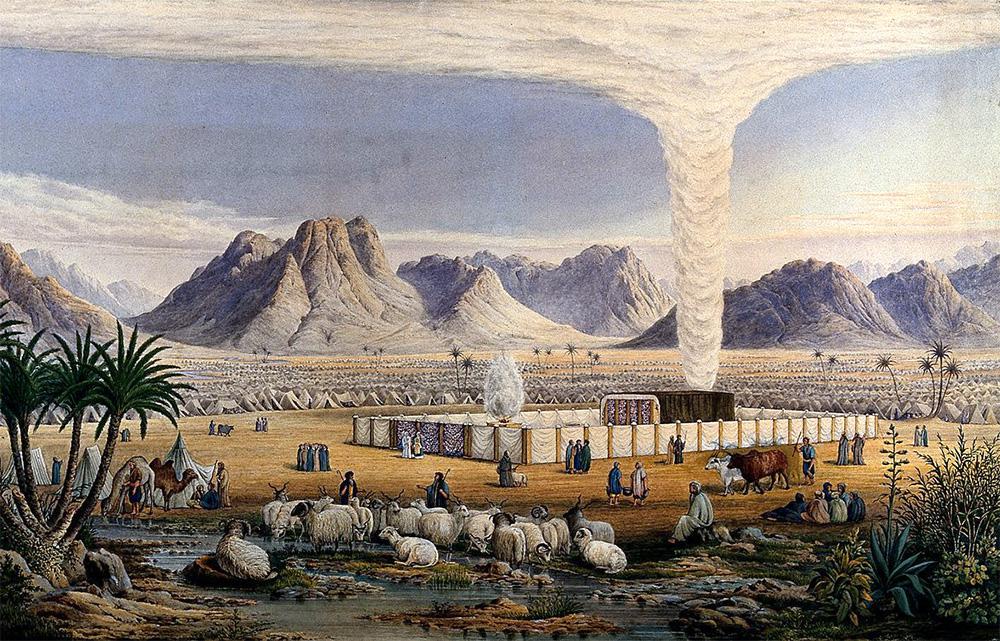
What sorts of symbols and meanings to clouds elicit?
(לג) וַיָּ֣קֶם אֶת־הֶחָצֵ֗ר סָבִיב֙ לַמִּשְׁכָּ֣ן וְלַמִּזְבֵּ֔חַ וַיִּתֵּ֕ן אֶת־מָסַ֖ךְ שַׁ֣עַר הֶחָצֵ֑ר וַיְכַ֥ל מֹשֶׁ֖ה אֶת־הַמְּלָאכָֽה׃ (פ) (לד) וַיְכַ֥ס הֶעָנָ֖ן אֶת־אֹ֣הֶל מוֹעֵ֑ד וּכְב֣וֹד יְהוָ֔ה מָלֵ֖א אֶת־הַמִּשְׁכָּֽן׃ (לה) וְלֹא־יָכֹ֣ל מֹשֶׁ֗ה לָבוֹא֙ אֶל־אֹ֣הֶל מוֹעֵ֔ד כִּֽי־שָׁכַ֥ן עָלָ֖יו הֶעָנָ֑ן וּכְב֣וֹד יְהוָ֔ה מָלֵ֖א אֶת־הַמִּשְׁכָּֽן׃ (לו) וּבְהֵעָל֤וֹת הֶֽעָנָן֙ מֵעַ֣ל הַמִּשְׁכָּ֔ן יִסְע֖וּ בְּנֵ֣י יִשְׂרָאֵ֑ל בְּכֹ֖ל מַסְעֵיהֶֽם׃ (לז) וְאִם־לֹ֥א יֵעָלֶ֖ה הֶעָנָ֑ן וְלֹ֣א יִסְע֔וּ עַד־י֖וֹם הֵעָלֹתֽוֹ׃ (לח) כִּי֩ עֲנַ֨ן יְהוָ֤ה עַֽל־הַמִּשְׁכָּן֙ יוֹמָ֔ם וְאֵ֕שׁ תִּהְיֶ֥ה לַ֖יְלָה בּ֑וֹ לְעֵינֵ֥י כָל־בֵּֽית־יִשְׂרָאֵ֖ל בְּכָל־מַסְעֵיהֶֽם׃
(33) And he set up the enclosure around the Tabernacle and the altar, and put up the screen for the gate of the enclosure. When Moses had finished the work, (34) the cloud covered the Tent of Meeting, and the Presence of the Eternal filled the Tabernacle. (35) Moses could not enter the Tent of Meeting, because the cloud had settled upon it and the Presence of the Eternal filled the Tabernacle. (36) When the cloud lifted from the Tabernacle, the Israelites would set out, on their various journeys; (37) but if the cloud did not lift, they would not set out until such time as it did lift. (38) For over the Tabernacle a cloud of the Eternal rested by day, and fire would appear in it by night, in the view of all the house of Israel throughout their journeys.
(יט) וַיִּסַּ֞ע מַלְאַ֣ךְ הָאֱלֹקִ֗ים הַהֹלֵךְ֙ לִפְנֵי֙ מַחֲנֵ֣ה יִשְׂרָאֵ֔ל וַיֵּ֖לֶךְ מֵאַחֲרֵיהֶ֑ם וַיִּסַּ֞ע עַמּ֤וּד הֶֽעָנָן֙ מִפְּנֵיהֶ֔ם וַיַּֽעֲמֹ֖ד מֵאַחֲרֵיהֶֽם׃ (כ) וַיָּבֹ֞א בֵּ֣ין ׀ מַחֲנֵ֣ה מִצְרַ֗יִם וּבֵין֙ מַחֲנֵ֣ה יִשְׂרָאֵ֔ל וַיְהִ֤י הֶֽעָנָן֙ וְהַחֹ֔שֶׁךְ וַיָּ֖אֶר אֶת־הַלָּ֑יְלָה וְלֹא־קָרַ֥ב זֶ֛ה אֶל־זֶ֖ה כָּל־הַלָּֽיְלָה׃ (כא) וַיֵּ֨ט מֹשֶׁ֣ה אֶת־יָדוֹ֮ עַל־הַיָּם֒ וַיּ֣וֹלֶךְ יי ׀ אֶת־הַ֠יָּם בְּר֨וּחַ קָדִ֤ים עַזָּה֙ כָּל־הַלַּ֔יְלָה וַיָּ֥שֶׂם אֶת־הַיָּ֖ם לֶחָרָבָ֑ה וַיִּבָּקְע֖וּ הַמָּֽיִם׃ (כב) וַיָּבֹ֧אוּ בְנֵֽי־יִשְׂרָאֵ֛ל בְּת֥וֹךְ הַיָּ֖ם בַּיַּבָּשָׁ֑ה וְהַמַּ֤יִם לָהֶם֙ חֹמָ֔ה מִֽימִינָ֖ם וּמִשְּׂמֹאלָֽם׃ (כג) וַיִּרְדְּפ֤וּ מִצְרַ֙יִם֙ וַיָּבֹ֣אוּ אַחֲרֵיהֶ֔ם כֹּ֚ל ס֣וּס פַּרְעֹ֔ה רִכְבּ֖וֹ וּפָרָשָׁ֑יו אֶל־תּ֖וֹךְ הַיָּֽם׃ (כד) וַֽיְהִי֙ בְּאַשְׁמֹ֣רֶת הַבֹּ֔קֶר וַיַּשְׁקֵ֤ף יי אֶל־מַחֲנֵ֣ה מִצְרַ֔יִם בְּעַמּ֥וּד אֵ֖שׁ וְעָנָ֑ן וַיָּ֕הָם אֵ֖ת מַחֲנֵ֥ה מִצְרָֽיִם׃
(19) The angel of God, who had been going ahead of the Israelite army, now moved and followed behind them; and the pillar of cloud shifted from in front of them and took up a place behind them, (20) between the army of the Egyptians and the army of Israel. Thus there was the cloud with the darkness, and it cast a spell upon the night, so that the one could not come near the other all through the night. (21) Then Moses held out his arm over the sea and God drove back the sea with a strong east wind all that night, and turned the sea into dry ground. The waters were split, (22) and the Israelites went into the sea on dry ground, the waters forming a wall for them on their right and on their left. (23) The Egyptians came in pursuit after them into the sea, all of Pharaoh’s horses, chariots, and horsemen. (24) At the morning watch, God looked down upon the Egyptian army from a pillar of fire and cloud, and threw the Egyptian army into panic.
(יח) וַיַּעֲמֹ֥ד הָעָ֖ם מֵרָחֹ֑ק וּמֹשֶׁה֙ נִגַּ֣שׁ אֶל־הָֽעֲרָפֶ֔ל אֲשֶׁר־שָׁ֖ם הָאֱלֹהִֽים׃ {ס} (יט) וַיֹּ֤אמֶר יְהֹוָה֙ אֶל־מֹשֶׁ֔ה כֹּ֥ה תֹאמַ֖ר אֶל־בְּנֵ֣י יִשְׂרָאֵ֑ל אַתֶּ֣ם רְאִיתֶ֔ם כִּ֚י מִן־הַשָּׁמַ֔יִם דִּבַּ֖רְתִּי עִמָּכֶֽם׃
עֲרָפֶל (n-m) heb
-
- cloud, heavy or dark cloud, darkness, gross darkness, thick darkness
(1) לעיני כל בית ישראל בכל מסעיהם [THE CLOUD WAS ON THE TABERNACLE] … IN THE SIGHT OF ALL THE HOUSE OF ISRAEL, THROUGHOUT ALL THEIR JOURNEYS — At every מסע which they made (according to Rashi this means: at every station at which they stopped) the cloud rested upon the Tabernacle in the place where they encamped. A place where they encamped is also called מסע (the literal meaning of which is “journey”). Similar is, (Genesis 13:3) “And he went on to his resting places (למסעיו)“ (cf. Rashi on this verse); similar also is, (Numbers 33:1) “These are the מסעי” — “the places of encampment”. Because from the place of encampment they always set out again on a new journey therefore all the different stages of their journeys (including the places where they encamped) are called מסעות.
(א) ויכם הענן את אהל מועד. כן כתיב בהר סיני (שמות כ״ד:ט״ו) ויכם הענן את ההר והיה אהל מועד מכוסה מכל צד בענן. ואמר וכבוד ה' מלא את המשכן כי תוך המשכן היה מלא כבוד ה' כי הכבוד שוכן בתוך הענן תוך המשכן, כי כן כתיב בהר סיני (שם כ) ומשה נגש אל הערפל אשר שם האלקים, כי שכן עליו הענן יאמר כי מפני ששכן עליו הענן על כן לא היה יכול משה לבא אל אהל מועד כלומר בלא קריאה אבל בקריאה הרי הוא רשאי לבא שם ולא שהקריאה משה משה תהיה לו תיור להכנס בעוד שהכבוד שם אלא שתהיה לו אות שכבר נשתלם שפע אור הכבוד מן המשכן זולתי מן הכרובים ועם זה היה משה רשאי לבא אל המשכן, וכן מצינו בהר סיני (שם כד) ויקרא אל משה ביום השביעי מתוך הענן וכתיב (שם) ויבא משה בתוך הענן, וזהו שהוצרך לכתוב ויקרא אל משה בסמוך כי הכל דבק ומחובר אע"פ שהספרים נפרדים הכל קשר אחד איש באחיהו ידובקו יתלכדו ולא יתפרדו. (ב) וכתב הרמב"ן ז"ל יתכן הכתוב שאמר פעם אחרת וכבוד ה' מלא את המשכן ירמוז אל הכבוד השוכן בקרבו עכ"ל ז"ל. (ג) והנני מעוררך כי יש כאן חמשה פסוקים ובכל פסוק ופסוק יזכור ענן והן כנגד ה' ספירות שהן ה' קולות שהזכירו החכמים בחמשה קולות נתנה תורה, ואע"פ שהשיג משה שבעה קולות שהן שבעה ספירות וכמו שבארתי בסדר וישמע יתרו כוונתם היתה באמרם בחמשה קולות אל הקולות הנסתרים שהם חמשה ולכן אמרו בחמשה קולות נתנה תורה שהרי השנים שהם התפארת והכבוד מבוארים בכתוב והם ה' אלקים וזהו ה' אלקיך, וכנגדם הזכיר כאן וכבוד ה' ב' פעמים כדי לרמוז על התפארת השוכן בקרבו הכבוד והבן זה, כי לזה כוון הרב ז"ל בלשונו שכתבתי שחזר והזכיר פעם אחרת וכבוד ה'. וכן מצינו בבית המקדש הוא שכתוב בדברי הימים (ב ז) וככלות שלמה להתפלל והאש ירדה מן השמים ותאכל העולה והזבחים וכבוד ה' מלא את הבית ולא יכלו הכהנים לבא אל בית ה' כי מלא כבוד ה' את בית ה', הא למדת שהזכיר כאן שבעה ספירות ה' פעמים ענן שני פעמים וכבוד ה' כי כן נרמזו בהר סיני שבעה קולות שהיו השגת משה וכמו שבארתי שם.
(1) ויכם הענן את אהל מועד, “the cloud enveloped the Tent of Meeting.” At the revelation at Mount Sinai the Torah also reported that the mountain was enveloped in a cloud. Concerning the Tabernacle, the Torah writes that the attribute of God called כבוד filled the Tabernacle, i.e. that this attribute was within the cloud which in turn was within the Tabernacle.
When reporting on what happened at Mount Sinai, the Torah had written (Exodus 20,21) that Moses approached the dark cloud within which G’d (Elohim) was present. In our verse (35) the Torah explains Moses’ inability to enter the Tabernacle because the cloud rested upon it and the attribute of כבוד filled the Tabernacle. This means that unless G’d called to Moses inviting him to enter he could not do so. As soon as he would be called the fact that the cloud enveloped the Tabernacle was no impediment preventing Moses from entering. This is the meaning of the verse in Leviticus 1,1 where G’d called to Moses, and Exodus 24,18 where Moses entered the cloud because he had been called (24,12). The call: “Moses, Moses,” did not mean that Moses was to share the “space” with G’d’s attribute of כבוד; rather it was an indication to him that this attribute had departed from the Tabernacle or the mountain (as the case might be) so that Moses could now enter.
The only part of God’s Shechinah which remained when Moses was called was the part which filled the space between the expanded wings of the cherubs on top of the Ark. Although the experience at Mount Sinai and the experience at the completion of the erection of the Tabernacle were almost nine months apart in time, you could view what happened here as “history repeating itself.” [This had become necessary due to the sin of the golden calf after which the Presence of G’d had left the vicinity of the encampment of the Israelites. Ed.]
(2) Nachmanides writes that it is quite possible that the second verse which speaks about the attribute כבוד filling the Tabernacle (compare verses 34 and 35) alludes to His glory which resides within that attribute. Thus far Nachmanides. (3) I believe I should draw your attention to the fact that we are dealing with five verses (34-38) in each of which the ענן, “cloud” is mentioned. I believe these five are allusions to the five emanations, i.e. references to the five times the Torah speaks of קולות, sounds, thunder, at the time G’d revealed Himself at Mount Sinai (compare Berachot 6).The Talmud there stated that the Torah was given by means of five קולות, “sounds, voices.” Even though we have pointed out in that connection that Moses achieved an understanding of seven emanations, i.e. seven קולות, as I explained on my commentary on Exodus 20,1, the sages in the Talmud meant the five “hidden” קולות whose identities the Torah did not reveal at the time. The other two emanations which were spelled out, i.e. תפארת and כבוד, were not mentioned by the Talmud, as they have been mentioned in our verses, i.e. in Exodus 20,2 as ה' אלוקיך in connection with the revelation at Sinai, and as the words וכבוד ה' twice here in connection with the Tabernacle, in order to hint at the presence of the attribute תפארת which resides within the attribute כבוד.
This is what Nachmanides had in mind when he wrote that the Torah repeated the words וכבוד ה' another time. We find something very similar in connection with the Temple where we are told in Chronicles II 7,1-2: “it was when Solomon had completed to pray (during the consecration ceremonies) that the fire descended from the heavens and consumed the burnt-offering and the meat-offerings, and the attribute כבוד of the Lord filled the House; as a result the priests were unable to enter the House of the Lord as the attribute כבוד had filled the House of the Lord.” You have learned from all this that in our instance seven emanations, attributes, are referred to; the five times the Torah mentions the word ענן and the two occasions when the Torah speaks of the כבוד ה'. Just as seven emanations were part of the Sinai experience of the Jewish people, so seven emanations were part of what the people experienced during the inauguration of the Tabernacle. In both instances mention of these seven emanations is testimony to Moses’ spiritual attainments.
To grasp the meaning of this cloud of incense smoke, one must first realize that this was patterned on how God revealed Himself to Israel – in the opacity of the cloud. Thus, we read, “The cloud covered the mountain. The Glory of the Lord dwelt on Mount Sinai, and the cloud hid it for six days. On the seventh day, He called to Moshe from the midst of the cloud” (Shemot 24:15-16). The cloud connotes an exalted and sublime divine revelation, beyond human comprehension. Yet through the fog and cloud, one can reach an understanding of the divine, albeit only partially, in accordance with his capabilities. Thus, we read that after the Mishkan was completed, “The cloud covered the Ohel Mo’ed and the Presence of the Lord filled the Mishkan. Moshe could not enter the Ohel Mo’ed, because the cloud had settled upon it and the Presence of the Lord filled the Mishkan” (Shemot 40:34-35). Similarly, when the First Temple was dedicated, we read, “The kohanim brought the Ark of the Lord’s Covenant to its place underneath the wings of the keruvim, in the Shrine of the House, in the Kodesh Ha-kodashim…. When the kohanim came out of the Kodesh, the cloud had filled the House of the Lord, and the kohanim were unable to stand and serve because of the cloud, for the Presence of the Lord filled the House of the Lord” (1 Melakhim 8:6, 11). First was a sublime, exalted revelation that no human being could endure, and only afterward, from within the cloud and fog, would the divine idea become revealed gradually, according to the abilities of the kohanim.
(א) אֵלֶּה פְקוּדֵי הַמִּשְׁכָּן. זֶה שֶׁאָמַר הַכָּתוּב: כִּסֵּא כָבוֹד מָרוֹם מֵרִאשׁוֹן מְקוֹם מִקְדָּשֵׁנוּ (ירמיה יז, יב), שָׁם מְכֻוָּן מִקְדָּשֵׁנוּ. וְכֵן הוּא אוֹמֵר, מָכוֹן לְשִׁבְתְּךָ פָּעַלְתָּ ה' מִקְּדָשׁ אדושם כּוֹנְנוּ יָדֶיךָ (שמות טו, יז). וְכֵן אַתָּה מוֹצֵא, שֶׁיְּרוּשָׁלַיִם מְכֻוֶּנֶת לְמַעְלָה כְּמוֹ יְרוּשָׁלַיִם שֶׁל מַטָּה. מֵרֹב אַהֲבָתָהּ שֶׁל מַטָּה, עָשָׂה אַחֶרֶת לְמַעְלָה, שֶׁנֶּאֱמַר: הֵן עַל כַּפַּיִם חַקֹּתִיךָ, חוֹמֹתַיִךְ נֶגְדִּי תָּמִיד (ישעיה מט, טו). וְעַל מֶה חָרְבָה. אֶלָּא כִּי מִהֲרוּ בָּנָיִךְ מְהָרְסַיִךְ וּמַחֲרִיבַיִךְ מִמֵּךְ יֵצֵאוּ (ישעיה מט, טז), עַל זֶה חָרְבָה.
(ב) וְכֵן אָמַר דָּוִד, יְרוּשָׁלַיִם הַבְּנוּיָה כְּעִיר שֶׁחֻבְּרָה לָּהּ יַחְדָּו (תהלים קכב, ג). כְּלוֹמַר, כְּעִיר שֶׁבָּנָה יָהּ. וְתִרְגֵּם יְרוּשַׁלְמִי, דְּמִתְבַּנְיָא בִרְקִיעָא כְּקַרְתָּא דְּאִתְחַבְּרַת כַּחֲדָא בְּאַרְעָא. וְנִשְׁבַּע שֶׁשְּׁכִינָתוֹ לֹא יִכָּנֵס בְּשֶׁל מַעְלָה, עַד שֶׁיִּבָּנֶה שֶׁל מַטָּה. כַּמָּה חֲבִיבִין יִשְׂרָאֵל לִפְנֵי הַקָּדוֹשׁ בָּרוּחַ הוּא. וּמִנַּיִן, שֶׁכֵן כְּתִיב: בְּקִרְבְּךָ קָדוֹשׁ וְלֹא אָבוֹא בְּעִיר (הושע יא, ט). וְאוֹמֵר: וְעַתָּה מַה לִּי פֹה נְאֻם ה' כִּי לֻקַּח עַמִּי חִנָּם (ישעיה נב, ה). רְצוֹנוֹ לוֹמַר, וְעַתָּה מַה לִי פֹה נְאֻם ה', מָה אֲנִי מְבַקֵּשׁ פֹּה בִּירוּשָׁלַיִם אַחַר שֶׁלֻּקַּח עַמִּי מִמֶּנָּה. בְּחִנָּם שֶׁאָבוֹא בָהּ, לֹא אָבוֹא. יְהִי רָצוֹן שֶׁיִּבָּנֶה בִּמְהֵרָה בְּיָמֵינוּ.
(1) These are the accounts of the tabernacle (Exod. 38:21). It is written elsewhere in allusion to this verse: Your throne of glory, on high from the beginning, Your place of our Sanctuary (Jer. 17:12). This verse indicates that the Throne of Glory is located directly opposite our Sanctuary. That is why it says: The place, O Lord, which You have made for Yourself to dwell in, the Sanctuary, O Lord, which Your hands have established (Exod. 15:2).
And you find that Jerusalem on high is situated directly opposite the earthly Jerusalem. It was because the earthly Jerusalem was exceedingly precious to Him that He fashioned another one on high, as it is said: Behold, I have graven you upon the palms of My hands; your walls are continually before me (Isa. 49:16). Why was it destroyed? Because your children make haste; your destroyers and they that make you waste shall go forth from you (ibid., v. 17). That is why it was destroyed.
(2) Similarly David said: Jerusalem, you are built as a city that is compact together (Ps. 122:3); that is to say, like the city that the Lord built, a city that was destroyed called Jerusalem. It was built on high, directly opposite the one on earth, and concerning which He vowed that His Shekhinah would not enter the city above until the earthly Jerusalem was erected. How beloved was Israel in the sight of the Holy One, blessed be He. From where do we know this? It is written: The Holy One in the midst of you, and I will not come in fury (Hos. 11:9), and it says elsewhere: Now, therefore, what do I here, says the Lord, seeing that My people is taken away for nought? (Isa. 52:5). Our sages declared: Now, therefore, what do I here, says the Lord implies: Why should I desire to be here in Jerusalem now that My people have been taken away from it? For nought would I be coming into it, therefore I will not come into it. May it be his will that it be rebuilt speedily in our day.
לא ימיש עמוד הענן יומם ועמוד האש לילה מגיד הכתוב שכשעמוד הענן קיים היה עמוד האש צומח כשעמוד האש קיים עמוד הענן זוריח: ד"א לא ימוש עמוד הענן יומם. אין אור החמה מבטלו: ועמוד האש לילה. אין אור הלבנה מבטלו: ד"א לא ימיש אעפ״י ממרים ואעפ״י מכעיסין ואעפ״י מנאצין:
The pillar of cloud by day and the pillar of fire by night did not depart (from before the people). Scripture tells that when the pillar of cloud was there, the pillar of fire grew brighter, and when the pillar of fire was there, the pillar of cloud shined.
Another interpretation: The pillar of cloud by day... did not depart. The light of the sun did not interfere with it. And the pillar of fire by night. The light of the moon did not interfere with it.
What question(s) do these two midrashim answer?
Another interpretation: did not depart. Even though the Israelites aggrieved, and angered, and insulted.
What is the question prompting this midrash?
What lesson(s) could you teach based on this midrash?
Robert Alter on Exodus 13:21
a pillar of cloud... a pillar of fire. This spectacular panoramic picture of the Israelite throngs following these miraculous guides through the wilderness nicely counterpoints the plagues that preceded. Several of the plagues involved destruction descending from the sky. Here a great mass of cloud descends from the sky to lead Israel. The penultimate plague plunged Egypt into terrifying darkness, and now a column of divine fire serves as a huge beacon to show Israel the way through the dark of the wilderness.