


- Why is Pharaoh culpable since God says that He will harden Pharaoh’s heart?
- Who will do the killing of Egypt’s firstborn, God or Moses?
- Why do these verses refer only to the killing of the firstborn and not to the other nine plagues, detailed in Exodus 7 - 11?
- What is the exact nature of each of the plagues, some of which are not entirely clear or seem to overlap other plagues?
- What is the logic of the order of the plagues?
- How should we account for the difference in order and number between the account in Exodus and the mentions of the plagues in Psalms 78 and 105?
- How should we account for the vengeful and “disproportionate” nature of the pericope?
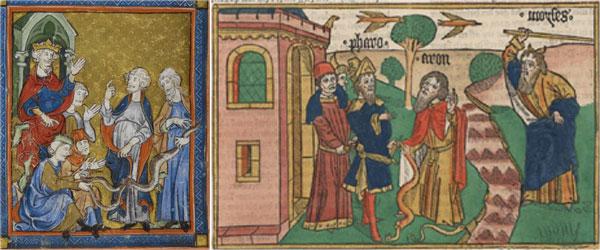
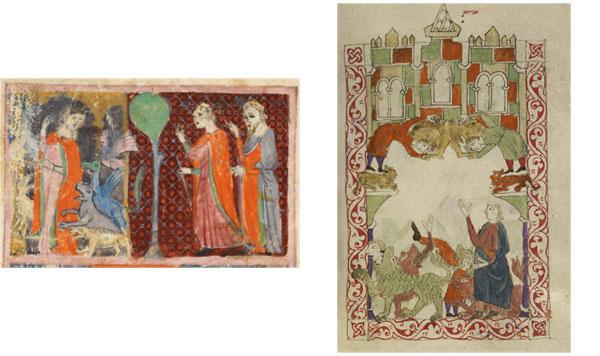
So he threw his rod, then lo! it was a clear serpent…
They said: O Musa! will you cast, or shall we be the first to cast?
He said: Cast. So when they cast, they deceived the people's eyes
and frightened them, and they produced a mighty enchantment.
And We revealed to Musa, saying: Cast your rod; then lo! it
devoured the lies they told.Quran 7

Comparison of this Muslim painting with Jewish and Christian paintings shows that the Muslim reading was considerably more imaginative and extravagant than the biblical account.
(כד) וַיַּחְפְּר֧וּ כׇל־מִצְרַ֛יִם סְבִיבֹ֥ת הַיְאֹ֖ר מַ֣יִם לִשְׁתּ֑וֹת כִּ֣י לֹ֤א יָֽכְלוּ֙ לִשְׁתֹּ֔ת מִמֵּימֵ֖י הַיְאֹֽר׃
(24) And all the Egyptians had to dig round about the Nile for drinking water, because they could not drink the water of the Nile.


and Kedar [the Muslims]
My army perishes and is lost.
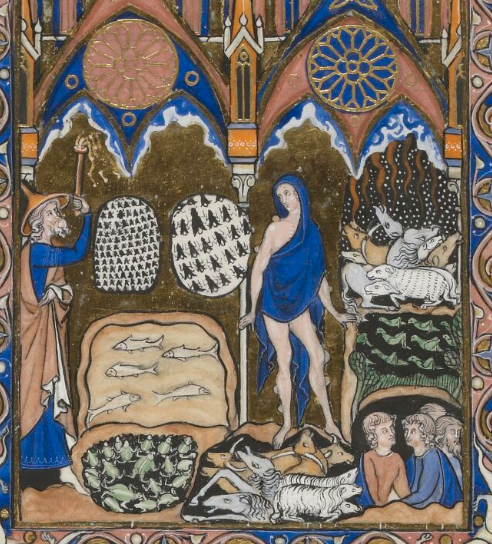
Finally, we should note that in the “Monk’s haggadah”, produced by and for Christians in 15th century Germany, not only are there no depictions of the plagues, but even the names of the plagues are not emphasized at all, unlike almost all Jewish haggadot.




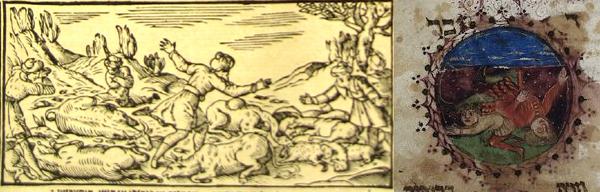
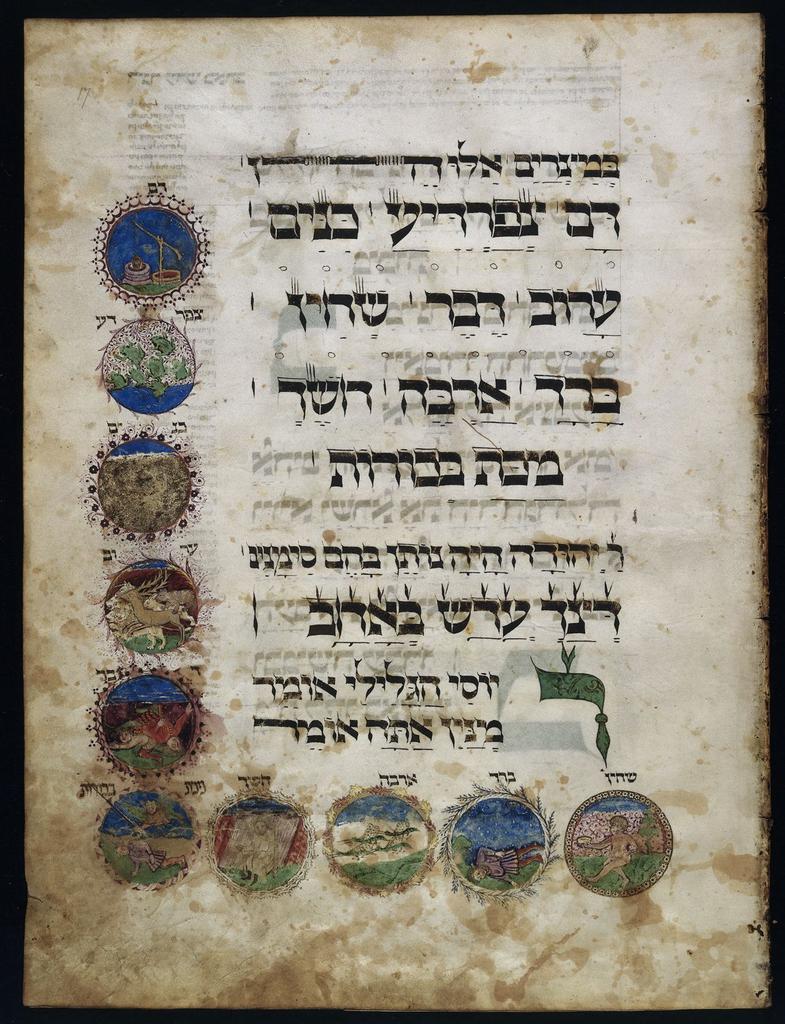
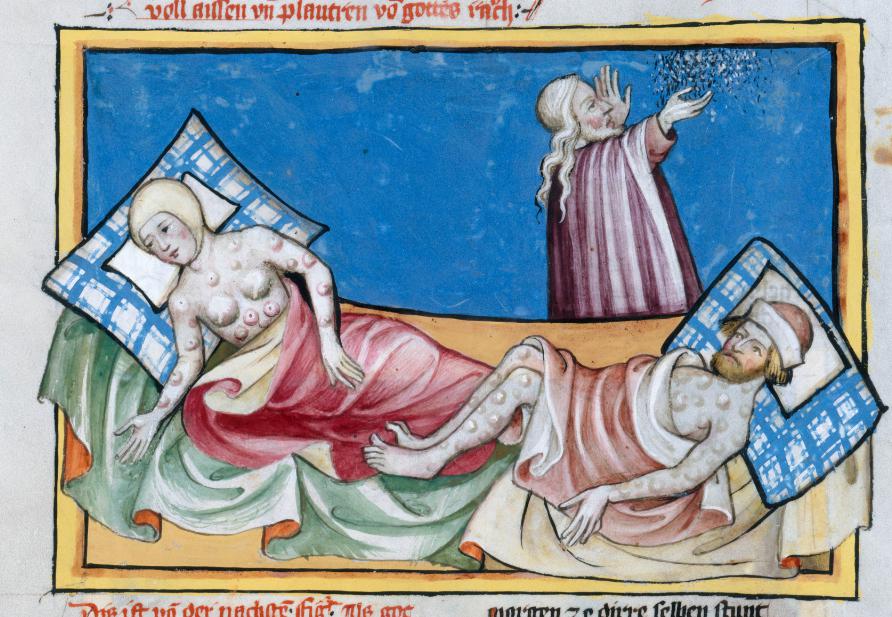
ca. 1460The sixth plague is problematic, in part because it is not mentioned in the two chapters of the book of Psalms (78 and 105) that list the Egyptian מכות. It is called שחין, usually translated as “boils”; but we should notice that the word אבעבעת (buboes) also appears in the description of this plague. It is caused by Moses and Aaron tossing soot into the air; it (like דבר) affects cattle, but it also attacks humans. The overlap between these two plagues may be responsible for several outliers in medieval artworks: Boils, like “plague” is missing from the Histoires bibliques, as well as from the Morgan Bible and the History Bible of 1430. Pharaoh appears only here in the Hispano-Moresque Haggadah; he is barefoot in the Golden, the Sister and the Rylands haggadot, thus exposing his skin, covered with “boils”.

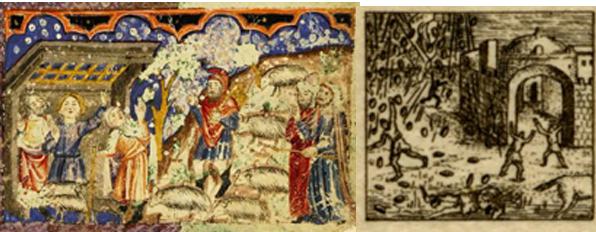

(ט) וַיֹּ֣אמֶר מֹשֶׁ֔ה בִּנְעָרֵ֥ינוּ וּבִזְקֵנֵ֖ינוּ נֵלֵ֑ךְ בְּבָנֵ֨ינוּ וּבִבְנוֹתֵ֜נוּ בְּצֹאנֵ֤נוּ וּבִבְקָרֵ֙נוּ֙ נֵלֵ֔ךְ כִּ֥י חַג־יהוה לָֽנוּ׃
(9) Moses replied, “We will all go—regardless of social station —we will go with our sons and daughters, our flocks and herds; for we must observe יהוה’s festival.”
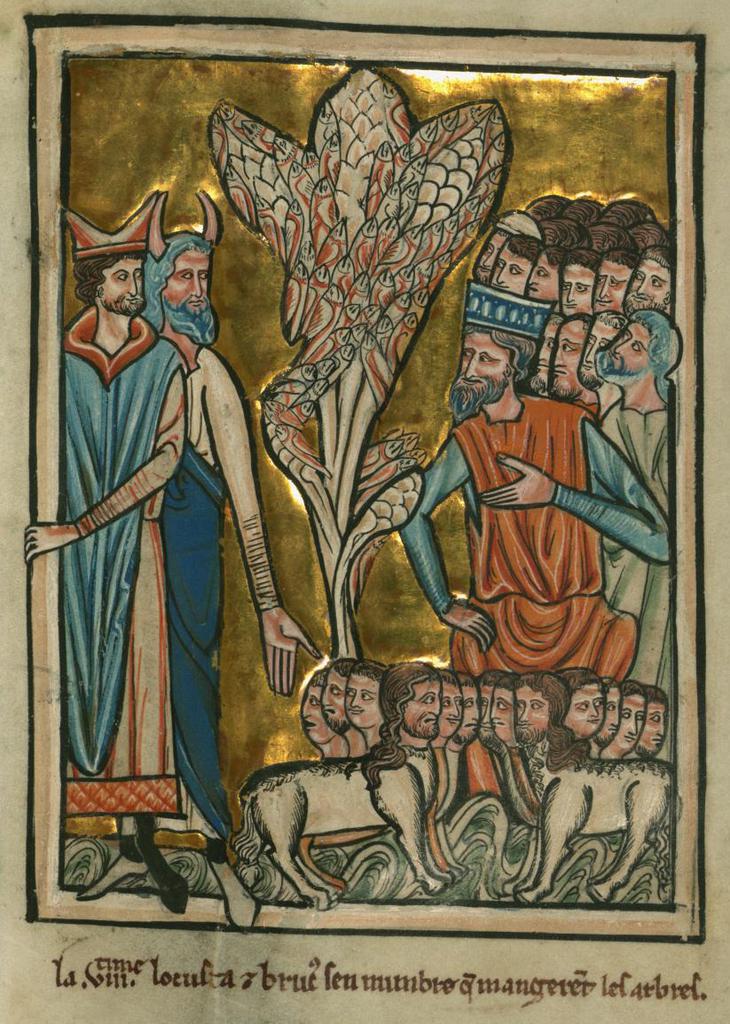
In the Sister Haggadah, the locust leap from a tree onto Pharaoh, who turns away from them in disgust. The Brother Haggadah has the locust swarming over the ground behind Moses and Aaron and flying and climbing up Pharaoh’s robes, in front of them.

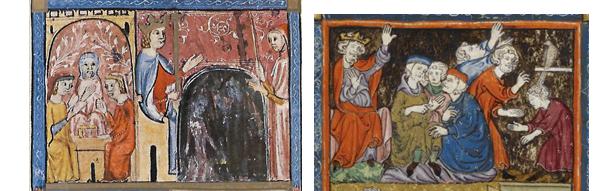
The Sarajevo Haggadah pictures the ninth plague, Darkness, contrasting the Egyptians, seen vaguely in the darkness, with the Israelites, sitting calmly in the light. Pharaoh appears in the Sarajevo Haggadah and the Golden Haggadah, unlike most depictions of this plague. Only in Sarajevo is the king placed outside of the darkness, as if unaffected by it. The portrayal of the Darkness in the Golden Haggadah is entirely focused on the helpless Egyptians, shown clearly, but in a black background; Pharaoh, too, is in the darkness, blindly groping with his hands.

(כג) וְעָבַ֣ר יהוה לִנְגֹּ֣ף אֶת־מִצְרַ֒יִם֒ וְרָאָ֤ה אֶת־הַדָּם֙ עַל־הַמַּשְׁק֔וֹף וְעַ֖ל שְׁתֵּ֣י הַמְּזוּזֹ֑ת וּפָסַ֤ח יהוה עַל־הַפֶּ֔תַח וְלֹ֤א יִתֵּן֙ הַמַּשְׁחִ֔ית לָבֹ֥א אֶל־בָּתֵּיכֶ֖ם לִנְגֹּֽף׃
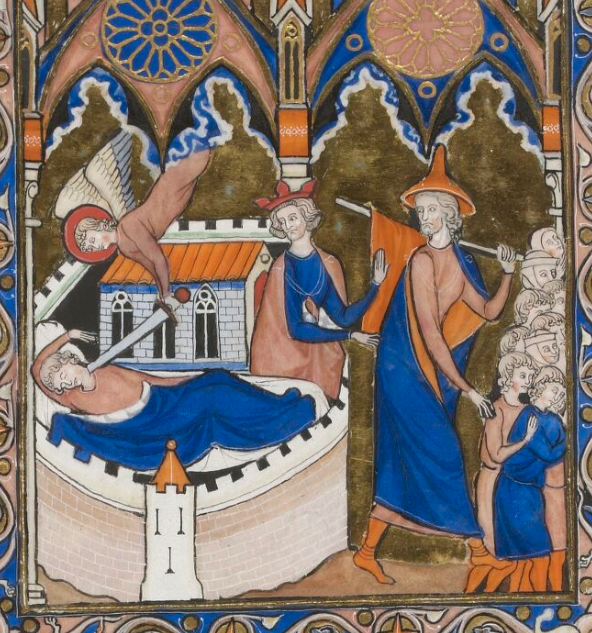
Differences in opinion about the perpetrator of this final plague can be found in classical and modern Jewish commentators. These differences are reflected in the Yahuda and the Second Nuremberg Haggadot (Germany, late 15th century) as well, which portray the last plague as performed by a sword wielding angel. It is interesting, however, to note that the label of this plague is slightly different in these two very similar manuscripts: in the Nuremberg we read “the angel slew the firstborn”, while in the Yahuda is written “he slew the firstborn”.

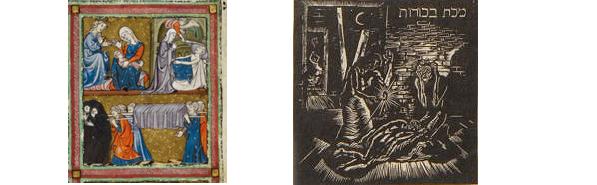
- In all pre-modern artistic treatments, the 10 plagues are understood as the victory of God over Pharaoh, and therefore they are pictured in a positive manner.
- There is a tendency in modern treatments toward empathy with the sufferers.
- Even within the Catalonian material, vengefulness in Jewish treatments ranges from delight in Pharaoh’s and the Egyptians’ suffering to “factual reporting” of the stunning events. This range is also reflected in traditional Jewish literary sources and rituals, see Sefer Maharil: Minhagim - Laws of the Haggadah and Tal. Bab. Megillah 10b
- Ashkenazi artistic treatments are more reserved than the Sepharadi ones, for unknown reasons.
- Jewish treatments are clearly more involved emotionally with the events, identifying with the people of Israel and their suffering, than are the non-Jewish treatments, which treat the plagues as a distant, fascinating historical and supernatural event
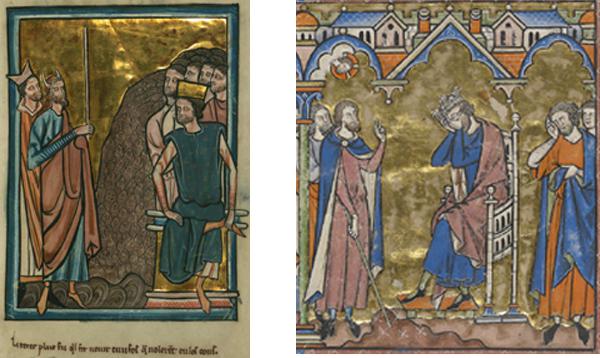
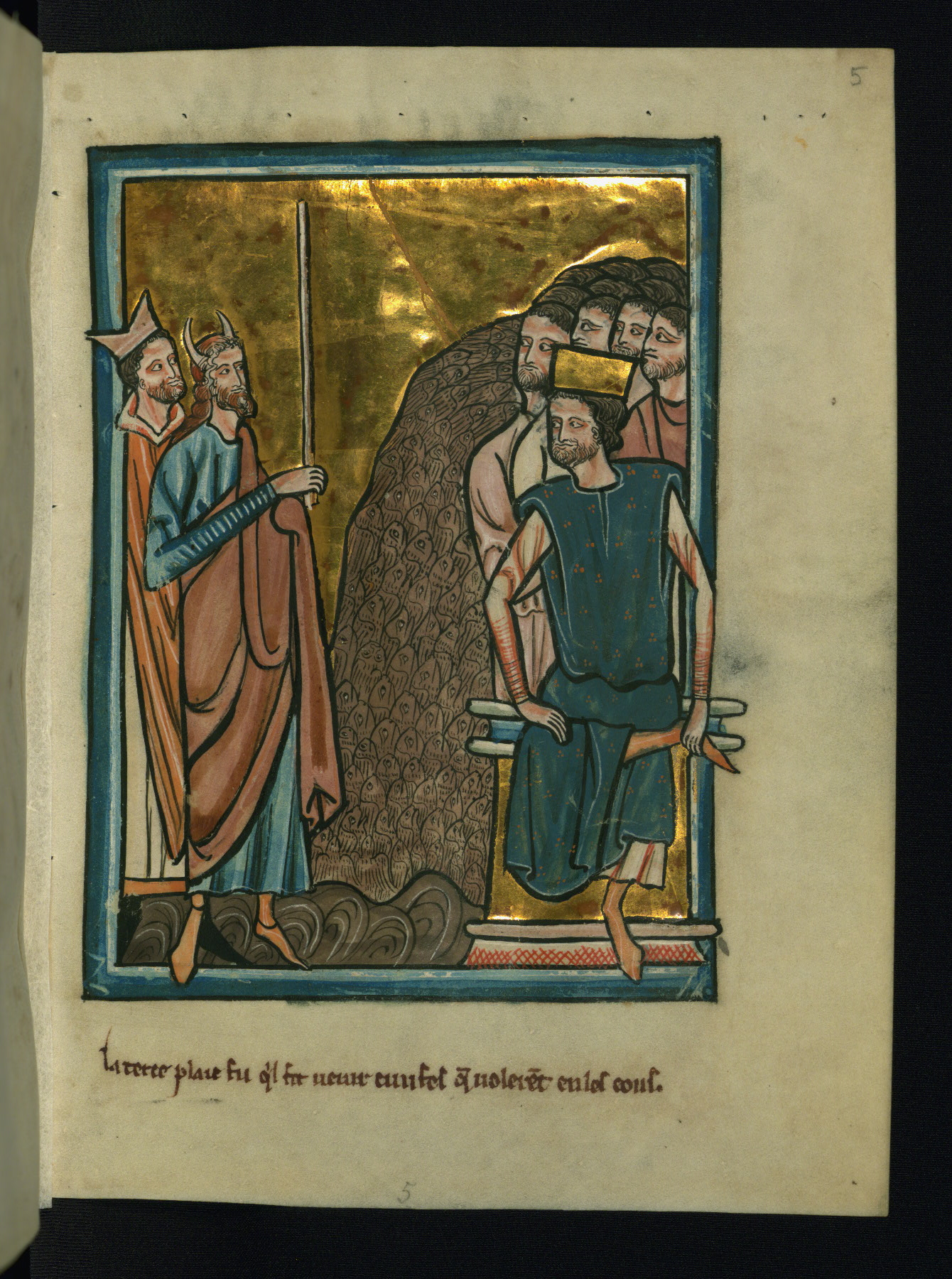
- There are some attempts to address the issue of God hardening Pharaoh’s heart, in Jewish, Christian and Muslim art, often highly critical of the Egyptian king.
- The question of God’s direct responsibility for the death of the first born is treated in various ways, both by Jews and Christians.
(ל) וַיָּ֨קׇם פַּרְעֹ֜ה לַ֗יְלָה ה֤וּא וְכׇל־עֲבָדָיו֙ וְכׇל־מִצְרַ֔יִם וַתְּהִ֛י צְעָקָ֥ה גְדֹלָ֖ה בְּמִצְרָ֑יִם כִּֽי־אֵ֣ין בַּ֔יִת אֲשֶׁ֥ר אֵֽין־שָׁ֖ם מֵֽת׃ (לא) וַיִּקְרָא֩ לְמֹשֶׁ֨ה וּֽלְאַהֲרֹ֜ן לַ֗יְלָה וַיֹּ֙אמֶר֙ ק֤וּמוּ צְּאוּ֙ מִתּ֣וֹךְ עַמִּ֔י גַּם־אַתֶּ֖ם גַּם־בְּנֵ֣י יִשְׂרָאֵ֑ל וּלְכ֛וּ עִבְד֥וּ אֶת־יהוה כְּדַבֶּרְכֶֽם׃ (לב) גַּם־צֹאנְכֶ֨ם גַּם־בְּקַרְכֶ֥ם קְח֛וּ כַּאֲשֶׁ֥ר דִּבַּרְתֶּ֖ם וָלֵ֑כוּ וּבֵֽרַכְתֶּ֖ם גַּם־אֹתִֽי׃ (לג) וַתֶּחֱזַ֤ק מִצְרַ֙יִם֙ עַל־הָעָ֔ם לְמַהֵ֖ר לְשַׁלְּחָ֣ם מִן־הָאָ֑רֶץ כִּ֥י אָמְר֖וּ כֻּלָּ֥נוּ מֵתִֽים׃
(30) And Pharaoh arose in the night, with all his courtiers and all the Egyptians—because there was a loud cry in Egypt; for there was no house where there was not someone dead. (31) He summoned Moses and Aaron in the night and said, “Up, depart from among my people, you and the Israelites with you! Go, worship יהוה as you said! (32) Take also your flocks and your herds, as you said, and begone! And may you bring a blessing upon me also!” (33) The Egyptians urged the people on, impatient to have them leave the country, for they said, “We shall all be dead.”