Save "Who is Amalek?"
Who is Amalek?
וַיֹּ֗אמֶר כִּֽי־יָד֙ עַל־כֵּ֣ס יָ֔הּ מִלְחָמָ֥ה לַיהֹוָ֖ה בַּֽעֲמָלֵ֑ק מִדֹּ֖ר דֹּֽר׃ {פ}
He said, “It means, ‘Hand upon the throne of יהוה !’ יהוה will be at war with Amalek throughout the ages.”

כי יד על כס יה. יָדוֹ שֶׁל הַקָּבָּ"ה הוּרְמָה לִשָּׁבַע בְּכִסְאוֹ לִהְיוֹת לוֹ מִלְחָמָה וְאֵיבָה בַעֲמָלֵק עוֹלָמִית, וּמַהוּ כֵּס וְלֹא נֶאֱמַר כִּסֵּא? וְאַף הַשֵּׁם נֶחֱלַק לְחֶצְיוֹ? נִשְׁבַּע הַקָּבָּ"ה שֶׁאֵין שְׁמוֹ שָׁלֵם וְאֵין כִּסְאוֹ שָׁלֵם עַד שֶׁיִּמָּחֶה שְׁמוֹ שֶׁל עֲמָלֵק כֻּלּוֹ, וּכְשֶׁיִּמָּחֶה שְׁמוֹ יִהְיֶה הַשֵּׁם שָׁלֵם וְהַכִּסֵּא שָׁלֵם, שֶׁנֶּאֱמַר "הָאוֹיֵב תַּמּוּ חֳרָבוֹת לָנֶצַח" (תהלים ט'), זֶהוּ עֲמָלֵק שֶׁכָּתוּב בּוֹ "וְעֶבְרָתוֹ שְׁמָרָה נֶצַח" (עמוס א'), "וְעָרִים נָתַשְׁתָּ אָבַד זִכְרָם הֵמָּה" (תהלים שם), מַהוּ אוֹמֵר אַחֲרָיו? "וַה' לְעוֹלָם יֵשֵׁב" — הֲרֵי הַשֵּׁם שָׁלֵם, "כּוֹנֵן לַמִּשְׁפָּט כִּסְאוֹ" — הֲרֵי כִּסְּאוֹ שָׁלֵם:

כי יד על כס יה BECAUSE THE HAND IS UPON THE THRONE OF JAH — the hand of the Holy One, blessed be He, is raised to swear by His throne that He will have war and enmity against Amalek to all eternity. And what is the force of כס — why does it not say as usual כסא? And the Divine Name, also, is divided into half (יה is only the half of the Tetragrammaton)! The Holy One, blessed be He, swears that His Name will not be perfect nor His throne perfect until the name of Amalek be entirely blotted out. But when his name is blotted out then will His (God’s) Name be perfect and His throne perfect, as it is said, (Psalms 9:7) “The enemy is come to an end, he whose swords were for ever” — and this refers to Amalek of whom it is written, (Amos 1:11; the paragraph is a prophecy against Edom — Esau — the father of Amalek) “he kept his wrath for ever”. The verse in the Psalm continues: “and thou didst uproot enemies, their very memorial is perished”, What does it say immediately after this? (Psalms 9:8) “But the Lord (the Divine Name as given here is the Tetragrammaton) shall now remain for ever” — you see that the Name will be perfect (after Amalek is entirely rooted out as is mentioned in v. 7); “He establishes his throne (כסאו not כס) in righteousness” — so you see that His throne will then be perfect (Midrash Tanchuma, Ki Tisa 11).

מיד לאחר צאתנו ממצרים, עוד לפני שהצלחנו להתגבש ולהתארגן, ללא שום התגרות וסיבה, בא עמלק ותקף. ואת מי? את העבדים היוצאים לחרות מתוך עבדות ארוכה. עמלק הוא עם המבטא בעצם קיומו את שנאת ישראל, וממילא גם את שנאת התורה ושנאת הרעיון האלוקי של תיקון עולם בחסד ואמת. וזהו שנאמר (שמות יז, טז): "כִּי יָד עַל כֵּס יָ-הּ מִלְחָמָה לַה' בַּעֲמָלֵק מִדֹּר דֹּר". פירש רש"י: "נשבע הקב"ה שאין שמו שלם ואין כסאו שלם עד שימחה שמו של עמלק כולו".

Right after we left Egypt, even before we had a chance to coalesce and organize ourselves, Amalek attacked us, without any provocation or reason. Who did they attack? Slaves on their way to freedom after a prolonged period of servitude. Amalek is the nation whose very existence expresses hatred of Israel and, by extension, hatred of the Torah and the divine idea of repairing the world through kindness and truth. This is why the verse says, “‘Hand upon the throne (kes) of the Lord (Kah)!’ The Lord will be at war with Amalek throughout the ages” (Shemot 17:16). Rashi comments, noting that the verse uses shortened versions for two words – kes instead of kisei and Kah instead of the full Tetragrammaton – “The Holy One, blessed be He, swore that His name and His throne will not be complete until the name of Amalek is utterly blotted out.”

בנרות שבת ישנו ביטוי עמוק למהותה של השבת. אדם השרוי בחושך אינו מוצא את מה שהוא מחפש, ונתקל ונכשל ברהיטיו, וכל ביתו נדמה בעיניו כתוהו ובוהו. ומשעה שהדליק נר של שבת בא שלום לבית, והוא רואה שכל הרהיטים לא באו אלא לשמשו, וכל חפציו מונחים במקומם, והוא יכול לענג את השבת בסעודתו. וכן כשמתבוננים על העולם במבט שטחי, הוא נראה מלא קטטות ומלחמות, מפולג ומסוכסך ללא תקנה. כל צד חושב שברגע שיצליח לבטל את זה שכנגדו יגיע למנוחתו, וכך הסכסוכים נמשכים בלא סוף. אך לאחר שאדם מעמיק במחשבתו ומתבונן בהשגחה האלוקית, החושך מסתלק וההארה האלוקית מתגלה, והוא נוכח לדעת שכל הצדדים השונים משלימים זה את זה, ויש יד מכוונת שמובילה את העולם אל תיקונו, ומכל הצרות והייסורים צומחות ישועות ונחמות (עי' לעיל א, טו).

The Shabbat candles give profound expression to the essence of Shabbat. One mired in darkness cannot find what he is looking for; he stumbles over his furniture; his whole home seems chaotic to him. But the moment he lights the Shabbat candles, peace comes to his home. He understands that his furniture is there to serve him, and his belongings are all where they belong. Thus he is able to enjoy Shabbat at his festive meal. Similarly, when we look at the world superficially, it seems full of strife and war, hopelessly divided and conflicted. Each side thinks that only when it succeeds in getting rid of the opposition will it be able to rest, and thus the conflicts endlessly continue. But if one thinks a little more deeply and examines divine providence, the darkness disappears and the divine light is revealed. He realizes that the opposing sides actually complement one another, and there is a hand directing and leading the world toward perfection. Out of all the troubles and afflictions, redemption and comfort will emerge (see above, 1:15).
וכן היה רבי יהודה אומר ג' מצות נצטוו ישראל בכניסתן לארץ להעמיד להם מלך ולהכרית זרעו של עמלק ולבנות להם בית הבחירה
The baraita continues: And so would Rabbi Yehuda say: Three mitzvot were commanded to the Jewish people upon their entrance into Eretz Yisrael, which apply only in Eretz Yisrael: They were commanded to establish a king for themselves (see Deuteronomy 17:14–15), and to cut off the seed of Amalek in war (see Deuteronomy 25:17–19), and to build the Chosen House, i.e., the Temple, in Jerusalem (see Deuteronomy 12:10–12).
Question Summary:
  1. Why is Gd at war with Gd's own creation
  2. Why is Gd unsuccessful
  3. How can Amalek demote Hashem to being "not one"
  4. How is Amalek so much worse than all the other nations that wronged and harmed us?
  5. Why can't Hashem encompass Amalek, does Hashem need their destruction?
  6. Why is destroying Amalek one of the first 3 mitzvot on entering the land of Israel?
  7. Why does remembering Amalek's destruction get it's own special shabbos, something which doesn't happen for most mitzvot.
ואם יבוא עמלקי וירצה להתגייר, נחלקו הפוסקים בשאלה אם יקבלוהו. לדעת הרמב"ם יכול עמלקי להתגייר (הל' איסורי ביאה יב, יז). וכן אמרו חז"ל, שבני בניו של המן הרשע, שהיה מזרע עמלק, לימדו תורה בבני ברק (גיטין נז, ב; סנהדרין צו, ב), הרי שקיבלו גרים מזרעו של עמלק.
The poskim disagree about whether an Amalekite who wants to convert to Judaism may be accepted. Rambam (MT, Laws of Prohibited Sexual Relations 12:17) maintains that an Amalekite may convert. Accordingly, the Sages state that descendants of Haman, who was himself of Amalekite stock, taught Torah in Bnei Brak (Gittin 57b, San. 96b). Thus, our forebears accepted converts from the descendants of Amalek.
הרמב"ם היה זהיר ורגיש בכבודו של הגר ובמצבו הנפשי. לדעת הרמב"ם יש עקרון מנחה של "תורה אחת לכם ולגר" ולכן הגר צריך לברך את כל הברכות ולהתפלל את כל התפילות ככל יהודי גם אם מבחינה לשונית קשה לעיתים ליישב את הלשון עם המציאות. באגרת לרבי עובדיה הגר הוא מחזק את רוחו וכותב: "שאלה ראשונה: על עסקי הברכות והתפילות בינך לבין עצמך, או אם תתפלל בצבור? היש לך לומר 'אלקינו ואלקי אבותינו' ו'אשר קידשנו במצוותיו', ו'אשר הבדילנו' ו'אשר בחר בנו' ו'שהנחלת את אבותינו' וש'הוצאתנו מארץ מצרים' ו'שעשה נסים לאבותינו' וכל כיוצא בעניינים אלו?
תשובה: יש לך לומר הכל כתקנן, ואל תשנה דבר, אלא כמו שיתפלל ויברך כל אזרח מישראל כך ראוי לך לברך ולהתפלל… ועיקר הדבר, שאברהם אבינו הוא שלמד כל העם… והכניס רבים תחת כנפי השכינה… כשם שהחזיר אנשי דורו בפיו ובלימודו, כך החזיר על העתידין להתגייר בצואתו שצוה את בניו ואת בני ביתו. נמצא אברהם אבינו אב לזרעו הכשרים ההולכים בדרכיו ואב לתלמידיו, והם כל גר שיתגייר.
לפיכך, יש לך לומר "אלוקינו ואלקי אבותינו", שאברהם הוא אביך… אבל "שהוצאתנו ממצרים" או "שעשה נסים לאבותינו" – אם רצית לשנות ולומר "שהוצאת ישראל ממצרים" ו"שעשית נסים לישראל" – אמור; ואם לא שנית כלום – אין בכך הפסד, מאחר שנכנסת תחת כנפי השכינה ונלוית על ה', אין שם הפרש כלל ביננו ובינך לכל דבר. וודאי יש לך לברך "אשר בחר בנו" ו"אשר נתן לנו" ו"אשר הבדילנו" – שכבר בחר בך הקב"ה, והבדילך מן האומות, ונתן לך התורה; שהתורה לנו ולגרים נתנה, שנא': "הקהל חקה אחת לכם ולגר הגר, חקת עולם לדורותיכם ככם כגר יהיה לפני ה', תורה אחת ומשפט אחד יהיה לכם ולגר הגר אתכם" (איגרות הרמב"ם, מהדורת גילת, כרך א, עמ' רלג)
From:
https://ots.org.il/he/2022/11/24/%D7%A9%D7%91%D7%AA%D7%95%D7%9F-%D7%94%D7%90%D7%9D-%D7%92%D7%A8-%D7%90%D7%95%D7%9E%D7%A8-%D7%91%D7%AA%D7%A4%D7%99%D7%9C%D7%AA%D7%95-%D7%90%D7%9C%D7%95%D7%A7%D7%99%D7%A0%D7%95-%D7%95%D7%90%D7%9C%D7%95/
(1973). Beyond Good and Evil. London: Penguin Books.
..the Jews achieved that miracle of inversion of values thanks to which life on earth has for a couple millennia acquired a new and dangerous fascination - their prophets fused "rich", "godless", "evil", "violent", "sensual" into one, and were the first to coin the word "world" as a term of infamy. It is this inversion of values (with which is involved the employment of the word for "poor" as a synonym for "holy" and "friend") that the significance of the Jewish people resides: With them, there begins the slave revolt in morals.
Super cool podcast episode on Nietzche
https://open.spotify.com/episode/1xD6vFUY5RDGX1vFuAP5UW?si=0ecd0d665a634558
"Hitler Speaks". Book by Hermann Rauschning, p. 220, 1939.
The Ten Commandments have lost their validity...Conscience is a Jewish invention. It is a blemish like circumcision.
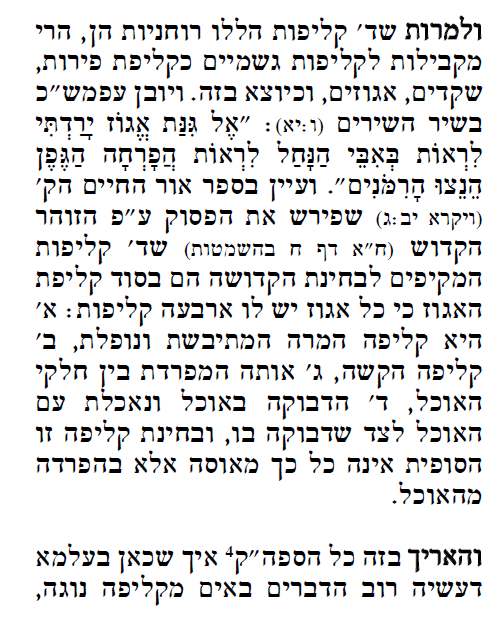
הרב דוד'ל וויינברג: מאמר "רבים מעמי הארץ מתייהדים"
Here's another source from rebbe Nachman saying something parallel
https://he.m.wikisource.org/wiki/%D7%97%D7%99%D7%99_%D7%9E%D7%95%D7%94%D7%A8%22%D7%9F_%D7%A7%D7%A6%D7%96