
Save "Tetzaveh Torah Study 2-18-23
"
Tetzaveh Torah Study 2-18-23
וְאַתָּ֞ה תְּצַוֶּ֣ה ׀ אֶת־בְּנֵ֣י יִשְׂרָאֵ֗ל וְיִקְח֨וּ אֵלֶ֜יךָ שֶׁ֣מֶן זַ֥יִת זָ֛ךְ כָּתִ֖ית לַמָּא֑וֹר לְהַעֲלֹ֥ת נֵ֖ר תָּמִֽיד׃ בְּאֹ֣הֶל מוֹעֵד֩ מִח֨וּץ לַפָּרֹ֜כֶת אֲשֶׁ֣ר עַל־הָעֵדֻ֗ת יַעֲרֹךְ֩ אֹת֨וֹ אַהֲרֹ֧ן וּבָנָ֛יו מֵעֶ֥רֶב עַד־בֹּ֖קֶר לִפְנֵ֣י יְהֹוָ֑ה חֻקַּ֤ת עוֹלָם֙ לְדֹ֣רֹתָ֔ם מֵאֵ֖ת בְּנֵ֥י יִשְׂרָאֵֽל׃ {ס}
You shall further instruct the Israelites to bring you clear oil of beaten olives for lighting, for kindling lamps regularly. Aaron and his sons shall set them up in the Tent of Meeting, outside the curtain which is over [the Ark of] the Pact, [to burn] from evening to morning before יהוה. It shall be a due from the Israelites for all time, throughout the ages.
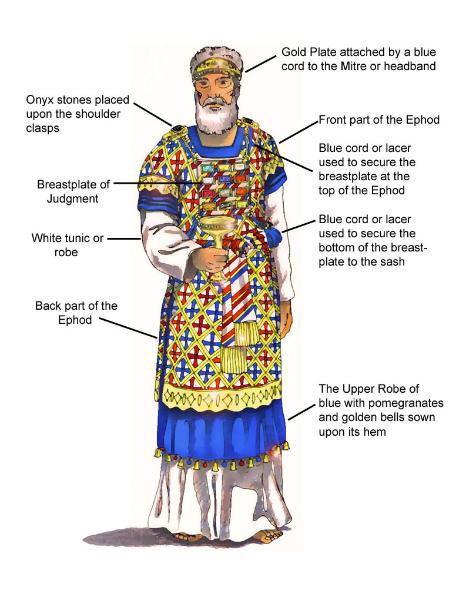
וְאַתָּ֡ה הַקְרֵ֣ב אֵלֶ֩יךָ֩ אֶת־אַהֲרֹ֨ן אָחִ֜יךָ וְאֶת־בָּנָ֣יו אִתּ֗וֹ מִתּ֛וֹךְ בְּנֵ֥י יִשְׂרָאֵ֖ל לְכַהֲנוֹ־לִ֑י אַהֲרֹ֕ן נָדָ֧ב וַאֲבִיה֛וּא אֶלְעָזָ֥ר וְאִיתָמָ֖ר בְּנֵ֥י אַהֲרֹֽן׃ וְעָשִׂ֥יתָ בִגְדֵי־קֹ֖דֶשׁ לְאַהֲרֹ֣ן אָחִ֑יךָ לְכָב֖וֹד וּלְתִפְאָֽרֶת׃ וְאַתָּ֗ה תְּדַבֵּר֙ אֶל־כׇּל־חַכְמֵי־לֵ֔ב אֲשֶׁ֥ר מִלֵּאתִ֖יו ר֣וּחַ חׇכְמָ֑ה וְעָשׂ֞וּ אֶת־בִּגְדֵ֧י אַהֲרֹ֛ן לְקַדְּשׁ֖וֹ לְכַהֲנוֹ־לִֽי׃
You shall bring forward your brother Aaron, with his sons, from among the Israelites, to serve Me as priests: Aaron, Nadab and Abihu, Eleazar and Ithamar, the sons of Aaron. Make sacral vestments for your brother Aaron, for dignity and adornment. Next you shall instruct all who are skillful, whom I have endowed with the gift of skill, to make Aaron’s vestments, for consecrating him to serve Me as priest.
וְלָ֣קַחְתָּ֔ אֶת־שְׁתֵּ֖י אַבְנֵי־שֹׁ֑הַם וּפִתַּחְתָּ֣ עֲלֵיהֶ֔ם שְׁמ֖וֹת בְּנֵ֥י יִשְׂרָאֵֽל׃ שִׁשָּׁה֙ מִשְּׁמֹתָ֔ם עַ֖ל הָאֶ֣בֶן הָאֶחָ֑ת וְאֶת־שְׁמ֞וֹת הַשִּׁשָּׁ֧ה הַנּוֹתָרִ֛ים עַל־הָאֶ֥בֶן הַשֵּׁנִ֖ית כְּתוֹלְדֹתָֽם׃ מַעֲשֵׂ֣ה חָרַשׁ֮ אֶ֒בֶן֒ פִּתּוּחֵ֣י חֹתָ֗ם תְּפַתַּח֙ אֶת־שְׁתֵּ֣י הָאֲבָנִ֔ים עַל־שְׁמֹ֖ת בְּנֵ֣י יִשְׂרָאֵ֑ל מֻסַבֹּ֛ת מִשְׁבְּצ֥וֹת זָהָ֖ב תַּעֲשֶׂ֥ה אֹתָֽם׃ וְשַׂמְתָּ֞ אֶת־שְׁתֵּ֣י הָאֲבָנִ֗ים עַ֚ל כִּתְפֹ֣ת הָֽאֵפֹ֔ד אַבְנֵ֥י זִכָּרֹ֖ן לִבְנֵ֣י יִשְׂרָאֵ֑ל וְנָשָׂא֩ אַהֲרֹ֨ן אֶת־שְׁמוֹתָ֜ם לִפְנֵ֧י יְהֹוָ֛ה עַל־שְׁתֵּ֥י כְתֵפָ֖יו לְזִכָּרֹֽן׃ {ס}
Then take two lazuli stones and engrave on them the names of the sons of Israel: six of their names on the one stone, and the names of the remaining six on the other stone, in the order of their birth. On the two stones you shall make seal engravings—the work of a lapidary—of the names of the sons of Israel. Having bordered them with frames of gold, attach the two stones to the shoulder-pieces of the ephod, as stones for remembrance of the Israelite people, whose names Aaron shall carry upon his two shoulder-pieces for remembrance before יהוה.
(א) כתולדתם. כַּסֵּדֶר שֶׁנּוֹלְדוּ – רְאוּבֵן, שִׁמְעוֹן, לֵוִי, יְהוּדָה, דָּן, נַפְתָלִי עַל הָאַחַת, וְעַל הַשְּׁנִיָּה גָּד, אָשֵׁר, יִשָּׂשכָר זְבוּלֻן, יוֹסֵף, בִּנְיָמִין מָלֵא, שֶׁכֵּן הוּא כָתוּב בִּמְקוֹם תּוֹלַדְתּוֹ, כ"ה אוֹתִיּוֹת בְּכָל אַחַת וְאַחַת:
(1) כתולדתם ACCORDING TO THEIR BIRTH — in the order in which they were born: Reuben, Simeon, Levi, Judah, Dan, Naphtali upon one, and upon the other Gad, Asher, Issachar, Zebulun, Joseph and Benjamin — the last name being written full (plene, with a י before the last letter, thus: בנימין) for that is how it is written in the passage that tells of his birth (Genesis 35:18). This gives twenty-five letters on each stone (cf. Sotah 36a).
(א) לזכרן. שֶׁיְּהֵא רוֹאֶה הַקָּבָּ"ה אֶת הַשְּׁבָטִים כְּתוּבִים לְפָנָיו וְיִזְכֹּר צִדְקָתָם:
(1) לזכרון FOR A MEMORIAL — so that the Holy One, blessed be He, will see the names of the tribes written before Him and He will remember their righteousness (cf. Exodus Rabbah 38:8).
וְעָשִׂ֜יתָ חֹ֤שֶׁן מִשְׁפָּט֙ מַעֲשֵׂ֣ה חֹשֵׁ֔ב כְּמַעֲשֵׂ֥ה אֵפֹ֖ד תַּעֲשֶׂ֑נּוּ זָ֠הָ֠ב תְּכֵ֨לֶת וְאַרְגָּמָ֜ן וְתוֹלַ֧עַת שָׁנִ֛י וְשֵׁ֥שׁ מׇשְׁזָ֖ר תַּעֲשֶׂ֥ה אֹתֽוֹ׃
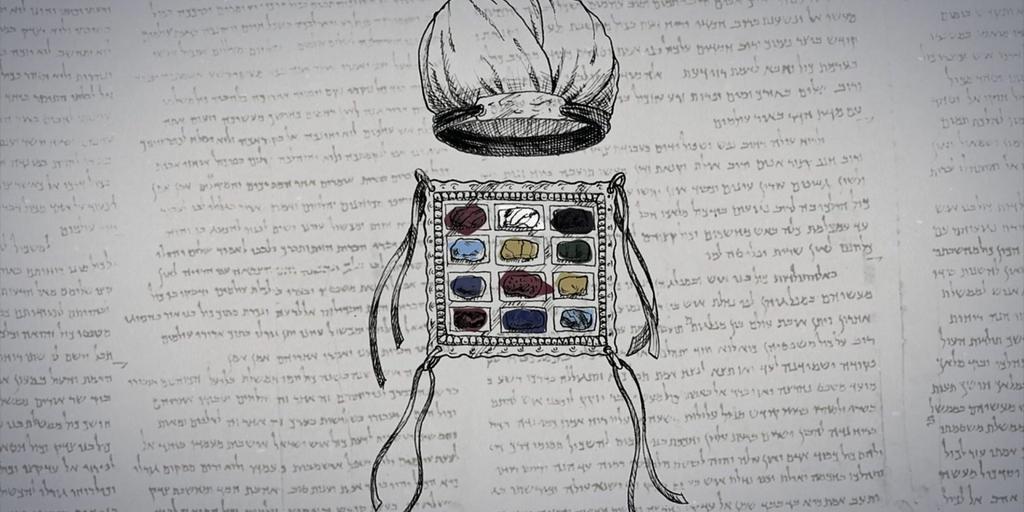
You shall make a breastpiece of decision, worked into a design; make it in the style of the ephod: make it of gold, of blue, purple, and crimson yarns, and of fine twisted linen.
(יז) וּמִלֵּאתָ֥ בוֹ֙ מִלֻּ֣אַת אֶ֔בֶן אַרְבָּעָ֖ה טוּרִ֣ים אָ֑בֶן ט֗וּר אֹ֤דֶם פִּטְדָה֙ וּבָרֶ֔קֶת הַטּ֖וּר הָאֶחָֽד׃ (יח) וְהַטּ֖וּר הַשֵּׁנִ֑י נֹ֥פֶךְ סַפִּ֖יר וְיָהֲלֹֽם׃ (יט) וְהַטּ֖וּר הַשְּׁלִישִׁ֑י לֶ֥שֶׁם שְׁב֖וֹ וְאַחְלָֽמָה׃ (כ) וְהַטּוּר֙ הָרְבִיעִ֔י תַּרְשִׁ֥ישׁ וְשֹׁ֖הַם וְיָשְׁפֵ֑ה מְשֻׁבָּצִ֥ים זָהָ֛ב יִהְי֖וּ בְּמִלּוּאֹתָֽם׃
(17) Set in it mounted stones, in four rows of stones. The first row shall be a row of carnelian, chrysolite, and emerald; (18) the second row: a turquoise, a sapphire, and an amethyst; (19) the third row: a jacinth, an agate, and a crystal; (20) and the fourth row: a beryl, a lapis lazuli, and a jasper. They shall be framed with gold in their mountings.
וְ֠הָאֲבָנִ֠ים תִּֽהְיֶ֜יןָ עַל־שְׁמֹ֧ת בְּנֵֽי־יִשְׂרָאֵ֛ל שְׁתֵּ֥ים עֶשְׂרֵ֖ה עַל־שְׁמֹתָ֑ם פִּתּוּחֵ֤י חוֹתָם֙ אִ֣ישׁ עַל־שְׁמ֔וֹ תִּֽהְיֶ֕יןָ לִשְׁנֵ֥י עָשָׂ֖ר שָֽׁבֶט׃
The stones shall correspond [in number] to the names of the sons of Israel: twelve, corresponding to their names. They shall be engraved like seals, each with its name, for the twelve tribes.
איש על שמו. כְּסֵדֶר תּוֹלְדוֹתָם סֵדֶר הָאֲבָנִים, אֹדֶם לִרְאוּבֵן, פִּטְדָה לְשִׁמְעוֹן, וְכֵן כֻּלָּם:
איש על שמו EVERY ONE WITH HIS NAME — As the order in which they were born shall be the order of the stones: a sardius for Reuben, a topaz for Simeon, and so in the case of all of them.

וְנָשָׂ֣א אַ֠הֲרֹ֠ן אֶת־שְׁמ֨וֹת בְּנֵֽי־יִשְׂרָאֵ֜ל בְּחֹ֧שֶׁן הַמִּשְׁפָּ֛ט עַל־לִבּ֖וֹ בְּבֹא֣וֹ אֶל־הַקֹּ֑דֶשׁ לְזִכָּרֹ֥ן לִפְנֵֽי־יְהֹוָ֖ה תָּמִֽיד׃ וְנָתַתָּ֞ אֶל־חֹ֣שֶׁן הַמִּשְׁפָּ֗ט אֶת־הָאוּרִים֙ וְאֶת־הַתֻּמִּ֔ים וְהָיוּ֙ עַל־לֵ֣ב אַהֲרֹ֔ן בְּבֹא֖וֹ לִפְנֵ֣י יְהֹוָ֑ה וְנָשָׂ֣א אַ֠הֲרֹ֠ן אֶת־מִשְׁפַּ֨ט בְּנֵי־יִשְׂרָאֵ֧ל עַל־לִבּ֛וֹ לִפְנֵ֥י יְהֹוָ֖ה תָּמִֽיד׃ {ס}
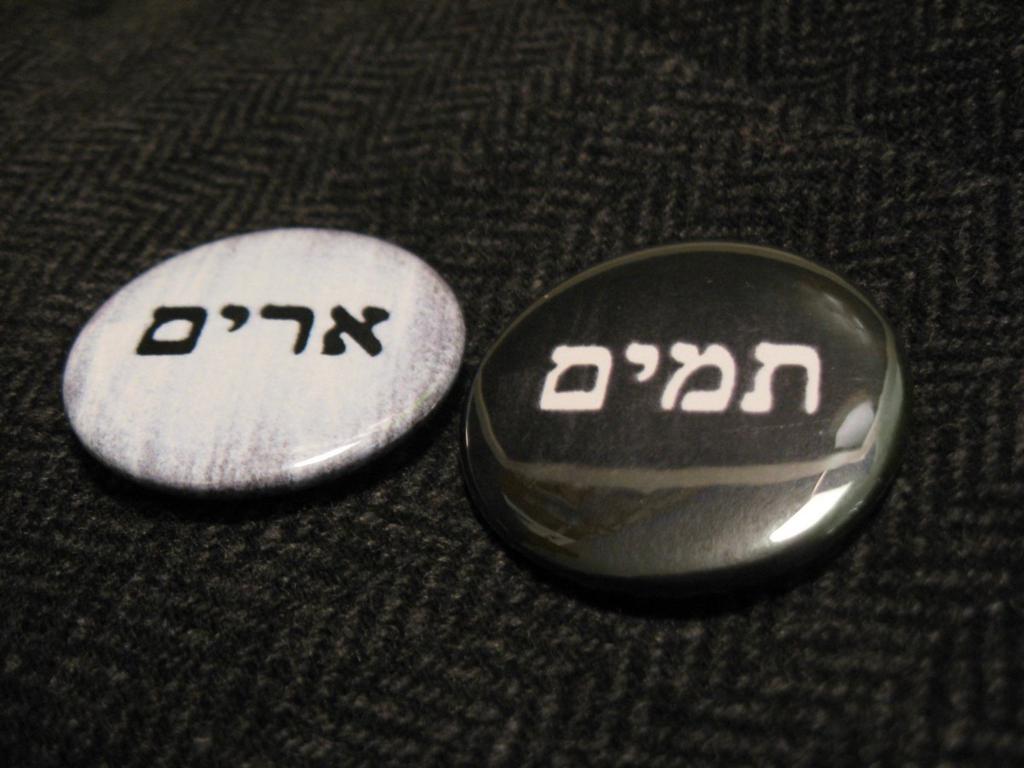
Aaron shall carry the names of the sons of Israel on the breastpiece of decision over his heart, when he enters the sanctuary, for remembrance before יהוה at all times. Inside the breastpiece of decision you shall place the Urim and Thummim, so that they are over Aaron’s heart when he comes before יהוה. Thus Aaron shall carry the instrument of decision for the Israelites over his heart before יהוה at all times.
את האורים ואת התמים. הוּא כְּתָב שֵׁם הַמְפֹרָשׁ, שֶׁהָיָה נוֹתְנוֹ בְּתוֹךְ כִּפְלֵי הַחֹשֶׁן, שֶׁעַל יָדוֹ הוּא מֵאִיר דְּבָרָיו וּמְתַמֵּם אֶת דְּבָרָיו; וּבְמִקְדָּשׁ שֵׁנִי הָיָה הַחֹשֶׁן – שֶׁאִי אֶפְשָׁר לְכֹהֵן גָּדוֹל לִהְיוֹת מְחֻסַּר בְּגָדִים – אֲבָל אוֹתוֹ הַשֵּׁם לֹא הָיָה בְּתוֹכוֹ, וְעַל שֵׁם אוֹתוֹ הַכְּתָב הוּא קָרוּי מִשְׁפָּט, שֶׁנֶּאֱמַר (במדבר כ"ז), וְשָׁאַל לוֹ בְּמִשְׁפַּט הָאוּרִים (יומא ע"ג):
את האורים ואת התמים THE URIM AND THE THUMMIM — This was an inscription of the Proper Name of God which was placed between the folds (i. e. the two pieces forming the front and back) of the breast-plate through which it (the breast-plate) made its statements clear (lit., illuminated its words; מאיר from אור, light, this being an allusion to the אורים) and its promises true (מתמם from the root תמם, an allusion to תמים) (Yoma 73b). In the second Temple there was certainly the breast-plate (although other objects employed in the Temple Service were missing) for it was impossible that the High Priest should have lacked a garment, but that Divine Name was not within it. It was on account of the inscription which constituted the Urim and Thummim and which enabled it to give decisions that it was called “judgment”, as it is said, (Numbers 27:21) “And he shall enquire for him by the judgment of the Urim” (Numbers 27:21).

ונתת אל חושן המשפט את האורים ואת התומים סבר רבי אברהם להתחכם בענין האורים והתומים, ואמר (שמות כ״ח:ו׳) כי הם מעשה אומן כסף וזהב, והאריך בענינם כי חשב שהם על הצורות שיעשו בעלי הכוכבים לדעת מחשבת השואל. ולא אמר כלום. אבל הם כדברי רש''י (רש"י על שמות כ״ח:ל׳), כתב שם המפורש (תיב''ע) נתון בין כפלי החשן, ולכך הוצרך להיות כפול (שמות כ״ח:ט״ז). והראיה, כי לא נזכרו אורים ותומים כלל במעשה האומנים, ולא הזכירם להם בצואה ולא במעשה כלל. ופרט בבגדים ויעש את האפוד (שמות ל״ט:ב׳), ויעש את החשן (שם ח), ולא אמר ויעש האורים והתומים, ואלו היו מעשה חרש חכם היה מאריך בהם יותר מן הכל, ואם אולי ירצה לקצר בהם לעמקם היה אומר ועשית אורים ותומים כאשר הראה אותך בהר זהב טהור תעשה אותם או כסף מזוקק:
ועוד תשוב תראה כי לא הזכיר בה''א הידיעה אחד מכל הכלים שלא נזכרו כבר, אבל אמר ועשו ארון (שמות כ״ה:י׳), ועשית שולחן (שם כג), ועשית מנורת (שם לא), וכן כלם ובמשכן אמר ואת המשכן תעשה (שם כו א), בעבור שכבר הזכירו ועשו לי מקדש (שם כה ח). והנה באורים ותומים אמר (כאן) ונתת אל חושן המשפט את האורים ואת התומים, לא צוה אתו בעשייתם, והזכירם הכתוב בה''א הידיעה, ולא הזכירם הכתוב רק במשה לבדו, שאמר בצואה ונתת אל חשן המשפט, ובמעשה ויתן אל החשן את האורים ואת התומים (ויקרא ח ח), כי לא היו מעשה אומן ולא היה לאומנים ולא לקהל ישראל בהם מעשה ולא נדבה כלל, אבל הם סוד מסור למשה מפי הגבורה, והוא כתבם בקדושה, או היו מעשה שמים, ולכך יזכירם סתם ובידיעה, כמו וישכן מקדם לגן עדן את הכרובים (בראשית ג כד): והנה משה לקח כתב האורים והתומים והניחם שם בחשן המשפט אחרי שהלביש את אהרן האפוד והחשן, כמו שאמר (ויקרא ח ז ח) ויתן עליו את האפוד ויחגור אותו בחשב האפוד, וישם עליו את החשן ויתן אל החשן את האורים ואת התומים, כי לאחר כן נתנם בין כפלי החשן:
והענין הוא, כי היו שמות קדושים, מכחם יאירו האותיות מאבני החשן אל עיני הכהן השואל במשפטם (במדבר כז כא) והמשל, כי כאשר שאלו מי יעלה לנו אל הכנעני בתחלה להלחם (שופטים א א). היה הכהן מכוין בשמות שהם האורים, והאירו לעיניו אותיות יהודה, ויו''ד מלוי, ועי''ן משמעון, ולמ''ד מלוי, וה''א מאברהם הכתוב שם על דעת רבותינו (יומא עג:). או שהאירה פעם אחרת לנגד עיניו ה''א מיהודה. והנה כאשר האותיות מאירות אל עיני הכהן עדין לא ידע סדורן, כי מן האותיות אשר סדרו מהן יהודה יעלה היה אפשר להעשות מהם ''הוי הד עליה'', או ''הי על ידוהה'', ותיבות אחרות רבות מאד, אבל היו שם שמות הקדש אחרים נקראים ''תומים'', מכחם יהיה לב הכהן תמים בידיעת ענין האותיות שהאירו לעיניו. כי כאשר כיון בשמות האורים והאירו, חוזר מיד ומכוון בשמות התומים. ועודם האותיות מאירות לעיניו, ויבא בלבו שחבורם יהודה יעלה. וזאת מדרגה ממדרגת רוח הקדש, היא למטה מן הנבואה, ולמעלה מבת קול שמשתמשים בה בבית שני לאחר שפסקה הנבואה ופסקו אורים ותומים כמו שהזכירו רבותינו (שם כא:): ואפשר שאחרי שנתן משה בחשן השמות הקדושים של האורים והתומים היו נודעים במסורת ממנו לגדולי חכמי ישראל שמסרם להם עם סתרי תורה, ולפיכך היה ביד דוד אפוד (שמואל א כ״ג:ו׳), והיה כדמות אפוד משה, ובו חשן כדמות חשן הקדש, אבל נראה שהיו בד, כאשר נאמר בשמואל (שם ב יח) נער חגור אפוד בד, ואמר בנוב עיר הכהנים (שם כב יח) שמונים וחמשה איש נושא אפוד בד, וילבישו אותו את הכהן שהוא מבני הנביאים ושואלים בו ונענין לפעמים, כאשר חשב בזה ר''א ומה שאמר שאלו ראה תשובת רבינו האיי לא אמר ככה, כבר ראינוה וחשבנוה, וידענו כי ר''א לא נתכון אליה:

AND THOU SHALT PUT IN THE BREASTPLATE OF JUDGMENT THE URIM AND THE THUMMIM. Rabbi Abraham ibn Ezra thought to display wisdom in the matter of the Urim and the Thummim, by saying that they were made by a craftsman from gold and silver, and he continued his discussion of them in this vein, for he thought that they were akin to the forms which the astrologers make in order to know the thoughts of the one who comes to ask of them [about the future]. But what [Ibn Ezra] said is of no import. Rather, the Urim and the Thummim are as Rashi has written: “This was an inscription of the Proper Name of G-d which was placed between the folds of the breastplate.” It was for this reason that the breastplate had to be double [i.e., made of a material that was folded in order to form a sort of bag, into which the Urim and the Thummim — the sacred Names of G-d, as explained further on, — were placed by Moses]. The proof for this is that in the work of the craftsmen the Urim and the Thummim are not mentioned at all, neither in the command nor in the [description of the] making thereof. Now concerning the garments He details: And he made the ephod, and he made the breastplate, but it does not say, “and he made the Urim and the Thummim.” And if it were the work of a skilled engraver He would have dealt with it in greater length than with all [the garments]. Even if perhaps He desired to shorten the discussion about them on account of their profundity, He would at least have said here, “and thou shalt make the Urim and the Thumim as it has been shown to you in the mount; of pure gold — or purified silver — you shall make them.” moreover, you will notice that He did not use the definite article in connection with any of the vessels [of the Tabernacle] which had not been previously mentioned. Instead, He said, and they shall make an ark; and thou shalt make a table; and thou shalt make a candelabrum, and thus too in connection with all of them. In the case of the Tabernacle, however, He said, And thou shalt make ‘the’ Tabernacle, because He had already mentioned it [in saying], And let them make Me a Sanctuary. Now with reference to the Urim and the Thummim He said, And thou shalt put in the breastplate of judgment ‘the’ Urim and ‘the’ Thummim. He did not command him as to the making of them, and yet Scripture mentions them with the definite article! Moreover, Scripture mentions them with reference to Moses only, saying by way of command, and thou shalt put in the breastplate of judgment…; similarly, at the time of making them it says, and in the breastplate he put the Urim and the Thummim, since they were not the work of craftsmen. Neither craftsmen nor the congregation of Israel had any part whatsoever in their making or in their donation, for they were a secret transmitted by the Almighty to Moses, and he wrote them in holiness. They were thus of heavenly origin, and therefore they are referred to without any specification and with the definite article, in a similar usage to that which we have in the verse, and He placed at the east of the garden of Eden the cherubim. Now Moses took the inscription of the Urim and the Thummim, and placed them in the breastplate of judgment after he had clothed Aaron with the ephod and the breastplate, as it is said, And he put the ephod upon him, and he girded him with the skilfully-woven band of the ephod… And he placed the breastplate upon him; and in the breastplate he put the Urim and the Thummim. For only after [Aaron was already clothed with the ephod and the breastplate] did Moses place the Urim and the Thummim between the folds of the breastplate.
Thus the Urim and the Thummim were the holy Names of G-d, and it was by virtue of the power residing in these Names that the letters inscribed upon the stones of the breastplate would light up before the eyes of the priest who inquired of their judgment. For example, when they inquired, Who shall go up for us first against the Canaanites, to fight against them, the priest fixed his thoughts on those Divine Names which were the Urim [literally: “lights”], and the letters forming the name Yehudah lighted up before his eyes, and [for the word ya’aleh — “he shall go up”] the letter yod lighted up from the word Levi, the ayin from Shimon, the lamed from Levi, and the hei from Avraham which was also written there, according to the opinion of our Rabbis, or perhaps the hei from Yehudah lighted up a second time. Now when the letters lighted up before the eyes of the priest, he did not yet know their arrangement [that is, how these letters were to be grouped together into words], for from the letters forming the words Yehudah ya’aleh (Judah shall go up), it is possible to form the words: hoy heid alehah, or hie al Yehudah, and very many other words. But then there were other sacred Divine Names [in the fold of the breastplate] called Thummim [literally: “perfection”], through whose power the priest’s heart was made perfect to understand the meaning of the letters which lighted up before his eyes. Thus, when he fixed his thoughts on the Divine Names in the Urim, and the letters lighted up, he would then immediately turn and fix his thoughts on the Divine Names in the Thummim, whilst the letters [of the Urim] were still lit up before him, and then it came to his mind that they combine to form the words Yehudah ya’aleh (Judah shall go up). This knowledge [of how to combine the letters that lit up in the breastplate into words], is one level of the degrees of Ruach Hakodesh. It is lower than prophecy, and higher than the Bath Kol which served [Israel] in the Second Sanctuary after prophecy had ceased, and after the Urim and Thummim had ceased, just as our Rabbis have mentioned. It is possible that after Moses placed the sacred Names of the Urim and Thummim in the breastplate, they became known to the great Sages of Israel, having been transmitted to them from Moses together with the secrets of the Torah. Hence we find that David possessed an ephod, which was similar to the ephod of Moses, and together with it was a breastplate similar to the holy breastplate [in the Tabernacle]. It appears, however, that [instead of being made of gold, blue-purple etc.] it was made of linen, just as it says of Samuel that he was a child, girden with a linen ephod, and of Nob, the city of priests, it is said, fourscore and five persons that did wear a linen ephod. They would clothe a priest who was of the sons of the prophets, and inquire of him [regarding certain events] and at times they were answered, just as Rabbi Abraham ibn Ezra thought on this point. However, as far as that which he [Ibn Ezra] said, that if [Rashi] had seen the responsum of Rabbeinu Hai, he would not have explained as he did, [that the Urim and Thummim were inscriptions of the Proper Name of G-d] — now we have already seen that responsum and have considered it, and we know [for a certainty] that it was Rabbi Abraham whose opinion [shows that he] did not grasp it.
(לג) וְעָשִׂ֣יתָ עַל־שׁוּלָ֗יו רִמֹּנֵי֙ תְּכֵ֤לֶת וְאַרְגָּמָן֙ וְתוֹלַ֣עַת שָׁנִ֔י עַל־שׁוּלָ֖יו סָבִ֑יב וּפַעֲמֹנֵ֥י זָהָ֛ב בְּתוֹכָ֖ם סָבִֽיב׃ (לד) פַּעֲמֹ֤ן זָהָב֙ וְרִמּ֔וֹן פַּֽעֲמֹ֥ן זָהָ֖ב וְרִמּ֑וֹן עַל־שׁוּלֵ֥י הַמְּעִ֖יל סָבִֽיב׃
(33) On its hem make pomegranates of blue, purple, and crimson yarns, all around the hem, with bells of gold between them all around: (34) a golden bell and a pomegranate, a golden bell and a pomegranate, all around the hem of the robe.
(א) רמני. עֲגֻלִּים וַחֲלוּלִים הָיוּ כְּמִין רִמּוֹנִים הָעֲשׂוּיִים כְּבֵיצַת תַּרְנְגֹלֶת:
(1) רמוני POMEGRANATES — They were round and hollow, similar to that kind of pomegranates which are made like (have the form of) a hen’s egg.
(ב) ופעמני זהב. זַגִּין עִם עִנְבָּלִין שֶׁבְּתוֹכָם:
(2) ופעמני זהב AND BELLS OF GOLD — bells, together with the clappers in them.
(ג) בתוכם סביב. בֵּינֵיהֶם סָבִיב – בֵּין שְׁנֵי רִמּוֹנִים פַּעֲמוֹן אֶחָד דָּבוּק וְתָלוּי בְּשׁוּלֵי הַמְּעִיל:
(3) בתוכם סביב IN THE MIDST OF THEM ROUND ABOUT — i. e. between them (the pomegranates) all the way round the hem: between every two pomegranates there was one bell attached hanging from the hem of the Robe (cf. Zevachim 88b).
(מא) וְהִלְבַּשְׁתָּ֤ אֹתָם֙ אֶת־אַהֲרֹ֣ן אָחִ֔יךָ וְאֶת־בָּנָ֖יו אִתּ֑וֹ וּמָשַׁחְתָּ֨ אֹתָ֜ם וּמִלֵּאתָ֧ אֶת־יָדָ֛ם וְקִדַּשְׁתָּ֥ אֹתָ֖ם וְכִהֲנ֥וּ לִֽי׃

(41) Put these on your brother Aaron and on his sons as well; anoint them, and ordain them and consecrate them to serve Me as priests.

ומלאת את ידם. כָּל מִלּוּי יָדַיִם לְשׁוֹן חִנּוּךְ, כְּשֶׁהוּא נִכְנָס לְדָבָר לִהְיוֹת מֻחְזָק בּוֹ מֵאוֹתוֹ יוֹם וָהָלְאָה הוּא: וּבְלְשׁוֹן לַעַז כְּשֶׁמְּמַנִּין אָדָם עַל פְּקִידַת דָּבָר, נוֹתֵן הַשַּׁלִּיט בְּיָדוֹ בֵּית יָד שֶׁל עוֹר, שֶׁקּוֹרִין גאנ"ט בְּלַעַז, וְעַל יָדוֹ הוּא מַחֲזִיקוֹ בַּדָּבָר, וְקוֹרִין לְאוֹתוֹ מְסִירָה רווישט"יר בְּלַעַז, וְהוּא מִלּוּי יָדַיִם:

ומלאת את ידם AND THOU SHALT CONSECRATE THEM (more lit., fill their hand) — wherever the term “filling the hand” is used it denotes the installation ceremony performed when one enters for the first time into an office, as a sign that he is entitled to it from that day and henceforth. And in the old French language — when a person is appointed to the charge of a matter, the Prince puts into his hand a leathern glove which they call “gant” in old French and by that means he gives him a right to the matter, and they term that transmission of the glove and the office, revestir in old French This is the connection between the literal and the metaphorical meaning of “filling the hand”.
ומשחת אותם ומלאת את ידם כל מלוי ידים לשון חנוך, כשהוא נכנס להיות מוחזק בו מאותו היום והלאה. לשון רש''י. (רש"י על שמות כ״ח:מ״א) ולא הבינותי בדבריו איך יבא לשון מלוי ידים לחנוכת כל דבר. ומה שאמר הרב כי בלשון לעז כשממנין אדם על פקודת דבר נותן השליט בית יד של עור שקורין גונ''ט, ועל אותו בית יד הוא מחזיקו בדבר והוא מלוי ידים, לא ידעתי אם ירצה הרב לומר שעל שם הבית יד יקרא החנוך מלוי ידים, ויביא ראיה מן המנהג, ודע כי הענין ההוא יצא להם מן התורה שהוא אצלם קנין החליפין של בועז, וכך מתורגם להם שלף איש נעלו (רות ד ז), ששולף הגנ''ט שלו, והם אומרים שהגואל נתן לבועז, וזה מנהגם הוזכר בספרי חכמיהם. והנה דברנו בדברי הבאי: והנכון בלשון מלוי ידים בתורה שהוא לשון שלמות, כלשון כי מלאו ימי (בראשית כט כא), ובמלאת הימים האלה (אסתר א ה), עד יום מלאת (ויקרא ח לג), בהשלימם, וכן בכסף מלא (בראשית כג ט), מחיר שלם והטעם, כי הזר אשר לא תשיג ידו בטהרתו להקריב קרבן או לעבוד עבודת המלכות הנה ידו חסרה בעבודה ההיא, וכאשר יכשר לעשות כן הנה ידו שלימה, ראויה לכל העבודות והמלאכות. וכן מלאו ידכם היום (שמות ל״ב:כ״ט), כי עתה ידיכם מלאה בכל עבודת השם, כי איש בבנו ובאחיו עבדתם אותו. או שירמוז להם כי בזכות זה יהיו נבחרים לעבוד עבודת ה' במשכן, כמו שאמר בעת ההיא הבדיל ה' את שבט הלוי (דברים י ח):
ודוד המלך אמר לישראל בנדבת הבית ברצותי בבית אלהי יש לי סגלה זהב וכסף נתתי לבית אלהי, ואמר להם ומי מתנדב למלאת ידו היום לה' (דהי''א כט ה), כי בהתנדבם לבנין הבית תהיה ידם שלימה בכל הקרבנות ובכל העבודות, כי אין עבודת ישראל להקב''ה שלימה אלא בבית המקדש וכן איל המלואים בפרשה הזאת (שמות כ״ט:כ״ב) שמלוי הכהנים בו, כי חטאת והעולה לכפר, וזה למלאת ידו בהקרבה: ומצאתי בתרגום הירושלמי שתרגם איל המלואים דאשלמותא (כ''ה בתרגום יונתן ויקרא ח כב), וכן תרגם בכולם לשון שלמות אבל אונקלוס (תרגום אונקלוס על שמות כ״ח:מ״א) רדף הענין ולא הקפיד בלשון, כמנהגו במקומות רבים: ויש מפרשים (הרד''ק בספר השרשים שרש מלא) ומלאת את ידם, שימלא ידם מן הקרבנות, וכן החפץ ימלא את ידו (מלכים א י״ג:ל״ג), שיקריב מהן כרצונו מלא ידיו והנכון מה שפרשתי. ופירוש החפץ ימלא את ידו ויהי כהני במות (שם), שיביא מלואים לו בקרבן כאשר בדא מלבו לחנכו, ואחרי כן יהיה כהן לבמות, כי בדומה לדרכי התורה יעשו:
AND THOU SHALT ANOINT THEM ‘UMILEITHA ETH YADAM’ [literally: “and fill their hands”]. “Every expression of ‘filling the hand’ denotes installation, when one enters for the first time into an office which one is to hold from that day onwards.” This is Rashi’s language. But I have not understood his words. How does the expression of “filling the hand” come to mean “installation?” And as to that which the Rabbi said that “in the [old] French language — when a person is appointed to be in charge of any matter, the ruler puts into his hand a leather glove which they call gant, and by means of that glove gives him the right to that matter, and it is this which is called ‘filling the hand,’” — I do not know whether the Rabbi’s intent is to state that because of that glove the installation is called “filling the hand,” and to this he brought proof from a custom [in France]! Know that this custom they derived from the Torah, as to them this form of taking possession is [what is meant by] the acquisition by exchange mentioned in connection with Boaz, for so they translated: [Now this was the custom in former time in Israel concerning redeeming and concerning exchanging…] a man drew off ‘na’alo’ (his shoe) — “a man drew off his gant,” and they say that it was the near kinsman that gave it to Boaz. This custom of theirs is mentioned in the books of their scholars. Thus we have engaged in vain talk!
The correct interpretation of milui yadayim in the Torah is that it is an expression of perfection, similar in usage to these verses: ‘ki malu yamai’ (for my days are completed); ‘ubimloth’ hayamim ha’eileh’ (and when these days were fulfilled); until the days ‘m’loth’ — be fulfilled. Similarly, ‘b’keseph malei’ means “for the full price.” And the reason for this expression is that one might say of a stranger [i.e., a non-priest] who cannot perform the offering for his cleansing, or of any person who is not empowered to perform some royal service, that his hand misses that function; and when he becomes empowered to do it, his hand has thereby been perfected and made fit for all kinds of work and service. Thus, ‘milu yedchem hayom’ [generally translated: consecrate yourselves today] means that: “now your hands are full with the whole service of G-d, for even every man upon his son, and upon his brother have you served Him [that day].” Or it may be that Moses was hinting to the sons of Levi that by virtue of this merit they would be chosen to perform the Divine Service in the Tabernacle, as it is said, At that time the Eternal separated the tribe of Levi. Similarly King David said to Israel on the occasion of the donations for the House [of G-d], Because I have set my affection on the house of my G-d, seeing that I have a treasure of mine own of gold and silver, I give it into the house of my G-d, and then he continued saying, Who then offereth willingly ‘l’maloth yado’ this day unto the Eternal? — meaning “to perfect his hand [this day unto the Eternal],” for by doanting towards the building of the House [of G-d] their hands become full with all the sacrifices and all manner of services, for Israel’s worship of G-d is only a complete one in the Sanctuary. Similarly, the ram of ‘milu’im’ mentioned in this section is so called because the filling of the priests’ duties was accomplished through this offering, for the sin-offering and the burnt-offering were to effect atonement, and this ram was to fill the priest’s hand with [the right to] sacrifice. I have also found that in Targum Yerushalmi the ram of ‘milu’im’ is translated: d’ashlamutha, (of perfection); similarly also in all expressions of milui yadayim it translated “perfection.” Onkelos, however, [in translating umileitha eth yadam — ‘and you will bring their sacrifices’] followed the sense of the subject and was not pedantic as to the literal language, as is his custom in many places. Some scholars explain umileitha eth yadam as meaning that he will fill their hands [with the gifts] from the sacrifices. Similarly: whosoever would, he [Jeroboam] ‘yemalei eth yado’ means that he could fill his hands at will from the sacrifices. But the correct interpretation [of the term milui yadayim] is as I have explained. And the meaning of the expression, whosoever would, ‘yemalei eth yado’ that he might be one of the priests of the high places is that he would bring for himself an offering of installation as he devised of his own heart, in order to initiate himself into his office, and thereby he became one of the priests of the high places, for they acted in a manner similar to the ways of the Torah.
וַעֲשֵׂ֤ה לָהֶם֙ מִכְנְסֵי־בָ֔ד לְכַסּ֖וֹת בְּשַׂ֣ר עֶרְוָ֑ה מִמׇּתְנַ֥יִם וְעַד־יְרֵכַ֖יִם יִהְיֽוּ׃ וְהָיוּ֩ עַל־אַהֲרֹ֨ן וְעַל־בָּנָ֜יו בְּבֹאָ֣ם ׀ אֶל־אֹ֣הֶל מוֹעֵ֗ד א֣וֹ בְגִשְׁתָּ֤ם אֶל־הַמִּזְבֵּ֙חַ֙ לְשָׁרֵ֣ת בַּקֹּ֔דֶשׁ וְלֹא־יִשְׂא֥וּ עָוֺ֖ן וָמֵ֑תוּ חֻקַּ֥ת עוֹלָ֛ם ל֖וֹ וּלְזַרְע֥וֹ אַחֲרָֽיו׃ {ס}
You shall also make for them linen breeches to cover their nakedness; they shall extend from the hips to the thighs. They shall be worn by Aaron and his sons when they enter the Tent of Meeting or when they approach the altar to officiate in the sanctuary, so that they do not incur punishment and die. It shall be a law for all time for him and for his offspring to come.
(ב) מכנסי בד. הֲרֵי שְׁמוֹנָה בְגָדִים לְכֹהֵן גָּדוֹל וְאַרְבָּעָה לְכֹהֵן הֶדְיוֹט:
(2) מכנסי בד LINEN BREECHES — this makes eight garments for the High Priest and four for the ordinary priest.
(ד) ומתו. הָא לָמַדְתָּ שֶׁהַמְשַׁמֵּשׁ מְחֻסַּר בְּגָדִים בְּמִיתָה.
(4) ומתו AND THEY DIE — thus you may learn that he who officiates lacking any of these garments is liable to death (Midrash Tanchuma, Achrei Mot 6).
(א) ולא ימות מכלל לאו אתה שומע הן, אם יהיו עליו לא יתחייב מיתה, הא אם יכנס מחוסר אחד מן הבגדים הללו חייב מיתה. לשון רש''י. (רש"י על שמות כ״ח:ל״ה) ואינו נכון בעיני, שהיה לו לכתוב פסוק זה לאחר שיזכיר כל שמונה בגדים (אחרי פסוק מב), ולמה הזכיר זה בשלשה בגדים חשן ואפוד ומעיל קודם שיזכיר ציץ וכתנת מצנפת ואבנט ומכנסים. וכן אמר ובצאתו ולא ימות, ואין ביציאה עבודה שיתחייב עליה משום מחוסר בגדים וכן והיו על אהרן ועל בניו (שמות כ״ח:מ״ג) כתב רש''י (רש"י על שמות כ״ח:מ״ג) והיו כל הבגדים האלה על אהרן ועל בניו הראויים לו והאמורים בהם, ומתו, הא למדת שהמשמש מחוסר בגדים חייב מיתה. וכן נראה זה בדרך הפשט:
אבל לפי העולה מן הסוגיות שבגמרא אין דעת רבותינו כן, אבל אצלם המצוה הזאת שוה בכולם, באהרן ובבניו, והיא על המכנסים, והענש גם כן בהם כי צוה בעשייה ועשה להם מכנסי בד (שמות כ״ח:מ״ב), וצוה על הלבישה והיו על אהרן ועל בניו (שמות כ״ח:מ״ג), כי בשאר הבגדים צוה למעלה בעשייתם (מפסוק ב עד פסוק מ) וצוה בלבישה (בפסוק מא) והלבשת אותם את אהרן אחיך ואת בניו אתו, א''כ הצואה הזו (שמות כ״ח:מ״ג) כולה על המכנסים, ועליהן יהיה העונש: ולמדנו זה ממה שאמרו בסנהדרין (פג:) ובשחיטת קדשים (זבחים יז:) מחוסר בגדים ששימש מנא לן דבמיתה, א''ר אבהו א''ר יוחנן, ומטו בה משמיה דר' אלעזר ברבי שמעון, וחגרת אותם אבנט וחבשת להם מגבעות והיתה להם כהונה לחקת עולם (שמות כ״ט:ט׳), בזמן שבגדיהם עליהם כהונתם עליהם, אין בגדיהם עליהם אין כהונתם עליהם והוו להם זרים, ואמר מר זר ששימש במיתה ואם היה הכתוב הזה (שמות כ״ח:מ״ג) אצלם בכל הבגדים הנה בכאן עונש מפורש למחוסר בגדים, כמאמר הרב, אבל היא במכנסים בלבד, והכתוב האחר (שמות כ״ט:ט׳) בשאר הבגדים, ולא הוזכרו שם המכנסים. והראיה על דעתם שלא הזכיר למטה (להלן כט ה ט) בסדר הלבישה מכנסים כלל, כי בעבור שענש עליהם בכאן אין צורך לחזור ולהזכירם, כי בידוע שילבשם:
ומה שאמר למעלה (כאן) ונשמע קולו בבואו אל הקדש ולא ימות, הוא על דעתי ביאור למצות הפעמונים, כי מפני שאין בהם צורך בלבישה, ואין דרך הנכבדים לעשות להם כן, לכך אמר כי צוה בהם בעבור שישמע קולו בקדש, ויכנס לפני אדוניו כאלו ברשות, כי הבא בהיכל מלך פתאום חייב מיתה בטכסיסי המלכות, כענין אחשורוש (אסתר ד יא): וירמוז למה שאמרו במסכת יומא ירושלמי (א ה) וכל אדם לא יהיה באהל מועד (ויקרא טז יז), אפילו אותן שכתוב בהן ודמות פניהם פני אדם (יחזקאל א י) לא היו באוהל מועד, על כן צוה להשמיע קולו כמי שיקרא הוציאו כל איש מעלי, ויבא לעבוד את המלך ביחוד, וכן בצאתו, לצאת ברשות, ושיודע הדבר כדי שיוכלו משרתי המלך לשוב לפניו ובפרקי היכלות ידוע זה הענין. והנה הטעם שלא יפגעו בו מלאכי אלהים. והזהיר זה בכ''ג למעלתו, וזה טעם לפני ה', כי הוא העובד לפניו שתשרה שכינתו בעבודתו כי מלאך השם צבאות הוא (מלאכי ב ז), כי ההדיוטים (לא) יכנסו בהיכל להקטיר ולהטיב: וראיתי במדרש ואלה שמות רבה (שמות רבה ל״ח:ח׳) באבני החשן מה טעם, שיהא הקב''ה מסתכל בהן בבגדי הכהן בכניסתו ביום הכפורים ונזכר לזכות השבטים רבי יהושע בשם רבי לוי אומר, משל לבן מלכים שהיה פדגוג נכנס אצלו מלמד על בנו סניגוריא, והיה מתירא מן העומדים עליו שמא יפגעו בו, מה עשה הלבישו פורפירא שלו שיהיו רואין אותו ומתיראין ממנו, כך אהרן היה נכנס בכל עת (ויק''ר כב ו) לבית קדש הקדשים, ואלולי זכיות הרבה שהיו נכנסות עמו ומסייעות אותו לא היה יכול ליכנס למה שהיו מלאכי השרת שם, מה עשה הקב''ה נתן לו מדמות לבושי הקדש, שנאמר (ישעיה נט יז) וילבש צדקה כשרין. עד כאן אגדה זו. ואע''פ שלא היה נכנס לפני ולפנים בבגדים אלו, אף באהל מועד הוצרך לכך ביום הכפורים, שהרי כתיב (ויקרא טז יז) וכל אדם לא יהיה באהל מועד:
(1) THAT HE DIE NOT. “From this negative statement you infer the positive: if these garments are upon him, he will not incur death, but if he enters [the Sanctuary] lacking one of these garments he is liable to death [by the hand of Heaven].” This is Rashi’s language. But it does not appear to me to be correct, for if so He should have written this verse after having mentioned all eight garments [of the High Priest], and why did He mention it after three garments — the breastplate, the ephod, and the robe — before mentioning the frontplate, the upper garment, the mitre, the belt and the breeches! Furthermore, [the verse reads here,] and when he cometh out [of the Sanctuary], that he die not. But the act of going out [from the Sanctuary] is no function for which he should incur death if lacking the [proper number of] garments!
Similarly Rashi commented on the verse: “And they shall be upon Aaron and upon his sonsthey means all these garments; upon Aaron and upon his sons, those which are proper to him, and those specified for them. [That they bear not iniquity,] and die — thus you learn that he who ministers [the Divine Service] lacking any of these garments incurs death [by the hand of Heaven].” And so indeed it appears from the simple meaning of Scripture. But according to the conclusion reached on these subjects in the discussions in the Gemara, it would appear that this does not conform to the opinion of our Rabbis, for to them this commandment applies to all alike, to Aaron and his sons, but it refers only to the breeches, and the punishment [of death by the hand of Heaven for lacking them] likewise applies [only] to them [i.e. the breeches]. For He had commanded that they be made, [as it is said,] And thou shalt make them linen breeches, and then He commanded concerning their being worn [by the priests, saying,] And they shall be upon Aaron, and upon his sons. As to the rest of the garments, He had already given the command above concerning the making of them and wearing them, [as it is said,] And thou shalt put them upon Aaron thy brother, and upon his sons with him. If so, this command [And they shall be upon Aaron, and upon his sons] refers wholly to the breeches, and the punishment likewise refers [only] to them.
We learn this from what the Rabbis have said in Tractates Sanhedrin and The Slaughtering of Sacrifices: “Whence do we know that a priest who ministered [the Divine Service] lacking the [proper number of] garments is liable to death [by the hand of Heaven]? Said Rabbi Abohu in the name of Rabbi Yochanan, and they arrived in the chain of tradition up to ‘in the name of Rabbi Eleazar the son of Rabbi Shimon:' And thou shalt gird them with belts, Aaron and his sons, and bind head-tires on them; and they shall have the priesthood by a perpetual statute, the interpretation of which is: ‘So long as they wear their [appointed] garments, they are invested with their priesthood; when they do not wear their garments, they are not invested with their priesthood, and they become laymen, and it has been said that a layman who ministers [in the Sanctuary] incurs the penalty of death [by the hand of Heaven].” Now if this verse [that they bear not iniquity, and die] were held by the Rabbis to apply to all the garments [of the priests], as the Rabbi [Rashi] said, they could have found in it an expressly stated punishment for one who ministers lacking all the garments, [and why did they need to base it upon an inference from another verse]! Rather, this verse refers only to the breeches, and the other verse to the rest of the garments, where the breeches are not mentioned at all. Proof to what the Rabbis have said [that this verse, And they shall be upon Aaron, and upon his sons… that they bear not iniquity, and die, refers only to the breeches], is that further on when the order of putting on the garments is mentioned, the breeches are not referred to at all, for having declared here the punishment if they are lacking [when ministering in the Sanctuary], there was no more need to mention them again further on, as it is understood already that he would wear them.
And that which He said above [i.e., in Verse 35 before us], and the sound thereof shall be heard when he goeth in unto the holy place before the Eternal, and when he goeth out, that he die not, is [not as Rashi has it that from here we learn that if he enters the Sanctuary lacking one of these garments he incurs death at the hand of Heaven, but is] in my opinion an explanation for the commandment of the bells [upon the robe], since there was no need to wear them, nor are they customary amongst dignitaries. Therefore He said that He commanded that they be made in order that the sound thereof be heard in the Sanctuary, that the priest enter before his Master as if with permission. For he who comes into the king’s palace suddenly, incurs the penalty of death according to the court ceremonial, just as we find in the case of Ahasuerus. It thus alludes to what the Rabbis have said in Yerushalmi Tractate Yoma: “And there shall be no man in the Tent of Meeting when he goeth in to make atonement in the holy place — even those [heavenly beings] of whom it is written, As for the likeness of their faces they had the face of a man, they too are not to be then in the Tent of Meeting.” Therefore He commanded that [the ministering High Priest] make a sound be heard, as if crying out, ‘Cause everyone to go out from before me,’ so that he can come to minister before the King alone. Similarly, when going out from the Sanctuary his sound is heard in order to leave with permission, and that the matter be known so that the King’s ministers can go out before Him. In the Chapters of the Palaces this subject is known. Thus the reason [for the bells upon the robe of the High Priest] is that he should not be encountered by the angels of G-d. He gave this warning concerning the High Priest on account of his high position. This is Scripture’s intent in saying, when he goeth in unto the holy place before the Eternal, for it is the High Priest who passes before Him so that He cause His Divine Glory to rest upon his service, for he is the messenger of the Eternal of hosts, even though the common priests also enter the Sanctuary to burn the incense and to kindle [the lamps].
Now I have seen in the Midrash Shemoth Rabbah with reference to the stones upon the breastplate: “For what reason were the stones? It was in order that the Holy One, blessed be He, observe them in the garments of the priest when he enters on the Day of Atonement, and He be gracious to the tribes [whose names were inscribed upon the stones in the breastplate]. Rabbi Yehoshua in the name of Rabbi Levi says: This may be compared to a king’s son, whose tutor came before the king to speak in his defense, but was afraid of those standing there lest they strike him. What did the king do? He dressed him in his purple cloak in order that they see it and be afraid of him. In the same way Aaron entered at all times the Holy of Holies, and were it not for the many merits that entered with him and helped him, he could not have entered. Why? Because of the ministering angels who were there. What did the Holy One, blessed be He, do? He gave him a likeness of His sacred garment, as it is said, And He put on righteousness as a coat of mail.” Thus far is the language of this Agadah. Now even though the High Priest did not enter into the innermost part of the Sanctuary [i.e., the Holy of Holies] with these garments, yet on the Day of Atonement he needed these [garments] even in the Tent of Meeting, for it is written, And there shall be no man in the Tent of Meeting.
וְאֵת֙ הַכֶּ֣בֶשׂ הַשֵּׁנִ֔י תַּעֲשֶׂ֖ה בֵּ֣ין הָעַרְבָּ֑יִם כְּמִנְחַ֨ת הַבֹּ֤קֶר וּכְנִסְכָּהּ֙ תַּֽעֲשֶׂה־לָּ֔הּ לְרֵ֣יחַ נִיחֹ֔חַ אִשֶּׁ֖ה לַיהֹוָֽה׃ עֹלַ֤ת תָּמִיד֙ לְדֹרֹ֣תֵיכֶ֔ם פֶּ֥תַח אֹֽהֶל־מוֹעֵ֖ד לִפְנֵ֣י יְהֹוָ֑ה אֲשֶׁ֨ר אִוָּעֵ֤ד לָכֶם֙ שָׁ֔מָּה לְדַבֵּ֥ר אֵלֶ֖יךָ שָֽׁם׃ וְנֹעַדְתִּ֥י שָׁ֖מָּה לִבְנֵ֣י יִשְׂרָאֵ֑ל וְנִקְדַּ֖שׁ בִּכְבֹדִֽי׃ וְקִדַּשְׁתִּ֛י אֶת־אֹ֥הֶל מוֹעֵ֖ד וְאֶת־הַמִּזְבֵּ֑חַ וְאֶת־אַהֲרֹ֧ן וְאֶת־בָּנָ֛יו אֲקַדֵּ֖שׁ לְכַהֵ֥ן לִֽי׃ וְשָׁ֣כַנְתִּ֔י בְּת֖וֹךְ בְּנֵ֣י יִשְׂרָאֵ֑ל וְהָיִ֥יתִי לָהֶ֖ם לֵאלֹהִֽים׃ וְיָדְע֗וּ כִּ֣י אֲנִ֤י יְהֹוָה֙ אֱלֹ֣הֵיהֶ֔ם אֲשֶׁ֨ר הוֹצֵ֧אתִי אֹתָ֛ם מֵאֶ֥רֶץ מִצְרַ֖יִם לְשׇׁכְנִ֣י בְתוֹכָ֑ם אֲנִ֖י יְהֹוָ֥ה אֱלֹהֵיהֶֽם׃ {פ}
and you shall offer the other lamb at twilight, repeating with it the meal offering of the morning with its libation—an offering by fire for a pleasing odor to יהוה, a regular burnt offering throughout the generations, at the entrance of the Tent of Meeting before יהוה. For there I will meet with you, and there I will speak with you, and there I will meet with the Israelites, and it shall be sanctified by My Presence. I will sanctify the Tent of Meeting and the altar, and I will consecrate Aaron and his sons to serve Me as priests. I will abide among the Israelites, and I will be their God. And they shall know that I יהוה am their God, who brought them out from the land of Egypt that I might abide among them—I, their God יהוה.
וידעו. הטעם אז ידעו כי לא הוצאתי אותם ממצרים רק בעבור שיעשו לי משכן ושכנתי בתוכם. וזהו תעבדון את האלהים על ההר הזה:
AND THEY SHALL KNOW. Its meaning is, then they shall know that the only reason that I took them out of Egypt was so that they would make a sanctuary for Me that I may dwell among them. This is what Scripture means by ye shall serve God upon this mountain (Ex. 3:12).
וְעָשִׂ֥יתָ מִזְבֵּ֖חַ מִקְטַ֣ר קְטֹ֑רֶת עֲצֵ֥י שִׁטִּ֖ים תַּעֲשֶׂ֥ה אֹתֽוֹ׃
You shall make an altar for burning incense; make it of acacia wood.
ועשית מזבח מקטר קטורת הנה מזבח הקטרת מן הכלים הפנימיים היה, ראוי שיזכירנו עם השולחן והמנורה שהוא מונח עמהם, וכן הזכירם במעשה בפרשת ויקהל (שמות ל״ז:כ״ה), אבל הטעם להזכירו כאן אחר המשכן וכל כליו והקרבנות, בעבור שאמר בתשלום הכל ונקדש בכבודי (שמות כ״ט:מ״ג), ושכנתי בתוך בני ישראל (שם מה), אמר כי עוד יתחייב להם שיעשו מזבח מקטר קטרת להקטיר לכבוד השם. וזהו רז שנמסר למשה רבינו שהקטרת עוצרת המגפה (שבת פט.), כי הקטרת במדת הדין (זוה''ק ויקרא יח), שנאמר ישימו קטורה באפך (דברים לג י), מן וחרה אפי (שם לא יז), והוא מה שאמר בקטרת זרה ועל פני כל העם אכבד (ויקרא י ג), שידעו כבודי כי לא ישא לפשעכם ויזהרו בכבודי. ולכך אמר כאן (שמות ל׳:ו׳) ונתת אותו לפני הפרכת אשר על ארון העדות לפני הכפורת אשר על העדות אשר אועד לך שמה, כי מה צורך להאריך בכל אלה ולא אמר ונתת אותו לפני ארון העדות באהל מועד, כאשר אמר בפרשת פקודי (שמות מ׳:ה׳), אבל הוא להורות על ענינו:
AND THOU SHALT MAKE AN ALTAR TO BURN INCENSE UPON. Now the altar of incense being one of the articles in the inner part of the Sanctuary, it should have been mentioned with the table and the candelabrum together with which it was placed, as indeed they are mentioned at the actual construction in the section of Vayakheil. But the reason for mentioning it here after the Tabernacle and all its vessels and the sacrifices [for the seven days of consecration], is because of what He said at the completion of them all, and the Tent shall be sanctified by My Glory; and I will dwell among the children of Israel. Therefore He now said that they will yet be obliged to make an altar for the burning of incense — to burn it for the glory of G-d. This was a secret which was transmitted to Moses our Teacher, that the incense checks the plague. For the incense is of the attribute of justice, as it is said, they shall put incense ‘b’apecha’, which is of the root v’charah api (My wrath shall wax hot). It is for this reason that He said of strange incense, and before all the people I will be glorified, meaning that they will know My glory, for He will not pardon your transgression. For this reason too He said here [of the altar of incense], And thou shalt put it before the veil that is by the ark of the Testimony, before the ark-cover that is over the Testimony, where I will meet with thee. For why is it necessary to speak at length of all these matters, and why did He not say briefly, “and thou shalt put it before the ark of the Testimony in the Tent of Meeting,” as He said in the section of Vayakheil? But the extended form of the verse here indicates the purport [of the altar of incense].
וְעָשִׂ֥יתָ אֶת־הַבַּדִּ֖ים עֲצֵ֣י שִׁטִּ֑ים וְצִפִּיתָ֥ אֹתָ֖ם זָהָֽב׃ וְנָתַתָּ֤ה אֹתוֹ֙ לִפְנֵ֣י הַפָּרֹ֔כֶת אֲשֶׁ֖ר עַל־אֲרֹ֣ן הָעֵדֻ֑ת לִפְנֵ֣י הַכַּפֹּ֗רֶת אֲשֶׁר֙ עַל־הָ֣עֵדֻ֔ת אֲשֶׁ֛ר אִוָּעֵ֥ד לְךָ֖ שָֽׁמָּה׃ וְהִקְטִ֥יר עָלָ֛יו אַהֲרֹ֖ן קְטֹ֣רֶת סַמִּ֑ים בַּבֹּ֣קֶר בַּבֹּ֗קֶר בְּהֵיטִיב֛וֹ אֶת־הַנֵּרֹ֖ת יַקְטִירֶֽנָּה׃ וּבְהַעֲלֹ֨ת אַהֲרֹ֧ן אֶת־הַנֵּרֹ֛ת בֵּ֥ין הָעַרְבַּ֖יִם יַקְטִירֶ֑נָּה קְטֹ֧רֶת תָּמִ֛יד לִפְנֵ֥י יְהֹוָ֖ה לְדֹרֹתֵיכֶֽם׃ לֹא־תַעֲל֥וּ עָלָ֛יו קְטֹ֥רֶת זָרָ֖ה וְעֹלָ֣ה וּמִנְחָ֑ה וְנֵ֕סֶךְ לֹ֥א תִסְּכ֖וּ עָלָֽיו׃ וְכִפֶּ֤ר אַהֲרֹן֙ עַל־קַרְנֹתָ֔יו אַחַ֖ת בַּשָּׁנָ֑ה מִדַּ֞ם חַטַּ֣את הַכִּפֻּרִ֗ים אַחַ֤ת בַּשָּׁנָה֙ יְכַפֵּ֤ר עָלָיו֙ לְדֹרֹ֣תֵיכֶ֔ם קֹֽדֶשׁ־קׇדָשִׁ֥ים ה֖וּא לַיהֹוָֽה׃ {פ}
Make the poles of acacia wood, and overlay them with gold. Place it in front of the curtain that is over the Ark of the Pact—in front of the cover that is over the Pact—where I will meet with you. On it Aaron shall burn aromatic incense: he shall burn it every morning when he tends the lamps, and Aaron shall burn it at twilight when he lights the lamps—a regular incense offering before יהוה throughout the ages. You shall not offer alien incense on it, or a burnt offering or a meal offering; neither shall you pour a libation on it. Once a year Aaron shall perform purification upon its horns with blood of the sin offering of purification; purification shall be performed upon it once a year throughout the ages. It is most holy to יהוה.
והקטיר עליו אהרן אין המצוה הזו בכהן גדול בלבד, אלא היא אף בכהנים הדיוטים כדין הדלקת הנרות שבצדה (שמות ל׳:ח׳) שאמר ג''כ ובהעלות אהרן את הנרות, ואינה בכ''ג בלבד כמו שאמר למעלה (כז כא) יערוך אותו אהרן ובניו. ולא ידעתי למה הזכיר אהרן בשניהם ולא אמר הכהן, ואולי מפני שיטת הכתוב למטה וכפר אהרן על קרנותיו (שמות ל׳:י׳) שהוא באהרן בלבד. או שירמוז שאהרן יתחיל בקטרת ובנרות. וכן אמר בסוף אמור אל הכהנים (ויקרא כד ג) יערוך אותו אהרן ולא הזכיר בניו, בעבור שהוא יתחיל בה. והזכיר שם חקת עולם במצוה:
AND AARON SHALL BURN THEREON INCENSE. This commandment [of burning the incense] did not devolve upon the High Priest alone, but was also incumbent upon the common priests, as is the law of the lighting of the lamps mentioned right beside it, [every morning, when he dresseth the lamps], although of that too it says, And when Aaron lighteth the lamps, and yet it does not apply to the High Priest alone, as He said above, Aaron and his sons shall set in order. Therefore I do not know why He mentioned Aaron in both of them, and did not say “the priest” [which would signify any — even a common-priest]. Perhaps it is because of Scripture’s statement further, And Aaron shall make atonement upon the horns of it once in the year, which was done by Aaron only, [because the reference there is to the Service on the Day of Atonement which could be performed only by the High Priest — therefore He also mentioned the name of Aaron in the verse before us and in the following verse]. Or it may be that He hinted that it was to be Aaron who [at the first time] was to begin the burning of the incense and the lighting of the lamps. Similarly at the end of Seder Emor el hakohanim He said, Aaron shall set in order, and He did not mention his sons, because it was Aaron who performed it first. The phrase a statute forever mentioned there, refers to the commandment [of kindling the lamps, and does not mean that it is a statute forever that only the High Priest do it].
קטרת זרה. שׁוּם קְטֹרֶת שֶׁל נְדָבָה – כֻּלָּן זָרוֹת לוֹ חוּץ מִזּוֹ:
קטרת זרה STRANGE INCENSE — any incense brought as a freewill offering; all of them (all offerings of incense) are “strange” to it (to the altar) except this prescribed here.
קטרת זרה שום קטרת של נדבה, שכולן זרות לו חוץ מזו. לשון רש''י. (רש"י על שמות ל׳:ט׳) אבל אונקלוס (תרגום אונקלוס על שמות ל׳:ט׳) אמר קטורת בוסמין נוכראין, ולא תרגם נוכריתא, רצה לפרש שלא יעשה קטרת מסמים אחרים זולתי הקטרת אשר יצוה אותם, וכן אם הוסיף בה סמים אחרים יעבור בלאו הזה:
YE SHALL NOT BRING UP ‘KTORETH ZARAH’ (STRANGE INCENSE) THEREON — “any incense brought as a freewill offering; for all [offerings of incense] are ‘strange’ to [this altar] except this one [prescribed here].” This is Rashi’s language. But Onkelos rendered ktoreth zarah: ktoreth busmin nuchra’in (“the burning of aromatics which are of strange components,”) and he did not translate it nuchritha “strange incense” [as Rashi interpreted it]. By this translation Onkelos wanted to explain that the sense of the verse is that he should not offer an incense of any other components except those prescribed as He commanded. Similarly, if one were to add to the prescribed composition any other components one would transgress this negative commandment.
Ki Thisa