


(א) בָּרוּךְ אַתָּה יְהֹוָה אֱלֹהֵֽינוּ מֶֽלֶךְ הָעוֹלָם אֲשֶׁר קִדְּ֒שָֽׁנוּ בְּמִצְוֹתָיו וְצִוָּנוּ לַעֲסֹק בְּדִבְרֵי תוֹרָה:
(1) Blessed are You, Adonai, Ruler of the Universe, Who sanctifies us with commandments and commands us to be engrossed in the words of Torah.
Does what you wear matter? Why?
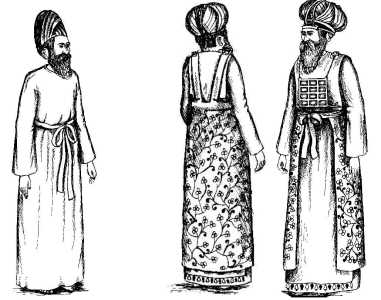
Regular Kohen on the left, Kohen HaGadol on the right (front and back)
-Chabad.org
(ד) וְאֶת־אַהֲרֹ֤ן וְאֶת־בָּנָיו֙ תַּקְרִ֔יב אֶל־פֶּ֖תַח אֹ֣הֶל מוֹעֵ֑ד וְרָחַצְתָּ֥ אֹתָ֖ם בַּמָּֽיִם׃ (ה) וְלָקַחְתָּ֣ אֶת־הַבְּגָדִ֗ים וְהִלְבַּשְׁתָּ֤ אֶֽת־אַהֲרֹן֙ אֶת־הַכֻּתֹּ֔נֶת וְאֵת֙ מְעִ֣יל הָאֵפֹ֔ד וְאֶת־הָאֵפֹ֖ד וְאֶת־הַחֹ֑שֶׁן וְאָפַדְתָּ֣ ל֔וֹ בְּחֵ֖שֶׁב הָאֵפֹֽד׃ (ו) וְשַׂמְתָּ֥ הַמִּצְנֶ֖פֶת עַל־רֹאשׁ֑וֹ וְנָתַתָּ֛ אֶת־נֵ֥זֶר הַקֹּ֖דֶשׁ עַל־הַמִּצְנָֽפֶת׃ (ז) וְלָֽקַחְתָּ֙ אֶת־שֶׁ֣מֶן הַמִּשְׁחָ֔ה וְיָצַקְתָּ֖ עַל־רֹאשׁ֑וֹ וּמָשַׁחְתָּ֖ אֹתֽוֹ׃ (ח) וְאֶת־בָּנָ֖יו תַּקְרִ֑יב וְהִלְבַּשְׁתָּ֖ם כֻּתֳּנֹֽת׃ (ט) וְחָגַרְתָּ֩ אֹתָ֨ם אַבְנֵ֜ט אַהֲרֹ֣ן וּבָנָ֗יו וְחָבַשְׁתָּ֤ לָהֶם֙ מִגְבָּעֹ֔ת וְהָיְתָ֥ה לָהֶ֛ם כְּהֻנָּ֖ה לְחֻקַּ֣ת עוֹלָ֑ם וּמִלֵּאתָ֥ יַֽד־אַהֲרֹ֖ן וְיַד־בָּנָֽיו׃
(4) Lead Aaron and his sons up to the entrance of the Tent of Meeting, and wash them with water. (5) Then take the vestments, and clothe Aaron with the tunic, the robe of the ephod, the ephod, and the breastpiece, and gird him with the decorated band of the ephod. (6) Put the headdress on his head, and place the holy diadem upon the headdress. (7) Take the anointing oil and pour it on his head and anoint him. (8) Then bring his sons forward; clothe them with tunics (9) and wind turbans upon them. And gird both Aaron and his sons with sashes. And so they shall have priesthood as their right for all time. You shall then ordain Aaron and his sons.
(כט) וּבִגְדֵ֤י הַקֹּ֙דֶשׁ֙ אֲשֶׁ֣ר לְאַהֲרֹ֔ן יִהְי֥וּ לְבָנָ֖יו אַחֲרָ֑יו לְמׇשְׁחָ֣ה בָהֶ֔ם וּלְמַלֵּא־בָ֖ם אֶת־יָדָֽם׃ (ל) שִׁבְעַ֣ת יָמִ֗ים יִלְבָּשָׁ֧ם הַכֹּהֵ֛ן תַּחְתָּ֖יו מִבָּנָ֑יו אֲשֶׁ֥ר יָבֹ֛א אֶל־אֹ֥הֶל מוֹעֵ֖ד לְשָׁרֵ֥ת בַּקֹּֽדֶשׁ׃
(29) The sacral vestments of Aaron shall pass on to his sons after him, for them to be anointed and ordained in. (30) He among his sons who becomes priest in his stead, who enters the Tent of Meeting to officiate within the sanctuary, shall wear them seven days.
What such specific descriptions?
Why does it matter what Aaron and his sons are wearing?
What do we do with these descriptions today?
(ח) ולהגדיל הבית עוד - הגדיל מעלת עובדיו ונבדלו 'הכהנים והלוים' וציוה להלביש ה'כוהנים' בגדים נאים ומלבושים יפים וטובים "בגדי קודש לכבוד ולתפארת" ושלא ישמש ב'עבודה' 'בעל מום' ולא בעל מום לבד אלא הכיעורים גם כן 'פוסלים' ב'כהנים' - כמו שהתבארה בתלמוד זאת ה'מצוה' - מפני שההמון לא יגדל אדם אצלם בצורתו האמיתית אלא בשלמות איבריו ויפי בגדיו; והמכוון - שתהיה לבית גדולה ותפארת אצל הכל.
(8) In order to raise the estimation of the Temple, those who ministered therein received great honour: and the priests and Levites were therefore distinguished from the rest. It was commanded that the priests should be clothed properly with beautiful and good garments, "holy garments for glory and for beauty" (Exod. 28:2). A priest that had a blemish was not allowed to officiate; and not only those that had a blemish were excluded from the service, but also--according to the Talmudic interpretation of this precept--those that had an abnormal appearance; for the multitude does not estimate man by his true form but by the perfection of his bodily limbs and the beauty of his garments, and the temple was to be held in great reverence by all.

ועשית בגדי קדש, הנה הבגדים שצוה לעשות היה כפי הגלוי בגדים חיצונים, שיספר ענינם איך עשו אותם האומנים במלאכה, אבל באמת היו מורים על בגדים פנימים שיעשו כהני ה' להלביש בם את נפשותיהם בדעות ובמדות ובתכונות טובות שהם מלבושי הנפש, ומלבושים אלה לא עשו האומנים, וצוה ה' אל משה שהוא יעשה בגדי קדש אלה, היינו ללמדם תקון נפשותיהם ומדותיהם באופן שילבישו הוד והדר את נפשם הפנימית. ופי' ועשית בגדי קדש לכבוד, כי התבאר אצלנו בכ"מ שנפש האדם נקראת בשם כבוד בכתבי הקדש [כמ"ש למען יזמרך כבוד וכדומה] תעשה בגדי קדש שבם יתלבש הכבוד שהיא הנפש, וכבר בארתי בפי' ישעיה (סימן ה') שיש הבדל בין כבוד ובין תפארת, שיכובד האדם גם במעלה טבעית אבל לא יתפאר רק במעלה בחירית, ומצד הרוחנית שיש לנפש בטבעה מצד מקור מחצבתה נקראת כבוד, ומצד האור וההדר שתזכה ע"י עבודתה וקדושתה נקראת תפארת, ושתי מדרגות אלה יתלבשו בבגדי קדש שיעשה להם משה, ר"ל שילמדם ויסייע אותם בזכותו להתלבש בלבושי יקר והדר ובזה יעשה בגדי קדש לנפש הנקראת כבוד ולנפש הנקראת תפארת:
And you shall make sacred garments: Behold, the garments that He commanded to make were ostensibly outer garments, such that their makeup is discussed - how the craftsmen are to make them with their work. But they really indicate inner clothes that the priests of God should make - to clothe their souls with thoughts and traits and proper tendencies, which are the clothes of the soul; and the craftsmen did not make those garments. But God commanded Moses that he should make these sacred garments - meaning to teach them how to refine their souls and traits, in such a way they will wear majesty and splendor upon their internal souls. And the explanation of "And you shall make sacred garments for glory," is that it is understood by us that every place that the soul of a man is called glory (as in Psalms 30:13, "In order that my glory sings"), you shall make sacred garments for the glory - meaning the soul - and I have already explained in my commentary to in Isiah (Chapter 5) that there is a distinction between glory and beauty, for a man is glorified also by his natural traits but is beautified only be his traits of volition. Corresponding to the spirituality within the soul naturally sourced in its depths is called glory, and corresponding to the light and splendor which one merits through divine service and its holiness is called beauty. And these two levels clothe in the holy garments that Moshe made, which is to say that he [Moshe] taught and aided them to merit to be garbed in precious garments and splendor and through this they "made holy garments" for the soul - which is called glory - and the soul - which is called beauty.

(ז) בָּרוּךְ אַתָּה יְהֹוָה אֱלֹהֵֽינוּ מֶֽלֶךְ הָעוֹלָם מַלְבִּישׁ עֲרֻמִּים:
(7) Blessed are You, Adonai our God, Ruler of the Universe, Who clothes the naked.
Who Clothes the Naked - The simple meaning of this blessing is to thank God for giving us clothing as protection against the elements. More profoundly, though, it refers to the gift of garments by God to Adam and Eve when they left Gan Eden. The human being was originally created naked. However, when he gave preeminence to the demands of his body and committed the sin of the eitz hadaas (Tree of Knowledge) in an animal-like fashion, it became necessary for Hakadosh Baruch Hu to clothe his body, which is similar to that of an animal so that he be ever cognizant of his superiority over the animals. The human being is the only creature on earth that has free will. He has the ability to overcome his animalistic urges. Clothing, then, symbolically distinguishes men from animals. Thus, the concept of tzenius (modesty) was born. One covers those portions of the body which humans have in common with the animals. However, the face, which portrays man's superiority over animals, and the hands, with which we control the world, need not be clothed.
דְּבֵיתְהוּ דְּרַבִּי יְהוּדָה נְפַקַת, נְקַטַת עַמְרָא, עֲבַדָה גְּלִימָא דְּהוּטְבֵי. כַּד נְפַקַת לְשׁוּקָא מִיכַּסְּיָא בֵּיהּ, וְכַד נָפֵיק רַבִּי יְהוּדָה לְצַלּוֹיֵי הֲוָה מִכַּסֵּי וּמְצַלֵּי. וְכַד מִיכַּסֵּי בֵּיהּ הֲוָה מְבָרַךְ ״בָּרוּךְ שֶׁעָטַנִי מְעִיל״.
An outer garment is called levusha, which is an acronym for lo busha, which means no shame, as one who is clothed is no longer ashamed.
A broad outer garment is called gelima, an allusion to the fact that, by wearing it, one is transformed into an amorphous golem-like figure, as his limbs are indistinguishable.
A beautiful coat is termed golta, which is an acronym for geli ve’eitiv, which means reveal, remove the coat, and only then I will sit, so that the coat will not get dirty.
[...]
(17) God donned Righteousness like a coat of mail, With a helmet of triumph on God head; God clothed God's self with garments of retribution, Wrapped God's self in zeal as in a robe.
