


Esther is lauded as a paragon of Jewish beauty. As Purim approaches, let us consider:
- What has Jewish female beauty looked like since the early twentieth century?
- What values do different beauty ideals demonstrate?
- What values are at play in public discourse on beauty?
(י) בַּיּוֹם֙ הַשְּׁבִיעִ֔י כְּט֥וֹב לֵב־הַמֶּ֖לֶךְ בַּיָּ֑יִן אָמַ֡ר לִ֠מְהוּמָ֠ן בִּזְּתָ֨א חַרְבוֹנָ֜א בִּגְתָ֤א וַאֲבַגְתָא֙ זֵתַ֣ר וְכַרְכַּ֔ס שִׁבְעַת֙ הַסָּ֣רִיסִ֔ים הַמְשָׁ֣רְתִ֔ים אֶת־פְּנֵ֖י הַמֶּ֥לֶךְ אֲחַשְׁוֵרֽוֹשׁ׃ (יא) לְ֠הָבִ֠יא אֶת־וַשְׁתִּ֧י הַמַּלְכָּ֛ה לִפְנֵ֥י הַמֶּ֖לֶךְ בְּכֶ֣תֶר מַלְכ֑וּת לְהַרְא֨וֹת הָֽעַמִּ֤ים וְהַשָּׂרִים֙ אֶת־יׇפְיָ֔הּ כִּֽי־טוֹבַ֥ת מַרְאֶ֖ה הִֽיא׃
(10) On the seventh day, when the king was merry with wine, he ordered Mehuman, Bizzetha, Harbona, Bigtha, Abagtha, Zethar, and Carcas, the seven eunuchs in attendance on King Ahasuerus, (11) to bring Queen Vashti before the king wearing a royal diadem, to display her beauty to the peoples and the officials; for she was a beautiful woman.
(ב) וַיֹּאמְר֥וּ נַעֲרֵֽי־הַמֶּ֖לֶךְ מְשָׁרְתָ֑יו יְבַקְשׁ֥וּ לַמֶּ֛לֶךְ נְעָר֥וֹת בְּתוּל֖וֹת טוֹב֥וֹת מַרְאֶֽה׃ (ג) וְיַפְקֵ֨ד הַמֶּ֣לֶךְ פְּקִידִים֮ בְּכׇל־מְדִינ֣וֹת מַלְכוּתוֹ֒ וְיִקְבְּצ֣וּ אֶת־כׇּל־נַעֲרָֽה־בְ֠תוּלָ֠ה טוֹבַ֨ת מַרְאֶ֜ה אֶל־שׁוּשַׁ֤ן הַבִּירָה֙ אֶל־בֵּ֣ית הַנָּשִׁ֔ים אֶל־יַ֥ד הֵגֶ֛א סְרִ֥יס הַמֶּ֖לֶךְ שֹׁמֵ֣ר הַנָּשִׁ֑ים וְנָת֖וֹן תַּמְרֻקֵיהֶֽן׃ (ד) וְהַֽנַּעֲרָ֗ה אֲשֶׁ֤ר תִּיטַב֙ בְּעֵינֵ֣י הַמֶּ֔לֶךְ תִּמְלֹ֖ךְ תַּ֣חַת וַשְׁתִּ֑י וַיִּיטַ֧ב הַדָּבָ֛ר בְּעֵינֵ֥י הַמֶּ֖לֶךְ וַיַּ֥עַשׂ כֵּֽן׃ {פ}
(2) The king’s servants who attended him said, “Let beautiful young virgins be sought out for Your Majesty. (3) Let Your Majesty appoint officers in every province of your realm to assemble all the beautiful young virgins at the fortress Shushan, in the harem under the supervision of Hege, the king’s eunuch, guardian of the women. Let them be provided with their cosmetics. (4) And let the maiden who pleases Your Majesty be queen instead of Vashti.” The proposal pleased the king, and he acted upon it.
(יז) וַיֶּאֱהַ֨ב הַמֶּ֤לֶךְ אֶת־אֶסְתֵּר֙ מִכׇּל־הַנָּשִׁ֔ים וַתִּשָּׂא־חֵ֥ן וָחֶ֛סֶד לְפָנָ֖יו מִכׇּל־הַבְּתוּל֑וֹת וַיָּ֤שֶׂם כֶּֽתֶר־מַלְכוּת֙ בְּרֹאשָׁ֔הּ וַיַּמְלִיכֶ֖הָ תַּ֥חַת וַשְׁתִּֽי׃
(17) The king loved Esther more than all the other women, and she won his grace and favor more than all the virgins. So he set a royal diadem on her head and made her queen instead of Vashti.
Is story (so far) most focused on Vashti, Esther, or Achashverosh? Who and what determine "beauty"?
How have you understood Esther's beauty differently at different times in your life?
Vashti and Esther are both described as beautiful, but their beauty affects their lives very differently. In what ways have you experienced moments like Vashti's beauty and in what ways have you experienced Esther's?
Beauty Queen Competition poster
Jerusalem, 1929
Jerusalem, 1929

Photo courtesy of the National Library of Israel, 2007, https://bit.ly/3kmp0ER
Beauty Queen Competition poster
Tel Aviv, 1929
Tel Aviv, 1929
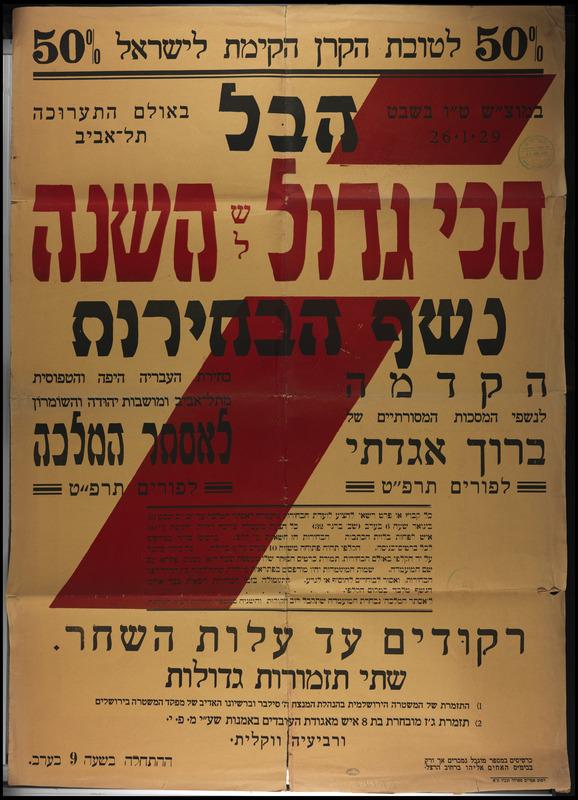
Invitation to a Purim Election Ball in Tel Aviv, 1929. The National Library poster collection. https://blog.nli.org.il/en/queen_esther/
Jewish beauty in British Palestine of the 1920s reflected the varied cultural backgrounds of Jews who had immigrated and not yet assimilated to any singular cultural standard. The first "Queen Esther Election Ball" was organized in Tel Aviv by Baruch Agadati in 1926 to model beautiful Jewish women and raise money for the Jewish National Fund. Each year, a different community was chosen; one year there might be a Bukharan Queen Esther, the next year a Yemeni Queen Esther. Lyla Tchertkov, the first Queen Esther, attended the ball as a guest but was considered so beautiful the audience elected her without an official entry.
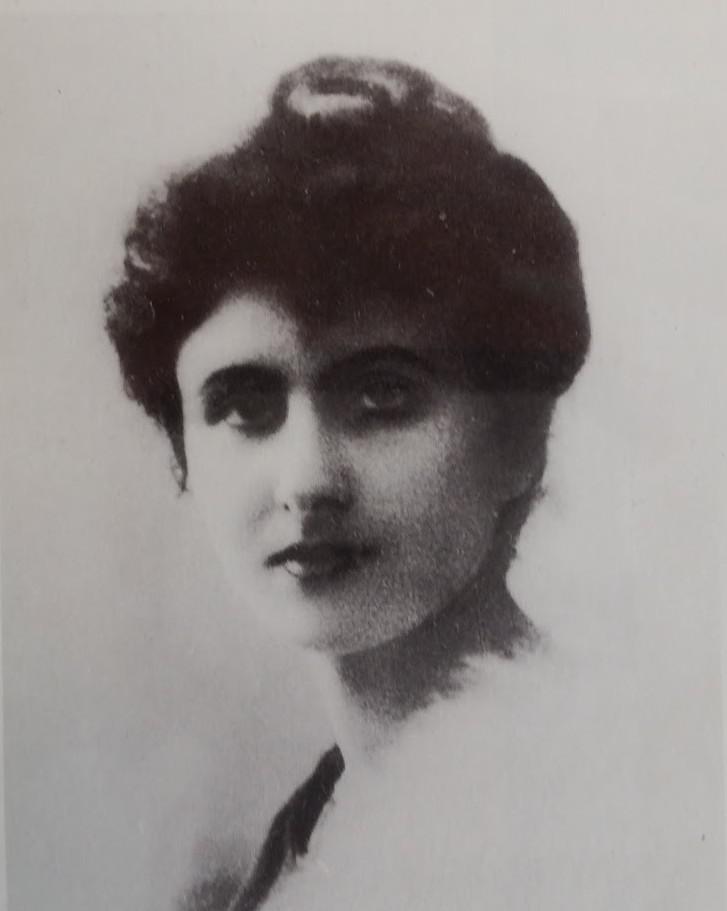
The first pageant winner, Lyla Tchertkov, 1926. From the collection of A. Tchertkov, Tel Aviv. https://blog.nli.org.il/en/queen_esther/
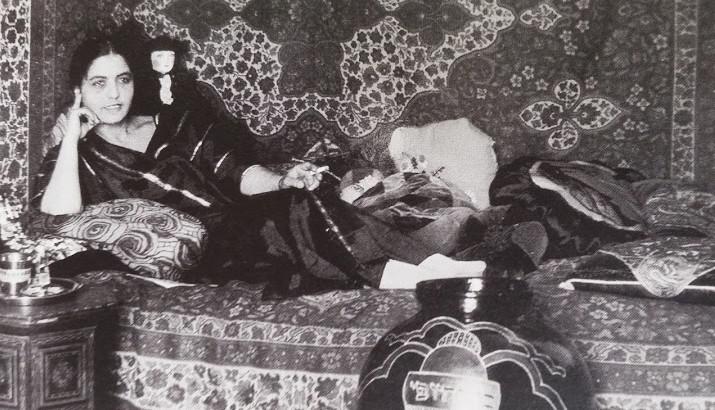
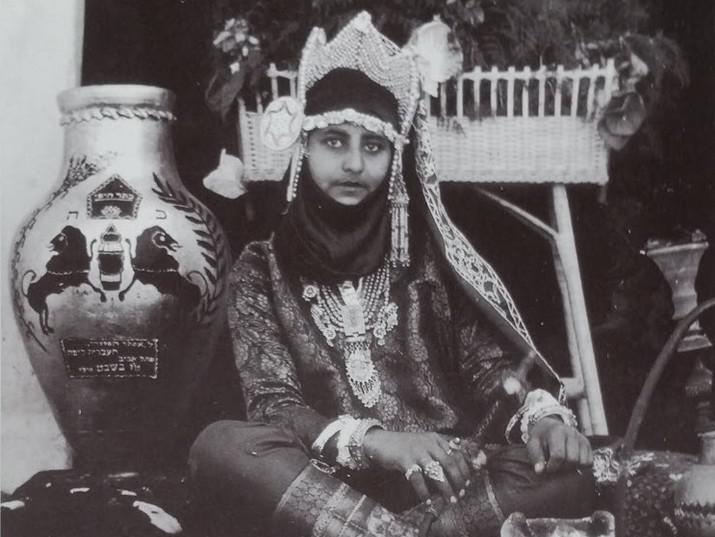
Tzipora Tzabari, the third Queen Esther, 1928. Photo: S. Korbman, the Museum of the History of Tel Aviv-Yafo Collection. https://blog.nli.org.il/en/queen_esther/
"The Esther Aesthetic and Jewish Beauty Queens in Early Twentieth-Century America"
Shaina Trapedo, Esther in America
The competition was quickly criticized - within a few years, newspapers received angry letters and posters were posted around Tel Aviv. Critics such as Rav Kook saw the balls as shallow, immoral, and against the goals of a community that sought to become a model state, and asked Mayor Dizengoff to cancel the "monster of the selection of a beauty queen from among Eretz Israeli Judaism." By 1930, Queen Esther Election Balls were banned in the Palestine Jewish community.
Where were such beauty pageants going strong? The United States. In the interwar period, Jewish women in America were awash in the different streams of women's suffrage, Eastern European Jewish mass migration, and a rise of women in the workplace. Film and music were diversifying, but the new non-White voices and faces were foils unto White heroes and heroines. The question of who was truly American and what America looked like began to take shape in the cultural mainstream. Against this backdrop, the Jewish National Workers' Alliance hosted its first Queen Esther Pageant in 1929. By 1933, the pageant finale was held in Madison Square Garden in front of 22,000 spectators.
Shaina Trapedo, Esther in America
The competition was quickly criticized - within a few years, newspapers received angry letters and posters were posted around Tel Aviv. Critics such as Rav Kook saw the balls as shallow, immoral, and against the goals of a community that sought to become a model state, and asked Mayor Dizengoff to cancel the "monster of the selection of a beauty queen from among Eretz Israeli Judaism." By 1930, Queen Esther Election Balls were banned in the Palestine Jewish community.
Where were such beauty pageants going strong? The United States. In the interwar period, Jewish women in America were awash in the different streams of women's suffrage, Eastern European Jewish mass migration, and a rise of women in the workplace. Film and music were diversifying, but the new non-White voices and faces were foils unto White heroes and heroines. The question of who was truly American and what America looked like began to take shape in the cultural mainstream. Against this backdrop, the Jewish National Workers' Alliance hosted its first Queen Esther Pageant in 1929. By 1933, the pageant finale was held in Madison Square Garden in front of 22,000 spectators.
Who comes to mind when you think of Jewish American beauty models?
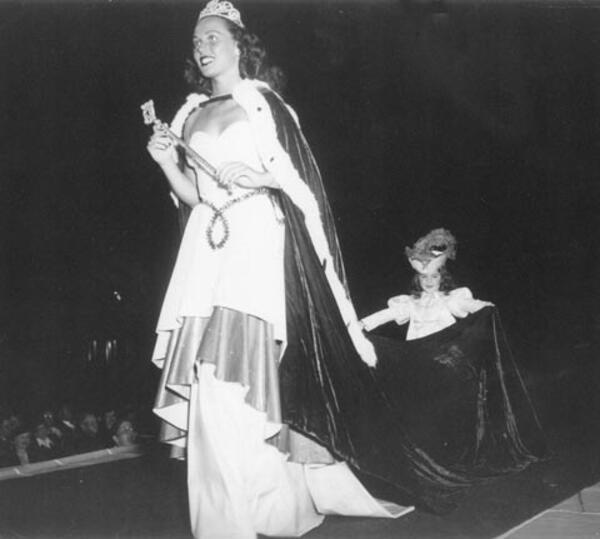
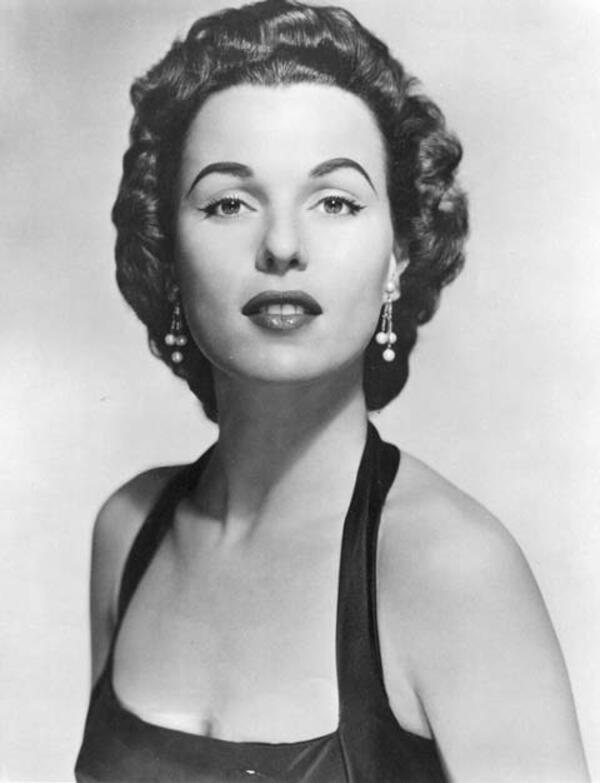
Photos above of Bess Myerson, courtesy of the Miss America Foundation, retrieved from the Jewish Women's Archive, https://jwa.org/encyclopedia/article/myerson-bess
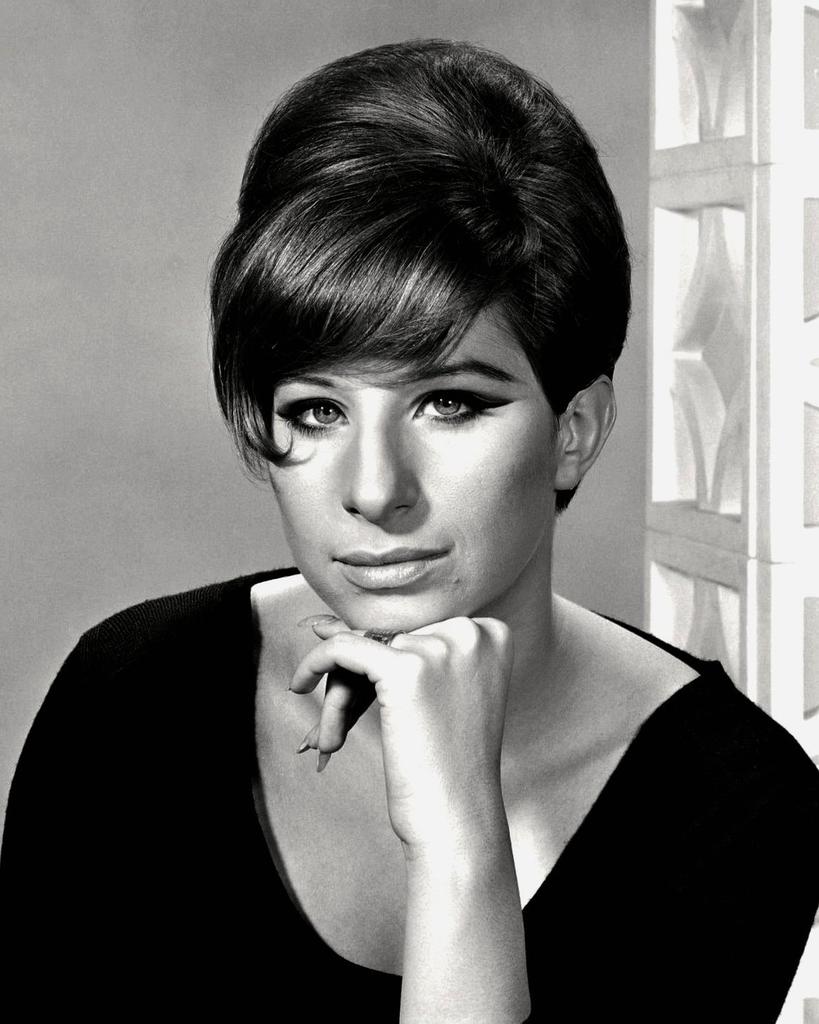
How much do our standards of beauty come from our Jewish tradition versus the non-Jewish world around us? What does Jewish tradition say about beauty?
The first place to look is Proverbs 31, Eshet Chayil, which describes the ideal woman. It has one explicit mention of beauty:
The first place to look is Proverbs 31, Eshet Chayil, which describes the ideal woman. It has one explicit mention of beauty:
(ל) שֶׁ֣קֶר הַ֭חֵן וְהֶ֣בֶל הַיֹּ֑פִי אִשָּׁ֥ה יִרְאַת־יְ֝הֹוָ֗ה הִ֣יא תִתְהַלָּֽל׃
(30) Grace is deceptive,
Beauty is illusory;
It is for her fear of the LORD
That a woman is to be praised.
Beauty is illusory;
It is for her fear of the LORD
That a woman is to be praised.
Even as we turn back to Megillat Esther, our tradition says that beauty comes from the godliness within.
אסתר דכתיב (אסתר ה, א) ויהי ביום השלישי ותלבש אסתר מלכות בגדי מלכות מיבעי ליה אלא שלבשתה רוח הקדש כתיב הכא ותלבש וכתיב התם (דברי הימים א יב, יט) ורוח לבשה את עמשי וגו'
Esther was also a prophetess, as it is written: “And it came to pass on the third day that Esther clothed herself in royalty” (Esther 5:1). It should have said: Esther clothed herself in royal garments. Rather, this alludes to the fact that she clothed herself with a divine spirit of inspiration. It is written here: “And she clothed herself,” and it is written elsewhere: “And the spirit clothed Amasai” (I Chronicles 12:19). Just as there the reference is to being enclothed by a spirit, so too Esther was enclothed by a spirit of divine inspiration.
״וַיְהִי אוֹמֵן אֶת הֲדַסָּה״, קָרֵי לַהּ ״הֲדַסָּה״ וְקָרֵי לַהּ ״אֶסְתֵּר״? תַּנְיָא, רַבִּי מֵאִיר אוֹמֵר: אֶסְתֵּר שְׁמָהּ, וְלָמָּה נִקְרָא שְׁמָהּ הֲדַסָּה — עַל שֵׁם הַצַּדִּיקִים שֶׁנִּקְרְאוּ הֲדַסִּים. וְכֵן הוּא אוֹמֵר: ״וְהוּא עוֹמֵד בֵּין הַהֲדַסִּים״.
The verse states: “And he had brought up Hadassah, that is, Esther” (Esther 2:7). She is referred to as “Hadassah” and she is referred to as “Esther.” What was her real name? It is taught in a baraita that the Sages differed in their opinion as to which was in fact her name and which one was a description: Rabbi Meir says: Esther was her real name. Why then was she called Hadassah? On account of the righteous, who are called myrtles [hadassim], and so it states: “And he stood among the myrtles [hahadassim]” (Zechariah 1:8).