


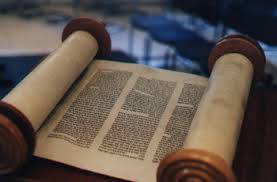
TRANSLITERATION
Baruch atah, Adonai Eloheinu, Melech haolam, asher kid’shanu b’mitzvotav v’tzivanu laasok b’divrei Torah.
TRANSLATION
Blessed are You, Adonai our God, Sovereign of all, who hallows us with mitzvot, commanding us to engage with words of Torah.
Rosh Chodesh Adar - when Adar enters, joy increases.
- Idea of giving gifts toward a communal project for Israelites at this stage - Are they still in a slave mindset? Survival/hoarding or are they evolving?
- Focus on the specific gifts God asks for
(1) זהב וכסף ונחשת וגו׳ GOLD AND SILVER AND COPPER etc. — All these came (were brought) as voluntary gifts, each person giving as the heart prompted them, except that silver which was brought by all in equal quantities (cf. Rashi above), a half shekel by each person. For we do not find in the account of the entire work connected with the Tabernacle that any silver was needed for the work there described in detail over and above this, for it is said, (Exodus 38:25-26) “And the silver of them who were numbered of the congregation [was an hundred talents, etc.] … a beka for every man etc.” and vv. 27 and 28 inform us that of this silver were made the Sockets and the hooks. Of the other silver which came (was brought) there, as a free-will gift they made the holy vessels (lit., vessels for service), and it is this silver that is referred to in this verse and which is stated in the preceding verse as having been brought voluntarily.
- What is the real offering, the physical items? Does God really 'need' physical items (except as a part from the plan to create the Mishkan), or is there a more fundamental spiritual context present here?
- Let's look at an example re: sacrifice - does God 'need' sacrifice...hopefully this isn't too much of a tangent...
(א) וירח ה', דברה תורה כלשון בני אדם ודרך משל הוא כמו שאמר (תהלים נ') "האוכל בשר אבירים" ור"ל שקבלה ברצון וערבה לו, וטעם הקבלה שהוריד אש מן השמים ואכלה להודיעו כי רצה בבריאת הנותרים מן המבול ושמח בהם, כמו שנאמר (תהלים ק"ד) "ישמח ה' במעשיו" הפך מה שאמר בדור המבול ויתעצב אל לבו, כי ידע כי לא יהיה בעולם עוד כמו אותו הדור. (ב) הניחח, שם בשקל ניצוץ, וטעמו שהניח כעס האל בעולם. (ג) ויאמר ה' אל לבו, ראה בשכלו שלא ישחית עוד את האדמה כי לא יהיה עוד רעים רבים, ויוסרו מדור המבול שיהיה קבלה בידם דור אחר דור ולא יהיו עוד רבים רעים ולא ישחית הכלל בעבור הפרט, ואם יהיה הפרט רע כולו, ישחיתם כמו שעשה בסדום. (ד) בעבור האדם, כי יסופו הרעים בבני אדם ותעמוד האדמה לטובים ואם תשחת קצת האדמה עם הרעים כמו ארץ סדום שנשחתה עם אנשיה, אין בה השחתת אדמה אם מעט מן האדמה תשחת כמו ערי הככר, ויחשבו כמו מקומות הנשקעים הם ואנשיהם. (ה) כי יצר לב האדם רע מנעוריו, קראו יצר לפי שנוצר עמו, ואמר מנעוריו, כי יצר הרע הוא באדם קודם יצר הטוב, כי אין בו יצר טוב בפועל עד שיגדל ויקנהו מעט מעט כמו שאמר "ואיש נבוב ילבב ועיר פרא אדם יולד" (איוב י״ד:א׳) פירש עיר פרא, הוא האדם שנולד והוא נבוב בלא לב כלומר בלא שכל ואח"כ ילבב כלומר קונה לב מעט מעט, וכיון שיצר האדם רע, כי כן ראיתי בחכמתי לברא אותו, כי כן צריך לפי טבע המציאות הוא חוטא ברוב אם לא אחד מני אלף, לפיכך לא אוסיף עוד...
(1) 'וירח ה, the Torah uses a figure of speech to facilitate our understanding of G’d’s reaction, seeing that G’d has no nose and therefore cannot smell in the accepted sense of the word. When in Psalms 50,13 the psalmist speaks of G’d asking if He would “eat the flesh of bulls, or drink the blood of he goats,” this is also a figure of speech, of course. David most certainly did not suggest that such a thing were possible in the literal meaning of the words. The meaning of such phrases is that the offerings were pleasing to G’d as if, if we had been speaking of human beings, they smelled good and tasted good. The proof that G’d had accepted the offering and was well disposed toward all His creatures was the fire which descended from heaven and consumed the offerings. This is what David referred to in Psalms 104,31 when he described G’d as ישמח ה' במעשיו, “that the Lord took pleasure in His creatures,” as opposed to Genesis 6,7 when we were told ויתעצב ה' אל לבו, “that the Lord was saddened in His heart.” (2) את ריח הניחוח, a noun belonging to the same category as ניצוץ in Isaiah 1,31 meaning that Noach had succeeded in calming down G’d’s anger at the world, (His creatures). (3) ויאמר ה' אל לבו, He foresaw in His mind that He would not again have to wreak wholesale destruction on earth seeing that it would not happen again that the majority of the human species would be as depraved as those before the deluge. The report of what happened during the generation of the deluge was handed down from generation to generation and served as a warning against man again becoming as corrupt as at that time. G’d would not again punish the community at large on account of depraved individuals, but He would punish all the individuals who are wicked, as He demonstrated when He destroyed Sodom and its satellites. (4) בעבור האדם, on account of the wicked people among mankind; rather those will be killed so that the earth will be at the disposal of the good people. If small parts of the earth would indeed be destroyed as happened in the case of Sodom and that part of the Jordan valley, this cannot be considered as a destruction of the earth. Such destructions will be understood as the destruction of that particular population including the earth they had dwelled on.
(1) V’ZOTH’ (AND THIS) IS THE OFFERING. By way of the Truth, [the mystic lore of the Cabala], this is like the expression, And the Eternal gave Solomon wisdom. It is also written: ‘v’zoth’ (and this) is it that their father spoke unto them and blessed them; ‘v’zoth’ (and this) is the blessing; the Eternal’s doing is ‘zoth’ (this). The Rabbis have already alluded to this in Bereshith Rabbah on the basis of the verse, I understand from the elders. The discerning student will understand.
And in Eileh Shemoth Rabbah the Rabbis have said: “And this is the offering which ye shall take of them — this refers to the congregation of Israel, which is the heave-offering, as it is said, Israel is the Eternal’s hallowed portion, His first-fruits of the increase.” And it is also said there: “The Holy One, blessed be He, said to Israel: I have sold you My Torah; and I, as it were, was sold with it, for it is said, ‘v’yikchu li terumah’” [which the Midrash takes to mean: “and they shall acquire Me as an offering”]. For the offering shall be Mine, and I am with it, similar to: My beloved is mine, and I am his. Similarly, He said, according to all that I show thee, for it is I who show [the pattern of the Tabernacle, and the pattern of all its vessels]. The statement, it hath been shown to thee, also alludes to the word “I”; similarly, which is being shown to thee. And so did David say, All this [do I give thee] in writing, as the Eternal hath made me wise by His hand upon me, for the hand of G-d was upon David [to show him the pattern of the Sanctuary and of all its works].
- According to the Midrash: The Mishkan is a group project and also a miracle - its construction requires donations/skilled craftspeople and also God's help
- Is this a way to characterize events at this stage - collaboration between God and humanity, with God seeking to empower the people to take leadership attitudes and roles?
Tanchuma Buber, Pekudei 8:1
- What is a 'tachash'?
Fun with JPS...
Or “dugong”; meaning of Hebrew taḥash uncertain.
(1) [They were dyed] red after they were tanned. [Rashi knows this] because if they were naturally red, it should say אֲדוּמִים , [not מְאָדָמִים ]. (2) A kind of animal which existed only. . . [Question: Does it not say in Yechezkel 16:10 that they made shoes from tachash leather all the forty years that they were in the desert? The answer is:] The tachash of Yechezkel was a species of impure animal called Tala Ilan (Shabbos 28a). (3) Where did they get it in the desert. . . [Rashi asks this] because it is written in Yeshaya 41:19: “I will place cedar, acacia. . . in the desert,” implying that in the future it will be so, but now it is not. (R. Noson)
CONSTRUCTING A MISHKAN
Reb Noson concludes his explanation of Moshe’s ability to find good even in the least worthy Jew, and how Moshe then used those good points to construct the Mishkan as a tikkun for their sin with the golden calf.
And so HaShem became favorably disposed towards Moshe as a result of his finding good in every Jew even after the incident of the golden calf. For Moshe was the embodiment of good, as expressed in the verse “She saw that he was good.” And therefore Moshe had the inherent ability to always find the good in everyone—even in the willful sinners of the Jewish people. Through this HaShem was placated, and then He commanded the Jewish people regarding the construction of the Mishkan as a tikkun for their sin. Each Jew was to contribute towards the Mishkan’s construction according to the generosity of his heart. For Moshe would rouse the good in each person, and each person, commensurate with his good, contributed to the construction of the Mishkan according to the generosity of his good heart.
- Constructing Mishkan is a tikkun for the golden calf
- Using precious metals to create a home for God with no images of any living thing
- Possibly a tikkun also for Israelites who lived in a culture where animals were worshipped?
- How can a group project bring out the good in participants?