


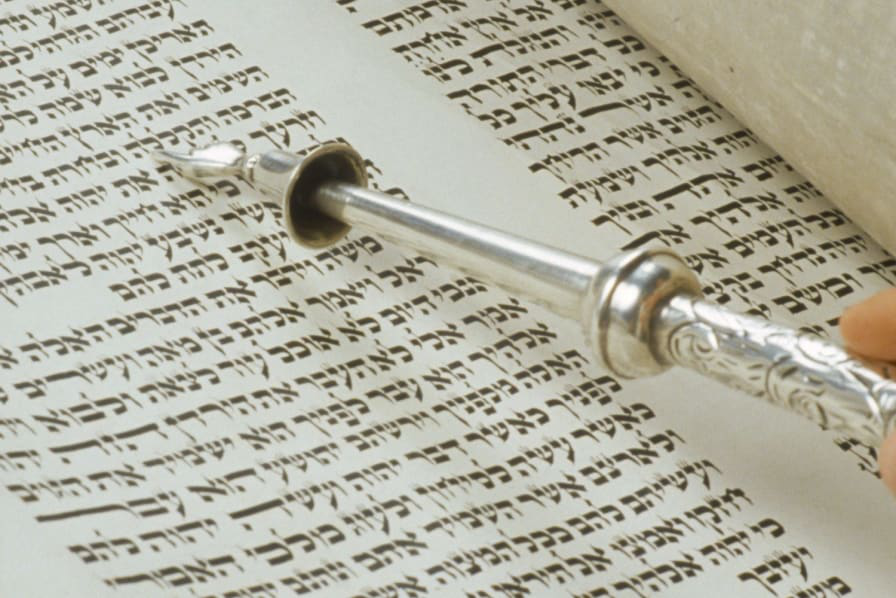
(א) אָ֣ז יָשִֽׁיר־מֹשֶׁה֩ וּבְנֵ֨י יִשְׂרָאֵ֜ל אֶת־הַשִּׁירָ֤ה הַזֹּאת֙ לַֽיהֹוָ֔ה וַיֹּאמְר֖וּ לֵאמֹ֑ר אָשִׁ֤ירָה לַֽיהֹוָה֙ כִּֽי־גָאֹ֣ה גָּאָ֔ה ס֥וּס וְרֹכְב֖וֹ רָמָ֥ה בַיָּֽם׃ (ב) עׇזִּ֤י וְזִמְרָת֙ יָ֔הּ וַֽיְהִי־לִ֖י לִֽישׁוּעָ֑ה זֶ֤ה אֵלִי֙ וְאַנְוֵ֔הוּ אֱלֹהֵ֥י אָבִ֖י וַאֲרֹמְמֶֽנְהוּ׃ (ג) יְהֹוָ֖ה אִ֣ישׁ מִלְחָמָ֑ה יְהֹוָ֖ה שְׁמֽוֹ׃ (ד) מַרְכְּבֹ֥ת פַּרְעֹ֛ה וְחֵיל֖וֹ יָרָ֣ה בַיָּ֑ם וּמִבְחַ֥ר שָֽׁלִשָׁ֖יו טֻבְּע֥וּ בְיַם־סֽוּף׃
(1) Then Moses and the Israelites sang this song to יהוה. They said:
I will sing to יהוה, for He has triumphed gloriously; Horse and driver He has hurled into the sea.
(2) יהוה is my strength and might; He is become my deliverance. This is my God and I will enshrine Him; The God of my father’s [house], and I will exalt Him.
(3) יהוה, the Warrior— יהוה is His name!
(4) Pharaoh’s chariots and his army He has cast into the sea; And the pick of his officers Are drowned in the Sea of Reeds.
YHWH is his name!
(א) ה' איש מלחמה. בַּעַל מִלְחָמוֹת, כְּמוֹ "אִישׁ נָעֳמִי" (רות א'), וְכָל אִישׁ וְאִישֵׁךְ מְתֻרְגָּמִין בַּעַל, וְכֵן "וְחָזַקְתָּ וְהָיִיתָ לְאִישׁ" (מלכים א ב') – לְגִבּוֹר:
(ב) ה' שמו. מִלְחֲמוֹתָיו לֹא בִּכְלֵי זַיִן אֶלָּא בִּשְׁמוֹ הוּא נִלְחָם; כְּמוֹ שֶׁאָמַר דָּוִד "וְאָנֹכִי בָא אֵלֶיךָ בְּשֵׁם ה' צְבָאוֹת" (שמואל א י"ז). דָּבָר אַחֵר, ה' שמו – אַף בְּשָׁעָה שֶׁהוּא נִלְחָם וְנוֹקֵם מֵאוֹיְבָיו, אוֹחֵז הוּא בְּמִדָּתוֹ לְרַחֵם עַל בְּרוּאָיו וְלָזוּן אֶת כָּל בָּאֵי עוֹלָם; וְלֹא כְמִדַּת מַלְכֵי אֲדָמָה כְּשֶׁהוּא עוֹסֵק בְּמִלְחָמָה פּוֹנֶה עַצְמוֹ מִכָּל עֲסָקִים וְאֵין בּוֹ כֹּחַ לַעֲשׂוֹת זוֹ וְזוֹ (מכילתא):
(1) ה' איש מלחמה means Master of war; just as, (Ruth 1:3) “the איש (i. e. the master) of Naomi”. (Cf. Rashi on that verse). Wherever the words איש and אישך occur they must be translated by בעל - husband / master; so, too, (1 Kings 2:2) “Be thou strong and show thyself an איש” — a mighty person.
(2) ה' שמו — God's wars are not with weapons but God fights by means of the Divine Name, just as David said, (I Samuel 17:45) “But I come against thee in the name of the Eternal of Hosts”.
Another explanation of ה׳ שמו — even at the time when God battles against and takes revenge upon God's enemies, God retains the Divine attribute of showing mercy to God's creatures and feeding all the inhabitants of the world. And this is not like human kings, who when they are engaged in war turnsaside from all other engagements, and don't have the power to do both this and that (cf. Mekhilta d'Rabbi Yishmael 15:3).
THE LORD IS A MAN OF WAR. For God supports those who cleave to God, and is a Man of War to God's enemies.
[MAN.] The word ish (man) is like the essence of the thing, as we see in reference to the stars, ish lo nedar (not one fails) (Is. 40:26); and in reference to the Chayot ish el ever panav yelekhu (they went every one straight forward) (Ezek. 1:9); and in reference to the angels, ve-ha-ish gavriel (the man Gabriel) (Dan. 9:21). The meaning of ish milchamah (a man of war) thus is, a master of war. It is similar to the term ish emunim (a faithful man) (Prov. 20:6), the meaning of which is, a person imbued with faith.
ה' איש מלחמה, ה' שמו, even though God at times appears as the warrior who destroys foes by invoking the attribute of Justice, in any case, "YHVH is His name" the aspect of mercy. It is this attribute which is responsible for the continued existence of all God's creatures. And in effect God is removing thorns from the vineyard which destroy the world.
(א) וַיְהִ֤י הַגּוֹרָל֙ לְמַטֵּ֣ה מְנַשֶּׁ֔ה כִּי־ה֖וּא בְּכ֣וֹר יוֹסֵ֑ף לְמָכִיר֩ בְּכ֨וֹר מְנַשֶּׁ֜ה אֲבִ֣י הַגִּלְעָ֗ד כִּ֣י ה֤וּא הָיָה֙ אִ֣ישׁ מִלְחָמָ֔ה וַֽיְהִי־ל֖וֹ הַגִּלְעָ֥ד וְהַבָּשָֽׁן׃
וַיַּעַן֩ אֶחָ֨ד מֵהַנְּעָרִ֜ים וַיֹּ֗אמֶר הִנֵּ֨ה רָאִ֜יתִי בֵּ֣ן לְיִשַׁי֮ בֵּ֣ית הַלַּחְמִי֒ יֹדֵ֣עַ נַ֠גֵּן וְגִבּ֨וֹר חַ֜יִל וְאִ֧ישׁ מִלְחָמָ֛ה וּנְב֥וֹן דָּבָ֖ר וְאִ֣ישׁ תֹּ֑אַר וַיהוָ֖ה עִמּֽוֹ׃
One of the attendants spoke up, “I have observed a son of Jesse the Bethlehemite who is skilled in music; he is a stalwart fellow and a warrior, sensible in speech, and handsome in appearance, and the Eternal is with him.”
This verse has many text-critical variants for the phrase “man of war.” The Samaritan Pentateuch reads גיבור במלחמה “a hero in war”; the LXX reads συντρίβων πολέμους, “when he breaks wars,” which seems to reflect a Hebrew of שֹׁבֵר מלחמות. Similarly, the Vetus Latina reads conterens bella “when he crushes wars.” The Syriac Peshitta reads the terms as separate adjectives: ܓܢܒܪܐ݁ ܘܩܪܒܬܢܐ݂ [גנברא וקרבתנא] “heroic and warlike.” The Latin Vulgate reads vir pugnator, “a man of war/fighting,” like the MT. All of these versions, however, understand the text as describing YHWH as a warrior.
The gods of other ancient Near Eastern polities also accompanied their people into battle.
Ashur
In the Great Inscription of King Tukulti-Ninurta I of Assyria (ca. 1241-1206 B.C.E.), the king describes how the god Ashur gave him power to “slay his enemies” and take control of the neighboring lands:
I:21–36 I set my foot upon the neck of the lands (and) shepherded like a herd the extensive black-headed people (namely, the local population). He (Ashur) taught me just decisions. Since I feared all the Anunnaku-gods and cared (literally, knew) about the gods, all my enemies he (Ashur) subdued under my feet.
Tukulti-Ninurta more specifically states that Ashur and the other gods give power to his weapons and even accompany him on campaign:
II:5–14 At that time, with the strong might of Ashur, my lord, with trust in the great gods, who open up my weapons (and) go by my right side, I marched in one direction after another, through the narrow passages (and) the difficult, rocky mountains.
Teshub, the Hittite Storm-God
A starker image of divine involvement appears in the Ten-Year Annals of King Muršili of Hatti, which tells how, during the third year of his reign, Teshub, the Hittite Storm-God, attacked Muršili’s enemies with lightning bolts, causing the enemy king, Uhhaziti, to panic:
When I had gone and when I had arrived in Lawaša, the victorious Storm-god, my lord, showed his divine power. He shot a lightning bolt. My troops saw the lightning bolt and the land of Arzawa saw it. The lightning bolt went and struck Arzawa. It struck Apāša (Ephesus?), the city of Uhhaziti. Uḫḫaziti fell on his knees and became ill. When Uhhaziti became ill, he did not subsequently come against me for battle.
I am sure, I mentioned the following mashal, an analogy, already once before: To me the Torah is like a good old Bagel. You know: the donuts with the big hole in the middle. A bagel is only a bagel because of this hole. No hole, no bagel. And this is somehow true for the Torah as well. The Torah works only, because it shows us all the aspects of life without sparing the downsides. War, famine, hate are as much part of this world, as peace, prosperity and love. For me one of the most important messages of the Torah is that we shouldn’t have unrealistic dreams of a world without darkness, rather to learn how we can cope with the reality, and to keep the scale between good and bad a little bit more on the good side. A just society acknowledges that bad things happen, and evil exists, without giving up.
And here we come to understand what that difficult verse: “Adonai ish milchama” – “God is a man of war” may mean. The Israelites have just experienced in a wondrous, spectacular manner how God has taken them out of the land of Egypt. They have suffered enough, and now they are only seeking peace and tranquility. But the Torah finds it necessary to warn us: don’t think the battle for freedom is over! In some way, it has only just begun. In the biblical narrative the Israelites are about to have to fight for their survival. Battles with Amalek and Amon and Moav and the Caananites are going to take place in the years to come …
Judaism has never been a pacifistic faith, but it has almost never cultivated a warrior culture... What are we to make of a God who celebrates life, yet here willingly administers early, violent death wholesale?
There is a very interesting linguistic piece to this puzzle. The name of God usually associated with judgment and punishment in Jewish tradition is Elohim. But powerfully, and strangely, the holiest name of God, the four-letter Tetragrammaton YHVH, is used 10 separate times in the Song of Moses, perhaps echoing the 10 plagues this same God wrought against the Egyptians.
A couple of weeks ago, in Shemot, God revealed God’s own essence to Moses in the Burning Bush episode, telling him that he was now to be known to Moses uniquely by this special YHVH name. There, it was an indication of intimacy. Now, three weeks and twelve chapters later, the name is repeated again and again in the context of martial power and violent action.
The name YHVH is usually understood to be combination of the three forms of the verb “to be” in Hebrew, was, is, will be, past, present, and future. It implies that God represents unlimited potential, beyond time and space, beyond space time, and has unlimited power. The name, YHVH is associated with great power and unassailable sanctity...
Perhaps the hidden lesson here is that God, YHVH, the All-Powerful, All-Potential is supposed to be the only dispenser of divine justice, violent or otherwise. We mere human beings are essentially a passive audience watching divine retribution enacted. Just as B’Shalach tells us that God is the only One who truly heals, Ani Adonai (YHVH) Rofecha , so the Az Yashir is telling us that God is the only true warrior empowered to wreak vengeance. Justice is needed, but it is God and only God who has the capacity to enforce it when necessary.