
Save "Parasha Insights

Mirror Image (Beshalach)

Rav Moshe Shapiro zt"l
"
Parasha Insights Mirror Image (Beshalach) Rav Moshe Shapiro zt"l
Unique Name
(יד) וַיֹּ֤אמֶר יְהֹוָה֙ אֶל־מֹשֶׁ֔ה כָּבֵ֖ד לֵ֣ב פַּרְעֹ֑ה מֵאֵ֖ן לְשַׁלַּ֥ח הָעָֽם׃ (טו) לֵ֣ךְ אֶל־פַּרְעֹ֞ה בַּבֹּ֗קֶר הִנֵּה֙ יֹצֵ֣א הַמַּ֔יְמָה וְנִצַּבְתָּ֥ לִקְרָאת֖וֹ עַל־שְׂפַ֣ת הַיְאֹ֑ר וְהַמַּטֶּ֛ה אֲשֶׁר־נֶהְפַּ֥ךְ לְנָחָ֖שׁ תִּקַּ֥ח בְּיָדֶֽךָ׃ (טז) וְאָמַרְתָּ֣ אֵלָ֗יו יְהֹוָ֞ה אֱלֹהֵ֤י הָעִבְרִים֙ שְׁלָחַ֤נִי אֵלֶ֙יךָ֙ לֵאמֹ֔ר שַׁלַּח֙ אֶת־עַמִּ֔י וְיַֽעַבְדֻ֖נִי בַּמִּדְבָּ֑ר וְהִנֵּ֥ה לֹא־שָׁמַ֖עְתָּ עַד־כֹּֽה׃
(14) And יהוה said to Moses, “Pharaoh is stubborn; he refuses to let the people go. (15) Go to Pharaoh in the morning, as he is coming out to the water, and station yourself before him at the edge of the Nile, taking with you the rod that turned into a snake. (16) And say to him, ‘יהוה, the God of the Hebrews, sent me to you to say, “Let My people go that they may worship Me in the wilderness.” But you have paid no heed until now.

ואמרת אליו ה' אלהי העברים נקרא עלינו למה קורא אותם עברים? על שום שעברו ים.

(ח) וַיֹּאמְר֣וּ אֵלָ֔יו הַגִּידָה־נָּ֣א לָ֔נוּ בַּאֲשֶׁ֛ר לְמִי־הָרָעָ֥ה הַזֹּ֖את לָ֑נוּ מַה־מְּלַאכְתְּךָ֙ וּמֵאַ֣יִן תָּב֔וֹא מָ֣ה אַרְצֶ֔ךָ וְאֵֽי־מִזֶּ֥ה עַ֖ם אָֽתָּה׃ (ט) וַיֹּ֥אמֶר אֲלֵיהֶ֖ם עִבְרִ֣י אָנֹ֑כִי וְאֶת־יְהֹוָ֞ה אֱלֹהֵ֤י הַשָּׁמַ֙יִם֙ אֲנִ֣י יָרֵ֔א אֲשֶׁר־עָשָׂ֥ה אֶת־הַיָּ֖ם וְאֶת־הַיַּבָּשָֽׁה׃

(8) They said to him, “Tell us, you who have brought this misfortune upon us, what is your business? Where have you come from? What is your country, and of what people are you?” (9) “I am a Ivri,” he replied. “I worship the LORD, the God of Heaven, who made both sea and land.”

We must devote our minds to try to understand the unique aspect of this miracle that causes it to establish a new name for the Jewish People. It is beyond all other miracles and events, none of which granted us a new name. The implication is that this miracle characterizes us - it became our very name. By crossing the Sea, we were established as another essence of being.
Song of the Sea
(טו) אָ֤ז נִבְהֲלוּ֙ אַלּוּפֵ֣י אֱד֔וֹם אֵילֵ֣י מוֹאָ֔ב יֹֽאחֲזֵ֖מוֹ רָ֑עַד נָמֹ֕גוּ כֹּ֖ל יֹשְׁבֵ֥י כְנָֽעַן׃ (טז) תִּפֹּ֨ל עֲלֵיהֶ֤ם אֵימָ֙תָה֙ וָפַ֔חַד בִּגְדֹ֥ל זְרוֹעֲךָ֖ יִדְּמ֣וּ כָּאָ֑בֶן עַד־יַעֲבֹ֤ר עַמְּךָ֙ יְהֹוָ֔ה עַֽד־יַעֲבֹ֖ר עַם־ז֥וּ קָנִֽיתָ׃ (יז) תְּבִאֵ֗מוֹ וְתִטָּעֵ֙מוֹ֙ בְּהַ֣ר נַחֲלָֽתְךָ֔ מָכ֧וֹן לְשִׁבְתְּךָ֛ פָּעַ֖לְתָּ יְהֹוָ֑ה מִקְּדָ֕שׁ אֲדֹנָ֖י כּוֹנְנ֥וּ יָדֶֽיךָ׃ (יח) יְהֹוָ֥ה ׀ יִמְלֹ֖ךְ לְעֹלָ֥ם וָעֶֽד׃ (יט) כִּ֣י בָא֩ ס֨וּס פַּרְעֹ֜ה בְּרִכְבּ֤וֹ וּבְפָרָשָׁיו֙ בַּיָּ֔ם וַיָּ֧שֶׁב יְהֹוָ֛ה עֲלֵהֶ֖ם אֶת־מֵ֣י הַיָּ֑ם וּבְנֵ֧י יִשְׂרָאֵ֛ל הָלְכ֥וּ בַיַּבָּשָׁ֖ה בְּת֥וֹךְ הַיָּֽם׃ {פ}
(15) Now are the clans of Edom dismayed;
The tribes of Moab—trembling grips them;
All the dwellers in Canaan are aghast.
(16) Terror and dread descend upon them;
Through the might of Your arm they are still as stone—
Till Your people cross over, יהוה,
Till Your people cross whom You have ransomed.
(17) You will bring them and plant them in Your own mountain,
The place You made to dwell in, יהוה,
The sanctuary, O my lord, which Your hands established.
(18) יהוה will reign for ever and ever! (19) For the horses of Pharaoh, with his chariots and riders, went into the sea; and יהוה turned back on them the waters of the sea; but the Israelites marched on dry ground in the midst of the sea.
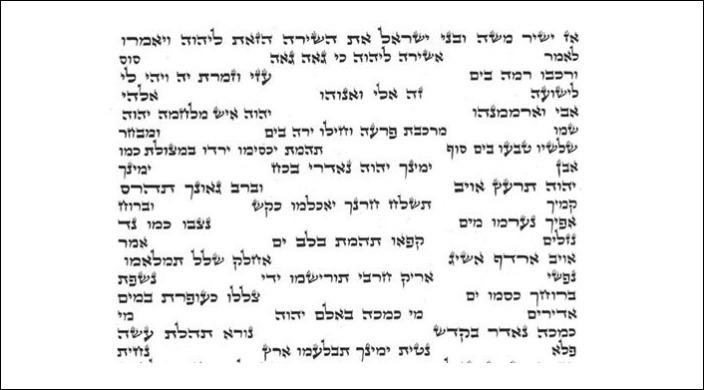
אָמַר רַבִּי חֲנִינָא בַּר פָּפָּא, דָּרֵשׁ רַבִּי שֵׁילָא אִישׁ כְּפַר תְּמַרְתָּא: כׇּל הַשִּׁירוֹת כּוּלָּן נִכְתָּבוֹת אָרִיחַ עַל גַּבֵּי לְבֵינָה וּלְבֵינָה עַל גַּבֵּי אָרִיחַ —
Rabbi Ḥanina bar Pappa said that Rabbi Sheila, a man of the village of Timarta, interpreted a verse homiletically: All of the songs in the Bible are written in the form of a half brick arranged upon a whole brick and a whole brick arranged upon a half brick, i.e., each line of the song is divided into a stitch of text, referred to as a half brick, which is separated by a blank space, referred to as a whole brick, from the concluding stitch of that line of text.
The implication is that [verse 19] is part of the song, but it is unclear why since it is only relating events.
Miracle Within Miracle
כי בא סוס פרעה. לפי דעתי גם זה הפסוק מהשיר להזכיר הפלא שעשה בתוך פלא כאשר פירשתי.
FOR THE HORSES OF PHARAOH. This verse is, in my opinion, part of the song. Its purpose is to recall the wonder within the wonder, which I have noted.

כי בא סוס פרעה ברכבו ובפרשיו אמר ר''א (אבן עזרא על שמות ט״ו:י״ט) שגם זה מן השירה, כי היו משוררים ואומרים כי בא סוס פרעה ברכבו ובפרשיו בים וישב עליהם את מי הים בעוד בני ישראל הולכים ביבשה בתוך הים, והוא נס בתוך נס...

FOR THE HORSES OF PHARAOH WENT IN WITH HIS CHARIOTS AND WITH HIS HORSEMEN. Rabbi Abraham ibn Ezra said that this verse is also part of the Song, for Moses and the children of Israel were singing and saying: For the horses of Pharaoh went in with his chariots and with his horsemen into the sea, and the Eternal brought back the waters of the sea upon them while the children of Israel were walking on dry land in the midst of the sea, this being a miracle within a miracle.

There is unique song for the miracle within a miracle that took place at the Splitting of the Sea. While the sea was being turned back over the Egyptians, and despite this, we walked on land - in the midst of the sea. It was not two separate places. It was one place. The very same place that was a sea for our pursuers was land for us. This is a miracle within a miracle...
At the end of the road, after all is said and done, there is special mention of a unique wonder. The Children of Israel walked on land in the midst of the sea, which was a miracle within a miracle.
Miraculous Existence
Our existence...is paradoxical and impossible. The fact that miracles happen to us is insufficient to express the wonder of our existence.
Miracles occur within the natural realm. Something opposes our existence, and the Creator performs miracles for us and saves us from it. But that our very existence should be within a miraculous realm and not integrated with the natural realm is beyond the standard classification of miracles.
In our minds, a miracle means being rescued in a given situation. We live in a very dangerous world and there is much hostility against us...in this concept of miracles, each rescue may be deemed another miracle.
But not upon such a miracle do we exist. Rather, the very bases of our existence is miraculous. We exist in a realm that has no place for us altogether. This means that from the aspect of the realm we live in, we do not exist. But we nonetheless exist.
The Splitting of the Sea
The sea is not a place for human existence. But at the Splitting of the Sea, a place was created for us in the sea.
Now, there are two options. The sea could split causing the place to cease being the sea. This would have been a one-time miracle. We now have a place, and it is accessible to anyone in the world. True, it became a place miraculously - the sea had split - but it is now just like any other place.
But this is not what happened. The place remained the sea, and there itself a form of existence was established for us, exclusively.
Our form oof existence is within a realm that considers our existence impossible, and to reiterate, this means that from its aspect, we do not exist. There is no existence in the sea. If someone exists there, it must not be the sea but a form of land. A place that is integrally a sea cannot sustain any human existence. It is a place of existence only for us.
...this fearsome mystery is the miracle within miracle that was revealed at the Splitting of the Sea. To exist miraculously in a system where existence is impossible is a miracle within a miracle.
Earned Title
(יג) וַיָּבֹא֙ הַפָּלִ֔יט וַיַּגֵּ֖ד לְאַבְרָ֣ם הָעִבְרִ֑י וְהוּא֩ שֹׁכֵ֨ן בְּאֵֽלֹנֵ֜י מַמְרֵ֣א הָאֱמֹרִ֗י אֲחִ֤י אֶשְׁכֹּל֙ וַאֲחִ֣י עָנֵ֔ר וְהֵ֖ם בַּעֲלֵ֥י בְרִית־אַבְרָֽם׃
(13) A fugitive brought the news to Abram the Hebrew, who was dwelling at the terebinths of Mamre the Amorite, kinsman of Eshkol and Aner, these being Abram’s allies.

רַבִּי יְהוּדָה אוֹמֵר כָּל הָעוֹלָם כֻּלּוֹ מֵעֵבֶר אֶחָד וְהוּא מֵעֵבֶר אֶחָד.

רַבִּי נְחֶמְיָה אָמַר שֶׁהוּא מִבְּנֵי בָּנָיו שֶׁל עֵבֶר.

וְרַבָּנָן אָמְרֵי שֶׁהוּא מֵעֵבֶר הַנָּהָר, וְשֶׁהוּא מֵשִׂיחַ בִּלְשׁוֹן עִבְרִי.

He exists in a place that is opposite them. It is a different place. Wherever the rest of the world is, he is on the other side.
We are his descendants, and this is what happened to us at the Splitting of the Sea. We became Crossers/ivrim - we crossed the river, we crossed the Sea of Reeds. We crossed to a place that is inherently on the other side, or in other words, to a place where no one else can reach.
The Pillar of Cloud
(כא) וַֽיהֹוָ֡ה הֹלֵךְ֩ לִפְנֵיהֶ֨ם יוֹמָ֜ם בְּעַמּ֤וּד עָנָן֙ לַנְחֹתָ֣ם הַדֶּ֔רֶךְ וְלַ֛יְלָה בְּעַמּ֥וּד אֵ֖שׁ לְהָאִ֣יר לָהֶ֑ם לָלֶ֖כֶת יוֹמָ֥ם וָלָֽיְלָה׃
(21) יהוה went before them in a pillar of cloud by day, to guide them along the way, and in a pillar of fire by night, to give them light, that they might travel day and night.
(מד) סַכּ֤וֹתָה בֶֽעָנָן֙ לָ֔ךְ מֵעֲב֖וֹר תְּפִלָּֽה׃ {ס}

(44) You have screened Yourself off with a cloud, That no prayer may pass through.

A cloud obscures, conceals, covers. This is how it is employed in all languages. In Hebrew, it is called ענן - or עב, which literally means thickness - and thickness obscures and covers.
Apparently, the Pillar of Cloud came to make it dark. But why was it necessary? Moreover, it is well known from the sages and implied in the verses that the Pillar of Cloud came to provide light, not to darken:

רבי שמעון בן יוסי אומר כל ארבעים שנה שהיו ישראל במדבר לא נצרך אחד מהם לא לאור החמה ביום ולא לאור הלבנה בלילה, אלא הֶאֱדִים - היו יודעין ששקעה החמה; הלבין - היו יודעים שזרחה החמה, ומסתכל בחביות ויודע מה שבתוכו, בטפיח ויודע מה שבתוכו, מפני ענן השכינה שביניהם.

It revealed things as they truly are; it prevented, removed, and illuminated all concealment. What then is the meaning of its very name, Pillar of Cloud, when the concept of a cloud is darkness?
Causal Relationship
(יט) וַיִּסַּ֞ע מַלְאַ֣ךְ הָאֱלֹהִ֗ים הַהֹלֵךְ֙ לִפְנֵי֙ מַחֲנֵ֣ה יִשְׂרָאֵ֔ל וַיֵּ֖לֶךְ מֵאַחֲרֵיהֶ֑ם וַיִּסַּ֞ע עַמּ֤וּד הֶֽעָנָן֙ מִפְּנֵיהֶ֔ם וַיַּֽעֲמֹ֖ד מֵאַחֲרֵיהֶֽם׃ (כ) וַיָּבֹ֞א בֵּ֣ין ׀ מַחֲנֵ֣ה מִצְרַ֗יִם וּבֵין֙ מַחֲנֵ֣ה יִשְׂרָאֵ֔ל וַיְהִ֤י הֶֽעָנָן֙ וְהַחֹ֔שֶׁךְ וַיָּ֖אֶר אֶת־הַלָּ֑יְלָה וְלֹא־קָרַ֥ב זֶ֛ה אֶל־זֶ֖ה כׇּל־הַלָּֽיְלָה׃

The pillar of cloud shifted from in front of them and took up a place behind them, and it came between the army of the Egyptians and the army of Israel. Thus there was the cloud with the darkness, and it cast a spell upon the night, so that the one could not come near the other all through the night.

ויבוא בין מחנה מצרים ובין מחנה ישראל ויהי הענן והחשך הענן על ישראל והחשך על המצריים. מגיד הכתוב שהיו ישראל באורה ומצרים באפלה. וכן במצרים לא ראו איש את אחיו. וכן אתה מוצא לעתיד לבוא קומי אורי כי בא אורך מפני מה כי הנה החשך יכסה ארץ וגו'. ולא עוד אלא כל שהוא נתון באפלה רואה מה שהוא נתון באורה. מצרים שהיו נתונים באפלה רואין את ישראל נתונין באורה ואוכלין ושותין ושמחים והיו מזרקין בהם חצים ואבני בליסטראות והענן (מקבלן מהן) [מגין עליהם].

It is a relationship of polar opposites, and as all polar opposites, the conflict and difference is that the negative of one side is the positive of the other, and vice versa. Each is a mirror image of the other; whatever is in one form on one side is to be in opposite form on the other side.
This explains the Pillar of Cloud. Its purpose was truly to provide light. But light is unfeasible without darkening the existing light. If the existing light is perceived as light, the other light cannot be seen. Both lights cannot exist concurrently. They are paradoxical; they are opposites.
Parallel Utterance
מכת בכורות "ראשית אונם", הוא נגד מאמר (בראשית א, א) "בראשית", שהבכור ראשית לבאים אחריו, והוא נגד מאמר "בראשית", שהוא ראשית הבריאה גם כן, ושניהם "ראשית" הם. וכמו שמכות בכורות שקולה נגד כל המכות (רש"י שמות ט, יד), כך מאמר "בראשית" שקול נגד כל המאמרות, שכן יש במדרשות. הנה באלה עשר מכות הוכו בכל עשרה חלקי העולם, שהם כוללים כל העולם, עד שהוכו בכל.
The Plague of the Firstborns corresponds to the statement of "Bereishit," for a firstborn is the first of those that come after it and it corresponds to the statement of Bereishis which was the beginning of creation as well. They are both beginnings. Just as the plague of the firstborns was equal to all the other plagues, so too, the statement of "Bereishis," was equal to all the other statement - so we find in the Midrash.
The utterance of the beginning revealed the true first, and the true first compels that the false first be stricken.
החשך הוא מכה אל מאמר (בראשית א, ג) "יהי אור".
Darkness struck at the statement, "Let there be light."
The revelation of true light in itself constitutes darkness for anyone who stands against it, for anyone who is on the other side, for anyone who is the opposite.
Light of Israel

לדוד ה' אורי וישעי ממי אירא...בנוהג שבעולם אדם מדליק את הנר בפלטין שלו. שמא יכול לומר פלוני שהוא אוהבי ישתמש לאורו ופלוני שהוא שונאי אל ישתמש לאורו. אלא הכל משתמשין לאורו. אבל הקב"ה אינו כן אלא והיה אור ישראל וגו'. בני יראו ושונאי אל יראו. וכבר עשה דוגמא זו במצרים (שמות י כג) ולא ראו איש את אחיו וגו' ולכל בני ישראל היה אור. (שם יג כא) וה' הולך לפניהם יומם. ואומר (שם יד כ) ויאר את הלילה ויהי הענן והחושך.