


(ד) שְׁמַ֖ע יִשְׂרָאֵ֑ל ה' אֱלֹקֵ֖ינוּ ה' ׀ אֶחָֽד׃ (ה) וְאָ֣הַבְתָּ֔ אֵ֖ת ה' אֱלֹקֶ֑יךָ בְּכׇל־לְבָבְךָ֥ וּבְכׇל־נַפְשְׁךָ֖ וּבְכׇל־מְאֹדֶֽךָ׃ (ו) וְהָי֞וּ הַדְּבָרִ֣ים הָאֵ֗לֶּה אֲשֶׁ֨ר אָנֹכִ֧י מְצַוְּךָ֛ הַיּ֖וֹם עַל־לְבָבֶֽךָ׃ (ז) וְשִׁנַּנְתָּ֣ם לְבָנֶ֔יךָ וְדִבַּרְתָּ֖ בָּ֑ם בְּשִׁבְתְּךָ֤ בְּבֵיתֶ֙ךָ֙ וּבְלֶכְתְּךָ֣ בַדֶּ֔רֶךְ וּֽבְשׇׁכְבְּךָ֖ וּבְקוּמֶֽךָ׃ (ח) וּקְשַׁרְתָּ֥ם לְא֖וֹת עַל־יָדֶ֑ךָ וְהָי֥וּ לְטֹטָפֹ֖ת בֵּ֥ין עֵינֶֽיךָ׃ (ט) וּכְתַבְתָּ֛ם עַל־מְזֻז֥וֹת בֵּיתֶ֖ךָ וּבִשְׁעָרֶֽיךָ׃ {ס}
| 4Hear, O Israel: The Lord is our God; the Lord is one. |
| 5And you shall love the Lord, your God, with all your heart and with all your soul, and with all your means. |
| 6And these words, which I command you this day, shall be upon your heart. |
| 7And you shall teach them to your sons and speak of them when you sit in your house, and when you walk on the way, and when you lie down and when you rise up. |
| 8And you shall bind them for a sign upon your hand, and they shall be for ornaments between your eyes. |
| 9And you shall inscribe them upon the doorposts of your house and upon your gates. |
(י) וַיֹּ֕אמֶר אֶת־קֹלְךָ֥ שָׁמַ֖עְתִּי בַּגָּ֑ן וָאִירָ֛א כִּֽי־עֵירֹ֥ם אָנֹ֖כִי וָאֵחָבֵֽא׃
(10) He replied, “I heard the sound of You in the garden, and I was afraid because I was naked, so I hid.”
(יד) וַיִּשְׁמַ֣ע אַבְרָ֔ם כִּ֥י נִשְׁבָּ֖ה אָחִ֑יו וַיָּ֨רֶק אֶת־חֲנִיכָ֜יו יְלִידֵ֣י בֵית֗וֹ שְׁמֹנָ֤ה עָשָׂר֙ וּשְׁלֹ֣שׁ מֵא֔וֹת וַיִּרְדֹּ֖ף עַד־דָּֽן׃
(14) When Abram heard that his kinsman’s [household] had been taken captive, he mustered his retainers, born into his household, numbering three hundred and eighteen, and went in pursuit as far as Dan.
(יז) וּלְאָדָ֣ם אָמַ֗ר כִּֽי־שָׁמַ֘עְתָּ֮ לְק֣וֹל אִשְׁתֶּ֒ךָ֒ וַתֹּ֙אכַל֙ מִן־הָעֵ֔ץ אֲשֶׁ֤ר צִוִּיתִ֙יךָ֙ לֵאמֹ֔ר לֹ֥א תֹאכַ֖ל מִמֶּ֑נּוּ אֲרוּרָ֤ה הָֽאֲדָמָה֙ בַּֽעֲבוּרֶ֔ךָ בְּעִצָּבוֹן֙ תֹּֽאכְלֶ֔נָּה כֹּ֖ל יְמֵ֥י חַיֶּֽיךָ׃
(17) To Adam [God] said, “Because you did as your wife said and ate of the tree about which I commanded you, ‘You shall not eat of it,’
Cursed be the ground because of you;
By hard labor shall you eat of it
All the days of your life:
(ו) וַתֹּ֤אמֶר רָחֵל֙ דָּנַ֣נִּי אֱלֹקִ֔ים וְגַם֙ שָׁמַ֣ע בְּקֹלִ֔י וַיִּתֶּן־לִ֖י בֵּ֑ן עַל־כֵּ֛ן קָרְאָ֥ה שְׁמ֖וֹ דָּֽן׃
(6) And Rachel said, “God has vindicated me; indeed, [God] has heeded my plea and given me a son.” Therefore she named him Dan.
(ז) הָ֚בָה נֵֽרְדָ֔ה וְנָבְלָ֥ה שָׁ֖ם שְׂפָתָ֑ם אֲשֶׁר֙ לֹ֣א יִשְׁמְע֔וּ אִ֖ישׁ שְׂפַ֥ת רֵעֵֽהוּ׃
(7) Let us, then, go down and confound their speech there, so that they shall not understand one another’s speech.”
(כ) וּֽלְיִשְׁמָעֵאל֮ שְׁמַעְתִּ֒יךָ֒ הִנֵּ֣ה ׀ בֵּרַ֣כְתִּי אֹת֗וֹ וְהִפְרֵיתִ֥י אֹת֛וֹ וְהִרְבֵּיתִ֥י אֹת֖וֹ בִּמְאֹ֣ד מְאֹ֑ד שְׁנֵים־עָשָׂ֤ר נְשִׂיאִם֙ יוֹלִ֔יד וּנְתַתִּ֖יו לְג֥וֹי גָּדֽוֹל׃
(20) As for Ishmael, I have heeded you. I hereby bless him. I will make him fertile and exceedingly numerous. He shall be the father of twelve chieftains, and I will make of him a great nation.
(ב) וַתֹּ֨אמֶר שָׂרַ֜י אֶל־אַבְרָ֗ם הִנֵּה־נָ֞א עֲצָרַ֤נִי ה' מִלֶּ֔דֶת בֹּא־נָא֙ אֶל־שִׁפְחָתִ֔י אוּלַ֥י אִבָּנֶ֖ה מִמֶּ֑נָּה וַיִּשְׁמַ֥ע אַבְרָ֖ם לְק֥וֹל שָׂרָֽי׃
(2) And Sarai said to Abram, “Look, ה' has kept me from bearing. Consort with my maid; perhaps I shall have a child through her.” And Abram heeded Sarai’s request.
(יב) וַיֹּ֨אמֶר אֱלֹקִ֜ים אֶל־אַבְרָהָ֗ם אַל־יֵרַ֤ע בְּעֵינֶ֙יךָ֙ עַל־הַנַּ֣עַר וְעַל־אֲמָתֶ֔ךָ כֹּל֩ אֲשֶׁ֨ר תֹּאמַ֥ר אֵלֶ֛יךָ שָׂרָ֖ה שְׁמַ֣ע בְּקֹלָ֑הּ כִּ֣י בְיִצְחָ֔ק יִקָּרֵ֥א לְךָ֖ זָֽרַע׃
(12) But God said to Abraham, “Do not be distressed over the boy or your slave; whatever Sarah tells you, do as she says, for it is through Isaac that offspring shall be continued for you.
(יח) וְהִתְבָּרְכ֣וּ בְזַרְעֲךָ֔ כֹּ֖ל גּוֹיֵ֣י הָאָ֑רֶץ עֵ֕קֶב אֲשֶׁ֥ר שָׁמַ֖עְתָּ בְּקֹלִֽי׃
(18) All the nations of the earth shall bless themselves by your descendants, because you have obeyed My command.”
(כז) לְכ֞וּ וְנִמְכְּרֶ֣נּוּ לַיִּשְׁמְעֵאלִ֗ים וְיָדֵ֙נוּ֙ אַל־תְּהִי־ב֔וֹ כִּֽי־אָחִ֥ינוּ בְשָׂרֵ֖נוּ ה֑וּא וַֽיִּשְׁמְע֖וּ אֶחָֽיו׃
(27) Come, let us sell him to the Ishmaelites, but let us not do away with him ourselves. After all, he is our brother, our own flesh.” His brothers agreed.
(כז) אֱתוּ וּנְזַבְּנִנֵּיהּ לַעֲרָבָאֵי וִידָנָא לָא תְהֵי בֵיהּ אֲרֵי אֲחוּנָא בִסְרָנָא הוּא וְקַבִּילוּ מִנֵּיהּ אֲחוֹהִי:
(27) Come let us sell him to the Yishmaelites [Arabs], and let our hands not be upon him; for he is our brother, our own flesh. His brothers listened [to him.] [obeyed him].
(1) וישמעו AND THEY HEARKENED — The Targum renders this by “and they accepted it from him” (i.e., they agreed with him). Wherever the verb שמע means agreeing with a person’s statement — obeying — as here, and as (28:7) “and Jacob had hearkened (וישמע) to his father”, and (Exodus 24:7) “We will do and we will obey (ונשמע)” it is translated in the Targum by קבל “accepting”, but wherever it merely means hearing with the ear, as e. g. (3:8) “And they heard (וישמעו) the voice of the Lord God walking in the garden”, and (27:5) “and Rebecca heard (שומעת;”, and (31:1) “And Israel heard (וישמע)”, and (Exodus 16:12) “I have heard (שמעתי) the murmurings of the children of Israel”, — all such cases are rendered by various forms of ושמעו: שמע “and they heard“, ושמעת “and she heard”, ושמע “and he heard”,שמיע ,קדמי “there is heard before Me” (I have heard).
(ז) וַיִּקַּח֙ סֵ֣פֶר הַבְּרִ֔ית וַיִּקְרָ֖א בְּאׇזְנֵ֣י הָעָ֑ם וַיֹּ֣אמְר֔וּ כֹּ֛ל אֲשֶׁר־דִּבֶּ֥ר ה' נַעֲשֶׂ֥ה וְנִשְׁמָֽע׃
(7) Then he took the record of the covenant and read it aloud to the people. And they said, “All that ה' has spoken we will do and obey!”
(ז) וּנְסִיב סִפְרָא דִקְיָמָא וּקְרָא קֳדָם עַמָא וַאֲמָרוּ כֹּל דִי מַלִיל ה' נַעְבֵּד וּנְקַבֵּל:
(ה) בְּגִבְע֗וֹן נִרְאָ֧ה ה' אֶל־שְׁלֹמֹ֖ה בַּחֲל֣וֹם הַלָּ֑יְלָה וַיֹּ֣אמֶר אֱלֹקִ֔ים שְׁאַ֖ל מָ֥ה אֶתֶּן־לָֽךְ׃ (ו) וַיֹּ֣אמֶר שְׁלֹמֹ֗ה אַתָּ֨ה עָשִׂ֜יתָ עִם־עַבְדְּךָ֨ דָוִ֣ד אָבִי֮ חֶ֣סֶד גָּדוֹל֒ כַּאֲשֶׁר֩ הָלַ֨ךְ לְפָנֶ֜יךָ בֶּאֱמֶ֧ת וּבִצְדָקָ֛ה וּבְיִשְׁרַ֥ת לֵבָ֖ב עִמָּ֑ךְ וַתִּשְׁמׇר־ל֗וֹ אֶת־הַחֶ֤סֶד הַגָּדוֹל֙ הַזֶּ֔ה וַתִּתֶּן־ל֥וֹ בֵ֛ן יֹשֵׁ֥ב עַל־כִּסְא֖וֹ כַּיּ֥וֹם הַזֶּֽה׃ (ז) וְעַתָּה֙ ה' אֱלֹקָ֔י אַתָּה֙ הִמְלַ֣כְתָּ אֶֽת־עַבְדְּךָ֔ תַּ֖חַת דָּוִ֣ד אָבִ֑י וְאָֽנֹכִי֙ נַ֣עַר קָטֹ֔ן לֹ֥א אֵדַ֖ע צֵ֥את וָבֹֽא׃ (ח) וְעַ֨בְדְּךָ֔ בְּת֥וֹךְ עַמְּךָ֖ אֲשֶׁ֣ר בָּחָ֑רְתָּ עַם־רָ֕ב אֲשֶׁ֧ר לֹֽא־יִמָּנֶ֛ה וְלֹ֥א יִסָּפֵ֖ר מֵרֹֽב׃ (ט) וְנָתַתָּ֨ לְעַבְדְּךָ֜ לֵ֤ב שֹׁמֵ֙עַ֙ לִשְׁפֹּ֣ט אֶֽת־עַמְּךָ֔ לְהָבִ֖ין בֵּֽין־ט֣וֹב לְרָ֑ע כִּ֣י מִ֤י יוּכַל֙ לִשְׁפֹּ֔ט אֶת־עַמְּךָ֥ הַכָּבֵ֖ד הַזֶּֽה׃
(5) At Gibeon the LORD appeared to Solomon in a dream by night; and God said, “Ask, what shall I grant you?” (6) Solomon said, “You dealt most graciously with Your servant my father David, because he walked before You in faithfulness and righteousness and in integrity of heart. You have continued this great kindness to him by giving him a son to occupy his throne, as is now the case. (7) And now, O LORD my God, You have made Your servant king in place of my father David; but I am a young lad, with no experience in leadership.-a (8) Your servant finds himself in the midst of the people You have chosen, a people too numerous to be numbered or counted. (9) Grant, then, Your servant an understanding mind to judge Your people, to distinguish between good and bad; for who can judge this vast people of Yours?”
(ט) וַיְדַבֵּ֤ר מֹשֶׁה֙ וְהַכֹּהֲנִ֣ים הַלְוִיִּ֔ם אֶ֥ל כׇּל־יִשְׂרָאֵ֖ל לֵאמֹ֑ר הַסְכֵּ֤ת ׀ וּשְׁמַע֙ יִשְׂרָאֵ֔ל הַיּ֤וֹם הַזֶּה֙ נִהְיֵ֣יתָֽ לְעָ֔ם לַה' אֱלֹקֶֽיךָ׃
(9) Moses and the levitical priests spoke to all Israel, saying: Silence! Pay attention, (Take heed and accept ) O Israel! Today you have become the people of your God ה':
(ד) וַיְשַׁמַּ֤ע שָׁאוּל֙ אֶת־הָעָ֔ם וַֽיִּפְקְדֵם֙ בַּטְּלָאִ֔ים מָאתַ֥יִם אֶ֖לֶף רַגְלִ֑י וַעֲשֶׂ֥רֶת אֲלָפִ֖ים אֶת־אִ֥ישׁ יְהוּדָֽה׃
(4) Saul mustered the troops and enrolled them at Telaim: 200,000 men on foot, and 10,000 men of Judah.
MISHNA: Six actions were performed by the Jewish residents of Jericho, contrary to common practice. With regard to three, the Sages reprimanded them, and with regard to three, the Sages did not reprimand them..... And these are the ones with regard to which they did not reprimand them...and they would bundle Shema
We learned in the mishna that the residents of Jericho would bundle Shema . The Gemara asks: What does it mean that they bundled Shema? How did they do so? .... Rabbi Yehuda says: .... they would not recite: Blessed be the name of His glorious kingdom for ever and ever.
The Gemara asks: What is the reason that we recite that passage: Blessed be the name of His glorious kingdom for ever and ever, even though it does not appear in the Torah? The Gemara answers: We recite it in accordance with that which Rabbi Shimon ben Lakish interpreted homiletically. As Rabbi Shimon ben Lakish said that it is written: “And Jacob called his sons and said, Gather around and I will tell you what will occur to you in the end of days” (Genesis 49:1). Jacob wanted to reveal to his sons when the complete redemption would arrive at the end of days (see Daniel 12:13), but the Divine Presence abandoned him, rendering him unable to prophesy. He said: Perhaps the Divine Presence has abandoned me because, Heaven forfend, one of my descendants is unfit, as was the case with my grandfather Abraham, from whom Ishmael emerged, and like my father Isaac, from whom Esau emerged. His sons said to him: Hear Israel, our father, the Lord is our God, the Lord is One. They said: Just as there is only one God in your heart, so too, there is only one in our hearts. At that moment Jacob our father said in praise: Blessed be the name of His glorious kingdom for ever and ever, as all his children were righteous. The Rabbis said: What should we do? Shall we recite this verse? But Moses our teacher did not say it in the Torah as part of Shema. Shall we not recite it? But Jacob said it. In order to resolve this dilemma they established that this passage should be recited surreptitiously. Rabbi Yitzḥak said that the school of Rabbi Ami said: This is analogous to the daughter of a king who smelled the fragrance of the dried spices stuck to the bottom of the pot and craved to eat them. What can she do? If she tells her servants to give it to her, she will be disgraced, as the dried spices are a contemptible food. However, if she does not say she wants to eat them, she will endure suffering. Her servants began to bring them to her surreptitiously. One should conduct himself in that manner in similar cases of uncertainty.
(לו) דָּבָר אַחֵר, שְׁמַע יִשְׂרָאֵל, רַבָּנָן אָמְרִין, בְּשָׁעָה שֶׁעָלָה משֶׁה לַמָּרוֹם שָׁמַע לְמַלְאֲכֵי הַשָּׁרֵת שֶׁהָיוּ אוֹמְרִים לְהַקָּדוֹשׁ בָּרוּךְ הוּא בָּרוּךְ שֵׁם כְּבוֹד מַלְכוּתוֹ לְעוֹלָם וָעֶד, וְהוֹרִיד אוֹתָהּ לְיִשְׂרָאֵל, וְלָמָּה אֵין יִשְׂרָאֵל אוֹמְרִים אוֹתוֹ בְּפַרְהֶסְיָא, אָמַר רַבִּי אַסֵּי לְמָה הַדָּבָר דּוֹמֶה לְאֶחָד שֶׁגָּנַב קוֹזְמִין מִתּוֹךְ פָּלָטִין שֶׁל מֶלֶךְ, נְתָנָהּ לָהּ לְאִשְׁתּוֹ וְאָמַר לָהּ אַל תִּתְקַשְׁטִי בָּהּ בְּפַרְהֶסְיָא אֶלָּא בְּתוֹךְ בֵּיתֵךְ, אֲבָל בְּיוֹם הַכִּפּוּרִים שֶׁהֵן נְקִיִּים כְּמַלְאֲכֵי הַשָּׁרֵת, הֵן אוֹמְרִים אוֹתוֹ בְּפַרְהֶסְיָא, בָּרוּךְ שֵׁם כְּבוֹד מַלְכוּתוֹ לְעוֹלָם וָעֶד.
(36) Another interpretation [of Hear O Israel]. Our rabbis say: When Moshe went up to heaven, he heard the ministering angels who were saying to God: "Praised be the Name of the glory of his kingdom forever and ever" and he brought it down to the Jewish people. Why then does Israel not say it in public? Said Rabbi Yosei: To what can this be compared? It is like someone who stole a piece of jewelry from the king's palace and gave it to his wife; he said to her: "Do not adorn yourself with this publicly, rather only in your house." However, on Yom Kippur, when they [the Jewish people] are pure like the ministering angels, they say it out loud: "Praised be the Name of the glory of his kingdom forever and ever."
What is Kavanah?
Kavanah of the Heart
When we say "intent" what do we mean?
When we say "mindfulness" what do we mean?
When we say "intentionality" what do we mean?
When we say "unaware" as opposed to "aware" what do we mean?
When we say "consciousness" what do we mean?
When we say "attention" what do we mean?
When we say "focus" what do we mean?
When we say "concentration" what do we mean?
When we say "devotion" what do we mean?
(א) הָיָה קוֹרֵא בַתּוֹרָה, וְהִגִּיעַ זְמַן הַמִּקְרָא, אִם כִּוֵּן לִבּוֹ, יָצָא. וְאִם לָאו, לֹא יָצָא.
One who was reading the Torah and the time for the recitation arrived, if he focused his heart, he fulfilled. If not he did not fulfill.
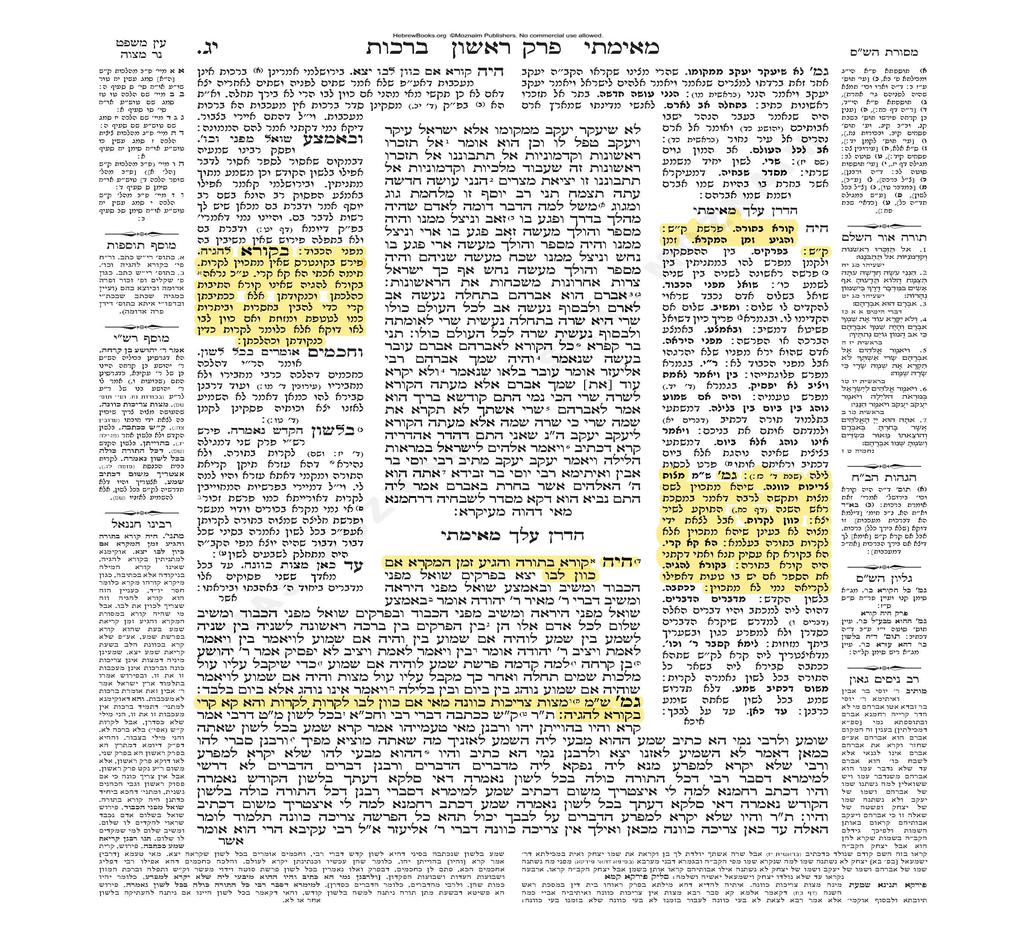
גְּמָ׳ שְׁמַע מִינַּהּ מִצְוֹת צְרִיכוֹת כַּוָּונָה. מַאי ״אִם כִּוֵּון לִבּוֹ״ — לִקְרוֹת. לִקְרוֹת?! וְהָא קָא קָרֵי! בְּקוֹרֵא לְהַגִּיהַּ. תָּנוּ רַבָּנַן: קְרִיאַת שְׁמַע כִּכְתָבָהּ, דִּבְרֵי רַבִּי. וַחֲכָמִים אוֹמְרִים: בְּכָל לָשׁוֹן.
GEMARA: Learn from this mitzvot require intent what is if one focused his heart to read to read isn’t he already reading he is reading in order to emend.
The Sages taught Shema as it is written, words of Rabbi Yehuda HaNasi. And the Rabbis say: in any language.
MISHNA: The first question discussed in the mishna is the question of intent. One who was reading the sections of the Torah which comprise Shema, and the time for the recitation of the morning or evening Shema arrived, if he focused his heart, he fulfilled his obligation and need not repeat Shema in order to fulfill his obligation.
GEMARA: We learned in the mishna that one must focus his heart while reading the portion of Shema in the Torah in order to fulfill his obligation.
From here, the Gemara seeks to conclude:
Learn from this that mitzvot require intent, when one performs a mitzva, he must intend to fulfill his obligation. If he lacks that intention, he does not fulfill his obligation. With that statement, this Gemara hopes to resolve an issue that is raised several times throughout the Talmud.
The Gemara rejects this conclusion:
What is the meaning of: If one focused his heart? It means that one had the intention to read.
The Gemara attacks this explanation:
How can you say that it means that one must have intention to read? Isn’t he already reading? The case in the mishna refers to a person who is reading from the Torah. Therefore, focused his heart must refer to intention to perform a mitzva.
The Gemara rejects this:
Perhaps the mishna speaks of one who is reading the Torah not for the purpose of reciting the words, but in order to emend mistakes in the text. Therefore, if he focused his heart and intended to read the words and not merely emend the text, he fulfills his obligation. He need not have the intention to fulfill his obligation.
He was reading to emend: The book to see if it had a mistake. He did not even intend to read.
Rashi explains that he does not have the intention to read it.
Question: So what if he doesn't, as long as he reads it?
The explanation of "reading it to check"is that he does not read the words according to properly with the correct pronunciation according to the vowels, only by way of the actual letters, as he is only concerned to note the 'missing vowel letters' and 'extra vowel letters', such as "LTTFT" לטטפת and "MZUZS" מזוזת.
And when the Gemara says "If one focused his heart" this is not exact, rather it means that he focused to read it correctly, according to the vowels and properly.
QUESTION 1. When the reader was reading "To Emend", was he reading the Shema with correct pronunciation?
Rashi:
Tosafos:
QUESTION 2.What is lacking in the fulfillment of the mitzvah of reading Shema when one is reading the section in order to check the accuracy of the text?
Rashi:
Tosafos:
QUESTION 3. From this section, what would you say is the minimum level of intent one must have when reading Shema?
Rashi:
Tosafos:
The Gemara seeks to clarify: What is the reason for Rabbi Yehuda HaNasi’s opinion? The Gemara answers: The source for his halakha lies in the emphasis on the word: “And these words, which I command you this day, will be upon your heart”
וְהָי֞וּ הַדְּבָרִ֣ים הָאֵ֗לֶּה אֲשֶׁ֨ר אָנֹכִ֧י מְצַוְּךָ֛ הַיּ֖וֹם עַל־לְבָבֶֽךָ׃ (Deuteronomy 6:6).
“Will be” means as they are, so shall they be; they should remain unchanged, in their original language.
The Gemara seeks to clarify further: And what is the reason for the Rabbis’ opinion? The Gemara answers: The source upon which the Rabbis base their opinion is, as it is stated: “Hear, Israel” (Deuteronomy 6:4), which they understand to mean that Shema must be understood. Therefore, one may recite Shema in any language that you can hear and understand.
The Gemara explains how Rabbi Yehuda HaNasi and the Rabbis each contend with the source cited by the other. And according to Rabbi Yehuda HaNasi, isn’t it also stated: “Hear, Israel”? How does he explain this verse? The Gemara responds: He requires this verse in order to derive a different halakha: Make your ears hear what your mouth utters, i.e., one must recite Shema audibly so he hears it while reciting it.
And from where do the Rabbis derive that one must recite Shema audibly? The Rabbis do not accept the literal interpretation of the word Shema; rather, they hold in accordance with the one who said: One who recited Shema in a manner inaudible to his own ears, fulfilled his obligation.
The Gemara asks: And according to the Rabbis, isn’t it also written: “And they will be”? How do the Sages explain that emphasis in the verse? The Gemara answers: They, too, require this expression to derive that one may not recite Shema out of order. One may not begin reciting Shema from the end, but only in the order in which it is written.
And from where does Rabbi Yehuda HaNasi derive the halakha that one may not recite Shema out of order? The Gemara answers: Rabbi Yehuda HaNasi derives it from an additional emphasis in the verse: “And the words [hadevarim], which I command you this day, will be upon your heart.” The verse could have conveyed the same idea had it written: Words [devarim], without the definite article. However, it says the words [hadevarim], employing the definite article, emphasizing that it must be recited in the specific order in which it is written. The Rabbis, however, do not derive anything from the fact that the words, with the definite article, was written in place of words, without the definite article.
The interpretation of these verses is the source of a fundamental dispute concerning the obligation to recite Shema and the required intent during its recitation. The Rabbis taught: From: And they will be, it is derived that one may not recite Shema out of order. From: These words…upon your heart, it is derived that they must be recited with intent. I might have thought that the entire paragraph requires intent? Therefore the verse teaches: These, to indicate that to this point, one must have intent, but from here on one need not have intent, and even if he recites the rest of Shema without intent he fulfills his obligation. This is the statement of Rabbi Eliezer.
Rabbi Akiva said to him: But the verse states: “Which I command you this day, will be upon your heart.” Surely the word these, does not come to limit the mitzva of intent. On the contrary, from here you derive that the entire portion requires intent.
Rabba bar bar Ḥana said that Rabbi Yoḥanan said: The halakha is in accordance with the opinion of Rabbi Akiva; the entire portion requires intent....
The Sages taught in another baraita with regard to one who recites Shema and utters the verse, “Hear, Israel, the Lord is our God, the Lord is One.” Intent of the heart is only required to this point. This is the statement of Rabbi Meir. Rava said: In this matter, the halakha is in accordance with the opinion of Rabbi Meir.
This is the law (the Halacha) because we establish it like Rava who is the later authority.
שְׁלַחוּ לֵיהּ לַאֲבוּהּ דִּשְׁמוּאֵל: כְּפָאוֹ וְאָכַל מַצָּה — יָצָא. כְּפָאוֹ מַאן? אִילֵימָא כְּפָאוֹ שֵׁד, וְהָתַנְיָא: עִתִּים חָלִים עִתִּים שׁוֹטֶה, כְּשֶׁהוּא חָלִים — הֲרֵי הוּא כְּפִקֵּחַ לְכׇל דְּבָרָיו, כְּשֶׁהוּא שׁוֹטֶה — הֲרֵי הוּא כְּשׁוֹטֶה לְכׇל דְּבָרָיו! אָמַר רַב אָשֵׁי: שֶׁכְּפָאוּהוּ פָּרְסִיִּים. אָמַר רָבָא, זֹאת אוֹמֶרֶת: הַתּוֹקֵעַ לָשִׁיר — יָצָא. פְּשִׁיטָא, הַיְינוּ הָךְ! מַהוּ דְּתֵימָא: הָתָם, אֱכוֹל מַצָּה אָמַר רַחֲמָנָא — וְהָא אֲכַל,
But here, with regard to a shofar, it is written: “A memorial of blasts” (Leviticus 23:24), which might have been understood as requiring conscious intent, and this one was merely acting unawares, without having any intent whatsoever of performing the mitzva. Therefore, Rava teaches us that the absence of intent does not invalidate fulfillment of the mitzva, even in the case of shofar. The Gemara concludes: Apparently, Rava maintains that the fulfillment of mitzvot does not require intent. That is to say, if one performs a mitzva, he fulfills his obligation even if he has no intention of doing so. The Gemara raised an objection to this conclusion from what we learned in a mishna: If one was reading the passage of Shema in the Torah, and the time of reciting Shema arrived, if he focused his heart, he has fulfilled his obligation, but if not, he has not fulfilled his obligation. The Gemara reasons: What, is it not that he focused his heart to fulfill his obligation, and if he failed to do so, he has not fulfilled his duty, therefore implying that the fulfillment of mitzvot requires intent? The Gemara rejects this argument: No, the mishna means that he intended to read the passage. The Gemara asks in astonishment: To read? But he is already reading it, for the mishna explicitly states: If one was reading in the Torah. The Gemara answers: We are discussing one who was reading from a Torah scroll in order to correct it, uttering the words indistinctly. The mishna teaches that if such an individual intends to articulate the words correctly, he has fulfilled his obligation. The Gemara raises another objection: Come and hear that which we learned in our mishna: If one was passing behind a synagogue, or his house was adjacent to the synagogue, and he heard the sound of the shofar or the sound of the Scroll of Esther, if he focused his heart, he has fulfilled his obligation, but if not, he has not fulfilled his obligation. What, is it not that he focused his heart to fulfill his obligation, and if he failed to do so, he has not fulfilled his duty, therefore implying that the fulfillment of mitzvot requires intent? The Gemara rejects this argument: No, the mishna means that he intended to hear the sound of the shofar. The Gemara immediately asks: To hear? But he already hears it, since the mishna explicitly states: And he heard the sound of the shofar. The Gemara answers: We are discussing one who thinks that it is merely the sound of a donkey that he is hearing, and in this case, where the listener thinks that the sound was not that of a shofar, he does not fulfill his obligation. Therefore, the mishna teaches that it is sufficient that one have intent and know that he is hearing the sound of a shofar. The Gemara raised an objection to this answer from a baraita: If the hearer of the shofar had intent, but the sounder of the shofar did not have intent, or if the sounder of the shofar had intent, but the hearer did not have intent, he has not fulfilled his obligation, until both the hearer and the sounder have intent. Granted, with regard to the case where the sounder had intent, but the hearer did not have intent, Rava can say that this is referring to a case where the hearer thinks that it is merely the sound of a donkey and he did not have intent to hear the sound of a shofar. But with regard to the case where the hearer had intent, but the sounder did not have intent, under what circumstances can this case be found? Is it not where he sounds a shofar for music and despite the intent of the hearer he has not fulfilled his obligation? This implies that unless the sounder of the shofar has intent to fulfill the mitzva the hearer does not fulfill his obligation. The Gemara rejects this argument: Perhaps the baraita is referring to a case where he sounded bark-like blasts with the shofar, i.e., he did not sound the shofar in the proper manner, but merely acted unawares without intent to perform the mitzva. The baraita teaches us that if he has intent to sound the blasts in the correct manner, he has fulfilled his obligation.
4 A person who occupies himself with blowing the shofar in order to learn does not fulfill his obligation. Similarly, one who hears the shofar from a person who blows it casually does not fulfill his obligation
3 A person who eats matzah without the intention [to fulfill the mitzvah] - e.g., gentiles or thieves force him to eat - fulfills his obligation.
A person who ate a כזית matzah in delirium, while possessed by an epileptic fit, and afterwards recovered, is obligated to eat another [כזית]. The consumption of [the first כזית] took place while he was free from the obligation to perform any mitzvot.
2:1 One who recites the first verse of Kri'at Shema - i.e., Shema Yisrael... - without intention, does not fulfill his obligation. [One who recites] the rest without intention fulfills his obligation.
Even a person studying Torah in his usual way or proofreading these portions at the time of Kri'at Shema fulfills his obligation provided he concentrates his intention for the first verse.
1. Five things prevent one from praying, even though the time [for prayer] has arrived:
A)the purification of one's hands;
B) the covering of nakedness;
C) the purity of the place of prayer;
D) things that might bother and distract one; and
E) the proper intention of one's heart.
15 Proper intention: What is implied?
Any prayer that is not [recited] with proper intention is not prayer. If one prays without proper intention, he must repeat his prayers with proper intention.
16. What is meant by [proper] intention? One should clear his mind from all thoughts and envision himself as standing before the Divine Presence. Therefore, one must sit a short while before praying in order to focus his attention and then pray in a pleasant and supplicatory fashion. One should not pray as one carrying a burden who throws it off and walks away. Therefore, one must sit a short while after praying, and then withdraw. The pious ones of the previous generations would wait an hour before praying and an hour after praying. They would [also] extend their prayers for an hour.
1: A person who prayed without concentrating [on his prayers] must pray a second time with concentration. However, if he had concentrated during the first blessing, nothing more is necessary.
5When observing any mitzvah, one must be intent on fulfilling his obligation17 by performing the mitzvah at hand. If one performed it without intending to fulfill his obligation, but rather in the course of acting casually, without any particular intent,18 or [if he performed it] for another intent, not for the sake of the mitzvah, then according to Scriptural law he has not fulfilled his obligation.
Some authorities, however, maintain that [after the fact] the requirement to be intent [on fulfilling one’s obligation] when observing the mitzvos is not indispensable; after the fact, even if one performed them casually, without any particular intent, he has fulfilled his obligation. The halachah follows the first opinion.19
To what does the above apply? To Scriptural commandments.20 With regard to Rabbinic commandments, some authorities maintain that the halachah rules that [after the fact, such an] intent is not indispensable. Other authorities differ, as will be explained in sec. 475[:29].21 The recitation of the Shema is a Scriptural commandment and according to all views must be observed with the required intent.
Even according to those who maintain that even with regard to Scriptural commandments, fulfilling one’s obligation is not conditional on one’s intention to do so, with regard to the recitation of the Shema [a different requirement remains]: one must understand what he is saying. The intention which [after the event] is dispensable is the intention to fulfill one’s obligation. One must, however, concentrate on the matter at hand; i.e., he should not think of other matters, so that he accept [the yoke of] the Kingdom of Heaven with full-hearted commitment.
[This mitzvah] is not comparable to other mitzvos, i.e., commandments requiring action. With regard to them, as long as one performed the mitzvah, even if he did not intend [to fulfill his obligation thereby], he did do the action required by the mitzvah;22 it is only that it was not done in the choicest manner. Needless to say, if one did intend to fulfill his obligation while observing [one of those other mitzvos], all authorities agree that he has indeed fulfilled it, even if intermittently he had other things on his mind.
The recitation of the Shema and Shemoneh Esreh, however, focus respectively on the acceptance of the Kingdom of Heaven and the sequential praises [of G‑d];23 hence it is inappropriate that one’s heart should be distracted towards other matters.
All the above applies with regard to the first verse of the Shema, i.e., Shema Yisrael,24 which is the main expression of one’s acceptance of the Kingdom of Heaven, and the first blessing of Shemoneh Esreh.
From the verse VeAhavta onward, [a lack of] concentrated intent does not — after the fact — disqualify one’s recitation. Even if, at the time for the recitation of the Shema one was [merely] reading the Torah scroll or checking the scribal writing of these passages, he has fulfilled his obligation even though he did not have that intent, provided he concentrated while reciting the first verse.25
(The26 rationale is that the fundamental [obligation] to recite the Shema involves only the first verse, for that is a Scriptural obligation. [With regard to] the remainder, which was ordained by the Sages, concentrated intention was required only as an initial preference. [After the fact,] if one recited the remainder without intention, he need not recite it again, regardless of whether he read it without the intent to fulfill his obligation or without concentrating on the meaning.
(Even according to the authorities who maintain that even mitzvos of Rabbinic origin require that one have the intent to fulfill his obligation, the recitation of [the remainder of] the Shema [is,] nevertheless, [an exception]. For what is required here is not the performance of an action, but the acceptance of the Kingdom of Heaven and the yoke of the mitzvos — and this acceptance depends on understanding the concepts [of which those passages speak].
Therefore, since [our Sages] did not require one to recite the passages again because his concentration on the meaning was lacking, they also did not require him to repeat them because he lacked the intent to fulfill his obligation. What value could there be in repeating words spoken without any feeling? It is enough that they required him to recite them every day, for this will lead him on most occasions to accept [these concepts] in his heart. For at the outset they did require that one concentrate; it is only that if it so happened that he did not concentrate [while reciting the Shema], they did not require that he repeat it.
(By contrast, according to those27 who maintain that [reciting the passage(s) from] VeAhavta onward is also required by Scriptural Law, one must intend to fulfill one’s obligation [when reciting] everything that Scriptural Law [requires]. Nevertheless, all authorities agree that, after the fact, concentrating on the meaning is an indispensable requirement for the first verse alone.)
17. In the original, mitzvos tzrichos kavanah.
18.In the original, the Heb./Aram. phrase translated by the last ten words is kemisasek be’alma.
19.Hence, if one recited the Shema without intending to fulfill his obligation, he must recite it again. Nevertheless, a person who recited the Shema as part of his daily prayers is considered to have had this intent even if it was not in the forefront of his thoughts during his recitation. See the sources cited in Ketzos HaShulchan 19:16.
20.Sec. 475:28 qualifies this ruling somewhat.
21.There the Alter Rebbe states that it is desirable to be mindful of this view and to perform the mitzvah again with the intent of fulfilling one’s obligation. See also sec. 213:4 and 489:14.
22.I.e., according to this minority view.
23.Specifically, praise is the focus of the first three blessings of Shemoneh Esreh.
24.Concentration is also required when reciting the sentence beginning Baruch Shem Kevod (see sec. 63:5).
25.In his Kuntreis Acharon, gloss #1, the Alter Rebbe explains that this statement is based on R. Yosef Caro’s discussion (in his Beis Yosef, end of sec. 63) of concentration on the meaning of the words. Nevertheless, the citations chosen make it clear that the same concepts apply to the question of the intent required to fulfill one’s obligations.
26.On the use of parentheses in this work, see sec. 64, footnote 5.
27.See the range of views in sec. 58:1.
Even though the initial and preferred option is that one concentrate [while reciting] all three passages, the basic [requirement for] concentration relates to the first verse, which expresses one’s acceptance of the Kingdom of Heaven.9 It also relates to Baruch shem kevod malchuso leolam vaed, for this, too, expresses one’s acceptance of the Kingdom of Heaven. By contrast, the text from VeAhavta onwards is expressed as a command.10
Accordingly, if a person recited the Shema but did not concentrate for the first verse or for Baruch shem kevod malchuso leolam vaed, he must go back and recite them again. Certain authorities maintain that [after the fact, one has fulfilled his obligation even if he performed a mitzvah] without concentration. In this instance, however, even they agree that if one did not concentrate he has not fulfilled his Scriptural obligation, as explained in sec. 60[:5].
2One should consider it like a new proclamation that one has never heard before. This is [intimated by] the phrase“which I command you today.” Every day one should consider its words as new, not like something that one has heard many times and which is no longer as precious as it was originally.
5It is customary to recite the first verse [of the Shema] in a loud voice in order to arouse one’s concentration. It is [also] customary to cover one’s face with his hand when reciting the first verse, in order that he not look at anything that might prevent him from concentrating.
14One should pause slightly between Baruch shem kevod malchuso leolam vaed and VeAhavta, so that a distinction is made between the acceptance of the Kingdom of Heaven and the other mitzvos. For Shema Yisrael... and Baruch shem kevod malchuso leolam vaed are expressions of acceptance, i.e., we submit ourselves to G‑d’s Divinity and sovereignty; VeAhavta, by contrast, is a command.
In the first verse, a pause should be made between the words Yisrael and A-donai, and between E-loheinu and the second A-donai, so that the verse convey the following meaning: Hear O Israel, G‑d Who is our L‑rd, He is the one G‑d.
A person who eats matzah without the intention [to fulfill the mitzvah] -- This halachah touches on a question left unresolved by the Talmud (see Pesachim 114b), and which has become a source of debate and discussion among the Rabbis in subsequent generations. Does a person who performs the deed of a mitzvah, without the intention to carry out God's command, fulfill his obligation, or not?
e.g., gentiles or thieves force him to eat -- The source for the Rambam's statements is Rosh HaShanah 28a, which states that when "Persians force a person to eat matzah, he fulfills his obligation."
fulfills his obligation -- It appears that the Rambam does not require a person to have the intention to fulfill a mitzvah, for in this instance the only reason the person ate the matzah was the coercion of the gentiles. Nevertheless, the commentaries qualify the Rambam's statements, based on Hilchot Shofar 2:4:
A person who occupies himself with blowing shofar to learn does not fulfill his obligation... one does not fulfill his obligation until both the person hearing [the shofar] and the one sounding it intend to fulfill the obligation.
In resolution, the Maggid Mishneh states that to fulfill his obligation, the person being forced to eat the matzah must know that today is Pesach, that he is obligated to eat matzah, and that it is matzah which he is eating. Rabbenu Nissim, the Kessef Mishneh, and Rabbenu Manoach follow a different line of reasoning. They differentiate between eating matzah and hearing a shofar. In the former case, a person's body benefits from the activity regardless of his intention. To support this thesis, they draw a parallel to the following passage from Keritot 19b.
Generally, the Torah frees a person from liability if he commits a transgression while being only מתעסק (performing a deed without any thought). However, a person who eats forbidden foods or engages in forbidden sexual relations in this manner is liable, because he derived pleasure from his activities.
Similarly, in the present context, since the person derived physical satisfaction from eating the matzah, even though he was forced to do so, the action is attributed to him. In contrast, since his body did not benefit from hearing the shofar, he does not fulfill his obligation until he hears the shofar blown in the proper manner.
The Shulchan Aruch (Orach Chayim 475:4) quotes the Maggid Mishneh's opinion as regards halachah l'ma'aseh, and the Shulchan Aruch HaRav adds the explanation mentioned in the name of the Kessef Mishneh. (It must be noted that the Pri Chadash and other commentaries do not accept this decision). In Orach Chayim 589:8, the Shulchan Aruch quotes the Rambam's decision concerning blowing the shofar, stating that a מתעסק does not fulfill the mitzvah. Similar decisions are rendered concerning kriat shema (Orach Chayim 60) and lulav and etrog (Orach Chayim 651)

.
משנה. היה קורא בתורה והגיע זמן המקרא, אם כוון לבו - יצא.
גמרא. שמע מינה מצות צריכות כוונה! מאי אם כוון לבו? לקרות! לקרות? והא קא קרי! בקורא להגיה.
תנו רבנן: ״שמע ישראל ה׳ אלקינו ה׳ אחד״ - עד כאן צריכה כוונת הלב, דברי רבי מאיר. אמר רבא: הלכה כרבי מאיר.
הקורא את שמע ולא כיון לבו בפסוק ראשון, שהוא ״שמע ישראל״ - לא יצא ידי חובתו, והשאר, אם לא כיון לבו - יצא, אפילו היה קורא בתורה כדרכו או מגיה את הפרשיות האלו בעונת קריאה - יצא, והוא שכיון לבו בפסוק ראשון.(רמב״ם קריאת שמע ב, א ואורח חיים ס, ה)עיקר הכוונה הוא בפסוק ראשון, הילכך אם קרא ולא כיון לבו בפסוק ראשון - לא יצא ידי חובתו וחוזר וקורא, ואפילו מאן דאמר מצוות אינן צריכות כוונה - מודה הכא.(שו״ע אורח חיים סג, ד)
בגמרא מבואר שהדין תלוי בשאלה הכללית האם מצוות צריכות כוונה. לפיכך כותב הטור (סי׳ ס) שבעל הלכות גדולות והרא״ש, שפוסקים בדרך כלל שמצוות צריכות כוונה, אינם מפרשים את המשנה שמדובר בקורא להגיה, אלא מפרשים את המשנה כפשוטה שאם כוון ליבו לצאת ידי חיוב קריאת שמע - יצא, ואם לאו - לא יצא, וכן כותב המהרש״ל (בביאורו לטור, מובא בב״ח) בדעת הרי״ף והרא״ש.
אולם הרשב״א והמאירי פוסקים שמצוות אינן צריכות כוונה, ולפי זה כותב הרשב״א שמסתבר שכוונת הלב נצרכת רק לכתחילה ולמצוה כתקנה, אבל בדיעבד אפילו אם לא כוון בפסוק הראשון יצא ידי חובתו. לעומת זאת הרמב״ם כותב שאם לא כוון ליבו בפסוק הראשון - לא יצא ידי חובתו, משמע שפוסק שמצוות צריכות כוונה. כך מסביר הכסף משנה, וכך כותב גם הרמב״ן במסכת ראש השנה (מלחמת ה׳ דף ז, א בדפי הרי״ף).
הרשב״א מקשה על שיטת הרמב״ם מדוע אם כן אין הגמרא אומרת כדבריו, כהסבר למשנה, שמצוות צריכות כוונה, ובקריאת שמע העיקר בפסוק הראשון. אמנם הכסף משנה כותב שסוגית הגמרא בתחילה אינה להלכה, שכן היא מבוארת למאן דאמר שמצוות אינן צריכות כוונה, לכן הוצרכו לפרש את המשנה בקורא להגיה. אבל להלכה כיון שמצוות צריכות כוונה, מתפרשת אמנם המשנה כפשוטה אבל רק לגבי פסוק ראשון.
על שיטה זו יש לכאורה להקשות שאם הכוונה המוזכרת במשנתנו היא משום שמצוות צריכות כוונה, אם כן מדוע נאמר כן רק על הפסוק הראשון ולא על קריאת כל הפרשיות. המגן אברהם (סי׳ ס סק״ד, עפ״י פירוש הלבושי שרד ומחצית השקל בדבריו) מסיק שיש ראיה מכאן לאותם הסוברים שרק קריאת הפסוק הראשון היא המחויבת מדאורייתא, ומשום כך מספיק לכוון רק בקריאתו, ואילו במצוות דרבנן, דהיינו בקריאת כל הפרשיות - אין צריך כוונה.
הפרי חדש (סי׳ סז) מאריך להוכיח שאף קריאת הפרשיות ״שמע״ ו״והיה אם שמוע״ כלולה במצוה מדאורייתא, וכותב שכן מטין דברי הרמב״ם, ובעל שאגת אריה (סי׳ ב) חולק עליו אך מסכים לגבי כל הפרשה הראשונה שחיובה מדאורייתא. לפי דעתם צריך אולי לומר שכיון שכוון ליבו בפסוק הראשון לשם מצוה - ממילא כל מה שקורא אחריו כלול כבר באותה כוונה, ומעין זה כותב החיי אדם (כלל סח, ט) שדוקא לגבי הקורא קריאת שמע דרך לימודו אמרו שצריך לכוון בפירוש לצאת ידי חובת המצוה, אבל אם קורא בסדר התפילה - יצא אף על פי שלא כוון כלל, שהרי מכוון באופן כללי על כל תפילתו.
אמנם מצינו לרמב״ן (שם) שכותב שעיקר קריאת שמע הוא הפסוק הראשון, ואף אם לא קרא את השאר - יצא בדיעבד, ולכן דוקא בפסוק זה יש הכרח שיתכוון.
מדברי המאירי נראה שמסתפק אם כוונת הלב הנזכרת בלשון הרמב״ם היינו כוונה לצאת וכמאן דאמר מצוות צריכות כוונה, או שמא היינו כוונת הלב למשמעות המילים, וכשיטת הרשב״א דלקמן. נראה שיש להביא ראיה לכך מלשון הרמב״ם בהלכות שופר (ב, ד) ובהלכות מגילה (ב, ה) ״אם כיון את לבו לצאת״, בעוד שאצלנו כותב רק ״כיון לבו״ ואינו מזכיר כוונה לצאת, וכן בפירוש המשניות כותב: ״ומה שאמר אם כיון לבו יצא - רוצה לומר אם ישים לבו ומחשבתו ורעיוניו לקריאה ההיא״.
פירוש שונה לסוגיה יוצא מדברי הרשב״א, והוא שבפסוק הראשון של קריאת שמע צריך כוונה מיוחדת, שאינה שייכת לענין מצוות צריכות כוונה שבכל התורה. כאן צריך לכוונת הענין, כלומר שלא יהרהר בדברים אחרים כדי שיקבל עליו מלכות שמים בהסכמת הלב, וכמו שאמרו לגבי הברכה הראשונה של התפילה (לקמן לד, ב, ושם תוד״ה יכוין). הוא מסביר שבשאר מצוות עשה, כל שעשה מצותו אף על פי שלא התכוון לה - הרי קיים מצותו אלא שאין זה מן המובחר, אבל בפסוק הראשון של קריאת שמע, שענינו קבלת עול מלכות שמים, ובברכה הראשונה של תפילה שהיא סידור שבחים - אינו בדין שיהיה לבבו פונה לדברים אחרים בשעת אמירתם. כמוהו כותב גם בעל ספר האשכול (הלכות קריאת שמע סי׳ ו), ומביא ראיה, המובאת גם בביאור הגר״א (סי׳ סג סק״ד), ממה שמצינו במסכת ראש השנה (דף כח, א) שרבא סובר שמצוות אינן צריכות כוונה, ואילו כאן הוא עצמו פוסק כרבי מאיר שצריך לכוונת הלב בפסוק ראשון, משמע שאין מדובר כאן בדין הכללי של כוונה במצוות אלא בדין מיוחד בקריאת שמע, שצריך לכוונת הלב שיקבל עליו עול מלכות שמים.
המשנה ברורה בביאור הלכה (סי׳ קא ד״ה המתפלל) מדייק מלשון הרשב״א ״אינו בדין שיהא לבבו פונה לדברים אחרים״ שמלבד הצורך לכוון בשעת אמירת המילים - צריך גם להזהר שלא להפסיק ולחשוב בדברים אחרים, אף אם קורא או מתפלל בכוונה.
על מה שכותב הרמב״ם שמהפסוק הראשון ואילך אפילו קרא להגיה יצא, כותב המאירי שאלה דברים מתמיהים, ואפשר שכוונתו לקושית הכסף משנה שאפילו למאן דאמר מצוות אינן צריכות כוונה אמרו בגמרא שהקורא להגיה לא יצא, וכל שכן לשיטת הרמב״ם שצריך כוונה ממש בפסוק הראשון, שאין סברה להקל כל כך בקריאת שאר הפרשיות. אמנם הכסף משנה מתרץ שהיא הנותנת, שאם אין מצוות צריכות כוונה ואינו מכוון לצאת אפילו בפסוק הראשון - מסתבר שצריך לפחות כוונה בקריאה, שלא יהיה כקורא להגיה, אבל אם מצוות צריכות כוונה, ומכוון כך בפסוק ראשון - שוב אין פגם כשקורא את השאר אפילו להגיה.
מאידך גיסא כותב המגן אברהם (שם) שיש לפרש את מה שכותב הרמב״ם שקורא להגיה, שלא כמו שאמרו בגמרא, שפירושו שאינו קורא כהלכתו, וכמו שכותבים התוספות (ד״ה בקורא) שאינו קורא את התיבות כהלכתן וכנקודתן, אלא הרמב״ם מתכוון בדבריו לומר כפירוש רש״י בגמרא, שקורא הכל בדקדוק ואין כוונתו אלא להגיה.
מדברי הרשב״א נראה שמסופק בדין זה, שבתחילה כותב כדעת הרמב״ם שמהפסוק הראשון ואילך אין צריך כוונה כלל, ואפילו הקורא להגיה יצא, אך מוסיף שאפשר שאף על פי שמצות הקריאה מדרבנן - בכל זאת צריך לכוון, ומסיים שכך נראה מדברי הראב״ד ז״ל.
בשלחן ערוך מובא הדין של חיוב הכוונה בפסוק הראשון בשני מקומות, בסימן ס כלשון הרמב״ם, ובסימן סג כלשון הגמרא בעמוד ב, תוך כדי הזכרת הטעם לחיוב כדברי הרשב״א, שיש לו מקום אפילו אם סוברים בכל התורה שמצוות אינן צריכות כוונה.
בסימן ס מקשה המגן אברהם איך כותב השלחן ערוך שאם כוון רק בפסוק הראשון יצא, הרי שם בסעיף ד הוא פוסק שמצוות צריכות כוונה, ואם כן צריך לכוון בכל הקריאה. הוא מתרץ שהכוונה המוזכרת היא לפירוש המילים, וכשיטת הרשב״א. על תירוץ זה יש להקשות שאם כן חוזר השלחן ערוך וכותב את אותו הדין פעם שניה. גם מדברי הבית יוסף בסימן ס שכותב שפירש כבר את דברי הרמב״ם בכסף משנה נראה שלא חזר בו מפירושו גם בבואו לדון על דברי הטור, ובאמת אף הוא אינו מביא את דברי הרשב״א אלא בסימן סג.
אכן המגן אברהם עצמו מתרץ תירוץ נוסף, לפיו החיוב לכוון קיים רק בפסוק הראשון, לפי שהחיוב מדאורייתא לקרוא קריאת שמע חל רק עליו. נמצא לפי זה שפסק השלחן ערוך הינו כדעת הרמב״ם שצריך לכוון בפסוק הראשון מצד הדין שמצוות צריכות כוונה, וגם כדעת הרשב״א שצריך לכוון בפסוק הראשון לפירוש המלים מצד הדין המיוחד של קריאת שמע.
בתירוץ זה הולך המגן אברהם לפי השיטה שהדין שמצוות צריכות כוונה נוהג רק במצוות דאורייתא ולא במצוות דרבנן, אבל מדברי המשנה ברורה (סי׳ ס סק״י) נראה שנוטה שלא לחלק בכך. לשיטתו אפשר לומר שאף אם הכוונה המוזכרת בשלחן ערוך הינה כוונה לצאת ידי חובה ככל המצוות, בכל זאת די בכוונה שמכוון בפסוק הראשון כדי שכל מה שקורא אחר כך יהיה נכלל באותה כוונה ראשונה.
עיין עוד לקמן דף לג, ב ציון ד, ח בדרך התיקון של מי שלא יצא ידי חובה בקריאת שמע.