
Beshalach - בְּשַׁלַּ֣ח Shemot ~ Exodus Making Torah Personal ~ Yirah 13:17 – 17:16
Parshat Beshalach depicts the intense drama that takes place at the Sea of Reeds. This Shabbat is known as Shabbat Shira, commemorating the moving Song at the Sea that the Israelites sang to God.
Studying selected verses of the parsha through the lens of Mussar---enabling us to make a connection between the weekly portion and our own lives. Parsha Beshalach gives us the opportunity to reflect on the middah of Yirah / Awe / ירא
יָרֵא (v) heb - to fear, revere, be afraid, to stand in awe of, be awed, to honor, to respect. יראה, Yirah, is based on the three-letter root, ראה, and means 'to see' so we can define Yirah as awe / fear/ and an awareness.
Highlights
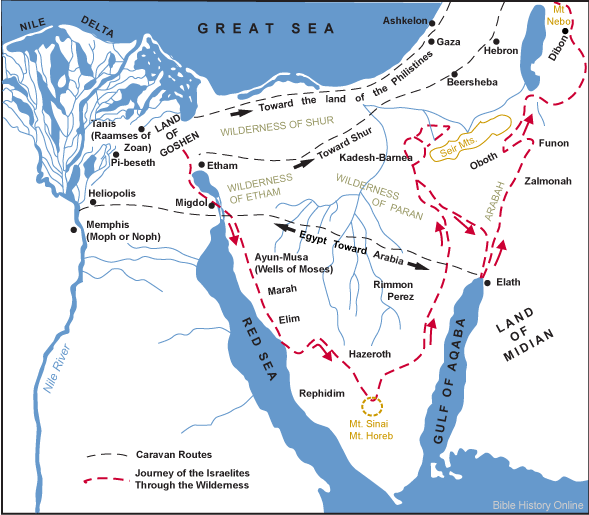
  • Pharaoh sends the Israelites to freedom and God sets the route for them in a 'roundabout' way.
  • God accompanies the nation with a pillar of cloud by day, a pillar of fire by night.
  • In a change of heart, Pharaoh pursues them.
  • Moses, according to God's orders, holds his staff over the sea, and it splits, allowing the Israelites to cross while the Egyptian army drowns.
  • Moses first, and then Miriam lead in joyous song Az Yashir Moshe.
  • In the desert wilderness the people endure thirst and hunger and complain to Moses and Aaron.
  • God performs a miracle and the bitter waters of Marah are sweetened.
  • Later, Moses strikes a rock with his staff and water is produced.
    God causes manna to come down before dawn each morning and quails appear in the camp every evening.
  • They are taught to gather a double portion on Friday for Shabbat.
  • In Refidim, Amalek attacks the Israelites from behind and is defeated.

(יז) וַיְהִ֗י בְּשַׁלַּ֣ח פַּרְעֹה֮ אֶת־הָעָם֒ וְלֹא־נָחָ֣ם אֱלֹהִ֗ים דֶּ֚רֶךְ אֶ֣רֶץ פְּלִשְׁתִּ֔ים כִּ֥י קָר֖וֹב ה֑וּא כִּ֣י ׀ אָמַ֣ר אֱלֹהִ֗ים פֶּֽן־יִנָּחֵ֥ם הָעָ֛ם בִּרְאֹתָ֥ם מִלְחָמָ֖ה וְשָׁ֥בוּ מִצְרָֽיְמָה׃ (יח) וַיַּסֵּ֨ב אֱלֹהִ֧ים ׀ אֶת־הָעָ֛ם דֶּ֥רֶךְ הַמִּדְבָּ֖ר יַם־ס֑וּף וַחֲמֻשִׁ֛ים עָל֥וּ בְנֵי־יִשְׂרָאֵ֖ל מֵאֶ֥רֶץ מִצְרָֽיִם׃

(17) Now when Pharaoh let the people go, {when Pharaoh sent} God did not lead them by way of the land of the Philistines, although it was nearer; for God said, “The people may have a change of heart when they see war, and return to Egypt.” (18) So God led the people round about, by way of the wilderness at the Sea of Reeds. Now the Israelites went up armed out of the land of Egypt.

תִּינוֹק מַאי הִיא? פַּעַם אַחַת הָיִיתִי מְהַלֵּךְ בַּדֶּרֶךְ, וְרָאִיתִי תִּינוֹק יוֹשֵׁב עַל פָּרָשַׁת דְּרָכִים. וְאָמַרְתִּי לוֹ: בְּאֵיזֶה דֶּרֶךְ נֵלֵךְ לָעִיר? אָמַר לִי: זוֹ קְצָרָה וַאֲרוּכָּה, וְזוֹ אֲרוּכָּה וּקְצָרָה. וְהָלַכְתִּי בִּקְצָרָה וַאֲרוּכָּה, כֵּיוָן שֶׁהִגַּעְתִּי לָעִיר מָצָאתִי שֶׁמַּקִּיפִין אוֹתָהּ גַּנּוֹת וּפַרְדֵּיסִין.
What is the incident with a young boy? One time I was walking along the path, and I saw a young boy sitting at the crossroads. And I said to him: On which path shall we walk in order to get to the city? He said to me: This path is short and long, and that path is long and short. I walked on the path that was short and long. When I approached the city I found that gardens and orchards surrounded it, and I did not know the trails leading through them to the city.

(י) רֵ֘אשִׁ֤ית חׇכְמָ֨ה ׀ יִרְאַ֬ת יְהֹוָ֗ה שֵׂ֣כֶל ט֭וֹב לְכׇל־עֹֽשֵׂיהֶ֑ם תְּ֝הִלָּת֗וֹ עֹמֶ֥דֶת לָעַֽד׃ {פ}

(10) The beginning of wisdom is awe of the LORD; all who practice it gain sound understanding. Praise of Him is everlasting.

The greatest hindrance to knowledge is our adjustment to conventional notions, to mental cliches. Wonder or radical amazement, the state of maladjustment to words and notions, is, therefore, a prerequisite for an authentic awareness of that which is.....Wonder is a state of mind in which we do not look at reality through the latticework of our memorized knowledge, in which nothing is taken for granted. Spiritually we cannot live by merely reiterating borrowed or inherited knowledge. ~Rabbi Abraham Joshua Heschel, Man is not Alone
Awe is a human experience of the transcendent piercing apparent reality, a glimpse of the supreme within the mundane. However it may come to us, a moment of awe gives us a small taste of the cosmic mystery, and an intuitive intimation of the divine. Awe does not protest phenomenal reality; rather, it offers direct affirmation of the eternal that lies within the worldly. Awe is an invitation to seek, delivered directly to the heart. ~ Dr. Alan Morinis, Everyday Holiness
The goal of God-fearing is not that we live in paralyzing, quivering terror. Rather, the key..... [is that we should]... always examine the consequences of our every act and decision. The certainty that no act goes unaccounted instills in us proper caution, respect and awe of the moral universe created and embodied by God. ~Rabbi Zeitlin [excerpted]

(ז) יִרְאַ֣ת יְ֭הֹוָה רֵאשִׁ֣ית דָּ֑עַת חׇכְמָ֥ה וּ֝מוּסָ֗ר אֱוִילִ֥ים בָּֽזוּ׃ {פ}

(7) The fear of the LORD is the beginning of knowledge; Fools despise wisdom and Mussar.
G‑d said: If I bring Israel into the land now, each will immediately take possession of his field or vineyard, and they will neglect the Torah. Rather, I shall take them around the desert for forty years, so that they should eat manna and drink the water of [Miriam’s miracle] well, and the Torah will be absorbed in their bodies. Thus Rabbi Shimon bar Yochai would say: The Torah was given to be expounded only to the eaters of manna. ~Mechilta
כי אמר אלהים פן ינחם העם בראותם מלחמה ושבו מצרימה (שמות יג, יז). ראה והביטה כמה צריך האדם להתבונן לעשות גדרים וסייגות והרחקות שלא יבא לידי עבירה. הנה הקב"ה בעצמו ובכבודו עשה הרחקה פן ינחם העם וגו', ושלום שלום לרחוק, המרחק עצמו מחשש עבירה ואז הוא קרוב להקב"ה:

כי אמר אלהים פן ינחם העם בראותם מלחמה ושבו מצרימה. ....Even G–d Himself made such a "fence" (safeguard) when He decided to let the Israelites travel via an indirect route so as to preclude the people from having second thoughts and wanting to return to Egypt.

As civilization advances, the sense of wonder declines. Such decline is an alarming symptom of our state of mind. Mankind will not perish for want of information; but only for want of appreciation. The beginning of our happiness lies in the understanding that life without wonder is not worth living. What we lack is not a will to believe but a will to wonder. ~Rabbi Abraham Joshua Heschel, Radical Amazement
How do you climb the rungs of the ladder? As you stand on the bottom rung, you must see if your position is firm, and only then can you continue and climb up to the next rung. So, too, it is regarding the service of God: is it possible to jump to Heaven all at once? One must ascend in stages, rung after rung.
The Kotzker Rebbe (1787 - 1859), Menachem Mendel Morgensztern of Kotzk
In all your actions, words and thoughts, always regard yourself as standing before God, with His Shechinah (Divine Presence) above you, for His glory fills the whole world. Speak with fear and awe, as a servant in the presence of his master. ~ Iggeret HaRamban 10

(ח) וַיְחַזֵּ֣ק יְהֹוָ֗ה אֶת־לֵ֤ב פַּרְעֹה֙ מֶ֣לֶךְ מִצְרַ֔יִם וַיִּרְדֹּ֕ף אַחֲרֵ֖י בְּנֵ֣י יִשְׂרָאֵ֑ל וּבְנֵ֣י יִשְׂרָאֵ֔ל יֹצְאִ֖ים בְּיָ֥ד רָמָֽה׃ נֹסֵ֣עַ אַחֲרֵיהֶ֗ם וַיִּֽירְאוּ֙ מְאֹ֔ד וַיִּצְעֲק֥וּ בְנֵֽי־יִשְׂרָאֵ֖ל אֶל־יְהֹוָֽה׃ (יא) וַיֹּאמְרוּ֮ אֶל־מֹשֶׁה֒ הֲֽמִבְּלִ֤י אֵין־קְבָרִים֙ בְּמִצְרַ֔יִם לְקַחְתָּ֖נוּ לָמ֣וּת בַּמִּדְבָּ֑ר מַה־זֹּאת֙ עָשִׂ֣יתָ לָּ֔נוּ לְהוֹצִיאָ֖נוּ מִמִּצְרָֽיִם׃ (יב) הֲלֹא־זֶ֣ה הַדָּבָ֗ר אֲשֶׁר֩ דִּבַּ֨רְנוּ אֵלֶ֤יךָ בְמִצְרַ֙יִם֙ לֵאמֹ֔ר חֲדַ֥ל מִמֶּ֖נּוּ וְנַֽעַבְדָ֣ה אֶת־מִצְרָ֑יִם כִּ֣י ט֥וֹב לָ֙נוּ֙ עֲבֹ֣ד אֶת־מִצְרַ֔יִם מִמֻּתֵ֖נוּ בַּמִּדְבָּֽר׃ (יג) וַיֹּ֨אמֶר מֹשֶׁ֣ה אֶל־הָעָם֮ אַל־תִּירָ֒אוּ֒ הִֽתְיַצְּב֗וּ וּרְאוּ֙ אֶת־יְשׁוּעַ֣ת יְהֹוָ֔ה אֲשֶׁר־יַעֲשֶׂ֥ה לָכֶ֖ם הַיּ֑וֹם כִּ֗י אֲשֶׁ֨ר רְאִיתֶ֤ם אֶת־מִצְרַ֙יִם֙ הַיּ֔וֹם לֹ֥א תֹסִ֛פוּ לִרְאֹתָ֥ם ע֖וֹד עַד־עוֹלָֽם׃ (יד) יְהֹוָ֖ה יִלָּחֵ֣ם לָכֶ֑ם וְאַתֶּ֖ם תַּחֲרִשֽׁוּן׃ {פ}

(6) He ordered his chariot and took his men with him; (7) he took six hundred of his picked chariots, and the rest of the chariots of Egypt, with officers in all of them. (8) The LORD stiffened the heart of Pharaoh king of Egypt, and he gave chase to the Israelites. As the Israelites were departing defiantly, (9) the Egyptians gave chase to them, and all the chariot horses of Pharaoh, his horsemen, and his warriors overtook them encamped by the sea, near Pi-hahiroth, before Baal-zephon. (10) As Pharaoh drew near, the Israelites caught sight of the Egyptians advancing upon them. Greatly frightened, the Israelites cried out to the LORD. (11) And they said to Moses, “Was it for want of graves in Egypt that you brought us to die in the wilderness? What have you done to us, taking us out of Egypt? (12) Is this not the very thing we told you in Egypt, saying, ‘Let us be, and we will serve the Egyptians, for it is better for us to serve the Egyptians than to die in the wilderness’?” (13) But Moses said to the people, “Have no fear! Stand by, and witness the deliverance which the LORD will work for you today; for the Egyptians whom you see today you will never see again. (14) The LORD will battle for you; you hold your peace!”

(טו) וַיֹּ֤אמֶר יְהֹוָה֙ אֶל־מֹשֶׁ֔ה מַה־תִּצְעַ֖ק אֵלָ֑י דַּבֵּ֥ר אֶל־בְּנֵי־יִשְׂרָאֵ֖ל וְיִסָּֽעוּ׃

(15) Then the LORD said to Moses, “Why do you cry out to Me? Tell the Israelites to go forward.

(טז) וְאַתָּ֞ה הָרֵ֣ם אֶֽת־מַטְּךָ֗ וּנְטֵ֧ה אֶת־יָדְךָ֛ עַל־הַיָּ֖ם וּבְקָעֵ֑הוּ וְיָבֹ֧אוּ בְנֵֽי־יִשְׂרָאֵ֛ל בְּת֥וֹךְ הַיָּ֖ם בַּיַּבָּשָֽׁה׃ (יז) וַאֲנִ֗י הִנְנִ֤י מְחַזֵּק֙ אֶת־לֵ֣ב מִצְרַ֔יִם וְיָבֹ֖אוּ אַחֲרֵיהֶ֑ם וְאִכָּבְדָ֤ה בְּפַרְעֹה֙ וּבְכׇל־חֵיל֔וֹ בְּרִכְבּ֖וֹ וּבְפָרָשָֽׁיו׃ (יח) וְיָדְע֥וּ מִצְרַ֖יִם כִּי־אֲנִ֣י יְהֹוָ֑ה בְּהִכָּבְדִ֣י בְּפַרְעֹ֔ה בְּרִכְבּ֖וֹ וּבְפָרָשָֽׁיו׃

(16) And you lift up your rod and hold out your arm over the sea and split it, so that the Israelites may march into the sea on dry ground. (17) And I will stiffen the hearts of the Egyptians so that they go in after them; and I will gain glory through Pharaoh and all his warriors, his chariots, and his horsemen. (18) Let the Egyptians know that I am the LORD, when I gain glory through Pharaoh, his chariots, and his horsemen.”

(יט) וַיִּסַּ֞ע מַלְאַ֣ךְ הָאֱלֹהִ֗ים הַהֹלֵךְ֙ לִפְנֵי֙ מַחֲנֵ֣ה יִשְׂרָאֵ֔ל וַיֵּ֖לֶךְ מֵאַחֲרֵיהֶ֑ם וַיִּסַּ֞ע עַמּ֤וּד הֶֽעָנָן֙ מִפְּנֵיהֶ֔ם וַיַּֽעֲמֹ֖ד מֵאַחֲרֵיהֶֽם׃ (כ) וַיָּבֹ֞א בֵּ֣ין ׀ מַחֲנֵ֣ה מִצְרַ֗יִם וּבֵין֙ מַחֲנֵ֣ה יִשְׂרָאֵ֔ל וַיְהִ֤י הֶֽעָנָן֙ וְהַחֹ֔שֶׁךְ וַיָּ֖אֶר אֶת־הַלָּ֑יְלָה וְלֹא־קָרַ֥ב זֶ֛ה אֶל־זֶ֖ה כׇּל־הַלָּֽיְלָה׃ (כא) וַיֵּ֨ט מֹשֶׁ֣ה אֶת־יָדוֹ֮ עַל־הַיָּם֒ וַיּ֣וֹלֶךְ יְהֹוָ֣ה ׀ אֶת־הַ֠יָּ֠ם בְּר֨וּחַ קָדִ֤ים עַזָּה֙ כׇּל־הַלַּ֔יְלָה וַיָּ֥שֶׂם אֶת־הַיָּ֖ם לֶחָרָבָ֑ה וַיִּבָּקְע֖וּ הַמָּֽיִם׃ (כב) וַיָּבֹ֧אוּ בְנֵֽי־יִשְׂרָאֵ֛ל בְּת֥וֹךְ הַיָּ֖ם בַּיַּבָּשָׁ֑ה וְהַמַּ֤יִם לָהֶם֙ חוֹמָ֔ה מִֽימִינָ֖ם וּמִשְּׂמֹאלָֽם׃

(19) The messenger of God, who had been going ahead of the Israelite army, now moved and followed behind them; and the pillar of cloud shifted from in front of them and took up a place behind them, (20) and it came between the army of the Egyptians and the army of Israel. Thus there was the cloud with the darkness, and it cast a spell upon the night, so that the one could not come near the other all through the night. (21) Then Moses held out his arm over the sea and יהוה drove back the sea with a strong east wind all that night, and turned the sea into dry ground. The waters were split, (22) and the Israelites went into the sea on dry ground, the waters forming a wall for them on their right and on their left.

(כג) וַיִּרְדְּפ֤וּ מִצְרַ֙יִם֙ וַיָּבֹ֣אוּ אַחֲרֵיהֶ֔ם כֹּ֚ל ס֣וּס פַּרְעֹ֔ה רִכְבּ֖וֹ וּפָרָשָׁ֑יו אֶל־תּ֖וֹךְ הַיָּֽם׃ (כד) וַֽיְהִי֙ בְּאַשְׁמֹ֣רֶת הַבֹּ֔קֶר וַיַּשְׁקֵ֤ף יְהֹוָה֙ אֶל־מַחֲנֵ֣ה מִצְרַ֔יִם בְּעַמּ֥וּד אֵ֖שׁ וְעָנָ֑ן וַיָּ֕הׇם אֵ֖ת מַחֲנֵ֥ה מִצְרָֽיִם׃ (כה) וַיָּ֗סַר אֵ֚ת אֹפַ֣ן מַרְכְּבֹתָ֔יו וַֽיְנַהֲגֵ֖הוּ בִּכְבֵדֻ֑ת וַיֹּ֣אמֶר מִצְרַ֗יִם אָנ֙וּסָה֙ מִפְּנֵ֣י יִשְׂרָאֵ֔ל כִּ֣י יְהֹוָ֔ה נִלְחָ֥ם לָהֶ֖ם בְּמִצְרָֽיִם׃ {פ}
(כו) וַיֹּ֤אמֶר יְהֹוָה֙ אֶל־מֹשֶׁ֔ה נְטֵ֥ה אֶת־יָדְךָ֖ עַל־הַיָּ֑ם וְיָשֻׁ֤בוּ הַמַּ֙יִם֙ עַל־מִצְרַ֔יִם עַל־רִכְבּ֖וֹ וְעַל־פָּרָשָֽׁיו׃ (כז) וַיֵּט֩ מֹשֶׁ֨ה אֶת־יָד֜וֹ עַל־הַיָּ֗ם וַיָּ֨שׇׁב הַיָּ֜ם לִפְנ֥וֹת בֹּ֙קֶר֙ לְאֵ֣יתָנ֔וֹ וּמִצְרַ֖יִם נָסִ֣ים לִקְרָאת֑וֹ וַיְנַעֵ֧ר יְהֹוָ֛ה אֶת־מִצְרַ֖יִם בְּת֥וֹךְ הַיָּֽם׃
(23) The Egyptians came in pursuit after them into the sea, all of Pharaoh’s horses, chariots, and riders. (24) At the morning watch, יהוה looked down upon the Egyptian army from a pillar of fire and cloud, and threw the Egyptian army into panic. (25) [God] locked the wheels of their chariots so that they moved forward with difficulty. And the Egyptians said, “Let us flee from the Israelites, for יהוה is fighting for them against Egypt.” (26) Then יהוה said to Moses, “Hold out your arm over the sea, that the waters may come back upon the Egyptians and upon their chariots and upon their riders.” (27) Moses held out his arm over the sea, and at daybreak the sea returned to its normal state, and the Egyptians fled at its approach. But יהוה hurled the Egyptians into the sea.

(א) אָ֣ז יָשִֽׁיר־מֹשֶׁה֩ וּבְנֵ֨י יִשְׂרָאֵ֜ל אֶת־הַשִּׁירָ֤ה הַזֹּאת֙ לַֽיהֹוָ֔ה וַיֹּאמְר֖וּ לֵאמֹ֑ר {ס} אָשִׁ֤ירָה לַֽיהֹוָה֙ כִּֽי־גָאֹ֣ה גָּאָ֔ה {ס} ס֥וּס וְרֹכְב֖וֹ רָמָ֥ה בַיָּֽם׃ {ס} (ב) עָזִּ֤י וְזִמְרָת֙ יָ֔הּ וַֽיְהִי־לִ֖י לִֽישׁוּעָ֑ה {ס} זֶ֤ה אֵלִי֙ וְאַנְוֵ֔הוּ {ס} אֱלֹהֵ֥י אָבִ֖י וַאֲרֹמְמֶֽנְהוּ׃ {ס}

(1) Then Moses and the Israelites sang this song to the LORD. They said: I will sing to the LORD, for He has triumphed gloriously; Horse and driver He has hurled into the sea. (2) The LORD is my strength and might; He is become my deliverance. This is my God and I will glorify Him; The God of my father, and I will exalt Him.

The Israelites are unified, witnessing an incredible miracle, which brings them to spiritual heights and highlights the nuances of a relationship with God.
Traditional Judaism has always contained a vital dialectic between [“ze Eli v’anvehu”] “This is my God and I will adore Him” and ["Elohei avi v’aromimenhu”] “The God of my father and I will exalt Him” (Exodus 15:2). Loyalty to the God about Whom our fathers told us does not exclude the discovery of new insights and experiences that lead one to say, “This is my God.” The past does not exhaust all that is possible within one’s covenantal relationship with God. When Moses asks God how he should announce God’s “name” to the community, he is told to say that he was sent by the God of Abraham, Isaac, and Jacob, but also the God Who is worshipped through the new possibilities that the future may uncover: “I will be what I will be” [“Eheyeh asher eheyeh”]. ~ Rabbi David Hartman
Cultivating a relationship with the God of our ancestors, Elohei avinu, is something that much of our ritual and liturgy supports. Indeed, we invoke our forefathers at least thrice-daily, linking our lives to theirs and treading on their merit to keep us in God's good grace. Cultivating our own independent relationship with God, though, a God of "ze Eli," is a far more complex affair. ~Rabbi Erin Smokler
There are two types of love for God. appreciation the natural love of God corresponding to the Divine name El is an appreciation for God as our Creator and Provider--like being inherently drawn to our source, the love is like our innate feelings of love and respect for a parent. God, the Source of all life, sustains us every moment of our lives. The word El is in the singular, reflecting an appreciation for God as the only true power and the ultimate reality of the universe.
A second, higher form of love for God is acquired by reflecting on God’s rule of the universe. As we uncover God’s guiding hand in history, and we recognize the underlying Divine providence in the world, we experience a higher love of God. This love corresponds to the name Elokim — in the plural — referring to the myriad causes and forces that God utilizes to govern the universe. ~Rav Kook (1865 - 1935), first Chief Ashkenazi Rabbi of British Mandated Palestine)

(יב) וְעַתָּה֙ יִשְׂרָאֵ֔ל מָ֚ה יְהֹוָ֣ה אֱלֹהֶ֔יךָ שֹׁאֵ֖ל מֵעִמָּ֑ךְ כִּ֣י אִם־לְ֠יִרְאָ֠ה אֶת־יְהֹוָ֨ה אֱלֹהֶ֜יךָ לָלֶ֤כֶת בְּכׇל־דְּרָכָיו֙ וּלְאַהֲבָ֣ה אֹת֔וֹ וְלַֽעֲבֹד֙ אֶת־יְהֹוָ֣ה אֱלֹהֶ֔יךָ בְּכׇל־לְבָבְךָ֖ וּבְכׇל־נַפְשֶֽׁךָ׃

(12) And now, O Israel, what does your God יהוה demand of you? Only this: to revere your God יהוה, to walk only in divine paths, to love and to serve your God יהוה with all your heart and soul,

And Rabba, the son of Rabbi Huna said, "Every man who possesses knowledge of the Torah but has not within him fear of God is like a treasurer to whom they have delivered the key of the inside vaults, but the keys of the outer doors they did not deliver to him. What good is it?" ~ Orchot Tzadikkim, 28:3

(יג) ס֥וֹף דָּבָ֖ר הַכֹּ֣ל נִשְׁמָ֑ע אֶת־הָאֱלֹהִ֤ים יְרָא֙ וְאֶת־מִצְוֺתָ֣יו שְׁמ֔וֹר כִּי־זֶ֖ה כׇּל־הָאָדָֽם׃

(13) The sum of the matter, when all is said and done: Revere God and observe His commandments! For this applies to all mankind:

Imagine the Children of Israel at the Red Sea with the Egyptian army advancing on a broad front, the sea at their backs, and nowhere to turn. There was literally “no way out.” But the message came to Moses from the One Above: “Why do you cry out to Me? Tell the Israelites . . . to advance” -- into the sea! (Exodus 14:15). “No way out” is a challenge to attempt the impossible. And when the challenge is accepted . . . the sea splits!
- Rabbi Eliyahu Dessler, Strive for Truth!, vol 4, 154-55

(כ) וַתִּקַּח֩ מִרְיָ֨ם הַנְּבִיאָ֜ה אֲח֧וֹת אַהֲרֹ֛ן אֶת־הַתֹּ֖ף בְּיָדָ֑הּ וַתֵּצֶ֤אןָ כׇֽל־הַנָּשִׁים֙ אַחֲרֶ֔יהָ בְּתֻפִּ֖ים וּבִמְחֹלֹֽת׃ (כא) וַתַּ֥עַן לָהֶ֖ם מִרְיָ֑ם שִׁ֤ירוּ לַֽיהֹוָה֙ כִּֽי־גָאֹ֣ה גָּאָ֔ה ס֥וּס וְרֹכְב֖וֹ רָמָ֥ה בַיָּֽם׃ {ס}

(20) Then Miriam the prophetess, Aaron’s sister, took a timbrel in her hand, and all the women went out after her in dance with timbrels. (21) And Miriam chanted for them: Sing to the LORD, for He has triumphed gloriously; Horse and driver He has hurled into the sea.

מרים הנביאה בעלת דברי השבח כמו ואהרן אחיך יהיה נביאך.

מרים הנביאה, “Miriam the prophetess;” the word “prophetess” is used here to describe Miriam’s extraordinary ability to use words to express her feelings. According to Rash’bam, the word is also used as describing someone who preaches to people to behave morally and ethically correctly. Compare when God told Moses that his brother Aaron would be נביאך, which can hardly mean: “your prophet,” as Moses outclassed him in that department.

וע"ד המדרש הנביאה אחות אהרן, ולא אחות משה, אלא מלמד שהתנבאה בזמן שהיתה אחות אהרן עתידה אמי שתלד בן שיושיע את ישראל ע"כ.

A Midrashic approach (Sotah 12-13): the Torah links Miriam as a prophetess to her brother Aaron rather than to her brother Moses. The Torah’s message is that she demonstrated her prophetic gift while she was a sister of Aaron, before Moses had been born. In fact, her prophecy concerned Moses. She predicted that her mother would give birth to the redeemer of the Jewish people.

(כב) וַיַּסַּ֨ע מֹשֶׁ֤ה אֶת־יִשְׂרָאֵל֙ מִיַּם־ס֔וּף וַיֵּצְא֖וּ אֶל־מִדְבַּר־שׁ֑וּר וַיֵּלְכ֧וּ שְׁלֹֽשֶׁת־יָמִ֛ים בַּמִּדְבָּ֖ר וְלֹא־מָ֥צְאוּ מָֽיִם׃ (כג) וַיָּבֹ֣אוּ מָרָ֔תָה וְלֹ֣א יָֽכְל֗וּ לִשְׁתֹּ֥ת מַ֙יִם֙ מִמָּרָ֔ה כִּ֥י מָרִ֖ים הֵ֑ם עַל־כֵּ֥ן קָרָֽא־שְׁמָ֖הּ מָרָֽה׃ (כד) וַיִּלֹּ֧נוּ הָעָ֛ם עַל־מֹשֶׁ֥ה לֵּאמֹ֖ר מַה־נִּשְׁתֶּֽה׃ (כה) וַיִּצְעַ֣ק אֶל־יְהֹוָ֗ה וַיּוֹרֵ֤הוּ יְהֹוָה֙ עֵ֔ץ וַיַּשְׁלֵךְ֙ אֶל־הַמַּ֔יִם וַֽיִּמְתְּק֖וּ הַמָּ֑יִם שָׁ֣ם שָׂ֥ם ל֛וֹ חֹ֥ק וּמִשְׁפָּ֖ט וְשָׁ֥ם נִסָּֽהוּ׃ (כו) וַיֹּ֩אמֶר֩ אִם־שָׁמ֨וֹעַ תִּשְׁמַ֜ע לְק֣וֹל ׀ יְהֹוָ֣ה אֱלֹהֶ֗יךָ וְהַיָּשָׁ֤ר בְּעֵינָיו֙ תַּעֲשֶׂ֔ה וְהַֽאֲזַנְתָּ֙ לְמִצְוֺתָ֔יו וְשָׁמַרְתָּ֖ כׇּל־חֻקָּ֑יו כׇּֽל־הַמַּחֲלָ֞ה אֲשֶׁר־שַׂ֤מְתִּי בְמִצְרַ֙יִם֙ לֹא־אָשִׂ֣ים עָלֶ֔יךָ כִּ֛י אֲנִ֥י יְהֹוָ֖ה רֹפְאֶֽךָ׃ {ס} (כז) וַיָּבֹ֣אוּ אֵילִ֔מָה וְשָׁ֗ם שְׁתֵּ֥ים עֶשְׂרֵ֛ה עֵינֹ֥ת מַ֖יִם וְשִׁבְעִ֣ים תְּמָרִ֑ים וַיַּחֲנוּ־שָׁ֖ם עַל־הַמָּֽיִם׃

(22) Then Moses caused Israel to set out from the Sea of Reeds. They went on into the wilderness of Shur; they traveled three days in the wilderness and found no water. (23) They came to Marah, but they could not drink the water of Marah because it was bitter; that is why it was named Marah. (24) And the people grumbled against Moses, saying, “What shall we drink?” (25) So he cried out to the LORD, and the LORD showed him a piece of wood; he threw it into the water and the water became sweet.
There He made for them a fixed rule, and there He put them to the test.
(26) He said, “If you will heed the LORD your God diligently, doing what is upright in His sight, giving ear to His commandments and keeping all His laws, then I will not bring upon you any of the diseases that I brought upon the Egyptians, for I the LORD am your healer.” (27) And they came to Elim, where there were twelve springs of water and seventy palm trees; and they encamped there beside the water.

Now we see that everything depends upon Fear of Heaven, and that the whole Torah is of no use to a man unless it is accompanied by Fear of Heaven, which is the very peg upon which everything hangs. And it is Fear of Heaven alone that stands by a man forever and ever. ~Orchot Tzadikkim, 28:5
יִרְאַת שָׁמַיִם, דּוֹמֶה לְגִזְבָּר שֶׁמָּסְרוּ לוֹ מַפְתְּחוֹת הַפְּנִימִיּוֹת וּמַפְתְּחוֹת הַחִיצוֹנוֹת לֹא מָסְרוּ לוֹ, בְּהֵי עָיֵיל? מַכְרִיז רַבִּי יַנַּאי: חֲבָל עַל דְּלֵית לֵיהּ דָּרְתָא וְתַרְעָא לְדָרְתָא עָבֵיד. אָמַר רַב יְהוּדָה: לֹא בָּרָא הַקָּדוֹשׁ בָּרוּךְ הוּא אֶת עוֹלָמוֹ אֶלָּא כְּדֵי שֶׁיִּירְאוּ מִלְּפָנָיו, שֶׁנֶּאֱמַר: ״וְהָאֱלֹהִים עָשָׂה שֶׁיִּירְאוּ מִלְּפָנָיו״.
fear of Heaven is like a treasurer [gizbar] to whom they gave keys to the inner doors of the treasury but they did not give keys to the outer door. With what key will he enter? Although the Torah is the inner key, without fear of Heaven one cannot gain access to the genuine Torah. Similarly, Rabbi Yannai would proclaim: Woe unto one who does not have a courtyard, and who makes a fence for the courtyard, i.e., a person who lacks fear of Heaven and is nevertheless involved in Torah study. Rav Yehuda said: The Holy One, Blessed be He, only created His world so that people would fear before Him, as it is stated: “And God has so made it that men should fear before Him” (Ecclesiastes 3:14).
הכל בידי שמים חוץ מיראת שמים
Rabbi Ḥanina said: Everything is in the hand of Heaven, except for fear of Heaven. Talmud, Tractate Niddah, 16b
Whoever is unaware how exalted and praiseworthy is God, avoiding sin only out of fear of earthly or heavenly punishment, will seek ways to be legitimately exempt, without punishment, from mitzvah observance. ~Rabbi Israel Meir Kagan / Chofetz Chayim