


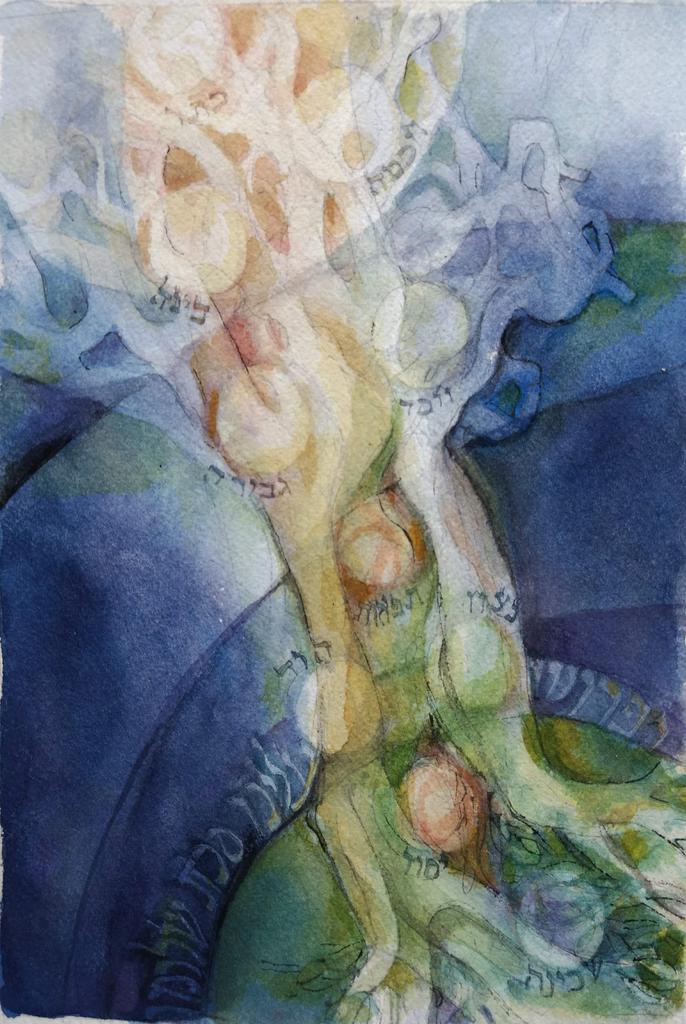
Four Steps of Hitbodedut
1) Open Your Heart: It can be helpful to go out into nature alone, away from paths that other people use, especially at night, and get in touch with the songs of the trees, plants, water or earth. Call on Love, the Source, the Power of unconditional Love, the inner rebbe/teacher. Even if you feel so far away, call over and over. You may want to recall times you have felt connected to the Presence of Love, even if it seems impossible at the moment. Rebbe Nachman suggests using a name of the Source, repeating it over and over as a mantra. Another way is to bring to mind those beings close to you, whether human, trees or animals; and send them love, one after the other, until your heart opens.
2) Speak What is On Your Heart: Very simply, as if you are speaking to one who accepts you completely, all of you, without out any critical judgements; speak what is in your way, where you feel stuck. It may be an un-useful habit or a hurt part of you. Rebbe Nachman suggests working on just one part at a time.
3) Love this Hurt Part and Search Out Its Good Point: Feel it held in the heart of the World. Watch as it can't help but transform and return to its root/source. Each of our hurt parts, our perfectionism, anxieties, fears, whirling thoughts... are trying to be helpful. When held, listened to and respected, over time, they will become whole and a source of strength. This is what Rebbe Nachman calls "bittul" emptying out, nullifying, opening our kelipot or hard shells around our hearts.
4) Offer Gratitude/ Dedicate the Merit of this Practice: There is a traditional Jewish practice of "dedicating the merit"of meditation, a mitzvah or studying to someone or something that needs healing. It is a way of connecting in compassion and gratitude. You may want to simply express gratitude for the beauty of the earth, for the wild beings, for your life. It's good to add a wish that you continue in your spiritual and creative practice.
(א) אַךְ לִזְכּוֹת לָזֶה לְהִכָּלֵל בְּשָׁרְשׁוֹ, דְּהַיְנוּ לַחֲזֹר וּלְהִכָּלֵל בְּאַחְדוּת הַשֵּׁם יִתְבָּרַךְ, שֶׁהוּא מְחֻיַּב הַמְּצִיאוּת, זֶה אִי אֶפְשָׁר לִזְכּוֹת, כִּי־אִם עַל־יְדֵי בִּטּוּל, שֶׁיְּבַטֵּל עַצְמוֹ לְגַמְרֵי, עַד שֶׁיִּהְיֶה נִכְלָל בְּאַחְדוּתוֹ יִתְבָּרַךְ.
(ב) וְאִי אֶפְשָׁר לָבוֹא לִידֵי בִּטּוּל, כִּי־אִם עַל־יְדֵי הִתְבּוֹדְדוּת, כִּי עַל־יְדֵי שֶׁמִּתְבּוֹדֵד וּמְפָרֵשׁ שִׂיחָתוֹ בֵּינוֹ לְבֵין קוֹנוֹ, עַל־יְדֵי־זֶה הוּא זוֹכֶה לְבַטֵּל כָּל הַתַּאֲווֹת וְהַמִּדּוֹת רָעוֹת, עַד שֶׁזּוֹכֶה לְבַטֵּל כָּל גַּשְׁמִיּוּתוֹ, וּלְהִכָּלֵל בְּשָׁרְשׁוֹ.
(ג) אַךְ עִקַּר הַהִתְבּוֹדְדוּת הוּא בַּלַּיְלָה, בְּעֵת שֶׁהָעוֹלָם פָּנוּי מִטִּרְדַּת הָעוֹלָם הַזֶּה. כִּי בַּיּוֹם, עַל־יְדֵי שֶׁרוֹדְפִין הָעוֹלָם אַחַר הָעוֹלָם הַזֶּה, הוּא מְבַטֵּל וּמְבַלְבֵּל אֶת הָאָדָם מִלְּהִתְדַּבֵּק וּלְהִכָּלֵל בְּהַשֵּׁם יִתְבָּרַךְ. וַאֲפִלּוּ אִם הוּא בְּעַצְמוֹ אֵינוֹ טָרוּד, אַף־עַל־פִּי־כֵן מֵאַחַר שֶׁהָעוֹלָם טְרוּדִים אָז וְרוֹדְפִים אָז אַחַר הַבְלֵי הָעוֹלָם הַזֶּה, עַל־יְדֵי־זֶה קָשֶׁה אָז לָבוֹא לִידֵי בִּטּוּל:
(ד) וְגַם צְרִיכִין שֶׁיִּהְיֶה הַהִתְבּוֹדְדוּת בְּמָקוֹם מְיֻחָד, דְּהַיְנוּ חוּץ מֵהָעִיר בְּדֶרֶךְ יְחִידִי, בְּמָקוֹם שֶׁאֵין הוֹלְכִים שָׁם בְּנֵי אָדָם, כִּי בְּמָקוֹם שֶׁהוֹלְכִים שָׁם בְּנֵי אָדָם בַּיּוֹם, הָרוֹדְפִים אַחַר הָעוֹלָם הַזֶּה, אַף־עַל־פִּי שֶׁכָּעֵת אֵינָם הוֹלְכִים שָׁם, הוּא מְבַלְבֵּל גַּם כֵּן הַהִתְבּוֹדְדוּת, וְאֵינוֹ יָכוֹל לְהִתְבַּטֵּל וּלְהִכָּלֵל בּוֹ יִתְבָּרַךְ. עַל־כֵּן צָרִיךְ שֶׁיֵּלֵךְ לְבַדּוֹ בַּלַּיְלָה, בְּדֶרֶךְ יְחִידִי, בְּמָקוֹם שֶׁאֵין שָׁם אָדָם, וְשָׁם יֵלֵךְ וְיִתְבּוֹדֵד, וִיפַנֶּה לִבּוֹ וְדַעְתּוֹ מִכָּל עִסְקֵי עוֹלָם הַזֶּה, וִיבַטֵּל הַכֹּל, עַד שֶׁיִּזְכֶּה לִבְחִינַת בִּטּוּל בֶּאֱמֶת.
(ה) הַיְנוּ, שֶׁבַּתְּחִלָּה יַרְבֶּה בִּתְפִלּוֹת וְשִׂיחוֹת בְּהִתְבּוֹדְדוּת בַּלַּיְלָה בְּדֶרֶךְ יְחִידִי כַּנַּ"ל, עַד שֶׁיִּזְכֶּה לְבַטֵּל זֶה הַדָּבָר, דְּהַיְנוּ לְבַטֵּל מִדָּה וְתַאֲוָה זֹאת. וְאַחַר־כָּךְ יַרְבֶּה עוֹד בַּהִתְבּוֹדְדוּת הַנַּ"ל, עַד שֶׁיְּבַטֵּל מִדָּה וְתַאֲוָה אַחֶרֶת. וְכֵן יִנְהוֹג זְמַן רַב בְּהִתְבּוֹדְדוּת, בַּזְּמַן הַנַּ"ל, וּבַמָּקוֹם הַנַּ"ל, עַד שֶׁיְּבַטֵּל הַכֹּל. וְאַחַר־כָּךְ עֲדַיִן נִשְׁאָר מִמֶּנּוּ אֵיזֶה דָּבָר וְכוּ', וְאַחַר־כָּךְ מְבַטְּלִין גַּם זֶה, עַד שֶׁלֹּא נִשְׁאָר מִמֶּנּוּ כְּלוּם.
Hitbodedut Step 1: Open Your Heart- Go Out into Nature Alone, Perhaps at Night
(1) 3. However to merit this, to be encompassed in one’s Source/ Root —i.e., to return and be encompassed in the oneness of the Source Blessing, Who is an essential arising—is possible only through bitul (negation of, or emptying out of one's traumatized parts.) A person has to make themself totally open, until one is encompassed in the oneness of the Source
(2) And the only way to attain bitul is through hitbodedut. By secluding oneself and speaking at length with the Source of Blessing, through this a person merits releasing all their physical cravings/ addictions and confused/traumatized character traits to the point where one merits releasing all their separateness and is encompassed in their Source.
(3) But the main [time] for hitbodedut is at night, when people are free of the preoccupations of this world. For during the day, because people chase after the things of this world, this disturbs a person and prevents them from devekut/melding and being encompassed in the Source of Blessing. Even if one is not preoccupied, still, since most people are preoccupied then and are chasing after the desires of this world, as a result it is difficult to attain bitul then.
4) In addition, the hitbodedut should take place in a special place—i.e., away from the city, on a secluded road, in a place not frequented by people. For a place frequented during the day by people who chase after this world, even if at present they are not there, nonetheless disturbs the hitbodedut and one is unable to attain bitul and be encompassed in the Source of Blessing Therefore a person has to go alone at night on a secluded road, in a place where no one else is, and there engage in hitbodedut, emptying one's heart and mind of all worldly matters. One should release everything, until one truly merits the aspect of bitul.
Step 2: Speak What is on Your Heart
(5) In other words, at the outset one should pray and speak a great deal in hitbodedut at night on a secluded road, as explained above, until one merits releasing one thing—i.e., releasing a particular trait or craving. Then one should again engage a great deal in the hitbodedut mentioned above until one releases a different trait or desire. And one should continue practicing hitbodedut for a long time, at the time mentioned above and in the place mentioned above, until one releases everything. After this, there is still something of one's separateness left… and afterwards one negates this as well, until there is nothing of oneself left.
הֲרֵי זֶה מִתְחַיֵּב בְּנַפְשׁוֹ – שֶׁנִּכְלָל כָּל הָעוֹלָם בִּבְחִינַת מְחֻיַּב הַמְּצִיאוּת עִם נַפְשׁוֹ, כִּי עַל־יְדֵי הַהִתְבּוֹדְדוּת הַנַּ"ל זָכָה לִבְחִינַת בִּטּוּל, עַד שֶׁנִּכְלָל נַפְשׁוֹ בְּחִיּוּב הַמְּצִיאוּת, וְעַל־יְדֵי־ זֶה נִכְלָל כָּל הָעוֹלָם עִם נַפְשׁוֹ בְּחִיּוּב הַמְּצִיאוּת כַּנַּ"ל, וְנַעֲשֶׂה נַפְשׁוֹ וְכָל הָעוֹלָם בִּבְחִינַת מְחֻיַּב הַמְּצִיאוּת כַּנַּ"ל, וְזֶהוּ: הֲרֵי זֶה מִתְחַיֵּב בְּנַפְשׁוֹ כַּנַּ"ל:
one is mitchayev his own soul—The entire world is encompassed together with one's soul in the aspect of essential arising. For through the hitbodedut mentioned above, one merits the aspect of bitul, until one's soul becomes encompassed in essential arising and through this the entire world becomes encompassed together with one's soul in the aspect of essential arising. ....
הַיְנוּ כְּמוֹ שֶׁצְּרִיכִין לָדוּן אֲחֵרִים לְכַף זְכוּת, אֲפִלּוּ אֶת הָרְשָׁעִים, וְלִמְצֹא בָּהֶם אֵיזֶה נְקֻדּוֹת טוֹבוֹת, וְעַל־יְדֵי־זֶה מוֹצִיאִין אוֹתָם בֶּאֱמֶת מִכַּף חוֹבָה לְכַף זְכוּת, בִּבְחִינַת: וְעוֹד מְעַט וְכוּ' וְהִתְבּוֹנַנְתָּ וְכוּ' כַּנַּ"ל, כְּמוֹ כֵן הוּא אֵצֶל הָאָדָם בְּעַצְמוֹ, שֶׁצָּרִיךְ לָדוּן אֶת עַצְמוֹ לְכַף זְכוּת, וְלִמְצֹא בְּעַצְמוֹ אֵיזֶה נְקֻדָּה טוֹבָה עֲדַיִן, כְּדֵי לְחַזֵּק אֶת עַצְמוֹ שֶׁלֹּא יִפֹּל לְגַמְרֵי, חַס וְשָׁלוֹם, רַק אַדְּרַבָּא יְחַיֶּה אֶת עַצְמוֹ, וִישַׂמַּח אֶת נַפְשׁוֹ בִּמְעַט הַטּוֹב שֶׁמּוֹצֵא בְּעַצְמוֹ, דְּהַיְנוּ מַה שֶּׁזָּכָה לַעֲשׂוֹת מִיָּמָיו אֵיזֶה מִצְוָה אוֹ אֵיזֶה דָּבָר טוֹב,
Step 3: Love This Hurt Part and Search for its Good Point
That is... we must judge others favorably, even those who are very harmful; and find in them some good point, and by doing so move them from guilt to merit,... —the same applies with regard to oneself. A person has to judge themself favorably and find in themself some remaining good point, in order to give themself the strength to avoid falling completely, Heaven forbid. On the contrary, they will revive themself and bring joy to their soul with the little bit of good they finds in themself—i.e., that once in their life they merited doing a mitzvah or good deed.
הַנֵּעוֹר בַּלַּיְלָה – כִּפְשׁוּטוֹ, דְּהַיְנוּ שֶׁהוּא נֵעוֹר בַּלַּיְלָה, וּמִתְבּוֹדֵד וּמְפָרֵשׁ שִׂיחָתוֹ בֵּינוֹ לְבֵין קוֹנוֹ. וְהַמְהַלֵּךְ בַּדֶּרֶךְ יְחִידִי – הַיְנוּ כַּנַּ"ל, שֶׁהוֹלֵךְ בְּדֶרֶךְ יְחִידִי דַּיְקָא, בְּמָקוֹם שֶׁאֵין בְּנֵי אָדָם הוֹלְכִים שָׁם כַּנַּ"ל, כִּי אֲזַי הוּא עִקַּר שְׁלֵמוּת הַהִתְבּוֹדְדוּת: בַּלַּיְלָה, וּבְדֶרֶךְ יְחִידִי דַּיְקָא כַּנַּ"ל, כִּי אָז דַּיְקָא יְכוֹלִין לָבוֹא לִבְחִינַת בִּטּוּל כַּנַּ"ל. וְזֶהוּ:
Hitbodedut/ Clearing Out as a Way to Heal the Heart and the World
The one who stays awake at night—This follows its simple meaning. In other words, one stays awake at night and secludes themself and speaks at length with the One they belong to.
and who goes on one's way alone—In other words, as explained above, one goes specifically on a secluded road, in a place which people do not frequent. For this is the essence of ideal hitbodedut: at night and specifically on a secluded road, because especially then one can attain the aspect of bitul,(openness/transparency/ nothingness) as explained above. And this is:
וּכְמוֹ כֵן צָרִיךְ לְחַפֵּשׂ עוֹד, לִמְצֹא בְּעַצְמוֹ עוֹד אֵיזֶה דָּבָר טוֹב, וְאַף שֶׁגַּם אוֹתוֹ הַדָּבָר הַטּוֹב הוּא גַּם־כֵּן מְעֹרָב בִּפְסֹלֶת הַרְבֵּה, עִם כָּל זֶה יוֹצִיא מִשָּׁם גַּם־כֵּן אֵיזֶה נְקֻדָּה טוֹבָה. וְכֵן יְחַפֵּשׂ וִילַקֵּט עוֹד הַנְּקֻדּוֹת טוֹבוֹת, וְעַל־יְדֵי־זֶה נַעֲשִׂין נִגּוּנִים, כַּמְבֹאָר בְּמָקוֹם אַחֵר (במאמר ויהי מקץ בסי' נ"ד), בְּחִינַת מְנַגֵּן בִּכְלֵי זֶמֶר, שֶׁהוּא בְּחִינַת שֶׁמְּלַקֵּט הָרוּחַ טוֹבָה מִן הָרוּחַ נְכֵאָה עַצְבוּת רוּחַ, עַיֵּן שָׁם. [וְהַכְּלָל, כִּי נְגִינָה דִּקְדֻשָּׁה הִיא גָּבוֹהַּ מְאֹד מְאֹד כַּיָּדוּעַ, וְעִקַּר הַנִּגּוּן נַעֲשֶׂה עַל־יְדֵי בֵּרוּר הַטּוֹב מִן הָרַע, שֶׁעַל־יְדֵי שֶׁמְּבָרְרִין וּמְלַקְּטִין הַנְּקֻדּוֹת טוֹבוֹת מִתּוֹךְ הָרַע, עַל־יְדֵי־זֶה נַעֲשִׂים נִגּוּנִים וּזְמִירוֹת, עַיֵּן שָׁם הֵיטֵב].
Step 3: Love This Hurt Part and Search for its Good Point
Likewise, one must go on searching until one finds in oneself yet another good thing. And although this good thing too is mixed with much shmutz, still, they must extract some good point from there as well. Indeed, they must go on searching and gathering further good points.
And it is through this that melodies are made. As explained elsewhere, the aspect of playing a musical instrument is the aspect of gathering the good ruach/soul/breath from the ruach of gloom, depression; see there.
{The principle is that music of holiness/wholeness is extremely high, as is known. In essence, music is made through the separation of beneficial from harmful; by selecting and gathering the harmonious points from the unharmonious, melodies and songs are created. Study this well.}
Hitbodedut הִתְבּוֹדְדוּת
seclusion; solitariness, solitude.
בִּטּוּל Bitul
cessation, stoppage, abolition, abolishment, revocation.
מְחֻיָּב M'chuyav
bound, obliged, (liable).
אַחַר פּוּרִים קוֹרִין פָּרָשַׁת פָּרָה, שֶׁהִיא הֲכָנָה לְפֶסַח. כִּי פָּרָשַׁת פָּרָה קוֹרִין, כְּדֵי שֶׁיִּהְיוּ נִזְהָרִין לִטָּהֵר מִטֻּמְאַת מֵת, כְּדֵי שֶׁיִּהְיוּ טְהוֹרִין לַעֲשׂוֹת הַפֶּסַח.
After Purim we read the Chapter of Parah, which is a preparation for Pesach. The Chapter of Parah is read so that people will be alerted to purify themselves from the impurity of a corpse, in order to be ritually pure for offering the Pesach sacrifice.