תְּנֵינָא לְהָא
דְּתָנוּ רַבָּנַן
הָאָב חַיָּיב בִּבְנוֹ
לְמוּלוֹ
וְלִפְדוֹתוֹ
וּלְלַמְּדוֹ תּוֹרָה
וּלְהַשִּׂיאוֹ אִשָּׁה
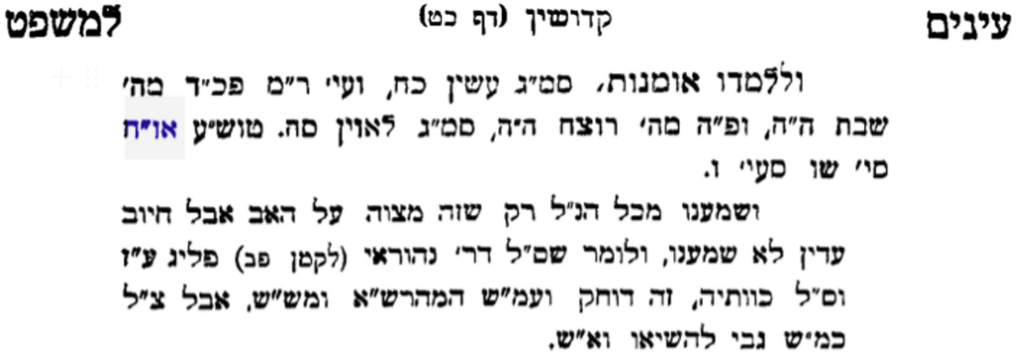
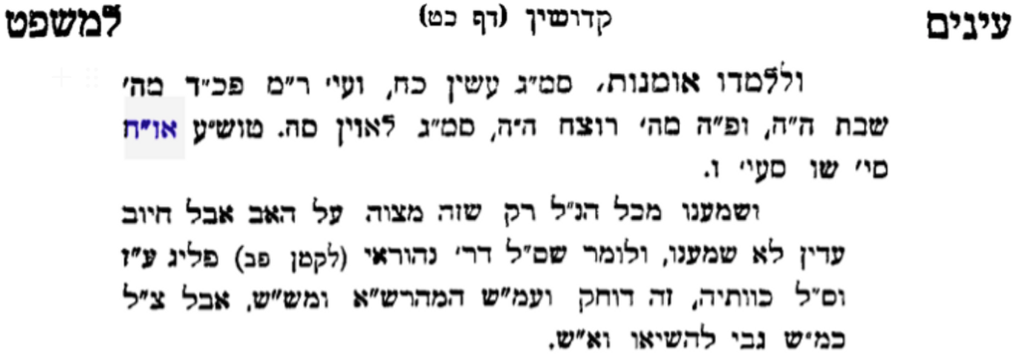
וּלְלַמְּדוֹ אוּמָּנוּת
וְיֵשׁ אוֹמְרִים אַף לַהֲשִׁיטוֹ בַּמַּיִם
רַבִּי יְהוּדָה אוֹמֵר
כֹּל שֶׁאֵינוֹ מְלַמֵּד אֶת בְּנוֹ אוּמָּנוּת
מְלַמְּדוֹ לִיסְטוּת
לִיסְטוּת סָלְקָא דַּעְתָּךְ
אֶלָּא
כְּאִילּוּ מְלַמְּדוֹ לִיסְטוּת
The Gemara comments: According to this interpretation, we learn in this mishna that which the Sages taught in a baraita:
A father is obligated with regard to his son to circumcise him,
and to redeem him if he is a firstborn son who must be redeemed by payment to a priest,
and to teach him Torah,
and to marry him to a woman,
and to teach him a trade.
And some say: A father is also obligated to teach his son to swim.
Rabbi Yehuda says: Any father who does not teach his son a trade teaches him banditry [listut].
The Gemara expresses surprise at this statement: Can it enter your mind that he actually teaches him banditry?
Rather, the baraita means that it is as though he teaches him banditry.
רַבִּי יְהוּדָה אוֹמֵר כֹּל שֶׁאֵינוֹ מְלַמְּדוֹ אוּמָּנוּת מְלַמְּדוֹ לִיסְטוּת
לִיסְטוּת
סָלְקָא דַּעְתָּךְ
אֶלָּא כְּאִילּוּ מְלַמְּדוֹ לִיסְטוּת
מַאי בֵּינַיְיהוּ
אִיכָּא בֵּינַיְיהוּ דְּאַגְמְרֵיהּ עִיסְקָא
§ The baraita further teaches that Rabbi Yehuda says: Any father who does not teach his son a trade teaches him banditry.
The Gemara asks: Can it enter your mind that he actually teaches him banditry?
Rather, the baraita means that it is as though he taught him banditry. The
Gemara asks: What is the difference between the opinion of the first tanna and that of Rabbi Yehuda? Both state that a father must teach his son a trade.
The Gemara answers: There is a difference between them in a case where the father teaches him to engage in business.
According to the first tanna this is sufficient, whereas Rabbi Yehuda maintains that he must teach him an actual trade.
מִצְוָה עַל הָאָב לָמוּל אֶת בְּנוֹ
יָתֵר עַל מִצְוָה שֶׁמְּצֻוִּין יִשְׂרָאֵל שֶׁיָּמוּלוּ כָּל עָרֵל שֶׁבֵּינֵיהֶן.
It is a greater mitzvah for a father to circumcise his son
than for the Jewish people as a whole to circumcise the uncircumcised among them.
מִצְוַת עֲשֵׂה לִפְדּוֹת כָּל אִישׁ מִיִּשְׂרָאֵל בְּנוֹ שֶׁהוּא בְּכוֹר לְאִמּוֹ הַיִּשְׂרְאֵלִית שֶׁנֶּאֱמַר (שמות לד יט) "כָּל פֶּטֶר רֶחֶם לִי".
וְנֶאֱמַר
(במדבר יח טו) "אַךְ פָּדֹה תִפְדֶּה אֵת בְּכוֹר הָאָדָם":
It is a positive commandment for every Jewish man to redeem his son who is the firstborn of his Jewish mother, as (Exodus 34:19) states: All first issues of the womb are mine and [Numbers 18:15] states: And you shall surely redeem a firstborn man.
קָטָן
אָבִיו חַיָּב לְלַמְּדוֹ תּוֹרָה
שֶׁנֶּאֱמַר
(דברים יא יט) "וְלִמַּדְתֶּם אֹתָם אֶת בְּנֵיכֶם לְדַבֵּר בָּם".
A minor,
his father is obligated to teach him Torah, as it states:
And you shall teach them to your sons to speak about them. (Deuteronomy 11:19)
(כה) מִצְוַת חֲכָמִים שֶׁיַּשִּׂיא אָדָם בָּנָיו וּבְנוֹתָיו סָמוּךְ לְפִרְקָן.
שֶׁאִם יַנִּיחָן יָבוֹאוּ לִידֵי זְנוּת אוֹ לִידֵי הִרְהוּר.
וְעַל זֶה נֶאֱמַר (איוב ה כד) "וּפָקַדְתָּ נָוְךָ וְלֹא תֶחֱטָא".
(25) Among our Sages' commands is that a person should marry off his sons and daughters close to the time they reach physical maturity.
For were he to leave them [unmarried], they may be motivated to promiscuity or sexual thoughts.
Concerning this was applied the verse [Job 5:24]: Visit your homestead and you shall not sin.
(ה) מֻתָּר לָרוּץ בְּשַׁבָּת לִדְבַר מִצְוָה
כְּגוֹן
שֶׁיָּרוּץ לְבֵית הַכְּנֶסֶת אוֹ לְבֵית הַמִּדְרָשׁ.
וּמְחַשְּׁבִין חֶשְׁבּוֹנוֹת שֶׁל מִצְוָה וּמוֹדְדִין מְדִידָה שֶׁל מִצְוָה כְּגוֹן מִקְוֶה לֵידַע אִם יֵשׁ כַּשִּׁעוּר...
וּמְשַׁדְּכִין...וְעַל הַתִּינוֹק לְלַמְּדוֹ סֵפֶר וּלְלַמְּדוֹ אֻמָּנוּת.
(5) It is permitted to run on the Sabbath for matters involved with a mitzvah
- e.g.,
to run to the synagogue or the house of study.
We are permitted to calculate accounts associated with a mitzvah, to make measurements concerning a mitzvah - e.g., to measure a mikveh to see if it contains [the required] quantity,
One may speak for a boy about...arranging study - whether the study of Torah or the study of a profession.
(ה) הַבֵּן שֶׁהָרַג אֶת אָבִיו בִּשְׁגָגָה גּוֹלֶה וְכֵן הָאָב שֶׁהָרַג אֶת בְּנוֹ גּוֹלֶה עַל יָדוֹ.
בַּמֶּה דְּבָרִים אֲמוּרִים כְּשֶׁהֲרָגוֹ שֶׁלֹּא בִּשְׁעַת לִמּוּד.
אוֹ שֶׁהָיָה מְלַמְּדוֹ אֻמָּנוּת אַחֶרֶת שֶׁאֵינוֹ צָרִיךְ לָהּ.
אֲבָל אִם יִסֵּר בְּנוֹ כְּדֵי לְלַמְּדוֹ תּוֹרָה אוֹ חָכְמָה אוֹ אֻמָּנוּת וּמֵת פָּטוּר:
(5) When a son unintentionally kills his father, he should be exiled. Similarly, when a father unintentionally kills his son, he should be exiled.
When does the above apply? When the father kills the son while not in the midst of Torah study,
or when he was teaching his son a profession that is not necessary for him.
If, however, he imposes punishment on his son while teaching him Torah, secular knowledge or a profession, and the son dies, the father is not liable for exile.
מַתְנִי'
רַבִּי מֵאִיר אוֹמֵר
לְעוֹלָם יְלַמֵּד אָדָם אֶת בְּנוֹ
אוּמָּנוּת נְקִיָּה וְקַלָּה
וְיִתְפַּלֵּל לְמִי שֶׁהָעוֹשֶׁר וְהַנְּכָסִים שֶׁלּוֹ
שֶׁאֵין אוּמָּנוּת שֶׁאֵין בָּהּ עֲנִיּוּת וַעֲשִׁירוּת שֶׁלֹּא עֲנִיּוּת מִן הָאוּמָּנוּת
וְלֹא עֲשִׁירוּת מִן הָאוּמָּנוּת
אֶלָּא הַכֹּל לְפִי זְכוּתוֹ...
אַבָּא גּוּרְיָין אִישׁ צַיְידָן אוֹמֵר
מִשּׁוּם אַבָּא גּוּרְיָא
לֹא יְלַמֵּד אָדָם אֶת בְּנוֹ
חַמָּר גַּמָּל קַדָּר סַפָּן רוֹעֶה וְחֶנְוָנִי שֶׁאוּמָּנוּתָן אוּמָּנוּת לִיסְטִים...
רַבִּי נְהוֹרַאי אוֹמֵר
מַנִּיחַ אֲנִי כׇּל אוּמָּנוּת שֶׁבָּעוֹלָם
וְאֵינִי מְלַמֵּד אֶת בְּנִי אֶלָּא תּוֹרָה
שֶׁאָדָם אוֹכֵל מִשְּׂכָרָהּ בָּעוֹלָם הַזֶּה
וְהַקֶּרֶן קַיֶּימֶת לוֹ לָעוֹלָם הַבָּא
וּשְׁאָר כׇּל אוּמָּנִיּוֹת אֵינָן כֵּן
כְּשֶׁאָדָם בָּא לִידֵי חוֹלִי
אוֹ לִידֵי זִקְנָה אוֹ לִידֵי יִסּוּרִין
וְאֵינוֹ יָכוֹל לַעֲסוֹק בִּמְלַאכְתּוֹ
הֲרֵי הוּא מֵת בָּרָעָב
אֲבָל הַתּוֹרָה אֵינָהּ כֵּן
אֶלָּא מְשַׁמַּרְתּוֹ מִכׇּל רַע בְּנַעֲרוּתוֹ
וְנוֹתֶנֶת לוֹ אַחֲרִית וְתִקְוָה בְּזִקְנוּתוֹ
MISHNA:
With regard to teaching one’s son a trade,
Rabbi Meir says:
A person should always teach his son a clean and easy trade
and pray for success to the One to Whom wealth and property belong,
as ultimately there is no trade that does not include both poverty and wealth, since a person can become rich from any profession. Poverty does not come from a particular trade, nor does wealth come from a particular trade, but rather, all is in accordance with a person’s merit...
Abba Guryan of Tzadyan says in the name of Abba Gurya: A person may not teach his son the trades of
a donkey driver, a camel driver, a pot maker, a sailor, a shepherd, or a storekeeper as their trades are the trades of robbers ie they involve a measure of dishonesty.
Rabbi Nehorai says:
I set aside all the trades in the world, and I teach my son only Torah,
as a person partakes of its reward in this world and the principal reward remains for him in the World-to-Come, which is not true of other professions, whose rewards are only in this world.
Furthermore, if a person comes to be ill, or old, or undergoes suffering, and is unable to be involved in his trade, behold, he dies in hunger. But with regard to the Torah it is not so, since one can study it under all circumstances. Rather, it preserves him from all evil and sin in his youth, and provides him with a future and hope in his old age.
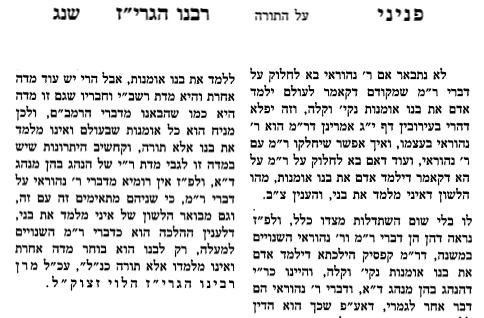
שם ר' נהוראי אומר מניח אני כל אומניות שבעולם ואיני מלמד את בני אלא תורה כו'. לכאורה נראה דר' נהוראי לית ליה הא דאמרינן לעיל בפ"ק דחייב אדם ללמד בנו אומנות ואמרינן נמי בפרקי אבות כל תורה שאין עמה מלאכה ודרך ארץ סופה בטילה אלא דלמאי דפרישית בסמוך אתי שפיר דלא פליג דודאי מידת כל אדם ללמוד תורה ודרך ארץ דאין כל אדם זוכה לכך שיהא מלאכתו נעשית ע"י אחרים וא"כ ח"ו אפשר שיבא לידי לסטיות או לידי בזיון התורה אמנם ר' נהוראי כלפי עצמו אמר כן לפי שראה שבנו זריז וממולא ותלמודו מתקיים בידו בענין שיהא ת"ח גמור וצדיק גמור שמלאכתו יהא נעשית ע"י אחרים ומש"ה אמר דמניח כל אומניות שבעולם ואינו מלמדו אלא תורה ואין לו לחוש לפרנסתו בתורה עם דרך ארץ כיון שמלאכתו יהא נעשית ע"י אחרים דגם במעלליו יתנכר נער גם כי יזקין לא יסור ממנה ומסיק ואזיל שהתורה משמרתו מכל רע בענין שאין לו לחוש שע"י יסורין שיבואו עליו יצטרך לבטל מתורה שהרי התורה מצילתו מכל רע ואף מיסורין כדאיתא בברכות
...it would appear that Rabbi Nehorai does not agree with what was taught earlier - that a person is obligated to teach their son a livelihood...but rather he certainly does not dispute this for certainly it is the practice of each person to study Torah and dererch eretz ie the normal behavior of earning a livelihood...rather Rabbi Nehorai was speaking of what he did since he saw that his son was quick, capable and what he studied was well remembered such that he would be both completely learned and completely righteous and that the burden of his livelihood would be taken up by others and therefore for his son he set aside all other trades and taught him Torah...
(ה) כְּשֵׁם שֶׁמִּילַת עַצְמוֹ מְעַכַּבְתּוֹ מִלַּעֲשׂוֹת פֶּסַח
כָּךְ מִילַת בָּנָיו הַקְּטַנִּים...
שֶׁנֶּאֱמַר (שמות יב מח) "הִמּוֹל לוֹ כָל זָכָר וְאָז יִקְרַב לַעֲשׂוֹתוֹ". וְאִם שָׁחַט קֹדֶם שֶׁיָּמוּל אוֹתָם הַפֶּסַח פָּסוּל.
5) Just as the failure to circumcise oneself holds a person back from offering the Paschal sacrifice,
so too, the failure to circumcise one's minor children...
as Exodus 12:48: He shall circumcise all males, then he will draw close to offer the Paschal sacrifice."
(י) כָּל הַמֵּשִׂים עַל לִבּוֹ שֶׁיַּעֲסֹק בַּתּוֹרָה וְלֹא יַעֲשֶׂה מְלָאכָה
וְיִתְפַּרְנֵס מִן הַצְּדָקָה
הֲרֵי זֶה חִלֵּל אֶת הַשֵּׁם
וּבִזָּה אֶת הַתּוֹרָה
וְכִבָּה מֵאוֹר הַדָּת
וְגָרַם רָעָה לְעַצְמוֹ
וְנָטַל חַיָּיו מִן הָעוֹלָם הַבָּא.
לְפִי שֶׁאָסוּר לֵהָנוֹת מִדִּבְרֵי תּוֹרָה בָּעוֹלָם הַזֶּה...
וְעוֹד צִוּוּ וְאָמְרוּ...(משנה אבות ב ב) "וְכָל תּוֹרָה שֶׁאֵין עִמָּהּ מְלָאכָה סוֹפָהּ בְּטֵלָה וְגוֹרֶרֶת עָוֹן".
וְסוֹף אָדָם זֶה שֶׁיְּהֵא מְלַסְטֵם אֶת הַבְּרִיּוֹת:
(10) Anyone who comes to the conclusion that he should involve himself in Torah study without doing work
and derive his livelihood from charity, desecrates [God's] name,
dishonors the Torah,
extinguishes the light of faith,
brings evil upon himself,
and forfeits the life of the world to come,
for it is forbidden to derive benefit from the words of Torah in this world.
Our Sages declared: (Avot 2:2) ...All Torah that is not accompanied by work will eventually be negated and lead to sin.
Ultimately, such a person will steal from others.
(ב) מַכְנִיסִין אֶת הַתִּינוֹקוֹת לְהִתְלַמֵּד כְּבֶן שֵׁשׁ כְּבֶן שֶׁבַע
לְפִי כֹּחַ הַבֵּן וּבִנְיַן גּוּפוֹ.
וּפָחוֹת מִבֶּן שֵׁשׁ אֵין מַכְנִיסִים אוֹתוֹ...
וְיוֹשֵׁב וּמְלַמְּדָן כָּל הַיּוֹם כֻּלּוֹ וּמִקְצָת מִן הַלַּיְלָה כְּדֵי לְחַנְּכָן לִלְמֹד בַּיּוֹם וּבַלַּיְלָה.
וְלֹא יִבָּטְלוּ הַתִּינוֹקוֹת כְּלָל חוּץ מֵעַרְבֵי שַׁבָּתוֹת וְיָמִים טוֹבִים בְּסוֹף הַיָּמִים וּבְיָמִים טוֹבִים.
אֲבָל בְּשַׁבָּת אֵין קוֹרִין בַּתְּחִלָּה אֲבָל שׁוֹנִין בָּרִאשׁוֹן.
וְאֵין מְבַטְּלִין הַתִּינוֹקוֹת וַאֲפִלּוּ לְבִנְיַן בֵּית הַמִּקְדָּשׁ:
(2) Children should be brought to study [under a teacher's instruction] at the age of six or seven,
according to the child's health and build.
Below the age of six, he should not be brought [to a teacher]....
[The teacher] should sit and instruct them the entire day and for a portion of the night, to train them to study during the day and night.
The children should not be idle at all, except at the end of the day on the eve of the Sabbaths and festivals and on the festivals themselves.
On the Sabbath, they should not begin new material. However, they should review what was learned already.
The children should never be interrupted from their studies, even for the building of the Temple.
לְלַמְּדוֹ אוּמָּנוּת מְנָלַן
אָמַר חִזְקִיָּה
דְּאָמַר קְרָא רְאֵה חַיִּים עִם אִשָּׁה אֲשֶׁר אָהַבְתָּ
אִם אִשָּׁה מַמָּשׁ הִיא כְּשֵׁם שֶׁחַיָּיב לְהַשִּׂיאוֹ אִשָּׁה כָּךְ חַיָּיב לְלַמְּדוֹ אוּמָּנוּת
אִם תּוֹרָה הִיא כְּשֵׁם שֶׁחַיָּיב לְלַמְּדוֹ תּוֹרָה כָּךְ חַיָּיב לְלַמְּדוֹ אוּמָּנוּת
From where do we derive that a father must teach his son a trade?
Ḥizkiyya said:
As the verse states: “Enjoy life with the wife whom you love” (Ecclesiastes 9:9).
If this verse is interpreted literally, and it is referring to an actual woman, then one can derive as follows: Just as a father is obligated to marry his son to a woman, so too, he is obligated to teach him a trade, as indicated by the term: Life.
And if the wife mentioned in this verse is allegorical, and it is the Torah, then one should explain the verse in the following manner: Just as he is obligated to teach him Torah, so too, he is obligated to teach him a trade.

וא"ל אנטונינוס לרבי
נשמה מאימתי ניתנה באדם משעת פקידה או משעת יצירה
א"ל משעת יצירה
א"ל אפשר חתיכה של בשר עומדת שלשה ימים בלא מלח ואינה מסרחת
אלא משעת פקידה
אמר רבי דבר זה למדני אנטונינוס ומקרא מסייעו שנאמר (איוב י, יב) ופקודתך שמרה רוחי
And Antoninos said to Rabbi Yehuda HaNasi:
From when is the soul placed in a person? Is it from the moment of conception or from the moment of the formation of the embryo, forty days after conception?
Rabbi Yehuda HaNasi said to him: It is from the moment of the formation of the embryo.
Antoninos said to him: That is inconceivable. Is it possible that a piece of meat could stand for even three days without salt as a preservative and would not rot? The embryo could not exist for forty days without a soul.
Rather, the soul is placed in man from the moment of conception.
Rabbi Yehuda HaNasi said: Antoninos taught me this matter, and there is a verse that supports him, as it is stated: “And Your Providence [pekudatekha] has preserved my spirit” (Job 10:12) indicating that it is from the moment of conception [pekida] that the soul is preserved within a person.
אָמַר רַבִּי אַחָא בַּר חֲנִינָא:
גָּלוּי וְיָדוּעַ לִפְנֵי מִי שֶׁאָמַר וְהָיָה הָעוֹלָם שֶׁאֵין בְּדוֹרוֹ שֶׁל רַבִּי מֵאִיר כְּמוֹתוֹ,
וּמִפְּנֵי מָה לֹא קָבְעוּ הֲלָכָה כְּמוֹתוֹ?
שֶׁלֹּא יָכְלוּ חֲבֵירָיו לַעֲמוֹד עַל סוֹף דַּעְתּוֹ.
שֶׁהוּא אוֹמֵר עַל טָמֵא טָהוֹר וּמַרְאֶה לוֹ פָּנִים, עַל טָהוֹר טָמֵא וּמַרְאֶה לוֹ פָּנִים.
תָּנָא: לֹא רַבִּי מֵאִיר שְׁמוֹ אֶלָּא רַבִּי נְהוֹרַאי שְׁמוֹ,
וְלָמָּה נִקְרָא שְׁמוֹ רַבִּי מֵאִיר? שֶׁהוּא מֵאִיר עֵינֵי חֲכָמִים בַּהֲלָכָה.
On the topic of Rabbi Meir and his Torah study, the Gemara cites an additional statement. Rabbi Aḥa bar Ḥanina said:
It is revealed and known before the One Who spoke and the world came into being that in the generation of Rabbi Meir there was no one of the Sages who is his equal.
Why then didn’t the Sages establish the halakha in accordance with his opinion?
It is because his colleagues were unable to ascertain the profundity of his opinion. He was so brilliant that he could present a cogent argument for any position, even if it was not consistent with the prevalent halakha.
As he would state with regard to a ritually impure item that it is pure, and display justification for that ruling, and likewise he would state with regard to a ritually pure item that it is impure, and display justification for that ruling. The Sages were unable to distinguish between the statements that were halakha and those that were not.
It was taught in a baraita: Rabbi Meir was not his name; rather, Rabbi Nehorai was his name. And why was he called by the name Rabbi Meir?
It was because he illuminates [meir] the eyes of the Sages in matters of the halakha.