


We begin with two images, art from: Nick Sousanis, Unflattening. Harvard Uni. Press. 2015. p. 51-52
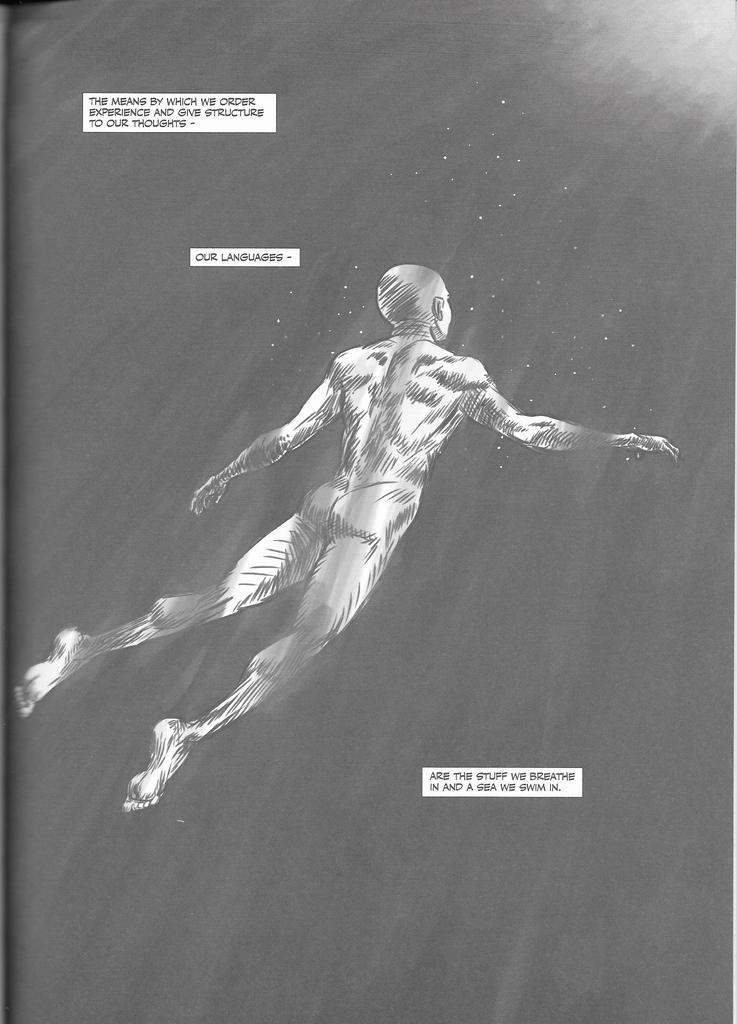
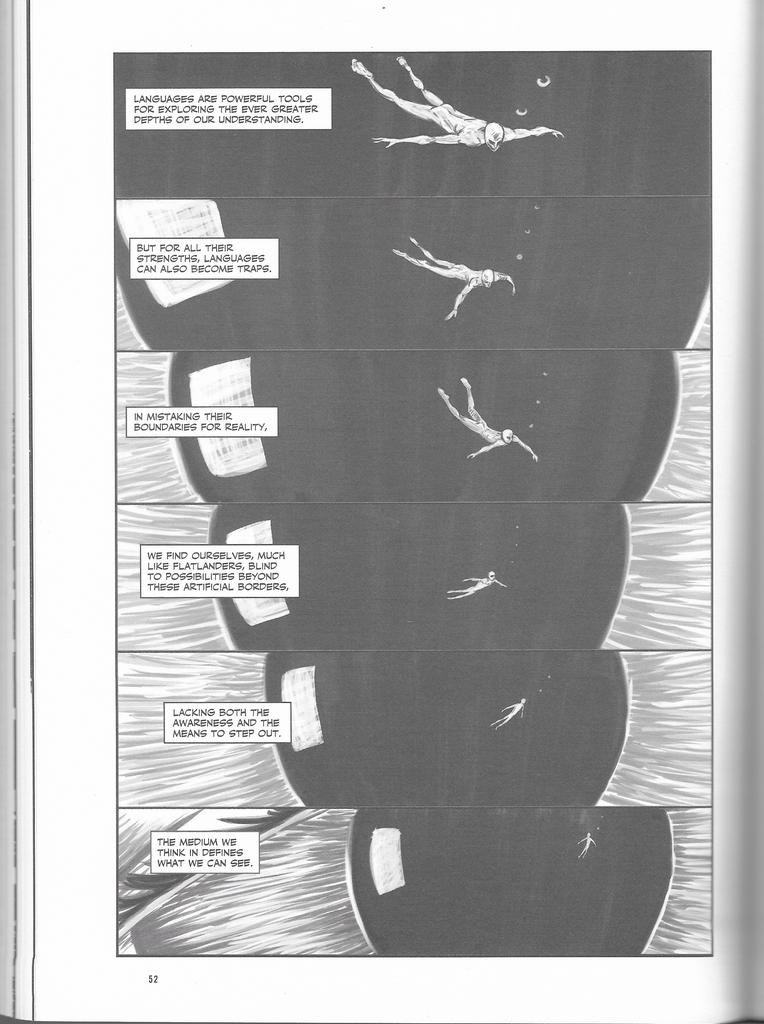
Question:
Sousanis speaks about language. What other forms of communication and experiencing the world, influence the way we understand reality?
וַתִּירֶ֤אןָ הַֽמְיַלְּדֹת֙ אֶת־הָ֣אֱלֹהִ֔ים וְלֹ֣א עָשׂ֔וּ כַּאֲשֶׁ֛ר דִּבֶּ֥ר אֲלֵיהֶ֖ן מֶ֣לֶךְ מִצְרָ֑יִם וַתְּחַיֶּ֖יןָ אֶת־הַיְלָדִֽים׃
The midwives, fearing God, did not do as the king of Egypt had told them; they let the boys live.
Questions:
- Why are midwives the first hero/ins in the book of Shemot?
- What connections can you make between the work of a midwife, and fear? (Specifically the fear of death).
- In what way does the work of a midwife teach us about the need to touch fear, in order to bring life into the world?
- What happens to our creativity/life - giving capabilities, if we don't allow ourselves to touch scary and even dangarous situations?
One tradition for a this week's Haftara is in the book of Jeremiah [Jeremiah 1:1-2:3]. We'll continue looking into the question of fear by connecting some themes from the Haftarah with the story of Shifra and Pu'ah, the Midwives.
(ה) בְּטֶ֨רֶם (אצורך) [אֶצׇּרְךָ֤] בַבֶּ֙טֶן֙ יְדַעְתִּ֔יךָ וּבְטֶ֛רֶם תֵּצֵ֥א מֵרֶ֖חֶם הִקְדַּשְׁתִּ֑יךָ נָבִ֥יא לַגּוֹיִ֖ם נְתַתִּֽיךָ׃ (ו) וָאֹמַ֗ר אֲהָהּ֙ אֲדֹנָ֣י יֱהֹוִ֔ה הִנֵּ֥ה לֹֽא־יָדַ֖עְתִּי דַּבֵּ֑ר כִּי־נַ֖עַר אָנֹֽכִי׃ {ס} (ז) וַיֹּ֤אמֶר יְהֹוָה֙ אֵלַ֔י אַל־תֹּאמַ֖ר נַ֣עַר אָנֹ֑כִי כִּ֠י עַֽל־כׇּל־אֲשֶׁ֤ר אֶֽשְׁלָחֲךָ֙ תֵּלֵ֔ךְ וְאֵ֛ת כׇּל־אֲשֶׁ֥ר אֲצַוְּךָ֖ תְּדַבֵּֽר׃ (ח) אַל־תִּירָ֖א מִפְּנֵיהֶ֑ם כִּֽי־אִתְּךָ֥ אֲנִ֛י לְהַצִּלֶ֖ךָ נְאֻם־יְהֹוָֽה׃ (ט) וַיִּשְׁלַ֤ח יְהֹוָה֙ אֶת־יָד֔וֹ וַיַּגַּ֖ע עַל־פִּ֑י וַיֹּ֤אמֶר יְהֹוָה֙ אֵלַ֔י הִנֵּ֛ה נָתַ֥תִּי דְבָרַ֖י בְּפִֽיךָ׃
(5) Before I created you in the womb, I selected you;Before you were born, I consecrated you;I appointed you a prophet concerning the nations. (6) I replied:Ah, Lord GOD!I don’t know how to speak,For I am still a boy. (7) And the LORD said to me:Do not say, “I am still a boy,”But go wherever I send youAnd speak whatever I command you. (8) Have no fear of them,For I am with you to deliver you—declares the LORD. (9) The LORD put out His hand and touched my mouth, and the LORD said to me: Herewith I put My words into your mouth.
Jeremiah's autobiographical text teaches us about the difference between fear that binds us, and fear that frees.
(ה) וָאֹמַ֞ר אֽוֹי־לִ֣י כִֽי־נִדְמֵ֗יתִי כִּ֣י אִ֤ישׁ טְמֵֽא־שְׂפָתַ֙יִם֙ אָנֹ֔כִי וּבְתוֹךְ֙ עַם־טְמֵ֣א שְׂפָתַ֔יִם אָנֹכִ֖י יוֹשֵׁ֑ב כִּ֗י אֶת־הַמֶּ֛לֶךְ יְהֹוָ֥ה צְבָא֖וֹת רָא֥וּ עֵינָֽי׃ (ו) וַיָּ֣עׇף אֵלַ֗י אֶחָד֙ מִן־הַשְּׂרָפִ֔ים וּבְיָד֖וֹ רִצְפָּ֑ה בְּמֶ֨לְקַחַ֔יִם לָקַ֖ח מֵעַ֥ל הַמִּזְבֵּֽחַ׃ (ז) וַיַּגַּ֣ע עַל־פִּ֔י וַיֹּ֕אמֶר הִנֵּ֛ה נָגַ֥ע זֶ֖ה עַל־שְׂפָתֶ֑יךָ וְסָ֣ר עֲוֺנֶ֔ךָ וְחַטָּאתְךָ֖ תְּכֻפָּֽר׃
(5) I cried,“Woe is me; I am lost!For I am a man of unclean lips-bAnd I live among a peopleOf unclean lips;Yet my own eyes have beheldThe King LORD of Hosts.” (6) Then one of the seraphs flew over to me with a live coal, which he had taken from the altar with a pair of tongs. (7) He touched it to my lips and declared,“Now that this has touched your lips,Your guilt shall departAnd your sin be purged away.”
עשר ספירות בלי מה נעוץ סופן בתחלתן ותחלתן בסופן כשלהבת קשורה בגחלת שאדון יחיד ואין לו שני ולפני אחד מה אתה סופר:
Ten inscriptions in the void:
Their end is imbedded in their beginning
and their beginning in their end
like a flame in a fiery coal
for the Creator is one
and has no second
and before one,
what are you counting?
[Translation from: R' Jill Hammer, Return to the Place: The magic, meditation and mystery of Sefer Yetzirah. 2020. p. 37]
הַמְשֵׁ֣ל וָפַ֣חַד עִמּ֑וֹ עֹשֶׂ֥ה שָׁ֝ל֗וֹם בִּמְרוֹמָֽיו׃
Dominion and dread are His;He imposes peace in His heights.
לוּלֵ֡י אֱלֹהֵ֣י אָבִי֩ אֱלֹהֵ֨י אַבְרָהָ֜ם וּפַ֤חַד יִצְחָק֙ הָ֣יָה לִ֔י כִּ֥י עַתָּ֖ה רֵיקָ֣ם שִׁלַּחְתָּ֑נִי אֶת־עׇנְיִ֞י וְאֶת־יְגִ֧יעַ כַּפַּ֛י רָאָ֥ה אֱלֹהִ֖ים וַיּ֥וֹכַח אָֽמֶשׁ׃
Had not the God of my father’s [house]—the God of Abraham and the Fear of Isaac—been with me, you would have sent me away empty-handed. But it was my plight and the toil of my hands that God took notice of—and gave judgment on last night.”
נְאֻֽם־פֶּ֣שַׁע לָ֭רָשָׁע בְּקֶ֣רֶב לִבִּ֑י אֵֽין־פַּ֥חַד אֱ֝לֹהִ֗ים לְנֶ֣גֶד עֵינָֽיו׃
I know-a what Transgression says to the wicked;he has no sense of the dread of God,
כמו שחסד הוא ראיית הזולת, הכרת האדם החי מחוצה לו, כך היראה היא הבחנת הבורא שהוא מחוצה לי.
(ר' שלמה וולבה, ספר עלי שור חלק א' פרק 15 ימ' צ"ה)
In the way that Hesed (loving-kindness) is the action of seeing the other, recognition of the person outside of me, so is awe the recognition of the Creator outside of me.
(From: R' Shlomo Wolbe, Sefer Alei Shur, book 1 ch. 15 p. 950
"מההקשרים המקראיים שבהם הפחד הזה מופיע נראה שאין לפרש אותו כפחד מהפנים המאיימות של האל. יעקב לא היה פונה דווקא לפנים האלה כשהוא במצוקה. לא מדובר כנראה בפחד פשוט מעונש, אלא מפחד שנובע בהכרה באחרות האל, ובנוכחות שלו לצדנו. הרעיון של פחד כרגש חיובי, וחשוב, וכמחסום בפני זחיחות וגסות לב זר לתרבות שלנו. אנחנו חיים בתרבות ששואפת לעולם נקי מחרדות ומפחדים, שמחנכת לחוסר פחד, ומפתחת תעשיות עצומות שממוקדות בדחיקת הפחד והעלמתו. משורר המזמור שלנו רומז להיבטים שבהם כדאי לנו לשמר אותו."
(אברהם ורשבסקי, "מי שמאמין מפחד". מתוך אתר 929- תנ"ך ביחד)
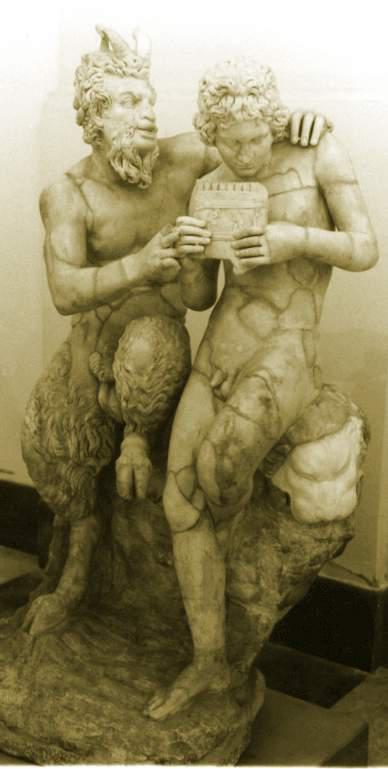
The Greek God Pan (from whose name we received the word panic) was an embodiment of the aweful aspect of God, that which isn't only outside of human experience, but also protects the other - than - human.
לא ארחף בחלל – זלדה
לֹא אֲרַחֵף בֶּחָלָלמְשֻׁלַּחַת רֶסֶןפֶּן יִבְלַע עָנָןאֶת הַפַּס הַדַּקִּיק שֶׁבְּלִבִּישֶׁמַּפְרִיד בֵּין טוֹב לְרָע
אֵין לִי קִיּוּםבְּלִי הַבְּרָקִים וְהַקּוֹלוֹתשֶׁשָּׁמַעְתִּי בְּסִינַי.
(שירי זלדה, תל אביב תשמ"ה, עמוד 215)
I will not float in space - Zelda
I will not float in space
untethered
lest a cloud swallows
the thin streak in my heart
dividing good from bad.
There is no existence for me
without the lightning and voices
I heard at Sinai.
(Songs of Zelda, Tel - Aviv, 1985, p. 215. Translated by Gila Caine. [If someone knows of a professional translation of this song, please let me know] )