


בָּרוּךְ אַתָּה יהוה אֱלהֵינוּ מֶלֶך–הָעולָם אֲשֶׁר קִדְּשָנוּ בְּמִצְותָיו וְצִוָּנוּ לַעֲסק בְּדִבְרֵי-תורָה.
Barukh atah Adonai Eloheinu melekh ha’olam asher kid’shanu b’mitzvotav v’tzivanu la’asok b’divrei torah.
Blessed are You, Lord our God, Ruler of the Universe, who has sanctified us with commandments, and commanded us to study words of Torah.
Parashat Vayechi brings the story of Joseph to its conclusion: Jacob, near death, blesses each of his children; Joseph reconciles with his brothers once and for all; and Joseph dies.
Today's translation is The Contemporary Torah: A Gender-Sensitive Adaptation of the 1962 JPS Translation.
Like the previous paternal blessings (Abraham of Isaac and Ishmael, Isaac of Jacob and Esau), these are more prophecy than what we'd think of as blessings. In fact, they remind me of horoscopes or tarot readings. Jacob describes the character of each son (and the tribes descended from them) and predicts their future circumstances.

Jacob's Sons
וַיְחִ֤י יַעֲקֹב֙ בְּאֶ֣רֶץ מִצְרַ֔יִם שְׁבַ֥ע עֶשְׂרֵ֖ה שָׁנָ֑ה וַיְהִ֤י יְמֵֽי־יַעֲקֹב֙ שְׁנֵ֣י חַיָּ֔יו שֶׁ֣בַע שָׁנִ֔ים וְאַרְבָּעִ֥ים וּמְאַ֖ת שָׁנָֽה׃ וַיִּקְרְב֣וּ יְמֵֽי־יִשְׂרָאֵל֮ לָמוּת֒ וַיִּקְרָ֣א ׀ לִבְנ֣וֹ לְיוֹסֵ֗ף וַיֹּ֤אמֶר לוֹ֙ אִם־נָ֨א מָצָ֤אתִי חֵן֙ בְּעֵינֶ֔יךָ שִֽׂים־נָ֥א יָדְךָ֖ תַּ֣חַת יְרֵכִ֑י וְעָשִׂ֤יתָ עִמָּדִי֙ חֶ֣סֶד וֶאֱמֶ֔ת אַל־נָ֥א תִקְבְּרֵ֖נִי בְּמִצְרָֽיִם׃ וְשָֽׁכַבְתִּי֙ עִם־אֲבֹתַ֔י וּנְשָׂאתַ֙נִי֙ מִמִּצְרַ֔יִם וּקְבַרְתַּ֖נִי בִּקְבֻרָתָ֑ם וַיֹּאמַ֕ר אָנֹכִ֖י אֶֽעֱשֶׂ֥ה כִדְבָרֶֽךָ׃ וַיֹּ֗אמֶר הִשָּֽׁבְעָה֙ לִ֔י וַיִּשָּׁבַ֖ע ל֑וֹ וַיִּשְׁתַּ֥חוּ יִשְׂרָאֵ֖ל עַל־רֹ֥אשׁ הַמִּטָּֽה׃ {פ}
Jacob lived seventeen years in the land of Egypt, so that the span of Jacob’s life came to one hundred and forty-seven years. And when the time approached for Israel to die, he summoned his son Joseph and said to him, “Do me this favor, place your hand under my thigh as a pledge of your steadfast loyalty: please do not bury me in Egypt. When I lie down with my ancestors, take me up from Egypt and bury me in their burial-place.” He replied, “I will do as you have spoken.” And he said, “Swear to me.” And he swore to him. Then Israel bowed at the head of the bed.
Why was it so important to Jacob that he be buried with his fathers in the cave of Machpelah? Looking at it another way, where would you want to be buried?
The commentators had some theories about this.
The sentimental:
וַיִּקְרָא לִבְנוֹ לְיוֹסֵף. לָמָּה לֹא קָרָא לִרְאוּבֵן וְלֹא לִיהוּדָה. רְאוּבֵן בְּכוֹר וִיהוּדָה מֶלֶךְ וְהִנִּיחָן וְקָרָא לְיוֹסֵף. לְלַמֶּדְךָ, שֶׁהַכֹּל מְכַבְּדִין לְמִי שֶׁהַשָּׁעָה עוֹמֶדֶת לוֹ. וְעוֹד, שֶׁהָיְתָה סִפֵּק בְּיָדוֹ לַעֲמֹד בְּצַוָּאָתוֹ. וַיֹּאמֶר לוֹ אִם נָא מָצָאתִי חֵן בְּעֵינֶיךָ אַל נָא תִקְבְּרֵנִי בְּמִצְרָיִם, בִּשְׁבִילְךָ יָרַדְתִּי לְמִצְרַיִם, בִּשְׁבִילְךָ אָמַרְתִּי אָמוּתָה הַפָּעַם. וְעַכְשָׁו אֲפִלּוּ אָדָם מֵת בִּסְפִינָה, הַנֶּפֶשׁ הוֹלֶכֶת אֵצֶל אֲבוֹתָיו. וְשָׁכַבְתִּי עִם אֲבֹתַי וּנְשָׂאתַנִי מִמִּצְרַיִם וּקְבַרְתַּנִי בִּקְבֻרָתָם, שֶׁהָיוּ מְחַבְּבִין אֶת הַקְּבוּרָה. בְּקִבְרִי אֲשֶׁר כָּרִיתִי (בראשית נ, ה). וְעָשִׂיתָ עִמָּדִי חֶסֶד וֶאֱמֶת. וְכִי יֵשׁ חֶסֶד שֶׁל שֶׁקֶר, שֶׁהוּא אוֹמֵר חֶסֶד וֶאֱמֶת. מְשַׁל הֶדְיוֹט אוֹמֵר, מֵת בְּרֵהּ דְּרַחֲמָךְ, טְעֹן. מֵת רַחֲמָךְ, פְּרֹק. אָמַר לוֹ: אִם תַּעֲשֶׂה עִמָּדִי חֶסֶד אַחַר מִיתָתִי, הוּא חֶסֶד שֶׁל אֱמֶת. אַל נָא תִקְבְּרֵנִי בְּמִצְרָיִם, שֶׁסּוֹפָהּ לִלְקוֹת בְּכִנִּים וְיִהְיוּ מְרַחֲשׁוֹת תַּחְתָּי. לְפִיכָךְ אַל נָא תִקְבְּרֵנִי בְּמִצְרָיִם.
And he called his son Joseph (Gen. 47:29). Why did he not summon Reuben or Judah? After all, Reuben was the firstborn, while Judah was a king. He ignored them and called Joseph instead. He did so to teach us that one must pay homage to the person who is in power at the moment; moreover, Joseph had the power to fulfill his desires. And he said to him: “If now I have found favor in thy sight … bury me not, I pray thee, in Egypt (Gen. 47:29). It was for your sake that I descended to Egypt, and it was because of you that I said: Now let me die. Even the soul of a man who dies on shipboard joins his fathers, and so when I sleep with my fathers, carry me out of Egypt and bury me in their burying-place (ibid., v. 30).” They cherished their burial place. The grave that I have digged (ibid. 50:5). And deal kindly and truly with me (ibid. 47:29). Is there false kindness that he should say to him kindly and truly? The proverb says: When your friend’s son dies, share his sorrow; but when your friend dies, cast off your sorrow. He said to him, in other words: “If you are kind to me after my death, that will be true kindness. Bury me not in Egypt, for it will eventually be smitten with vermin, and they will swarm over me.” Hence it says: Bury me not, I pray thee, in Egypt.
The theological:
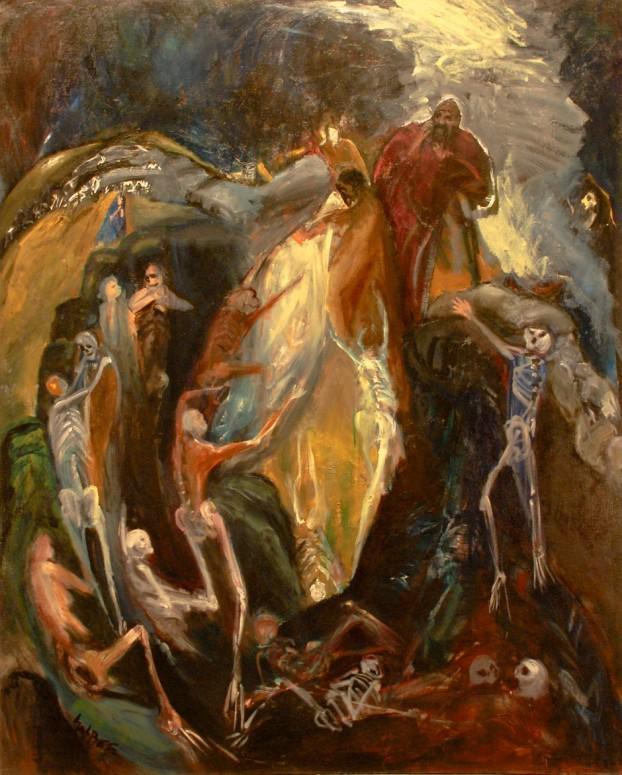
מתני׳ כל ישראל יש להם חלק לעולם הבא שנאמר (ישעיהו ס, כא) ועמך כולם צדיקים לעולם יירשו ארץ נצר מטעי מעשה ידי להתפאר ואלו שאין להם חלק לעולם הבא האומר אין תחיית המתים מן התורה ואין תורה מן השמים ואפיקורוס
MISHNA: All of the Jewish people, even sinners and those who are liable to be executed with a court-imposed death penalty, have a share in the World-to-Come, as it is stated: “And your people also shall be all righteous, they shall inherit the land forever; the branch of My planting, the work of My hands, for My name to be glorified” (Isaiah 60:21). And these are the exceptions, the people who have no share in the World-to-Come, even when they fulfilled many mitzvot: One who says: There is no resurrection of the dead derived from the Torah, and one who says: The Torah did not originate from Heaven, and an epikoros, who treats Torah scholars and the Torah that they teach with contempt.
ויקרא לבנו ליוסף. לא קרא לראובן שהיה בכור ולא ליהודה שהיה מלך אלא ליוסף למה לפי שהיה ספק בידו לעשות. אל נא תקברני במצרים. בקש ממנו שני דברים שלא יקברנו במצרים ושיקברנו בארץ ישראל. שלא יקברנו במצרים שלא יעשוהו מצרים ע"ז שהרי כשם שנפרעין מן העובדים כך נפרעים מן הנעבדים שנאמר (שמות יב) ובכל אלהי מצרים אעשה שפטים. ושיקברנו בארץ ישראל לפי שהאבות תאבים ומחבבים קברות ארץ ישראל לפי שהיא ארץ קדושה מכפרת העונות כענין שכתוב (ישעיה לג) העם היושב בה נשוא עון. וכתיב (דברים לב) וכפר אדמתו עמו. ושם שער השמים להכנס התפלות והקרבנות, והנשמות הזוכות נכנסות דרך שם ושבות לשרשם, על כן הצדיקים מתאוים למות בארץ ישראל כדי שתמצא הנפש החכמה פתח פתוח ולא תצטרך לטרוח ולהתגלגל, ועוד שמתי ארץ ישראל חיים תחלה לימות המשיח אבל מתי חוצה לארץ אינם חיים אלא ע"י צער גלגול מחילות.
A commentary on the Torah written by Rabbi Bahya ben Asher, 1255-1340, in Spain
He asked to be buried in the land of Israel just as all the patriarchs expressed a desire to be buried in the Holy Land. This is because the nature of the land helps those buried there to obtain atonement for their sins. Isaiah speaks of this when he said: “It shall be inhabited by folk whose sin has been forgiven.” We also have a verse in Deut. 32,43 stating the same. The Torah writes of the Holy Land: “its land will atone for its people.” Eretz Yisrael is the gateway to heaven, the place whence all the prayers of the Jewish people ascend to heaven. This is the reason all the sages wished themselves to die in that land when their time to die came. There is a tradition that certain highly spiritual people enter heaven from there without the need for their souls to take painful spiritual detours. We also have a tradition that the people who died in the land of Israel will be amongst the first to be revived at the time of the resurrection. People buried in other lands will experience pain at the time of the resurrection as they will have to travel underground after bursting out of their graves until they arrive in the land of Israel (based on an interpretation of Ezekiel 36,14).
Do we believe in the resurrection?
Siddur Sim Shalom for Shabbat and Festivals, p. 156
Your might, Adonai, is boundless. You give life to the dead; great is your saving power.
You might think that this was Jacob's dying wish, but he actually lived for a while longer. That's made plain in the next verse:
וַיְהִ֗י אַחֲרֵי֙ הַדְּבָרִ֣ים הָאֵ֔לֶּה וַיֹּ֣אמֶר לְיוֹסֵ֔ף הִנֵּ֥ה אָבִ֖יךָ חֹלֶ֑ה וַיִּקַּ֞ח אֶת־שְׁנֵ֤י בָנָיו֙ עִמּ֔וֹ אֶת־מְנַשֶּׁ֖ה וְאֶת־אֶפְרָֽיִם׃
Some time afterward, Joseph was told, “Your father is ill.” So he took with him his two sons, Manasseh and Ephraim.
If Jacob was not in fact dying, how did he know the time for him to die was approaching?
(א) ויקרבו ימי וגו'. כבר כתבתי בסמוך מנין ידע, ורמב"ן כתב שידע מהרגשת אפיסת כוחותיו. ואין דבריו ז"ל נראים כי כמה ימים יחיה אדם אחר שיתחיל להחלש: (ב) עוד יש לומר כי הרגיש מהדברים אשר יארעו לאדם קודם מותו על דרך אומרם ז"ל בספר הזוהר (ח"א ריז:) כי שלשים יום קודם מותו מעבירין ממנו הצלם ומעשה הובא שם שראה רשב"י ר' יצחק שעבר צלמו ממנו, והגם כי ידיעה זו מושללת מבני אדם הצדיקים מרגישים ויודעים כל דבר רוחני. עוד יתבאר הענין בדקדוק עוד אומרו ויקרבו ימי וכי בימים שייך לומר לשון קריבה:
Rabbi Hayyim was a Moroccan Kabbalist and Talmudist (c.1718 - c.1742 CE)
(1) ויקרבו ימי ישראל למות, Israel's time to die approached, etc. I have already explained whence Jacob knew that his death was close. Nachmanides writes that he knew this from a loss of vital signs in his body; I do not think that we can accept his theory for we know of many people who continue to live for many years after their old age sets in and they begin to feel weak. (2) Jacob may also have had an indication that his death was close at hand because the Zohar section 1,217 states that thirty days prior to one's death a person's צלם, divine image, is removed from him. The Zohar claims that Rabbi Shimon bar Yochai observed this phenomenon with Rabbi Yitzchak. Although such knowledge is withheld from ordinary people, righteous people do become aware of it as they are aware of most spiritual matters. Another indication that this may have been so is the syntax of the verse "the days for Israel to die approached;" since when do we describe days as "approaching?"
גם הרוחנו דעת כי אותם חלקי הנשמה נקראים ימים.ובזה האיר משמעות הכתוב שבאנו עליו שאמר ויקרבו ימי ישראל למות פירוש חלקי הנשמה שעלו ממנו דבר יום ביומו הן עתה קרבו כמאמר הכתוב תוסף רוחם והוא אומרו למות, והרגיש יעקב אבינו בתוספת המרובה כי באו ימי השילום ויקרא לבנו ליוסף וגו':
Having read what Rabbi Luria had to say on the subject of the soul we now appreciate that when the Torah described Jacob's life as drawing to its close by saying: "the days of Jacob's death approached," the meaning is the same as that in Psalms 104,29 except that here the Torah uses the expression למות instead of יגועון. The various parts of Jacob's soul which used to ascend nightly were now about to be gathered together for a final journey to heaven. Jacob felt that this process was taking place and this is why he called for Joseph to come and see him.
We return to our narrative. Jacob began to bless his children. He started with Joseph, but he did something a little odd. Rather than blessing Joseph directly, he adopted Joseph's two oldest sons and then blessed them.
וַיַּגֵּ֣ד לְיַעֲקֹ֔ב וַיֹּ֕אמֶר הִנֵּ֛ה בִּנְךָ֥ יוֹסֵ֖ף בָּ֣א אֵלֶ֑יךָ וַיִּתְחַזֵּק֙ יִשְׂרָאֵ֔ל וַיֵּ֖שֶׁב עַל־הַמִּטָּֽה׃ וַיֹּ֤אמֶר יַעֲקֹב֙ אֶל־יוֹסֵ֔ף אֵ֥ל שַׁדַּ֛י נִרְאָֽה־אֵלַ֥י בְּל֖וּז בְּאֶ֣רֶץ כְּנָ֑עַן וַיְבָ֖רֶךְ אֹתִֽי׃ וַיֹּ֣אמֶר אֵלַ֗י הִנְנִ֤י מַפְרְךָ֙ וְהִרְבִּיתִ֔ךָ וּנְתַתִּ֖יךָ לִקְהַ֣ל עַמִּ֑ים וְנָ֨תַתִּ֜י אֶת־הָאָ֧רֶץ הַזֹּ֛את לְזַרְעֲךָ֥ אַחֲרֶ֖יךָ אֲחֻזַּ֥ת עוֹלָֽם׃ וְעַתָּ֡ה שְׁנֵֽי־בָנֶ֩יךָ֩ הַנּוֹלָדִ֨ים לְךָ֜ בְּאֶ֣רֶץ מִצְרַ֗יִם עַד־בֹּאִ֥י אֵלֶ֛יךָ מִצְרַ֖יְמָה לִי־הֵ֑ם אֶפְרַ֙יִם֙ וּמְנַשֶּׁ֔ה כִּרְאוּבֵ֥ן וְשִׁמְע֖וֹן יִֽהְיוּ־לִֽי׃ וּמוֹלַדְתְּךָ֛ אֲשֶׁר־הוֹלַ֥דְתָּ אַחֲרֵיהֶ֖ם לְךָ֣ יִהְי֑וּ עַ֣ל שֵׁ֧ם אֲחֵיהֶ֛ם יִקָּרְא֖וּ בְּנַחֲלָתָֽם׃ וַאֲנִ֣י ׀ בְּבֹאִ֣י מִפַּדָּ֗ן מֵ֩תָה֩ עָלַ֨י רָחֵ֜ל בְּאֶ֤רֶץ כְּנַ֙עַן֙ בַּדֶּ֔רֶךְ בְּע֥וֹד כִּבְרַת־אֶ֖רֶץ לָבֹ֣א אֶפְרָ֑תָה וָאֶקְבְּרֶ֤הָ שָּׁם֙ בְּדֶ֣רֶךְ אֶפְרָ֔ת הִ֖וא בֵּ֥ית לָֽחֶם׃
When Jacob was told, “Your son Joseph has come to see you,” Israel summoned his strength and sat up in bed. And Jacob said to Joseph, “El Shaddai, who appeared to me at Luz in the land of Canaan, blessed me— and said to me, ‘I will make you fertile and numerous, making of you a community of peoples; and I will assign this land to your offspring to come for an everlasting possession.’ Now, your two sons, who were born to you in the land of Egypt before I came to you in Egypt, shall be mine; Ephraim and Manasseh shall be mine no less than Reuben and Simeon. But progeny born to you after them shall be yours; they shall be recorded instead of their brothers in their inheritance. I [do this because], when I was returning from Paddan, Rachel died, to my sorrow, while I was journeying in the land of Canaan, when still some distance short of Ephrath; and I buried her there on the road to Ephrath”—now Bethlehem.
That last verse led to some head-scratching.
ואני בבואי מפדן וגו'. כתוב זה אין לו קשר עם מה שלמעלה ממנו. גם אין ידוע כוונת הודעה זו. ומה שפירשו ז"ל (רש"י לקח טוב) כי כונתו היא אף על פי שהטרחתיך להוליכני ליקבר בארץ כנען ולא כך עשיתי וכו' עד כאן. לפי דבריהם לא כאן הוא מקום הדברים אלא למעלה (מ"ז ל') כשאמר לו ונשאתני ממצרים וקברתני וגו', סמוך לזה היה לו לומר ואני בבואי וגו'. עוד מה כוונתו באומרו תיבת עלי:
This verse seems to lack any connection to what preceded it. We do not even know what purpose this information is supposed to serve at this point.
Once their scalps were sufficiently bloody, the sages did come up with some possible explanations:
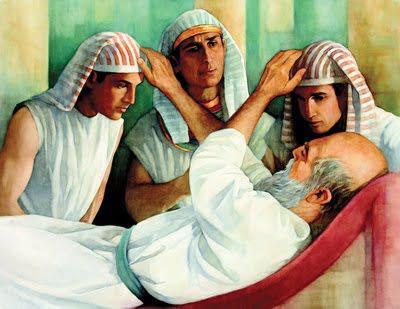
וַיַּ֥רְא יִשְׂרָאֵ֖ל אֶת־בְּנֵ֣י יוֹסֵ֑ף וַיֹּ֖אמֶר מִי־אֵֽלֶּה׃ וַיֹּ֤אמֶר יוֹסֵף֙ אֶל־אָבִ֔יו בָּנַ֣י הֵ֔ם אֲשֶׁר־נָֽתַן־לִ֥י אֱלֹהִ֖ים בָּזֶ֑ה וַיֹּאמַ֕ר קָֽחֶם־נָ֥א אֵלַ֖י וַאֲבָרְכֵֽם׃ וְעֵינֵ֤י יִשְׂרָאֵל֙ כָּבְד֣וּ מִזֹּ֔קֶן לֹ֥א יוּכַ֖ל לִרְא֑וֹת וַיַּגֵּ֤שׁ אֹתָם֙ אֵלָ֔יו וַיִּשַּׁ֥ק לָהֶ֖ם וַיְחַבֵּ֥ק לָהֶֽם׃ וַיֹּ֤אמֶר יִשְׂרָאֵל֙ אֶל־יוֹסֵ֔ף רְאֹ֥ה פָנֶ֖יךָ לֹ֣א פִלָּ֑לְתִּי וְהִנֵּ֨ה הֶרְאָ֥ה אֹתִ֛י אֱלֹהִ֖ים גַּ֥ם אֶת־זַרְעֶֽךָ׃ וַיּוֹצֵ֥א יוֹסֵ֛ף אֹתָ֖ם מֵעִ֣ם בִּרְכָּ֑יו וַיִּשְׁתַּ֥חוּ לְאַפָּ֖יו אָֽרְצָה׃ וַיִּקַּ֣ח יוֹסֵף֮ אֶת־שְׁנֵיהֶם֒ אֶת־אֶפְרַ֤יִם בִּֽימִינוֹ֙ מִשְּׂמֹ֣אל יִשְׂרָאֵ֔ל וְאֶת־מְנַשֶּׁ֥ה בִשְׂמֹאל֖וֹ מִימִ֣ין יִשְׂרָאֵ֑ל וַיַּגֵּ֖שׁ אֵלָֽיו׃ וַיִּשְׁלַח֩ יִשְׂרָאֵ֨ל אֶת־יְמִינ֜וֹ וַיָּ֨שֶׁת עַל־רֹ֤אשׁ אֶפְרַ֙יִם֙ וְה֣וּא הַצָּעִ֔יר וְאֶת־שְׂמֹאל֖וֹ עַל־רֹ֣אשׁ מְנַשֶּׁ֑ה שִׂכֵּל֙ אֶת־יָדָ֔יו כִּ֥י מְנַשֶּׁ֖ה הַבְּכֽוֹר׃ וַיְבָ֥רֶךְ אֶת־יוֹסֵ֖ף וַיֹּאמַ֑ר הָֽאֱלֹהִ֡ים אֲשֶׁר֩ הִתְהַלְּכ֨וּ אֲבֹתַ֤י לְפָנָיו֙ אַבְרָהָ֣ם וְיִצְחָ֔ק הָֽאֱלֹהִים֙ הָרֹעֶ֣ה אֹתִ֔י מֵעוֹדִ֖י עַד־הַיּ֥וֹם הַזֶּֽה׃ הַמַּלְאָךְ֩ הַגֹּאֵ֨ל אֹתִ֜י מִכׇּל־רָ֗ע יְבָרֵךְ֮ אֶת־הַנְּעָרִים֒ וְיִקָּרֵ֤א בָהֶם֙ שְׁמִ֔י וְשֵׁ֥ם אֲבֹתַ֖י אַבְרָהָ֣ם וְיִצְחָ֑ק וְיִדְגּ֥וּ לָרֹ֖ב בְּקֶ֥רֶב הָאָֽרֶץ׃ וַיַּ֣רְא יוֹסֵ֗ף כִּי־יָשִׁ֨ית אָבִ֧יו יַד־יְמִינ֛וֹ עַל־רֹ֥אשׁ אֶפְרַ֖יִם וַיֵּ֣רַע בְּעֵינָ֑יו וַיִּתְמֹ֣ךְ יַד־אָבִ֗יו לְהָסִ֥יר אֹתָ֛הּ מֵעַ֥ל רֹאשׁ־אֶפְרַ֖יִם עַל־רֹ֥אשׁ מְנַשֶּֽׁה׃ וַיֹּ֧אמֶר יוֹסֵ֛ף אֶל־אָבִ֖יו לֹא־כֵ֣ן אָבִ֑י כִּי־זֶ֣ה הַבְּכֹ֔ר שִׂ֥ים יְמִינְךָ֖ עַל־רֹאשֽׁוֹ׃ וַיְמָאֵ֣ן אָבִ֗יו וַיֹּ֙אמֶר֙ יָדַ֤עְתִּֽי בְנִי֙ יָדַ֔עְתִּי גַּם־ה֥וּא יִֽהְיֶה־לְּעָ֖ם וְגַם־ה֣וּא יִגְדָּ֑ל וְאוּלָ֗ם אָחִ֤יו הַקָּטֹן֙ יִגְדַּ֣ל מִמֶּ֔נּוּ וְזַרְע֖וֹ יִהְיֶ֥ה מְלֹֽא־הַגּוֹיִֽם׃ וַיְבָ֨רְכֵ֜ם בַּיּ֣וֹם הַהוּא֮ לֵאמוֹר֒ בְּךָ֗ יְבָרֵ֤ךְ יִשְׂרָאֵל֙ לֵאמֹ֔ר יְשִֽׂמְךָ֣ אֱלֹהִ֔ים כְּאֶפְרַ֖יִם וְכִמְנַשֶּׁ֑ה וַיָּ֥שֶׂם אֶת־אֶפְרַ֖יִם לִפְנֵ֥י מְנַשֶּֽׁה׃ וַיֹּ֤אמֶר יִשְׂרָאֵל֙ אֶל־יוֹסֵ֔ף הִנֵּ֥ה אָנֹכִ֖י מֵ֑ת וְהָיָ֤ה אֱלֹהִים֙ עִמָּכֶ֔ם וְהֵשִׁ֣יב אֶתְכֶ֔ם אֶל־אֶ֖רֶץ אֲבֹתֵיכֶֽם׃ וַאֲנִ֞י נָתַ֧תִּֽי לְךָ֛ שְׁכֶ֥ם אַחַ֖ד עַל־אַחֶ֑יךָ אֲשֶׁ֤ר לָקַ֙חְתִּי֙ מִיַּ֣ד הָֽאֱמֹרִ֔י בְּחַרְבִּ֖י וּבְקַשְׁתִּֽי׃ {פ}
Noticing Joseph’s sons, Israel asked, “Who are these?” And Joseph said to his father, “They are my sons, whom God has given me here.” “Bring them up to me,” he said, “that I may bless them.” Now Israel’s eyes were dim with age; he could not see. So [Joseph] brought them close to him, and he kissed them and embraced them. And Israel said to Joseph, “I never expected to see you again, and here God has let me see your children as well.” Joseph then removed them from his knees, and bowed low with his face to the ground. Joseph took the two of them, Ephraim with his right hand—to Israel’s left—and Manasseh with his left hand—to Israel’s right—and brought them close to him. But Israel stretched out his right hand and laid it on Ephraim’s head, though he was the younger, and his left hand on Manasseh’s head—thus crossing his hands—although Manasseh was the first-born. And he blessed Joseph, saying, “The God in whose ways my fathers Abraham and Isaac walked, The God who has been my shepherd from my birth to this day— The Messenger who has redeemed me from all harm— Bless the lads. In them may my name be recalled, And the names of my fathers Abraham and Isaac, And may they be teeming multitudes upon the earth.” When Joseph saw that his father was placing his right hand on Ephraim’s head, he thought it wrong; so he took hold of his father’s hand to move it from Ephraim’s head to Manasseh’s. “Not so, Father,” Joseph said to his father, “for the other is the first-born; place your right hand on his head.” But his father objected, saying, “I know, my son, I know. He too shall become a people, and he too shall be great. Yet his younger brother shall be greater than he, and his offspring shall be plentiful enough for nations.” So he blessed them that day, saying, “By you shall Israel invoke blessings, saying: God make you like Ephraim and Manasseh.” Thus he put Ephraim before Manasseh. Then Israel said to Joseph, “I am about to die; but God will be with you and bring you back to the land of your ancestors. And now, I assign to you one portion more than to your brothers, which I wrested from the Amorites with my sword and bow.”
What did Jacob mean by saying, “By you shall Israel invoke blessings, saying: God make you like Ephraim and Manasseh.”
ויברכם ביום ההוא לאמר וגו'. פירוש בירך אותם כל כך ברכות עד גדר שאין ברכה למעלה ממנה עד שהכל אומרים בך ראוי לברך ישראל.
ויברכם ביום ההוא לאמור, He blessed them on that day, saying, etc. The Torah means that Jacob gave the boys such a full measure of blessings that everybody said that the simplest way to bestow blessings on Jewish children in the future would be to mention that they should be as blessed as Ephrayim and Menashe were blessed by Jacob.
וַיִּקְרָ֥א יַעֲקֹ֖ב אֶל־בָּנָ֑יו וַיֹּ֗אמֶר הֵאָֽסְפוּ֙ וְאַגִּ֣ידָה לָכֶ֔ם אֵ֛ת אֲשֶׁר־יִקְרָ֥א אֶתְכֶ֖ם בְּאַחֲרִ֥ית הַיָּמִֽים׃ הִקָּבְצ֥וּ וְשִׁמְע֖וּ בְּנֵ֣י יַעֲקֹ֑ב וְשִׁמְע֖וּ אֶל־יִשְׂרָאֵ֥ל אֲבִיכֶֽם׃
And Jacob called his sons and said, “Come together that I may tell you what is to befall you in days to come. Assemble and hearken, O sons of Jacob;Hearken to Israel your father:
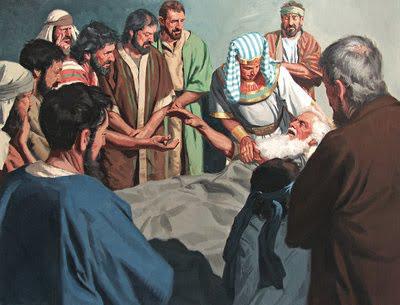
After blessing Ephraim and Manasseh in a private ceremony, Jacob proceeds to tell each son two things: what he thinks of them, and what will become of them. They're all expecting blessings, but the first three (Reuben, Simeon, and Levi) get criticism instead. The sages observed that when the patriarchs blessed their children, they created strife.
רְאוּבֵן֙ בְּכֹ֣רִי אַ֔תָּה כֹּחִ֖י וְרֵאשִׁ֣ית אוֹנִ֑י יֶ֥תֶר שְׂאֵ֖ת וְיֶ֥תֶר עָֽז׃ פַּ֤חַז כַּמַּ֙יִם֙ אַל־תּוֹתַ֔ר כִּ֥י עָלִ֖יתָ מִשְׁכְּבֵ֣י אָבִ֑יךָ אָ֥ז חִלַּ֖לְתָּ יְצוּעִ֥י עָלָֽה׃ {פ}
Reuben, you are my first-born,My might and first fruit of my vigor,Exceeding in rankAnd exceeding in honor. Unstable as water, you shall excel no longer;For when you mounted your father’s bed,You brought disgrace—my couch he mounted!
What just happened? What did Jacob mean by "unstable as water"?

שִׁמְע֥וֹן וְלֵוִ֖י אַחִ֑ים כְּלֵ֥י חָמָ֖ס מְכֵרֹתֵיהֶֽם׃ בְּסֹדָם֙ אַל־תָּבֹ֣א נַפְשִׁ֔י בִּקְהָלָ֖ם אַל־תֵּחַ֣ד כְּבֹדִ֑י כִּ֤י בְאַפָּם֙ הָ֣רְגוּ אִ֔ישׁ וּבִרְצֹנָ֖ם עִקְּרוּ־שֽׁוֹר׃ אָר֤וּר אַפָּם֙ כִּ֣י עָ֔ז וְעֶבְרָתָ֖ם כִּ֣י קָשָׁ֑תָה אֲחַלְּקֵ֣ם בְּיַעֲקֹ֔ב וַאֲפִיצֵ֖ם בְּיִשְׂרָאֵֽל׃ {פ}
Simeon and Levi are a pair;Their weapons are tools of lawlessness. Let not my person be included in their council,Let not my being be counted in their assembly.For when angry they slay a man, And when pleased they maim an ox. Cursed be their anger so fierce,And their wrath so relentless.I will divide them in Jacob,Scatter them in Israel.
Those are the two brothers who destroyed the city of Shechem and caused trouble for Jacob. The Levites were, indeed, scattered; but the Simeonites weren't.
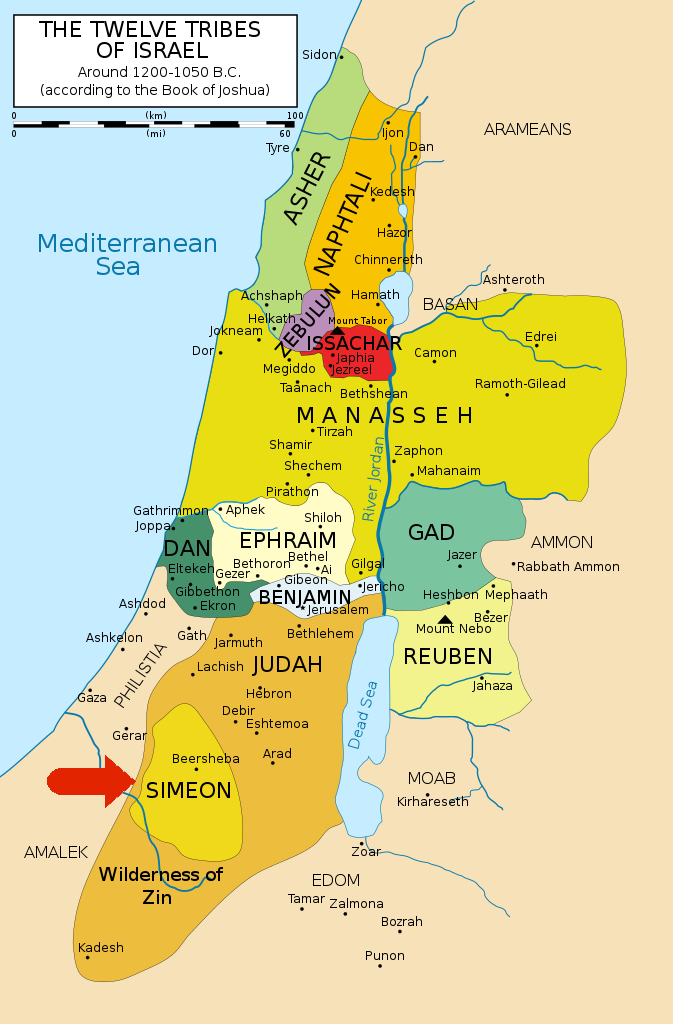
Licensed under the Creative Commons Attribution-ShareAlike 3.0 license and the GNU Free Documentation License
The consensus is that the tribe of Simeon was contained within Judah, and later joined the Northern Kingdom. They thus fulfilled the prophecy by being scattered when the Northern Kingdom was destroyed.
I listened to a recorded lecture on these blessings. The rabbi said that after lambasting the first three brothers, Jacob saw that the other others were starting to sneak out to avoid being "blessed" in the same way; so, Jacob changed his tone to something more positive.
I'm not sure if that rabbi was citing some legend or just being snarky.
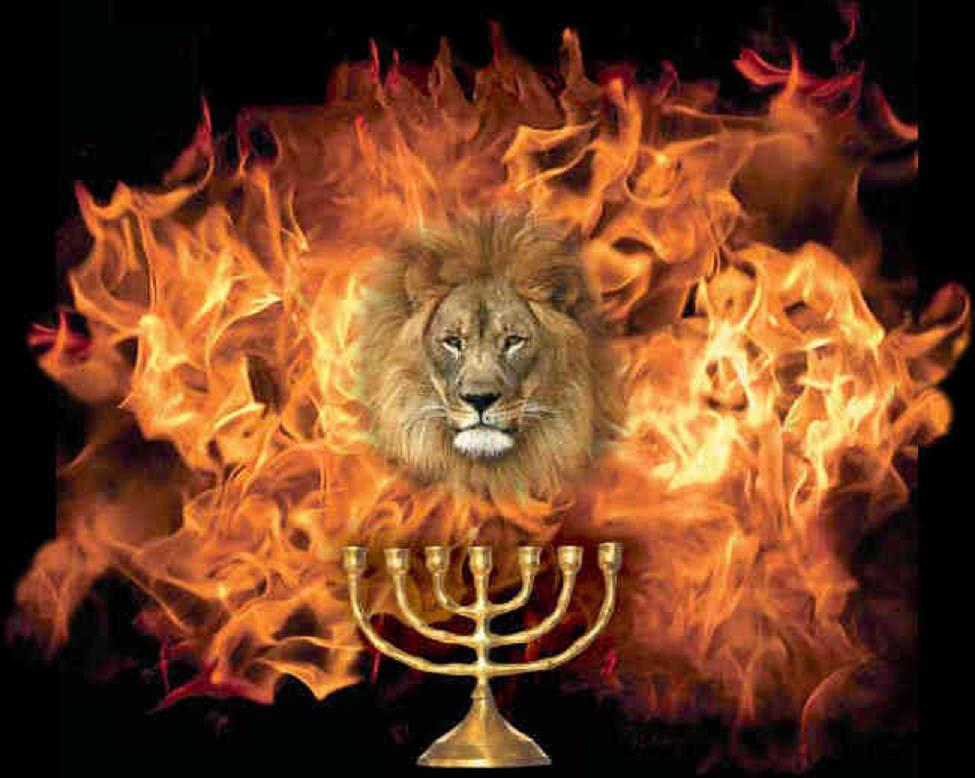
יְהוּדָ֗ה אַתָּה֙ יוֹד֣וּךָ אַחֶ֔יךָ יָדְךָ֖ בְּעֹ֣רֶף אֹיְבֶ֑יךָ יִשְׁתַּחֲו֥וּ לְךָ֖ בְּנֵ֥י אָבִֽיךָ׃ גּ֤וּר אַרְיֵה֙ יְהוּדָ֔ה מִטֶּ֖רֶף בְּנִ֣י עָלִ֑יתָ כָּרַ֨ע רָבַ֧ץ כְּאַרְיֵ֛ה וּכְלָבִ֖יא מִ֥י יְקִימֶֽנּוּ׃ לֹֽא־יָס֥וּר שֵׁ֙בֶט֙ מִֽיהוּדָ֔ה וּמְחֹקֵ֖ק מִבֵּ֣ין רַגְלָ֑יו עַ֚ד כִּֽי־יָבֹ֣א שִׁילֹ֔ה וְל֖וֹ יִקְּהַ֥ת עַמִּֽים׃ אֹסְרִ֤י לַגֶּ֙פֶן֙ עִירֹ֔ה וְלַשֹּׂרֵקָ֖ה בְּנִ֣י אֲתֹנ֑וֹ כִּבֵּ֤ס בַּיַּ֙יִן֙ לְבֻשׁ֔וֹ וּבְדַם־עֲנָבִ֖ים סוּתֹֽה׃ חַכְלִילִ֥י עֵינַ֖יִם מִיָּ֑יִן וּלְבֶן־שִׁנַּ֖יִם מֵחָלָֽב׃ {פ}
You, O Judah, your brothers shall praise;Your hand shall be on the nape of your foes;Your father’s sons shall bow low to you. Judah is a lion’s whelp;On prey, my son, have you grown.He crouches, lies down like a lion,Like a lioness —who dare rouse him? The scepter shall not depart from Judah,Nor the ruler’s staff from between his feet;So that tribute shall come to him And the homage of peoples be his. He tethers his ass to a vine,His ass’s foal to a choice vine;He washes his garment in wine,His robe in blood of grapes. His eyes are darker than wine;His teeth are whiter than milk.
Although the meaning of these verses is pretty straightforward, rabbinic discussions also reflected their beliefs about the Messiah (ben Judah). Here's an example:
(א) אוסרי לגפן עירה. ומאותות אותו המשיח הוא אחד. שיגלה על עיר בן אתונות כמאמר הנביא וזה שלא יבא על סוס מוכן ליום מלחמה כי אמנם מלחמת האומות ואבדן מלכותם כבר תהיה נשלמת ע"י האל יתברך והוא יהי' למלך בשלום. שנית שיאסור אותו העיר אל הגפן וזה שישכן מלכות שלומו בקרב ישראל שנמשלו לגפן כאמרם ז"ל אומה זו לגפן נמשלה וכן העיד הנביא באמרו כי כרם יהוה צבאות בית ישראל: (ב) ולשורקה בני אתונו. שלישית מאותותיו הוא שיקשור חמורו הנזכר ויהיה משכנו בשורק שהוא מבחר הגפן וזה שיאר פניו אל צדיקים שבדור ולא לכל הגפן: (ג) כבס ביין לבושו. רביעית מאותותיו תהיה שיוכל לכבס לבושו בדם כי ימצא הרג רב נעשה קודם בואו כענין מדוע אדום ללבושך וכאמרו ידין בגוים מלא גויות:
Rabbi Ovadiah ben Jacob Sforno, a 16th-century Italian rabbi and physician
(1) אוסרי לגפן עירה, this is one of the things that help us recognise the Redeemer when he comes. 1) he will manifest himself as Messiah by a foal borne by a she-ass. (Zecharyah 9,9) The reason this indicates that he is the Messiah is that he does not arrive on a horse, an animal which is ready for battle, for war. The final battle involving the nations of the world will already have been fought and won by G’d [through the Messiah ben Joseph—JS] at the time he will manifest himself. He will commence his reign when peace already prevails. 2) the fact that he will tie his ass to a גפן, a vine, will be a symbol that he is destined to rule over the Jewish people, the people who have been compared to a grape vine as stated in Chulin 92. The prophet Isaiah 5,7 also referred to the Jewish people as G’d’s vineyard. (2) ולשרקה בני אתונו, this is a reference to a third symbol by which the Messiah will be identified, that not only will he tie his ass to a vine but to a sorekah, a choice vine. The wine from such vine illuminates the eyes of the Just of their respective generations, something that cannot be said of an ordinary vine. (3) כבס ביין לבושו, the fourth sign identifying the Messiah is that he will be able to launder his garments in blood. He will have to do this as he will find many people who have been slain in the war preceding his coming, and he will assist in their burial. (compare Isaiah 63,2 מדוע אדום ללבושך “why are your garments so red?”) Another allusion to this is found in Psalms 110,6 ידין בגויים מלא גווית, “he works judgment on the nations piling up bodies.”
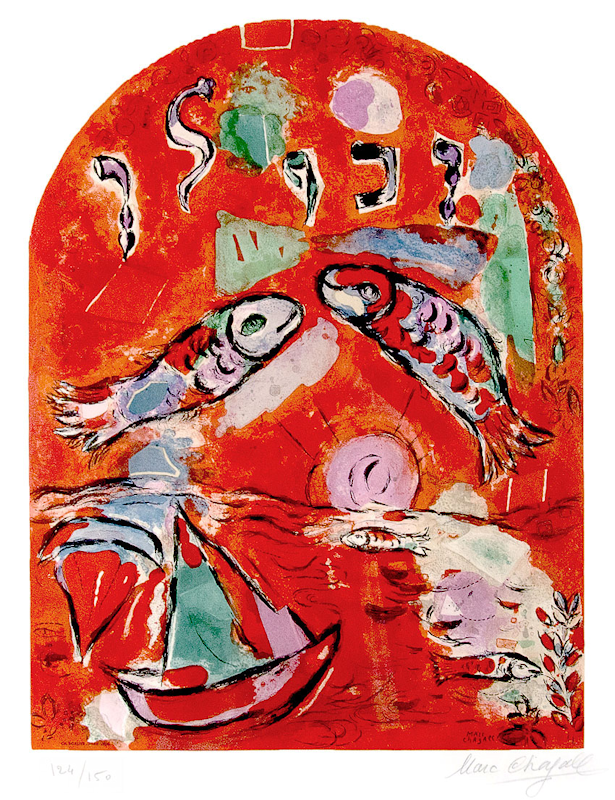
זְבוּלֻ֕ן לְח֥וֹף יַמִּ֖ים יִשְׁכֹּ֑ן וְהוּא֙ לְח֣וֹף אֳנִיֹּ֔ת וְיַרְכָת֖וֹ עַל־צִידֹֽן׃ {פ}
Zebulun shall dwell by the seashore;He shall be a haven for ships,And his flank shall rest on Sidon.
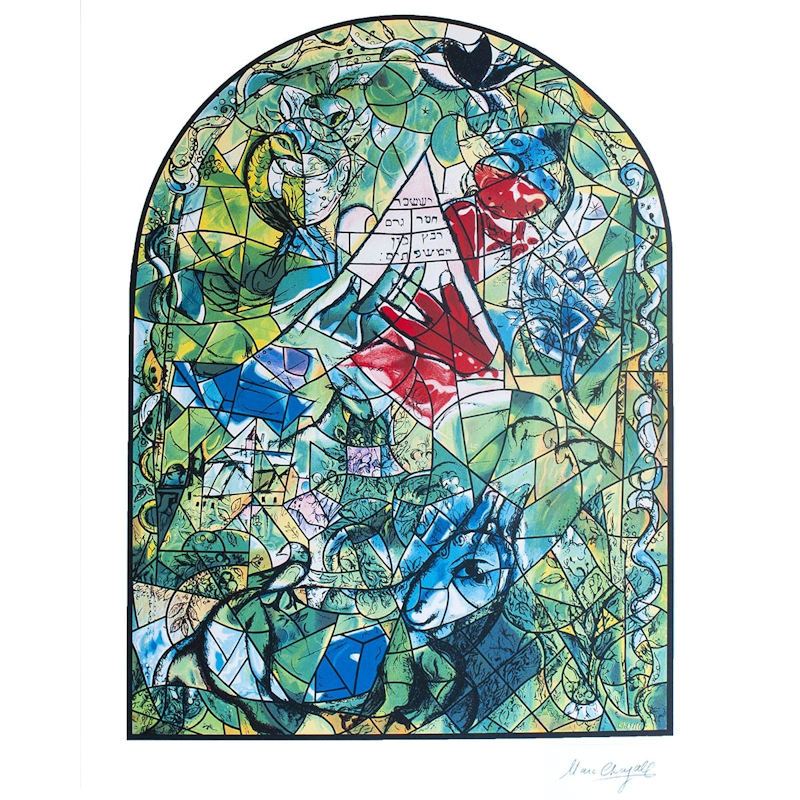
יִשָּׂשכָ֖ר חֲמֹ֣ר גָּ֑רֶם רֹבֵ֖ץ בֵּ֥ין הַֽמִּשְׁפְּתָֽיִם׃ וַיַּ֤רְא מְנֻחָה֙ כִּ֣י ט֔וֹב וְאֶת־הָאָ֖רֶץ כִּ֣י נָעֵ֑מָה וַיֵּ֤ט שִׁכְמוֹ֙ לִסְבֹּ֔ל וַיְהִ֖י לְמַס־עֹבֵֽד׃ {ס}
Issachar is a strong-boned ass,Crouching among the sheepfolds. When he saw how good was security,And how pleasant was the country,He bent his shoulder to the burden,And became a toiling serf.
Look at what the rabbis did with the blessings of Zebulun and Issachar:
(א) זְבוּלֵן לְחוֹף יַמִּים. קָדָם זְבוּלֻן לְיִשָּׂשׂכָר. וְלָמָּה, שֶׁזְּבוּלֻן עוֹסֵק בִּפְרַקְמַטְיָה, וְיִשָּׂשׂכָר עוֹסֵק בַּתּוֹרָה. עָשׂוּ שֻׁתָּפוּת בֵּינֵיהֶם שֶׁיְּהֵא פְּרַקְמַטְיָה שֶׁל זְבוּלֻן לְיִשָּׂשׂכָר, שֶׁכֵּן מֹשֶׁה בֵּרֲכָן, שְׂמַח זְבוּלֻן בְּצֵאתֶךָ וְיִשָּׂשׂכָר בְּאֹהָלֶיךָ (דברים לג, יח), שְׂמַח זְבוּלֻן בְּצֵאתְךָ לִפְרַקְמַטְיָא מִשּׁוּם דְּיִשָּׂשׂכָר בְּאֹהָלֶיךָ עוֹסֵק בַּתּוֹרָה. לָמָּה, עֵץ חַיִּים הִיא לַמַּחֲזִיקִים בָּהּ (משלי ג, יח). לְפִיכָךְ הִקְדִּים זְבוּלֻן לְיִשָּׂשׂכָר, שֶׁאִלְמָלֵא זְבוּלֻן, לֹא עָסַק יִשָּׂשׂכָר בַּתּוֹרָה. וּמִתּוֹךְ שֶׁנִּתְיַחֵד יִשָּׂשׂכָר בַּתּוֹרָה וְלֹא עָסַק בִּפְרַקְמַטְיָא וְלֹא הָיָה לוֹ עָמַל בְּדָבָר אַחֵר, לְפִיכָךְ כָּתוּב בּוֹ, וּמִבְּנֵי יִשָּׂשׂכָר יוֹדְעֵי בִינָה לָעִתִּים (דה״א יב, לג).
(ב) יִשָּׂשׂכָר חֲמֹר גָּרֶם, יִשָּׂשׂכָר נוֹתֵן עַצְמוֹ עַל הַתּוֹרָה כַּחֲמוֹר לְמַשּׂוי, וּזְבוּלֻן מֵבִיא בָאֳנִיּוֹת הַסְּחוֹרָה. רֹבֵץ בֵּין הַמִּשְׁפְּתָיִם, אֵלּוּ הַתַּלְמִידִים שֶׁלּוֹ שֶׁמַּרְבִּיצִין תּוֹרָה בְּאֶרֶץ יִשְׂרָאֵל לִפְנֵי חֲכָמִים, שֶׁנֶּאֱמַר: אִם תִּשְׁכְּבוּן בֵּין שְׁפַתָּיִם כַּנְפֵי יוֹנָה נֶחְפָּה בַכֶּסֶף וְגוֹ' (תהלים סח, יד). וַיַּרְא מְנֻחָה, זוֹ תוֹרָה, שֶׁנֶּאֱמַר: יָגַעְתִּי בְּאַנְחָתִי וּמְנוּחָה לֹא מָצָאתִי (ירמיה מה, ג). כִּי טוֹב, זוֹ תוֹרָה, שֶׁנֶּאֱמַר: כִּי לֶקַח טוֹב נָתַתִּי לָכֶם (משלי ד, ב). וַיֵּט שִׁכְמוֹ לִסְבֹּל, עֻלָּהּ שֶׁל תּוֹרָה. וַיְהִי לְמַס עֹבֵד. מַס, זוֹ הֲלָכָה. כְּשֶׁהָיוּ טוֹעִין, הָיוּ שׁוֹאֲלִין וּמְבַקְשִׁין מִיָּדָן, שֶׁנֶּאֱמַר: וְשָׂרַי בְּיִשָׂשׂכָר עִם דְּבֹרָה וְיִשָּׂשׂכָר כֵּן בָּרָק, בָּעֵמֶק (שופטים ה, טו), בְּעָמְקָהּ שֶׁל הֲלָכָה, שֻׁלַּח בְּרַגְלָיו.
Talmudic Babylon/Italy/Israel (c.500 - c.800 CE)
(1) Zebulun shall dwell at the shore of the sea (Gen. 49:13). Zebulun was mentioned before Issachar even though Issachar was the elder. Why? Zebulun was engaged in commercial activity, while Issachar devoted himself to the study of the Torah, and they had agreed that Zebulun’s earnings would be shared by Issachar. That is why Moses blessed them: Rejoice, Zebulun, in thy going out, and Issachar in thy tents (Deut. 33:18). Rejoice, Zebulun, in going about to do business, for Issachar is in your tents studying the Torah. Why should he rejoice? Because the Torah is a tree of life to them that lay hold upon her, and happy is everyone that holdeth her fast (Prov. 3:8). Therefore Zebulun preceded Issachar. If it had not been for Zebulun, Issachar could not have studied the Torah. Since Issachar engaged exclusively in the study of the Torah, and was not concerned with business nor did any kind of work, it is written about him: And the children of Issachar, men that had understanding of the times (I Chron. 12:33).
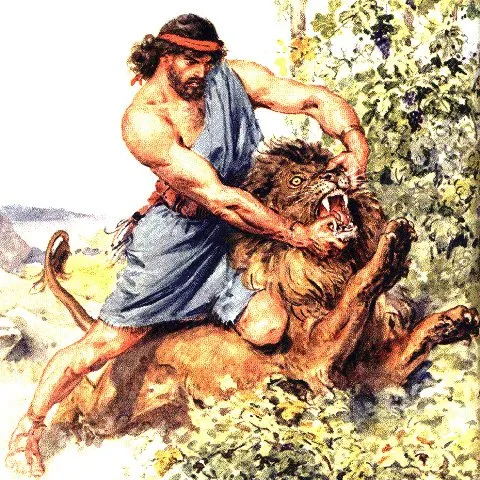
דָּ֖ן יָדִ֣ין עַמּ֑וֹ כְּאַחַ֖ד שִׁבְטֵ֥י יִשְׂרָאֵֽל׃ יְהִי־דָן֙ נָחָ֣שׁ עֲלֵי־דֶ֔רֶךְ שְׁפִיפֹ֖ן עֲלֵי־אֹ֑רַח הַנֹּשֵׁךְ֙ עִקְּבֵי־ס֔וּס וַיִּפֹּ֥ל רֹכְב֖וֹ אָחֽוֹר׃
Dan shall govern his people, As one of the tribes of Israel. Dan shall be a serpent by the road, A viper by the path, That bites the horse’s heels So that his rider is thrown backward.
The word יָדִ֣ין is translated here as "govern," but the more usual translation is "judge." Samson was a descendant of Dan and the last of the judges.
The next verse, which seems like a random interjection, carries a lot more freight than you'd expect.
לִישׁוּעָֽתְךָ֖ קִוִּ֥יתִי יהוה׃ {ס}
I wait for Your deliverance, O יהוה !
From that single verse and its context, the rabbis launched discussions of salvation, waiting, faith, and hope.
Midrash Rabbah - Genesis XCVIII:14
Our ancestor Jacob saw him [Samson] (prophetically) and thought that he was the Messiah. But when he saw him dead, he exclaimed, "He too is dead! Then I wait for Thy salvation, O God."
R. Isaac said: Everything is bound up with waiting [hoping]. Suffering is bound up with waiting, the sanctification of the Divine Name with waiting, the merit of the Fathers with waiting, and the desire of the World to Come with waiting.6 Thus it is written, Yea, in the way of Thy judgments, O Lord, have we waited for Thee (Isa. XXVI, 8), which alludes to suffering; To Thy name (ib.) alludes to the sanctification of the Divine Name; And to Thy memorial (ib.), to ancestral merit; The desire of our soul (ib.), to the desire for the future world. Grace comes through hope: O Lord, be gracious unto us; we have waited [hoped] for Thee (ib. XXXIII, 2). Forgiveness comes through hope: For with Thee is forgiveness (Ps. CXXX, 4). and this is followed by, I wait for the Lord (ib. 5). (Our ancestor saw him [Samson] and thought that the redemption would come in his days; but when he saw him dead he immediately exclaimed, I WAIT FOR THY SALVATION, O LORD.)
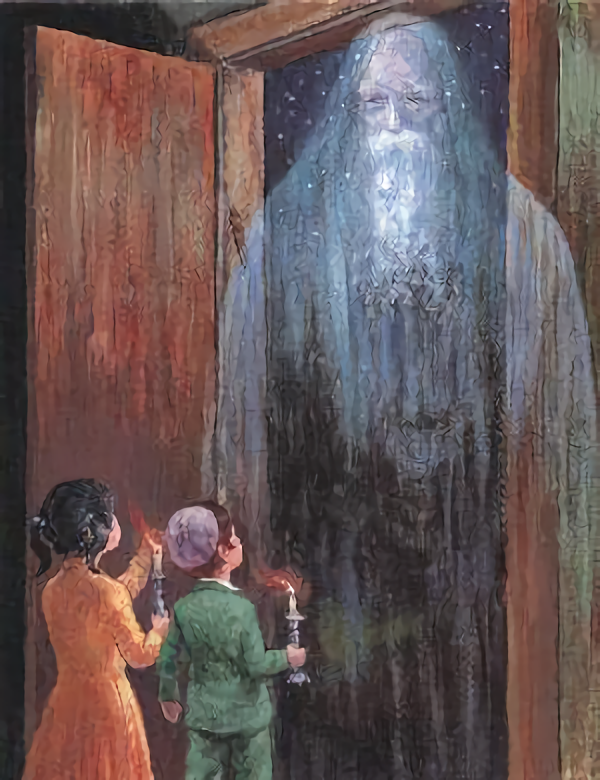
גָּ֖ד גְּד֣וּד יְגוּדֶ֑נּוּ וְה֖וּא יָגֻ֥ד עָקֵֽב׃ {ס}
Gad shall be raided by raiders,But he shall raid at their heels.
(ג) גָּד גְּדוּד יְגוּדֶנּוּ וְהוּא יָגֻד עָקֵב, זֶה שֶׁהוּא בָא בְּעָקֵב. הִנֵּה אָנֹכִי שֹׁלֵחַ לָכֶם אֵת אֵלִיָּה הַנָּבִיא (מלאכי ג, כג), שֶׁהוּא מִשֵּׁבֶט גָּד. לְכָךְ נֶאֱמַר: יָגֻד עָקֵב.
(3) Gad, a troop shall troop upon him; but he shall troop at the end (Gen. 49:19). That is to say, the redeemer who will come at the end of days will descend from Gad, for he was one of the last to come: Behold, I will send you Elijah the prophet before the coming of the great and terrible day of the Lord (Mal. 3:23). And Elijah descended from Gad. Hence it is said: But he shall troop in the end.
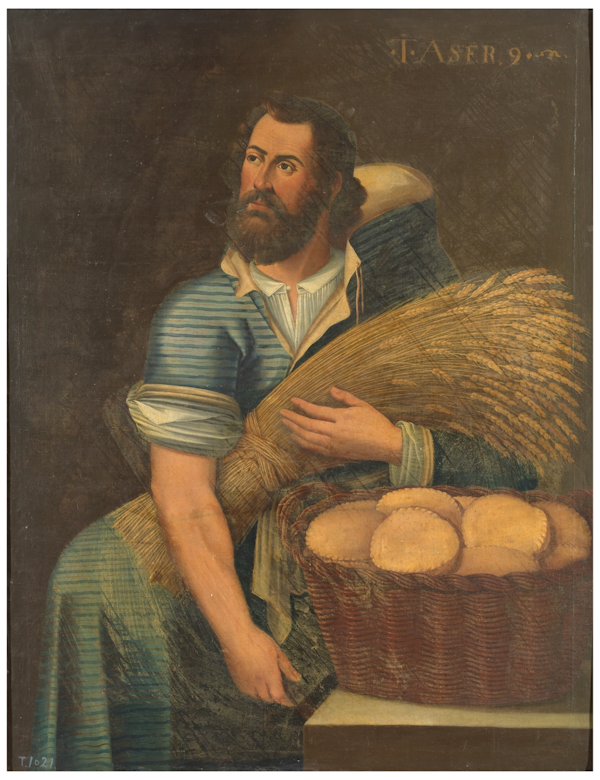
מֵאָשֵׁ֖ר שְׁמֵנָ֣ה לַחְמ֑וֹ וְה֥וּא יִתֵּ֖ן מַֽעֲדַנֵּי־מֶֽלֶךְ׃ {ס}
Asher’s bread shall be rich,And he shall yield royal dainties.
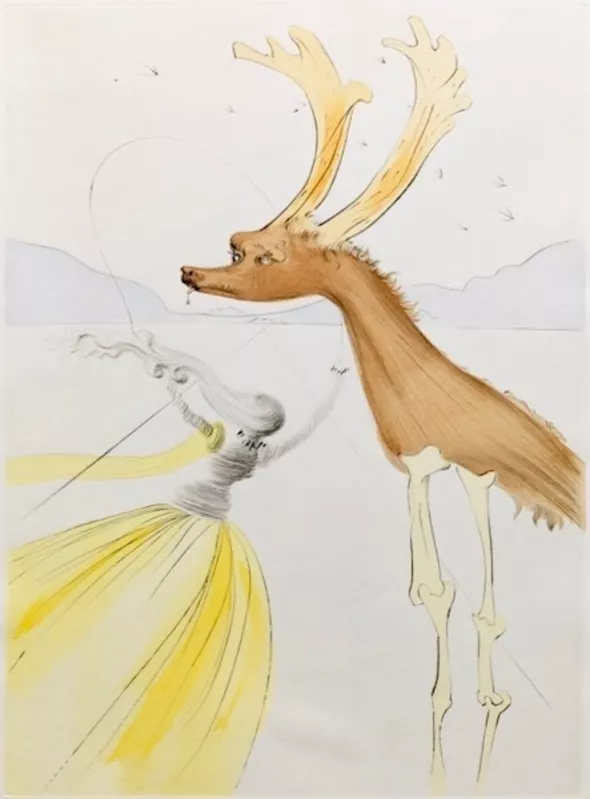
נַפְתָּלִ֖י אַיָּלָ֣ה שְׁלֻחָ֑ה הַנֹּתֵ֖ן אִמְרֵי־שָֽׁפֶר׃ {ס}
Naphtali is a hind let loose,Which yields lovely fawns.
There are many commentaries on this verse: Naphtali's territory being extremely fertile; Napthali being fleet of foot; the use of hinds like carrier pigeons; and the beheading of Esau.

בֵּ֤ן פֹּרָת֙ יוֹסֵ֔ף בֵּ֥ן פֹּרָ֖ת עֲלֵי־עָ֑יִן בָּנ֕וֹת צָעֲדָ֖ה עֲלֵי־שֽׁוּר׃ וַֽיְמָרְרֻ֖הוּ וָרֹ֑בּוּ וַֽיִּשְׂטְמֻ֖הוּ בַּעֲלֵ֥י חִצִּֽים׃ וַתֵּ֤שֶׁב בְּאֵיתָן֙ קַשְׁתּ֔וֹ וַיָּפֹ֖זּוּ זְרֹעֵ֣י יָדָ֑יו מִידֵי֙ אֲבִ֣יר יַעֲקֹ֔ב מִשָּׁ֥ם רֹעֶ֖ה אֶ֥בֶן יִשְׂרָאֵֽל׃ מֵאֵ֨ל אָבִ֜יךָ וְיַעְזְרֶ֗ךָּ וְאֵ֤ת שַׁדַּי֙ וִיבָ֣רְכֶ֔ךָּ בִּרְכֹ֤ת שָׁמַ֙יִם֙ מֵעָ֔ל בִּרְכֹ֥ת תְּה֖וֹם רֹבֶ֣צֶת תָּ֑חַת בִּרְכֹ֥ת שָׁדַ֖יִם וָרָֽחַם׃ בִּרְכֹ֣ת אָבִ֗יךָ גָּֽבְרוּ֙ עַל־בִּרְכֹ֣ת הוֹרַ֔י עַֽד־תַּאֲוַ֖ת גִּבְעֹ֣ת עוֹלָ֑ם תִּֽהְיֶ֙יןָ֙ לְרֹ֣אשׁ יוֹסֵ֔ף וּלְקׇדְקֹ֖ד נְזִ֥יר אֶחָֽיו׃ {פ}
[Joseph is a fruitful vine, A fruitful vine by a fountain; Its branches run over the wall.] Archers bitterly assailed him; They shot at him and harried him. Yet his bow stayed taut, And his arms were made firm By the hands of the Mighty One of Jacob— There, the Shepherd, the Rock of Israel— The God of your father’s [house], who helps you, And Shaddai who blesses you With blessings of heaven above, Blessings of the deep that couches below, Blessings of the breast and womb. The blessings of your father Surpass the blessings of my ancestors, To the utmost bounds of the eternal hills. May they rest on the head of Joseph, On the brow of the elect of his brothers.
There are competing translations of verse 49:22
KJV: Joseph [is] a fruitful bough, [even] a fruitful bough by a well; [whose] branches run over the wall
The Contemporary Torah, JPS 2006: Joseph is a wild ass, A wild ass by a spring—wild colts on a hillside.
The Five Books of Moses, by Everett Fox. New York, Schocken Books, 1995: Young wild-ass, Yosef, young wild-ass along a spring, donkeys along a wall.
The Koren Jerusalem Bible: Yosef is a fruitful bough, a fruitful bough by a well; whose branches run over the wall.
Metsudah Chumash, Metsudah Publications, 2009: A fruitful son is Yoseif, a fruitful son at the well [source]. Daughters tread on the wall.
The Rashi chumash by Rabbi Shraga Silverstein: A son of favor is Joseph, a son of favor [alighting] upon the eye [of his beholder]. [The] daughters [of Egypt] would step [upon the wall] to gaze [at his beauty].
The Holy Scriptures: A New Translation (JPS 1917): Joseph is a fruitful vine, A fruitful vine by a fountain; Its branches run over the wall.
Torah Yesharah, translated and edited by Chas. Kahane. New York, 1963: Joseph is a fruitful branch, a fruitful branch planted by a fountain, producing branches that run over the wall.
Jewish Publication Society Inc.. JPS TANAKH: The Holy Scriptures (blue): The New JPS Translation according to the Traditional Hebrew Text (p. 81). The Jewish Publication Society: Joseph is a wild ass, A wild ass by a spring —Wild colts on a hillside. Others “Joseph is a fruitful bough, A fruitful bough by a spring, Its branches run over a wall.”
English translation by David Mandel: Joseph is a fruitful bough, a fruitful bough by a well; whose branches run over the wall,
THE TANACH OR TANAKH (THE JEWISH BIBLE), TEXT OF THE PUBLIC DOMAIN 1917 JEWISH PUBLICATION SOCIETIES' ENGLISH TRANSLATIO: Joseph is a fruitful vine, a fruitful vine by a fountain; its branches run over the wall.
Sefaria Community Translation: A charming son is Joseph, a son charming to the eye; [of the] women, [each one] strode along to see him.
Die fünf Bücher Moses mit Deutscher Übersetzung von Dr. J. Wohlgemuth, Dozent am Rabbiner-Seminar zu Berlin, und J. Bleichrode, Prediger und Schuldirigent zu Berlin; Rödelheim 1899; digitized by Igor Itkin: Ein blühend Reis ist Joseph, Ein blühend Reis am Quell, Und seine Ranken klettern auf die Mauer. [A flowering rice is Joseph, A flowering rice at the source, And his tendrils climb the wall.]

בִּנְיָמִין֙ זְאֵ֣ב יִטְרָ֔ף בַּבֹּ֖קֶר יֹ֣אכַל עַ֑ד וְלָעֶ֖רֶב יְחַלֵּ֥ק שָׁלָֽל׃
Benjamin is a ravenous wolf;In the morning he consumes the foe, And in the evening he divides the spoil.”
בבקר יאכל עד. לְשׁוֹן בִּזָּה וְשָׁלָל, הַמְתֻרְגָּם עֲדָאָה, וְעוֹד יֵשׁ לוֹ דּוֹמֶה בִּלְשׁוֹן עִבְרִית אָז חֻלַּק עַד שָׁלָל (ישעיהו ל"ג), וְעַל שָׁאוּל הוּא אוֹמֵר שֶׁעָמַד בִּתְחִלַּת פְּרִיחָתָן וּזְרִיחָתָן שֶׁל יִשְׂרָאֵל: ולערב יחלק שלל. אַף מִשֶּׁתִּשְׁקַע שִׁמְשָׁן שֶׁל יִשְׂרָאֵל עַל יְדֵי נְבוּכַדְנֶצַּר, שֶׁיַּגְלֵם לְבָבֶל, יחלק שלל, מָרְדְּכַי וְאֶסְתֵּר שֶׁהֵם מִבִּנְיָמִין יְחַלְּקוּ אֶת שְׁלַל הָמָן, שֶׁנֶּאֱמַר הִנֵּה בֵית הָמָן נָתַתִּי לְאֶסְתֵּר. וְאֻנְקְלוֹס תִּרְגֵּם עַל שְׁלַל הַכֹּהֲנִים בְּקָדְשֵׁי הַמִּקְדָּשׁ:
Medieval French rabbi (22 February 1040 – 13 July 1105), author of a comprehensive commentary on the Talmud and the Hebrew Bible
בבקר יאכל עד IN THE MORNING HE EATETH HIS PREY … He (Jacob) says this (“in the morning eateth his prey”) with reference to Saul who rose as Israel’s champion in the period when Israel began to flourish and shine …
ולערב יחלק שלל AND AT EVEN HE DIVIDETH THE SPOIL— even after the sun of Israel will have set through Nebuchadnezzar who will exile them to Babel … Mordecai and Esther who will be of the tribe of Benjamin will divide the spoil of Haman …
כׇּל־אֵ֛לֶּה שִׁבְטֵ֥י יִשְׂרָאֵ֖ל שְׁנֵ֣ים עָשָׂ֑ר וְ֠זֹ֠את אֲשֶׁר־דִּבֶּ֨ר לָהֶ֤ם אֲבִיהֶם֙ וַיְבָ֣רֶךְ אוֹתָ֔ם אִ֛ישׁ אֲשֶׁ֥ר כְּבִרְכָת֖וֹ בֵּרַ֥ךְ אֹתָֽם׃
All these were the tribes of Israel, twelve in number, and this is what their father said to them as he bade them farewell, addressing to each a parting word appropriate to him.
וַיְצַ֣ו אוֹתָ֗ם וַיֹּ֤אמֶר אֲלֵהֶם֙ אֲנִי֙ נֶאֱסָ֣ף אֶל־עַמִּ֔י קִבְר֥וּ אֹתִ֖י אֶל־אֲבֹתָ֑י אֶ֨ל־הַמְּעָרָ֔ה אֲשֶׁ֥ר בִּשְׂדֵ֖ה עֶפְר֥וֹן הַֽחִתִּֽי׃ בַּמְּעָרָ֞ה אֲשֶׁ֨ר בִּשְׂדֵ֧ה הַמַּכְפֵּלָ֛ה אֲשֶׁ֥ר עַל־פְּנֵי־מַמְרֵ֖א בְּאֶ֣רֶץ כְּנָ֑עַן אֲשֶׁר֩ קָנָ֨ה אַבְרָהָ֜ם אֶת־הַשָּׂדֶ֗ה מֵאֵ֛ת עֶפְרֹ֥ן הַחִתִּ֖י לַאֲחֻזַּת־קָֽבֶר׃ שָׁ֣מָּה קָֽבְר֞וּ אֶת־אַבְרָהָ֗ם וְאֵת֙ שָׂרָ֣ה אִשְׁתּ֔וֹ שָׁ֚מָּה קָבְר֣וּ אֶת־יִצְחָ֔ק וְאֵ֖ת רִבְקָ֣ה אִשְׁתּ֑וֹ וְשָׁ֥מָּה קָבַ֖רְתִּי אֶת־לֵאָֽה׃ מִקְנֵ֧ה הַשָּׂדֶ֛ה וְהַמְּעָרָ֥ה אֲשֶׁר־בּ֖וֹ מֵאֵ֥ת בְּנֵי־חֵֽת׃ וַיְכַ֤ל יַעֲקֹב֙ לְצַוֺּ֣ת אֶת־בָּנָ֔יו וַיֶּאֱסֹ֥ף רַגְלָ֖יו אֶל־הַמִּטָּ֑ה וַיִּגְוַ֖ע וַיֵּאָ֥סֶף אֶל־עַמָּֽיו׃
Then he instructed them, saying to them, “I am about to be gathered to my kin. Bury me with my ancestors in the cave which is in the field of Ephron the Hittite, the cave which is in the field of Machpelah, facing Mamre, in the land of Canaan, the field that Abraham bought from Ephron the Hittite for a burial site— there Abraham and his wife Sarah were buried; there Isaac and his wife Rebekah were buried; and there I buried Leah— the field and the cave in it, bought from the Hittites.” When Jacob finished his instructions to his sons, he drew his feet into the bed and, breathing his last, he was gathered to his kin.
Joseph asks Pharaoh for permission to go to Canaan to bury his father, and Pharaoh sends an honor guard of horsemen and chariots.
וַיִּפֹּ֥ל יוֹסֵ֖ף עַל־פְּנֵ֣י אָבִ֑יו וַיֵּ֥בְךְּ עָלָ֖יו וַיִּשַּׁק־לֽוֹ׃ וַיְצַ֨ו יוֹסֵ֤ף אֶת־עֲבָדָיו֙ אֶת־הָרֹ֣פְאִ֔ים לַחֲנֹ֖ט אֶת־אָבִ֑יו וַיַּחַנְט֥וּ הָרֹפְאִ֖ים אֶת־יִשְׂרָאֵֽל׃ וַיִּמְלְאוּ־לוֹ֙ אַרְבָּעִ֣ים י֔וֹם כִּ֛י כֵּ֥ן יִמְלְא֖וּ יְמֵ֣י הַחֲנֻטִ֑ים וַיִּבְכּ֥וּ אֹת֛וֹ מִצְרַ֖יִם שִׁבְעִ֥ים יֽוֹם׃ וַיַּֽעַבְרוּ֙ יְמֵ֣י בְכִית֔וֹ וַיְדַבֵּ֣ר יוֹסֵ֔ף אֶל־בֵּ֥ית פַּרְעֹ֖ה לֵאמֹ֑ר אִם־נָ֨א מָצָ֤אתִי חֵן֙ בְּעֵ֣ינֵיכֶ֔ם דַּבְּרוּ־נָ֕א בְּאׇזְנֵ֥י פַרְעֹ֖ה לֵאמֹֽר׃ אָבִ֞י הִשְׁבִּיעַ֣נִי לֵאמֹ֗ר הִנֵּ֣ה אָנֹכִי֮ מֵת֒ בְּקִבְרִ֗י אֲשֶׁ֨ר כָּרִ֤יתִי לִי֙ בְּאֶ֣רֶץ כְּנַ֔עַן שָׁ֖מָּה תִּקְבְּרֵ֑נִי וְעַתָּ֗ה אֶֽעֱלֶה־נָּ֛א וְאֶקְבְּרָ֥ה אֶת־אָבִ֖י וְאָשֽׁוּבָה׃ וַיֹּ֖אמֶר פַּרְעֹ֑ה עֲלֵ֛ה וּקְבֹ֥ר אֶת־אָבִ֖יךָ כַּאֲשֶׁ֥ר הִשְׁבִּיעֶֽךָ׃ וַיַּ֥עַל יוֹסֵ֖ף לִקְבֹּ֣ר אֶת־אָבִ֑יו וַיַּֽעֲל֨וּ אִתּ֜וֹ כׇּל־עַבְדֵ֤י פַרְעֹה֙ זִקְנֵ֣י בֵית֔וֹ וְכֹ֖ל זִקְנֵ֥י אֶֽרֶץ־מִצְרָֽיִם׃ וְכֹל֙ בֵּ֣ית יוֹסֵ֔ף וְאֶחָ֖יו וּבֵ֣ית אָבִ֑יו רַ֗ק טַפָּם֙ וְצֹאנָ֣ם וּבְקָרָ֔ם עָזְב֖וּ בְּאֶ֥רֶץ גֹּֽשֶׁן׃ וַיַּ֣עַל עִמּ֔וֹ גַּם־רֶ֖כֶב גַּם־פָּרָשִׁ֑ים וַיְהִ֥י הַֽמַּחֲנֶ֖ה כָּבֵ֥ד מְאֹֽד׃ וַיָּבֹ֜אוּ עַד־גֹּ֣רֶן הָאָטָ֗ד אֲשֶׁר֙ בְּעֵ֣בֶר הַיַּרְדֵּ֔ן וַיִּ֨סְפְּדוּ־שָׁ֔ם מִסְפֵּ֛ד גָּד֥וֹל וְכָבֵ֖ד מְאֹ֑ד וַיַּ֧עַשׂ לְאָבִ֛יו אֵ֖בֶל שִׁבְעַ֥ת יָמִֽים׃ וַיַּ֡רְא יוֹשֵׁב֩ הָאָ֨רֶץ הַֽכְּנַעֲנִ֜י אֶת־הָאֵ֗בֶל בְּגֹ֙רֶן֙ הָֽאָטָ֔ד וַיֹּ֣אמְר֔וּ אֵֽבֶל־כָּבֵ֥ד זֶ֖ה לְמִצְרָ֑יִם עַל־כֵּ֞ן קָרָ֤א שְׁמָהּ֙ אָבֵ֣ל מִצְרַ֔יִם אֲשֶׁ֖ר בְּעֵ֥בֶר הַיַּרְדֵּֽן׃ וַיַּעֲשׂ֥וּ בָנָ֖יו ל֑וֹ כֵּ֖ן כַּאֲשֶׁ֥ר צִוָּֽם׃ וַיִּשְׂא֨וּ אֹת֤וֹ בָנָיו֙ אַ֣רְצָה כְּנַ֔עַן וַיִּקְבְּר֣וּ אֹת֔וֹ בִּמְעָרַ֖ת שְׂדֵ֣ה הַמַּכְפֵּלָ֑ה אֲשֶׁ֣ר קָנָה֩ אַבְרָהָ֨ם אֶת־הַשָּׂדֶ֜ה לַאֲחֻזַּת־קֶ֗בֶר מֵאֵ֛ת עֶפְרֹ֥ן הַחִתִּ֖י עַל־פְּנֵ֥י מַמְרֵֽא׃ וַיָּ֨שׇׁב יוֹסֵ֤ף מִצְרַ֙יְמָה֙ ה֣וּא וְאֶחָ֔יו וְכׇל־הָעֹלִ֥ים אִתּ֖וֹ לִקְבֹּ֣ר אֶת־אָבִ֑יו אַחֲרֵ֖י קׇבְר֥וֹ אֶת־אָבִֽיו׃
Joseph flung himself upon his father’s face and wept over him and kissed him. Then Joseph ordered the physicians in his service to embalm his father, and the physicians embalmed Israel. It required forty days, for such is the full period of embalming. The Egyptians bewailed him seventy days; and when the wailing period was over, Joseph spoke to Pharaoh’s court, saying, “Do me this favor, and lay this appeal before Pharaoh: ‘My father made me swear, saying, “I am about to die. Be sure to bury me in the grave which I made ready for myself in the land of Canaan.” Now, therefore, let me go up and bury my father; then I shall return.’” And Pharaoh said, “Go up and bury your father, as he made you promise on oath.” So Joseph went up to bury his father; and with him went up all the officials of Pharaoh, the senior members of his court, and all of Egypt’s dignitaries, together with all of Joseph’s household, his brothers, and his father’s household; only their children, their flocks, and their herds were left in the region of Goshen. Chariots, too, and horsemen went up with him; it was a very large troop. When they came to Goren ha-Atad, which is beyond the Jordan, they held there a very great and solemn lamentation; and he observed a mourning period of seven days for his father. And when the Canaanite inhabitants of the land saw the mourning at Goren ha-Atad, they said, “This is a solemn mourning on the part of the Egyptians.” That is why it was named Abel-mizraim, which is beyond the Jordan. Thus his sons did for him as he had instructed them. His sons carried him to the land of Canaan, and buried him in the cave of the field of Machpelah, the field near Mamre, which Abraham had bought for a burial site from Ephron the Hittite. After burying his father, Joseph returned to Egypt, he and his brothers and all who had gone up with him to bury his father.
The other brothers were afraid that the family drama wasn't completely buried with Jacob.
וַיִּרְא֤וּ אֲחֵֽי־יוֹסֵף֙ כִּי־מֵ֣ת אֲבִיהֶ֔ם וַיֹּ֣אמְר֔וּ ל֥וּ יִשְׂטְמֵ֖נוּ יוֹסֵ֑ף וְהָשֵׁ֤ב יָשִׁיב֙ לָ֔נוּ אֵ֚ת כׇּל־הָ֣רָעָ֔ה אֲשֶׁ֥ר גָּמַ֖לְנוּ אֹתֽוֹ׃ וַיְצַוּ֕וּ אֶל־יוֹסֵ֖ף לֵאמֹ֑ר אָבִ֣יךָ צִוָּ֔ה לִפְנֵ֥י מוֹת֖וֹ לֵאמֹֽר׃ כֹּֽה־תֹאמְר֣וּ לְיוֹסֵ֗ף אָ֣נָּ֡א שָׂ֣א נָ֠א פֶּ֣שַׁע אַחֶ֤יךָ וְחַטָּאתָם֙ כִּי־רָעָ֣ה גְמָל֔וּךָ וְעַתָּה֙ שָׂ֣א נָ֔א לְפֶ֥שַׁע עַבְדֵ֖י אֱלֹהֵ֣י אָבִ֑יךָ וַיֵּ֥בְךְּ יוֹסֵ֖ף בְּדַבְּרָ֥ם אֵלָֽיו׃
When Joseph’s brothers saw that their father was dead, they said, “What if Joseph still bears a grudge against us and pays us back for all the wrong that we did him!” So they sent this message to Joseph, “Before his death your father left this instruction: So shall you say to Joseph, ‘Forgive, I urge you, the offense and guilt of your brothers who treated you so harshly.’ Therefore, please forgive the offense of the servants of the God of your father’s [house].” And Joseph was in tears as they spoke to him.
Did Jacob actually say that?
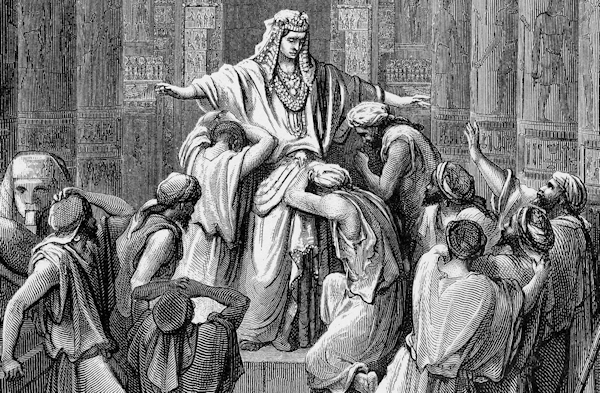
וַיֵּלְכוּ֙ גַּם־אֶחָ֔יו וַֽיִּפְּל֖וּ לְפָנָ֑יו וַיֹּ֣אמְר֔וּ הִנֶּ֥נּֽוּ לְךָ֖ לַעֲבָדִֽים׃ וַיֹּ֧אמֶר אֲלֵהֶ֛ם יוֹסֵ֖ף אַל־תִּירָ֑אוּ כִּ֛י הֲתַ֥חַת אֱלֹהִ֖ים אָֽנִי׃ וְאַתֶּ֕ם חֲשַׁבְתֶּ֥ם עָלַ֖י רָעָ֑ה אֱלֹהִים֙ חֲשָׁבָ֣הּ לְטֹבָ֔ה לְמַ֗עַן עֲשֹׂ֛ה כַּיּ֥וֹם הַזֶּ֖ה לְהַחֲיֹ֥ת עַם־רָֽב׃ וְעַתָּה֙ אַל־תִּירָ֔אוּ אָנֹכִ֛י אֲכַלְכֵּ֥ל אֶתְכֶ֖ם וְאֶֽת־טַפְּכֶ֑ם וַיְנַחֵ֣ם אוֹתָ֔ם וַיְדַבֵּ֖ר עַל־לִבָּֽם׃ וַיֵּ֤שֶׁב יוֹסֵף֙ בְּמִצְרַ֔יִם ה֖וּא וּבֵ֣ית אָבִ֑יו וַיְחִ֣י יוֹסֵ֔ף מֵאָ֥ה וָעֶ֖שֶׂר שָׁנִֽים׃ וַיַּ֤רְא יוֹסֵף֙ לְאֶפְרַ֔יִם בְּנֵ֖י שִׁלֵּשִׁ֑ים גַּ֗ם בְּנֵ֤י מָכִיר֙ בֶּן־מְנַשֶּׁ֔ה יֻלְּד֖וּ עַל־בִּרְכֵּ֥י יוֹסֵֽף׃
His brothers went to him themselves, flung themselves before him, and said, “We are prepared to be your slaves.” But Joseph said to them, “Have no fear! Am I a substitute for God? Besides, although you intended me harm, God intended it for good, so as to bring about the present result—the survival of many people. And so, fear not. I will sustain you and your dependents.” Thus he reassured them, speaking kindly to them. So Joseph and his father’s household remained in Egypt. Joseph lived one hundred and ten years. Joseph lived to see children of the third generation of Ephraim; the children of Machir son of Manasseh were likewise born upon Joseph’s knees.
Joseph lived to see his great-grandchildren. Levi also lived to see his great-grandchildren, one of whom (Amram) was the father of Moses. Moses's mother is described as Levi's daughter, although the rabbis found that tough to digest.
וַיֹּ֤אמֶר יוֹסֵף֙ אֶל־אֶחָ֔יו אָנֹכִ֖י מֵ֑ת וֵֽאלֹהִ֞ים פָּקֹ֧ד יִפְקֹ֣ד אֶתְכֶ֗ם וְהֶעֱלָ֤ה אֶתְכֶם֙ מִן־הָאָ֣רֶץ הַזֹּ֔את אֶל־הָאָ֕רֶץ אֲשֶׁ֥ר נִשְׁבַּ֛ע לְאַבְרָהָ֥ם לְיִצְחָ֖ק וּֽלְיַעֲקֹֽב׃ וַיַּשְׁבַּ֣ע יוֹסֵ֔ף אֶת־בְּנֵ֥י יִשְׂרָאֵ֖ל לֵאמֹ֑ר פָּקֹ֨ד יִפְקֹ֤ד אֱלֹהִים֙ אֶתְכֶ֔ם וְהַעֲלִתֶ֥ם אֶת־עַצְמֹתַ֖י מִזֶּֽה׃ וַיָּ֣מׇת יוֹסֵ֔ף בֶּן־מֵאָ֥ה וָעֶ֖שֶׂר שָׁנִ֑ים וַיַּחַנְט֣וּ אֹת֔וֹ וַיִּ֥ישֶׂם בָּאָר֖וֹן בְּמִצְרָֽיִם׃
At length, Joseph said to his brothers, “I am about to die. God will surely take notice of you and bring you up from this land to the land promised on oath to Abraham, to Isaac, and to Jacob.” So Joseph made the sons of Israel swear, saying, “When God has taken notice of you, you shall carry up my bones from here.” Joseph died at the age of one hundred and ten years; and he was embalmed and placed in a coffin in Egypt.
Haftarah: I Kings 2
The haftarah for today tells of David's designation of Solomon as his successor.
Because the Contemporary Torah doesn't include the book of Kings, we'll switch to The Metsudah Tanach.
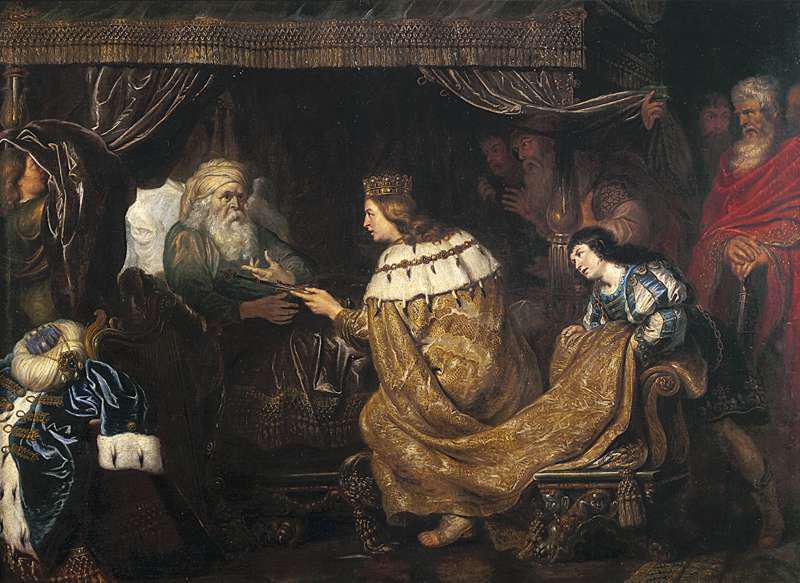
Adonijah, who considered himself the heir apparent, was consolidating his support among his brother princes, the army, and the priesthood. He pointedly did not include Solomon or any of his supporters, effectively putting a target on Solomon's back. Solomon's mother, Bathsheva, and Nathan the prophet remind David that he had promised the kingship to Solomon. They convince him to invest Solomon while he's still alive.
וַיִּקְרְב֥וּ יְמֵֽי־דָוִ֖ד לָמ֑וּת וַיְצַ֛ו אֶת־שְׁלֹמֹ֥ה בְנ֖וֹ לֵאמֹֽר׃ אָנֹכִ֣י הֹלֵ֔ךְ בְּדֶ֖רֶךְ כׇּל־הָאָ֑רֶץ וְחָזַקְתָּ֖ וְהָיִ֥יתָֽ לְאִֽישׁ׃ וְשָׁמַרְתָּ֞ אֶת־מִשְׁמֶ֣רֶת ׀ יהוה אֱלֹהֶ֗יךָ לָלֶ֤כֶת בִּדְרָכָיו֙ לִשְׁמֹ֨ר חֻקֹּתָ֤יו מִצְוֺתָיו֙ וּמִשְׁפָּטָ֣יו וְעֵדְוֺתָ֔יו כַּכָּת֖וּב בְּתוֹרַ֣ת מֹשֶׁ֑ה לְמַ֣עַן תַּשְׂכִּ֗יל אֵ֚ת כׇּל־אֲשֶׁ֣ר תַּעֲשֶׂ֔ה וְאֵ֛ת כׇּל־אֲשֶׁ֥ר תִּפְנֶ֖ה שָֽׁם׃ לְמַ֩עַן֩ יָקִ֨ים יהוה אֶת־דְּבָר֗וֹ אֲשֶׁ֨ר דִּבֶּ֣ר עָלַי֮ לֵאמֹר֒ אִם־יִשְׁמְר֨וּ בָנֶ֜יךָ אֶת־דַּרְכָּ֗ם לָלֶ֤כֶת לְפָנַי֙ בֶּאֱמֶ֔ת בְּכׇל־לְבָבָ֖ם וּבְכׇל־נַפְשָׁ֑ם לֵאמֹ֕ר לֹֽא־יִכָּרֵ֤ת לְךָ֙ אִ֔ישׁ מֵעַ֖ל כִּסֵּ֥א יִשְׂרָאֵֽל׃
And Dovid’s days were nearing the time when he would die, and he commanded his son, Shlomo, saying, “I am going the way of all [the inhabitants of] the earth; be strong and be a man. Preserve the safeguards of Adonoy, your God, to go in His ways, to preserve His statutes, His commandments, His judgements, and His testimonies, as recorded in the Torah of Moshe, so that you will be successful in everything you do and wherever you turn. So that Adonoy will fulfill His word that He spoke about me, saying, ‘If your children guard their way to walk before me in truth with all their heart and all their soul, saying, no man of yours will be cut off from the throne of Yisroel.
So far, so noble—but then David gives Solomon some advice that could have come out of the mouth of Don Corleone.
וְגַ֣ם אַתָּ֣ה יָדַ֡עְתָּ אֵת֩ אֲשֶׁר־עָ֨שָׂה לִ֜י יוֹאָ֣ב בֶּן־צְרוּיָ֗ה אֲשֶׁ֣ר עָשָׂ֣ה לִשְׁנֵֽי־שָׂרֵ֣י צִבְא֣וֹת יִ֠שְׂרָאֵ֠ל לְאַבְנֵ֨ר בֶּן־נֵ֜ר וְלַעֲמָשָׂ֤א בֶן־יֶ֙תֶר֙ וַיַּ֣הַרְגֵ֔ם וַיָּ֥שֶׂם דְּמֵֽי־מִלְחָמָ֖ה בְּשָׁלֹ֑ם וַיִּתֵּ֞ן דְּמֵ֣י מִלְחָמָ֗ה בַּחֲגֹֽרָתוֹ֙ אֲשֶׁ֣ר בְּמׇתְנָ֔יו וּֽבְנַעֲל֖וֹ אֲשֶׁ֥ר בְּרַגְלָֽיו׃ וְעָשִׂ֖יתָ כְּחׇכְמָתֶ֑ךָ וְלֹֽא־תוֹרֵ֧ד שֵׂיבָת֛וֹ בְּשָׁלֹ֖ם שְׁאֹֽל׃ וְלִבְנֵ֨י בַרְזִלַּ֤י הַגִּלְעָדִי֙ תַּֽעֲשֶׂה־חֶ֔סֶד וְהָי֖וּ בְּאֹכְלֵ֣י שֻׁלְחָנֶ֑ךָ כִּי־כֵן֙ קָרְב֣וּ אֵלַ֔י בְּבׇרְחִ֕י מִפְּנֵ֖י אַבְשָׁל֥וֹם אָחִֽיךָ׃ וְהִנֵּ֣ה עִ֠מְּךָ֠ שִֽׁמְעִ֨י בֶן־גֵּרָ֥א בֶן־הַיְמִינִי֮ מִבַּחֻרִים֒ וְה֤וּא קִֽלְלַ֙נִי֙ קְלָלָ֣ה נִמְרֶ֔צֶת בְּי֖וֹם לֶכְתִּ֣י מַחֲנָ֑יִם וְהֽוּא־יָרַ֤ד לִקְרָאתִי֙ הַיַּרְדֵּ֔ן וָאֶשָּׁ֨בַֽע ל֤וֹ בַֽיהוה לֵאמֹ֔ר אִם־אֲמִֽיתְךָ֖ בֶּחָֽרֶב׃ וְעַתָּה֙ אַל־תְּנַקֵּ֔הוּ כִּ֛י אִ֥ישׁ חָכָ֖ם אָ֑תָּה וְיָֽדַעְתָּ֙ אֵ֣ת אֲשֶׁ֣ר תַּֽעֲשֶׂה־לּ֔וֹ וְהֽוֹרַדְתָּ֧ אֶת־שֵׂיבָת֛וֹ בְּדָ֖ם שְׁאֽוֹל׃
And you also know what was done to me by Yoav ben Tsruyoh—what he did to two generals of the army of Yisroel—to Avner ben Ner and to Amasa ben Yeser. He killed them and shed the blood of war at a time of peace. He put the blood of war on his belt which was on his loins, and in his shoe that was on his feet. You shall do according to your wisdom, and do not let his graying head go down to the grave in peace. But to the children of Barzilai of Gilod, you should show kindness, and let them be among those who eat at your table; for they were close to me when I fled from Avsholom, your brother. And behold, there is in your company Shimi ben Geira, of the tribe of Binyomin, among the young men. He cursed me with an explicit curse on the day I went to Machanayim, and he came down to greet me at the Jordan, so I swore to him by Adonoy, saying, ‘I will not execute you by the sword.’ And now, do not consider him innocent, for you are a wise man, and you will know how to deal with him, and you bring down his gray head to the grave in blood.”
וַיִּשְׁכַּ֥ב דָּוִ֖ד עִם־אֲבֹתָ֑יו וַיִּקָּבֵ֖ר בְּעִ֥יר דָּוִֽד׃ {פ} וְהַיָּמִ֗ים אֲשֶׁ֨ר מָלַ֤ךְ דָּוִד֙ עַל־יִשְׂרָאֵ֔ל אַרְבָּעִ֖ים שָׁנָ֑ה בְּחֶבְר֤וֹן מָלַךְ֙ שֶׁ֣בַע שָׁנִ֔ים וּבִירֽוּשָׁלַ֣͏ִם מָלַ֔ךְ שְׁלֹשִׁ֥ים וְשָׁלֹ֖שׁ שָׁנִֽים׃
So David slept with his fathers, and he was buried in the City of David. The length of David’s reign over Israel was forty years: he reigned seven years in Hebron, and he reigned thirty-three years in Jerusalem.
Evidently, Solomon took his father's advice, because …
וּשְׁלֹמֹ֕ה יָשַׁ֕ב עַל־כִּסֵּ֖א דָּוִ֣ד אָבִ֑יו וַתִּכֹּ֥ן מַלְכֻת֖וֹ מְאֹֽד׃ {ס}
And Solomon sat upon the throne of his father David, and his rule was firmly established.