מַאי חֲנוּכָּה? דְּתָנוּ רַבָּנַן: בְּכ״ה בְּכִסְלֵיו יוֹמֵי דַחֲנוּכָּה תְּמָנְיָא אִינּוּן דְּלָא לְמִסְפַּד בְּהוֹן וּדְלָא לְהִתְעַנּוֹת בְּהוֹן. שֶׁכְּשֶׁנִּכְנְסוּ יְווֹנִים לַהֵיכָל טִמְּאוּ כׇּל הַשְּׁמָנִים שֶׁבַּהֵיכָל. וּכְשֶׁגָּבְרָה מַלְכוּת בֵּית חַשְׁמוֹנַאי וְנִצְּחוּם, בָּדְקוּ וְלֹא מָצְאוּ אֶלָּא פַּךְ אֶחָד שֶׁל שֶׁמֶן שֶׁהָיָה מוּנָּח בְּחוֹתָמוֹ שֶׁל כֹּהֵן גָּדוֹל, וְלֹא הָיָה בּוֹ אֶלָּא לְהַדְלִיק יוֹם אֶחָד. נַעֲשָׂה בּוֹ נֵס וְהִדְלִיקוּ מִמֶּנּוּ שְׁמוֹנָה יָמִים. לְשָׁנָה אַחֶרֶת קְבָעוּם וַעֲשָׂאוּם יָמִים טוֹבִים בְּהַלֵּל וְהוֹדָאָה.
This Text links Chanukah with Sukkot. Why do you think the Jewish people celebrated Sukkot even though the Holiday has already passed?
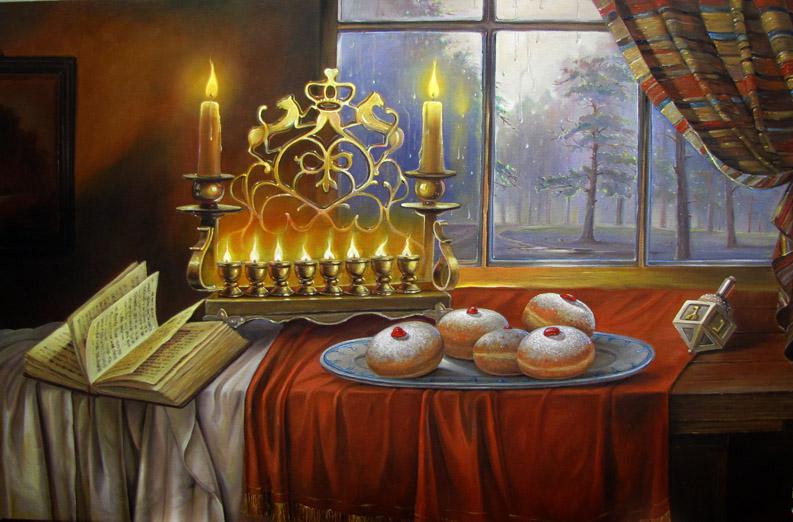
Jewish resilience is central to Chanukah’s historic significance. The Chanukah story recalls Jewish religious oppression during the reign of Antiochus IV. Revolts against this reign led by the Maccabees were in the name of religious freedom, and ultimately the fight for freedom prospered. Today, chanukiot (Chanukah candelabras or menorahs) are placed in the windowsill of Jewish homes in a public display of Jewish ritual. This reminds us to fully embrace all aspects of who we are.
This Chanukah let us not only have pride in our multi-faceted and ever-evolving identities, but also respect, learn about, and advocate for the identities of others as we celebrate not just Jewish resilience but also the diverse communities of which we are a part.