


באתי לבקש מאתכם שלא תצטערו כלל וכלל, כמה שהבטיחו לי אמתית, וגם לא תדאגו הנה אנשים נוסעים על כמה שנים בשביל ממון, מניחים נשותיהן וגם הם נע ונד בחוסר כל. ואני תודה לאל, נוסע לארץ הקדושה שהכל מצפים לראותה, חמדת כל ישראל ואני נוסע בשלום ברוך ה'. וגם את יודעת שהנחתי ילדי שלבי הומה עליהם וכל ספרי היקרים, והייתי כגר בארץ אחרת והנחתי הכל כו'.
I ask you to refrain from becoming sad, as you truly promised me, and not to worry. It is common for men to leave their wives in order to travel and wander destitute for years to make money. But I, thank G-d, am traveling to the Holy Land - which everyone longs to see - the Jewish people's Most Beloved (or: Hashem's Most Beloved, desired by all heavenly and earthly beings). And I am traveling in peace, thank G-d. You are also aware that I have left behind my children, for whom my heart moans, and all my precious books, and I am as a stranger in a foreign country. Yes, I have left everything behind etc.
רִבִּי פִינְחָס בֶּן יָאִיר הֲוָה אֲ֗זִיל לְבֵית ווַעַד וַהֲוָה גִּינַיי גְּבִיר. אֲמַר לֵיהּ גִּינַיי גִּינַיי מַה אַתְּ מְנַע לִי מִבֵּית ווַעֲדָה וּפְלַג קוֹמוֹי וַעֲבַר. אֲמַר לֵיהּ תַּלְמִידָיו יָֽכְלִין אֲנָן עָֽבְרִין. אֲמַר לוֹן מַאן דִּידַע בְּנַפְשֵׁיהּ דְּלָא אֲקִיל לְבַר נַשׁ מִיִּשְׂרָאֵל מִן יוֹמוֹי יַעֲבוֹר וְלָא מְנֻכֶּה.
Rebbi Phineas ben Yaïr went to the House of Assembly when Ginai overflowed. He said: Ginai, Ginai, why do you prevent me from going to the House of Assembly? It split before him and he crossed it. His students asked him, may we cross also? He said to them, he who knows of himself that he never slighted a Jew may cross and will not be harmed.
״שְׁחוֹרוֹת כָּעוֹרֵב״: בְּמִי אַתָּה מוֹצְאָן — בְּמִי שֶׁמַּשְׁכִּים וּמַעֲרִיב עֲלֵיהֶן לְבֵית הַמִּדְרָשׁ. רַבָּה אָמַר: בְּמִי שֶׁמַּשְׁחִיר פָּנָיו עֲלֵיהֶן כְּעוֹרֵב.
רָבָא אָמַר: בְּמִי שֶׁמֵּשִׂים עַצְמוֹ אַכְזָרִי עַל בָּנָיו וְעַל בְּנֵי בֵּיתוֹ כְּעוֹרֵב. כִּי הָא דְּרַב אַדָּא בַּר מַתְנָא הֲוָה קָאָזֵיל לְבֵי רַב, אֲמַרָה לֵיהּ דְּבֵיתְהוּ: יָנוֹקֵי דִידָךְ מַאי אֶעֱבֵיד לְהוּ? אֲמַר לַהּ: מִי שְׁלִימוּ קוּרָמֵי בְּאַגְמָא?
Black [sheḥorot] as a raven [orev] means: In whom do you find the words of Torah? In him who, for the Torah’s sake, gets up early in the morning [shaḥar] and stays late in the evening [erev] in the study hall. Rabba said: In him who, for the Torah’s sake, blackens his face like a raven, i.e., who fasts and deprives himself for the sake of Torah study. Rava said: In him who makes himself cruel to his sons and other members of his household like a raven for the sake of Torah. This was the case with Rav Adda bar Mattana, who was about to go to the study hall to learn Torah, and his wife said to him: What shall I do for your children? How shall I feed them in your absence? He said to her: Are all the rushes [kurmei] in the marsh already gone? If there is no other bread, let them eat food prepared from rushes.
...ואל תקנא בכבוד המדומה ההבל, והזמן בוגד והוא כמאזנים: יגביה הקל וישפיל הכבד.
Do not lust after fake honor, for it is worthless and time is a traitor: it is like scales, which lift the light and lower the weighty.
והכבוד אינו אלא הבל הבלים המעביר את האדם על דעתו ועל דעת קונו ומשכחו כל חובתו, ומי שמכירו ודאי שימאס בו וישנאו
HONOR: Honor is nothing but vanity of vanities. It forces a person to act against his will and against the will of his Maker, and to forget all of his duties. He who recognizes it will certainly abhor and hate honor.
(א)...אֵיזֶהוּ מְכֻבָּד, הַמְכַבֵּד אֶת הַבְּרִיּוֹת, שֶׁנֶּאֱמַר (שמואל א ב) כִּי מְכַבְּדַי אֲכַבֵּד וּבֹזַי יֵקָלּוּ:
(1)...Who is he that is honored? He who honors his fellow human beings as it is said: “For I honor those that honor Me, but those who spurn Me shall be dishonored” (I Samuel 2:30).
(ב)...והעולם דומה לשותה מים מלוחים, ידמה לו שמרוה, וצמא יותר (מבחר הפנינים). "אין אדם מת וחצי תאותו בידו" (קהלת רבה, א). "מה-יתרון לאדם בכל-עמלו" וגו' (קהלת א, ג). זכור הראשונים אשר היו לפנינו, שכל אהבתם וחמדתם ושמחתם כבר אבדה (שם)
(2)...The world is like one who drinks salty water: he thinks it quenches his thirst, but it only makes him thirstier. No one leaves the world with even half his cravings fulfilled (Koheles Rabbah 1). "What profit does one have from all his toils under the sun" (Koheles 1:3)?
Remember our predecessors, all of whose love, desire and joy have ceased to exist (see Koheles 9:6)...
Marcus Aurelius writes of sitting down to a bountiful feast. He was emperor at the height of the power of Rome so it would have been a pretty nice one. But he didn’t look out and see fancy wine or haute cuisine. Or perhaps he did at first glance, but he urged himself to look deeper. When he did, he repeated to himself what he really saw:
“This is a dead fish. A dead bird. A dead pig…this noble vintage is grape juice, and the purple robes are sheep wool dyed with shellfish blood.”
Why would someone do this? Why would someone contemptuously remove all the dressing and presentation and anticipation from a nice meal? Or from the power and majesty of his role as emperor? (In Rome, only the emperor could wear the purple robe).
Well, because those things are total bs. And people who don’t see that, who take pride in those things, are likely to become consumed by and addicted to them. The point, Marcus would write later, was to use this exercise in brutal objectivity as a way to lay things bare and “to strip away the legend that encrusts them.”
...
This can often be a lesson you have to experience to fully understand. You have to get to the other side of the fence to understand the grass isn’t actually greener.
Earlier this year I won a Grammy for an album I was a part of. It was very exciting to get dressed up and go. What was it actually like getting one though? It was like any other event you go to that takes way too long: a total drag. It was five or six hours for thirteen seconds of excitement (which I had cut short an important book interview to experience).
And then at the end most of the producers don’t even get the Grammy…you have to buy your own plaque online if you want one. It was both an incredible honor and an obligation I would probably skip next time so I can work instead. Certainly having done it now decreases my yearning for any other such “prizes,” I can tell you that. Because having one hasn’t changed my life one bit.
When we are young and ambitious we are susceptible to what psychologists would call the belief in “conditional happiness.” That if we get this, earn that, win this, get promoted to that, marry this or sleep with that, we will suddenly be happy. That we will suddenly feel good about ourselves if we get this good thing.
It’s only with time and the good fortune required to get those things that we begin to understand that this is a seductive and unreachable mirage. As soon as we get those things, we want other things — or they turn out to be disappointing or complicated. We expect that they will be free of our current problems but they aren’t because we bring our problems to them (and create new problems along with them)....
Marcus Aurelius still enjoyed his nice meal. I still enjoy the things I love. Taking those two seconds to see them from another angle before he did so? That’s the secret to enjoying and appreciating and not being enslaved to them.
(ט) אָמַר לָהֶם, צְאוּ וּרְאוּ אֵיזוֹהִי דֶרֶךְ יְשָׁרָה שֶׁיִּדְבַּק בָּהּ הָאָדָם.
רַבִּי אֱלִיעֶזֶר אוֹמֵר, עַיִן טוֹבָה.
רַבִּי יְהוֹשֻׁעַ אוֹמֵר, חָבֵר טוֹב.
רַבִּי יוֹסֵי אוֹמֵר, שָׁכֵן טוֹב.
רַבִּי שִׁמְעוֹן אוֹמֵר, הָרוֹאֶה אֶת הַנּוֹלָד. רַבִּי אֶלְעָזָר אוֹמֵר, לֵב טוֹב.
(9) He [Rabban Yohanan] said unto them: go forth and observe which is the right way to which a man should cleave? Rabbi Eliezer said, a good eye;
Rabbi Joshua said, a good companion; Rabbi Yose said, a good neighbor;
Rabbi Shimon said, foresight.
Rabbi Elazar said, a good heart.
He [Rabban Yohanan] said to them: I prefer the words of Elazar ben Arach, for in his words your words are included.
Good heart - See Proverbs 15 a good heart...
But contentment is a feast without end.

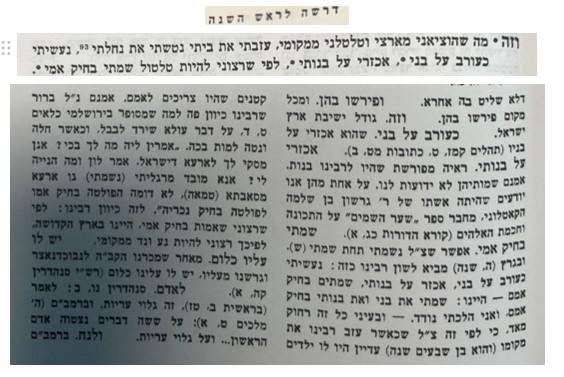
...וגם לאמי בקשתי, שיהא שלום בין שתיכן, ואשה את רעותה תשמח בדברים טובים, כי זה מצוה גדולה לכל אדם, ו"שואלין לאדם בשעת הדין כו', המלכת את חברך בנחת-רוח", הרי צריך שימליכהו בנחת, ובזה רוב התורה לשמח לאדם. ואף אם תעשה אחת מכם שלא כהוגן, תמחלו זו לזו ותחיו למען ה' בשלום...
...I also ask you, Mother, to please cause peace to reign between you, and that you should strive to bring happiness one to the other. This is a great mitzvah incumbent upon everyone, as we find: "When man is judged, he will be asked,''Did you make your fellow a king over you?'' We see that one must gladly enhance his friend's honor. In fact, the rov of the Torah is to bring joy to man. Even if one of you should happen to act improperly, excuse each other and live in peace for Hashem's name. I also ask of you, Mother, to supervise and guide my children with gentle words, so that they will accept them. I instruct my sons and daughters to honor her, and not to fight among themselves at all, but to settle everything peacefully.
אָמַר רָבָא: בְּשָׁעָה שֶׁמַּכְנִיסִין אָדָם לְדִין, אוֹמְרִים לוֹ:
נָשָׂאתָ וְנָתַתָּ בָּאֱמוּנָה?
קָבַעְתָּ עִתִּים לַתּוֹרָה?
עָסַקְתָּ בִּפְרִיָּה וּרְבִיָּה?
צָפִיתָ לִישׁוּעָה?
פִּלְפַּלְתָּ בְּחׇכְמָה?
הֵבַנְתָּ דָּבָר מִתּוֹךְ דָּבָר?
וַאֲפִילּוּ הָכִי, אִי יִרְאַת ה׳ הִיא אוֹצָרוֹ — אִין, אִי לָא — לָא.
מָשָׁל לְאָדָם שֶׁאָמַר לִשְׁלוּחוֹ: הַעֲלֵה לִי כּוֹר חִיטִּין לָעֲלִיָּיה. הָלַךְ וְהֶעֱלָה לוֹ. אָמַר לוֹ: עֵירַבְתָּ לִי בָּהֶן קַב חוֹמְטוֹן? אָמַר לוֹ: לָאו. אָמַר לוֹ: מוּטָב אִם לֹא הֶעֱלֵיתָה.
With regard to the same verse, Rava said: After departing from this world, when a person is brought to judgment for the life he lived in this world, they say to him in the order of that verse:
Did you conduct business faithfully?
Did you designate times for Torah study? Did you engage in procreation?
Did you await salvation?
Did you engage in the dialectics of wisdom or understand one matter from another?
And, nevertheless, beyond all these, if the fear of the Lord is his treasure, yes, he is worthy, and if not, no, none of these accomplishments have any value. There is a parable that illustrates this.
A person who said to his emissary: Bring a kor of wheat up to the attic for me to store there. The messenger went and brought it up for him. He said to the emissary: Did you mix a kav of ḥomton, a preservative to keep away worms, into it for me? He said to him: No. He said to him: If so, it would have been preferable had you not brought it up. Of what use is worm-infested wheat? Likewise, Torah and mitzvot without the fear of God are of no value.
פרק רביעי: א״ר יוסי בא וראה כמה בין בהמה לאדם, בהמה כמה יסורין סובלת בעולם, שוחטין אותה ומפשיטין אותה ואין עליה דין, אבל אדם כמה יסורין סובל בעוה״ז ולאחר מיתתו אם צדיק גמור הוא פוטרין אותו מן הדין ואם רשע גמור הוא דנין אותו בדינים חמורים.
אמרו בשעה שאדם נפטר מן העולם לא די שהוא נבהל ממלאך המות שכלו מלא עינים וחרבו שלופה בידו, אלא שואל לו כלום עסקת בתורה ובגמילות חסדים והמלכת לקונך שחרית וערבית והמלכת (יעצת) את חבירך בנחת רוח.