


Some notes on the Book of Judith:
- extra-canonical: not included in the Tanakh. Could be because of its tacit support of the Hasmonean dynasty (a semi-autonomous, Hellenistic dynasty in Israel), which the rabbinic authority opposed; associated with Hannukah due to its association with the Hasmoneans.
- "The surviving Greek manuscripts contain several historical anachronisms, which is why some Protestant scholars now consider the book non-historical: a parable, a theological novel, or perhaps the first historical novel."
(א) ויהי בעת הקריב את מנחת הערב בירושלים ותשם יהודית את שקה על בשרה ותזרוק אפר על ראשה ותיפול על פניה לפני יי ותתחנן ותאמר:
(ב) אל אלוהי אבי שמעון אתה נתת חרב בידו להנקם בבני נכר על אשר חיללו את אחותו הבתולה:
(ג) ועל כן המתה שריהם מתבוססים בדם על ערשם ופקדת עוון השרים על עבדיהם:
(ד) ראשיהם הורדת מכיסאם ונשיהם ובניהם נתת לשבי ולבזה ביד עבדיך אשר אהבת יען כי קראו לך לנקום את נקמת חרפתם:
(ה) שמע נא גם עתה את אמתך האלמנה:
(ו) הן קדם ואחור מידך המה ועת הזאת ועת העתיד לך נגלות כל מחשבותיך יכונו וכי תגזור אומר ויקום לך:
(ז) ועתה השקיפה נא וראה את המוני אשור המתפארים על רכבם ועל פרשיהם ובוטחים בכוח חיל הרגלים אשר להם:
(ח) הנשענים על חנית וחץ על קשת ועל קלע ולא יכירו כי אתה לבדך תשבית מלחמות ויי שמך:
(ט) שבור נא את גאון עוזם בכוחך הגדול ונפץ עצמותם בזעם אפך:
(י) כי באו לחלל את מקדשך ולטמא את משכן כבודך ולנתץ את קרנות מזבחך:
(יא) ראה נא את גאוותם ושפוך חמתך על קדקודם הרהב בנפשי הרוח אשר לבשתני:
(יב) תן מרמה בלשוני לסכל עצת עבד אל אדוניו ועצת אדון אל עבדיו ונגדעו קרנותם ביד אישה:
(יג) הן לא ברוב המון תגבר ולא ביד כבירים תעוז:
(יד) כי אתה יי פודה ענווים ועוזר דלים זוקף כפופים וסומך נופלים:
(טו) ועתה יי אלוהי השמים ואלוהי הארץ יוצר הימים ומלך כל היצורים שמע לקול תחינתי:
(טז) תהי נא מילתי להם לפוקה למוקש ולנגוע על הרע אשר יזמו לעשת לעם בריתך ועל בית קודשך ועל הר ציון נחלת בניך:
(יז) הראה לעיני עמך ולעיני כל משפחות האדמה כי לך יי הכוח והגבורה וכי אין צור זולתי אלוהינו:
(1) Judith fell upon her face and put ashes on her head and uncovered the sackcloth she was wearing; and, about the time that the incense of that evening was offered in Jerusalem in the house of the Lord, Judith cried with a loud voice, and said,
(2) O Lord God of my father Simeon, to whom you gave a sword to take vengeance on the strangers, who loosened the girdle of a maid to defile her, and uncovered the thigh to her shame, and polluted her virginity to her reproach; for you said, 'It will not be so,' and yet they did so.
(3) Therefore you gave their rulers to be slain, so that they dyed their bed in blood, being deceived, and you struck the servants with their lords
(4) and the lords upon their thrones; and you have given their wives for a prey and their daughters to be captives and all their spoils to be divided among your dear children, who were moved with your zeal and abhorred the pollution of their blood and called upon you for aid.
(5) O God, my God, hear me also for I am a widow.
(6) And you have wrought not only those things, but also the things which happened before and which followed afterwards; you have thought about the things which are now and which are to come. Yes, the things you established were ready at hand, and they said, 'Lo, we are here,' for all your ways are prepared and your judgments are in your foreknowledge.
(7) For, behold, the Assyrians are multiplied in their power; they are exalted with horse and man; they glory in the strength of their foot soldiers;
(8) they trust in shield and spear and bow and sling; and they do not know that you are the Lord who breaks the battles: the Lord is your name.
(9) Throw down their strength in your power and bring down their force in your wrath;
(10) for they have resolved to defile your sanctuary and to pollute the tabernacle where your glorious name rests and to cast down with sword the horn of your altar.
(11) Behold their pride and send your wrath upon their heads; give into my hand, the hand of a widow, the power that I have conceived.
(12) Strike, by the deceit of my lips, the servant with the prince, and the prince with the servant; break down their stateliness by the hand of a woman.
(13) For your power is not found in numbers, nor your might in strong men;
(14) for you are a God of the afflicted, a helper of the oppressed, an upholder of the weak, a protector of the forlorn, a savior of those who are without hope.
(15) I pray to you, I beg you, O God of my father and God of the inheritance of Israel, Lord of the heavens and the earth, Creator of the waters, King of every creature, hear my prayer;
(16) and make my speech and deceit to be their wound and stripe, who have resolved cruel things against your covenant and your hallowed house, and against the top of Zion and the house of the possession of your children;
(17) and so make every nation and tribe acknowledge that you are the God of all power and might, and that there is no other who protects the people of Israel but you.
(יח) ויהי בשבתה ותבער בו אש התאווה ונפשו שוקקה כי חשק בה מיום בואה אל המחנה ויאמר אליה שתי נא בתי והיטיבי לבך:
(יט) ותאמר יהודית אשתה כדברך כי מיום היוולדי לא ניכבדתי כזאת ותאכל ותשת את אשר הכינה לה אמתה:
(כ) וישמח הלופרנש לקראתה והוא שותה שכור כאשר לא שתה כל ימיו:
(18) Now when Judith came in and sat down with Holofernes, his heart was inflamed with her, and his mind was stirred up, and he greatly desired her company; for he had been waiting for sometime to deceive her, even from the day that he had first seen her. Then Holofernes said to her, "Drink now and be merry with us."
(19) So Judith said, "I will drink now, my lord, because my life is exalted in me this day more than all the days since I was born." Then she took and ate and drank before him the things which her maid had prepared.
(20) And Holofernes took great delight in her, and he drank more wine than he had drunk at any time in one day since he was born.
(א) ויהי באישון לילה ויפנו עבדיו איש איש לאוהלו ולחדר משכבו:
(ב) כי עייפים היו מרוב המשתה ובגוא סגר את הדלת מאחריו ויצא:
(ג) ותישאר יהודית לבדה באוהל עם הלופרנש והוא שכור מיין וייפול על מיטתו ויירדם:
(ד) ותאמר אל אמתה שבי לך פה מחוץ לאוהל עד בואי אליך לצאת ולהתפלל כאשר הסכנתי לעשות:
(ה) וגם לבגוא אמרה כי תצא גם הלילה:
(ו) ויהי כי יצאו כולם ולא נשאר איש באוהל למקטון ועד גדול ותיגש אל המיטה אשר הוא שכב עליה ותתפלל בלבה ותאמר:
(ז) אל אלוהים אשר בידך הכוח והגבורה הבט נא וראה את מעשה ידי שפחתך להרים קרן ירושלים:
(ח) הנה קרבה עת פדות עם נחלתך כי תושיעני ימינך לתת נקמה בגוים אשר קמו עלינו:
(ט) ותיגש אל העמוד אשר בראש המיטה ותיקח את חרב הלופרנש מעליו:
(י) ותשלח את ידה ותיקחהו בציצית ראשו ותאמר יי אלוהים חזקני נא ואמצני אך הפעם:
(יא) ותך בחוזקה פעמים על צווארו ותכרות את ראשו ותגל נבלתו מעל המיטה ותיקח היריעה מעל העמוד ותצא:
(יב) ותיתן את ראש הלופרנש לאמתה ותצווה לתתו אל השק:
(יג) ותצאן שתיהן מן המחנה כדרכן לצאת להתפלל ותעבורנה את הערבה ותעלינה ההרה ותבאנה לפני שערי בתול:
(יד) ותקרא יהודית מרחוק אל שומרי השער לאמור:
(טו) פתחו לי את השער כי יי אלוהינו אתנו להראות לישראל את ידו ולצריו את זרועו כאשר החל לעשת ביום הזה:
(טז) ויהי כשמוע אנשי העיר את קולה וינהרו אל פתח השער ויקראו לזקני העיר:
(יז) וקטן וגדול התאספו לראותה כי כפלא הייתה בעיניהם ויפתחו את השער ויאספוה העירה:
(יח) וידליקו אש להאיר וכל העם הקיפו אותה מסביב:
(יט) ותישא יהודית את קולה ותאמר:
(כ) הודו ליי והללו לשמו כי לא הסיר חסדו מעל בית ישראל ומחץ פאת צרינו בידי הלילה:
(כא) ותיקח את ראש הלופרנש מן השק ותראהו את העם ותאמר:
(כב) הנה זה ראש הלופרנש זר צבא אשור וזאת היריעה אשר שכב אחריה והוא שכור וביד אישה הרגו אלוהים:
(כג) חי יי אשר הצליח דרכי כי רק במראי הטיתי את לבבו וידו לא נגעה בי לרעה:
(כד) ויחרד כל העם על המראה ויקדו וישתחוו ליי:
(1) Now when evening had arrived, his servants hurried to depart, and Bagoas shut his tent from the outside and dismissed the waiters from the presence of his lord; and they went to their beds,
(2) for they were all weary because the feast had been long.
(3) And Judith was left alone in the tent with Holofernes lying by himself on his bed, for he was filled with wine.
(4) Now Judith had commanded her maid to stand outside her bedroom and to wait for her to go forth, as she did daily; for she said she would go forth to her prayers,
(5) and she spoke to Bagoas towards the same purpose.
(6) So everyone left and no one was left in the bedroom, neither little nor great. Then Judith, standing by his bed, said in her heart:
(7) "O Lord God of all power, look at this time upon the works of my hands for the exaltation of Jerusalem.
(8) For now is the time to help your inheritance and to execute your purposes for the destruction of the enemies who have risen against us."
(9) Then she went to the pillar of the bed, which was at Holofernes' head, and took down his broadsword from there.
(10) And she approached his bed, and took hold of the hair of his head, and said, "Strengthen me, O Lord God of Israel, this day."
(11) And she twice struck his neck with all her might, and she took his head away from him. And she tumbled his body down from the bed, and pulled down the canopy from the pillars; and, soon after, she went out
(12) and gave the head of Holofernes to her maid. And she put it in her bag of meat,
(13) so these two went together, according to their custom, to prayer; and when they passed the camp, they circled the valley and went up the mountain of Bethulia and came to its gates.
(14) Then Judith said, from far off to the watchmen at the gate,
(15) "Open, open the gate now! God, our God, is with us to show his power yet in Jerusalem and his forces against the enemy, as he has truly done on this day!"
(16) Now when the men of her city heard her voice, they hurried down to the gate of their city and they called the elders of the city.
(17) And then they ran all together, both small and great, for it was surprising to them that she had returned. So they opened the gate and received them;
(18) and they made a fire for a light, and they stood all around them.
(19) Then she said to them with a loud voice,
(20) "Praise, praise God, praise God, I say, for he has not taken away his mercy from the house of Israel, but has destroyed our enemies by my hands this night."
(21) So she took the head out of the bag and showed it and said to them,
(22) "Behold the head of Holofernes, the chief captain of the army of Assur, and behold the canopy where he had lain in his drunkenness; and the Lord has struck him by the hand of a woman.
(23) As the Lord lives, who has preserved me in the path that I took, my attractiveness has deceived him to his destruction, and yet he did not commit sin with me, to defile and shame me."
(24) Then all the people were wonderfully astonished, and bowed themselves and worshipped God,
Things to look for:
- How is Judith portrayed? (Heroine/seductress/etc)
- How is Holofernes portrayed?
- What is the role of the maid?
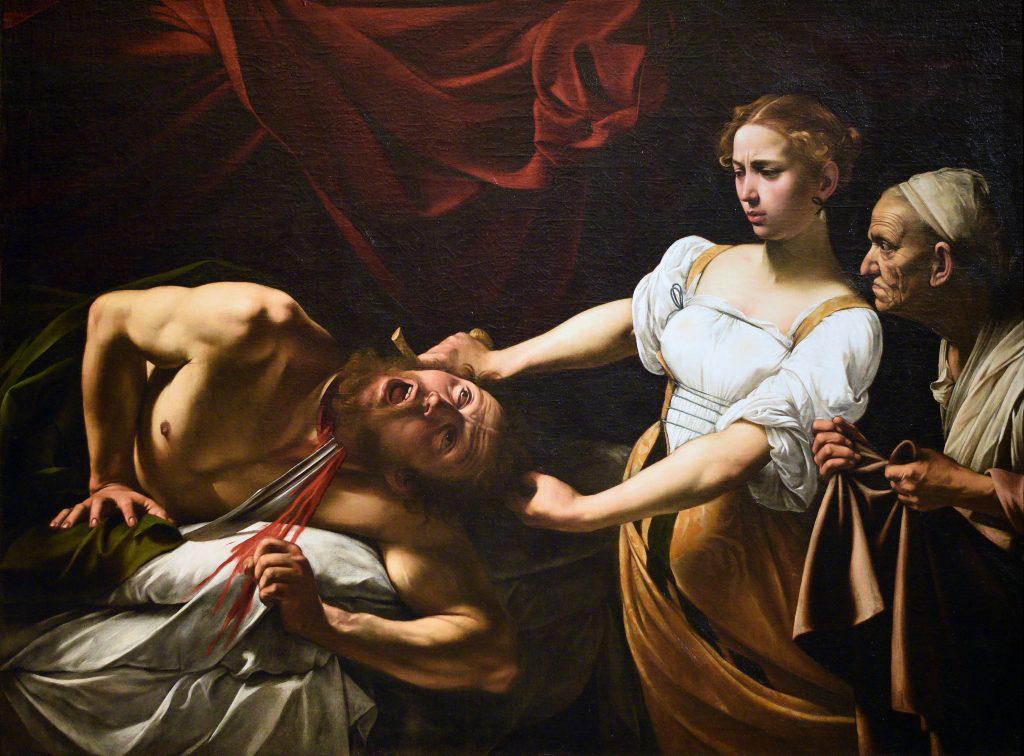
Caravaggio, Judith Beheading Holofernes (ca. 1598–1599 or 1602). Collection of the Galleria Nazionale d’Arte Antica at Palazzo Barberini, Rome.
- Anna Claire Mauney, Art and Object

Giorgio Vasari, Judith and Holofernes, (ca. 1554). Saint Louis Art Museum.

Unknown, Judith with the head of Holofernes in the Nuremberg Chronicles, 1493. Woodcut.

Gustav Klimt, Judith I, 1901, Österreichische Galerie Belvedere, Vienna
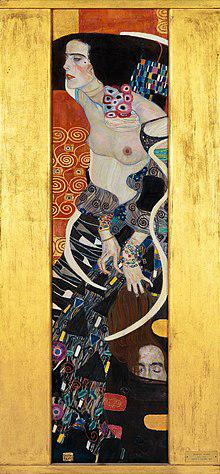
Gustav Klimt, Judith II, (1909).

Cristofano Allori, Judith with the Head of Holofernes, c. 1610-2. Pitti Palace, Florence.
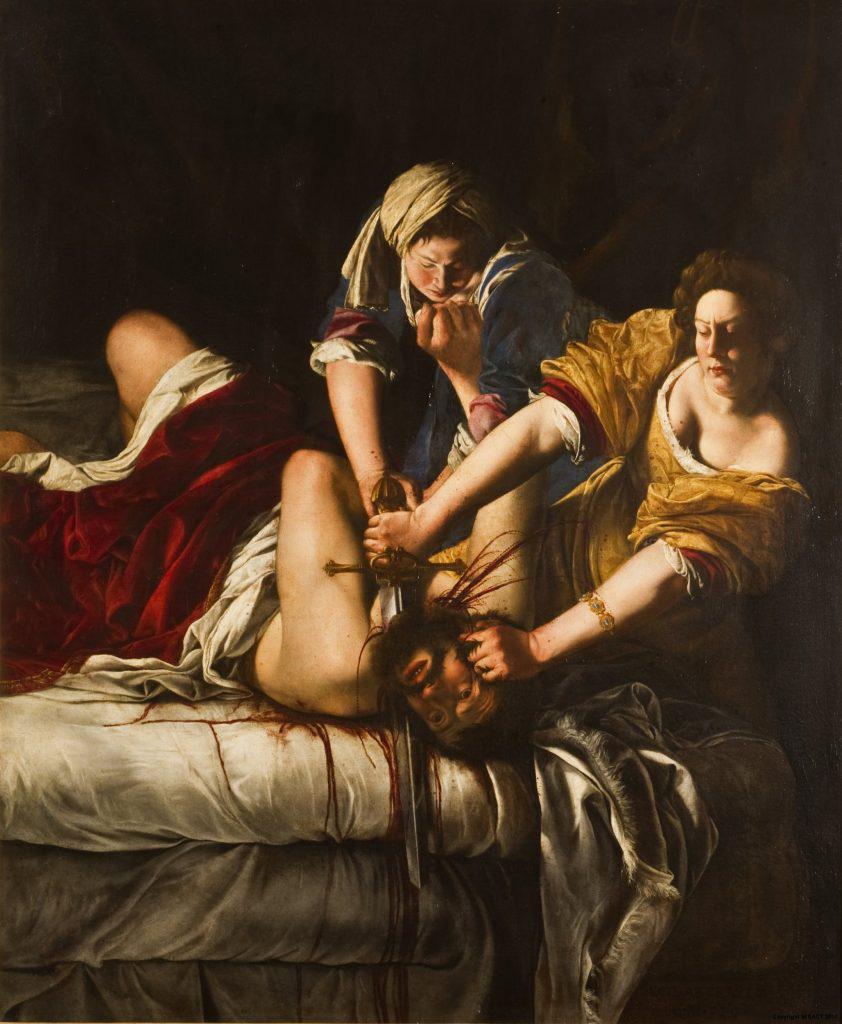
Artemisia Gentileschi, Judith Beheading Holofernes (1620–1621). Collection of the Uffizi Galleries