


Eloheinu Melech ha-olam
asher kid'shanu b'mitzvotav
v'tzivanu la'asok b'divrei Torah.

~ ISMAR SCHORSCH
~Ismar Schorsch

The particular mark is called a shalshelet or chain. With its wiggle shape, it actually looks like a worm, always appearing above the word it serves. Its extended sound, longer than any other mark, matches its form, that is, it wavers going up and down the scale twice before finishing on a third ascent. The music connotes emotional turmoil as it does in our instance.
~Ismar Schorsch
(טו) וּכְמוֹ֙ הַשַּׁ֣חַר עָלָ֔ה וַיָּאִ֥יצוּ הַמַּלְאָכִ֖ים בְּל֣וֹט לֵאמֹ֑ר קוּם֩ קַ֨ח אֶֽת־אִשְׁתְּךָ֜ וְאֶת־שְׁתֵּ֤י בְנֹתֶ֙יךָ֙ הַנִּמְצָאֹ֔ת פֶּן־תִּסָּפֶ֖ה בַּעֲוֺ֥ן הָעִֽיר׃(טז)וַֽיִּתְמַהְמָ֓הּ׀ וַיַּחֲזִ֨יקוּ הָאֲנָשִׁ֜ים בְּיָד֣וֹ וּבְיַד־אִשְׁתּ֗וֹ וּבְיַד֙ שְׁתֵּ֣י בְנֹתָ֔יו בְּחֶמְלַ֥ת יהוה עָלָ֑יו וַיֹּצִאֻ֥הוּ וַיַּנִּחֻ֖הוּ מִח֥וּץ לָעִֽיר׃(יז) וַיְהִי֩ כְהוֹצִיאָ֨ם אֹתָ֜ם הַח֗וּצָה וַיֹּ֙אמֶר֙ הִמָּלֵ֣ט עַל־נַפְשֶׁ֔ךָ אַל־תַּבִּ֣יט אַחֲרֶ֔יךָ וְאַֽל־תַּעֲמֹ֖ד בְּכׇל־הַכִּכָּ֑ר הָהָ֥רָה הִמָּלֵ֖ט פֶּן־תִּסָּפֶֽה׃
(15) As dawn broke, the messengers urged Lot on, saying, “Up, take your wife and your two remaining daughters, lest you be swept away because of the iniquity of the city.”(16)Still he delayed. So the agents seized his hand, and the hands of his wife and his two daughters—in יהוה’s mercy on him—and brought him out and left him outside the city.(17) When they had brought them outside, one said, “Flee for your life! Do not look behind you, nor stop anywhere in the Plain; flee to the hills, lest you be swept away.”
~Dan Brosgol
ויתמהמה. כְּדֵי לְהַצִּיל אֶת מָמוֹנוֹ:
ויתמהמה BUT HE LINGERED in order to save his property.
ויתמהמה ויחזיקו האנשים בידו וגו' בחמלת יהוה וגו'. טעם למה שרצה להתמהמה הוא לצד שראה שאינם חפצים לעשות דבר עד אשר יצא מן העיר, סבר בדעתו כיון שעליו לא נגזרה הגזירה הוא יעכב את הפורעניות מלבא העיר כשיהיה בתוכה ולא יצא ממנה, ועל כן התעכב מעט כי אולי ברגע הזה ישובו אנשי סדום מחטאתם ולא יאבדו. ועל כן המלאכים שידעו להיפך אשר בשבילו לא יתעכב הפורעניות מלבא אדרבה גם הוא יספה בעוון העיר החזיקו בו ויוציאהו כי כל הצלתו הוא בחמלת יהוה עליו ואינו כדאי לעכב הוא את הרעה ודי להציל עצמו כשיהיה מחוץ לעיר.
Lot could see that the angels didn't want to do anything until he left the city. He thought that since the decree of destruction did not fall upon him, he would be able to withhold the destruction from entering the city (of Sodom) by not leaving it.
He, therefore, delayed a bit because he thought that the people of Sodom would repent and not be destroyed.
The angels knew that it was the opposite- the punishment wouldn't be delayed because of Lot, and that he would also be consumed by the sins of the city held him and took him out. The reason for his salvation is because G-d took pity on him - he wasn't able to prevent the destruction, and it was enough for Lot to save himself once he left the city.
(א) וְאַבְרָהָ֣ם זָקֵ֔ן בָּ֖א בַּיָּמִ֑ים וַֽיהוה בֵּרַ֥ךְ אֶת־אַבְרָהָ֖ם בַּכֹּֽל׃(ב) וַיֹּ֣אמֶר אַבְרָהָ֗ם אֶל־עַבְדּוֹ֙ זְקַ֣ן בֵּית֔וֹ הַמֹּשֵׁ֖ל בְּכׇל־אֲשֶׁר־ל֑וֹ שִֽׂים־נָ֥א יָדְךָ֖ תַּ֥חַת יְרֵכִֽי׃(ג) וְאַשְׁבִּ֣יעֲךָ֔ בַּֽיהוה אֱלֹהֵ֣י הַשָּׁמַ֔יִם וֵֽאלֹהֵ֖י הָאָ֑רֶץ אֲשֶׁ֨ר לֹֽא־תִקַּ֤ח אִשָּׁה֙ לִבְנִ֔י מִבְּנוֹת֙ הַֽכְּנַעֲנִ֔י אֲשֶׁ֥ר אָנֹכִ֖י יוֹשֵׁ֥ב בְּקִרְבּֽוֹ׃(ד) כִּ֧י אֶל־אַרְצִ֛י וְאֶל־מוֹלַדְתִּ֖י תֵּלֵ֑ךְ וְלָקַחְתָּ֥ אִשָּׁ֖ה לִבְנִ֥י לְיִצְחָֽק׃(ה) וַיֹּ֤אמֶר אֵלָיו֙ הָעֶ֔בֶד אוּלַי֙ לֹא־תֹאבֶ֣ה הָֽאִשָּׁ֔ה לָלֶ֥כֶת אַחֲרַ֖י אֶל־הָאָ֣רֶץ הַזֹּ֑את הֶֽהָשֵׁ֤ב אָשִׁיב֙ אֶת־בִּנְךָ֔ אֶל־הָאָ֖רֶץ אֲשֶׁר־יָצָ֥אתָ מִשָּֽׁם׃
(1) Abraham was now old, advanced in years, and יהוה had blessed Abraham in all things.(2) And Abraham said to the senior servant of his household, who had charge of all that he owned, “Put your hand under my thigh(3) and I will make you swear by יהוה, the God of heaven and the God of the earth, that you will not take a wife for my son from the daughters of the Canaanites among whom I dwell,(4) but will go to the land of my birth and get a wife for my son Isaac.”(5) And the servant said to him, “What if the woman does not consent to follow me to this land, shall I then take your son back to the land from which you came?”
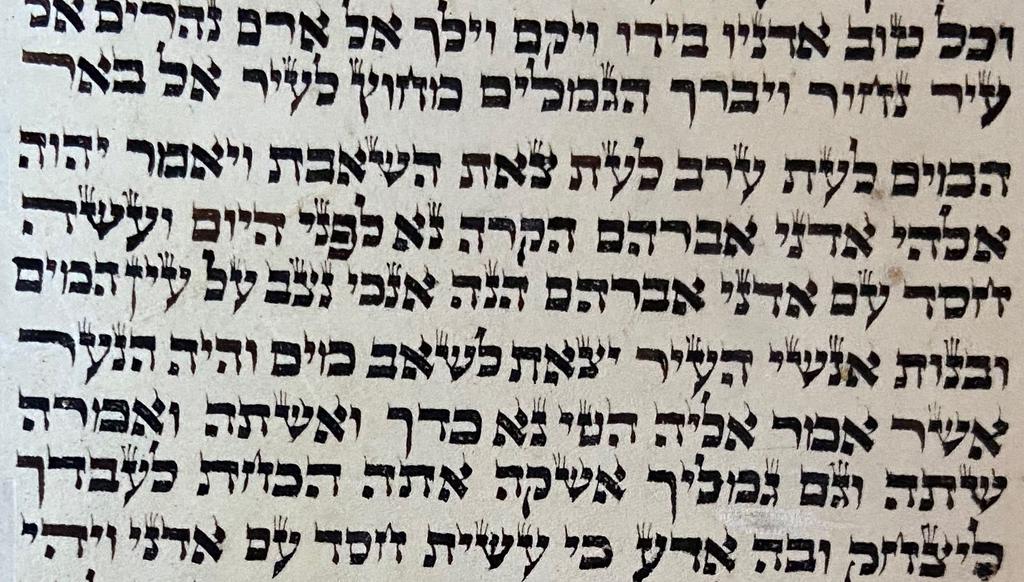
(י) וַיִּקַּ֣ח הָ֠עֶ֠בֶד עֲשָׂרָ֨ה גְמַלִּ֜ים מִגְּמַלֵּ֤י אֲדֹנָיו֙ וַיֵּ֔לֶךְ וְכׇל־ט֥וּב אֲדֹנָ֖יו בְּיָד֑וֹ וַיָּ֗קׇם וַיֵּ֛לֶךְ אֶל־אֲרַ֥ם נַֽהֲרַ֖יִם אֶל־עִ֥יר נָחֽוֹר׃(יא) וַיַּבְרֵ֧ךְ הַגְּמַלִּ֛ים מִח֥וּץ לָעִ֖יר אֶל־בְּאֵ֣ר הַמָּ֑יִם לְעֵ֣ת עֶ֔רֶב לְעֵ֖ת צֵ֥את הַשֹּׁאֲבֹֽת׃(יב)וַיֹּאמַ֓ר׀ יהוה אֱלֹהֵי֙ אֲדֹנִ֣י אַבְרָהָ֔ם הַקְרֵה־נָ֥א לְפָנַ֖י הַיּ֑וֹם וַעֲשֵׂה־חֶ֕סֶד עִ֖ם אֲדֹנִ֥י אַבְרָהָֽם׃(יג) הִנֵּ֛ה אָנֹכִ֥י נִצָּ֖ב עַל־עֵ֣ין הַמָּ֑יִם וּבְנוֹת֙ אַנְשֵׁ֣י הָעִ֔יר יֹצְאֹ֖ת לִשְׁאֹ֥ב מָֽיִם׃(יד) וְהָיָ֣ה הַֽנַּעֲרָ֗ אֲשֶׁ֨ר אֹמַ֤ר אֵלֶ֙יהָ֙ הַטִּי־נָ֤א כַדֵּךְ֙ וְאֶשְׁתֶּ֔ה וְאָמְרָ֣ה שְׁתֵ֔ה וְגַם־גְּמַלֶּ֖יךָ אַשְׁקֶ֑ה אֹתָ֤הּ הֹכַ֙חְתָּ֙ לְעַבְדְּךָ֣ לְיִצְחָ֔ק וּבָ֣הּ אֵדַ֔ע כִּי־עָשִׂ֥יתָ חֶ֖סֶד עִם־אֲדֹנִֽי׃
(10) Then the servant took ten of his master’s camels and set out, taking with him all the bounty of his master; and he made his way to Aram-naharaim, to the city of Nahor.(11) He made the camels kneel down by the well outside the city, at evening time, the time when women come out to draw water.(12)And he said, “O יהוה, God of my master Abraham’s [house], grant me good fortune this day, and deal graciously with my master Abraham:(13) Here I stand by the spring as the daughters of the townspeople come out to draw water;(14) let the maiden to whom I say, ‘Please, lower your jar that I may drink,’ and who replies, ‘Drink, and I will also water your camels’—let her be the one whom You have decreed for Your servant Isaac. Thereby shall I know that You have dealt graciously with my master.”
~Dan Brosgol
(ב) וַיֹּ֣אמֶר אַבְרָ֗ם אדני יהוה מַה־תִּתֶּן־לִ֔י וְאָנֹכִ֖י הוֹלֵ֣ךְ עֲרִירִ֑י וּבֶן־מֶ֣שֶׁק בֵּיתִ֔י ה֖וּא דַּמֶּ֥שֶׂק אֱלִיעֶֽזֶר׃
(2) But Abram said, “O Lord GOD, what can You give me, seeing that I shall die childless, and the one in charge of my household is Dammesek Eliezer!”
(א)אלי לא תלך האשה אֵלִי כְּתִיב, בַּת הָיְתָה לוֹ לָאֱלִיעֶזֶר, וְהָיָה מְחַזַּר לִמְצוֹא עִלָהּ, שֶיֹּאמַר לוֹ אַבְרָהָם לִפְנוֹת אֵלָיו לְהַשּׂיאוֹ בִּתּוֹ, אָמַר לוֹ אַבְרָהָם בְּנִי בָרוּךְ וְאַתָּה אָרוּר וְאֵין אָרוּר מִדַּבֵּק בְּבָרוּךְ:
(1) אלי לא תלך האשה PERADVENTURE THE WOMAN WILL NOT FOLLOW ME —The word אולי perhaps is written without ו so that it may be read אֵלַי unto me. Eliezer had a daughter and he was endeavouring to find some reason why Abraham should say that he must appeal to him (Eliezer) that he should give his daughter in marriage to Isaac. Abraham said to him, “My son is blessed and you are subject to a curse. One who is under a curse cannot unite with one who is blessed” (Genesis Rabbah 59:9).
~Ismar Schorsch
(ו) וַיַּעֲזֹ֣ב כׇּל־אֲשֶׁר־לוֹ֮ בְּיַד־יוֹסֵף֒ וְלֹא־יָדַ֤ע אִתּוֹ֙ מְא֔וּמָה כִּ֥י אִם־הַלֶּ֖חֶם אֲשֶׁר־ה֣וּא אוֹכֵ֑ל וַיְהִ֣י יוֹסֵ֔ף יְפֵה־תֹ֖אַר וִיפֵ֥ה מַרְאֶֽה׃(ז) וַיְהִ֗י אַחַר֙ הַדְּבָרִ֣ים הָאֵ֔לֶּה וַתִּשָּׂ֧א אֵֽשֶׁת־אֲדֹנָ֛יו אֶת־עֵינֶ֖יהָ אֶל־יוֹסֵ֑ף וַתֹּ֖אמֶר שִׁכְבָ֥ה עִמִּֽי׃(ח)וַיְמָאֵ֓ן ׀ וַיֹּ֙אמֶר֙ אֶל־אֵ֣שֶׁת אֲדֹנָ֔יו הֵ֣ן אֲדֹנִ֔י לֹא־יָדַ֥ע אִתִּ֖י מַה־בַּבָּ֑יִת וְכֹ֥ל אֲשֶׁר־יֶשׁ־ל֖וֹ נָתַ֥ן בְּיָדִֽי׃(ט) אֵינֶ֨נּוּ גָד֜וֹל בַּבַּ֣יִת הַזֶּה֮ מִמֶּ֒נִּי֒ וְלֹֽא־חָשַׂ֤ךְ מִמֶּ֙נִּי֙ מְא֔וּמָה כִּ֥י אִם־אוֹתָ֖ךְ בַּאֲשֶׁ֣ר אַתְּ־אִשְׁתּ֑וֹ וְאֵ֨יךְ אֶֽעֱשֶׂ֜ה הָרָעָ֤ה הַגְּדֹלָה֙ הַזֹּ֔את וְחָטָ֖אתִי לֵֽאלֹהִֽים׃(י) וַיְהִ֕י כְּדַבְּרָ֥הּ אֶל־יוֹסֵ֖ף י֣וֹם ׀ י֑וֹם וְלֹא־שָׁמַ֥ע אֵלֶ֛יהָ לִשְׁכַּ֥ב אֶצְלָ֖הּ לִהְי֥וֹת עִמָּֽהּ׃
(6) He left all that he had in Joseph’s hands and, with him there, he paid attention to nothing save the food that he ate. Now Joseph was well built and handsome.(7) After a time, his master’s wife cast her eyes upon Joseph and said, “Lie with me.”(8)But he refused. He said to his master’s wife, “Look, with me here, my master gives no thought to anything in this house, and all that he owns he has placed in my hands.(9) He wields no more authority in this house than I, and he has withheld nothing from me except yourself, since you are his wife. How then could I do this most wicked thing, and sin before God?”(10) And much as she coaxed Joseph day after day, he did not yield to her request to lie beside her, to be with her.
~Dan Brosgol
(כב) וַיַּקְרֵב֙ אֶת־הָאַ֣יִל הַשֵּׁנִ֔י אֵ֖יל הַמִּלֻּאִ֑ים וַֽיִּסְמְכ֞וּ אַהֲרֹ֧ן וּבָנָ֛יו אֶת־יְדֵיהֶ֖ם עַל־רֹ֥אשׁ הָאָֽיִל׃(כג)וַיִּשְׁחָ֓ט׀ וַיִּקַּ֤ח מֹשֶׁה֙ מִדָּמ֔וֹ וַיִּתֵּ֛ן עַל־תְּנ֥וּךְ אֹֽזֶן־אַהֲרֹ֖ן הַיְמָנִ֑ית וְעַל־בֹּ֤הֶן יָדוֹ֙ הַיְמָנִ֔ית וְעַל־בֹּ֥הֶן רַגְל֖וֹ הַיְמָנִֽית׃(כד) וַיַּקְרֵ֞ב אֶת־בְּנֵ֣י אַהֲרֹ֗ן וַיִּתֵּ֨ן מֹשֶׁ֤ה מִן־הַדָּם֙ עַל־תְּנ֤וּךְ אׇזְנָם֙ הַיְמָנִ֔ית וְעַל־בֹּ֤הֶן יָדָם֙ הַיְמָנִ֔ית וְעַל־בֹּ֥הֶן רַגְלָ֖ם הַיְמָנִ֑ית וַיִּזְרֹ֨ק מֹשֶׁ֧ה אֶת־הַדָּ֛ם עַל־הַֽמִּזְבֵּ֖חַ סָבִֽיב׃
(22) He brought forward the second ram, the ram of ordination. Aaron and his sons laid their hands upon the ram’s head,(23)and it was slaughtered. Moses took some of its blood and put it on the ridge of Aaron’s right ear, and on the thumb of his right hand, and on the big toe of his right foot.(24) Moses then brought forward the sons of Aaron, and put some of the blood on the ridges of their right ears, and on the thumbs of their right hands, and on the big toes of their right feet; and the rest of the blood Moses dashed against every side of the altar.
~Dan Brosgol
~Eliana Durand (from her Bat Mitzvah D'var Torah 2015, Aspen, CO)
~Dan Brosgol
Jonathan Sacks, Lessons in Leadership: A Weekly Reading of the Jewish Bible, p. 190
https://www.sefaria.org/sheets/86693.26?lang=bi&with=all&lang2=en
https://www.sefaria.org/sheets/276482.31?lang=bi&with=all&lang2=en
https://www.jtsa.edu/torah/the-meaning-of-the-shalshelet/
https://www.jewishboston.com/read/under-duress-in-vayeshev-the-shalshelet/