


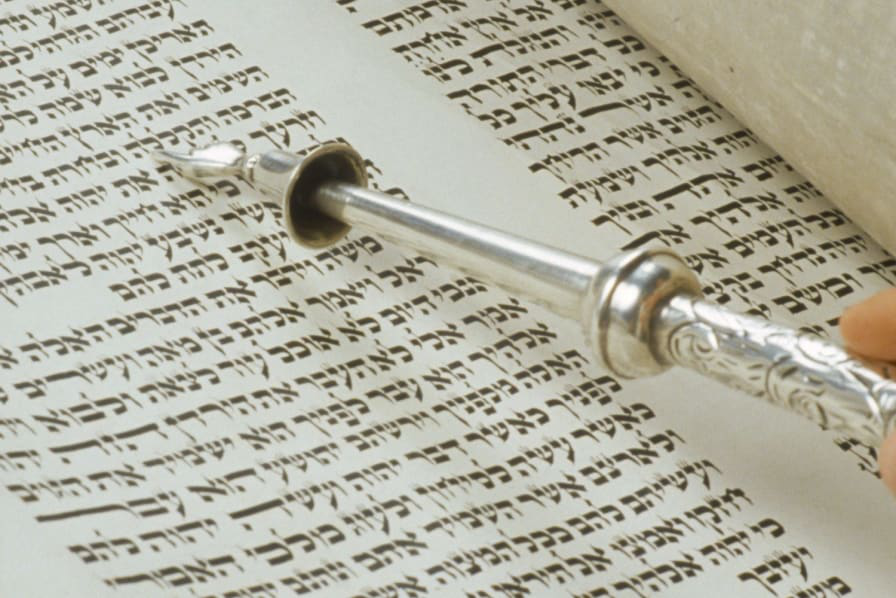
(א) וַיֵּרָ֤א אֵלָיו֙ יְהֹוָ֔ה בְּאֵלֹנֵ֖י מַמְרֵ֑א וְה֛וּא יֹשֵׁ֥ב פֶּֽתַח־הָאֹ֖הֶל כְּחֹ֥ם הַיּֽוֹם׃ (ב) וַיִּשָּׂ֤א עֵינָיו֙ וַיַּ֔רְא וְהִנֵּה֙ שְׁלֹשָׁ֣ה אֲנָשִׁ֔ים נִצָּבִ֖ים עָלָ֑יו וַיַּ֗רְא וַיָּ֤רׇץ לִקְרָאתָם֙ מִפֶּ֣תַח הָאֹ֔הֶל וַיִּשְׁתַּ֖חוּ אָֽרְצָה׃ (ג) וַיֹּאמַ֑ר אֲדֹנָ֗י אִם־נָ֨א מָצָ֤אתִי חֵן֙ בְּעֵינֶ֔יךָ אַל־נָ֥א תַעֲבֹ֖ר מֵעַ֥ל עַבְדֶּֽךָ׃ (ד) יֻקַּֽח־נָ֣א מְעַט־מַ֔יִם וְרַחֲצ֖וּ רַגְלֵיכֶ֑ם וְהִֽשָּׁעֲנ֖וּ תַּ֥חַת הָעֵֽץ׃ (ה) וְאֶקְחָ֨ה פַת־לֶ֜חֶם וְסַעֲד֤וּ לִבְּכֶם֙ אַחַ֣ר תַּעֲבֹ֔רוּ כִּֽי־עַל־כֵּ֥ן עֲבַרְתֶּ֖ם עַֽל־עַבְדְּכֶ֑ם וַיֹּ֣אמְר֔וּ כֵּ֥ן תַּעֲשֶׂ֖ה כַּאֲשֶׁ֥ר דִּבַּֽרְתָּ׃
(1) יהוה appeared to him by the terebinths of Mamre; he was sitting at the entrance of the tent as the day grew hot. (2) Looking up, he saw three figures standing near him. Perceiving this, he ran from the entrance of the tent to greet them and, bowing to the ground, (3) he said, “My lords! If it please you, do not go on past your servant. (4) Let a little water be brought; bathe your feet and recline under the tree. (5) And let me fetch a morsel of bread that you may refresh yourselves; then go on—seeing that you have come your servant’s way.” They replied, “Do as you have said.”
(6) Abraham hastened into the tent to Sarah, and said, “Quick, three seahs of choice flour! Knead and make cakes!” (7) Then Abraham ran to the herd, took a calf, tender and choice, and gave it to a servant-boy, who hastened to prepare it. (8) He took curds and milk and the calf that had been prepared and set these before them; and he waited on them under the tree as they ate. (9) They said to him, “Where is your wife Sarah?” And he replied, “There, in the tent.” (10) Then one said, “I will return to you next year, and your wife Sarah shall have a son!” Sarah was listening at the entrance of the tent, which was behind him. (11) Now Abraham and Sarah were old, advanced in years; Sarah had stopped having her periods. (12) And Sarah laughed to herself, saying, “Now that I’ve lost the ability, am I to have enjoyment—with my husband so old?” (13) Then יהוה said to Abraham, “Why did Sarah laugh, saying, ‘Shall I in truth bear a child, old as I am?’ (14) Is anything too wondrous for יהוה ? I will return to you at the same season next year, and Sarah shall have a son.” (15) Sarah lied, saying, “I did not laugh,” for she was frightened. Came the reply, “You did laugh.” (16) The men set out from there and looked down toward Sodom, Abraham walking with them to see them off. (17) Now יהוה had said, “Shall I hide from Abraham what I am about to do, (18) since Abraham is to become a great and populous nation and all the nations of the earth are to bless themselves by him? (19) For I have singled him out, that he may instruct his children and his posterity to keep the way of יהוה by doing what is just and right, in order that יהוה may bring about for Abraham what has been promised him.” (20) Then יהוה said, “The outrage of Sodom and Gomorrah is so great, and their sin so grave! (21) I will go down to see whether they have acted altogether according to the outcry that has reached Me; if not, I will take note.” (22) The men went on from there to Sodom, while Abraham remained standing before יהוה.
(1) וירא אליו AND THE ETERNAL APPEARED UNTO HIM to visit the sick man. Rabbi Chama bar Chanina said: it was the third day after his circumcision and the Holy Blessed One came and enquired after the state of his health (Bava Metzia 86b)
(1) 'ויאמר אדני אם נא וגו AND HE SAID, MY LORDS, IF NOW etc. — He addressed himself to the Chief of them; calling them all “lords”, (אדני may mean “my lords”), whilst to their Chief he said “Do not I pray thee pass away”, for he knew that if he would not pass by, his companions would certainly remain with him. In this explanation the word אדני has a “profane” sense (does not refer to God, being merely a term of address, “Sirs”).
Another explanation is that the word is “holy” (referring to God): he asked God to wait for him whilst he ran and invited the travellers. For although this is written after the words “and he ran to meet them”, yet the conversation took place beforehand.... Both these explanations of אדני are to be found in Genesis Rabbah 48:10 (see also Shevuot 35b).
אָמַר רַב יְהוּדָה אָמַר רַב: גְּדוֹלָה הַכְנָסַת אוֹרְחִין מֵהַקְבָּלַת פְּנֵי שְׁכִינָה, דִּכְתִיב: ״וַיֹּאמַר ה׳ אִם נָא מָצָאתִי חֵן בְּעֵינֶיךָ אַל נָא תַעֲבֹר וְגוֹ׳״. אָמַר רַבִּי אֶלְעָזָר: בֹּא וּרְאֵה שֶׁלֹּא כְּמִדַּת הַקָּדוֹשׁ בָּרוּךְ הוּא מִדַּת בָּשָׂר וָדָם. מִדַּת בָּשָׂר וְדָם, אֵין קָטָן יָכוֹל לוֹמַר לַגָּדוֹל ״הַמְתֵּן עַד שֶׁאָבֹא אֶצְלְךָ״, וְאִילּוּ בְּהַקָּדוֹשׁ בָּרוּךְ הוּא כְּתִיב ״וַיֹּאמַר ה׳ אִם נָא מָצָאתִי וְגוֹ׳״.
Rav Yehuda said that Rav said: Hospitality toward guests is greater than receiving the Divine Presence, as when Abraham invited his guests it is written: “And he said: My liege, if now I have found favour in Your sight, please pass not from Your servant” (Genesis 18:3). Rabbi Elazar said: Come and see that the attribute of the Holy Blessed One is not like that of flesh and blood. The attribute of flesh and blood people is such that a less significant person is unable to say to a more significant person: Wait until I come to you, while with regard to the Holy Blessed One it is written: “And he said: My Liege, if now I have found favor..."
וירא אליו ה'. כדמפרש ואזיל באיזה גלגול נגלה עליו הק"ב לאחר שבאו אליו האנשים כמו שהוא אומר בסוף וה' אמר המכסה אני מאברהם ולא כשסבורים בני אדם שנגלה לו ואח"כ האנשים:
"God appeared to him" as will be explained, and it will go on to show in which way the Holy Blessed One revealed to Abraham, which is after the men came to him, as it says at the end "and God said: 'should I hide from Abraham...?'" And it's not the way most people think, that God appeared and afterwards the men came.
"Looking up, he saw three men" - according to the straightforward meaning, literally men, for we don't find that angels eat, drink or sleep in a persons house like they do in the house of Lot, as see with the Angel of Manoach: "Even though you detain me, I will not eat any of your food..." (Judges 13:16)...
Do not neglect to show hospitality to strangers, for thereby some have entertained angels unawares.
'ואברהם עודנו עומד לפני ה BUT ABRAHAM STOOD YET BEFORE THE ETERNAL
— But surely it was not he (Abraham) who had gone to stand before God, but it was the Holy Blessed One Who had come to him and had said to him, “Because the cry of Sodom and Gomorrah is great” and it should therefore have written here, “And the Eternal stood yet before Abraham”? But it is a 'fix of the scholars' (Genesis Rabbah 49:7) (which our Rabbis, of blessed memory, altered, writing it thus).
In the context of the peshat reading, the “uncorrected” verse makes perfect sense. God was addressed directly in verse 3 and resumes His speech in verses 13-14. The 2 angels head off to Sodom in verse 16. In verses 17-22 God contemplates and then begins discussing plans to destroy Sodom and Gomorrah with Abraham, while God was still standing in Abraham’s presence. The “uncorrected” statement of God left standing before Abraham probably highlighted the solemnity of what was to follow (Abraham’s petition to save Sodom; Gen. 18:23-33.) As such, it no longer seems to be merely a repetition of verse 16. In addition, the “uncorrected” text continues with the notion of God’s presence remaining before Abraham found throughout the narrative.
According to the first and perhaps more straightforward opinion suggested by Rashi, when it appears that Avraham is speaking to his new guests and ignoring God, that is exactly what is happening! Avraham does abandon God in favor of the newcomers. However, according to the second opinion Rashi provides, Avraham does not turn his attention to his guests without taking God’s presence into account. He first asks God’s forbearance in order to take a temporary leave and feed his visitors. When Avraham addresses a figure as adonai, it could refer to his first, divine Guest, or to his second, angelic visitors, who have come in human guise.
The dispute that arises around whom the term adonai refers to shows us how unclear and ambiguous this word is. But it is possible that there is a very good reason for this lack of clarity on the part of the Torah. Perhaps it is deliberately ambiguous to teach us that the distinction that we make between honoring God, Adonai, and honoring one another, adonai, is not necessary, helpful, or accurate. As Avraham is taking care of his guests, he is showing honor to God. When Avraham is greeting his visitors, he is also speaking to God, simultaneously and without distinction...
Just as God wants to do the mitzvah of visiting the sick, he wants Avraham to do themitzvah of welcoming guests. Taking care of the needs of others is not a disruption of God’s visit; it is the fulfillment of it. We show kindness and appreciation to God when we show kindness and care for one another