


(א) וַיֹּ֤אמֶר ה׳ אֶל־אַבְרָ֔ם לֶךְ־לְךָ֛ מֵאַרְצְךָ֥ וּמִמּֽוֹלַדְתְּךָ֖ וּמִבֵּ֣ית אָבִ֑יךָ אֶל־הָאָ֖רֶץ אֲשֶׁ֥ר אַרְאֶֽךָּ׃(ב) וְאֶֽעֶשְׂךָ֙ לְג֣וֹי גָּד֔וֹל וַאֲבָ֣רֶכְךָ֔ וַאֲגַדְּלָ֖ה שְׁמֶ֑ךָ וֶהְיֵ֖ה בְּרָכָֽה׃(ג) וַאֲבָֽרְכָה֙ מְבָ֣רְכֶ֔יךָ וּמְקַלֶּלְךָ֖ אָאֹ֑ר וְנִבְרְכ֣וּ בְךָ֔ כֹּ֖ל מִשְׁפְּחֹ֥ת הָאֲדָמָֽה׃
(1) ה׳ said to Abram, “Go forth from your native land and from your father’s house to the land that I will show you.
(2) I will make of you a great nation,
And I will bless you;
I will make your name great,
And you shall be a blessing.
(3) I will bless those who bless you
And curse the one who curses you;
And all the families of the earth
Shall bless themselves by you.”
(א)בראשית. אָמַר רַבִּי יִצְחָק לֹֹֹֹֹא הָיָה צָרִיךְ לְהַתְחִיל אֶת הַתּוֹרָה אֶלָּא מֵהַחֹדֶשׁ הַזֶּה לָכֶם, שֶׁהִיא מִצְוָה רִאשׁוֹנָה שֶׁנִּצְטַוּוּ בָּהּ יִשׂרָאֵל, וּמַה טַּעַם פָּתַח בִּבְרֵאשִׁית? מִשׁוּם כֹּחַ מַעֲשָׂיו הִגִּיד לְעַמּוֹ לָתֵת לָהֶם נַחֲלַת גּוֹיִם (תהילים קי"א), שֶׁאִם יֹאמְרוּ אֻמּוֹת הָעוֹלָם לְיִשְׁרָאֵל לִסְטִים אַתֶּם, שֶׁכְּבַשְׁתֶּם אַרְצוֹת שִׁבְעָה גוֹיִם, הֵם אוֹמְרִים לָהֶם כָּל הָאָרֶץ שֶׁל הַקָּבָּ"ה הִיא, הוּא בְרָאָהּ וּנְתָנָהּ לַאֲשֶׁר יָשַׁר בְּעֵינָיו, בִּרְצוֹנוֹ נְתָנָהּ לָהֶם, וּבִרְצוֹנוֹ נְטָלָהּ מֵהֶם וּנְתָנָהּ לָנוּ:
(1) בראשית IN THE BEGINNING — Rabbi Isaac said: The Torah which is the Law book of Israel should have commenced with the verse (Exodus 12:2) “This month shall be unto you the first of the months” which is the first commandment given to Israel. What is the reason, then, that it commences with the account of the Creation? Because of the thought expressed in the text (Psalms 111:6) “He declared to His people the strength of His works (i.e. He gave an account of the work of Creation), in order that He might give them the heritage of the nations.” For should the peoples of the world say to Israel, “You are robbers, because you took by force the lands of the seven nations of Canaan”, Israel may reply to them, “All the earth belongs to the Holy One, blessed be He; He created it and gave it to whom He pleased. When He willed He gave it to them, and when He willed He took it from them and gave it to us” (Yalkut Shimoni on Torah 187).
Why was he chosen?( cf to Noach)
(יג) וַיָּבֹא֙ הַפָּלִ֔יט וַיַּגֵּ֖ד לְאַבְרָ֣ם הָעִבְרִ֑י וְהוּא֩ שֹׁכֵ֨ן בְּאֵֽלֹנֵ֜י מַמְרֵ֣א הָאֱמֹרִ֗י אֲחִ֤י אֶשְׁכֹּל֙ וַאֲחִ֣י עָנֵ֔ר וְהֵ֖ם בַּעֲלֵ֥י בְרִית־אַבְרָֽם׃
(13) A fugitive brought the news to Abram the Hebrew, who was dwelling at the terebinths of Mamre the Amorite, kinsman of Eshkol and Aner, these being Abram’s allies.
(יד) וַתִּקְרָ֞א לְאַנְשֵׁ֣י בֵיתָ֗הּ וַתֹּ֤אמֶר לָהֶם֙ לֵאמֹ֔ר רְא֗וּ הֵ֥בִיא לָ֛נוּ אִ֥ישׁ עִבְרִ֖י לְצַ֣חֶק בָּ֑נוּ בָּ֤א אֵלַי֙ לִשְׁכַּ֣ב עִמִּ֔י וָאֶקְרָ֖א בְּק֥וֹל גָּדֽוֹל׃
(14) she called out to her servants and said to them, “Look, he had to bring us a Hebrew to dally with us! This one came to lie with me; but I screamed loud.
(יד) כִּ֧י אִם־זְכַרְתַּ֣נִי אִתְּךָ֗ כַּאֲשֶׁר֙ יִ֣יטַב לָ֔ךְ וְעָשִֽׂיתָ־נָּ֥א עִמָּדִ֖י חָ֑סֶד וְהִזְכַּרְתַּ֙נִי֙ אֶל־פַּרְעֹ֔ה וְהוֹצֵאתַ֖נִי מִן־הַבַּ֥יִת הַזֶּֽה׃
(14) But think of me when all is well with you again, and do me the kindness of mentioning me to Pharaoh, so as to free me from this place.
(א)כי אב המון גוים. לְשׁוֹן נוֹטָרִיקוֹן שֶׁל שְׁמוֹ; וְרֵי"ש שֶׁהָיְתָה בוֹ בַּתְּחִלָּה, שֶׁלֹּא הָיָה אָב אֶלָּא לַאֲרָם שֶׁהוּא מְקוֹמוֹ וְעַכְשָׁו אָב לְכָל הָעוֹלָם, לֹא זָזָה מִמְּקוֹמָהּ, שֶׁאַף יוֹ"ד שֶׁל שָׂרַי נִתְרָעֲמָה עַל הַשְּׁכִינָה עַד שֶׁנִּתּוֹסְפָה לִיהוֹשֻׁעַ, שֶׁנֶּאֱמַר וַיִּקְרָא מֹשֶׁה לְהוֹשֵׁעַ בִּן נוּן יְהוֹשֻׁעַ (במדבר י"ג):
(1) כי אב המון גוים FOR A FATHER OF A MULTIDUDE OF NATIONS — An acrostic on his name [אב (ר) הם]. But the ר which was previously in his name — denoting that he was the father (chieftain) only of אב (א) רם] ארם] which was his native country (cf. Genesis 21:7 with verse Genesis 21:10 of the same chapter), whilst now he became father of the entire world — nevertheless was not taken out of his name. For we find also, that the 'י in Sarai’s name continued to complain to God that it had been removed from her name when this was changed to Sarah, until it was placed as an additional letter into the name יהושע, as it is said, (Numbers 13:16) “And Moses called Hoshea (הושע) the son of Nun, Joshua (יהושע)” (Genesis Rabbah 47:1).
(יז) וַֽה׳ אָמָ֑ר הַֽמְכַסֶּ֤ה אֲנִי֙ מֵֽאַבְרָהָ֔ם אֲשֶׁ֖ר אֲנִ֥י עֹשֶֽׂה׃
(17) Now ה׳ had said, “Shall I hide from Abraham what I am about to do,
(א)המכסה אני. בִּתְמִיהָ:(ב)אשר אני עושה בִּסְדוֹם. לֹא יָפֶה לִי לַעֲשׂוֹת דָּבָר זֶה שֶׁלֹּא מִדַּעְתּוֹ. אֲנִי נָתַתִּי לוֹ אֶת הָאָרֶץ הַזֹּאת, וַחֲמִשָּׁה כְּרַכִּין הַלָּלוּ שֶׁלּוֹ הֵן, שֶׁנֶּאֱמַר: גְּבוּל הַכְּנַעֲנִי מִצִּידֹן בֹּאֲכָה סְדֹמָה וַעֲמֹרָה וְגוֹ' (בראשית י'). קָרָאתִי אוֹתוֹ אַבְרָהָם – אַב הֲמוֹן גּוֹיִם, וְאַשְׁמִיד אֶת הַבָּנִים וְלֹא אוֹדִיעַ לָאָב, שֶׁהוּא אוֹהֲבִי?
(1) המכסה אני SHALL I HIDE? This is a question.(2) אשר אני עושה WHAT I AM DOING in Sodom. It is not proper for Me to do this thing without his knowledge. I gave him this land and these five cities therefore are his — as it is said, (10:19) “And the territory of the Canaanites was from Sidon … as thou goest towards Sodom and Gommorah etc.” I called him Abraham, the father of a multitude of nations; should I destroy the children without informing the father who loves me? (Genesis Rabbah 49:2)
(כא) וּלְשֵׁ֥ם יֻלַּ֖ד גַּם־ה֑וּא אֲבִי֙ כׇּל־בְּנֵי־עֵ֔בֶר אֲחִ֖י יֶ֥פֶת הַגָּדֽוֹל׃
(21) Sons were also born to Shem, ancestor of all the descendants of Eber and older brother of Japheth.
אבי כל בני עבר. הַנָּהָר הָיָה שֵׁם:
אבי כל בני עבר THE FATHER OF ALL THE CHILDREN OF EBER — (עבר means the “side” or “ other side” of a river) — The father of all the children of עבר הנהר, the other side of the River (Euphrates), was Shem.
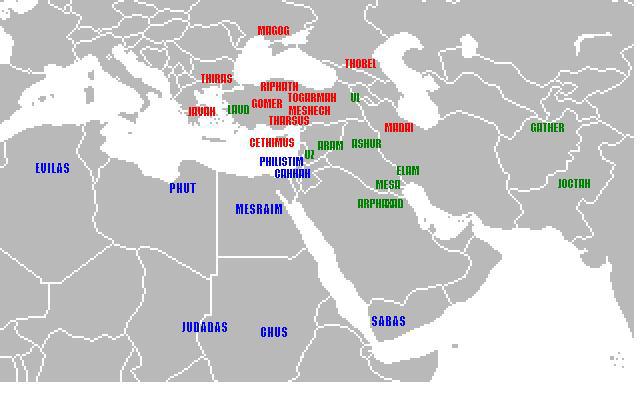

See "Yeshivat Shem & Ever" study sheet by Joseph Dana
(ד)והכנעני אז בארץ. הָיָה הוֹלֵךְ וְכוֹבֵשׁ אֶת אֶרֶץ יִשְׂרָאֵל מִזַּרְעוֹ שֶׁל שֵׁם, שֶׁבְּחֶלְקוֹ שֶׁל שֵׁם נָפְלָה כְּשֶׁחָלַק נֹחַ אֶת הָאָרֶץ לְבָנָיו, שֶׁנֶּאֱמַר וּמַלְכִּי צֶדֶק מֶלֶךְ שָׁלֵם (ברא' י"ב), לְפִיכָךְ וַיֹּאמֶר ה׳ אֶל אַבְרָם לְזַרְעֲךָ אֶתֵּן אֶת הָאָרֶץ הַזֹּאת, עָתִיד אֲנִי לְהַחֲזִירָהּ לְבָנֶיךָ שֶׁהֵם מִזַּרְעוֹ שֶׁל שֵׁם:
(4) והכנעני אז בארץ AND THE CANAANITE WAS THEN IN THE LAND — They (the Canaanites) were gradually conquering the land of Israel from the descendants of Shem, for it had fallen to the share of Shem when Noah apportioned the earth amongst his sons, for it is said (Genesis 14:18) “And Melchizedek) king of Salem (Jerusalem)”. For this reason the Lord said to Abram (Genesis 12:7) “to thy seed will I give this land” — “I will in some future time return it to thy children who are descendants of Shem”.
(ב) וַיֹּ֨אמֶר יְהוֹשֻׁ֜עַ אֶל־כׇּל־הָעָ֗ם כֹּה־אָמַ֣ר ה׳ אֱלֹקֵ֣י יִשְׂרָאֵל֒ בְּעֵ֣בֶר הַנָּהָ֗ר יָשְׁב֤וּ אֲבֽוֹתֵיכֶם֙ מֵֽעוֹלָ֔ם תֶּ֛רַח אֲבִ֥י אַבְרָהָ֖ם וַאֲבִ֣י נָח֑וֹר וַיַּעַבְד֖וּ אֱלֹקִ֥ים אֲחֵרִֽים׃
(2) Then Joshua said to all the people, “Thus said the LORD, the God of Israel: In olden times, your forefathers—Terah, father of Abraham and father of Nahor—lived beyond the Euphrates and worshiped other gods.
place of karma
אומרים לפניו רבש"ע כלום נתת לנו ולא קיבלנוה ומי מצי למימר הכי והכתי' (דברים לג, ב) ויאמר ה׳ מסיני בא וזרח משעיר למו וכתיב (חבקוק ג, ג) אלוק מתימן יבוא וגו' מאי בעי בשעיר ומאי בעי בפארןא"ר יוחנן מלמד שהחזירה הקב"ה על כל אומה ולשון ולא קבלוה עד שבא אצל ישראל וקבלוה
The nations will say before God: Master of the Universe, did You give us the Torah and we did not accept it? Since we never received the Torah, why are we being judged for not fulfilling its mitzvot? The Gemara asks: And can one say that they were never offered the Torah? But isn’t it written in the description of the giving of the Torah: “And he said: The Lord came from Sinai, and rose from Seir unto them” (Deuteronomy 33:2), and it is written: “God comes from Teman, and the Holy One from mount Paran” (Habakkuk 3:3). And the Sages asked: What did God require in Seir and what did He require in Paran? The Torah was not given in those locations.And Rabbi Yoḥanan says: This teaches that the Holy One, Blessed be He, took the Torah around to every nation and those who speak every language, such as the Edomites in Seir and the Ishmaelites in Paran, but they did not accept it, until He came to the Jewish people and they accepted it. If the other nations all rejected the Torah, how can they excuse themselves by claiming that it was never offered to them?
ומנלן דלא קיימום דתני רב יוסף (חבקוק ג, ו) עמד וימודד ארץ ראה ויתר גוים מאי ראה ראה ז' מצות שקבלו עליהן בני נח ולא קיימום כיון שלא קיימום עמד והתירן להן איתגורי איתגור א"כ מצינו חוטא נשכראמר מר בריה דרבינא
The Gemara asks: And from where do we derive that they did not fulfill them? As Rav Yosef teaches in explanation of the verse: “He stands, and shakes the earth, He sees, and makes the nations tremble [vayater]” (Habakkuk 3:6): What did God see? He saw the seven mitzvot that the descendants of Noah accepted upon themselves, and He saw that they did not fulfill them. Since they did not fulfill them, He arose and nullified for them [vehitiran] the command to heed these mitzvot. The Gemara asks: Do they gain from not obeying, as they are now released from the obligation to fulfill these mitzvot? If so, we find that a sinner profits from his transgression.Mar, son of Ravina, said:
לומר שאף על פי שמקיימין אותן אין מקבלין עליהם שכרולא והתניא היה רבי מאיר אומר מנין שאפילו עובד כוכבים ועוסק בתורה שהוא ככהן גדול תלמוד לומר (ויקרא יח, ה) אשר יעשה אותם האדם וחי בהם כהנים לוים וישראלים לא נאמר אלא האדם הא למדת שאפילו עובד כוכבים ועוסק בתורה הרי הוא ככהן גדולאלא לומר לך שאין מקבלין עליהם שכר כמצווה ועושה אלא כמי שאינו מצווה ועושה דאמר ר' חנינא גדול המצווה ועושה יותר משאינו מצווה ועושה
This serves to say that even if they fulfill the seven Noahide mitzvot they do not receive a reward for their fulfilment.The Gemara asks: And are they not rewarded for fulfilling those mitzvot? But isn’t it taught in a baraita that Rabbi Meir would say: From where is it derived that even a gentile who engages in Torah study is considered like a High Priest? The verse states: “You shall therefore keep My statutes and My ordinances, which if a person do, and shall live by them” (Leviticus 18:5). It is not stated: Priests, Levites, and Israelites, but rather the general term “person.” From here you learn that even a gentile who engages in the study of Torah is like a High Priest. This demonstrates that gentiles are rewarded for fulfilling mitzvot, despite the fact that they are not commanded to do so.Rather, the verse serves to tell you that they do not receive as great a reward for their fulfillment as one who is commanded and performs a mitzva. Rather, they receive a lesser reward, like that of one who is not commanded and still performs a mitzva. As Rabbi Ḥanina says: Greater is one who is commanded to do a mitzva and performs it than one who is not commanded and performs it.