Save "Cocaine for a mitzvah? - Lech Lecha 5783
"
Cocaine for a mitzvah? - Lech Lecha 5783

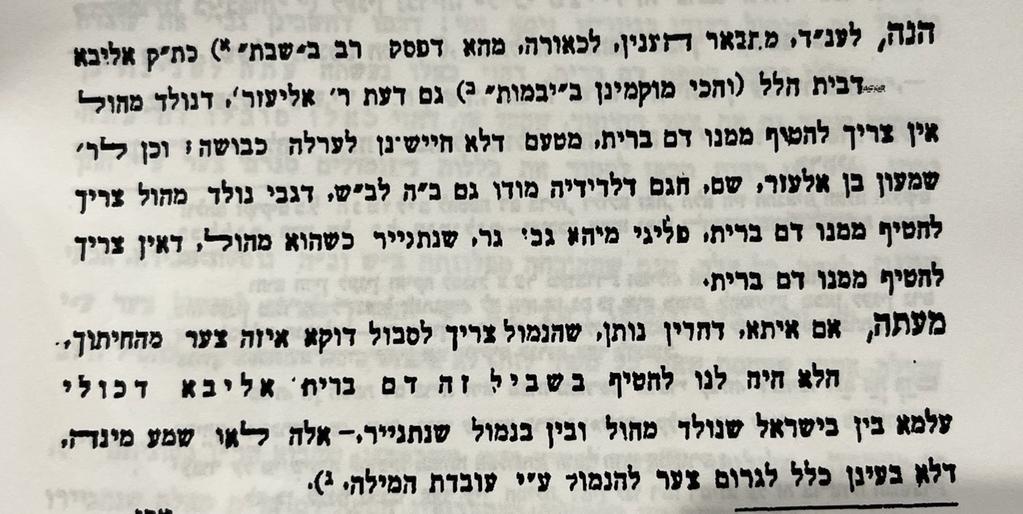
Some time in the early 1900s, R. Aharon Shmuel Lichtig of Krakow posed a halachic inquiry to the Galician Torah scholar, Rabbi Meir Arik (1855-1925).
A man in his 30s wished to convert to Judaism, and the question arose if it would be permitted for him to receive a bris milah (circumcision) while under local anesthetic.

אלא אומדין כמה אדם רוצה ליטול לקטוע לו ידו המוכתב למלכות בין סם לסייף אמרי הכא נמי לא שקיל ומצער נפשיה
The Gemara answers: Rather, the court evaluates how much a person is willing to take to allow someone to sever his hand, which is already condemned by a written decree from the government to be severed, changing the decree from having it severed by means of a drug, which is not accompanied by pain, to having it severed by means of a sword, which is accompanied by pain. The amount of money he would accept to have his hand severed by a sword instead of by the drug is his compensation. The Sages say in objection: Here too, one would not take money and cause himself pain in this way, so there is no indemnity to evaluate.

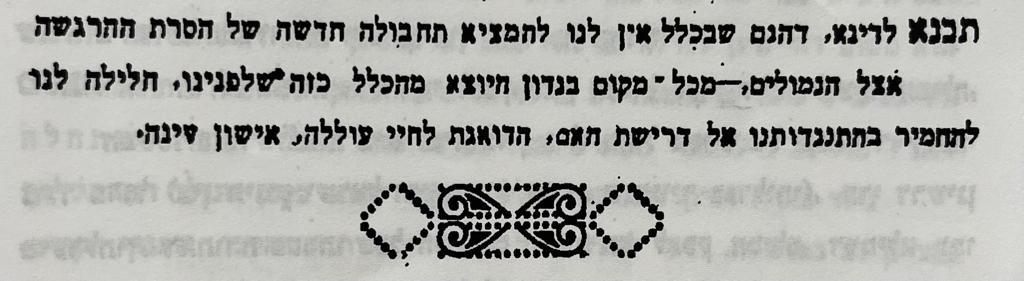
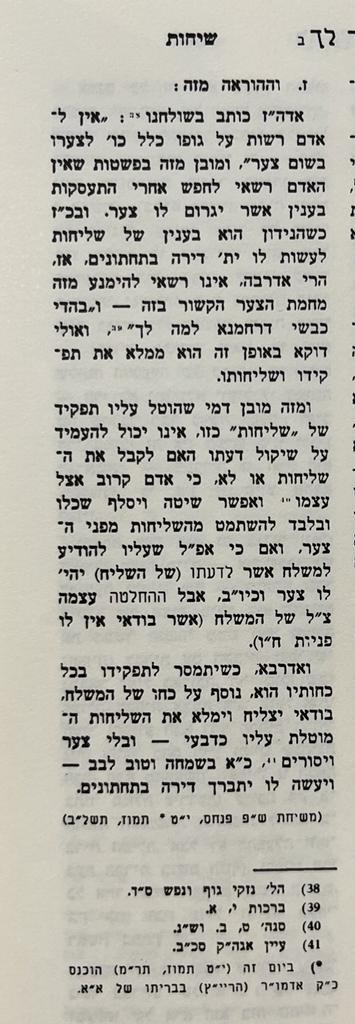
What can be inferred from the above passage?

שו"ת אמרי יושר ח"ב סי' ק"מ
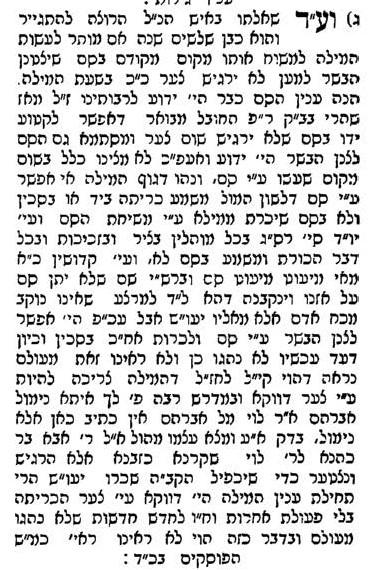
Enter Rabbi Yisrael Veltz of Budapest, who asked a similar question to Rabbi Yehudah Leib Tzirelson (1859-1941), chief rabbi of Bessarabia.
This case involved a 5-year-old boy who, due to weakness, had never received a bris. The boy's mother agreed for him to have a bris, on one condition: That a doctor administer an anesthetic such as cocaine, in order that her son not feel pain.

אָמַר רַבִּי שִׁמְעוֹן בֶּן אֶלְעָזָר: לֹא נֶחְלְקוּ בֵּית שַׁמַּאי וּבֵית הִלֵּל עַל נוֹלָד כְּשֶׁהוּא מָהוּל שֶׁצָּרִיךְ לְהַטִּיף מִמֶּנּוּ דַּם בְּרִית, מִפְּנֵי שֶׁעׇרְלָה כְּבוּשָׁה הִיא. עַל מַה נֶּחְלְקוּ — עַל גֵּר שֶׁנִּתְגַּיֵּיר כְּשֶׁהוּא מָהוּל, שֶׁבֵּית שַׁמַּאי אוֹמְרִים: צָרִיךְ לְהַטִּיף מִמֶּנּוּ דַּם בְּרִית, וּבֵית הִלֵּל אוֹמְרִים: אֵין צָרִיךְ לְהַטִּיף מִמֶּנּוּ דַּם בְּרִית.
Rabbi Shimon ben Elazar said: That was not the subject of their dispute, as Beit Shammai and Beit Hillel did not disagree over the fact that from one who was born circumcised, it is necessary to drip covenantal blood, because they agree that it is a case of a concealed foreskin. The child is not actually circumcised; it is just that his foreskin is not visible. With regard to what did they disagree? With regard to a convert who for some reason was circumcised when he was a gentile and converted when he was already circumcised, as Beit Shammai say: Dripping covenantal blood from him is necessary, and Beit Hillel say: Dripping covenantal blood from him is not necessary, and he needs only a ritual immersion to complete his conversion.

Can we apply this Talmudic passage to the question at hand?

שו"ת מערכי לב יו"ד סי' נ"ג