


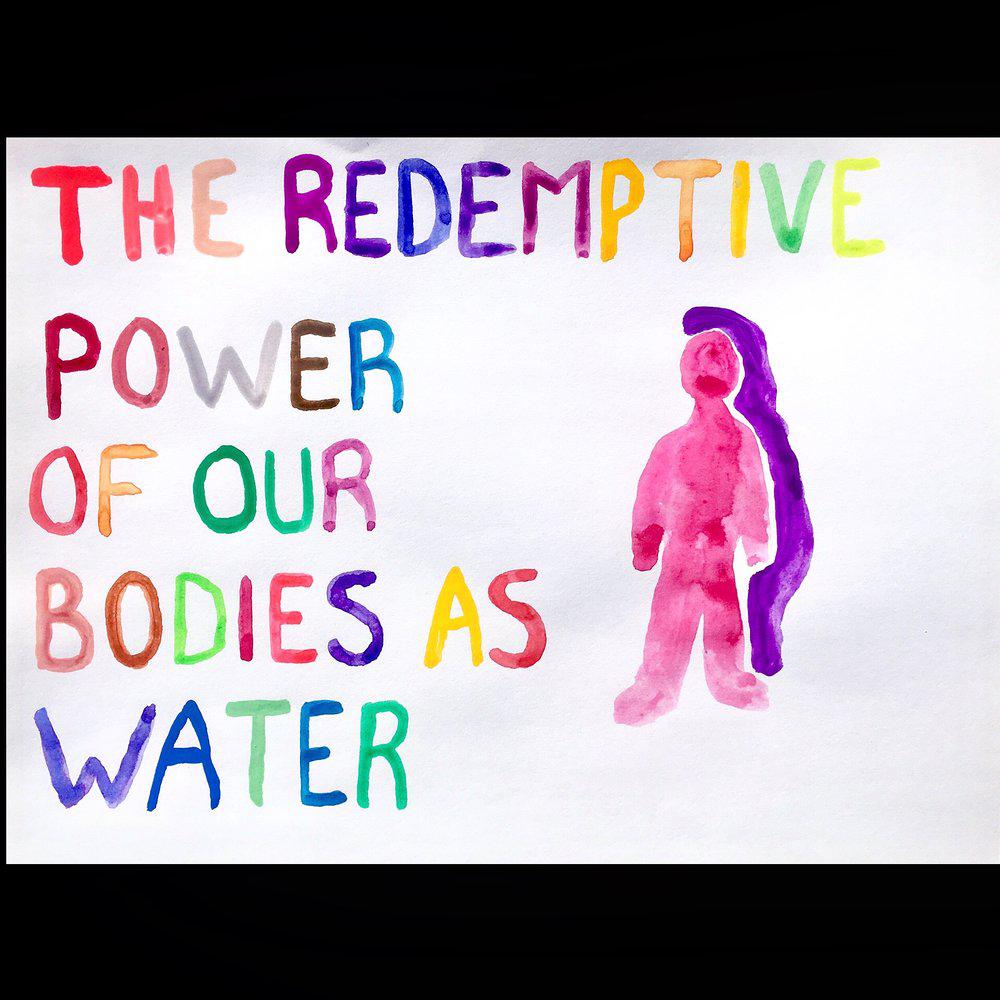
https://rebekaherevstudio.com/queer-mikveh-project
https://www.heyalma.com/the-queer-mikveh-project-is-reinventing-jewish-ritual-space/
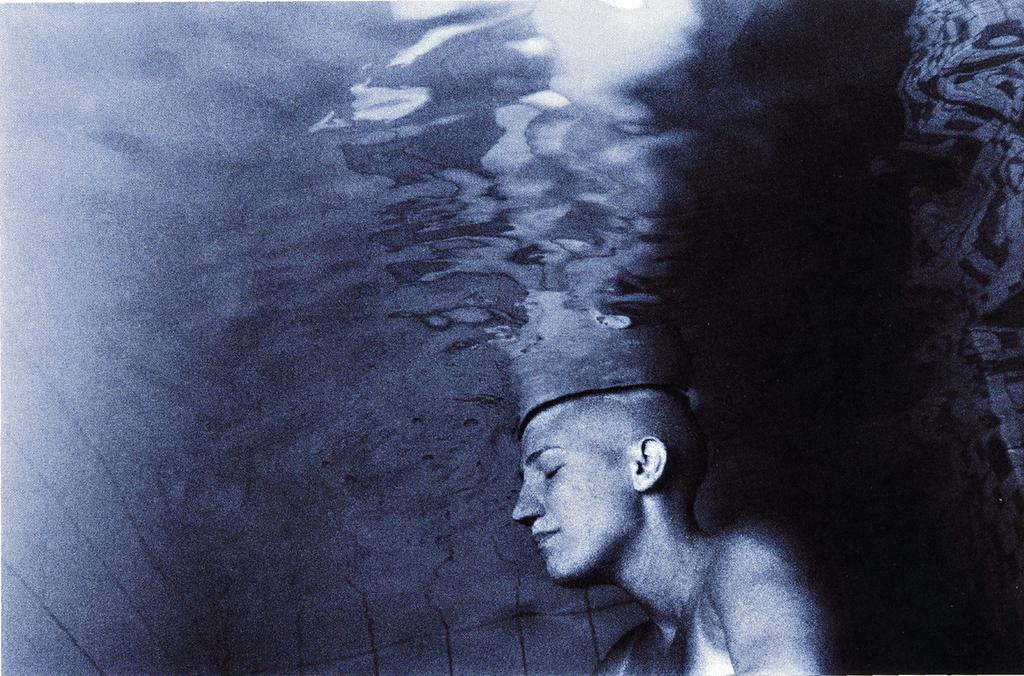
For many modern Jewish women there is no more contentious image than the waters of the mikveh. The “ritual bath” is fraught with notions of uncleanliness, impurity and inferiority that traditional male dominated Judaism has imposed upon Jewish women. The curse cast upon menstrual blood is seen as a primitive and punitive denigration of the female body.
Two recent exhibitions of photographs at the Hebrew Union College Museum map possible navigations of the modern Jewish encounter with the feminine. Leonard Nimoy’s Shekhina (2002) proposes an erotic potential in feminine spirituality while The Mikveh Project by photographer Janice Rubin and author Leah Lax (2004) explores the healing nature of the mikveh for Jewish women. The contrasts could not be greater.
. . .
A seventy-six year old’s mikveh engagement party evokes the feeling that “I’m sure that in the womb that is how you feel, and we’re probably going back there. It’s like home, after you die, and we’ll feel at peace, without worry or anything.” A widow reminisces about her husband: “the first thing he always did after I went to the mikveh was touch my hand. And he told me, “You are so, so holy.” We see her hands lighting Shabbos candles.
Hands form an important visual motif in these works as agents of action and surrogates for the individual. A Jewish lesbian sought solace from her family’s rejection: “Mikveh was a turning point for me in living with my sexuality.” The images create a poetic relationship with the adjacent text. One woman recovering from a physically abusive relationship uses the mikveh as a means of healing. Her hands are gently cleaning her toenails in preparation for immersion. She ponders; “I think about the actions of different parts of my body since the last time I was there… my feet… where have my feet been? What did they run to do? It’s sort of a private Yom Kippur.” It becomes clear that for many of these women the mikveh is a unique kind of prayer, combining their feminine physicality with intense introspection and connection with the Divine.
The mikveh is a realm where the overwhelmingly sensual collides with the intensely spiritual. The ritual bath is central to a woman’s traditional Judaism with all its attendant problems, questions and challenges. . . . The Mikveh Project does not find the waters of the mikveh demeaning or threatening. As they refuse to be denied their spiritual heritage in a woman’s Judaism the mikveh waters can become a passage to Eden itself.
https://richardmcbee.com/writings/mikveh-project/
I had a vague conception of what mikvehs are/were from mainstream media depictions of Orthodox Jewish practice. Early on in my study and exploration of Jewish practice (i.e. in late 2020), I listened an an episode of Judaism Unbound where they interviewed Anita Diamant, well known for The Red Tent, but also the founder of Mayyim Hayyim in Boston.
Episode 12 of Judaism Unbound: https://www.judaismunbound.com/podcast/2016/5/4/episode-12-minhag-america-anita-diamant
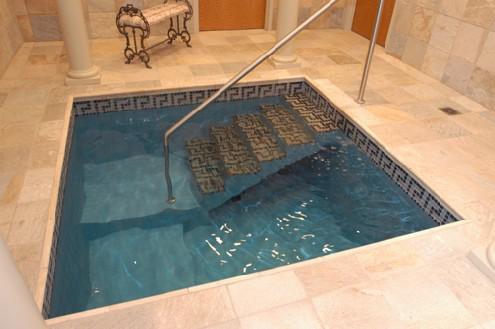
"I want a mikveh that encourages the prayers of the heart in Jews of every denomination and description. … I want a mikveh that respects the modesty of the people who visit ... that is beautiful in design and decoration, welcoming and inviting from the minute you walk through the door."
Anita Diamant
https://www.mayyimhayyim.org/about/history/
Mayyim Hayyim operates according to seven basic principles that inform our actions and decisions every day.
In Judaism, the number seven is redolent with the wonder and wholeness of the week-long creation story. Seven steps lead into the warm waters of mikveh, Judaism’s oldest resource for the renewal of the soul.
Thus, Mayyim Hayyim is guided by the following seven “Principles of Common Purpose” developed in 2000 by an interdenominational group of clergy, facilitated by Rabbi Barbara Penzner and under the auspices of The Synagogue Council of Massachusetts.
- Halacha – Jewish Law
Commitment to traditional legal standards for the building and maintenance of the borot (collection pools) and mikva’ot (immersion pools). - Tz’niyut – Modesty
At Mayyim Hayyim, we respect the privacy, modesty, and confidentiality of those who come to immerse, and offer certain hours for women. We recognize that at the time of immersion, an individual is extraordinarily vulnerable. Our thoughtful and sensitive Mikveh Guides are trained to help visitors feel safe and comfortable. - Ahavat Yisrael – Love of the Jewish People
We honor and cherish the differences among the Jewish people. Mayyim Hayyim provides the space for Jews to practice the ritual of immersion according to their interpretation and understanding. - Klal Yisrael – Jewish Community
We are one Jewish people. Mayyim Hayyim is an un-hyphenated Jewish place. - Chinuch – Education
Mayyim Hayyim is committed to providing educational opportunities for children and adults. We are a gateway institution where everyone can deepen their understanding about Jewish thought, Jewish life, and Jewish values. - Hiddur Mitzvah – Beautifying the Mitzvah
The rabbinic admonition to beautify religious life is central to our vision. From tiles to roof lines to our art gallery, Mayyim Hayyim is a place that pleases the eye and uplifts the spirit. - Petichut – Openness & Inclusivity
Access and availability for all Jews and those becoming Jewish. Mayyim Hayyim strives to be inclusive of all who wish to learn and/or immerse, regardless of sexual orientation, physical/developmental ability, or background.
https://www.mayyimhayyim.org/about/seven-principles/
But it is worth contrasting this modern conception with the traditional view and usage of the mikveh . . .
(יט) וְאִשָּׁה֙ כִּֽי־תִהְיֶ֣ה זָבָ֔ה דָּ֛ם יִהְיֶ֥ה זֹבָ֖הּ בִּבְשָׂרָ֑הּ שִׁבְעַ֤ת יָמִים֙ תִּהְיֶ֣ה בְנִדָּתָ֔הּ וְכׇל־הַנֹּגֵ֥עַ בָּ֖הּ יִטְמָ֥א עַד־הָעָֽרֶב׃ (כ) וְכֹל֩ אֲשֶׁ֨ר תִּשְׁכַּ֥ב עָלָ֛יו בְּנִדָּתָ֖הּ יִטְמָ֑א וְכֹ֛ל אֲשֶׁר־תֵּשֵׁ֥ב עָלָ֖יו יִטְמָֽא׃ (כא) וְכׇל־הַנֹּגֵ֖עַ בְּמִשְׁכָּבָ֑הּ יְכַבֵּ֧ס בְּגָדָ֛יו וְרָחַ֥ץ בַּמַּ֖יִם וְטָמֵ֥א עַד־הָעָֽרֶב׃ (כב) וְכׇ֨ל־הַנֹּגֵ֔עַ בְּכׇל־כְּלִ֖י אֲשֶׁר־תֵּשֵׁ֣ב עָלָ֑יו יְכַבֵּ֧ס בְּגָדָ֛יו וְרָחַ֥ץ בַּמַּ֖יִם וְטָמֵ֥א עַד־הָעָֽרֶב׃ (כג) וְאִ֨ם עַֽל־הַמִּשְׁכָּ֜ב ה֗וּא א֧וֹ עַֽל־הַכְּלִ֛י אֲשֶׁר־הִ֥וא יֹשֶֽׁבֶת־עָלָ֖יו בְּנׇגְעוֹ־ב֑וֹ יִטְמָ֖א עַד־הָעָֽרֶב׃ (כד) וְאִ֡ם שָׁכֹב֩ יִשְׁכַּ֨ב אִ֜ישׁ אֹתָ֗הּ וּתְהִ֤י נִדָּתָהּ֙ עָלָ֔יו וְטָמֵ֖א שִׁבְעַ֣ת יָמִ֑ים וְכׇל־הַמִּשְׁכָּ֛ב אֲשֶׁר־יִשְׁכַּ֥ב עָלָ֖יו יִטְמָֽא׃ {ס} (כה) וְאִשָּׁ֡ה כִּֽי־יָזוּב֩ ז֨וֹב דָּמָ֜הּ יָמִ֣ים רַבִּ֗ים בְּלֹא֙ עֶת־נִדָּתָ֔הּ א֥וֹ כִֽי־תָז֖וּב עַל־נִדָּתָ֑הּ כׇּל־יְמֵ֞י ז֣וֹב טֻמְאָתָ֗הּ כִּימֵ֧י נִדָּתָ֛הּ תִּהְיֶ֖ה טְמֵאָ֥ה הִֽוא׃ (כו) כׇּל־הַמִּשְׁכָּ֞ב אֲשֶׁר־תִּשְׁכַּ֤ב עָלָיו֙ כׇּל־יְמֵ֣י זוֹבָ֔הּ כְּמִשְׁכַּ֥ב נִדָּתָ֖הּ יִֽהְיֶה־לָּ֑הּ וְכׇֽל־הַכְּלִי֙ אֲשֶׁ֣ר תֵּשֵׁ֣ב עָלָ֔יו טָמֵ֣א יִהְיֶ֔ה כְּטֻמְאַ֖ת נִדָּתָֽהּ׃ (כז) וְכׇל־הַנּוֹגֵ֥עַ בָּ֖ם יִטְמָ֑א וְכִבֶּ֧ס בְּגָדָ֛יו וְרָחַ֥ץ בַּמַּ֖יִם וְטָמֵ֥א עַד־הָעָֽרֶב׃ (כח) וְאִֽם־טָהֲרָ֖ה מִזּוֹבָ֑הּ וְסָ֥פְרָה לָּ֛הּ שִׁבְעַ֥ת יָמִ֖ים וְאַחַ֥ר תִּטְהָֽר׃ (כט) וּבַיּ֣וֹם הַשְּׁמִינִ֗י תִּֽקַּֽח־לָהּ֙ שְׁתֵּ֣י תֹרִ֔ים א֥וֹ שְׁנֵ֖י בְּנֵ֣י יוֹנָ֑ה וְהֵבִיאָ֤ה אוֹתָם֙ אֶל־הַכֹּהֵ֔ן אֶל־פֶּ֖תַח אֹ֥הֶל מוֹעֵֽד׃
Although all of these matters have their source in the Oral Tradition, Leviticus 11:32 does state: "He shall enter water; he remains impure until the evening and then he becomes pure." This rule is then applied with regard to all those impure: They must enter water.
(ה) הַזָּב אֵין לוֹ טָהֳרָה אֶלָּא בְּמַעְיָן שֶׁהֲרֵי נֶאֱמַר בּוֹ (ויקרא טו יג) "בְּמַיִם חַיִּים" אֲבָל הַזָּבָה וּשְׁאָר הַטְּמֵאִין בֵּין אָדָם בֵּין כֵּלִים טוֹבְלִין אַף בְּמִקְוֶה:
(5) A zav can be purified only through immersion in a stream, for Leviticus 15:13 states that he must immerse "in living water." A zavah and other persons and keilim that are impure may immerse or be immersed in a mikveh.
A woman should immerse as she stands normally when weaving or when nursing her child.
To whom does the above apply? To a married woman. Different rules apply for an unmarried woman. Since she is not concerned about the cleanliness of that area, it is not considered to have intervening substances present.