


(יט) וְלָבָ֣ן הָלַ֔ךְ לִגְזֹ֖ז אֶת־צֹאנ֑וֹ וַתִּגְנֹ֣ב רָחֵ֔ל אֶת־הַתְּרָפִ֖ים אֲשֶׁ֥ר לְאָבִֽיהָ׃ (כ) וַיִּגְנֹ֣ב יַעֲקֹ֔ב אֶת־לֵ֥ב לָבָ֖ן הָאֲרַמִּ֑י עַל־בְּלִי֙ הִגִּ֣יד ל֔וֹ כִּ֥י בֹרֵ֖חַ הֽוּא׃ (כא) וַיִּבְרַ֥ח הוּא֙ וְכׇל־אֲשֶׁר־ל֔וֹ וַיָּ֖קׇם וַיַּעֲבֹ֣ר אֶת־הַנָּהָ֑ר וַיָּ֥שֶׂם אֶת־פָּנָ֖יו הַ֥ר הַגִּלְעָֽד׃ (כב) וַיֻּגַּ֥ד לְלָבָ֖ן בַּיּ֣וֹם הַשְּׁלִישִׁ֑י כִּ֥י בָרַ֖ח יַעֲקֹֽב׃ (כג) וַיִּקַּ֤ח אֶת־אֶחָיו֙ עִמּ֔וֹ וַיִּרְדֹּ֣ף אַחֲרָ֔יו דֶּ֖רֶךְ שִׁבְעַ֣ת יָמִ֑ים וַיַּדְבֵּ֥ק אֹת֖וֹ בְּהַ֥ר הַגִּלְעָֽד׃ (כד) וַיָּבֹ֧א אֱלֹהִ֛ים אֶל־לָבָ֥ן הָאֲרַמִּ֖י בַּחֲלֹ֣ם הַלָּ֑יְלָה וַיֹּ֣אמֶר ל֗וֹ הִשָּׁ֧מֶר לְךָ֛ פֶּן־תְּדַבֵּ֥ר עִֽם־יַעֲקֹ֖ב מִטּ֥וֹב עַד־רָֽע׃ (כה) וַיַּשֵּׂ֥ג לָבָ֖ן אֶֽת־יַעֲקֹ֑ב וְיַעֲקֹ֗ב תָּקַ֤ע אֶֽת־אׇהֳלוֹ֙ בָּהָ֔ר וְלָבָ֛ן תָּקַ֥ע אֶת־אֶחָ֖יו בְּהַ֥ר הַגִּלְעָֽד׃ (כו) וַיֹּ֤אמֶר לָבָן֙ לְיַעֲקֹ֔ב מֶ֣ה עָשִׂ֔יתָ וַתִּגְנֹ֖ב אֶת־לְבָבִ֑י וַתְּנַהֵג֙ אֶת־בְּנֹתַ֔י כִּשְׁבֻי֖וֹת חָֽרֶב׃ (כז) לָ֤מָּה נַחְבֵּ֙אתָ֙ לִבְרֹ֔חַ וַתִּגְנֹ֖ב אֹתִ֑י וְלֹא־הִגַּ֣דְתָּ לִּ֔י וָֽאֲשַׁלֵּחֲךָ֛ בְּשִׂמְחָ֥ה וּבְשִׁרִ֖ים בְּתֹ֥ף וּבְכִנּֽוֹר׃ (כח) וְלֹ֣א נְטַשְׁתַּ֔נִי לְנַשֵּׁ֥ק לְבָנַ֖י וְלִבְנֹתָ֑י עַתָּ֖ה הִסְכַּ֥לְתָּֽ עֲשֽׂוֹ׃ (כט) יֶשׁ־לְאֵ֣ל יָדִ֔י לַעֲשׂ֥וֹת עִמָּכֶ֖ם רָ֑ע וֵֽאלֹהֵ֨י אֲבִיכֶ֜ם אֶ֣מֶשׁ ׀ אָמַ֧ר אֵלַ֣י לֵאמֹ֗ר הִשָּׁ֧מֶר לְךָ֛ מִדַּבֵּ֥ר עִֽם־יַעֲקֹ֖ב מִטּ֥וֹב עַד־רָֽע׃ (ל) וְעַתָּה֙ הָלֹ֣ךְ הָלַ֔כְתָּ כִּֽי־נִכְסֹ֥ף נִכְסַ֖פְתָּה לְבֵ֣ית אָבִ֑יךָ לָ֥מָּה גָנַ֖בְתָּ אֶת־אֱלֹהָֽי׃ (לא) וַיַּ֥עַן יַעֲקֹ֖ב וַיֹּ֣אמֶר לְלָבָ֑ן כִּ֣י יָרֵ֔אתִי כִּ֣י אָמַ֔רְתִּי פֶּן־תִּגְזֹ֥ל אֶת־בְּנוֹתֶ֖יךָ מֵעִמִּֽי׃ (לב) עִ֠ם אֲשֶׁ֨ר תִּמְצָ֣א אֶת־אֱלֹהֶ֘יךָ֮ לֹ֣א יִֽחְיֶה֒ נֶ֣גֶד אַחֵ֧ינוּ הַֽכֶּר־לְךָ֛ מָ֥ה עִמָּדִ֖י וְקַֽח־לָ֑ךְ וְלֹֽא־יָדַ֣ע יַעֲקֹ֔ב כִּ֥י רָחֵ֖ל גְּנָבָֽתַם׃ (לג) וַיָּבֹ֨א לָבָ֜ן בְּאֹ֥הֶל יַעֲקֹ֣ב ׀ וּבְאֹ֣הֶל לֵאָ֗ה וּבְאֹ֛הֶל שְׁתֵּ֥י הָאֲמָהֹ֖ת וְלֹ֣א מָצָ֑א וַיֵּצֵא֙ מֵאֹ֣הֶל לֵאָ֔ה וַיָּבֹ֖א בְּאֹ֥הֶל רָחֵֽל׃ (לד) וְרָחֵ֞ל לָקְחָ֣ה אֶת־הַתְּרָפִ֗ים וַתְּשִׂמֵ֛ם בְּכַ֥ר הַגָּמָ֖ל וַתֵּ֣שֶׁב עֲלֵיהֶ֑ם וַיְמַשֵּׁ֥שׁ לָבָ֛ן אֶת־כׇּל־הָאֹ֖הֶל וְלֹ֥א מָצָֽא׃ (לה) וַתֹּ֣אמֶר אֶל־אָבִ֗יהָ אַל־יִ֙חַר֙ בְּעֵינֵ֣י אֲדֹנִ֔י כִּ֣י ל֤וֹא אוּכַל֙ לָק֣וּם מִפָּנֶ֔יךָ כִּי־דֶ֥רֶךְ נָשִׁ֖ים לִ֑י וַיְחַפֵּ֕שׂ וְלֹ֥א מָצָ֖א אֶת־הַתְּרָפִֽים׃
(19) Meanwhile Laban had gone to shear his sheep, and Rachel stole her father’s household idols. (20) Jacob kept Laban the Aramean in the dark, not telling him that he was fleeing, (21) and fled with all that he had. Soon he was across the Euphrates and heading toward the hill country of Gilead. (22) On the third day, Laban was told that Jacob had fled. (23) So he took his kinsmen with him and pursued him a distance of seven days, catching up with him in the hill country of Gilead. (24) But God appeared to Laban the Aramean in a dream by night and said to him, “Beware of attempting anything with Jacob, good or bad.” (25) Laban overtook Jacob. Jacob had pitched his tent on the Height, and Laban with his kinsmen encamped in the hill country of Gilead. (26) And Laban said to Jacob, “What did you mean by keeping me in the dark and carrying off my daughters like captives of the sword? (27) Why did you flee in secrecy and mislead me and not tell me? I would have sent you off with festive music, with timbrel and lyre. (28) You did not even let me kiss my sons and daughters good-by! It was a foolish thing for you to do. (29) I have it in my power to do you harm; but the God of your father’s [house] said to me last night, ‘Beware of attempting anything with Jacob, good or bad.’ (30) Very well, you had to leave because you were longing for your father’s house; but why did you steal my gods?” (31) Jacob answered Laban, saying, “I was afraid because I thought you would take your daughters from me by force. (32) But anyone with whom you find your gods shall not remain alive! In the presence of our kin, point out what I have of yours and take it.” Jacob, of course, did not know that Rachel had stolen them. (33) So Laban went into Jacob’s tent and Leah’s tent and the tents of the two maidservants; but he did not find them. Leaving Leah’s tent, he entered Rachel’s tent. (34) Rachel, meanwhile, had taken the idols and placed them in the camel cushion and sat on them; and Laban rummaged through the tent without finding them. (35) For she said to her father, “Let not my lord take it amiss that I cannot rise before you, for I am in a womanly way.” Thus he searched, but could not find the household idols.
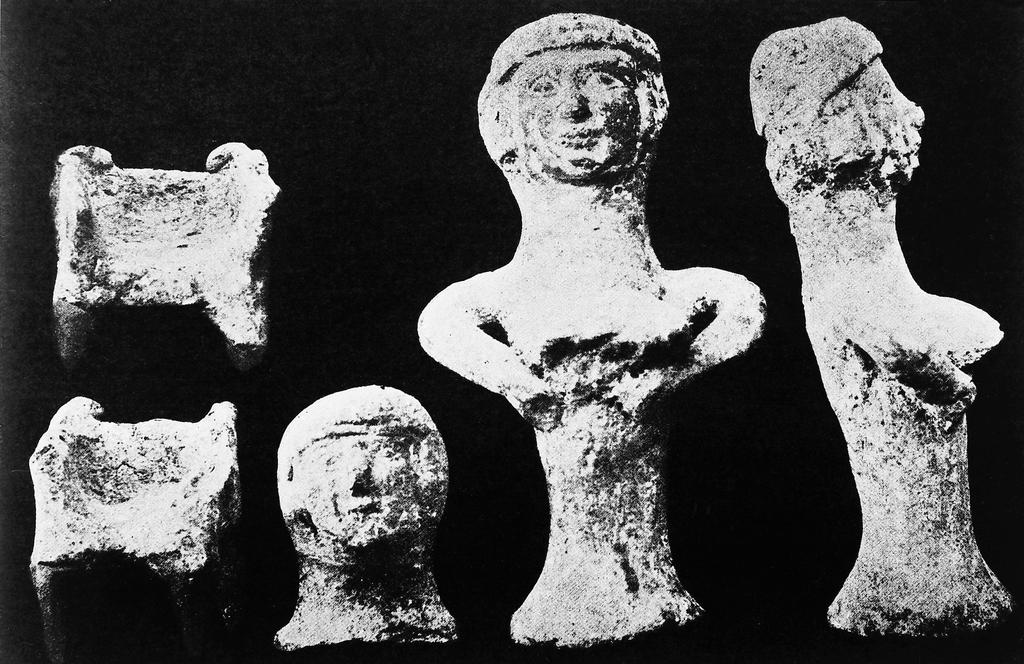
This is a part of a story from very early in Israelite mythological history - Jacob is the grandson of Abraham. Laban is Jacob's uncle via Rebekah, and Rachel (and Leah), Jacob's cousins. This story takes place before the Israelites are established as a people. It makes sense that our story protagonists are close to Canaanite religious practices at this time - Rebekah married Isaac and are considered are ancestors, but she did not bring her family, like Laban her brother, along. Rachel has grown up in Laban's house, therefore, and we may assume she is familiar with the household religion. But why steal the idols from Laban? Why lie to Jacob about it? The authors also do not dwell on this anecdote - after it is established that Laban does not find the idols, it moves on.
https://www.jstor.org/stable/community.24799470
There's debate about what the sources for these books of the Tanakh are, but they may have been written roughly around the same time. In any case - why the difference here? In Numbers, Moses is specifically commanded by God to make this "seraph" figure and mount it, and then its imbued with some magic; but we read in II Kings that Hezekiah destroys it (along with other items) because the Israelites had taken to sacrificing to it.
(3) and say: Thus said the Lord GOD to Jerusalem: By origin and birth you are from the land of the Canaanites—your father was an Amorite and your mother a Hittite.
The Israelite cult at Jerusalem was not unique in its utilization of a bronze serpent, for at least seven such serpents have come from various pre-Israelite Palestinian cities. Two were uncovered at Megiddo, one at Gezer, two in the "holy of holies" of the Area H temple at Hazor, and two at Shechem. Most of them lay in Late Bronze Age cultic areas, but the phenomenon of the cultic bronze serpent was limited neither to Palestine nor to the second millennium B.C. A Late Bronze Age Hittite shrine in northern Syria contained a bronze statue of a god holding a serpent in one hand and a staff in the other. The sixth-century B.C. temple of Esagila in Babylon had a pair of bronze serpents placed beside each of the four entrances. On the first full day of the Babylonian New Year's Festival the priest was to engage a metalworker, a woodworker, and a goldsmith to make two images, one of which "shall hold in its left hand a snake (made) of cedar, raising its right [hand] to the god Nabu." At least seventeen bronze serpents lay in the Early Bronze Age strata of the Assyrian mound of Tepe Gawra. What was the significance of this serpent symbol in Palestinian and Near Eastern cults? Apparently, the answer is to be found in its associations with other cultic emblems, most notably with sex and sexual organs, the bull, water, and the dove.
If the cultic serpent retained in Israel the significance it had in other Ancient Near Eastern cults, and there seems no cogent argument to the contrary, Nehushtan was adopted from the Canaanites to affirm the agricultural powers of Yahweh. This explains why the Israelites revered it, why Hezekiah contemptuously called it "a piece of bronze," and why he destroyed it while removing the Canaanite high places, pillars, and Asherah. The preaching of the eighth-century B.C. prophets must have drawn attention to these pagan emblems and regarded them as alien to the true spirit of Israel's faith.
https://www.jstor.org/stable/3263536
Rava said to Rav Naḥman: This works out well according to the one who says that the object of idol worship of a gentile is prohibited immediately. But according to the one who says it is not forbidden until it is worshipped, let it be permitted, as he did not worship it, since he sacrificed no offering to it. Rav Naḥman said to Rava: Each and every one of the stones becomes part of the object of idol worship and is also considered an offering to the other stone that preceded it.
The problem with Rav’s answer is that there are some sages who hold that an idol is not prohibited for a Jew to use until a non-Jew actually worships it. This stone thrown at the Mercurius should be permitted because it has not yet been worshipped.
Nahman answers that each stone is both an idol but is also an offering to the last stone. This way the stones are worshipped. Theoretically, the last stone thrown should be permitted since it has not yet been worshipped by having another . But since we do not know which stone was last, they must all be prohibited.
Ashi says that each stone is an offering to itself and to the next one. Thus the stone in a sense “worships itself.” Talented stone!
(italics mine)
While the notion of idolatry is biblically based, one cannot underestimate the ways in which the rabbis and others granted it ongoing life and reinvention. Idols are obviously not born but are made in both senses of construction. The web of rabbinic laws on idolatry itself situates the idolatrous nature of an image chiefly in the eye of the beholder (rabbi, as well as worshiper).
https://www.jstor.org/stable/41681762