
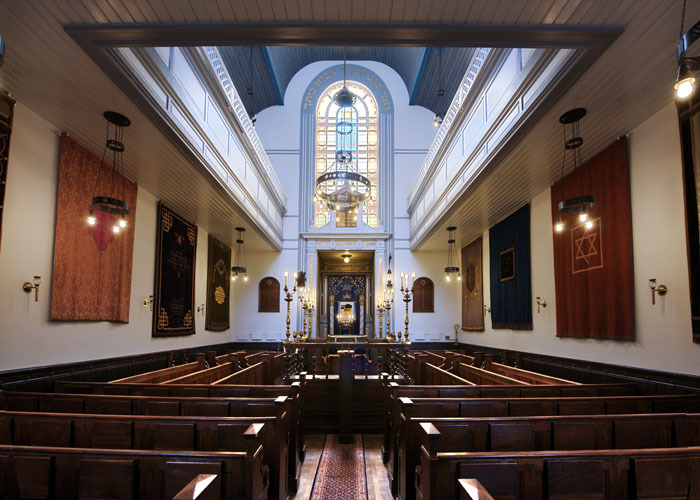
Save "Sukkot * What does it mean? * Beth Shalom
"
Sukkot * What does it mean? * Beth Shalom

(לט) אַ֡ךְ בַּחֲמִשָּׁה֩ עָשָׂ֨ר י֜וֹם לַחֹ֣דֶשׁ הַשְּׁבִיעִ֗י בְּאׇסְפְּכֶם֙ אֶת־תְּבוּאַ֣ת הָאָ֔רֶץ תָּחֹ֥גּוּ אֶת־חַג־ה' שִׁבְעַ֣ת יָמִ֑ים... (מב) בַּסֻּכֹּ֥ת תֵּשְׁב֖וּ שִׁבְעַ֣ת יָמִ֑ים כׇּל־הָֽאֶזְרָח֙ בְּיִשְׂרָאֵ֔ל יֵשְׁב֖וּ בַּסֻּכֹּֽת׃ (מג) לְמַ֘עַן֮ יֵדְע֣וּ דֹרֹֽתֵיכֶם֒ כִּ֣י בַסֻּכּ֗וֹת הוֹשַׁ֙בְתִּי֙ אֶת־בְּנֵ֣י יִשְׂרָאֵ֔ל בְּהוֹצִיאִ֥י אוֹתָ֖ם מֵאֶ֣רֶץ מִצְרָ֑יִם אֲנִ֖י ה' אֱלֹקֵיכֶֽם׃

A. Is Sukkot a festival of thanksgiving for
-- the produce of the land, or
-- the redemption from Eygypt?
B. Is the nature of the Sukka
-- physical [connected to agriculture], or
-- spiritual [connected to (future) redemption]?
C. Why sit in a Sukka in Tishre if it is connected to the redemption from Egypt?
The Range of Meanings of the Word סֻכָּה in Tanach
סֻכָּה is derived from סכך, שׂכך - to screen, to protect, to cover
וְהָיָה֙ בַּעֲבֹ֣ר כְּבֹדִ֔י וְשַׂמְתִּ֖יךָ בְּנִקְרַ֣ת הַצּ֑וּר וְשַׂכֹּתִ֥י כַפִּ֛י עָלֶ֖יךָ עַד־עׇבְרִֽי

וְסֻכָּ֛ה תִּֽהְיֶ֥ה לְצֵל־יוֹמָ֖ם מֵחֹ֑רֶב

which shall serve as a pavilion for shade from heat by day and as a shelter for protection against drenching rain.

(לח) שָׂמַ֣ח מִצְרַ֣יִם בְּצֵאתָ֑ם כִּֽי־נָפַ֖ל פַּחְדָּ֣ם עֲלֵיהֶֽם׃ (לט) פָּרַ֣שׂ עָנָ֣ן לְמָסָ֑ךְ וְ֝אֵ֗שׁ לְהָאִ֥יר לָֽיְלָה׃

(38) Egypt rejoiced when they left,
for dread of Israel had fallen upon them.
(39) He spread a cloud for a cover,
and fire to light up the night.

תַנְיָא: ״כִּי בַסּוּכּוֹת הוֹשַׁבְתִּי אֶת בְּנֵי יִשְׂרָאֵל״;

עַנְנֵי כָבוֹד הָיוּ, דִּבְרֵי רַבִּי אֱלִיעֶזֶר.

רַבִּי עֲקִיבָא אוֹמֵר: סוּכּוֹת מַמָּשׁ עָשׂוּ לָהֶם.

The Gemara asks: This works out well according to the one who said that the sukkot mentioned in the verse: “I made the children of Israel to reside in sukkot” (Leviticus 23:43), were clouds of glory, as it is reasonable that the roofing of the sukka is modeled after clouds. However, according to the one who said that the children of Israel established for themselves actual sukkot in the desert, and the sukkot of today commemorate those, what can be said? According to that opinion, there is no connection between a sukka and a cloud. As it is taught in a baraita that the verse states: “I made the children of Israel to reside in sukkot”; these booths were clouds of glory, this is the statement of Rabbi Eliezer. Rabbi Akiva says: They established for themselves actual sukkot. This works out well according to Rabbi Eliezer; however, according to Rabbi Akiva what can be said?

כי בסכות. ואם ישאל שואל למה בתשרי זאת המצוה, יש להשיב כי ענן ה׳‎ היה על המחנה יומם, והשמש לא יכם; ומימות תשרי החלו לעשות סוכות בעבור הקור:

THAT…IN BOOTHS. The Israelites made booths after they crossed the Sea of Reeds. They certainly did so in the wilderness of Sinai, where they dwelt close to a year. This is the manner of all the camps. This festival too is thus in memory of the Exodus from Egypt. Should someone ask why this commandment is to be observed in the month of Tishri, then one can answer: God’s cloud was over the camp during the day and the sun did not strike them. However, they started to make sukkot from the days of Tishri onwards because of the cold.

למען ידעו דורותיכם - פשוטו כדברי האומרים במסכת סוכה סוכה ממש... למען תזכרו - כי בסוכות הושבתי את בני ישראל במדבר ארבעים שנה - בלא יישוב ובלא נחלה ומתוך כך תתנו הודאה למי שנתן לכם נחלה ובתים מלאים כל טוב... ומפני הטעם הזה קבע הקב"ה את חג הסוכות בזמן אסיפת גורן ויקב לבלתי רום לבבו על בתיהם מלאים כל טוב, פן יאמרו "ידינו עשו לנו את החיל הזה".

למען ידעו דורותיכם, the plain meaning of the text is in agreement with the view expressed in Sukkah 11 according to which the word סוכה is to be understood literally. The meaning of the verse then would be: “construct for yourselves the festival of huts when you gather in your grain and grape harvest (Deuteronomy 16,13) You are to do this at the time you gather in the produce of the earth and your houses are filled with all the good things the earth produces such a grain, grape, wine and oil (olives). This is to be done in order that you will remember” כי בסוכות הושבתי את בני ישראל, in the desert for a period of 40 years when they neither owned land nor found themselves in a cultivated part of the earth. Remembering all this you will have ample reason to be grateful to the One Who has provided you with all of your present wealth and comfort. You must not fall into the trap of thinking that all this success is due to your own efforts. We find a similar thought expressed in Deuteronomy 8,2-3 “you shall remember all the way which the Lord your G’d has led you for these last 40 years…and He fed you the manna, etc.” Why do I command you to do all this? For the Lord your G’d brings you to a good …and you will eat and be satisfied, etc. As a result your heart may become haughty and you will credit yourself with all this as your own achievement. (Deuteronomy 8 7-18) In order that this will not happen and to show that the Israelites G’d’s part in their success they will move out of their solid houses as a reminder to the time when they had not been blessed with any of these benefits which they enjoy ever since inheriting the land of their forefathers. They acknowledge that it is G’d Who provides the Jewish people with the ability and valor.
How are these Meanings reflected in the Dinim of building the סֻכָּה?

סֻכָּה שֶׁהִיא גְבוֹהָה לְמַעְלָה מֵעֶשְׂרִים אַמָּה, פְּסוּלָה. רַבִּי יְהוּדָה מַכְשִׁיר...

A sukka, i.e., its roofing, which is the main and most crucial element of the mitzva, that is more than twenty cubits high is unfit. Rabbi Yehuda deems it fit. Similarly, a sukka that is not even ten handbreadths high, and one that does not have three walls, and one whose sunlight that passes through its roofing is greater than its shade are unfit. With regard to an old sukka, Beit Shammai deem it unfit for the mitzva of sukka and Beit Hillel deem it fit. And which is considered an old sukka? It is any booth that one established thirty days or more prior to the Festival without expressly designating that it was for the mitzva of sukka. In that case, the assumption is that he constructed it for some other purpose. However, if he established it expressly for the sake of the festival of Sukkot, even if he constructed it at the beginning of the previous year, it is fit for use in the fulfillment of the mitzva of sukka, even according to Beit Shammai.
Rabba's oppinion

מְנָא הָנֵי מִילֵּי? אָמַר רַבָּה, דְּאָמַר קְרָא: ״לְמַעַן יֵדְעוּ דוֹרוֹתֵיכֶם כִּי בַסּוּכּוֹת הוֹשַׁבְתִּי אֶת בְּנֵי יִשְׂרָאֵל [בְּהוֹצִיאִ֥י אוֹתָ֖ם מֵאֶ֣רֶץ מִצְרָ֑יִם]״, עַד עֶשְׂרִים אַמָּה, אָדָם יוֹדֵעַ שֶׁהוּא דָּר בַּסּוּכָּה, לְמַעְלָה מֵעֶשְׂרִים אַמָּה — אֵין אָדָם יוֹדֵעַ שֶׁדָּר בַּסּוּכָּה, מִשּׁוּם דְּלָא שָׁלְטָא בַּהּ עֵינָא

§ After clarifying its formulation, the Gemara addresses the halakha in the mishna and asks: From where are these matters, i.e., the halakha that a sukka may not exceed a height of twenty cubits, derived?

דלא שלטא בה עינא - שאינו רואה את הסכך, וסוכה היינו סכך כשמה:

וכתבו האחרונים שיכוין בישיבתה שצונו הקב"ה לישב בסוכה זכר ליציאת מצרים וגם זכר לענני כבוד שהקיפן אז עלינו להגן עלינו מן השָׁרָב והשמש. וכל זה לצאת ידי המצוה כתקונה הא דיעבד יוצא כל שכיון לצאת לבד [פמ"ג]:

Mishnah Berurah 625:1
R. Zeira's Oppinion

רַבִּי זֵירָא אָמַר מֵהָכָא: ״וְסוּכָּה תִּהְיֶה לְצֵל יוֹמָם מֵחוֹרֶב״, עַד עֶשְׂרִים אַמָּה אָדָם יוֹשֵׁב בְּצֵל סוּכָּה, לְמַעְלָה מֵעֶשְׂרִים אַמָּה — אֵין אָדָם יוֹשֵׁב בְּצֵל סוּכָּה אֶלָּא בְּצֵל דְּפָנוֹת.

Rabbi Zeira said that it is derived from here: The verse states: “And there shall be a sukka for shade in the daytime from the heat, and for refuge and cover from storm and from rain” (Isaiah 4:6). In a sukka up to twenty cubits high, a person is sitting in the shade of the sukka, i.e., the shade of the roofing; in a sukka that is more than twenty cubits high, a person is not sitting in the shade of the roofing of the sukka but rather in the shade of the walls of the sukka, as their considerable height provides constant shade, rendering the shade of the roofing irrelevant.
Rava's Oppinion

וְרָבָא אָמַר, מֵהָכָא: ״בַּסּוּכּוֹת תֵּשְׁבוּ שִׁבְעַת יָמִים״. אָמְרָה תּוֹרָה: כׇּל שִׁבְעַת הַיָּמִים צֵא מִדִּירַת קֶבַע וְשֵׁב בְּדִירַת עֲרַאי. עַד עֶשְׂרִים אַמָּה אָדָם עוֹשֶׂה דִּירָתוֹ דִּירַת עֲרַאי, לְמַעְלָה מֵעֶשְׂרִים אַמָּה — אֵין אָדָם עוֹשֶׂה דִּירָתוֹ דִּירַת עֲרַאי אֶלָּא דִּירַת קֶבַע.

Rava said that the halakha is derived from here: “In sukkot shall you reside seven days” (Leviticus 23:42). The Torah said: For the entire seven days, emerge from the permanent residence in which you reside year round and reside in a temporary residence, the sukka. In constructing a sukka up to twenty cubits high, a person can render his residence a temporary residence, as up to that height one can construct a structure that is not sturdy; however, in constructing a sukka above twenty cubits high, one cannot render his residence a temporary residence; rather, he must construct a sturdy permanent residence, which is unfit for use as a sukka.
למעלה מעשרים - צריך לעשות יסודותיה ומחיצותיה קבועין שלא תפול:
Higher than twenty [amot] - One needs to make their foundations and their partitions permanent so [the building] does not fall.