


(א) בָּרוּךְ אַתָּה יְהֹוָה אֱלֹהֵֽינוּ מֶֽלֶךְ הָעוֹלָם אֲשֶׁר קִדְּ֒שָֽׁנוּ בְּמִצְוֹתָיו וְצִוָּנוּ לַעֲסֹק בְּדִבְרֵי תוֹרָה:
(1) Blessed are You, Adonai, Ruler of the Universe, Who sanctifies us with commandments and commands us to be engrossed in the words of Torah.
Intro Questions:
If we were in Moses' place- God has told us we are about to die, the people who we have guided are going to live and see the promised land, etc.
- How would you feel?
- What words would you want to leave people with?
- How would you describe/feel about God and about the people in this moment?
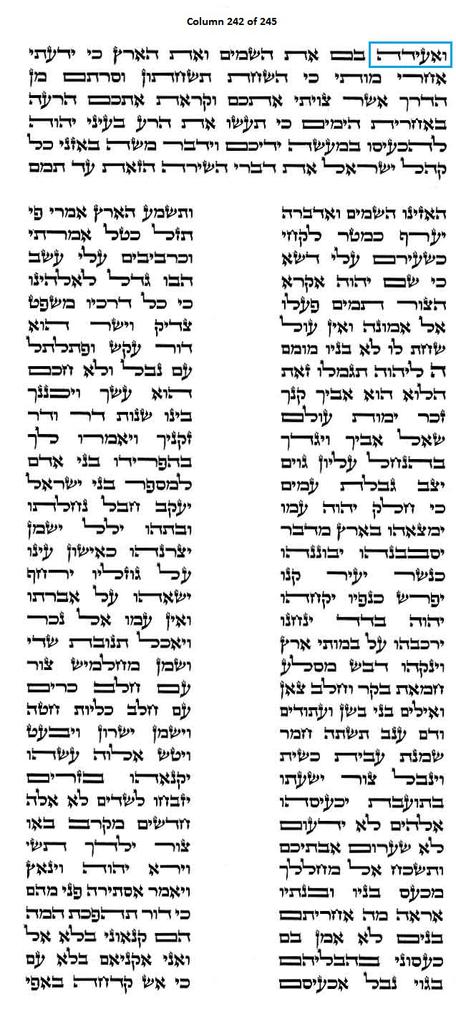
(1) Give ear, O heavens, let me speak;
Let the earth hear the words I utter! (2) May my discourse come down as the rain,
My speech distill as the dew,
Like showers on young growth,
Like droplets on the grass.
(ג) כִּ֛י שֵׁ֥ם יְהֹוָ֖ה אֶקְרָ֑א הָב֥וּ גֹ֖דֶל לֵאלֹהֵֽינוּ׃ (ד) הַצּוּר֙ תָּמִ֣ים פׇּֽעֳל֔וֹ כִּ֥י כׇל־דְּרָכָ֖יו מִשְׁפָּ֑ט אֵ֤ל אֱמוּנָה֙ וְאֵ֣ין עָ֔וֶל צַדִּ֥יק וְיָשָׁ֖ר הֽוּא׃
(3) For the name of Adonai I proclaim;
Give glory to our God! (4) The Rock!—whose deeds are perfect,
Yea, all God’s ways are just;
A faithful God, never false,
True and upright indeed.
(ה) שִׁחֵ֥ת ל֛וֹ לֹ֖א בָּנָ֣יו מוּמָ֑ם דּ֥וֹר עִקֵּ֖שׁ וּפְתַלְתֹּֽל׃
(ו) הַ לְיְהֹוָה֙ תִּגְמְלוּ־זֹ֔את עַ֥ם נָבָ֖ל וְלֹ֣א חָכָ֑ם הֲלוֹא־הוּא֙ אָבִ֣יךָ קָּנֶ֔ךָ ה֥וּא עָשְׂךָ֖ וַֽיְכֹנְנֶֽךָ׃
(ז) זְכֹר֙ יְמ֣וֹת עוֹלָ֔ם בִּ֖ינוּ שְׁנ֣וֹת דֹּר־וָדֹ֑ר שְׁאַ֤ל אָבִ֙יךָ֙ וְיַגֵּ֔דְךָ זְקֵנֶ֖יךָ וְיֹ֥אמְרוּ לָֽךְ׃
(ח) בְּהַנְחֵ֤ל עֶלְיוֹן֙ גּוֹיִ֔ם בְּהַפְרִיד֖וֹ בְּנֵ֣י אָדָ֑ם יַצֵּב֙ גְּבֻלֹ֣ת עַמִּ֔ים לְמִסְפַּ֖ר בְּנֵ֥י יִשְׂרָאֵֽל׃
(5) Unworthy children—
That crooked, perverse generation—
Their baseness has played God false. (6) Do you thus requite Adonai,
O dull and witless people?
Is not this the Father who created you—
Fashioned you and made you endure!
(7) Remember the days of old,
Consider the years of ages past;
Ask your parent, who will inform you,
Your elders, who will tell you:
(8) When the Most High gave nations their homes
And set the divisions of humanity,
[God] fixed the boundaries of peoples
In relation to Israel’s numbers.
(ט) כִּ֛י חֵ֥לֶק יְהֹוָ֖ה עַמּ֑וֹ יַעֲקֹ֖ב חֶ֥בֶל נַחֲלָתֽוֹ׃
(י) יִמְצָאֵ֙הוּ֙ בְּאֶ֣רֶץ מִדְבָּ֔ר וּבְתֹ֖הוּ יְלֵ֣ל יְשִׁמֹ֑ן יְסֹבְבֶ֙נְהוּ֙ יְב֣וֹנְנֵ֔הוּ יִצְּרֶ֖נְהוּ כְּאִישׁ֥וֹן עֵינֽוֹ׃
(יא) כְּנֶ֙שֶׁר֙ יָעִ֣יר קִנּ֔וֹ עַל־גּוֹזָלָ֖יו יְרַחֵ֑ף יִפְרֹ֤שׂ כְּנָפָיו֙ יִקָּחֵ֔הוּ יִשָּׂאֵ֖הוּ עַל־אֶבְרָתֽוֹ׃
(יב) יְהֹוָ֖ה בָּדָ֣ד יַנְחֶ֑נּוּ וְאֵ֥ין עִמּ֖וֹ אֵ֥ל נֵכָֽר׃
(יג) יַרְכִּבֵ֙הוּ֙ עַל־[בָּ֣מֳתֵי] (במותי) אָ֔רֶץ וַיֹּאכַ֖ל תְּנוּבֹ֣ת שָׂדָ֑י וַיֵּנִקֵ֤הֽוּ דְבַשׁ֙ מִסֶּ֔לַע וְשֶׁ֖מֶן מֵחַלְמִ֥ישׁ צֽוּר׃
(יד) חֶמְאַ֨ת בָּקָ֜ר וַחֲלֵ֣ב צֹ֗אן עִם־חֵ֨לֶב כָּרִ֜ים וְאֵילִ֤ים בְּנֵֽי־בָשָׁן֙ וְעַתּוּדִ֔ים עִם־חֵ֖לֶב כִּלְי֣וֹת חִטָּ֑ה וְדַם־עֵנָ֖ב תִּשְׁתֶּה־חָֽמֶר׃
(טו) וַיִּשְׁמַ֤ן יְשֻׁרוּן֙ וַיִּבְעָ֔ט שָׁמַ֖נְתָּ עָבִ֣יתָ כָּשִׂ֑יתָ וַיִּטֹּשׁ֙ אֱל֣וֹהַּ עָשָׂ֔הוּ וַיְנַבֵּ֖ל צ֥וּר יְשֻׁעָתֽוֹ׃
(9) For Adonai's portion is this people;
Jacob, God’s own allotment. (10) [God] found them in a desert region,
In an empty howling waste.
[God] engirded them, watched over them,
Guarded them as the pupil of God’s eye.
(11) Like an eagle who rouses its nestlings,
Gliding down to its young,
So did [God] spread wings and take them,
Bear them along on pinions;
(12) Adonai alone did guide them,
No alien god alongside.
(13) [God] set them atop the highlands,
To feast on the yield of the earth;
Nursing them with honey from the crag,
And oil from the flinty rock,
(14) Curd of kine and milk of flocks;
With the best of lambs,
And rams of Bashan, and he-goats;
With the very finest wheat—
And foaming grape-blood was your drink.
(15) So Jeshurun grew fat and kicked—
You grew fat and gross and coarse —
They forsook the God who made them
And spurned the Rock of their support.
יְשֻׁרוּן (n-pr-m) x-pn
-
- Jeshurun = "upright one"
- a symbolic name for Israel describing her ideal character
While the Hebrew formatting is clearly poetic, this section in translation, we can see the more poetic language with many metaphors and symbols.
- what are some of the metaphors used here? what do they mean?
- How is Moses describing the people?
- How is God described?
- Why write it all in this way instead of plain language?
In the span of just fifteen verses, Shirat Haazinu imagines God as a stable rock, a father, an eyelid, an eagle, a nursing mother, a mother who has gone through labor, and a protective rock. Why not choose a single metaphor to depict God in a straightforward and consistent fashion? This parashah teaches that we need multiple metaphors, in the Bible and in our own lives, because no single comparison can encapsulate all there is to say about God and the complexity of the divine-human connection.
As we, as human beings, attempt to deepen our understanding of God, how God operates in the world, what God expects from us, and what it means to be part of the people Israel joined in a covenantal relationship with God, we turn to metaphor. For the authors of the Bible, and for us, metaphor becomes a means by which we can span the chasm between the known—our own world–and the unknown, the Divine. And to do this, one metaphor simply is not enough.
-Rabbi Dr. Andrea Weiss
https://www.thetorah.com/article/the-multiple-metaphors-for-god-in-shirat-haazinu