


- Moshe teaches the people a poem
- The poem recounts the blessings from God, the the wicked deeds of the people, and the punhishments God inflicted
- God tells Moshe to climb to Mount Nevo to see the Land of Israel and die
- The song/poem by King David after he was saved by God from his enemies
(א) וַיְדַבֵּ֤ר דָּוִד֙ לַה' אֶת־דִּבְרֵ֖י הַשִּׁירָ֣ה הַזֹּ֑את בְּיוֹם֩ הִצִּ֨יל ה' אֹת֛וֹ מִכַּ֥ף כׇּל־אֹיְבָ֖יו וּמִכַּ֥ף שָׁאֽוּל׃
(1) David addressed the words of this song to the LORD, after the LORD had saved him from the hands of all his enemies and from the hands of Saul.
(נא) (מגדיל) [מִגְדּ֖וֹל] יְשׁוּע֣וֹת מַלְכּ֑וֹ וְעֹֽשֶׂה־חֶ֧סֶד לִמְשִׁיח֛וֹ לְדָוִ֥ד וּלְזַרְע֖וֹ עַד־עוֹלָֽם׃ {פ}
(51) Tower of victory to His king, who deals graciously with His anointed, with David and his offspring evermore.
*** THE ETERNAL BOND ***
(יט) וְעַתָּ֗ה כִּתְב֤וּ לָכֶם֙ אֶת־הַשִּׁירָ֣ה הַזֹּ֔את וְלַמְּדָ֥הּ אֶת־בְּנֵי־יִשְׂרָאֵ֖ל שִׂימָ֣הּ בְּפִיהֶ֑ם לְמַ֨עַן תִּהְיֶה־לִּ֜י הַשִּׁירָ֥ה הַזֹּ֛את לְעֵ֖ד בִּבְנֵ֥י יִשְׂרָאֵֽל׃ (כ) כִּֽי־אֲבִיאֶ֜נּוּ אֶֽל־הָאֲדָמָ֣ה ׀ אֲשֶׁר־נִשְׁבַּ֣עְתִּי לַאֲבֹתָ֗יו זָבַ֤ת חָלָב֙ וּדְבַ֔שׁ וְאָכַ֥ל וְשָׂבַ֖ע וְדָשֵׁ֑ן וּפָנָ֞ה אֶל־אֱלֹקִ֤ים אֲחֵרִים֙ וַעֲבָד֔וּם וְנִ֣אֲצ֔וּנִי וְהֵפֵ֖ר אֶת־בְּרִיתִֽי׃ (כא) וְ֠הָיָ֠ה כִּֽי־תִמְצֶ֨אןָ אֹת֜וֹ רָע֣וֹת רַבּוֹת֮ וְצָרוֹת֒ וְ֠עָנְתָ֠ה הַשִּׁירָ֨ה הַזֹּ֤את לְפָנָיו֙ לְעֵ֔ד כִּ֛י לֹ֥א תִשָּׁכַ֖ח מִפִּ֣י זַרְע֑וֹ כִּ֧י יָדַ֣עְתִּי אֶת־יִצְר֗וֹ אֲשֶׁ֨ר ה֤וּא עֹשֶׂה֙ הַיּ֔וֹם בְּטֶ֣רֶם אֲבִיאֶ֔נּוּ אֶל־הָאָ֖רֶץ אֲשֶׁ֥ר נִשְׁבַּֽעְתִּי׃
(19) Therefore, write down this poem and teach it to the people of Israel; put it in their mouths, in order that this poem may be My witness against the people of Israel. (20) When I bring them into the land flowing with milk and honey that I promised on oath to their fathers, and they eat their fill and grow fat and turn to other gods and serve them, spurning Me and breaking My covenant, (21) and the many evils and troubles befall them—then this poem shall confront them as a witness, since it will never be lost from the mouth of their offspring. For I know what plans they are devising even now, before I bring them into the land that I promised on oath.
(א) הַאֲזִ֥ינוּ הַשָּׁמַ֖יִם וַאֲדַבֵּ֑רָה וְתִשְׁמַ֥ע הָאָ֖רֶץ אִמְרֵי־פִֽי׃ (ב) יַעֲרֹ֤ף כַּמָּטָר֙ לִקְחִ֔י תִּזַּ֥ל כַּטַּ֖ל אִמְרָתִ֑י כִּשְׂעִירִ֣ם עֲלֵי־דֶ֔שֶׁא וְכִרְבִיבִ֖ים עֲלֵי־עֵֽשֶׂב׃ (ג) כִּ֛י שֵׁ֥ם ה' אֶקְרָ֑א הָב֥וּ גֹ֖דֶל לֵאלֹקֵֽינוּ׃
(1) Give ear, O heavens, let me speak;
Let the earth hear the words I utter! (2) May my discourse come down as the rain,
My speech distill as the dew,
Like showers on young growth,
Like droplets on the grass.
(3) For the name of ה' I proclaim;
Give glory to our God!
וְלָמָּה הֵעִיד בָּהֶם שָׁמַיִם וָאָרֶץ? אָמַר מֹשֶׁה: אֲנִי בָּשָׂר וָדָם, לְמָחָר אֲנִי מֵת, אִם יֹאמְרוּ יִשְׂרָאֵל לֹא קִבַּלְנוּ עָלֵינוּ הַבְּרִית, מִי בָא וּמַכְחִישָׁם? לְפִיכָךְ הֵעִיד בָּהֶם שָׁמַיִם וָאָרֶץ — עֵדִים שֶׁהֵן קַיָּמִים לְעוֹלָם.
וְעוֹד, שֶׁאִם יִזְכּוּ יָבֹאוּ הָעֵדִים וְיִתְּנוּ שְׂכָרָם, הַגֶּפֶן תִּתֵּן פִּרְיָהּ וְהָאָרֶץ תִּתֵּן יְבוּלָהּ וְהַשָּׁמַיִם יִתְּנוּ טַלָּם, וְאִם יִתְחַיְּבוּ תִּהְיֶה בָהֶם יַד הָעֵדִים תְּחִלָּה — "וְעָצַר אֶת הַשָּׁמַיִם וְלֹא יִהְיֶה מָטָר וְהָאֲדָמָה לֹא תִתֵּן אֶת יְבוּלָהּ" (דברים י"ז), וְאַחַר כָּךְ "וַאֲבַדְתֶּם מְהֵרָה" (שם י"א) עַל יְדֵי הָאֻמּוֹת:
And why did He call heaven and earth as witnesses against them? Moses thought: “I am a being of flesh and blood (mortal); tomorrow I shall be dead. If the Israelites will once say, ‘We have never accepted the covenant’, who can come and refute them?” Therefore he called heaven and earth as witnesses against them — witnesses that endure forever (Sifrei Devarim 306:15).
And a further reason was that if they should act worthily, the witnesses might come and give them their reward: the vine might yield its fruit, the ground give its increase, the heaven bestow its dew; while if they should act sinfully, the hand of the witnesses might first be against them (Rashi uses a phrase similar to that used of human witnesses; cf. e.g. Deuteronomy 13:10): “and He will restrain the heaven, that there be no rain, and the earth will not give its increase; and you shall perish quickly” (Deuteronomy 11:17) — through the attacks of other nations (Tanchuma 5:10:1).
(י) יִמְצָאֵ֙הוּ֙ בְּאֶ֣רֶץ מִדְבָּ֔ר וּבְתֹ֖הוּ יְלֵ֣ל יְשִׁמֹ֑ן יְסֹבְבֶ֙נְהוּ֙ יְב֣וֹנְנֵ֔הוּ יִצְּרֶ֖נְהוּ כְּאִישׁ֥וֹן עֵינֽוֹ׃
(10) [God] found them in a desert region,
In an empty howling waste.
[God] engirded them, watched over them,
Guarded them as the pupil of God’s eye.
ימצאהו בארץ מדבר. אוֹתָם מָצָא לוֹ נֶאֱמָנִים בְּאֶרֶץ הַמִּדְבָּר, שֶׁקִּבְּלוּ עֲלֵיהֶם תּוֹרָתוֹ וּמַלְכוּתוֹ וְעֻלּוֹ, מַה שֶּׁלֹּא עָשׂוּ יִשְׁמָעֵאל וְעֵשָׂו, שֶׁנֶּאֱמַר (דברים ל"ג) "וְזָרַח מִשֵּׂעִיר לָמוֹ הוֹפִיעַ מֵהַר פָּארָן":
ימצאהו בארץ מדבר HE FOUND HIM IN A DESERT LAND — for them (Jacob’s sons) he found to be faithful to Him in the desert land, when they accepted His Torah, His sovereignty and His yoke, something that Ishmael and Esau had refused to do, as it is said, (Deuteronomy 33:2) “And He shone from the Seir (Esau) unto them, He appeared from Mount Paran (Ishmael)” (cf. Rashi on that verse).
ימצאהו - כמו: ומצא להם. הקדוש ברוך הוא נמצא להם. הקב"ה היה סיפוק שלהם.
ימצאהו, as when the Torah had written in Numbers 11,22 ומצא להם, the reference is to G’d being the “supplier,” i.e. “finding” their needs for them.
(כו) אָמַ֖רְתִּי אַפְאֵיהֶ֑ם אַשְׁבִּ֥יתָה מֵאֱנ֖וֹשׁ זִכְרָֽם׃ (כז) לוּלֵ֗י כַּ֤עַס אוֹיֵב֙ אָג֔וּר פֶּֽן־יְנַכְּר֖וּ צָרֵ֑ימוֹ פֶּן־יֹֽאמְרוּ֙ יָדֵ֣נוּ רָ֔מָה וְלֹ֥א ה' פָּעַ֥ל כׇּל־זֹֽאת׃
(26) I might have reduced them to naught, Made their memory cease among humankind, (27) But for fear of the taunts of the foe,
Their enemies who might misjudge
And say, “Our own hand has prevailed;
None of this was wrought by ה' !”
אמרתי אפאיהם אכלה גם הפיאה שלא להניח מהם פיאה.
אמרתי אפאיהם, “I said I would make an end of them;” the word is related to פיאה, “corner, remnant,” I would not even leave a remnant of them.
(ה) שִׁחֵ֥ת ל֛וֹ לֹ֖א בָּנָ֣יו מוּמָ֑ם דּ֥וֹר עִקֵּ֖שׁ וּפְתַלְתֹּֽל׃ (ו) הַ לְה' תִּגְמְלוּ־זֹ֔את עַ֥ם נָבָ֖ל וְלֹ֣א חָכָ֑ם הֲלוֹא־הוּא֙ אָבִ֣יךָ קָּנֶ֔ךָ ה֥וּא עָשְׂךָ֖ וַֽיְכֹנְנֶֽךָ׃
(5) Unworthy children—
That crooked, perverse generation
Their baseness has played God false. (6) Do you thus requite ה',
O dull and witless people?
Is not this the Father who created you
Fashioned you and made you endure!
(ז) זְכֹר֙ יְמ֣וֹת עוֹלָ֔ם בִּ֖ינוּ שְׁנ֣וֹת דֹּר־וָדֹ֑ר שְׁאַ֤ל אָבִ֙יךָ֙ וְיַגֵּ֔דְךָ זְקֵנֶ֖יךָ וְיֹ֥אמְרוּ לָֽךְ׃
(7) Remember the days of old,
Consider the years of ages past;
Ask your father, who will inform you,
Your elders, who will tell you:
(יא) כְּנֶ֙שֶׁר֙ יָעִ֣יר קִנּ֔וֹ עַל־גּוֹזָלָ֖יו יְרַחֵ֑ף יִפְרֹ֤שׂ כְּנָפָיו֙ יִקָּחֵ֔הוּ יִשָּׂאֵ֖הוּ עַל־אֶבְרָתֽוֹ׃
(11) Like an eagle who rouses its nestlings,
Gliding down to its young,
So did [God] spread wings and take them,
Bear them along on pinions;
*** TORAH AS A SONG ***
(יט) וְעַתָּ֗ה כִּתְב֤וּ לָכֶם֙ אֶת־הַשִּׁירָ֣ה הַזֹּ֔את וְלַמְּדָ֥הּ אֶת־בְּנֵי־יִשְׂרָאֵ֖ל שִׂימָ֣הּ בְּפִיהֶ֑ם לְמַ֨עַן תִּהְיֶה־לִּ֜י הַשִּׁירָ֥ה הַזֹּ֛את לְעֵ֖ד בִּבְנֵ֥י יִשְׂרָאֵֽל׃
(19) Therefore, write down this poem and teach it to the people of Israel; put it in their mouths, in order that this poem may be My witness against the people of Israel.
ועתה כתבו לכם את השירה הזאת
וטעם השירה הזאת השירה אשר אגיד לך עתה והיא האזינו ויקראה שירה כי ישראל יאמרוה תמיד בשיר ובזמרה וכן נכתבה כשירה כי השירים יכתבו בהם הפסק במקומות הנעימה:
AND NOW WRITE YE THIS SONG.
Now, the meaning of the expression this Song is “the Song that I will now tell you,” this being ‘Ha’azinu’ (Give ear). It is called Song because Israel would recite it with song and psalm. It was also written [in the Torah] in the style of a song, since songs are written with interruptions [empty spaces] indicating the places of chanting.
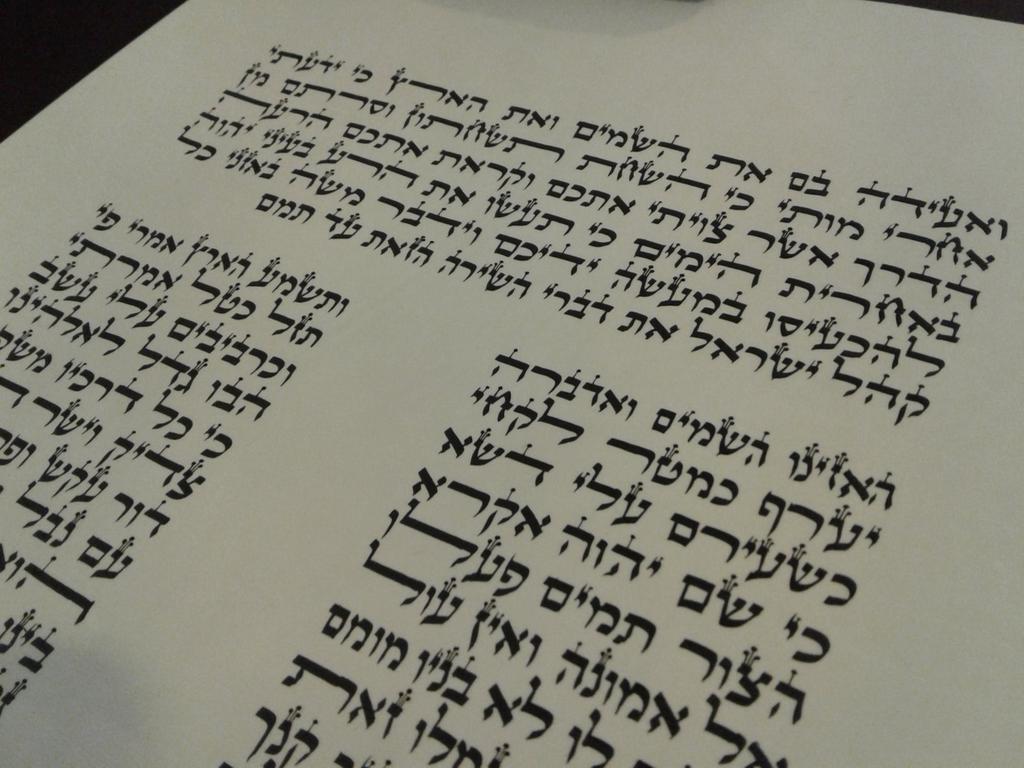
... כך הוא טבע כל התורה שאין הספור שבה מבואר יפה. אלא יש לעשות הערות ופירושים לדקדוקי הלשון.
... [As in poetry] the nature of the Torah is that the idea is not laid out clearly (the way it is in a prose narrative), and it requires notes and commentary to understand the language details.
אמר (רבא) אף על פי שהניחו לו אבותיו לאדם ספר תורה מצוה לכתוב משלו שנאמר (דברים לא, יט) ועתה כתבו לכם את השירה
Rava says: With regard to the mitzva for every Jew to write himself a Torah scroll, even if a person’s ancestors left him a Torah scroll, it is a mitzva to write a scroll of one’s own, as it is stated: “Now, therefore, write for yourselves this song and teach it to the children of Israel” (Deuteronomy 31:19).
(ד) הַצּוּר֙ תָּמִ֣ים פׇּֽעֳל֔וֹ כִּ֥י כׇל־דְּרָכָ֖יו מִשְׁפָּ֑ט אֵ֤ל אֱמוּנָה֙ וְאֵ֣ין עָ֔וֶל צַדִּ֥יק וְיָשָׁ֖ר הֽוּא׃
(4) The Rock!—whose deeds are perfect,
Yea, all God’s ways are just;
A faithful God, never false,
True and upright indeed.
(טו) וַיִּשְׁמַ֤ן יְשֻׁרוּן֙ וַיִּבְעָ֔ט שָׁמַ֖נְתָּ עָבִ֣יתָ כָּשִׂ֑יתָ וַיִּטֹּשׁ֙ אֱל֣וֹקַּ עָשָׂ֔הוּ וַיְנַבֵּ֖ל צ֥וּר יְשֻׁעָתֽוֹ׃
(15) So Jeshurun grew fat and kicked—
You grew fat and gross and coarse —
They forsook the God who made them
And spurned the Rock of their support.
(יח) צ֥וּר יְלָדְךָ֖ תֶּ֑שִׁי וַתִּשְׁכַּ֖ח אֵ֥ל מְחֹלְלֶֽךָ׃
(18) You neglected the Rock who begot you,
Forgot the God who labored to bring you forth.
(ל) אֵיכָ֞ה יִרְדֹּ֤ף אֶחָד֙ אֶ֔לֶף וּשְׁנַ֖יִם יָנִ֣יסוּ רְבָבָ֑ה אִם־לֹא֙ כִּי־צוּרָ֣ם מְכָרָ֔ם וַֽה' הִסְגִּירָֽם׃
(30) “How could one have routed a thousand,
Or two put ten thousand to flight,
Unless their Rock had sold them,
ה' had given them up?”
(לז) וְאָמַ֖ר אֵ֣י אֱלֹהֵ֑ימוֹ צ֖וּר חָסָ֥יוּ בֽוֹ׃
(37) [God] will say: Where are their gods,
The rock in whom they sought refuge,
וטעם הצור. שהוא עומד תמיד כצור. ואל תתמה. כי כן יאמר הכתוב כארי' ישאג כי לא יוכל המדבר לדמות מעשי השם ית' כי אם אל מעשיו. כי הכל מעשיו. וכן צור לבבי כמו משען ותוקף ועמידה.
וי״א מלשון צורה וכן וצורם לבלות שאול. ועיקר שאין לו עצם מקבל רק הוא צור קדמון והראשון נכון בעיני:
The meaning of The Rock is that God, like a rock, is everlasting. Do not be amazed at this, for Scripture similarly states, The Lord…shall roar like a lion (Hos. 11:10). Scripture does this because one who speaks cannot compare God’s work to anything but His works, for everything is His work. Rock, in But God is the rock of my heart (Ps. 73:26), similarly means a support, might, and permanence.
Others say that tzur (rock) is related to the word tzurah (form, image). Compare, tzuram (their form) in And their form shall be for the nether-world (Ps. 49:15). Its basic meaning is that God does not consist of matter, which can be molded into a form. On the contrary, He is Primary form.
The first interpretation appears correct to me.
בֹּא וּרְאֵה שֶׁלֹּא כְּמִדַּת הַקָּדוֹשׁ בָּרוּךְ הוּא מִדַּת בָּשָׂר וָדָם. מִדַּת בָּשָׂר וָדָם צָר צוּרָה עַל גַּבֵּי הַכּוֹתֶל, וְאֵינוֹ יָכוֹל לְהָטִיל בָּהּ רוּחַ וּנְשָׁמָה קְרָבַיִם וּבְנֵי מֵעַיִם. וְהַקָּדוֹשׁ בָּרוּךְ הוּא אֵינוֹ כֵּן, צָר צוּרָה בְּתוֹךְ צוּרָה וּמֵטִיל בָּהּ רוּחַ וּנְשָׁמָה קְרָבַיִם וּבְנֵי מֵעַיִם. וְהַיְינוּ דְּאָמְרָה חַנָּה: ״אֵין קָדוֹשׁ כַּה׳ כִּי אֵין בִּלְתֶּךָ וְאֵין צוּר כֵּאלֹהֵינוּ״. מַאי ״אֵין צוּר כֵּאלֹהֵינוּ״ — אֵין צַיָּיר כֵּאלֹקֵינוּ.
Come and see that the attribute of the Holy One, Blessed be He, is not like the attribute of flesh and blood, as this verse praises the formation of man in his mother’s womb. The attribute of flesh and blood is such that he shapes a form on the wall for all to see, yet he cannot instill it with a spirit and soul, bowels and intestines. While the Holy One, Blessed be He, is not so, as God shapes one form within another form, a child in its mother’s womb, and instills it with spirit and soul, bowels and intestines. And this is the explanation of what Hannah said with regard to the birth of Samuel: “There is none holy like the Lord, for there is none like You, and there is no Rock like our God” (I Samuel 2:2). What is the meaning of there is no rock [tzur] like our God? There is no artist [tzayyar] like our God.
אמר ר' חנינא כל האומר הקב"ה ותרן הוא יותרו חייו שנאמר (דברים לב, ד) הצור תמים פעלו כי כל דרכיו משפט
Rabbi Ḥanina says: Anyone who states that the Holy One, Blessed be He, is forgiving [vateran] of transgressions, his life will be relinquished [yivatru], as it is stated: “The Rock, His work is perfect, for all His ways are justice” (Deuteronomy 32:4). In other words, God does not waive heavenly justice.
(ג) ה' ׀ סַ֥לְעִ֥י וּמְצוּדָתִ֗י וּמְפַ֫לְטִ֥י אֵלִ֣י צ֭וּרִי אֶֽחֱסֶה־בּ֑וֹ מָֽגִנִּ֥י וְקֶֽרֶן־יִ֝שְׁעִ֗י מִשְׂגַּבִּֽי׃
(3) O LORD, my crag, my fortress, my rescuer, my God, my rock in whom I seek refuge, my shield, my mighty champion,-c my haven.
(א) לְדָוִ֡ד אֵ֘לֶ֤יךָ ה' ׀ אֶקְרָ֗א צוּרִי֮ אַֽל־תֶּחֱרַ֢שׁ מִ֫מֶּ֥נִּי פֶּן־תֶּחֱשֶׁ֥ה מִמֶּ֑נִּי וְ֝נִמְשַׁ֗לְתִּי עִם־י֥וֹרְדֵי בֽוֹר׃
(1) Of David. O LORD, I call to You; my rock, do not disregard me, for if You hold aloof from me, I shall be like those gone down into the Pit.
(לה) וַֽ֭יִּזְכְּרוּ כִּֽי־אֱלֹקִ֣ים צוּרָ֑ם וְאֵ֥ל עֶ֝לְי֗וֹן גֹּאֲלָֽם׃
(35) They remembered that God was their rock, God Most High, their Redeemer.

*** MOSHE RABENU ***
(מח) וַיְדַבֵּ֤ר ה' אֶל־מֹשֶׁ֔ה בְּעֶ֛צֶם הַיּ֥וֹם הַזֶּ֖ה לֵאמֹֽר׃ (מט) עֲלֵ֡ה אֶל־הַר֩ הָעֲבָרִ֨ים הַזֶּ֜ה הַר־נְב֗וֹ אֲשֶׁר֙ בְּאֶ֣רֶץ מוֹאָ֔ב אֲשֶׁ֖ר עַל־פְּנֵ֣י יְרֵח֑וֹ וּרְאֵה֙ אֶת־אֶ֣רֶץ כְּנַ֔עַן אֲשֶׁ֨ר אֲנִ֥י נֹתֵ֛ן לִבְנֵ֥י יִשְׂרָאֵ֖ל לַאֲחֻזָּֽה׃ (נ) וּמֻ֗ת בָּהָר֙ אֲשֶׁ֤ר אַתָּה֙ עֹלֶ֣ה שָׁ֔מָּה וְהֵאָסֵ֖ף אֶל־עַמֶּ֑יךָ כַּֽאֲשֶׁר־מֵ֞ת אַהֲרֹ֤ן אָחִ֙יךָ֙ בְּהֹ֣ר הָהָ֔ר וַיֵּאָ֖סֶף אֶל־עַמָּֽיו׃ (נא) עַל֩ אֲשֶׁ֨ר מְעַלְתֶּ֜ם בִּ֗י בְּתוֹךְ֙ בְּנֵ֣י יִשְׂרָאֵ֔ל בְּמֵֽי־מְרִיבַ֥ת קָדֵ֖שׁ מִדְבַּר־צִ֑ן עַ֣ל אֲשֶׁ֤ר לֹֽא־קִדַּשְׁתֶּם֙ אוֹתִ֔י בְּת֖וֹךְ בְּנֵ֥י יִשְׂרָאֵֽל׃ (נב) כִּ֥י מִנֶּ֖גֶד תִּרְאֶ֣ה אֶת־הָאָ֑רֶץ וְשָׁ֙מָּה֙ לֹ֣א תָב֔וֹא אֶל־הָאָ֕רֶץ אֲשֶׁר־אֲנִ֥י נֹתֵ֖ן לִבְנֵ֥י יִשְׂרָאֵֽל׃ {פ}
(48) That very day ה' spoke to Moses: (49) Ascend these heights of Abarim to Mount Nebo, which is in the land of Moab facing Jericho, and view the land of Canaan, which I am giving the Israelites as their holding. (50) You shall die on the mountain that you are about to ascend, and shall be gathered to your kin, as your brother Aaron died on Mount Hor and was gathered to his kin; (51) for you both broke faith with Me among the Israelite people, at the waters of Meribath-kadesh in the wilderness of Zin, by failing to uphold My sanctity among the Israelite people. (52) You may view the land from a distance, but you shall not enter it—the land that I am giving to the Israelite people.
וְאָמַר רַבִּי יְהוֹשֻׁעַ בֶּן לֵוִי: בְּשָׁעָה שֶׁעָלָה מֹשֶׁה לַמָּרוֹם אָמְרוּ מַלְאֲכֵי הַשָּׁרֵת לִפְנֵי הַקָּדוֹשׁ בָּרוּךְ הוּא: רִבּוֹנוֹ שֶׁל עוֹלָם, מַה לִּילוּד אִשָּׁה בֵּינֵינוּ? אָמַר לָהֶן: לְקַבֵּל תּוֹרָה בָּא. אָמְרוּ לְפָנָיו: חֶמְדָּה גְּנוּזָה שֶׁגְּנוּזָה לָךְ תְּשַׁע מֵאוֹת וְשִׁבְעִים וְאַרְבָּעָה דּוֹרוֹת קוֹדֶם שֶׁנִּבְרָא הָעוֹלָם, אַתָּה מְבַקֵּשׁ לִיתְּנָהּ לְבָשָׂר וָדָם? ...
אָמַר לוֹ הַקָּדוֹשׁ בָּרוּךְ הוּא לְמֹשֶׁה: הַחְזֵיר לָהֶן תְּשׁוּבָה. אָמַר לְפָנָיו: רִבּוֹנוֹ שֶׁל עוֹלָם, מִתְיָירֵא אֲנִי שֶׁמָּא יִשְׂרְפוּנִי בַּהֶבֶל שֶׁבְּפִיהֶם. אָמַר לוֹ: אֱחוֹז בְּכִסֵּא כְבוֹדִי וַחֲזוֹר לָהֶן תְּשׁוּבָה ...
אָמַר לְפָנָיו: רִבּוֹנוֹ שֶׁל עוֹלָם, תּוֹרָה שֶׁאַתָּה נוֹתֵן לִי מָה כְּתִיב בָּהּ? ״אָנֹכִי ה׳ אֱלֹקֶיךָ אֲשֶׁר הוֹצֵאתִיךָ מֵאֶרֶץ מִצְרַיִם״. אָמַר לָהֶן: לְמִצְרַיִם יְרַדְתֶּם? לְפַרְעֹה הִשְׁתַּעְבַּדְתֶּם? תּוֹרָה לָמָּה תְּהֵא לָכֶם!
שׁוּב: מָה כְּתִיב בָּהּ? ״לֹא יִהְיֶה לְךָ אֱלֹקִים אֲחֵרִים״. בֵּין הַגּוֹיִם אַתֶּם שְׁרוּיִין, שֶׁעוֹבְדִין עֲבוֹדָה זָרָה?
שׁוּב: מָה כְּתִיב בָּהּ? ״זָכוֹר אֶת יוֹם הַשַּׁבָּת לְקַדְּשׁוֹ״ — כְּלוּם אַתֶּם עוֹשִׂים מְלָאכָה, שֶׁאַתֶּם צְרִיכִין שְׁבוּת?
שׁוּב: מָה כְּתִיב בָּהּ? ״לֹא תִשָּׂא״ — מַשָּׂא וּמַתָּן יֵשׁ בֵּינֵיכֶם?
שׁוּב: מָה כְּתִיב בָּהּ? ״כַּבֵּד אֶת אָבִיךָ וְאֶת אִמֶּךָ״ — אָב וָאֵם יֵשׁ לָכֶם?
שׁוּב: מָה כְּתִיב בָּהּ? ״לֹא תִּרְצָח״, ״לֹא תִּנְאָף״, ״לֹא תִּגְנֹב״. קִנְאָה יֵשׁ בֵּינֵיכֶם? יֵצֶר הָרָע יֵשׁ בֵּינֵיכֶם?
מִיָּד הוֹדוּ לוֹ לְהַקָּדוֹשׁ בָּרוּךְ הוּא, שֶׁנֶּאֱמַר: ״ה׳ אֲדֹנֵינוּ מָה אַדִּיר שִׁמְךָ בְּכָל־הָאָ֑רֶץ״, וְאִילּוּ ״תְּנָה הוֹדְךָ עַל הַשָּׁמָיִם״ לָא כְּתִיב.
And Rabbi Yehoshua ben Levi said: When Moses ascended on High to receive the Torah, the ministering angels said before the Holy One, Blessed be He: Master of the Universe, what is one born of a woman doing here among us? God said to them: He came to receive the Torah. The angels said before Him: The Torah is a hidden treasure that was concealed by you 974 generations before the creation of the world, and you seek to give it to flesh and blood? ...
The Holy One, Blessed be He, said to Moses: Provide them with an answer. Moses said before Him: Master of the Universe, I am afraid lest they burn me with the breath of their mouths. God said to him: Grasp My throne of glory and provide them with an answer ...
Moses said before Him: Master of the Universe, the Torah that You are giving me, what is written in it? “I am the Lord your God Who brought you out of Egypt". Moses said to the angels: Did you descend to Egypt? Were you enslaved to Pharaoh? Why should the Torah be yours?
Again Moses asked: What else is written in it? “You shall have no other gods". Moses said to the angels: Do you dwell among the nations who worship idols that you require this special warning?
Again Moses asked: What else is written in it? “Remember the Shabbat day to sanctify it” (Exodus 20:8). Moses asked the angels: Do you perform labor that you require rest from it?
Again Moses asked: What else is written in it? “Do not take the name of the Lord your God in vain” (Exodus 20:7). Moses asked the angels: Do you conduct business with one another that may lead you to swear falsely?
Again Moses asked: What else is written in it? “Honor your father and your mother” (Exodus 20:12). Moses asked the angels: Do you have a father or a mother?
Again Moses asked: What else is written in it? “You shall not murder, you shall not commit adultery, you shall not steal” (Exodus 20:13) Moses asked the angels: Is there jealousy among you, or is there an evil inclination within you?
Immediately they agreed with the Holy One, Blessed be He, that He made the right decision to give the Torah to the people, and as it is stated: “God our Lord, how glorious is Your name in all the earth” (Psalms 8:10), while “that Your majesty is placed above the heavens” is not written because the angels agreed with God that it is appropriate to give the Torah to the people on earth.
וַיְחַל משֶׁה, מַהוּ כֵן, אָמַר רַבִּי בֶּרֶכְיָה בְּשֵׁם רַבִּי חֶלְבּוֹ בְּשֵׁם רַבִּי יִצְחָק, שֶׁהִתִּיר נִדְרוֹ שֶׁל יוֹצְרוֹ.
כֵּיצַד, אֶלָּא בְּשָׁעָה שֶׁעָשׂוּ יִשְׂרָאֵל הָעֵגֶל עָמַד משֶׁה מְפַיֵּס הָאֱלֹקִים שֶׁיִּמְחֹל לָהֶם. אָמַר הָאֱלֹקִים, משֶׁה, כְּבָר נִשְׁבַּעְתִּי (שמות כב, יט): זֹבֵחַ לָאֱלֹקִים יָחֳרָם, וּדְבַר שְׁבוּעָה שֶׁיָּצָא מִפִּי אֵינִי מַחֲזִירוֹ.
אָמַר משֶׁה רִבּוֹן הָעוֹלָם וְלֹא נָתַתָּ לִי הֲפָרָה שֶׁל נְדָרִים, וְאָמַרְתָּ (במדבר ל, ג): אִישׁ כִּי יִדֹּר נֶדֶר לַה' אוֹ הִשָּׁבַע שְׁבֻעָה לֶאְסֹר אִסָּר עַל נַפְשׁוֹ לֹא יַחֵל דְּבָרוֹ, הוּא אֵינוֹ מוֹחֵל אֲבָל חָכָם מוֹחֵל אֶת נִדְּרוֹ בְּעֵת שֶׁיִּשָּׁאֵל עָלָיו, וְכָל זָקֵן שֶׁמּוֹרֶה הוֹרָאָה אִם יִרְצֶה שֶׁיְקַבְּלוּ אֲחֵרִים הוֹרָאָתוֹ צָרִיךְ הוּא לְקַיְמָהּ תְּחִלָּה, וְאַתָּה צִוִּיתַנִי עַל הֲפָרַת נְדָרִים, דִּין הוּא שֶׁתַּתִּיר אֶת נִדְרְךָ כַּאֲשֶׁר צִוִּיתַנִי לְהַתִּיר לַאֲחֵרִים ...
הֱוֵי: וַיְחַל משֶׁה, שֶׁהֵפֵר נִדְרוֹ לְיוֹצְרוֹ, כְּמָה דְאַתְּ אָמַר (במדבר ל, ג): וְלֹא יַחֵל דְּבָרוֹ, אָמַר רַבִּי שִׁמְעוֹן בֶּן לָקִישׁ לְפִיכָךְ נִקְרָא שְׁמוֹ אִישׁ הָאֱלֹקִים, לוֹמַר שֶׁהִתִּיר נֶדֶר לָאֱלֹקִים, וְכֵן וַיְחַל משֶׁה.
"And Moshe implored". What did he do? Rabbi Berachia in the name of Rabbi Helbo in the name of Rabbi Itzhak said: he annulled the vow of his Maker.
How so? When the Israelites made the Golden Calf, Moshe stood before God to appease Him and ask Him to forgive them. God said: Moshe, I already swore an oath: ״Whoever sacrifices to a god other than Hashem alone shall be proscribed״ (Exodus 22:19). And I cannot take back an oath I made.
Moshe said: Kind of the Universe, but You Yourself gave me the power to annul vows, by saying: If a person makes a vow to Hashem or takes an oath imposing an obligation on himself, he shall not break his pledge" (Numbers 30:3). He cannot break it, but a sage can annul his vow when asked ... Just as You commanded me to annul vows, it is right that you should annul Yours...
This is the meaning of "And Moshe implored", that he annulled the vow of His Maker ... Rabbi Shimon ben Lakish said: this is why Moshe is called "Man of God", to tell us that he annulled the vow of God.
כָּל הַדְּבָרִים שֶׁאָמַרְנוּ הֵם דֶּרֶךְ נְבוּאָה לְכָל הַנְּבִיאִים הָרִאשׁוֹנִים וְהָאַחֲרוֹנִים חוּץ מִמּשֶׁה רַבֵּנוּ רַבָּן שֶׁל כָּל הַנְּבִיאִים. וּמַה הֶפְרֵשׁ יֵשׁ בֵּין נְבוּאַת משֶׁה לִשְׁאָר כָּל הַנְּבִיאִים.
שֶׁכָּל הַנְּבִיאִים בַּחֲלוֹם אוֹ בְּמַרְאֶה וּמשֶׁה רַבֵּנוּ מִתְנַבֵּא וְהוּא עֵר וְעוֹמֵד שֶׁנֶּאֱמַר (במדבר ז פט) "וּבְבֹא משֶׁה אֶל אֹהֶל מוֹעֵד לְדַבֵּר אִתּוֹ וַיִּשְׁמַע אֶת הַקּוֹל מִדַּבֵּר אֵלָיו".
כָּל הַנְּבִיאִים עַל יְדֵי מַלְאָךְ. לְפִיכָךְ רוֹאִים מַה שֶּׁהֵם רוֹאִים בְּמָשָׁל וְחִידָה. משֶׁה רַבֵּנוּ לֹא עַל יְדֵי מַלְאָךְ שֶׁנֶּאֱמַר (במדבר יב ח) "פֶּה אֶל פֶּה אֲדַבֶּר בּוֹ" ...
כָּל הַנְּבִיאִים יְרֵאִים וְנִבְהָלִים וּמִתְמוֹגְגִין וּמשֶׁה רַבֵּנוּ אֵינוֹ כֵן הוּא, שֶׁהַכָּתוּב אוֹמֵר (שמות לג יא) "כַּאֲשֶׁר יְדַבֵּר אִישׁ אֶל רֵעֵהוּ", כְּלוֹמַר כְּמוֹ שֶׁאֵין אָדָם נִבְהָל לִשְׁמֹעַ דִּבְרֵי חֲבֵרוֹ כָּךְ הָיָה כֹּחַ בְּדַעְתּוֹ שֶׁל משֶׁה רַבֵּנוּ לְהָבִין דִּבְרֵי הַנְּבוּאָה וְהוּא עוֹמֵד עַל עָמְדוֹ שָׁלֵם.
כָּל הַנְּבִיאִים אֵין מִתְנַבְּאִים בְּכָל עֵת שֶׁיִּרְצוּ. משֶׁה רַבֵּנוּ אֵינוֹ כֵן אֶלָּא כָּל זְמַן שֶׁיַּחְפֹּץ רוּחַ הַקֹּדֶשׁ לוֹבַשְׁתּוֹ וּנְבוּאָה שׁוֹרָה עָלָיו וְאֵינוֹ צָרִיךְ לְכַוֵּן דַּעְתּוֹ וּלְהִזְדַּמֵּן לָהּ שֶׁהֲרֵי הוּא מְכֻוָּן וּמְזֻמָּן וְעוֹמֵד כְּמַלְאֲכֵי הַשָּׁרֵת. לְפִיכָךְ מִתְנַבֵּא בְּכָל עֵת שֶׁנֶּאֱמַר (במדבר ט ח) "עִמְדוּ וְאֶשְׁמְעָה מַה יְצַוֶּה ה' לָכֶם".
All the statements made above describe the path of prophecy of all the early and later prophets, with the exception of Moses, our teacher, the master of all prophets. What is the difference between Moses' prophecy and that of all the other prophets?
Divine insight is bestowed upon all other prophets in a dream or vision. Moses, our teacher, would prophesy while standing awake, as [Numbers 7:89] states: "When Moses came into the Tent of Meeting to speak to Him, he heard the Voice speaking to him."
Divine insight is bestowed upon all other prophets through the medium of an angel. Therefore, they perceive only metaphoric imagery and allegories. Moses, our teacher, would prophesy without the medium of an angel, as [Numbers 12:8] states: "Mouth to mouth I speak to him," ...
All other prophets are overawed, terrified, and confounded by the revelations they experience, but Moses, our teacher, would not respond in this manner, as [Exodus 33:11] relates: "[God spoke to Moses...] as a man speaks to a friend" - i.e., just as a person will not be awe-struck from hearing his friend's words, so, too, Moses' mental power was sufficient to comprehend the words of prophecy while he was standing in a composed state.
All other prophets cannot prophesy whenever they desire. Moses, our teacher, was different. Whenever he desired, the holy spirit would envelop him, and prophecy would rest upon him. He did not have to concentrate his attention to prepare himself for prophecy, because his mind was always concentrated, prepared, and ready to appreciate spiritual truth as the angels are. Therefore, he would prophesy at all times, as [Numbers 9:8] states: "Stand and hear what God will command you."
He is on the track of Canaan all his life; it is incredible that he should see the land only when on the verge of death. This dying vision of it can only be intended to illustrate how incomplete a moment is human life; incomplete because a life like this could last forever and still be nothing but a moment. Moses fails to enter Canaan not because his life was too short but because it is a human life.
*** NEXT SHI'UR ***
New shi'ur from 20 October:
P&P - Parasha & Prophets