Chanukah 5775/2014
Chanukah
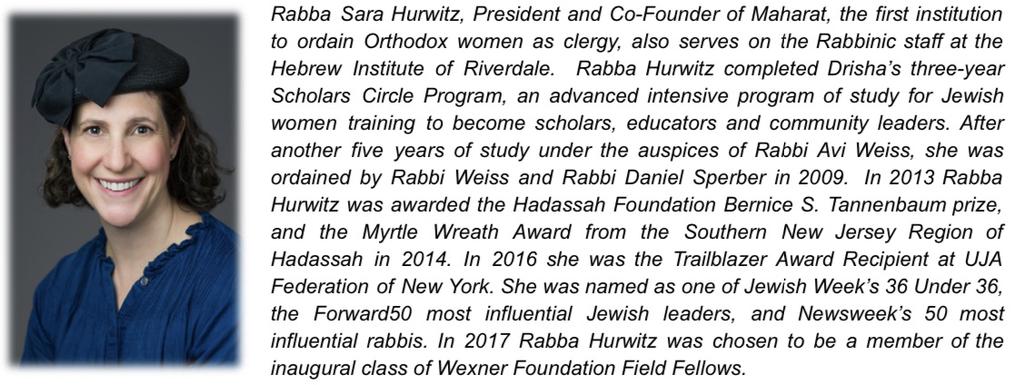
Rabbanit Bracha Jaffe
Class of 2017
The very first words we say when we wake up in the morning are “מודה אני”. We thank G-d for giving us back our souls and allowing us to wake up and experience the world again.
Interestingly, the word for Jews in Hebrew is יהודים (yehudim) which comes from the same root - to thank. We are named for Yehuda, Leah & Yaakov’s fourth child and head of the Jewish royal line. Leah was the first person to publicly thank G-d:
הַפַּ֙עַם֙ אוֹדֶ֣ה אֶת־יקוק עַל־כֵּ֛ן קָרְאָ֥ה שְׁמ֖וֹ יְהוּדָ֑ה
This time I will thank the Lord - therefore she named him Yehuda.
Leah showed thanks and appreciation to G-d for her child in spite of her difficult situation as the less-loved wife of Yaakov.
Why is giving thanks so important?
The Rambam teaches that prayer is composed of three parts: שבח (praise), בקשה (request), הודאה (thanks) . Praise and request are one-directional - from us to G-d. Giving thanks indicates a two-way relationship between us and G-d. We recognize G-d’s handiwork in our world and through prayer we give him thanks.
Our cornerstone prayer – the Amidah - incorporates all three of these components. We recite them in our personal, silent prayer and we listen to the chazzan recite them in the public repetition of the Amidah. Yet when the chazzan reaches the Modim prayer which is about thanks – the congregation says their own Modim prayer! From this we can learn that we cannot send a messenger to give thanks for us – instead we each must say our own thank you.
There is tremendous power in gratitude. Often we find ourselves on the receiving end in a relationship, when another person does something meaningful for us. Help can come in many forms: meals for a new mother, a kind word, giving someone a lift and sometimes just the offer of a listening ear. Receiving help can create a feeling of imbalance in the relationship as we cannot always reciprocate in the exact same manner. But here is what we can do. We can look the other person in the eye and say a true “thank you” from the heart. By giving thanks, we acknowledge and appreciate the other person’s actions. We admit that we needed help - and received it. In that instant, balance is restored.
On Chanukah we add the על הניסים (al hanisim) prayer to the Modim section of the Amidah and to the ברכת המזון (Grace after Meals). We tell the story of the battle of the Maccabees and how G-d delivered our enemy into our hands. At the very end we say the following words:
(ז) וְאַחַר כַּךְ בָּאוּ בָנֶיךָ לִדְבִיר בֵּיתֶךָ. וּפִנּוּ אֶת הֵיכָלֶךָ. וְטִהֲרוּ אֶת מִקְדָּשֶׁךָ. וְהִדְלִיקוּ נֵרוֹת בְּחַצְרוֹת קָדְשֶׁךָ. וְקָבְעוּ שְׁמוֹנַת יְמֵי חֲנֻכָּה אֵלּוּ. לְהוֹדוֹת וּלְהַלֵּל לְשִׁמְךָ הַגָּדוֹל:
Your children then entered the holiest part of Your House, cleansed Your Temple, purified Your Sanctuary, kindled lights in Your holy courts, and designated these eight days of Chanuka to thank and praise Your great name.
Some holidays, such as Purim, are about remembering. Other holidays, like Succot, are about celebrating. Chanukah is about thankfulness. We have eight days to bring light into our lives by acknowledging and being thankful for what we have.