26 Iyyar 5775 | May 15, 2015
Parshat Behar-Bechukotai
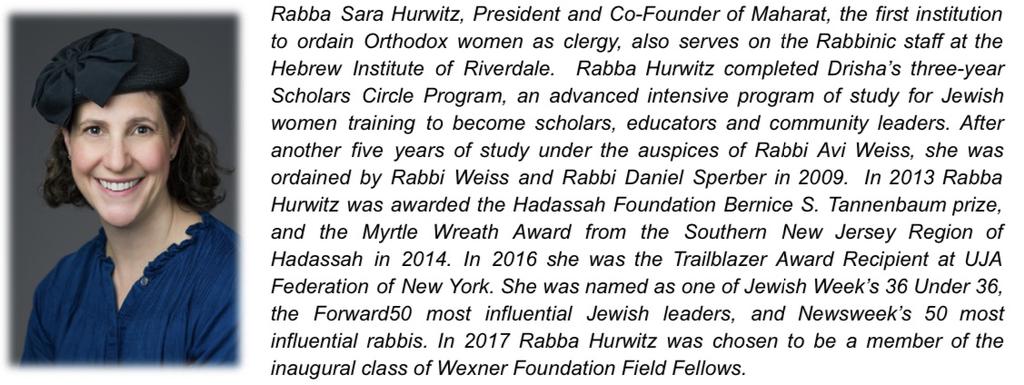
Rabba Sara Hurwitz
President and Co-Founder
The tochecha (rebuke) section in this week’s double parsha is troubling for many.
וְאִם־לֹא תִשְׁמְעוּ לִי...וְלֹֽא־תִתֵּן אַרְצְכֶם אֶת־יְבוּלָהּ…כה וְשִׁלַּחְתִּי דֶבֶר בְּתוֹכֲכֶם וְנִתַּתֶּם בְּיַד־אוֹיֶב.
If you do not listen to me, then not only will you suffer, but, the Torah goes on to explain, your land will not give its produce, pestilence will be sent and you will be delivered into the hand of your enemy.
It is for this reason that the minhag in most shuls is for the ba’al kriyah (Torah reader) to read this section quickly and quietly.
Throughout history, there have always been radical rabbinic figures who take these pasukim literally and have linked tragedy and suffering to communal sin. For example, In 1837, the Chatam Sofer gave a eulogy for the 1000s that had died in a tragic earthquake that devastated Tzefat. His explanation for the deaths: jealousy. At one point, explanations of theodicy, or the attempt to theologize and assign blame for human tragedy, may have brought some comfort and consolation to a world of chaos and disorder—theodicy holds forth the promise of justice and meaning. But today, I believe that most Americans, even in the Orthodox camp, have given up trying to reconcile the existence of evil with Divine power. In a post holocaust era, as Rabbi Yitz Greenberg teaches, linking human suffering to theodicy is almost unbearable: six million could not have perished because they “did not listen to the words of God.”
On the other hand, there is an alternative way to understand these pasukim. The Zohar held that all admonishments are actually blessings, even if on the surface they appear to be curses:
כָּל הַבְטָחוֹת וְנֶחָמוֹת דְּיִשְׂרָאֵל, בְּהַנֵּי קְלָלוֹת כְּתִיבֵי.
(י) פּוֹק וַחֲזֵי, מַלְכָּא דִּרְחֵים לִבְרֵיהּ, וְאַף עַל גַּב דְּלַטְיֵיהּ וְאַלְקְיִיהּ, רְחִימוּ דִמְעוֹי עֲלֵיהּ. כַּד אַחֲזֵי רוּגְזָא תַּקִּיף, כְּדֵין רַחְמָנוּתָא עֲלֵיהּ. כָּךְ קוּדְשָׁא בְּרִיךְ הוּא, אַף עַל גַּב דְּלַיֵּיט, מִלּוֹי בִּרְחִימוּ. אִתְחַזְיָין בְּאִתְגַּלְיָיא לְוָוטִין, וְאִינוּן טַבְוָון סַגִּיאָן, בְּגִין דְּאִלֵּין קְלָלוֹת בִּרְחִימוּ הֲווֹ.
All the promises and consolation of Israel are written in these curses. Consider, when a king loves his son, although he might curse him and beat him, nevertheless he loves him from the bottom of his heart. Thus, even though the Holy One, blessed be He, uttered curses, His words were said lovingly. Outwardly they appear as curses, but they are a great beneficence, since these curses were said lovingly.
Therefore, according to the Hasidic masters, the tochecha verses should not be read quickly and quietly. Rather they are belted out with tremendous emphasis. This view that the curses contain great hidden blessings led to competition in certain communities over the purchase of this aliyah to the Torah.
In Marseilles, in the Saint-Just Synagogue (where they follow the customs of the Jews of Algiers), the president of the synagogue receives the aliyah of the tochecha and is escorted to the reading desk by spirited singing. At the end of the reading the president blesses the congregation and returns to his seat only after having hugged and kissed everyone. His return to his seat is also accompanied by song. After services the president gives a large kiddush for all present.
This philosophy demands us to see the world through a prism of optimism. It requires that individuals not be apathetic to the darkness that envelops our world, but to work towards enhancing its many blessings; to not blindly accept the travails but work to make the world better.
Parshat Bechukotai is read during the omer, when we mourn for the tragic loss of Rabbi Akiva’s 24 thousand students. The classic dogma for explaining their death as described in the Talmud (Yevamot 62b) is that the plague struck because they “did not respect one another.”
The Gemara goes on to explain: "Rabbi Akiva had 12,000 pairs of students...and all of them died in one period of time because they did not conduct themselves with respect towards one another. (ibid.)" They did not want to help each other in their studies. They were so focused on their own needs, so internally focused that they did not notice one another.
On closer look, the Talmud never says that 24,000 students died, but rather 12,000 pairs of students died. Each student learned with and cared for one other. However, the remaining 23,998 students were slighted. The real lesson of this tragedy is not in explaining why the plague came. The emphasis must be on how they could have, but didn’t take responsibility for one another. Instead of asking where was God, rather, one could see disaster and ask, where was man?
The notion of theodicy must be reclaimed and re-explained. Rather than teaching our children about the possible root causes for tragedy, we must emphasize how each of us can respond. We must work towards engendering compassion and responsibility rather than the condescension of those who think they know the mind of God. Bad things happen to good people. Sometimes we can’t do anything about them, and oftentimes they make no sense whatsoever. Then again, sometimes there are things we could have done, and still can do. In all cases, our response should be more compassion, more generosity — and, where possible, more determination to take communal responsibility.