


רַב אַחָא בַּר יַעֲקֹב אָמַר שָׁאנֵי הָכָא דְּאָמַר קְרָא 'וְהִתְנַחַלְתֶּם אֹתָם לִבְנֵיכֶם אַחֲרֵיכֶם' כֹּל שֶׁיֵּשׁ לוֹ נַחֲלָה יֵשׁ לוֹ טוּמְאָה וְכֹל שֶׁאֵין לוֹ נַחֲלָה אֵין לוֹ טוּמְאָה אִי הָכִי עֲבָדִים נָמֵי לָא
Rav Aḥa bar Ya’akov said a different reason why a gentile cannot become a nazirite, despite the fact that the term “man” does include gentiles in the case of valuations. Here, with regard to naziriteship, it is different, as the verse prohibits a nazirite from becoming impure for his father and mother. This prohibition is not relevant for gentiles because the verse states: “And you shall make them an inheritance for your children after you” (Leviticus 25:46): This verse teaches that anyone who has inheritance, i.e., he has the ability to bequeath his slaves to his children, also has the status of a father with regard to impurity, and the verse prohibiting a nazirite from becoming impure to bury his father can be addressing him. But anyone who does not have inheritance does not have the status of a father with regard to impurity.
וְלֹא הֵם קוֹנִים מִכֶּם וְלֹא הֵם קוֹנִים זֶה מִזֶּה יָכוֹל לֹא יִקְנוּ זֶה אֶת זֶה יָכוֹל לֹא יִקְנוּ זֶה אֶת זֶה הָאָמְרַתְּ לֹא הֵם קוֹנִים זֶה מִזֶּה הָכִי קָאָמַר וְלֹא הֵם קוֹנִים זֶה מִזֶּה לְגוּפוֹ
To be able to become a Nazir, one needs to qualify to experience fully all of its restrictions, including the prohibition of becoming impure (eg. attending the funeral) for one's parent.
Why, according to Rav Aḥa bar Ya’akov 's logic, does this disqualify non-Jews from Nazirship?
The Gemara asks: If so, slaves should also not be included in the halakhot of ritual impurity or naziriteship, as they too cannot bequeath slaves to their children. ?
dah.
Now the great Rava is going to offer another reasoning. To understand it, we need to know what valuations (עכרין) are. See Rav Steinsaltz זצל commentary below:
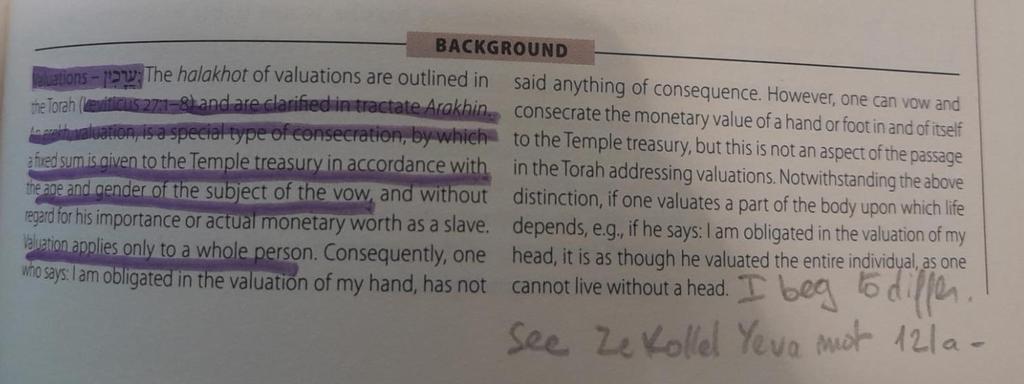
אֶלָּא אָמַר רָבָא בִּשְׁלָמָא גַּבֵּי עֲרָכִין שֶׁנֶּאֱמַר בְּנֵי יִשְׂרָאֵל בְּנֵי יִשְׂרָאֵל מַעֲרִיכִין וְאֵין הַגּוֹיִם מַעֲרִיכִין יָכוֹל לֹא יְהוּ נֶעֱרָכִין תַּלְמוּד לוֹמַר אִישׁ הָכָא בְּנֵי יִשְׂרָאֵל נוֹזְרִין וּמְבִיאִין קׇרְבָּן וְאֵין הַגּוֹיִם נוֹזְרִין וּמְבִיאִין קׇרְבָּן יָכוֹל אַף לֹא יְהוּ נְזִירִין כְּלָל תַּלְמוּד לוֹמַר אִישׁ אָמְרִי אִי מִשּׁוּם קׇרְבָּן לָאו מֵהָכָא נָפְקָא לֵיהּ אֶלָּא מֵהָתָם לְעוֹלָה פְּרָט לִנְזִירוּת דִּבְרֵי רַבִּי יוֹסֵי הַגְּלִילִי אֵימָא בְּנֵי יִשְׂרָאֵל נוֹזְרִין נְזִירוּת עוֹלָם וְאֵין הַגּוֹיִם נוֹזְרִים נְזִירוּת עוֹלָם יָכוֹל לֹא יְהוּ נְזִירִים תַּלְמוּד לוֹמַר אִישׁ
Rather, Rava said a different reason why a gentile cannot become a nazirite. Granted, with regard to valuations, as it is stated: “Speak to the children of Israel” (Leviticus 27:2), one can derive that the children of Israel can take a valuation vow but gentiles cannot take a valuation vow. One might have thought that gentiles cannot be valuated either. Therefore, the verse states: “Man” (Leviticus 27:2), so as to include a gentile in only one aspect of the halakhot of valuations, i.e., that a gentile can be the subject of a valuation.
This does not negate the derivation from “the children of Israel” that gentiles are generally excluded. Rava continues his explanation: However, here, in the case of naziriteship, there is no possibility of interpreting the word “man” to include a gentile in only one aspect of the halakhot of naziriteship. Rava explains: If one would suggest the following derivation: From the phrase “the children of Israel” (Numbers 6:2) derive that the children of Israel can both take a vow of naziriteship and bring the nazirite offering, but gentiles cannot both take a vow of naziriteship and bring the nazirite offering, one might have thought that gentiles cannot be nazirites at all; therefore, the verse states: “Man,” which includes gentiles in one aspect of the halakhot of naziriteship
However, the Sages would say in response to this suggestion: If the phrase “the children of Israel” is written due to the need to exclude a gentile from bringing a nazirite offering, one does not need to derive this halakha from here, and this is because it is already derived from there, as a baraita teaches that the verse: “Any man from the house of Israel, or of the strangers in Israel, who sacrifices his offering, whether it be any of their vows, or any of their gift offerings, which are sacrificed to the Lord as a burnt-offering” (Leviticus 22:18), excludes a gentile from the offering of naziriteship; this is the statement of Rabbi Yosei HaGelili. Therefore, the phrase “the children of Israel” must exclude gentiles from the entire passage of naziriteship, and not just from bringing the offerings. The Gemara asks: But it can still be argued that “the children of Israel” is excluding a gentile from only some aspects of naziriteship, as one can say that this phrase teaches that the children of Israel can take a vow of permanent naziriteship, but gentiles cannot take a vow of permanent naziriteship, and one might have thought that gentiles cannot be nazirites at all. The verse therefore states: “Man,” to teach that they can become nazirites.
What’s the contradiction that Rava is drashing?
According to Rava's reading, can goyim be nazirim?
אָמַר רַבִּי יוֹחָנָן מִי כְּתִיב נְזִיר עוֹלָם
the gmara continues:
Rabbi Yoḥanan said: Is it written: A permanent nazirite? Since the verse does not specify a particular type of naziriteship, it excludes gentiles from all types.
Whats Rabbi Yocchanan’s argument to push back against Rava?
The Gemara offers another suggestion: But it can still be argued that “the children of Israel” is excluding a gentile from only some aspects of naziriteship, as one can say that this phrase teaches that “the children of Israel” can vow that their minor sons be nazirites, but gentiles cannot vow that their minor sons be nazirites; and one might have thought that gentiles cannot be nazirites at all. The verse therefore states: “Man,” to teach that they can become nazirites. The Gemara answers: Didn’t Rabbi Yoḥanan say that the fact that a father can take a vow that his minor son will be a nazirite is a halakha with regard to a nazirite. Since this halakha is not stated in the Torah, it cannot be excluded by a verse.
what type of argument is that?
A different kind of example comes from the rabbis, who discuss a category of laws that are said to originate with Moses at Sinai. Some examples of such laws are:
- The shin on the outside of tefillin worn on the forehead, and the tefillin’s black straps (b. Shabbat 28b),
- The practice of using a willow on Shavuot (t. Sukkah 3:1),
- In the lands of Ammon and Moab, the poor person’s tithe should be taken even on a Sabbatical year (m. Yadayim 4:3).
The difference between the rabbinic version of Mosaic Discourse and that of earlier works like Deuteronomy or Jubilees lies in the fact that the rabbis are not claiming that the words they use or their books are written by Moses. Rather, their assumption is that the tradition was passed down through the ages from Moses to them.
Discourse Tied to Founders
Michel Foucault has characterized Freudian psychoanalysis and Marxist theory as “discourses tied to founders”: discourses whose continuity requires unceasing reference to a founding figure. In such cases, what might be seen as innovations by later theorists in those schools had to be presented and understood as attempts to retrieve “what the founder really thought.” Building on this concept, I have developed my own version of this idea relevant to the phenomenon of attribution to Moses, which I call “Mosaic discourse.”
excerpts from The Ancient Practice of Attributing Texts and Ideas to Moses, by Pr Prof. Hindy Najman.
One might have thought that gentiles cannot be nazirites at all. The verse therefore states: “Man,” to teach that they can become nazirites. The Gemara answers: Wasn’t it stated that Rabbi Yoḥanan said that the halakha that a son may use his father’s nazirite offerings is a halakha (transmitted to Moses at Sinai) with regard to a nazirite? Since this halakha does not appear in the Torah, the verse cannot be coming to exclude it.