


Parsha Balak is where the narrative involving the priest, Pinchas, begins - and that is where we will start this week's study
(א) וַיֵּ֥שֶׁב יִשְׂרָאֵ֖ל בַּשִּׁטִּ֑ים וַיָּ֣חֶל הָעָ֔ם לִזְנ֖וֹת אֶל־בְּנ֥וֹת מוֹאָֽב׃ (ב) וַתִּקְרֶ֣אןָ לָעָ֔ם לְזִבְחֵ֖י אֱלֹהֵיהֶ֑ן וַיֹּ֣אכַל הָעָ֔ם וַיִּֽשְׁתַּחֲו֖וּ לֵאלֹֽהֵיהֶֽן׃ (ג) וַיִּצָּ֥מֶד יִשְׂרָאֵ֖ל לְבַ֣עַל פְּע֑וֹר וַיִּֽחַר־אַ֥ף יְהֹוָ֖ה בְּיִשְׂרָאֵֽל׃ (ד) וַיֹּ֨אמֶר יְהֹוָ֜ה אֶל־מֹשֶׁ֗ה קַ֚ח אֶת־כׇּל־רָאשֵׁ֣י הָעָ֔ם וְהוֹקַ֥ע אוֹתָ֛ם לַיהֹוָ֖ה נֶ֣גֶד הַשָּׁ֑מֶשׁ וְיָשֹׁ֛ב חֲר֥וֹן אַף־יְהֹוָ֖ה מִיִּשְׂרָאֵֽל׃ (ה) וַיֹּ֣אמֶר מֹשֶׁ֔ה אֶל־שֹׁפְטֵ֖י יִשְׂרָאֵ֑ל הִרְגוּ֙ אִ֣ישׁ אֲנָשָׁ֔יו הַנִּצְמָדִ֖ים לְבַ֥עַל פְּעֽוֹר׃ (ו) וְהִנֵּ֡ה אִישׁ֩ מִבְּנֵ֨י יִשְׂרָאֵ֜ל בָּ֗א וַיַּקְרֵ֤ב אֶל־אֶחָיו֙ אֶת־הַמִּדְיָנִ֔ית לְעֵינֵ֣י מֹשֶׁ֔ה וּלְעֵינֵ֖י כׇּל־עֲדַ֣ת בְּנֵי־יִשְׂרָאֵ֑ל וְהֵ֣מָּה בֹכִ֔ים פֶּ֖תַח אֹ֥הֶל מוֹעֵֽד׃ (ז) וַיַּ֗רְא פִּֽינְחָס֙ בֶּן־אֶלְעָזָ֔ר בֶּֽן־אַהֲרֹ֖ן הַכֹּהֵ֑ן וַיָּ֙קׇם֙ מִתּ֣וֹךְ הָֽעֵדָ֔ה וַיִּקַּ֥ח רֹ֖מַח בְּיָדֽוֹ׃ (ח) וַ֠יָּבֹ֠א אַחַ֨ר אִֽישׁ־יִשְׂרָאֵ֜ל אֶל־הַקֻּבָּ֗ה וַיִּדְקֹר֙ אֶת־שְׁנֵיהֶ֔ם אֵ֚ת אִ֣ישׁ יִשְׂרָאֵ֔ל וְאֶת־הָאִשָּׁ֖ה אֶל־קֳבָתָ֑הּ וַתֵּֽעָצַר֙ הַמַּגֵּפָ֔ה מֵעַ֖ל בְּנֵ֥י יִשְׂרָאֵֽל׃ (ט) וַיִּהְי֕וּ הַמֵּתִ֖ים בַּמַּגֵּפָ֑ה אַרְבָּעָ֥ה וְעֶשְׂרִ֖ים אָֽלֶף׃ {פ}
(1) While Israel was dwelling at Shittim, the menfolk profaned themselves by whoring with the Moabite women, (2) who invited the menfolk to the sacrifices for their god. The menfolk partook of them and worshiped that god. (3) Thus Israel attached itself to Baal-peor, and יהוה was incensed with Israel. (4) יהוה said to Moses, “Take all the ringleaders and have them publicly impaled before יהוה, so that יהוה’s wrath may turn away from Israel.” (5) So Moses said to Israel’s officials, “Each of you slay those of his men who attached themselves to Baal-peor.” (6) Just then a certain Israelite man came and brought a Midianite woman over to his companions, in the sight of Moses and of the whole Israelite community who were weeping at the entrance of the Tent of Meeting. (7) When Phinehas, son of Eleazar son of Aaron the priest, saw this, he left the assembly and, taking a spear in his hand, (8) he followed the Israelite man into the chamber and stabbed both of them, the Israelite man and the woman, through the belly. Then the plague against the Israelites was checked. (9) Those who died of the plague numbered twenty-four thousand.
Was Pinchas a murderer or a hero? This is our question.
Let's read the resolution in this week's parsha:
(י) וַיְדַבֵּ֥ר יְהֹוָ֖ה אֶל־מֹשֶׁ֥ה לֵּאמֹֽר׃ (יא) פִּֽינְחָ֨ס בֶּן־אֶלְעָזָ֜ר בֶּן־אַהֲרֹ֣ן הַכֹּהֵ֗ן הֵשִׁ֤יב אֶת־חֲמָתִי֙ מֵעַ֣ל בְּנֵֽי־יִשְׂרָאֵ֔ל בְּקַנְא֥וֹ אֶת־קִנְאָתִ֖י בְּתוֹכָ֑ם וְלֹא־כִלִּ֥יתִי אֶת־בְּנֵֽי־יִשְׂרָאֵ֖ל בְּקִנְאָתִֽי׃ (יב) לָכֵ֖ן אֱמֹ֑ר הִנְנִ֨י נֹתֵ֥ן ל֛וֹ אֶת־בְּרִיתִ֖י שָׁלֽוֹם׃ (יג) וְהָ֤יְתָה לּוֹ֙ וּלְזַרְע֣וֹ אַחֲרָ֔יו בְּרִ֖ית כְּהֻנַּ֣ת עוֹלָ֑ם תַּ֗חַת אֲשֶׁ֤ר קִנֵּא֙ לֵֽאלֹהָ֔יו וַיְכַפֵּ֖ר עַל־בְּנֵ֥י יִשְׂרָאֵֽל׃ (יד) וְשֵׁם֩ אִ֨ישׁ יִשְׂרָאֵ֜ל הַמֻּכֶּ֗ה אֲשֶׁ֤ר הֻכָּה֙ אֶת־הַמִּדְיָנִ֔ית זִמְרִ֖י בֶּן־סָל֑וּא נְשִׂ֥יא בֵֽית־אָ֖ב לַשִּׁמְעֹנִֽי׃ (טו) וְשֵׁ֨ם הָֽאִשָּׁ֧ה הַמֻּכָּ֛ה הַמִּדְיָנִ֖ית כׇּזְבִּ֣י בַת־צ֑וּר רֹ֣אשׁ אֻמּ֥וֹת בֵּֽית־אָ֛ב בְּמִדְיָ֖ן הֽוּא׃ {פ} (טז) וַיְדַבֵּ֥ר יְהֹוָ֖ה אֶל־מֹשֶׁ֥ה לֵּאמֹֽר׃ (יז) צָר֖וֹר אֶת־הַמִּדְיָנִ֑ים וְהִכִּיתֶ֖ם אוֹתָֽם׃ (יח) כִּ֣י צֹרְרִ֥ים הֵם֙ לָכֶ֔ם בְּנִכְלֵיהֶ֛ם אֲשֶׁר־נִכְּל֥וּ לָכֶ֖ם עַל־דְּבַר־פְּע֑וֹר וְעַל־דְּבַ֞ר כׇּזְבִּ֨י בַת־נְשִׂ֤יא מִדְיָן֙ אֲחֹתָ֔ם הַמֻּכָּ֥ה בְיוֹם־הַמַּגֵּפָ֖ה עַל־דְּבַר־פְּעֽוֹר׃
(10) יהוה spoke to Moses, saying, (11) “Phinehas, son of Eleazar son of Aaron the priest, has turned back My wrath from the Israelites by displaying among them his passion for Me, so that I did not wipe out the Israelite people in My passion. (12) Say, therefore, ‘I grant him My covenant of peace. (13) It shall be for him and his descendants after him a pact of priesthood for all time, because he took impassioned action for his God, thus making expiation for the Israelites.’” (14) The name of the Israelite man who was killed, the one who was killed with the Midianite woman, was Zimri son of Salu, chieftain of a Simeonite ancestral house. (15) The name of the Midianite woman who was killed was Cozbi daughter of Zur; he was the tribal head of an ancestral house in Midian. (16) יהוה spoke to Moses, saying, (17) “Assail the Midianites and defeat them— (18) for they assailed you by the trickery they practiced against you—because of the affair of Peor and because of the affair of their kinswoman Cozbi, daughter of the Midianite chieftain, who was killed at the time of the plague on account of Peor.”
Wilda C. Gafney (Womanist Midrash on the Torah, 2017, WJK Press) invites us to broaden our view of what this 'transgressive' community of Moabites and Israelites might have looked like and why it presented as so problematic to Israelite leadership. She also notes the conflation of Moabite women ('the affair of Peor') and the Midianite woman Cozbi bat Zur - these are different peoples yet they are lumped together in our text as 'others'. In her treatment of this narrative Gafney takes the perspective as one among those peoples among whom the Israelites are dwelling, and it is compelling. Her midrash on the Cozbi narrative envisions a wedding, a joining together of the houses of the Israelite Salu and the Midianite Zur (and lest we forget, the Israelite Moses and the Midianite Zipporah had done the same): a public and joyous event murderously interrupted by the zealot Pinchas.
---------------------------------------------------------------------------------------
What are the transgressions noted in this narrative?
Where is Moses during this episode - why is he silent? What is his responsibility?
How can we understand Pinchas' treatment by God after he has murdered two people?
How have the later readings in Tanach treated biblical zealots?
(כד) וַֽ֭יִּמְאֲסוּ בְּאֶ֣רֶץ חֶמְדָּ֑ה לֹא־הֶ֝אֱמִ֗ינוּ לִדְבָרֽוֹ׃ (כה) וַיֵּרָגְנ֥וּ בְאׇהֳלֵיהֶ֑ם לֹ֥א שָׁ֝מְע֗וּ בְּק֣וֹל יְהֹוָֽה׃ (כו) וַיִּשָּׂ֣א יָד֣וֹ לָהֶ֑ם לְהַפִּ֥יל א֝וֹתָ֗ם בַּמִּדְבָּֽר׃ (כז) וּלְהַפִּ֣יל זַ֭רְעָם בַּגּוֹיִ֑ם וּ֝לְזָרוֹתָ֗ם בָּאֲרָצֽוֹת׃ (כח) וַ֭יִּצָּ֣מְדוּ לְבַ֣עַל פְּע֑וֹר וַ֝יֹּאכְל֗וּ זִבְחֵ֥י מֵתִֽים׃ (כט) וַ֭יַּכְעִיסוּ בְּמַ֥עַלְלֵיהֶ֑ם וַתִּפְרׇץ־בָּ֝֗ם מַגֵּפָֽה׃ (ל) וַיַּעֲמֹ֣ד פִּֽ֭ינְחָס וַיְפַלֵּ֑ל וַ֝תֵּעָצַ֗ר הַמַּגֵּפָֽה׃ (לא) וַתֵּחָ֣שֶׁב ל֭וֹ לִצְדָקָ֑ה לְדֹ֥ר וָ֝דֹ֗ר עַד־עוֹלָֽם׃
(24) They rejected the desirable land, and put no faith in His promise. (25) They grumbled in their tents and disobeyed the LORD. (26) So He raised His hand in oath to make them fall in the wilderness, (27) to disperse their offspring among the nations and scatter them through the lands. (28) They attached themselves to Baal Peor, ate sacrifices offered to the dead. (29) They provoked anger by their deeds, and a plague broke out among them. (30) Phinehas stepped forth and intervened, and the plague ceased. (31) It was reckoned to his merit for all generations, to eternity.
...stepped forth and intervened (JPS)
...stood and prayed (Robert Alter)
...stood up to carry out judgement (Steinsaltz/Koren)
---------------------------------------------------------------
From Akeidat Yitzchak 83:1:6, written by the Spanish rabbi Isaac ben Moses Arama (c. 1420 - 1494):
From the text it is clear that those who had been guilty only by association had survived [the killings that God had ordained did not come to pass]. Pinchas succeeded in restoring the unity of the people and the unity between the people, its Torah and its G'd. The fact that we do not find the instruction to hang all the leaders of the people as having been carried out, shows the effect of Pinchas' deed. Maimonides points out that had the hangings indeed taken place, the Torah would have had to confirm this by such statements as "they did so," or something along those lines.
-------------------------------------------------------------------------------
From this week's Haftarah, I Kings 18:46-19:21:
The prophet Elijah and four hundred and fifty prophets of Ba'al agree to pit their respective Gods against each other in a competition at Mount Carmel. Elijah wins the day and, not content with the impressive victory, goes on to slay all of Ba'al's prophets. We find him fleeing the wrath of Queen Jezebel.
(ג) וַיַּ֗רְא וַיָּ֙קׇם֙ וַיֵּ֣לֶךְ אֶל־נַפְשׁ֔וֹ וַיָּבֹ֕א בְּאֵ֥ר שֶׁ֖בַע אֲשֶׁ֣ר לִיהוּדָ֑ה וַיַּנַּ֥ח אֶֽת־נַעֲר֖וֹ שָֽׁם׃ (ד) וְהֽוּא־הָלַ֤ךְ בַּמִּדְבָּר֙ דֶּ֣רֶךְ י֔וֹם וַיָּבֹ֕א וַיֵּ֕שֶׁב תַּ֖חַת רֹ֣תֶם (אחת) [אֶחָ֑ד] וַיִּשְׁאַ֤ל אֶת־נַפְשׁוֹ֙ לָמ֔וּת וַיֹּ֣אמֶר ׀ רַ֗ב עַתָּ֤ה יְהֹוָה֙ קַ֣ח נַפְשִׁ֔י כִּֽי־לֹא־ט֥וֹב אָנֹכִ֖י מֵאֲבֹתָֽי׃ (ה) וַיִּשְׁכַּב֙ וַיִּישַׁ֔ן תַּ֖חַת רֹ֣תֶם אֶחָ֑ד וְהִנֵּה־זֶ֤ה מַלְאָךְ֙ נֹגֵ֣עַ בּ֔וֹ וַיֹּ֥אמֶר ל֖וֹ ק֥וּם אֱכֽוֹל׃ (ו) וַיַּבֵּ֕ט וְהִנֵּ֧ה מְרַאֲשֹׁתָ֛יו עֻגַ֥ת רְצָפִ֖ים וְצַפַּ֣חַת מָ֑יִם וַיֹּ֣אכַל וַיֵּ֔שְׁתְּ וַיָּ֖שׇׁב וַיִּשְׁכָּֽב׃ (ז) וַיָּ֩שׇׁב֩ מַלְאַ֨ךְ יְהֹוָ֤ה ׀ שֵׁנִית֙ וַיִּגַּע־בּ֔וֹ וַיֹּ֖אמֶר ק֣וּם אֱכֹ֑ל כִּ֛י רַ֥ב מִמְּךָ֖ הַדָּֽרֶךְ׃ (ח) וַיָּ֖קׇם וַיֹּ֣אכַל וַיִּשְׁתֶּ֑ה וַיֵּ֜לֶךְ בְּכֹ֣חַ ׀ הָאֲכִילָ֣ה הַהִ֗יא אַרְבָּעִ֥ים יוֹם֙ וְאַרְבָּעִ֣ים לַ֔יְלָה עַ֛ד הַ֥ר הָאֱלֹהִ֖ים חֹרֵֽב׃ (ט) וַיָּבֹא־שָׁ֥ם אֶל־הַמְּעָרָ֖ה וַיָּ֣לֶן שָׁ֑ם וְהִנֵּ֤ה דְבַר־יְהֹוָה֙ אֵלָ֔יו וַיֹּ֣אמֶר ל֔וֹ מַה־לְּךָ֥ פֹ֖ה אֵלִיָּֽהוּ׃ (י) וַיֹּ֩אמֶר֩ קַנֹּ֨א קִנֵּ֜אתִי לַיהֹוָ֣ה ׀ אֱלֹהֵ֣י צְבָא֗וֹת כִּֽי־עָזְב֤וּ בְרִֽיתְךָ֙ בְּנֵ֣י יִשְׂרָאֵ֔ל אֶת־מִזְבְּחֹתֶ֣יךָ הָרָ֔סוּ וְאֶת־נְבִיאֶ֖יךָ הָרְג֣וּ בֶחָ֑רֶב וָאִוָּתֵ֤ר אֲנִי֙ לְבַדִּ֔י וַיְבַקְשׁ֥וּ אֶת־נַפְשִׁ֖י לְקַחְתָּֽהּ׃ (יא) וַיֹּ֗אמֶר צֵ֣א וְעָמַדְתָּ֣ בָהָר֮ לִפְנֵ֣י יְהֹוָה֒ וְהִנֵּ֧ה יְהֹוָ֣ה עֹבֵ֗ר וְר֣וּחַ גְּדוֹלָ֡ה וְחָזָ֞ק מְפָרֵק֩ הָרִ֨ים וּמְשַׁבֵּ֤ר סְלָעִים֙ לִפְנֵ֣י יְהֹוָ֔ה לֹ֥א בָר֖וּחַ יְהֹוָ֑ה וְאַחַ֤ר הָר֙וּחַ֙ רַ֔עַשׁ לֹ֥א בָרַ֖עַשׁ יְהֹוָֽה׃ (יב) וְאַחַ֤ר הָרַ֙עַשׁ֙ אֵ֔שׁ לֹ֥א בָאֵ֖שׁ יְהֹוָ֑ה וְאַחַ֣ר הָאֵ֔שׁ ק֖וֹל דְּמָמָ֥ה דַקָּֽה׃ (יג) וַיְהִ֣י ׀ כִּשְׁמֹ֣עַ אֵלִיָּ֗הוּ וַיָּ֤לֶט פָּנָיו֙ בְּאַדַּרְתּ֔וֹ וַיֵּצֵ֕א וַֽיַּעֲמֹ֖ד פֶּ֣תַח הַמְּעָרָ֑ה וְהִנֵּ֤ה אֵלָיו֙ ק֔וֹל וַיֹּ֕אמֶר מַה־לְּךָ֥ פֹ֖ה אֵֽלִיָּֽהוּ׃ (יד) וַיֹּ֩אמֶר֩ קַנֹּ֨א קִנֵּ֜אתִי לַיהֹוָ֣ה ׀ אֱלֹהֵ֣י צְבָא֗וֹת כִּֽי־עָזְב֤וּ בְרִֽיתְךָ֙ בְּנֵ֣י יִשְׂרָאֵ֔ל אֶת־מִזְבְּחֹתֶ֣יךָ הָרָ֔סוּ וְאֶת־נְבִיאֶ֖יךָ הָרְג֣וּ בֶחָ֑רֶב וָאִוָּתֵ֤ר אֲנִי֙ לְבַדִּ֔י וַיְבַקְשׁ֥וּ אֶת־נַפְשִׁ֖י לְקַחְתָּֽהּ׃ {ס} (טו) וַיֹּ֤אמֶר יְהֹוָה֙ אֵלָ֔יו לֵ֛ךְ שׁ֥וּב לְדַרְכְּךָ֖ מִדְבַּ֣רָה דַמָּ֑שֶׂק וּבָ֗אתָ וּמָשַׁחְתָּ֧ אֶת־חֲזָאֵ֛ל לְמֶ֖לֶךְ עַל־אֲרָֽם׃ (טז) וְאֵת֙ יֵה֣וּא בֶן־נִמְשִׁ֔י תִּמְשַׁ֥ח לְמֶ֖לֶךְ עַל־יִשְׂרָאֵ֑ל וְאֶת־אֱלִישָׁ֤ע בֶּן־שָׁפָט֙ מֵאָבֵ֣ל מְחוֹלָ֔ה תִּמְשַׁ֥ח לְנָבִ֖יא תַּחְתֶּֽיךָ׃
(3) Frightened, he fled at once for his life. He came to Beer-sheba, which is in Judah, and left his servant there; (4) he himself went a day’s journey into the wilderness. He came to a broom bush and sat down under it, and prayed that he might die. “Enough!” he cried. “Now, O LORD, take my life, for I am no better than my fathers.” (5) He lay down and fell asleep under a broom bush. Suddenly an angel touched him and said to him, “Arise and eat.” (6) He looked about; and there, beside his head, was a cake baked on hot stones and a jar of water! He ate and drank, and lay down again. (7) The angel of the LORD came a second time and touched him and said, “Arise and eat, or the journey will be too much for you.” (8) He arose and ate and drank; and with the strength from that meal he walked forty days and forty nights as far as the mountain of God at Horeb. (9) There he went into a cave, and there he spent the night. Then the word of the LORD came to him. He said to him, “Why are you here, Elijah?” (10) He replied, “I am moved by zeal for the LORD, the God of Hosts, for the Israelites have forsaken Your covenant, torn down Your altars, and put Your prophets to the sword. I alone am left, and they are out to take my life.” (11) “Come out,” He called, “and stand on the mountain before the LORD.” And lo, the LORD passed by. There was a great and mighty wind, splitting mountains and shattering rocks by the power of the LORD; but the LORD was not in the wind. After the wind—an earthquake; but the LORD was not in the earthquake. (12) After the earthquake—fire; but the LORD was not in the fire. And after the fire—a soft murmuring sound. (13) When Elijah heard it, he wrapped his mantle about his face and went out and stood at the entrance of the cave. Then a voice addressed him: “Why are you here, Elijah?” (14) He answered, “I am moved by zeal for the LORD, the God of Hosts; for the Israelites have forsaken Your covenant, torn down Your altars, and have put Your prophets to the sword. I alone am left, and they are out to take my life.” (15) The LORD said to him, “Go back by the way you came, [and] on to the wilderness of Damascus. When you get there, anoint Hazael as king of Aram. (16) Also anoint Jehu son of Nimshi as king of Israel, and anoint Elisha son of Shaphat of Abel-meholah to succeed you as prophet.
'a still, small voice'
'a minute stillness' (Alter)
Haftarot generally serve to amplify the message of the parsha. Does this Haftarah portion have that impact or does it counter the story of Pinchas? How does it either double-down on the Torah narrative or counter it?
.
.
From Akeidat Yitzchak 83:1:6, written by the Spanish rabbi Isaac ben Moses Arama (c. 1420 - 1494):
Elijah's repeated statement to G'd "I have been motivated by jealousy on Your behalf," when G'd had asked him what he was doing at Mount Chorev, only elicited the reply from G'd "go up to the Mountain." There he would learn that the spirit of G'd was not to be found in a variety of excesses of nature, but rather in the kol demamah dakkah, the almost inaudibly soft voice that superseded all the terrifying spectacles of nature run amok. The lesson was that the practice of kanna-ut, jealousy, i.e. making it a way of life, did not represent the spirit of the Torah. Not the spirit that moves man, not the fire, the enthusiasm that burns within him, but the yishuv hada-at, the calm considered approach, will have lastingly beneficial effect. When Elijah, apparently, had failed to absorb the lesson by repeating the statement that all his sincere kanna-ut notwithstanding, he had wound up an outcast at Mount Sinai, persecuted, unappreciated, G'd tells him that his work henceforth would have to be carried on by others, such as Chazael, Yehu, and Elisha.
.
.
Now we look at the Talmudic era: 200 CE - 500 CE. What do the Talmudic sages think of Pinchas' actions?
א"ר חסדא הבא לימלך אין מורין לו איתמר נמי אמר רבה בר בר חנה א"ר יוחנן הבא לימלך אין מורין לו ולא עוד אלא שאם פירש זמרי והרגו פנחס נהרג עליו נהפך זמרי והרגו לפנחס אין נהרג עליו שהרי רודף הוא
Rav Ḥisda says: Concerning one who comes to consult with the court when he sees a Jewish man engaging in intercourse with a gentile woman, the court does not instruct him that it is permitted to kill the transgressor. It was also stated that Rabba bar bar Ḥana says that Rabbi Yoḥanan says: Concerning one who comes to consult with the court, the court does not instruct him that it is permitted to kill the Jewish man engaging in intercourse with a gentile woman. Moreover, if Zimri son of Salu (see Numbers 25:1–9) had separated himself from the woman and only then Pinehas killed him, Pinehas would have been executed for killing him, because it is permitted for zealots to kill only while the transgressor is engaged in the act of intercourse. Furthermore, if Zimri would have turned and killed Pinehas in self-defense, he would not have been executed for killing him, as Pinehas was a pursuer. One is allowed to kill a pursuer in self-defense, provided that the pursued is not liable to be executed by the court.
In other words, Pinchas got away with this by the skin of his teeth - only the EXACT circumstances as recounted in our parsha allowed him to do this deed.
And what is his reward?
(יב) לָכֵ֖ן אֱמֹ֑ר הִנְנִ֨י נֹתֵ֥ן ל֛וֹ אֶת־בְּרִיתִ֖י שָׁלֽוֹם׃
(12) Say, therefore, ‘I grant him My covenant of peace.
What is a covenant of peace?
Babylonian Talmud, Kiddushin 66b:
אָמַר רַב יְהוּדָה אָמַר שְׁמוּאֵל דְּאָמַר קְרָא לָכֵן אֱמֹר הִנְנִי נֹתֵן לוֹ אֶת בְּרִיתִי שָׁלוֹם כְּשֶׁהוּא שָׁלֵם וְלֹא כְּשֶׁהוּא חָסֵר וְהָא שָׁלוֹם כְּתִיב אָמַר רַב נַחְמָן וָיו דְּשָׁלוֹם קְטִיעָה הִיא
Rav Yehuda says that Shmuel says: As the verse states with regard to Pinehas: “Wherefore say: Behold, I give to him My covenant of peace [shalom]” (Numbers 25:12), which means that he receives the covenant when he is whole [shalem], but not when he is blemished and lacking a limb. The Gemara comments: But shalom is written, rather than shalem. Rav Naḥman says: The letter vav in the word shalom is severed.
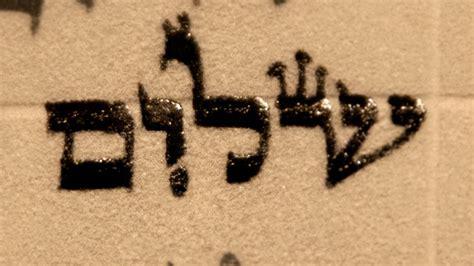
Rabbi Arik Ascherman:
[...] However, there is another way to read this idea of the broken vav. Maybe God is saying, “Pinkhas misunderstood me. Yes, I was enraged , and wanted the idolatry stopped. But, not in the way he did so. His was a broken act. It was neither whole, nor a true act of peace. As I will teach Pinkhas’ reincarnation, Elijah the Prophet, I am not to be found in violence or in raging fire or rock shattering winds of earthquakes, but in the Still Small Voice. Seeing that my words were so misunderstood, I turned back my wrath. And, so that Pinkhas can be a priest, I will give him the peace and the wholeness he now lacks.” He and his descendents will be able to be priests, recognizing that he acted because he was jealous for me. Despite his act, I will grant him the wholeness and peace that will make him able to fulfill his priestly functions, and make atonement for the Israelites.
[...] Torah and the midrash are filled with incidents where God has regrets, and sometimes even learns from human beings.
[...] If it is unacceptable to allow the broken vav to teach us that God regretted words that were misunderstood or was capable of being misunderstood, and totally abandoning the plain meaning of the text, let the broken vav at least remind us that our leaders and opinions do not have God’s wholeness. Our potential vigilantes do not have the wholeness our tradition attributes to Pinkhas. The broken vav should teach us that our leaders must avoid all words that can be interpreted as an encouragement of vigilantism. We too must find God in the Still Small Voice.
----------------------------------------------------------------------------------
Rabbi Sylvia Rothschild:
[One way of understanding the Pinchas narrative] recognises that fanatics are always likely to appear and some strategy needs to be devised to control them. Gods answer is to put Pinchas as a priest in charge of the sacrificial cult for all eternity. His fanaticism is to be dedicated to all the details of animal sacrifice. He must oversee the inspection of every single animal that was slaughtered, looking for faults or physical blemishes that would mean it could not be used. He would have to ensure that the slaughter was done properly; the appropriate parts of the animal were offered or discarded. Then he would have to be certain that all the accompanying rituals were performed with meticulous care and attention to ever detail. How better to channel such energy and zeal into a relatively harmless activity. Someone with exactly the right qualities would now be in charge of the cult. God’s anger need never break out again because of mistakes made during sacrifices. For Pinchas it must have seemed like a divine gift for himself, and his descendants. Others may have been relieved that he was effectively prevented from mixing in more sensitive matters.
---------------------------------------------------------------------------------
Rabbi Jonathan Sacks writes:
Was Pinchas a hero or a murderer? On the one hand, he saved countless lives: no more people died because of the plague. On the other hand, he could not have been certain of that in advance. To any onlooker, he might have seemed simply a man of violence, caught up in the lawlessness of the moment. The parsha of Balak ends with this terrible ambiguity unresolved. Only in our parsha [Pinchas] do we hear the answer.
[...] God declared Pinchas a hero. He had saved the Israelites from destruction, showed the zeal that counterbalanced the people’s faithlessness, and as a reward, God made a personal covenant with him. Pinchas did a good deed.Halachah [later writings], however, dramatically circumscribes his act in multiple ways. [As we have seen] This is one of the rare cases where we say Halachah ve-ein morin kein: “It is the law, but we do not make it known.” And there are many other conditions and reservations. The Torah resolves the ambiguity but halachah reinstates it.
[...] Were we in Pinchas’ position, asking, “Should I kill Zimri and Cozbi?” the moral answer is an unequivocal ‘No’. They may deserve to die; the whole nation may be eyewitnesses to their sin; but you cannot execute a death sentence without a duly constituted court of law, a trial, evidence and a judicial verdict.
[...] But Pinchas was not acting on moral principle. He was making a political decision. There were thousands dying. The political leader, Moses, was in a highly compromised position. How could he condemn others for consorting with Midianite women when he himself had a Midianite wife? Pinchas saw that there was no one leading. The danger was immense. God’s anger, already intense, was about to explode. So he acted – not on moral principle but on political calculation, relying not on halachah but on what would later be known as mishpat melech. Better take two lives immediately, that would have been eventually sentenced to death by the court, to save thousands now. And he was right, as God later made clear.
--------------------------------------------------------------------------------------------