


(ו) חֲמִשָּׁה דְבָרִים אֵרְעוּ אֶת אֲבוֹתֵינוּ בְּשִׁבְעָה עָשָׂר בְּתַמּוּז וַחֲמִשָּׁה בְּתִשְׁעָה בְאָב. בְּשִׁבְעָה עָשָׂר בְּתַמּוּז נִשְׁתַּבְּרוּ הַלּוּחוֹת, וּבָטַל הַתָּמִיד, וְהֻבְקְעָה הָעִיר, וְשָׂרַף אַפּוֹסְטֹמוֹס אֶת הַתּוֹרָה, וְהֶעֱמִיד צֶלֶם בַּהֵיכָל. בְּתִשְׁעָה בְאָב נִגְזַר עַל אֲבוֹתֵינוּ שֶׁלֹּא יִכָּנְסוּ לָאָרֶץ, וְחָרַב הַבַּיִת בָּרִאשׁוֹנָה וּבַשְּׁנִיָּה, וְנִלְכְּדָה בֵיתָר, וְנֶחְרְשָׁה הָעִיר. מִשֶּׁנִּכְנַס אָב, מְמַעֲטִין בְּשִׂמְחָה:
(6) The mishna discusses the five major communal fast days. Five calamitous matters occurred to our forefathers on the seventeenth of Tammuz, and five other disasters happened on the Ninth of Av. On the seventeenth of Tammuz the tablets were broken by Moses when he saw that the Jews had made the golden calf; the daily offering was nullified by the Roman authorities and was never sacrificed again; the city walls of Jerusalem were breached; the general Apostemos publicly burned a Torah scroll; and Manasseh placed an idol in the Sanctuary. On the Ninth of Av it was decreed upon our ancestors that they would all die in the wilderness and not enter Eretz Yisrael; and the Temple was destroyed the first time, in the days of Nebuchadnezzar, and the second time, by the Romans; and Beitar was captured; and the city of Jerusalem was plowed, as a sign that it would never be rebuilt. Not only does one fast on the Ninth of Av, but from when the month of Av begins, one decreases acts of rejoicing.
(ג) ג. ואנשי יוחנן המגִנים על הבירה (אנטוניה) הכינו להם משׂגב לעתיד, לכשתִּבָּקע חומת המצודה, וגם נִסו להגיח אל הסוללות בטרם יספיקו הרומאים להציג עליהן את הכרים, אולם הפעם לא הצליחו במזמתם. כי בצאתם עם הלפידים, לא הספיקו לגשת אל הסוללות ופנו עֹרף. הסבה הראשונה לדבר היתה, כי לא עשו את הדבר בלב אחד ובהשכל ובדעת, ולא יצאו חוצץ כּלם, כי־אם בגדודים [קטנים], וגם אלה התפרדו ונזהרו [יותר מן המדה] ויראו לנפשם. סוף דבר: הם עשו את מעשיהם שלא כדרך היהודים. כי לא נִכּרו בהם הפעם מעלות לוחמי עם־יהודה, עֹז הנפש וקנאת־הקרָב, שטף המרוצה בהמון צפוף ושיבה מהירה בטרם תבוא רעה. ובצאתם על אויביהם בלא רוח נכונה כדרכם תמיד, מצאו את הרומאים חזקים מבתחלה, כי סוככו בבשרם ובכלי־נשקם על הסוללות בכל מקום, עד אשר לא מצאו להם היהודים נתיב להבקיע שמה ולהצית שם אש — וגם כל אחד מן הרומאים היה מוכן לבלתי עזוב את המערכה עד צאת נפשו. כי ידעו אנשי־הצבא, אשר כל תקוותיהם תאבדנה, אם תִּשָׂרף גם המלאכה הזאת באש, ומלבד זאת בושו מאד לנפשם, פן תכריע ערמת היהודים את גבורתם הם, ורוח היהודים הנואשה — את תֹּקף נשקם, וההמון הרב יתגבר על למודי־המלחמה — ויד היהודים תהיה בעֹרף הרומאים. גם כלי־הקלע היו לעזרה לרומאים, כי ירו ביהודים הקמים אליהם, וכאשר נפל בהם הנופל, היה למכשול לכל המעפילים לעלות אחריו, ואימת המות שברה את רוחם, ולא נועזו ללכת הלאה. והיהודים, אשר הגיעו במרוצתם אל האויב קרוב ממטחוי־קשת, נבהלו למראה שונאיהם, העומדים צפופים במערכות מלחמה, ולא ערבו את לבם להלחם בהם פנים בפנים, והנשארים נרתעו מפני החניתות הרבות [אשר לאויביהם] ונסוגו אחור במרוצה. לאחרונה שבו כלם במפח־נפש אל החומה, וכל איש חרף את רעהו על מרך־לבו. המלחמה הזאת היתה בראש־חֹדש פַּנֵּמוֹס (תמוז). וכאשר נסוגו היהודים אחור, הקריבו הרומאים את כלי־הרעש, והיהודים המטירו עליהם מראש המצודה (אנטוניה) אבנים ואש לוהט וכל מיני קלע, אשר השיגה ידם בעת דחקם. אף כי הרבו היהודים לבטוח במעוז חומתם ובזו לכלי־המשחית, בכל־זאת נִסו להניא את הרומאים מגשת אליהם. והרומאים האמינו, כי היהודים חוגרים את כֹּחם לבלי תת לכרים לנגח את הבירה, יען כי חומתה היא דלה ורפה, והיו בטוחים, כי התמוטטו אשיותיה, ועל־כן התמכרו להלחם ביתרון־אונים. אמנם החומה לא הזדעזעה תחת מכת הכרים, אולם הרומאים לא נבהלו מפני היהודים היורים עליהם, ולא שמו לב לפגעים המוכנים להם מידי העומדים בראש החומה, והוסיפו לנגח את המצודה בחֹזק־יד. וכאשר כשל כּחם בעבודה הזאת, והאבנים השלוחות אליהם מכל־עבר הפיצו את שורותיהם, באו אנשי־צבא אחרים וסוככו על בשרם במגִניהם וחתרו בידיהם ובדרבנותיהם תחת יסודות המצודה, ואחרי עמל רב עלה בידם להוציא משם ארבע אבנים. הלילה בא והפסיק את המלחמה ובלילה ההוא נבקע חלק החומה, אשר הרעישו אותו הרומאים באילי־הברזל, ונהרס פתאם במקום, אשר חתר בו יוחנן לפנים בהתנקשו לסוללות הרומאים, כי נפלה המנהרה תחתיה.
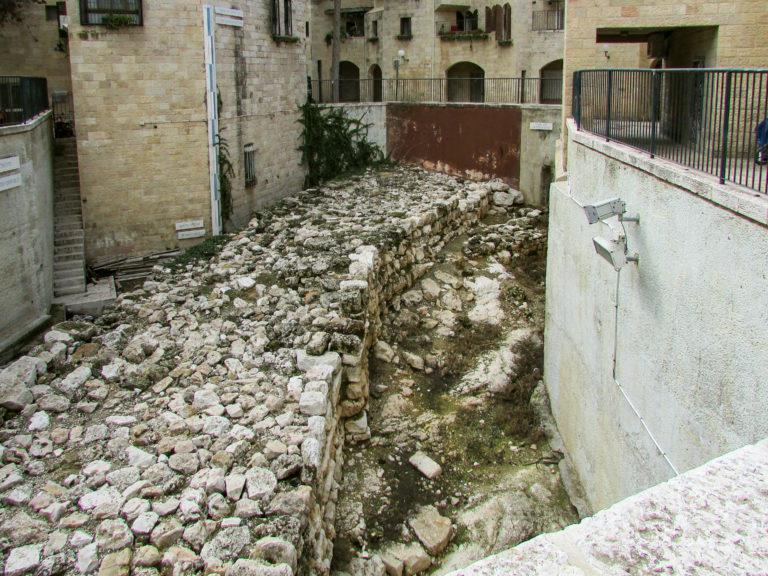
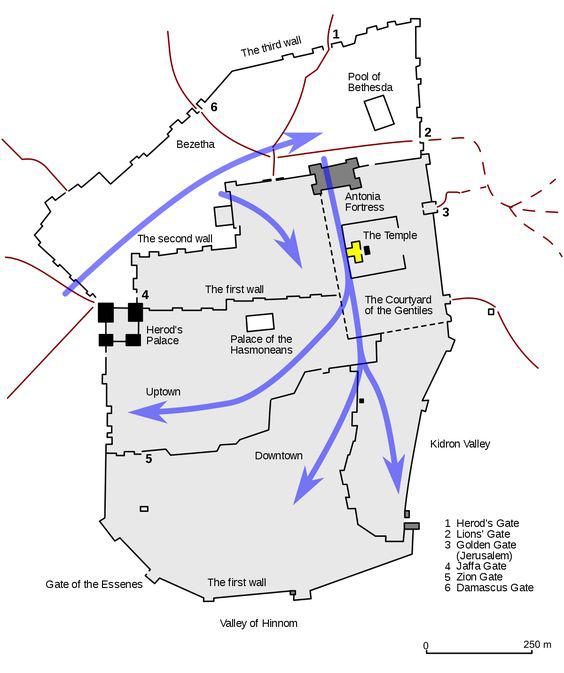
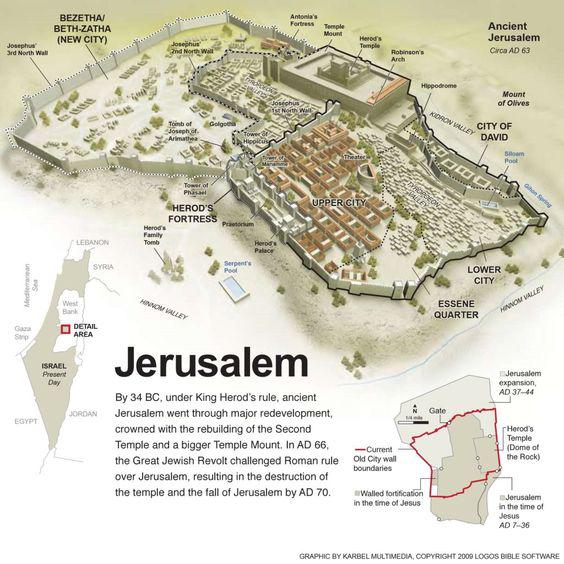
(3) 3. But now John and his party took care for securing themselves afterward, even in case this wall should be thrown down, and fell to their work before the battering rams were brought against them. Yet did they not compass what they endeavored to do, but as they were gone out with their torches, they came back under great discouragement before they came near to the banks; and the reasons were these: that, in the first place, their conduct did not seem to be unanimous, but they went out in distinct parties, and at distinct intervals, and after a slow manner, and timorously, and, to say all in a word, without a Jewish courage; for they were now defective in what is peculiar to our nation, that is, in boldness, in violence of assault, and in running upon the enemy all together, and in persevering in what they go about, though they do not at first succeed in it; but they now went out in a more languid manner than usual, and at the same time found the Romans set in array, and more courageous than ordinary, and that they guarded their banks both with their bodies and their entire armor, and this to such a degree on all sides, that they left no room for the fire to get among them, and that every one of their souls was in such good courage, that they would sooner die than desert their ranks; for besides their notion that all their hopes were cut off, in case these their works were once burnt, the soldiers were greatly ashamed that subtlety should quite be too hard for courage, madness for armor, multitude for skill, and Jews for Romans. The Romans had now also another advantage, in that their engines for sieges co-operated with them in throwing darts and stones as far as the Jews, when they were coming out of the city; whereby the man that fell became an impediment to him that was next to him, as did the danger of going farther make them less zealous in their attempts; and for those that had run under the darts, some of them were terrified by the good order and closeness of the enemies' ranks before they came to a close fight, and others were pricked with their spears, and turned back again; at length they reproached one another for their cowardice, and retired without doing any thing. This attack was made upon the first day of the month Panemus [Tamuz.] So when the Jews were retreated, the Romans brought their engines, although they had all the while stones thrown at them from the tower of Antonia, and were assaulted by fire and sword, and by all sorts of darts, which necessity afforded the Jews to make use of; for although these had great dependence on their own wall, and a contempt of the Roman engines, yet did they endeavor to hinder the Romans from bringing them. Now these Romans struggled hard, on the contrary, to bring them, as deeming that this zeal of the Jews was in order to avoid any impression to be made on the tower of Antonia, because its wall was but weak, and its foundations rotten. However, that tower did not yield to the blows given it from the engines; yet did the Romans bear the impressions made by the enemies' darts which were perpetually cast at them, and did not give way to any of those dangers that came upon them from above, and so they brought their engines to bear. But then, as they were beneath the other, and were sadly wounded by the stones thrown down upon them, some of them threw their shields over their bodies, and partly with their hands, and partly with their bodies, and partly with crows, they undermined its foundations, and with great pains they removed four of its stones. Then night came upon both sides, and put an end to this struggle for the present; however, that night the wall was so shaken by the battering rams in that place where John had used his stratagem before, and had undermined their banks, that the ground then gave way, and the wall fell down suddenly.
(א) טיטוס צוה להרוס את הבירה, ושלח את יוסף לדבר עוד הפעם אל המורדים דברי־מוסר.
א. וטיטוס צוה על אנשי־הצבא אשר עמו להרוס את יסודות הבירה ולפתוח מבוא רחב ונוח לכל חילו. והוא שלח לקרֹא ליוסף, כי שמע אשר ביום ההוא, הוא יום שבעה־עשר לחדש פַּנֵּמוֹס (תמוז), שבת קרבן־האלהים, הנקרא בשם קרבן־התמיד, מחֹסר אנשים [הראוים להקריבו כהלכה] והעם התעצב על זה מאד. הוא צוה את יוסף לדבּר אל יוחנן עוד הפעם כדברים הראשונים לאמר: ״אם תקף עליך יצרך הרע לעשות מלחמה, הלא יש לאל־ידך לצאת עם כל הרוצים להלחם, מבלי להחריב את העיר ואת ההיכל עמך יחד, ולא תטמא את המקדש ולא תנאץ את האלהים; והרשות נתונה לך לחַדש את עבודת הזבחים הנפסקת בידי אנשים, אשר תבחר מקרב היהודים כטוב בעיניך״. ויוסף בחר לו מקום, אשר משם יִשָּׁמע קולו לא באזני יוחנן בלבד, כי־אם גם באזני יתר היהודים, וקרא עברית את הדברים, אשר שָׂם הקיסר בפיו, ועוד הרבה תחנונים לרחם על עיר־האבות ולהפיץ את האש, אשר כבר לחכה את ההיכל, ולהקריב לאלהים את הזבחים. העם נכלם מדברי יוסף והחריש. והעָריץ הִרבּה לחרף ולקלל את יוסף, ולאחרונה הוסיף, כי אינו ירא פן תפול העיר, אשר היא נחלת אלהים. ויוסף ענהו קול גדול, לאמר: ״אמן ואמן! הן אתה שקרת על טהרת העיר הזאת למען אלהים, ובית־המקדש לא נטמא בידיך, ולא חטאת לאשר אתה מקוה לעזרתו הפעם. והוא מקבל את לחם־אִשו כחֹק. הוי, כבד־עון, הן אם יגזול ממך איש את לחם־חָקך, חשוב תחשבהו לאויב לך, ואתה קובע את האלהים ועושק את קרבנות־ניחוחיו מימי עולם — ועודך נושא את נפשך אליו, כי יהיה לך לעזר במלחמה? ואיך תאמר לשית חטאת (חטאתך אתה) על הרומאים, אשר הם מכבדים את דתנו עד היום הזה ומחזקים [את דבריהם עליך] להקריב לאלהים את הזבחים, אשר השביתו ידיך? ומי לא יאָנח ולא יתאבּל על התמורות המוזרות שהיו בעיר, בראותו את הנכרים והשונאים מבקשים לכפר על פשעיך, ואתה, איש [יהודי מבטן ומלדה], אתה, אשר גדלת על חֻקי התורה בועט בחקים האלה, יותר מכל בני־הנכר, אולם גם לך, יוחנן, לא יהיה הדבר לחרפה, אם תשוב ממעשיך הרעים לעת אשר קרב הקץ. הואילה להציל את העיר! ויהיה לך יכניה מלך יהודה למופת נאה: הן כאשר עלה עליו מלך בבל למלחמה, מהר לצאת אליו בטרם תפול העיר בידי אויביו, ובחר ללכת בשביה יחד עם בני־ביתו, כי לא רצה לתת את המקומות הקדושים האלה בידי השונא ולראות את בית־האלהים בוער באש ועל־כן נשאר שמו לברכה בדברי־הקֹדש בפי כל היהודים וזכרו לא ימוש כל ימות עולם וכבודו יהיה חדש עמו, כי דור לדור יספר תהלתו לנצח נצחים. מה נאה הוא המופת הזה, והן עליך לעשות כמוהו, גם אם ידוע תדע, כי בנפשך הדבר! אולם אני נותן לך ערֻבּה, כי תמצא חנינה בידי הרומאים, זכור, כי פי אחיך מדבּר אליך את העצה הזאת, כי יהודי אני, המבשר לך [את ישועתך], ועליך לשים אל לבך, מי הוא יועצך ומאין בא. כי לא בחרתי להשאר בחיים בשבי האויב, למען אתנכּר לעמי ואשכח את אבותיו. הנה אתה מחרף אותי עוד הפעם ומקלל אותי בקול גדול. אכן ראוי אני לעֹנש גדול מזה, אשר באתי להוכיחכם בדברים, למרות הגזרה אשר יצאה עליכם, ונסיתי להציל את האנשים, אשר נחתּם גזר־דינם בידי אלהים! מי לא יֵדע את כתבי נביאינו הקדמונים ואת החזון אשר נשאו בימיהם על העיר האֻמללה הזאת? והנה דבר החזון נמלא הפעם! הלא הם, אשר ראו את העתידות, כי נפול תפול העיר הזאת, כאשר יחל איש לשפוך בה את דם אחיו. והטרם מלאה העיר יחד עם הר־הקֹדש חללי ידיכם? הנה אלהים, הוא ולא אחר, מעלה עליכם עם הרומאים את האש לטהר את המקדש ולכלות מעל־פני האדמה את העיר המלאה תועבות גדולות כאלה.״
(1) How Titus Gave Orders To Demolish The Tower Of Antonia And Then Persuaded Josephus To Exhort The Jews Again [To A Surrender].
1. And now Titus gave orders to his soldiers that were with him to dig up the foundations of the tower of Antonia, and make him a ready passage for his army to come up; while he himself had Josephus brought to him, (for he had been informed that on that very day, which was the seventeenth dayof Panemus, [Tamuz,] the sacrifice called "the Daily Sacrifice" had failed, and had not been offered to God, for want of men to offer it, and that the people were grievously troubled at it,) and commanded him to say the same things to John that he had said before, that if he had any malicious inclination for fighting, he might come out with as many of his men as he pleased, in order to fight, without the danger of destroying either his city or temple; but that he desired he would not defile the temple, nor thereby offend against God. That he might, if he pleased, offer the sacrifices which were now discontinuned by any of the Jews whom he should pitch upon. Upon this Josephus stood in such a place where he might be heard, not by John only, but by many more, and then declared to them what Caesar had given him in charge, and this in the Hebrew language. So he earnestly prayed them to spare their own city, and to prevent that fire which was just ready to seize upon the temple, and to offer their usual sacrifices to God therein. At these words of his a great sadness and silence were observed among the people. But the tyrant himself cast many reproaches upon Josephus, with imprecations besides; and at last added this withal, that he did never fear the taking of the city, because it was God's own city. In answer to which Josephus said thus with a loud voice: "To be sure thou hast kept this city wonderfully pure for God's sake; the temple also continues entirely unpolluted! Nor hast thou been guilty of ally impiety against him for whose assistance thou hopest! He still receives his accustomed sacrifices! Vile wretch that thou art! if any one should deprive thee of thy daily food, thou wouldst esteem him to be an enemy to thee; but thou hopest to have that God for thy supporter in this war whom thou hast deprived of his everlasting worship; and thou imputest those sins to the Romans, who to this very time take care to have our laws observed, and almost compel these sacrifices to be still offered to God, which have by thy means been intermitted! Who is there that can avoid groans and lamentations at the amazing change that is made in this city? since very foreigners and enemies do now correct that impiety which thou hast occasioned; while thou, who art a Jew, and wast educated in our laws, art become a greater enemy to them than the others. But still, John, it is never dishonorable to repent, and amend what hath been done amiss, even at the last extremity. Thou hast an instance before thee in Jechoniah, the king of the Jews, if thou hast a mind to save the city, who, when the king of Babylon made war against him, did of his own accord go out of this city before it was taken, and did undergo a voluntary captivity with his family, that the sanctuary might not be delivered up to the enemy, and that he might not see the house of God set on fire; on which account he is celebrated among all the Jews, in their sacred memorials, and his memory is become immortal, and will be conveyed fresh down to our posterity through all ages. This, John, is an excellent example in such a time of danger, and I dare venture to promise that the Romans shall still forgive thee. And take notice that I, who make this exhortation to thee, am one of thine own nation; I, who am a Jew, do make this promise to thee. And it will become thee to consider who I am that give thee this counsel, and whence I am derived; for while I am alive I shall never be in such slavery, as to forego my own kindred, or forget the laws of our forefathers. Thou hast indignation at me again, and makest a clamor at me, and reproachest me; indeed I cannot deny but I am worthy of worse treatment than all this amounts to, because, in opposition to fate, I make this kind invitation to thee, and endeavor to force deliverance upon those whom God hath condemned. And who is there that does not know what the writings of the ancient prophets contain in them, - and particularly that oracle which is just now going to be fulfilled upon this miserable city? For they foretold that this city should be then taken when somebody shall begin the slaughter of his own countrymen. And are not both the city and the entire temple now full of the dead bodies of your countrymen? It is God, therefore, it is God himself who is bringing on this fire, to purge that city and temple by means of the Romans, and is going to pluck up this city, which is full of your pollutions."
(ב) מר"ח עד תענית ממעטים במשא ומתן ובבנין של שמחה כגון בית חתנות לבנו או בנין של ציור וכיור ובנטיע' של שמחה כגון אבורנקי של מלכי' שנוטעים לצל להסתופף בצילו או מיני הדס ומיני אהלי' ואם היה כותלו נוטה ליפול אע"פ שהוא של שמחה מותר לבנות (ולצורך מצוה הכל שרי) (ר"ן ספ"ק דתענית) ואין נושאין נשים ואין עושין סעוד' אירוסין אבל ליארס בלא סעודה מותר ואפי' בתשעה באב עצמו מותר ליארס שלא יקדמנו אחר: הגה ונוהגין להחמיר שאין נושאים מי"ז בתמוז ואילך עד אחר תשעה באב: (מנהגים):
(2) 2. From Rosh Chodesh until the Fast we minimize business transactions and building of joy, example the wedding house for his son or the building of molding and decorating (i.e. of walls and ceilings). Or joyous planting, example a royal banqueting canopy that is planted for shade to stand in its shade or types of myrtle and other tents. If its wall is leaning to fall even though it is of joy, it is permitted to build and for the needs of a mitzvah, all is allowed [Ran Last Chapter of Taanis] . We do not wed women and we not make engagement meals, but engaging without a meal is allowed. Even on Tisha B'av itself, it is permitted to engage that one not precede him. Note (Rema): Our custom is to be strict that we do not wed from the 17th of Tammuz and on until after Tisha B'av [Minhagim].
(טז) (טז) אבל ליארס וכו' - דאירוסין בלא סעודה ליכא שמחה כ"כ וכ"ש דמותר להתקשר בכתיבת תנאים ומ"מ סעודה אסור לעשות אף באופן זה ואפילו בלא ריקודין ומחולות ואפילו בשבת אסור לעשות סעודה בשביל זה. מיהו מה שנוהגין לאכול מיני מרקחת בשעת כתיבת התנאים לא מיקרי סעודה. ואסור לעשות ריקודין ומחולות מי"ז בתמוז ואילך אפילו בלא אירוסין:
(ו) כלים חדשים בין לבנים בין צבועים בין של צמר בין של פשתן אסור ללבוש בשבת זה: (ואנו מחמירין מראש חדש ואילך):
(6) 6. New garments whether white or dyed whether wool or linen, it is forbidden to wear on this week. Parentheses (Rema): We are strict from Rosh Chodesh and on.
(מה) (מה) מראש חודש ואילך - ומיירי שקנה בגד מתוקן כמו שהוא ובירך שהחיינו בשעת קניה קודם י"ז בתמוז וע"כ אין איסור קודם ר"ח דמי שקנה בגד שאינו מתוקן ונתן לאומן לתפור הלא מברך בשעת לבישה ואסור ללבוש מי"ז בתמוז משום שהחיינו. ולדעת המקילין דבשבתות שבין המצרים מותר לברך שהחיינו א"כ מותר ללבוש חדשים בשבתות שבין המצרים אבל מר"ח ואילך אסור אפילו בשבת ובגדים שאינם חשובים כ"כ שא"צ לברך עליו שהחיינו כגון מנעלים חדשים ואנפלאות וכיו"ב בודאי מותר לקנותו וללבשו מי"ז בתמוז עד ר"ח ועיין עוד מה שכתבנו בסעיף י"ז בשם הגר"א:
(יב) תספורת שבוע זה אחד ראשו ואחד כל שער שבו אסור:
(יג) ובזקן כל שמעכב את האכילה מותר:
(יד) אסור לגדולים לספר לקטנים ולכבס כסותם בשב' שחל ט' באב להיות בתוכה: הגה מיהו בגדים שמלפפין בהם הקטנים לגמרי שמוציאים בהם רעי ומשתינין בהם הני ודאי משרא שרי ואפי' בבגדי שאר הקטנים נוהגים להקל: (ב"י)
(טו) מי שתכפוהו אבילות של מת ושל שבת זו והכביד שערו מיקל בתער אבל לא במספרים ומכבס כסותו במים אבל לא בנתר ובחול:
(12) 12. Getting a haircut this week (that Tisha B'av falls) whether the head or any hair (like the beard) on him is forbidden.
(13) 13. Yet, on the beard, anything that prevents eating is allowed (to be trimmed).
(14) 14. It is forbidden for adults to cut the hair of minors or wash their clothes on the week that Tisha B'av falls within. Note (Rema): However, clothes that children soiled them completely, that excrement comes out on them, these certainly are allowed to clean, and even other children clothes, we are accustomed to be lenient [Bais Yosef]
(15) 15. One who is doubled by a mourning over a dead relative and this week (i.e. a person lost a relative and the Shloshim feel the week of Tisha B'av increasing his or her time unable to get a haircut) and his hair is heavy on him (i.e. becoming overly long), he can lighten with a razor but not scissors. And wash his clothes with water but not with carbonate nor sand (i.e. cleaning product).
(פב) (פב) בשבת שחל וכו' - עיין בא"ר דלדידן יש להחמיר בתספורת מי"ז בתמוז וכיבוס מר"ח ובח"א כתב דלצורך קטנים אין להחמיר אף לפי מנהגינו אלא בשבת זו:
(יח) צריך ליזהר מי"ז בתמוז עד ט' באב שלא לילך יחידי מד' שעות עד ט' שעות (משום שבהם קטב מרירי שולט) ולא יכו התלמידים בימים ההם:
(18) 18. It is necessary to be careful from the 17th of Tammuz until the 9th of Av not to go out alone from the 4th to 9th hour (of the day) because the demon Meriri rules and do no hit students on these days.